
lovethailand home >North Travel Attractions >Phichit Travel Attractions >Muang Phichit >Tha Luang > Wat Tha Luang
TL;DR: Wat Tha Luang is located at Busaba Road, Nai Mueang Subdistrict, Mueang Phichit District, Phichit Province, open Daily, hours 06.30 – 18.00.
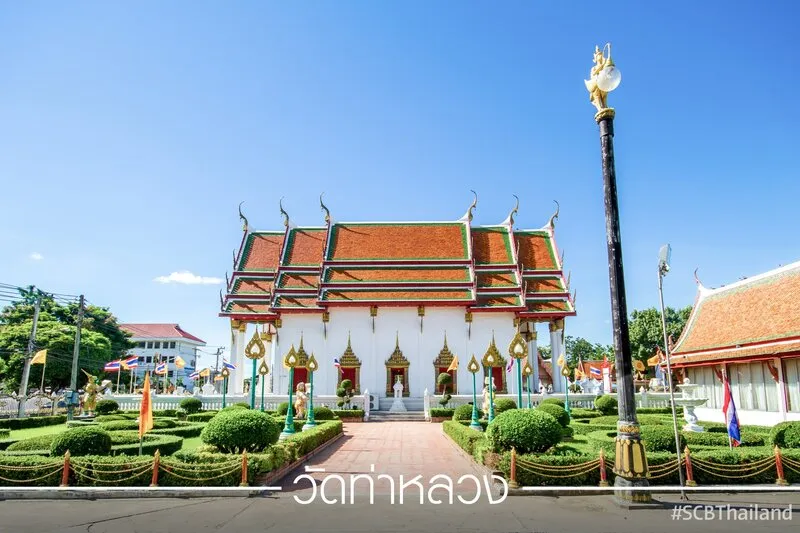
Wat Tha Luang
Open Days: Daily
Opening Hours: 06.30 – 18.00
Wat Tha Luang Royal Monastery in Phichit Province is one of the most important Buddhist temples in the province. Located on Busaba Road in Nai Mueang Subdistrict, Mueang Phichit District, the temple stands on the western bank of the Nan River, close to the old provincial administrative area. It is best known as the home of Luang Pho Phet, a revered bronze Buddha image regarded as the spiritual symbol of Phichit. For travelers visiting the province, Wat Tha Luang is a meaningful place to pay respect, learn about local history, admire traditional Buddhist art, and experience the calm riverside atmosphere of an old Thai temple.
The importance of Wat Tha Luang goes far beyond its role as a local temple. It was established in 1845 during the reign of King Nangklao, or King Rama III, and later became a third-class royal monastery. Its location beside the Nan River reflects the historical relationship between temples, waterways, and town life in Thailand. In the past, rivers were the main routes of transportation, trade, pilgrimage, and community connection. A temple located on a major riverbank was therefore not only a place of worship, but also a central part of social and cultural life.
The name Wat Tha Luang is closely connected with the old local area and the riverside landscape. The word “Tha” refers to a landing place or river pier, while “Luang” suggests importance or official significance. The name therefore reflects both the temple’s location and its historical status in the town. The temple was also known by another name, Wat Ratchadittharam, although Wat Tha Luang remains the name widely used and recognized by local people and visitors today.
The main highlight of the temple is Luang Pho Phet, a Chiang Saen-style Buddha image in the posture of subduing Mara. Cast in bronze, the image measures approximately 1.40 meters across the lap and about 1.60 meters in height. The Buddha image is admired for its graceful proportions, serene facial expression, and powerful presence. Its artistic form reflects the beauty of northern Thai Buddhist art, while its spiritual importance has made it one of the most respected Buddha images in Phichit Province.
The history of Luang Pho Phet is closely linked with a well-known local tradition. It is said that the ruler of Phichit once wished to bring an important Buddha image to the town as a principal sacred image. When an army from Ayutthaya passed through Phichit on its way to suppress a rebellion in Chiang Mai, the ruler asked the commander to bring back a Buddha image after the campaign was completed. After the conflict ended, Luang Pho Phet was placed on a bamboo raft and floated down the Ping River. The image was first entrusted to the ruler of Kamphaeng Phet, later enshrined at Wat Nakhon Chum, and eventually brought to the ordination hall of Wat Tha Luang in Phichit, where it remains today.
This story of Luang Pho Phet’s journey reveals how deeply rivers shaped religious and cultural life in old Thailand. The movement of a sacred Buddha image by raft was not simply transportation. It was a journey of faith along waterways that connected towns, communities, and rulers. The image links Phichit with wider historical routes in the lower northern region, including Chiang Mai, Kamphaeng Phet, and the river systems that once carried people, goods, armies, and sacred objects.
The ordination hall of Wat Tha Luang is the most important area for visitors. Most travelers begin their visit by entering the hall to pay respect to Luang Pho Phet. The atmosphere inside is calm and devotional, making it suitable for quiet prayer, meditation, and reflection. Local people often come to offer flowers, candles, incense, and gold leaf according to Buddhist tradition. For many visitors, paying respect to Luang Pho Phet is not only an act of worship, but also a way to connect with the history and identity of Phichit.
Wat Tha Luang also plays a central role in important religious and cultural events in the province. The annual worship event for Luang Pho Phet and Phichit town celebrations reflect the devotion of local people. The riverfront area near the temple is also associated with Phichit’s famous long-boat racing tradition, one of the province’s most recognized river festivals. Together, the temple, the Buddha image, the Nan River, and the long-boat races form a strong cultural identity that represents Phichit’s connection with faith, water, and community life.
The temple architecture and atmosphere show the character of an old royal monastery that has been maintained and restored through time. The ordination hall, temple grounds, and riverside setting create a peaceful environment for visitors. Walking slowly through the temple allows travelers to observe architectural details, Buddhist artistic elements, and the calm rhythm of local religious life. Wat Tha Luang is therefore not only a sightseeing stop, but also a place where visitors can experience the quiet dignity of a provincial temple with deep historical roots.
For cultural travelers, Wat Tha Luang offers several layers of meaning. As a Buddhist temple, it is a sacred place for merit-making and worship. As a historical site, it preserves stories about a revered Buddha image and the development of Phichit town. As a travel destination, it is easy to access, located in the town area, and can be combined with other nearby attractions. This makes it suitable for Thai visitors, foreign travelers, photographers, history enthusiasts, and anyone interested in Buddhist art and local culture.
Visitors who want to appreciate the temple properly should allow at least one hour. This gives enough time to pay respect to Luang Pho Phet, walk around the ordination hall, enjoy the riverside atmosphere, and take appropriate photographs. During major religious events or festivals, visitors should allow more time because the temple becomes much busier, with local people gathering for worship and community activities.
Temple etiquette is important when visiting Wat Tha Luang. Visitors should dress modestly, speak quietly inside the ordination hall, remove shoes where required, avoid inappropriate photography, and respect people who are praying or meditating. A calm and respectful visit allows travelers to understand the spiritual value of the temple more deeply.
In terms of travel planning, Wat Tha Luang is a convenient starting point for exploring Phichit town. After visiting the temple, travelers can continue to Bueng Si Fai, Phichit City Pillar Shrine, Phichit Old City Park, Wang Krot Old Market, or Ban Dong Ho Chi Minh Museum. These sites together create a cultural route that combines Buddhism, local history, riverside heritage, and community life.
Getting There is convenient because Wat Tha Luang is located in Phichit town. Travelers with private cars can drive into the town center and follow Busaba Road toward the Nan River. Those arriving by train can get off at Phichit Railway Station and continue by local transport, taxi, or hired vehicle. The temple is close to the town center, making it easy to visit even without a private car.
For travelers coming from Bangkok, Phichit can be reached by car via major highways leading north, or by train on the northern line. Staying overnight in Phichit town is a practical option for visitors who want to combine Wat Tha Luang with other nearby attractions, local restaurants, cafes, and riverside communities. The temple can be included in a half-day or full-day itinerary depending on travel style.
Wat Tha Luang is especially rewarding for visitors interested in Buddhist sculpture. Luang Pho Phet is not only artistically beautiful, but also spiritually powerful in the eyes of local devotees. Seeing the image in person helps visitors understand why it has become so deeply respected. Its value lies not only in bronze, form, or age, but also in generations of faith passed down by the people of Phichit.
Overall, Wat Tha Luang Royal Monastery is one of the best places to understand the cultural identity of Phichit Province. It brings together an old riverside town, Buddhist devotion, sacred art, the Nan River, and local traditions in one meaningful place. For foreign travelers seeking a deeper experience of Thailand beyond major tourist cities, Wat Tha Luang offers a calm, authentic, and historically rich visit.
| Name | Wat Tha Luang Royal Monastery |
| Location | Busaba Road, Nai Mueang Subdistrict, Mueang Phichit District, Phichit Province |
| Address | 674 Busaba Road, Nai Mueang Subdistrict, Mueang Phichit District, Phichit 66000 |
| Highlights | Pay respect to Luang Pho Phet, Phichit’s revered Buddha image; visit the ordination hall; and experience the peaceful riverside atmosphere beside the Nan River |
| History | Established in 1845 during the reign of King Rama III and later elevated to a third-class royal monastery |
| Name Origin | The name is connected with the old Tha Luang area and the riverside setting. “Tha” refers to a river landing place, while “Luang” suggests importance |
| Distinctive Features | Old royal monastery on the Nan River, ordination hall housing Luang Pho Phet, and a major spiritual center for the people of Phichit |
| Key Sacred Object | Luang Pho Phet, a Chiang Saen-style bronze Buddha image in the posture of subduing Mara, about 1.40 meters across the lap and 1.60 meters high |
| Travel Information | Accessible by private car via Phichit town and Busaba Road; train travelers can get off at Phichit Railway Station and continue by local transport |
| Current Status | Open as an important Buddhist temple and cultural-historical attraction in Phichit Province |
| Open Days | Daily |
| Opening Hours | 06.30 – 18.00 |
| Fees | No admission fee |
| Facilities | Parking area, merit-making area, ordination hall, Luang Pho Phet worship area, and Nan River riverside space |
| Caretaker / Temple Contact | Wat Tha Luang Royal Monastery Office |
| Main Contact Number | 089-001-5455, 080-447-9081, 063-312-4659 |
| Official Website / Official Page | Facebook: Wat Tha Luang Phichit Royal Monastery |
| Nearby Tourist Attractions | 1. Phichit Railway Station, about 1 km 2. Bueng Si Fai, about 3 km 3. Phichit City Pillar Shrine, about 4 km 4. Phichit Old City Park, about 8 km 5. Wang Krot Old Market, about 10 km 6. Ban Dong Ho Chi Minh Museum, about 14 km |
| Nearby Restaurants | 1. Restaurants in Phichit town area, about 1 km 2. Tiaw Pinto Tai Ha, Wang Krot Old Area, about 10 km, Tel. 082-603-5018 3. Pa Lang Traditional Noodle Shop, Wang Krot, about 10 km, Tel. 088-619-9548 4. Chim Hong Cafe, about 10 km, Tel. 097-216-2389 5. Darling202 Coffee and Eatery, about 10 km, Tel. 063-247-4695 |
| Nearby Accommodations | 1. Kason Place Hotel, about 1 km 2. Rabeang Nam Resort, about 1 km, Tel. 081-859-4907 3. Ban Piang Pen, about 2 km 4. Lanna Bali Resort, about 2 km 5. Fahluang Residence, about 3 km, Tel. 085-151-5696 |
Frequently Asked Questions (FAQ)
Q: Where is Wat Tha Luang located?
A: Wat Tha Luang is located at 674 Busaba Road, Nai Mueang Subdistrict, Mueang Phichit District, Phichit Province, on the western bank of the Nan River.
Q: What is Wat Tha Luang famous for?
A: The temple is famous for Luang Pho Phet, a revered Chiang Saen-style bronze Buddha image regarded as the sacred Buddha image of Phichit Province.
Q: What time is Wat Tha Luang open?
A: Wat Tha Luang is open daily from 06.30 to 18.00.
Q: Is there an admission fee for Wat Tha Luang?
A: No. Visitors can enter the temple, pay respect to Luang Pho Phet, and walk around the temple grounds without an admission fee.
Q: What does Luang Pho Phet look like?
A: Luang Pho Phet is a Chiang Saen-style Buddha image in the posture of subduing Mara, cast in bronze, measuring about 1.40 meters across the lap and 1.60 meters high.
Q: How can travelers get to Wat Tha Luang?
A: Travelers can drive into Phichit town and follow Busaba Road, or arrive by train at Phichit Railway Station and continue by local transport.
Q: What nearby attractions can visitors combine with Wat Tha Luang?
A: Visitors can continue to Bueng Si Fai, Phichit City Pillar Shrine, Phichit Old City Park, Wang Krot Old Market, and Ban Dong Ho Chi Minh Museum.
 Category: ●Places of Worship
 Group: ●Temple
Last Update : 5 MonthAgo
 Last Update : 5 MonthAgo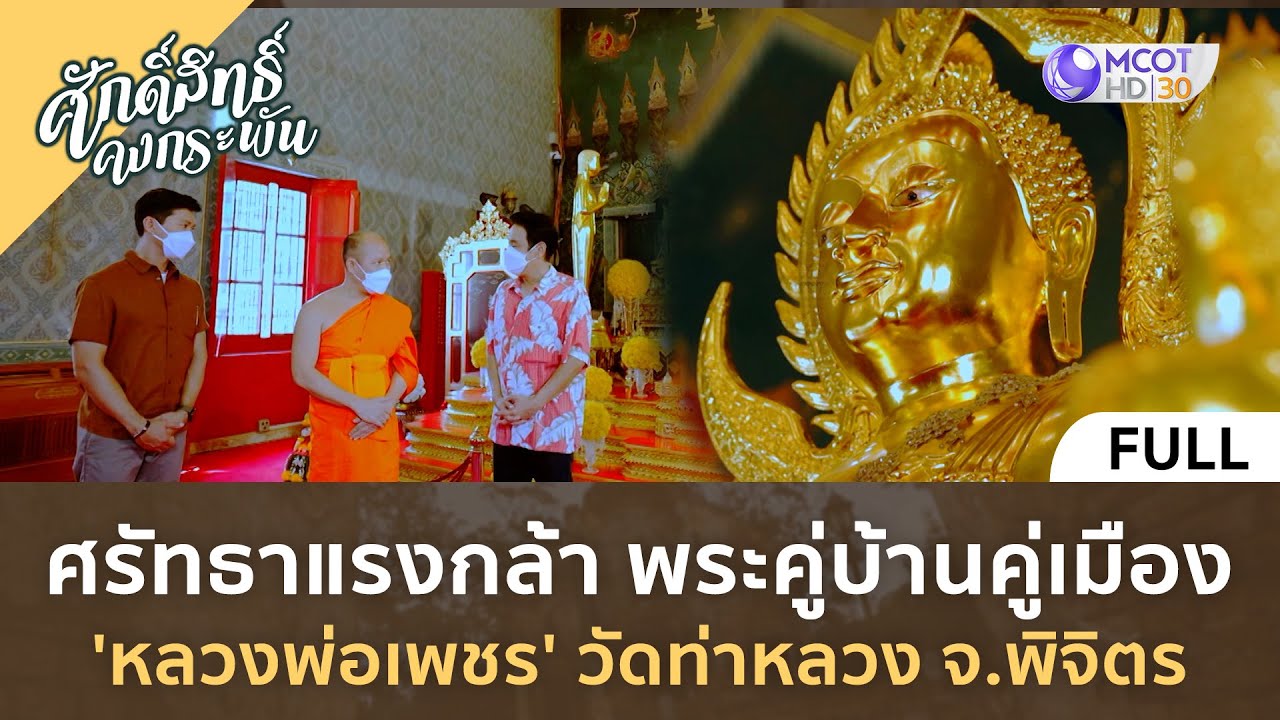
 Click to Access the Navigation Map GPS
Wat Tha Luang Map
Recommend

 Art, Culture and Heritage
 Historical Sites and Monuments(1)
 Art, Craft Centres, Tradition(1)
 Museums(1)
Temple(32)
Museums(1)
Temple(32)
 Other Sacred Sites(5)
 Research and Development
 Royal Project(1)
 Suburban Living
 Floating Market(1)
 Nature and Wildlife
 National Parks and Marine Reserves(1)
 Dam, Reservoir, Lake(3)
 River, Canal(2)
 Other natural attractions(1)
 Entertainment and Agricultural
 Animal camps and shows(1)
 Farms, Parks and Ecotourism(4)
 Travel Articles, Recipes
 Travel Review, Food Review(1)


