

 Home
Home Chiang Mai(














Trut Thai Tradition
Rating: 5/5 (1 votes)
 Search By
  Map
Map 
 Have Map
  No Map
Bangkok attractions
Attractions in Thailand
Trut Thai Tradition The "Trut Thai" festival, or Thai New Year, marks the change of the zodiac year according to Thai astrology and has long been significant as the end of the year for Thai people. The term "Trut" derives from Sanskrit, meaning "cut" or "to end," reflecting the transition from the old zodiac to the new. This tradition has been preserved since the Sukhothai era and is often referred to together with the Songkran festival as "Trut-Songkran," signifying the farewell to the old year and the welcome of the new one.
History and Origins The roots of Trut Thai lie in ancient beliefs and customs. Historically, the first day of the waxing moon in the month of "Ait" (Thai lunar calendar) was considered the New Year. During the Sukhothai period, this was shifted to the first day of the waxing moon in the fifth month, known as "Trut." This celebration was influenced by traditions from Sri Lanka, which had similar customs that were carried on into modern times.
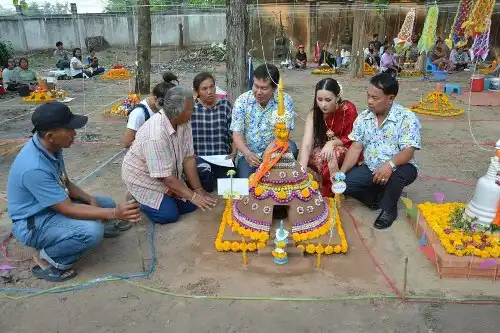
Rituals and Celebrations Today, Trut Thai is typically observed over two or three days, including the 14th or 15th day of the waxing moon in the fourth month and the first day of the waxing moon in the fifth month, depending on local customs. The celebrations generally involve:
1. Preparations Before Trut Thai Cleaning homes and the event venue. Preparing decorations and important foods, such as "Khao Chae" (rice soaked in cool water).
2. Rituals on Trut Thai Performing merit-making and paying respects to ancestors. Sharing meals together and wearing new or auspicious clothing.
3. Special Activities Organizing cultural events and local competitions. Chanting and making merit to dedicate the benefits to ancestors.
During Trut Thai, it is believed that the deities who oversee the world and the country are being replaced. Therefore, ceremonies are held to welcome the new deities and thank the previous ones. Preparing "Khao Chae" as an offering to the deities is based on the belief that consuming this food will bring blessings, such as having beautiful, healthy, and intelligent children.
Although Songkran has become the official New Year's Day, the tradition of preparing "Khao Chae" is still maintained in some communities. The merit-making activities on Trut Thai remain important, especially in central Thailand.
Today, Trut Thai usually falls in March, close to the Songkran festival. However, some communities still uphold this tradition by engaging in merit-making and dedicating offerings to ancestors. Celebrating Trut Thai continues to be a meaningful way to foster unity and strengthen community bonds.
Trut Thai is a significant festival for marking the zodiac year change according to Thai astrology. This celebration not only signifies the end of the old year and the beginning of the new one but also preserves ancient Thai beliefs and culture. Promoting and preserving this tradition helps ensure its continued relevance in Thai society.
 Category:
  Group:
  Tag: ●Trut Thai TraditionLast Update: 12 MonthAgo
Comment
 Nearby Attractions
| Keyword (Advance) |
 Region
|
 Phra Nakhon(
 Copyright 2012,