
lovethailand home >Central Travel Attractions >Bangkok Travel Attractions >Bangkok Yai >Wat Arun > Wat Khruea Wan Worawihan
TL;DR: Wat Khruea Wan Worawihan is located at No. 36 Arun Amarin Road, Wat Arun Subdistrict, Bangkok Yai District, Bangkok 10600, open Daily, hours 05:00 – 22:00.
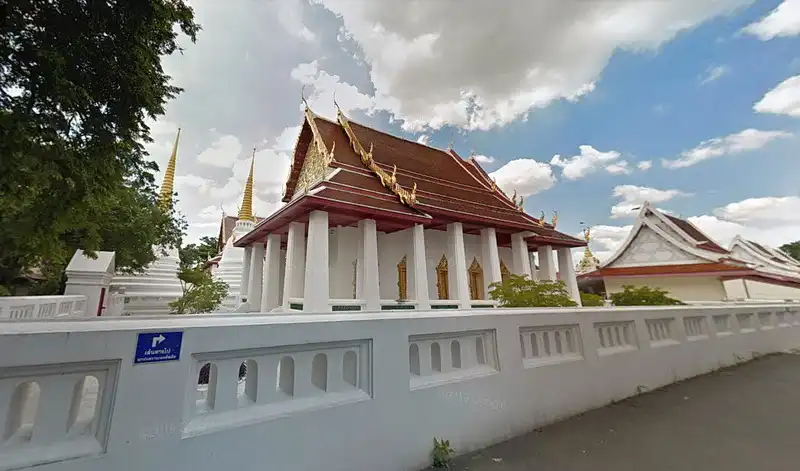
Wat Khruea Wan Worawihan
Open Days: Daily
Opening Hours: 05:00 – 22:00
Wat Khruea Wan Worawihan is a royal temple on the Thonburi side, in the Khlong Mon area, where layers of history sit quietly in place. It is close to the Wat Arun zone and long-established riverside communities along the Chao Phraya. Temples like this are rarely “flashy,” but they stay compelling because you can still read patronage, restoration, and the steady continuity of faith across different eras. Once you step inside, the atmosphere makes it clear: this is not only a place “to visit,” but a living religious space where locals regularly come to make merit. The temple’s rhythm is still breathing, not frozen into a photo moment.
What makes Wat Khruea Wan especially interesting from a historical perspective is that both the exact founding year and the identity of the founder remain debated rather than fixed in a single, final conclusion. One strand of record ties the temple to Chao Phraya Aphai Phuthon (Noi Bunyaratphand) in relation to its establishment and its elevation as a royal monastery during the reign of King Rama III. Another strand—often cited through historical documents—points to Chao Chom Khruea Wan, daughter of Chao Phraya Aphai Phuthon, as the person who began building a new temple in the Khlong Mon area. According to this account, the construction was not completed before Chao Chom Khruea Wan passed away, and the king ordered that the work continue until completion, granting the name “Wat Khruea Wan Worawihan.” Rather than making the temple’s past feel vague, these parallel narratives reflect a common reality of Bangkok’s urban temple history, where formal records and family or community memory often run side by side.
Even if the details of “who built it” are still discussed, one point reads clearly: the name “Khruea Wan” is closely linked to Chao Chom Khruea Wan and connects back to the Bunyaratphand family line. This gives the temple an additional layer as a kind of “family-associated temple,” a pattern frequently found in early Rattanakosin Bangkok. A temple was not only a religious site; it could also be a place where kinship memory, social authority, and networks of patronage helped keep the institution steady over the long term.
As a historical timeline marker, Wat Khruea Wan received royal patronage and underwent restoration in multiple periods, especially in the reign of King Rama III, when many temples were “reframed” to match the formality of the new capital. Restorations of that era often leave traces in the language of craftsmanship: more orderly composition, refined proportions, careful finishing, and practical improvements that better support ritual use. Later restorations continued through figures connected to the family, and the temple was also restored in the reign of King Rama V, confirming that it was consistently maintained rather than left to fade with time.
If you enjoy observing architecture, it helps to begin by “reading the layout” first: walk the broader space to sense how the sacred precinct and practical-use areas are arranged, then move inward toward details. Urban temples that were restored across multiple periods often feel most charming at the seams between eras. Some parts keep older characteristics, while other parts were repaired or reinforced for real-world use. These changes do not diminish the temple’s value; they reveal the logic of preserving a temple in a living city—keeping faith continuous while adapting to shifting conditions and everyday needs.
Another dimension that gives Wat Khruea Wan depth is its association with family memorial space through the building of certain chedis in later periods, reflecting how a temple can belong not only to the state, but also to a web of relationships among the royal court, officials, prominent families, and the community. In that sense, the temple’s meaning expands from a purely ritual space into a space of memory. This is exactly why a temple like this is rewarding to “read”: the artistry carries social history inside it.
Getting There If you are coming by metro, take the MRT to Itsaraphap Station and continue by a short local ride depending on what feels most convenient. (Thonburi has many small lanes, and using navigation maps can reduce unnecessary detours.) If you are driving, allow extra time because traffic in the Bangkok Yai–Wat Arun area can become heavy at certain times, especially on weekends and during merit-making events.
Before entering important buildings, dress modestly, keep your voice low, and avoid touching fragile artworks or decorative elements. If you want a more comfortable walk, early morning or late afternoon is better than midday heat, and the softer light can also help you see material textures more clearly.
| Name | Wat Khruea Wan Worawihan |
| Type | Third-class royal monastery, Worawihan category (Dhammayut order) |
| Location | No. 36 Arun Amarin Road, Wat Arun Subdistrict, Bangkok Yai District, Bangkok 10600 |
| Historical Overview | Often-cited evidence links the temple to its establishment and royal-monastery status during the reign of King Rama III, with continued restorations across several periods including King Rama V. The founder is discussed through two main lines of record: one associated with Chao Phraya Aphai Phuthon, and another identifying Chao Chom Khruea Wan as the initiator of construction. |
| Name Origin | Linked to “Chao Chom Khruea Wan” and the temple’s association with the Bunyaratphand family |
| Current Status | Open for visits and merit-making |
| Temple Contact | 02-465-3565, 02-465-9592 |
| Abbot (Latest) | Somdet Phra Phuttha Photchanawachiramuni (Montri Khanissaro) |
| Nearby Attractions (Approx. Real-Route Distance) + Phone | Wat Arun Ratchawararam Ratchaworamahawihan – 0.9 km – 02-465-5640 The Grand Palace – 2.8 km – 02-623-5500 Wat Phra Chetuphon Wimon Mangkhalaram (Wat Pho) – 2.4 km – 02-226-0335 National Museum of Royal Barges – 4.2 km – 02-424-0004 Wat Kanlayanamit Woramahawihan – 2.7 km – 02-465-0782 |
| Nearby Restaurants (Approx. Real-Route Distance) + Phone | The Deck by Arun Residence – 2.2 km – 02-221-9158 Supanniga Eating Room (Tha Tien) – 2.5 km – 02-015-4224 THE SIXTH 6th (Tha Tien) – 2.5 km – 064-078-7278 Rongros – 2.6 km – 096-946-1785 Eagle Nest Bar (Sala Arun) – 2.5 km – 02-622-2932 |
| Nearby Accommodations (Approx. Real-Route Distance) + Phone | Riva Arun Bangkok – 2.5 km – 02-221-1188 Arun Residence – 2.2 km – 02-221-9158 Sala Rattanakosin Bangkok – 2.6 km – 02-622-1388 Sala Arun – 2.5 km – 02-622-2932 Chakrabongse Villas – 2.8 km – 080-045-7778 |
Frequently Asked Questions (FAQ)
Q: In which period was Wat Khruea Wan Worawihan built?
A: Frequently cited records connect the temple to its establishment and royal-monastery status in the reign of King Rama III, with continued restorations in several later periods. However, the exact founding year is still discussed in documentary terms.
Q: Why is the temple called “Khruea Wan”?
A: Some historical accounts link the name to Chao Chom Khruea Wan, daughter of Chao Phraya Aphai Phuthon, and the temple is also understood to have an association with the Bunyaratphand family line.
Q: What attractions are close to Wat Khruea Wan Worawihan?
A: The temple is close to the Wat Arun–Tha Tien area, and it is easy to continue onward to Wat Pho, the Grand Palace, or the National Museum of Royal Barges.
Q: Can I reach Wat Khruea Wan Worawihan by metro?
A: Yes. Take the MRT to Itsaraphap Station, then continue by a short local ride depending on convenience.
Q: What etiquette should visitors follow when entering the temple?
A: Dress modestly, keep your voice low, respect ritual areas, avoid touching fragile artworks or decorative elements, and help keep the grounds clean.
 Category: ●Places of Worship
 Group: ●Temple
Last Update : 9 MonthAgo
 Last Update : 9 MonthAgo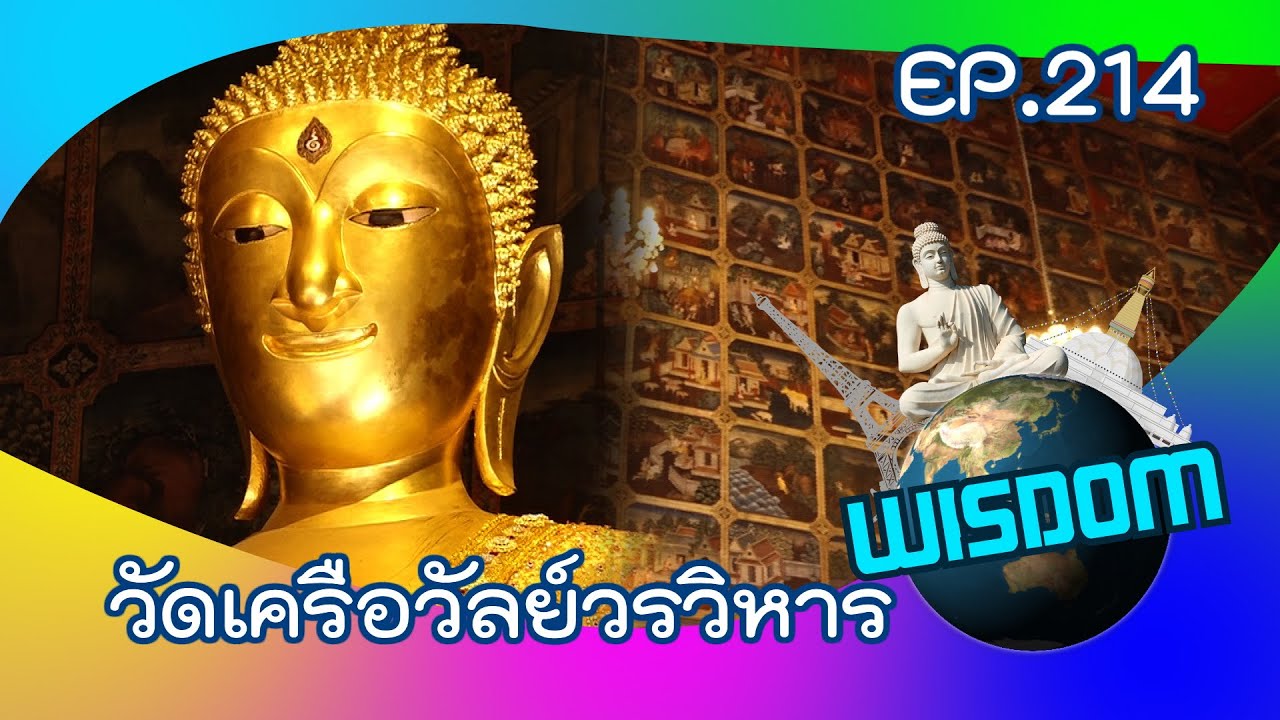
 Click to Access the Navigation Map GPS
Wat Khruea Wan Worawihan Map
Recommend

 Art, Culture and Heritage
 Historical Sites and Monuments(3)
 Landmarks and Memorials(23)
 Royal Palace(13)
 Art, Craft Centres, Tradition(35)
 Museums(59)
 Historic Homes and Cities(3)
 Art Gallery(16)
 Educational Places
 Museum for Study(6)
 Library(4)
Temple(72)
Library(4)
Temple(72)
 Church(2)
 Mosque(67)
 Other Sacred Sites(8)
 Research and Development
 Royal Project(1)
 Suburban Living
 Village, Community(5)
 Local Market(9)
 Floating Market(2)
 Nature and Wildlife
 River, Canal(3)
 Bays and Beaches(1)
 Other natural attractions(1)
 Entertainment and Agricultural
 Zoos and Aquariums(5)
 Animal camps and shows(5)
 Stadium(9)
 Farms, Parks and Ecotourism(20)
 Amusement Park(1)
 Waterpark(4)
 Theater(7)
 Cinema(1)
 Shopping
 Shopping and Night Market(20)
 Department Store(7)
 Spas and Wellness
 Spas and Wellness(1)
 Restaurant
 Michelin Star(5)
 Accommodation
 Hotel(3)
 Call Customer Service in Tourism
 Call Customer Service in Tourism(1)
 Travel Articles, Recipes
 Travel Review, Food Review(41)
 Royal Thai Desserts and Recipes(56)


