
 Home
Home North(
 Chiang Mai(


Wat Hua Wiang
Rating: 2.2/5 (13 votes)
 Search By
  Map
Map 
 Have Map
  No Map
Phranakhon Si Ayutthaya attractions
Attractions in Thailand
Open Days: Open Daily
Opening Hours: 06.00 – 18.00
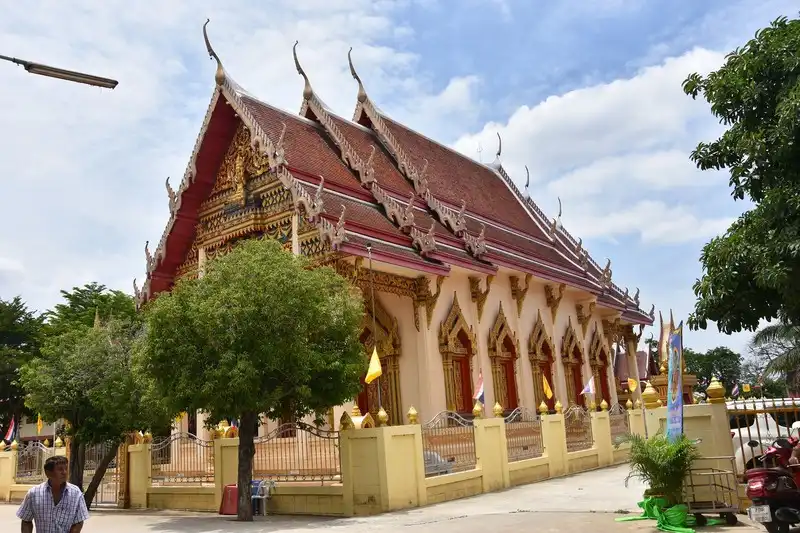
Wat Hua Wiang (Sena District, Phra Nakhon Si Ayutthaya) is a local community temple in Hua Wiang Subdistrict that has remained closely intertwined with everyday village life for generations. Set within a riverside, rural atmosphere typical of Sena, the temple feels calm and unpretentious. It is not part of Ayutthaya’s main tourist-temple circuit on the historic island, which makes it particularly suitable for visitors who want to experience “another side of Ayutthaya”—one shaped by real community rhythms rather than crowded sightseeing scenes. The temple functions not only as a place of Buddhist observance, but also as a gathering point for the community and a living space where shared memories are formed across many age groups—from merit-making events and ordinations to funerals, volunteer activities, and neighborly support in times of need.
What makes Wat Hua Wiang distinctive is its authentic identity as a “community temple.” Its beauty is not defined by monumental architecture like the major temples within Ayutthaya’s archaeological zone. Instead, it is found in orderliness, shade, quietness, and consistent care—qualities that reflect the collective effort of local residents. Visitors often sense a welcoming simplicity that naturally settles the mind without requiring any special preparation. This is the kind of place where one can make merit quietly, pay respects, set intentions, stroll gently through the grounds, or spend time in stillness without being pressured by noise or haste.
In terms of local roots and historical context, Hua Wiang Subdistrict lies within Sena District, an important part of the Lower Chao Phraya riverplain network where riverside communities have long been established. Temples in settings like this typically serve as the spiritual anchor of the village while also playing social roles that extend beyond formal religious rites. Wat Hua Wiang is therefore not merely a “ceremonial venue,” but a place that the community passes through in everyday life—bringing children to make merit on Buddhist holy days, helping with Kathin and Pha Pa ceremonies, or gathering to discuss shared community matters. These scenes explain the meaning of a community temple more clearly than any description, because they come from lived relationships built through real, ongoing coexistence.
For those who come specifically to pay respects, local devotees often speak of worshipping the temple’s important Buddha images, especially the ones widely revered for blessings of peace, stability, and encouragement in daily living. In the cultural context of riverside Ayutthaya communities, visiting a temple is often less about seeking “grandeur” and more about finding “sincerity” and “calm”—a sense of reassurance that one has arrived at a place where the heart can rest. Wat Hua Wiang therefore suits visitors who want to make merit with genuine intention, without rushing, and without having to compete with mass-tourism flows.
The temple’s quiet character is also reflected in small details: the shade of trees, unobstructed walkways, a courtyard where elders may sit and rest, locals stopping by during the day to make merit, and children in the area who grow up alongside the temple. Observing these elements helps visitors understand that a rural temple in Ayutthaya is not simply a backdrop for photos, but a living space—one that people actively use and protect with respect. Whether through keeping the grounds clean, contributing to maintenance through merit-making, or naturally observing the etiquette expected in sacred places, the community’s care is visible in everyday practice.
Another important dimension is the role of monastic leadership and the temple committee in keeping community temples organized and active. Wat Hua Wiang’s abbot is Phra Baidika Damrong Analayo, which supports those who wish to coordinate merit-making events, Kathin ceremonies, charitable activities, or other religious matters with clearer points of reference.
If you view Wat Hua Wiang as a stop on an “off-the-island Ayutthaya” itinerary, it fits well into a relaxed day plan that blends temple visits with community ambience and local dining in Sena District, where many locals favor regional eateries and grilled river prawn spots. The temple is also within reach of Ayutthaya’s major attractions, including the historic island zone and several famous temples. A simple plan such as “morning temple visit – midday local meal – afternoon heritage walk” can work without feeling rushed. Visitors should prioritize temple etiquette: dress modestly, keep voices low, avoid climbing on or touching sacred items, and respect the space of monks and local devotees who come to practice religious activities.
In terms of atmosphere, Wat Hua Wiang feels more “still” and “warm” than visually dramatic. Many people who appreciate community temples are looking for the feeling of pausing and resetting away from the density of the main tourist sites. Paying respects in a place where daily life continues naturally can deepen the meaning of merit-making, because you can witness how locals care for the temple, how the space is used thoughtfully, and how the temple remains part of the community rather than a staged exhibit. Simply noticing everyday practices—alms-giving, offering to monks, volunteering during temple events, or quietly resting in the courtyard—can become a gentle experience that restores mental energy.
For visitors traveling by car, reaching Wat Hua Wiang is generally convenient because Sena District connects to multiple parts of Ayutthaya and nearby provinces. Setting your destination in an online map as “Wat Hua Wiang, Hua Wiang Subdistrict, Sena District” helps reduce confusion. As you approach, you will notice that the temple sits within the community rather than standing apart. Drive at an appropriate speed because some roads are community lanes with pedestrians and motorcycles passing regularly. Morning visits are ideal for cooler air and quieter ambience, while late afternoon often brings softer light that suits a slow walk through the grounds. If you plan to continue into Ayutthaya’s historic island zone afterward, allow extra time for traffic conditions.
Getting There: If starting from the Sena area, head toward Hua Wiang Subdistrict and use map navigation to “Wat Hua Wiang.” The temple is located within the community and signage can usually be noticed as you get closer. Parking may be limited during merit-making events, so park neatly and avoid blocking entrances, exits, or community access routes used by locals and monks.
Visiting Wat Hua Wiang can also appeal to cultural-travel writers who want a perspective that does not feel repetitive. Community temples often carry “stories” and “shared memories” rooted in place—stories that are not packaged as products but reflect local identity. Content creators can focus on atmosphere, stillness, and everyday community life through a respectful lens that does not disrupt religious practice. This approach aligns with travel trends in which people seek meaning and authenticity rather than spectacle, and it can help readers see Ayutthaya in a deeper, more human dimension.
Ultimately, although Wat Hua Wiang may not be a landmark name for most tourists, its significance is clearly felt at the community level. The temple preserves faith, local cohesion, and a sense of belonging within Hua Wiang Subdistrict. When visitors walk through the calm grounds, pay respects with intention, and experience the area’s quiet simplicity, they may come to understand that Ayutthaya’s charm is not limited to the island’s major ruins. There is also an Ayutthaya of living communities that continues to breathe every day—and Wat Hua Wiang is one place that reflects that sincerity with quiet grace.
| Place Summary | A local temple in Hua Wiang Subdistrict, Sena District, known for its calm, simple community atmosphere, suitable for merit-making and a quiet visit. |
| Address | 32/2 Moo 2, Hua Wiang Subdistrict, Sena District, Phra Nakhon Si Ayutthaya 13110, Thailand |
| Highlights | Quiet and shaded grounds; a genuine community temple; ideal for unhurried merit-making and experiencing local Sena community life. |
| Abbot (Latest) | Phra Baidika Damrong Analayo |
| Temple Phone | 035-396-022 |
| Nearby Tourist Attractions | 1) Ayutthaya Historical Park ~18.3 km 2) Wat Phu Khao Thong ~20.2 km 3) Wat Chaiwatthanaram ~27.8 km 4) Wat Phra Si Sanphet ~28.5 km 5) Wat Mahathat ~30.8 km |
| Popular Restaurants Nearby | 1) Baan Ton Mai Restaurant (Sena) ~6 km Tel. 080-585-9429 2) Ann Kung Phao (Sena) ~7 km Tel. 063-624-2635 3) Waan Ping..Pang ~8 km Tel. 080-596-9195 4) .Sena ~9 km Tel. 082-483-3655 5) Baan Khun Ying Restaurant ~10 km Tel. 081-250-5099 |
| Popular Accommodations Nearby | 1) Sukai Home ~9 km Tel. 084-122-2680 2) Mee Na Resort (Sena) ~10 km Tel. 082-235-3563 3) Moom Sabai Resort (Sena) ~12 km Tel. 094-286-6687 4) Ayutthaya Retreat ~24 km Tel. 035-795-885 5) Baan Khung Thara Ayutthaya ~26 km Tel. 098-273-2700 |
Frequently Asked Questions (FAQ)
Q: Where is Wat Hua Wiang located?
A: The temple is located at 32/2 Moo 2, Hua Wiang Subdistrict, Sena District, Phra Nakhon Si Ayutthaya, near the local community area.
Q: Is Wat Hua Wiang open every day, and what are the opening hours?
A: The temple is generally open daily from 06.00 – 18.00. If there is a special merit-making event, it is advisable to check with the temple before visiting.
Q: Who is the current abbot of Wat Hua Wiang?
A: Publicly available information lists the abbot as Phra Baidika Damrong Analayo.
Q: What kind of visit is Wat Hua Wiang best suited for?
A: It is best for visitors who want a quiet, community-based temple experience and prefer an off-the-main-route side of Ayutthaya.
Q: What is the easiest way to get to Wat Hua Wiang?
A: Driving is recommended. Set your destination on an online map to “Wat Hua Wiang, Hua Wiang Subdistrict, Sena District.” Once you enter the community area, drive slowly and park neatly within the temple grounds.
 Tel: 035288495
 Wat Hua Wiang Map
 Category:
  Group:
  Tag: ●Wat Hua Wiang●wat hua wiang ●wat hua wiang sena ●temple in sena ayutthaya ●quiet temple ayutthaya ●community temple thailand ●ayutthaya off the beaten path ●sena ayutthaya travel ●merit making ayutthaya ●local temple ayutthaya ●things to do in sena Last Update: 2 MonthAgo
Comment
 Nearby Attractions
| Keyword (Advance) |
 Facebook Fanpage
 Region
 Art, Culture and Heritage
 Historical Sites and Monuments(
 Landmarks and Memorials(
 Royal Palace(
 Art, Craft Centres, Tradition(
 Museums(
 Educational Places
 Museum for Study(
 Educational Gardens, Farm(
 Training Center(
 University
 Church(
 Mosque(
 Other religious and spiritural sites(
 Research and Development
 Royal Project(
 Suburban Living
 Village, Community(
 Local Market(
 Floating Market(
 Nature and Wildlife
 Dam, Reservoir, Lake(
 River, Canal(
 Islands(
 Other natural attractions(
 Entertainment and Agricultural
 Animal camps and shows(
 Farm, Parks, Gardens and Ecotourism(
 Travel Articles, Recipes
 Travel Review, Food Review(
 Copyright 2012,