

 Home
Home Chiang Mai(























Chipatha Museum Ban Khu Bua
Rating: 4/5 (5 votes)
 Search By
  Map
Map 
 Have Map
  No Map
Ratchaburi attractions
Attractions in Thailand
Open Days: Open daily (advance contact is recommended)
Opening Hours: 09.00 – 16.00
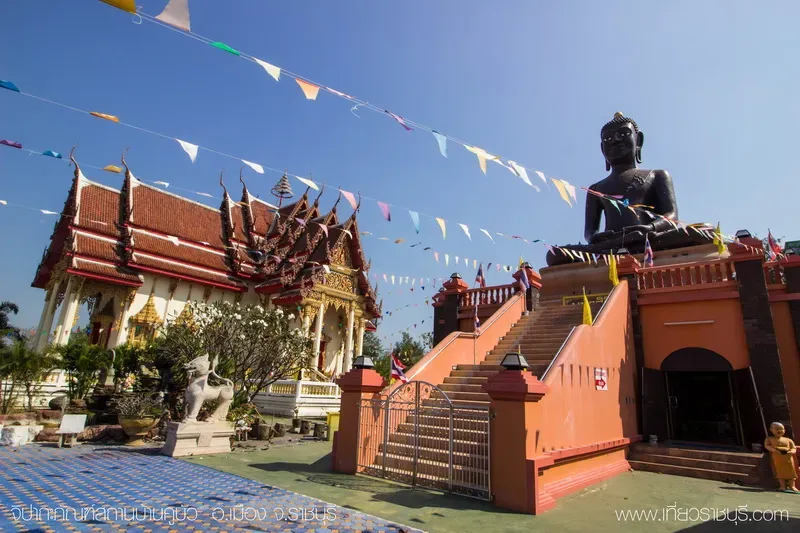
Chipatha Museum Ban Khu Bua is a highly significant local museum in Ratchaburi Province. It is located within the grounds of Wat Khlong Suwan Khiri, Village No. 6, Khu Bua Subdistrict, Mueang Ratchaburi District, Ratchaburi. This museum was established through the collaboration of local residents and community organizations that wished to preserve the cultural heritage, history, and wisdom of the Ban Khu Bua community for future generations. Chipatha Museum Ban Khu Bua is not only a place for collecting ancient artifacts, but also a center of knowledge about the history of the ancient town of Khu Bua and the way of life of the Tai Yuan people who have lived in this area for more than 200 years.
The area of Khu Bua Subdistrict is an ancient civilization site of great historical importance. Archaeologists have discovered a large number of remains indicating that this area was once an ancient town during the Dvaravati period, which flourished around the 6th to 11th centuries CE. Discoveries in the area include terracotta votive tablets, sandstone Buddha head fragments, earthenware, and other archaeological objects that reflect the prosperity of the community in the past.
Chipatha Museum Ban Khu Bua was founded through cooperation within the local community, with the purpose of collecting ancient artifacts and historical narratives related to the ancient town of Khu Bua and the Tai Yuan community that settled in this area. The establishment of this museum is therefore considered an excellent example of community-based cultural preservation created through the united efforts of local people.
The museum building is divided into two floors, each designed to display different themes clearly so that visitors can learn about the area’s history and culture in a systematic way. The exhibitions focus on storytelling through real objects, wax figures, and interpretive displays that help explain the historical background of the community.
The ground floor displays Dvaravati-period artifacts discovered in Khu Bua. These objects are of great historical value because they reflect the settlement patterns and culture of ancient people. Visitors can see terracotta votive tablets, fragments of Buddha images, everyday tools, and other archaeological evidence uncovered through excavations in the area.
In addition, the ground floor also includes wax figure displays that recreate important moments in the beginning of the museum project. These exhibits help visitors understand the efforts made by local people to preserve their own history. The wax figures serve as visual storytelling elements that convey the atmosphere of community collaboration.
Another section on the ground floor is dedicated to the way of life of the Tai Yuan community, an important ethnic group that migrated from Chiang Saen in 1804 and settled in Ratchaburi. This room displays agricultural tools, rice farming equipment, occupational utensils, and everyday household items used by villagers in the past.
The upper floor is devoted to the wisdom of Tai Yuan textile weaving from Chiang Saen, which is regarded as one of the most distinctive cultural identities of the Ban Khu Bua community. Jok weaving is a highly skilled textile art known for its beautiful patterns. The various motifs woven into the cloth reflect the beliefs, traditions, and way of life of the Tai Yuan people.
Inside the textile exhibition room, visitors can admire ancient Jok textiles that are more than 200 years old. These pieces are valuable cultural heritage items because they demonstrate the craftsmanship and wisdom of weavers in the past. The exhibition also includes Jok textiles woven by present-day descendants of the Tai Yuan people, showing how this knowledge has been passed down from one generation to the next.
Another particularly interesting room displays the costumes of various ethnic groups in Ratchaburi Province, such as the Yuan, Song, Lao Wiang, Mon, Karen, Chinese, and local Thai communities. These costumes reflect the cultural diversity of the people of Ratchaburi, a province shaped by the blending of many ethnic groups.
The atmosphere around Chipatha Museum Ban Khu Bua is peaceful and shaded, as it is located within the grounds of Wat Khlong Suwan Khiri. Visitors can stroll through the museum and experience the atmosphere of the local community at close range. A visit here is therefore not only a museum trip, but also an in-depth opportunity to learn about the culture and history of the Ban Khu Bua community.
Getting There If you are traveling from Ratchaburi town, you can take Phetkasem Road and turn into Khu Bua Subdistrict. The journey takes about 15 minutes. From there, continue toward Wat Khlong Suwan Khiri, where the museum is located. Visitors can conveniently travel by private car or local songthaew.
| Name | Chipatha Museum Ban Khu Bua |
| Location | Village No. 6, Khu Bua Subdistrict, Mueang Ratchaburi District, Ratchaburi Province |
| Characteristics | A local museum displaying Dvaravati-period artifacts, Tai Yuan community life, and ancient Jok textiles |
| Current Status | Open daily from 09.00 – 16.00 (advance contact is recommended) |
| Nearby Attractions | 1. Ancient Town of Khu Bua – 1 km 2. Wat Khlong Suwan Khiri – 100 m 3. Wat Mahathat Worawihan – 7 km 4. Damnoen Saduak Floating Market – 25 km 5. Khao Ngu Stone Park – 8 km |
| Popular Restaurants Nearby | 1. Khun Maem Egg Noodles – 6 km Tel. 032-321-234 2. Krua Lung Rong Ratchaburi – 7 km Tel. 032-315-999 3. Kung Ob Phu Khao Fai Restaurant – 9 km Tel. 032-323-777 4. Krua Mon Khai – 8 km Tel. 032-310-555 5. Je Nid Pork Noodles – 6 km Tel. 032-321-678 |
| Popular Accommodations Nearby | 1. Na Wela Ratchaburi – 10 km Tel. 032-206-599 2. Space 59 Hotel – 7 km Tel. 032-322-222 3. Tai-Shan Suites – 8 km Tel. 032-315-888 4. The Great Hotel – 7 km Tel. 032-323-444 5. Navela Hotel – 11 km Tel. 032-206-999 |
Frequently Asked Questions (FAQ)
Q: Is Chipatha Museum Ban Khu Bua open every day?
A: Yes, it is open daily from 09.00 – 16.00. However, it is recommended to contact the staff in advance for convenience.
Q: What can visitors see inside the museum?
A: The museum displays Dvaravati-period artifacts, exhibits on Tai Yuan community life, ancient Jok textiles, and costumes of various ethnic groups in Ratchaburi Province.
Q: Why is Chipatha Museum Ban Khu Bua historically important?
A: It is an important center for preserving artifacts from the ancient town of Khu Bua, which was a major Dvaravati civilization site in central Thailand.
Q: How do I get to Chipatha Museum Ban Khu Bua?
A: You can travel from Ratchaburi town for about 7 kilometers, take Phetkasem Road into Khu Bua Subdistrict, and continue toward Wat Khlong Suwan Khiri, where the museum is located.
Q: What type of travel experience is this museum suitable for?
A: It is ideal for cultural and historical tourism, as well as for learning about Tai Yuan community life and the wisdom of Jok textile weaving.
 Chipatha Museum Ban Khu Bua Map
 Category:
  Group:
  Tag: ●Chipatha Museum Ban Khu Bua●khubua community museum ●chipatha museum khubua ●khubua ancient city museum ●ratchaburi museum ●cultural attractions ratchaburi ●tai yuan weaving museum ●khubua heritage museum ●ratchaburi cultural museum ●khubua archaeological site ●khubua local museum Last Update: 1 DayAgo
Comment
 Nearby Attractions
| Keyword (Advance) |
 Facebook Fanpage
 Region
 Historical Sites and Monuments(
 Landmarks and Memorials(
 Art, Craft Centres, Tradition(
 Art Gallery(
 Educational Places
 Educational Gardens, Farm(
 University
 Places of Worship
 Temple(
 Other religious and spiritural sites(
 Research and Development
 Royal Project(
 Suburban Living
 Village, Community(
 Local Market(
 Floating Market(
 Nature and Wildlife
 National Parks and Marine Reserves(
 Mountain (Doi)(
 Dam, Reservoir, Lake(
 Waterfalls(
 Hot Springs(
 Caves(
 Flower Field(
 River, Canal(
 Other natural attractions(
 Entertainment and Agricultural
 Zoos and Aquariums(
 Animal camps and shows(
 Farm, Parks, Gardens and Ecotourism(
 Waterpark(
 Outdoor and Adventure Activities(
 Shopping
 Shopping and Night Market(
 Spas and Wellness
 Spas and Wellness(
 Travel Articles, Recipes
 Travel Review, Food Review(
 Copyright 2012,