
lovethailand home >Central Travel Attractions >Phetchaburi Travel Attractions >Cha Am >Sam Phraya > Huai Sai Royal Development Study Centre
TL;DR: Huai Sai Royal Development Study Centre is located at 77 Moo 7, Bypass Road, Sam Phraya Subdistrict, Cha-Am District, Phetchaburi 76120, open Daily (except on certain public holidays), hours 08:30 – 16:30.
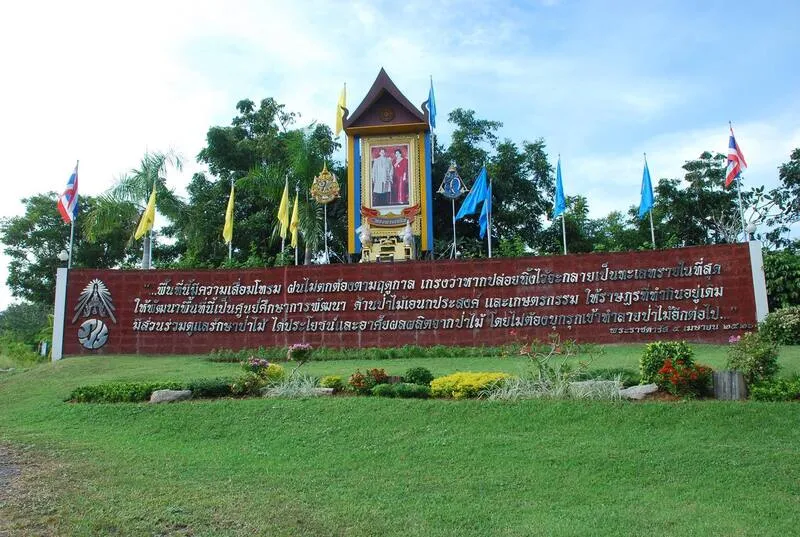
Huai Sai Royal Development Study Centre
Open Days: Daily (except on certain public holidays)
Opening Hours: 08:30 – 16:30
Huai Sai Royal Development Study Centre in Phetchaburi Province is a flagship model for restoring soil, water, and forests. Established in 1983 under the royal initiative of His Majesty King Bhumibol Adulyadej (Rama IX), the centre was created to address severe land degradation. Today, it serves as a major learning hub for sustainable agriculture and the Sufficiency Economy philosophy, welcoming visitors and study groups during official business hours.
Huai Sai Royal Development Study Centre, Phetchaburi is one of Thailand’s renowned Royal Development Study Centres with a crucial role in natural resource rehabilitation. Historically, the Huai Sai area was once a lush forest ecosystem rich in wildlife, especially herds of sambar deer, which is reflected in the name “Huai Sai.” The area also functioned as a headwater zone, providing streams and food resources for nearby communities.
On 7 May 1924, King Vajiravudh (Rama VI) issued a royal proclamation declaring Huai Sai a royal preserve and prohibiting harm to animals in the area to conserve its natural abundance. Over time, however, residents moved in and cleared forests for agriculture, particularly pineapple monoculture. Improper chemical use accelerated ecological decline at an alarming pace.
Within less than 40 years, forest cover was nearly eliminated. The soil lost fertility, severe erosion stripped away topsoil, and rainfall decreased until the area began to behave like a rain-shadow zone. The landscape showed signs of desertification, and many planted species failed to thrive, directly undermining local livelihoods.
On 5 April 1983, His Majesty King Bhumibol Adulyadej (Rama IX) visited the area and observed the extent of environmental degradation. He remarked that “if left as it is, this place will eventually become a desert.” Following this, he initiated the establishment of the Huai Sai Royal Development Study Centre as an integrated model for restoring soil, water, and forest resources.
The centre’s early work focused on rehabilitating degraded soils through organic amendments, cover crops, and the introduction of trees alongside economic crops in diversified farming systems. In parallel, water management infrastructure was developed, including reservoirs, check dams, and water distribution systems, to rebuild landscape moisture and long-term resilience.
The principle of “Three Forests, Four Benefits” has been applied across the area, enabling communities to use forest resources sustainably through timber for use, edible forest products, and economic trees, while also gaining additional benefits in watershed protection and soil conservation.
Today, the Huai Sai Royal Development Study Centre is a major learning site for sustainable agriculture, natural resource management, and the Sufficiency Economy philosophy. It features demonstration plots for integrated cropping, livestock, reforestation, and practical knowledge transfer programs for farmers, students, and the general public.
From a severely degraded landscape in the past, Huai Sai has become greener again. Ecological balance is improving, wildlife has gradually returned, and water resources are healthier — clear evidence of development grounded in deep ecological understanding and long-term, consistent implementation.
Getting There The Huai Sai Royal Development Study Centre is located in Cha-Am District, Phetchaburi Province. Visitors can drive from Bangkok via Phetkasem Road toward Phetchaburi, then follow local roads and on-site signage. It is recommended to confirm the latest route via navigation apps before departure.
| Place Name | Huai Sai Royal Development Study Centre |
| Address | 77 Moo 7, Bypass Road, Sam Phraya Subdistrict, Cha-Am District, Phetchaburi 76120 |
| Contact | 032-593-252–3 |
| Province | Phetchaburi |
| Highlights | A royal-initiative model for soil, water, and forest restoration; a learning centre for sustainable agriculture |
| Current Status | Open for learning visits and study tours (advance contact recommended) |
| Nearby Tourist Attractions | 1. Cha-Am Beach (main beachfront area) – approx. 15 km. 2. Mrigadayavan Palace – approx. 25 km. 3. Phra Nakhon Khiri (Khao Wang) – approx. 40 km. 4. Wat Mahathat Worawihan (Phetchaburi) – approx. 40 km. 5. Kaeng Krachan National Park (HQ/entrance area) – approx. 60 km. |
| Popular Restaurants Nearby | 1. Krua Med Sai (Cha-Am beachfront area) – approx. 18 km. Tel. 089-800-2299 2. Baan Chok – approx. 28 km. Tel. 032-899-130 3. Krua Huai Sai – approx. 30 km. Tel. 088-860-3898 4. View Talay Seafood Cha-Am – approx. 22 km. Tel. 087-532-4145 5. Sangwian Seafood – approx. 20 km. Tel. 032-472-280 |
| Popular Accommodations Nearby | 1. Huai Sai Study Centre Accommodation (on-site / study-visit area) – on-site. Tel. 080-687-0819 2. The Regent Cha-Am Beach Resort – approx. 25 km. Tel. 032-451-240 3. Sheraton Hua Hin Resort & Spa – approx. 30 km. Tel. 032-708-000 4. Dusit Thani Hua Hin – approx. 30 km. Tel. 032-520-009 5. Novotel Hua Hin Cha Am Beach Resort & Spa – approx. 28 km. Tel. 032-708-300 |
Frequently Asked Questions (FAQ)
Q: When was the Huai Sai Royal Development Study Centre established?
A: It was established following the royal initiative dated 5 April 1983.
Q: What is the centre’s main purpose?
A: To restore soil, water, and forests, serve as a sustainable development model, and transfer practical knowledge to communities.
Q: Is the centre open every day?
A: It operates during official business hours; services may be adjusted on certain public holidays, so contacting the centre in advance is recommended.
Q: How long should a typical visit take?
A: Most visits take about 2–3 hours; in-depth activity programs may require half a day to a full day.
Q: Who is this place most suitable for?
A: Students, farmers, community groups, government agencies, and anyone interested in the Sufficiency Economy philosophy and sustainable agriculture.
Website : www.huaysaicenter.org
 Website :
 Tel : 032593252-5
 Tel : 032593252-5
Fax : 032593252
 Fax : 032593252
 Category: ●Research and Development
 Group: ●Royal Project
Last Update : 8 MonthAgo
 Last Update : 8 MonthAgo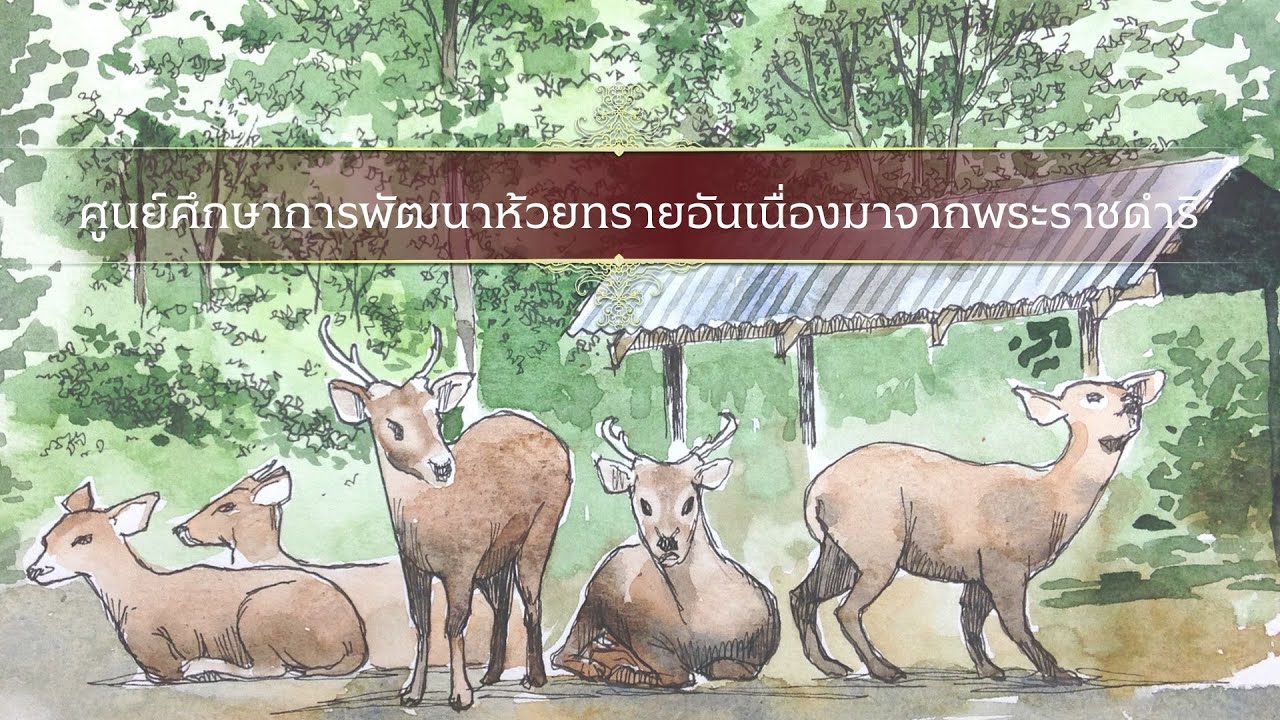
 Click to Access the Navigation Map GPS
Huai Sai Royal Development Study Centre Map
Recommend

 Art, Culture and Heritage
 Historical Sites and Monuments(1)
 Landmarks and Memorials(1)
 Royal Palace(2)
 Art, Craft Centres, Tradition(8)
 Museums(1)
 Educational Places
 Educational Gardens, Farm(4)
 Places of Worship
 Temple(72)
 Other Sacred Sites(6)
Royal Project(6)
Other Sacred Sites(6)
Royal Project(6)
 Suburban Living
 Village, Community(10)
 Floating Market(1)
 Nature and Wildlife
 National Parks and Marine Reserves(4)
 Mountain (Doi)(3)
 Dam, Reservoir, Lake(3)
 Waterfalls(5)
 Hot Springs(1)
 Caves(13)
 River, Canal(1)
 Bays and Beaches(11)
 Islands(1)
 Other natural attractions(10)
 Entertainment and Agricultural
 Farms, Parks and Ecotourism(3)
 Theater(1)
 Outdoor and Adventure Activities(1)
 Travel Articles, Recipes
 Travel Review, Food Review(2)


