
lovethailand home >Central Travel Attractions >Kanchanaburi Travel Attractions >Muang Kanchanaburi >Ban Tai > Wat Chai Chumpol Chana Songkhram
TL;DR: Wat Chai Chumpol Chana Songkhram is located at Chai Chumphon Road, Ban Tai Subdistrict, Mueang Kanchanaburi District, Kanchanaburi, open Daily, hours Generally 08:00–18:00 (recommended for a relaxed visit: 08:00–17:00).
Wat Chai Chumpol Chana Songkhram
Open Days: Daily
Opening Hours: Generally 08:00–18:00 (recommended for a relaxed visit: 08:00–17:00)
Wat Chai Chumphon Chana Songkhram (Wat Tai) in Kanchanaburi town is a temple that makes “temple-hopping” feel like more than a quick stop to pay respects. This is a royal temple located along the River Kwai in the old-town area, with layered historical narratives closely tied to Kanchanaburi’s borderland geography. The temple sits on Chai Chumphon Road, Ban Tai Subdistrict, Mueang Kanchanaburi District, making it extremely convenient for anyone planning a one-day itinerary in town. Yet within that convenience lies a quiet “weight of time”—from traces of registered heritage remains and memories of past troop gatherings to a standout structure that many remember at first sight: the striking “Angel Boat” located within the temple grounds.
The atmosphere here feels distinctly different from hilltop temples or those outside the city because the defining element is “water.” Standing within the temple, you can sense the steady riverside breeze; city noise fades into the background, softened by the calm of a sacred space. The River Kwai becomes a living backdrop that gently helps visitors shift from haste to stillness without effort. From a cultural-travel perspective, Wat Tai’s strength is that it truly is an important temple “in town.” You can come to pay respects, walk through heritage corners, appreciate craftsmanship, and take respectful photographs without having to drive far or constantly change zones.
What makes Wat Chai Chumphon Chana Songkhram especially notable is its status as a royal temple and the tradition that it was built in the late Ayutthaya period—a time when Kanchanaburi carried major strategic importance. If you view Kanchanaburi as a frontier city, it becomes clear why riverside areas and routes connected to the western border mattered. In the past, troop movements, encampments, and the gathering of forces depended on both terrain and practical routes, and Kanchanaburi served as a key link between the inner kingdom and the western frontier.
In local historical memory, Wat Tai is often described as significant in the context of long-standing Thai–Burmese conflicts, particularly through the idea of the “Three Pagodas Pass route,” frequently mentioned as a path used by Burmese armies on multiple occasions. As these movements recurred, Kanchanaburi town and the Pak Phraek area were often associated with Thai forces stopping to camp and assemble before pushing out to resist. This perspective helps us see that temples in earlier times did not serve religion alone; they were community anchors, places where people gathered to handle critical matters of the realm, and spaces where news of war was absorbed through the constant movement of people and armies.
When you read the name “Chai Chumphon Chana Songkhram” closely, you can sense its strategic tone. “Chai” evokes victory, “chumphon” suggests the gathering of forces, and “chana songkhram” reiterates a memory of conflict and defense. Visiting the temple today is therefore not only about seeking peace of mind through prayer, but also about reflecting on how a city endures through difficult eras, and how religious spaces once served as a “refuge” when the land needed stability.
Another key point that gives Wat Tai clear historical weight is the presence of an old chedi located near the older ordination hall, close to the riverbank. This chedi has been described as registered as a historic monument by a heritage/archaeological authority, which makes a walk through the temple feel like encountering a tangible “reading point of the past.” Heritage structures are time junctions—they affirm that this place was used, ritually and communally, across generations beyond any single lifetime. Standing near the chedi often brings a feeling different from viewing newer buildings: the sense that time has layered itself in front of you. The most appropriate way to experience it is with respect—no touching, no climbing, and nothing that could cause damage.
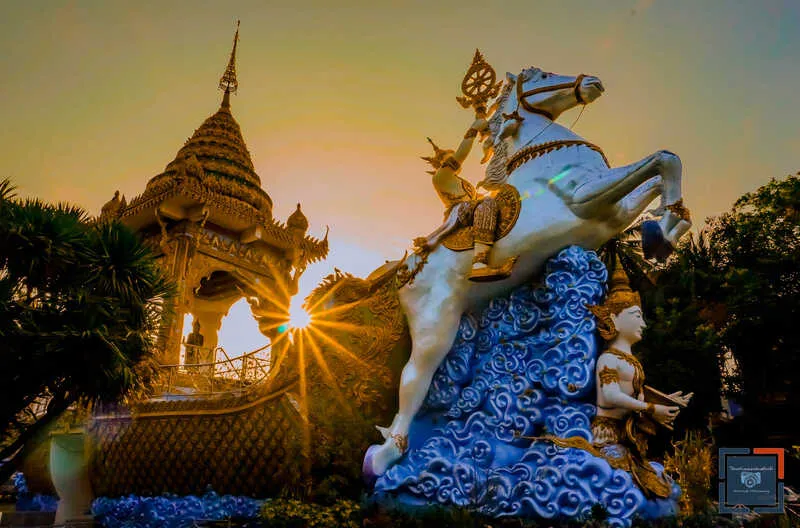
Even so, Wat Tai’s charm is not limited to its older historical layers. Within the temple grounds stands a structure so visually distinctive that it has become a primary reason many visitors come specifically to see it: the “Angel Boat.” It is immediately memorable for its graceful form and eye-catching detail. A widely shared account says the Angel Boat was built to serve as a crematorium structure for the funeral rites of a former abbot, and once the ceremony was completed, it remained as a prominent landmark that visitors could come to view. This kind of architecture gives Wat Tai a unique personality. While crematorium structures are often designed to blend quietly into their surroundings, the Angel Boat feels like a deliberate piece of craftsmanship that tells a story through form and symbolism.
Seen through the lens of experience, the Angel Boat carries an atmosphere that is both beautiful and contemplative. Architecture tied to funeral rites often leads us—gently—to the truth of impermanence and the idea of a respectful farewell. At the same time, the meticulous workmanship reminds us of the role that community and faith play in creating something “beautiful” to support something “meaningful.” When you approach the Angel Boat, it is best to be especially composed: speak softly, and take photos with appropriate, respectful manners. This is not merely a photo landmark, but a space connected to the temple’s rites and the feelings of the local community.
As a visit, Wat Tai suits an unhurried walk. You can begin by paying respects in the main worship areas, then move on to the old chedi to absorb the historical layer, and finally view the Angel Boat to experience the distinctive contemporary layer that stands out. As you walk, you may notice how the temple’s calm rhythm naturally lowers people’s voices without needing many warning signs. Because the temple is by the river, wind and light shift throughout the day, giving mornings and late afternoons noticeably different moods. If you want an easy stroll and gentle photography, morning light and late-afternoon light often make the water surface look softer and the tree shadows more pleasing without heavy editing.
For visitors interested in history, Wat Tai can also be a good starting point for understanding Kanchanaburi as a frontier city. After standing in a temple associated with troop gatherings and containing a registered heritage chedi, you can continue to other key sites in town—such as the River Kwai Bridge area, museums, and World War II learning points. You will see how Kanchanaburi holds multiple “time layers” at once: an older layer tied to Thai–Burmese border conflicts, and a later layer tied to World War II, rail history, and modern collective memory. Planning a route this way makes the trip feel less like disconnected stops and more like a continuous story across the day.
When visiting a temple in an urban area, manners and balance matter. People still use the temple for making merit and real religious duties. Dress modestly; avoid revealing clothing. If you take photos, avoid gestures or poses inappropriate for a sacred place. If you are visiting with children or seniors, walk slowly, watch for uneven surfaces, and be careful near the riverbank or on paths that can be slippery when damp, especially after rain. These small safety considerations help the visit go smoothly and keep the experience respectful for everyone.
Another reason Wat Tai is a strong recommendation for travelers is its time flexibility. You can stop briefly to pay respects and see the Angel Boat, or spend an hour or more to walk through details, take in heritage corners, catch the riverside breeze, and let the quiet do its work gradually. In cultural travel, a temple that naturally helps people “slow down” is a temple fulfilling its role well—and Wat Tai clearly has that quality. Even in town, it can ease you out of the city’s noise more easily than you might expect.
Getting There To reach Wat Chai Chumphon Chana Songkhram (Wat Tai), start from central Kanchanaburi town and head toward Chai Chumphon Road in Ban Tai Subdistrict. Use navigation apps and search for “Wat Chai Chumphon Chana Songkhram” or “Wat Tai Kanchanaburi.” The temple is in the town zone, convenient for both private vehicles and local taxis. If you visit during strong sun, bring drinking water and move with composure, especially near heritage areas and along the riverbank.
| Place Name | Wat Chai Chumphon Chana Songkhram (Wat Tai) (Wat Chai Chumphon Chana Songkhram) |
| Address | Chai Chumphon Road, Ban Tai Subdistrict, Mueang Kanchanaburi District, Kanchanaburi |
| Summary | A royal temple by the River Kwai in Kanchanaburi town, noted for its historical significance in a frontier-war context and for an old chedi registered as a historic monument within the grounds, plus a standout highlight: the “Angel Boat,” an iconic architectural feature of the temple. |
| Highlights | Royal temple in the town zone, peaceful riverside setting on the River Kwai, an old chedi near the older ordination hall registered as a historic monument, and the “Angel Boat,” a distinctive structure originally built for an important cremation rite and now a respectful photo landmark. |
| History | A royal temple said to have been built in the late Ayutthaya period, located by the River Kwai in Kanchanaburi town. It is often described as connected to the city’s strategic role in historic Thai–Burmese frontier conflicts, with the Kanchanaburi/Pak Phraek area associated with encampment and troop assembly. The temple contains an old chedi near the older ordination hall that has been described as registered as a historic monument, and it features the “Angel Boat,” a prominent structure built for the funeral rites of a former abbot and later becoming a key attraction within the temple. |
| Abbot / Current Steward (Latest) | Phra Thep Pariyat Sophon |
| Open Days & Hours | Daily (generally 08:00–18:00) |
| Admission | Free (donations welcome) |
| Facilities | Worship areas and walking paths within the temple, Angel Boat viewing area, internal walkways (use caution on uneven surfaces and near the riverbank when damp). |
| Travel | On Chai Chumphon Road, Ban Tai Subdistrict, within Kanchanaburi town. Search “Wat Chai Chumphon Chana Songkhram” or “Wat Tai Kanchanaburi” on maps. Convenient by private car and local taxis. |
| Current Status | Open for worship and visits as usual. |
| Contact Number | 089-837-8512 |
| Nearby Tourist Attractions (Approx. Distance + Phone) | 1) SkyWalk Songkwae, Kanchanaburi ~3 km Tel. 098-952-0628 2) Bridge Over the River Kwai ~5 km Tel. 034-511-200 3) Thailand–Burma Railway Centre ~5 km Tel. 034-512-721 4) JEATH War Museum ~6 km Tel. 034-511-263 5) Kanchanaburi War Cemetery (town zone) ~5 km Tel. 034-511-200 |
| Nearby Restaurants (Approx. Distance + Phone) | 1) Keeree Tara Restaurant ~6 km Tel. 034-513-855 2) Keeree Mantra Restaurant ~6 km Tel. 034-540-889 3) By de River ~6 km Tel. 034-624-477 4) Bell’s Pizzeria ~6 km Tel. 081-010-6614 5) On’s Thai Isaan ~6 km Tel. 087-364-2264 |
| Nearby Accommodations (Approx. Distance + Phone) | 1) U Inchantree Kanchanaburi ~6 km Tel. 034-521-584 2) Felix River Kwai Resort ~6 km Tel. 034-551-000 3) Dheva Mantra Resort ~7 km Tel. 034-615-999 4) Good Times Resort Kanchanaburi ~7 km Tel. 087-162-4949 5) Mida Resort Kanchanaburi ~28 km Tel. 034-919-606 |
Frequently Asked Questions (FAQ)
Q: Where is Wat Chai Chumphon Chana Songkhram (Wat Tai) located?
A: The temple is on Chai Chumphon Road, Ban Tai Subdistrict, Mueang Kanchanaburi District, Kanchanaburi. It is in the town zone and sits along the River Kwai.
Q: What historical significance is Wat Tai known for?
A: The temple is often described as connected to Kanchanaburi’s role as a frontier city in historic Thai–Burmese conflicts, with the Kanchanaburi/Pak Phraek area associated with encampment and troop assembly along western-border routes.
Q: What is the “Angel Boat,” and how should visitors view it?
A: The Angel Boat is a prominent structure within the temple grounds said to have been built as a crematorium for the funeral rites of a former abbot. After the ceremony, it became a key attraction. Visitors should view and photograph it respectfully—speak softly and avoid inappropriate poses in a sacred setting.
Q: Are there any heritage or ancient features inside the temple that should not be missed?
A: An old chedi near the older ordination hall has been described as registered as a historic monument. Visitors should observe it respectfully without touching or climbing, and use caution near the riverbank.
Q: What is the best time to visit?
A: For a comfortable walk and softer light for photos, morning or late afternoon within 08:00–17:00 is recommended, as the heat is less intense and the riverside ambience is gentler than midday.
Q: Is there an admission fee?
A: Generally, there is no admission fee. Donations are welcome, and visitors should follow temple etiquette such as dressing modestly and keeping the area quiet.
 Category: ●Places of Worship
 Group: ●Temple
Last Update : 8 MonthAgo
 Last Update : 8 MonthAgo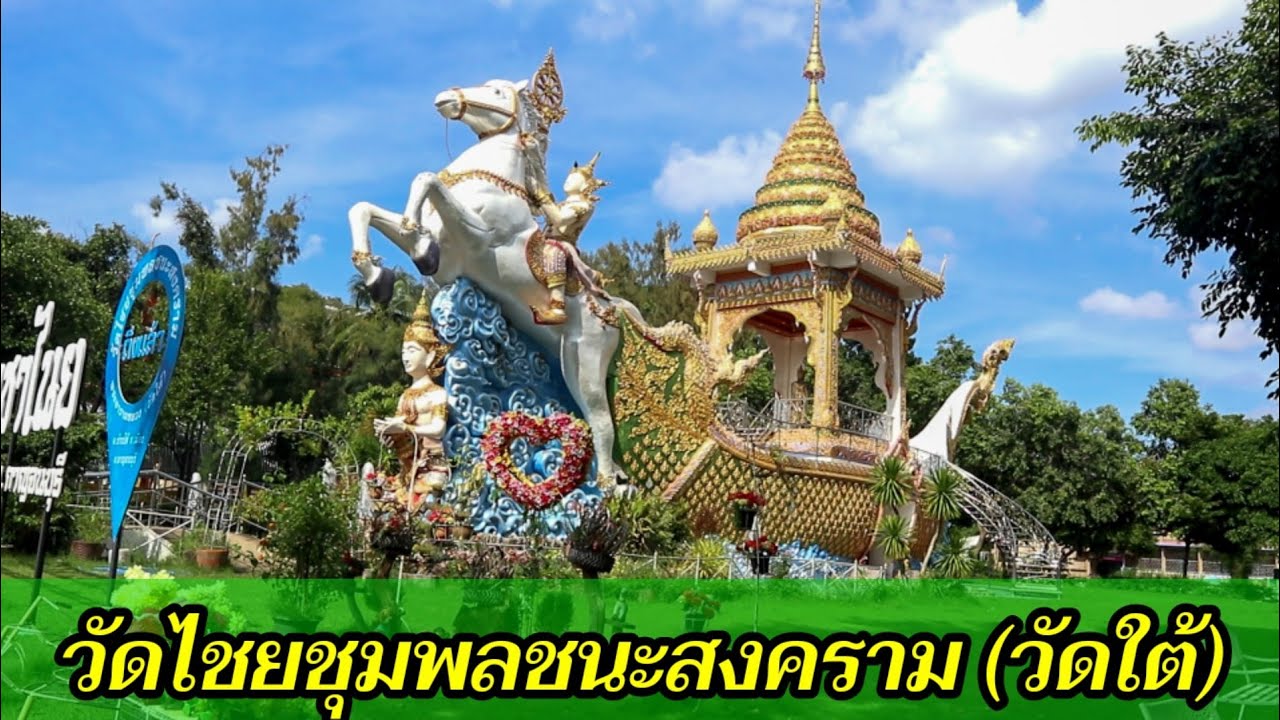
 Click to Access the Navigation Map GPS
Wat Chai Chumpol Chana Songkhram Map
Recommend

 Art, Culture and Heritage
 Historical Sites and Monuments(13)
 Landmarks and Memorials(5)
 Art, Craft Centres, Tradition(7)
 Museums(7)
 Art Gallery(1)
Temple(37)
Art Gallery(1)
Temple(37)
 Church(2)
 Other Sacred Sites(6)
 Research and Development
 Royal Project(1)
 Suburban Living
 Village, Community(5)
 Local Market(1)
 Nature and Wildlife
 National Parks and Marine Reserves(11)
 Mountain (Doi)(6)
 Dam, Reservoir, Lake(9)
 Waterfalls(19)
 Hot Springs(3)
 Caves(20)
 River, Canal(3)
 Other natural attractions(4)
 Entertainment and Agricultural
 Zoos and Aquariums(2)
 Animal camps and shows(4)
 Farms, Parks and Ecotourism(11)
 Cinema(1)
 Outdoor and Adventure Activities(2)
 Travel Articles, Recipes
 Travel Review, Food Review(1)


