
lovethailand home >Central Travel Attractions >Kanchanaburi Travel Attractions >Si Sawat >Khao Chot > Bot Stainless
TL;DR: Bot Stainless is located at Khao Chot Subdistrict, Si Sawat District, Kanchanaburi, Thailand, open Open Daily, hours 08:00 – 16:00.

Bot Stainless
Open Days: Open Daily
Opening Hours: 08:00 – 16:00
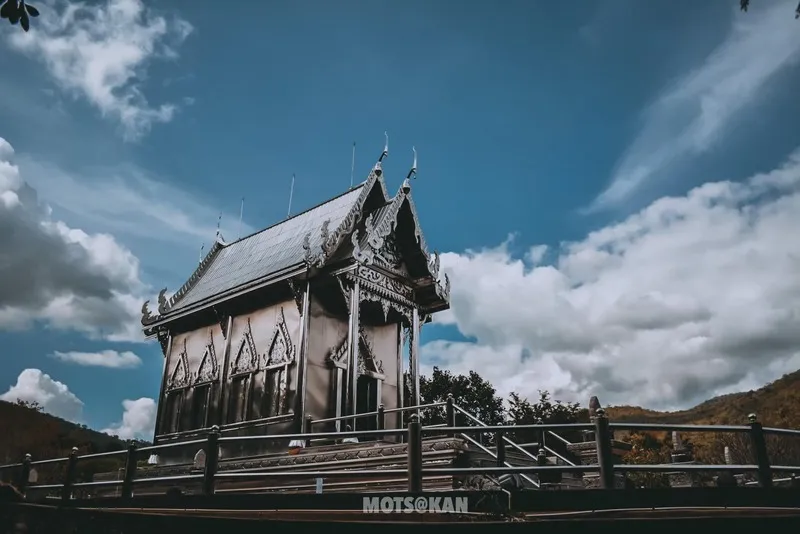
Stainless-Steel Ubosot at Wat Pa Lam Kha Khaeng (Wat Pak Lam Kha Khaeng) in Kanchanaburi is an Unseen-style destination that stands out for reasons beyond simple “novelty.” This is a rare example of Thai artistic identity being beautifully integrated with a modern material like stainless steel, resulting in an ordination hall that reflects both the collective faith of the people and a bold vision for contemporary religious architecture. What makes a visit here immediately different from most temples is the way you arrive: you must take a long-tail boat. The temple sits on an island in the middle of Srinagarind Dam’s reservoir in Si Sawat District, Kanchanaburi, so you cannot drive directly to the site. Traveling by water becomes part of the experience, and many visitors remember Wat Pa Lam Kha Khaeng more vividly than a typical “stop-by” temple visit.
When people talk about “Wat Pa Lam Kha Khaeng,” also commonly called “Wat Pak Lam Kha Khaeng,” the first image many recall is the quiet surface of the reservoir and the silhouettes of mountains surrounding Srinagarind Dam. At times the water is perfectly still, like a mirror reflecting the sky; at other moments, a gentle breeze creates small ripples, and the sound of the long-tail boat engine blends naturally with the landscape. This boat trip is not merely a means of transportation. It gradually shifts your mood from a fast-paced world to a slower, calmer space that feels more aligned with the meaning of visiting a temple. Many visitors say the time on the boat is what makes the act of coming to pay respects feel more intentional, almost effortlessly.
Historically, Wat Pak Lam Kha Khaeng is affiliated with the Maha Nikaya order, and available information states the temple was established in 1941 (B.E. 2484) through the initiative of local residents. In earlier times, traveling to more distant temples for religious rites was inconvenient, and as the community expanded, the need for a local center for Buddhist ceremonies became more pronounced. The temple grew into a focal point for both faith and everyday community life. What later elevated Wat Pak Lam Kha Khaeng to wider recognition was the emergence of its “stainless-steel ubosot” and “stainless-steel Buddha image,” often described by visitors as one-of-a-kind, due to the elegance of Thai-style perforated patterns and the high craftsmanship required to shape a material not traditionally used for Thai ordination halls.
The core of this stainless-steel ubosot project is collective devotion. Tourism accounts describe the construction as being supported by specialists in stainless-steel craftsmanship and funded through public donations, created as a Buddhist offering and as a tribute to King Rama IX on an important royal occasion. This context matters because it frames the ubosot as more than a beautiful building. It becomes a symbol of contemporary faith — something a large number of people helped build with a shared spiritual purpose. From this perspective, it was not created to be “different for the sake of being different,” but to transform a communal sense of devotion into an architectural form that people can see and experience directly.
As the boat approaches the island in Srinagarind Dam, the stainless-steel ubosot gradually comes into focus. On bright days, the surface catches sunlight and shimmers like a jewel; on cloudy or drizzly days, the structure appears calmer and more restrained, yet still dignified. What keeps people looking is not only the reflective sheen but the intricate Thai motifs carefully perforated into the stainless steel around the entrance, windows, gables, and decorative panels. These patterns preserve the spirit of Thai religious architecture even though the material differs from traditional wood or cement. Up close, the delicacy of the motifs becomes clear, and visitors often feel that “Thainess” remains fully present — simply told through a modern material language.
One common question before visiting is whether a stainless-steel ubosot will feel hot inside. Many imagine a glossy metal structure absorbing heat. Yet countless visitor experiences describe the interior as “surprisingly cool and comfortable.” This comes from thoughtful engineering and construction: the ubosot uses a stainless-steel framework with stainless-steel sheets on both the interior and exterior, while insulation is installed between the layers to reduce heat transfer. As you step inside, the temperature often feels more pleasant than expected. The granite flooring further enhances the sense of openness, cleanliness, and calm, making the space suitable for meditation or extended prayer. For many, this is not merely a “photo stop,” but a temple they can comfortably sit in for a while without feeling confined.
Inside the ubosot, the atmosphere is simple, quiet, and deliberately designed to guide visitors back to the essence of temple-going: mindful respect and sincere worship, rather than focusing only on unusual architecture. The interior can feel as if it has been separated from the long-tail boat sounds and the outside world. The silence and coolness encourage people to spend a few meaningful moments paying respects, sitting still, and setting intentions. Because reaching the temple requires a boat journey, many visitors feel they truly “made an effort to come,” and once they arrive, they want to use that calmness well.
Not far from the stainless-steel ubosot stands a large stainless-steel Buddha image in the blessing posture, another major highlight of the temple. This posture conveys blessings, compassion, and goodwill toward all beings. Tourism information notes the image measures about 8 meters across and about 12 meters high, making it an impressive landmark even from a distance. The Buddha faces the broad waters of Srinagarind Dam, creating a serene visual composition where the statue becomes a focal point connecting water, mountains, and faith. Many visitors enjoy viewing the statue from angles that include the reservoir and mountain backdrop, describing the scene as peaceful, refreshing, and naturally calming.
Seeing the stainless-steel Buddha image within the setting of a “temple on the water” invites different interpretations. Some view it as a symbol of stability amid change — even as water levels rise and fall seasonally, devotion remains steady. Others feel the Buddha facing the water is like sending compassion outward to the routes people travel by boat, to the rhythms of life, and to the communities around the dam that have long depended on water. Looking closely, you may realize the Unseen quality of Wat Pa Lam Kha Khaeng is not only about visual novelty, but about how the place is composed in ways that help visitors sense meaning and intention behind its creation.
From a tourism perspective, Wat Pak Lam Kha Khaeng is an excellent example of religious travel becoming a full “experience” naturally. The boat-only access means visitors must plan their time, check weather conditions, communicate with the boat driver, and prepare a few essentials before departure. This turns the visit from a casual “stop” into a deliberate outing. Once there, people usually spend time walking around the ubosot to appreciate the Thai perforated patterns, resting in the breeze, enjoying the mountain-and-water scenery, and taking photographs when the stainless steel reflects sunlight beautifully. Many prefer morning or late afternoon, when the light is softer and the patterns appear more dimensional.
Artistically, Thai perforated motifs on stainless steel feel different from motifs carved in wood or molded in cement. Stainless steel reflects light, so patterns seem to “move” as viewers shift position or as the light changes. Up close, you can see the precision required for cutting, perforating, and shaping the material. Presenting Thai motifs through metal becomes a statement that Thai art is not confined to traditional materials. It can evolve into new forms while preserving its original grace. Visitors who appreciate craftsmanship often circle the building to compare how patterns differ by side and to notice how certain areas are designed to catch light more strongly, creating a more vivid shimmer.
For many travelers, what makes a visit to Wat Pak Lam Kha Khaeng feel truly worthwhile is the contrast it offers within the Srinagarind Dam landscape. Some may have visited beautiful temples in towns or along highways, but seeing a temple reached only by boat and set among mountains and water creates the feeling of stepping out of daily life into a space that is both sacred and deeply peaceful. This feeling becomes stronger when you pause to look around: the long mountain ranges and the wide reservoir can make you feel smaller, and that sense of humility often makes mindful worship come more naturally.
In terms of trip planning, many visitors combine Wat Pak Lam Kha Khaeng with other attractions in Si Sawat District, such as Srinagarind Dam, viewpoints on the dam crest, Erawan Waterfall, Huai Mae Khamin Waterfall, or Srinagarind Dam National Park. This creates a journey that blends nature and devotion. When arranged this way, paying respects at the temple is not separate from traveling — it becomes part of understanding the area and the relationship local communities have with water and the dam, which is also the defining context for this temple-on-the-reservoir.
If your goal is to see the stainless-steel “sparkle” at its best, the most suitable time is usually when sunlight is clear but not overly harsh — for example, after 09:00 in the morning or after 15:00 in the afternoon. Light during these periods often reveals the depth of the Thai perforated patterns and works well for artistic photography with softer shadows. If your goal is quiet contemplation and a longer time inside the ubosot, arriving close to opening time or later in the afternoon when crowds thin out can feel calmer. Most importantly, check the weather before you go. On windy or heavy-rain days, the long-tail boat ride may be uncomfortable or unsafe, and rescheduling is the better choice.
When people describe this ubosot as “one-of-a-kind in the world,” in travel terms it often refers to the highly distinctive Thai perforated patterns presented on stainless steel, which has become a signature image associated with the Srinagarind Dam area. On a deeper level, the “one-of-a-kind” quality can also mean the way many individuals contributed through faith, making the ubosot not the work of a single person or organization, but the outcome of shared intention. When visitors understand this, the beauty of the building extends beyond appearance into the feeling that it was created with genuine meaning.
Another reason Wat Pak Lam Kha Khaeng is memorable is that it represents a “contemporary sacred space” that still respects Thai tradition. While the structure uses modern material choices, its motifs, proportions, and the calm interior atmosphere still support religious practice just as a traditional Thai temple would. Many visitors find that although the temple looks unusual, it remains comfortingly familiar in spirit. This helps both older visitors and those seeking a sincere worship experience feel at ease.
For travelers interested in culture, observing the Thai motifs perforated across different sections of the ubosot reveals how carefully the creators preserved Thai identity in every detail — from entrance panels to windows and decorative elements that keep the overall composition graceful. If you have time, walk slowly around the building and compare patterns on each side. You may notice that the motifs are not simply “cut to look nice,” but arranged to suit the building’s proportions and the direction of light, allowing the ubosot to look subtly different throughout the day. This shifting quality is one of stainless steel’s distinctive charms and is part of what gives these Thai patterns a strong sense of depth.
As with any Thai temple visit, respectful behavior matters. Dress modestly and show consideration for the sanctity of the place. Photography is generally possible, but avoid loud noise or disruptive behavior, especially inside the ubosot where some people may be praying or meditating. Because the journey requires a boat, it is also practical to prepare basic items such as a hat or umbrella for sun protection, drinking water, and a clear plan for your return time so you are not affected by boat schedules or changing weather conditions.
Overall, the stainless-steel ubosot and stainless-steel Buddha image at Wat Pa Lam Kha Khaeng are more than just an Unseen destination. They reflect Thailand’s ability to create modern devotional art that remains rooted in Thai cultural identity. If you are looking for a temple visit that offers calmness, natural scenery, and refreshing architectural uniqueness while still grounded in religion and tradition, Wat Pak Lam Kha Khaeng is a compelling choice in Si Sawat District, Kanchanaburi.
Getting There To visit Wat Pak Lam Kha Khaeng, you must take a long-tail boat from the Srinagarind Dam side. Visitors commonly arrange a boat in the local area near the dam and confirm pick-up and drop-off times clearly. Travel time varies depending on the departure point and weather conditions. It is best to plan your arrival when there is suitable sunlight to enjoy the ubosot’s reflective brilliance, and to allow enough time to walk around the Thai perforated details and pay respects to the large stainless-steel Buddha image in the blessing posture.
| Place Summary | A temple on Srinagarind Dam’s reservoir featuring a Thai-style perforated stainless-steel ubosot and a large stainless-steel Buddha image — an Unseen highlight in Si Sawat. |
| Place Name | Stainless-Steel Ubosot at Wat Pa Lam Kha Khaeng (Wat Pak Lam Kha Khaeng) |
| Location | Khao Chot Subdistrict, Si Sawat District, Kanchanaburi, Thailand |
| Address | 85 Moo 1, Khao Chot Subdistrict, Si Sawat District, Kanchanaburi 71250, Thailand |
| Highlights | A Thai perforated stainless-steel ubosot that shimmers in sunlight, boat-only access across Srinagarind Dam, and a large stainless-steel Buddha image in the blessing posture. |
| Era / Time Period | Temple established in 1941 (B.E. 2484), with the stainless-steel landmarks developed in modern times through public faith and donations. |
| Key Evidence | Tourism sources list visiting hours (08:00–16:00), temple contact numbers, establishment information, and the stainless-steel ubosot details. |
| Name Origin | “Pak Lam Kha Khaeng” refers to the local area near the mouth of a tributary, a name long used by the community for the temple. |
| Abbot / Caretaker | Phra Khru Phiphat Kanchana Khom (Anantho) |
| Current Status | Open for visitors and worship during operating hours, and remains active for local religious life. |
| Contact Number | 034-546613, 081-835-3953, 084-414-5338 |
| Nearby Tourist Attractions With Distance | 1) Srinagarind Dam (approx. 35 km) 2) Srinagarind Dam National Park (approx. 45 km) 3) Erawan Waterfall (approx. 85 km) 4) Huai Mae Khamin Waterfall (approx. 95 km) 5) Tham Chaliang (approx. 65 km) |
| Nearby Restaurants With Distance + Phone | 1) Khrua Pae Phet Fah (approx. 55 km) Tel. 081-861-3434 2) Pae Phi Ton (approx. 55 km) Tel. 081-856-9063 3) Pae Phi Ton (approx. 55 km) Tel. 081-772-5249 4) Pae Nanthana (approx. 55 km) Tel. 082-250-0698 5) Pae Nanthana (approx. 55 km) Tel. 088-200-2708 |
| Nearby Accommodations With Distance + Phone | 1) Lake Heaven Resort (approx. 55 km) Tel. 061-418-2270 2) Rayaburi Resort (approx. 55 km) Tel. 034-696-165 3) Rayaburi Resort (approx. 55 km) Tel. 096-539-5694 4) Ananta Riverhills Resort (approx. 55 km) Tel. 087-588-1970 5) Rak Nam Resort (approx. 55 km) Tel. 099-982-3263 |
Frequently Asked Questions (FAQ)
Q: What time is the Stainless-Steel Ubosot at Wat Pak Lam Kha Khaeng open?
A: It is open daily, and tourism information lists visiting hours as 08:00 – 16:00.
Q: How do I get to the temple?
A: You must take a long-tail boat because the temple is located on an island in Srinagarind Dam’s reservoir and cannot be reached directly by car.
Q: Is it hot inside a stainless-steel ubosot?
A: The construction concept includes insulation between the inner and outer stainless-steel layers, which helps reduce heat, so the interior is often cooler than many expect.
Q: How large is the stainless-steel Buddha image in the blessing posture?
A: Tourism information notes it is about 8 meters wide and about 12 meters tall, making it one of the temple’s key highlights.
Q: Who is the abbot of Wat Pak Lam Kha Khaeng?
A: Phra Khru Phiphat Kanchana Khom (Anantho).
Q: When is the best time to visit for the most beautiful views of the ubosot?
A: Morning after sunrise or late afternoon typically shows the stainless-steel shine and the depth of Thai perforated patterns most clearly. Avoid very windy or heavy-rain days if you need to travel by boat.
Q: Is there a phone number to contact the temple?
A: Yes. Listed contact numbers include 034-546613 and 081-835-3953 (with additional numbers available in tourism listings).
 Category: ●Places of Worship
 Group: ●Church
Last Update : 7 MonthAgo
 Last Update : 7 MonthAgo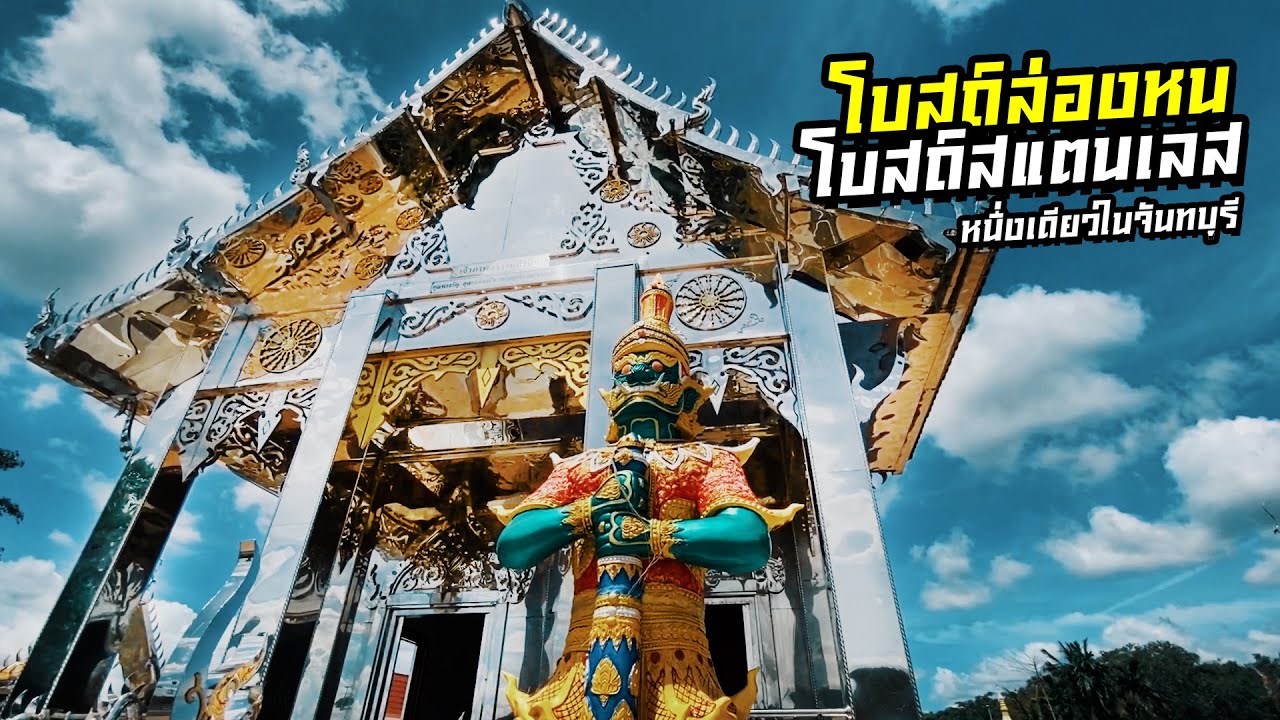
 Click to Access the Navigation Map GPS
Bot Stainless Map
Recommend

 Art, Culture and Heritage
 Historical Sites and Monuments(13)
 Landmarks and Memorials(5)
 Art, Craft Centres, Tradition(7)
 Museums(7)
 Art Gallery(1)
 Temple(37)
Church(2)
Temple(37)
Church(2)
 Other Sacred Sites(6)
 Research and Development
 Royal Project(1)
 Suburban Living
 Village, Community(5)
 Local Market(1)
 Nature and Wildlife
 National Parks and Marine Reserves(11)
 Mountain (Doi)(6)
 Dam, Reservoir, Lake(9)
 Waterfalls(19)
 Hot Springs(3)
 Caves(20)
 River, Canal(3)
 Other natural attractions(4)
 Entertainment and Agricultural
 Zoos and Aquariums(2)
 Animal camps and shows(4)
 Farms, Parks and Ecotourism(11)
 Cinema(1)
 Outdoor and Adventure Activities(2)
 Travel Articles, Recipes
 Travel Review, Food Review(1)


