
lovethailand home >Central Travel Attractions >Kanchanaburi Travel Attractions >Thong Pha Phum >Lin Thin > Lin Thin Hot Springs
TL;DR: Lin Thin Hot Springs is located at Lin Thin Subdistrict, Thong Pha Phum District, Kanchanaburi, open Open Daily, hours Monday – Friday 07.00 – 20.00, Saturday – Sunday 07.00 – 21.00.
Lin Thin Hot Springs
Open Days: Open Daily
Opening Hours: Monday – Friday 07.00 – 20.00, Saturday – Sunday 07.00 – 21.00
Lin Thin Hot Springs is one of those restorative stops that many travelers describe as “arrive and it simply works” along Kanchanaburi’s western route, especially for anyone driving up toward Sai Yok and Thong Pha Phum who wants to slow down and let the body reset before continuing. What makes this place memorable is not luxury design or resort-style decoration, but the simple pleasure of soaking in a natural mineral hot spring beside the Khwae Noi River, where the atmosphere feels open, airy, and naturally calm. As warm steam rises from the water and a light river breeze passes through, a body that has tightened up from long hours in the car often begins to loosen almost effortlessly.
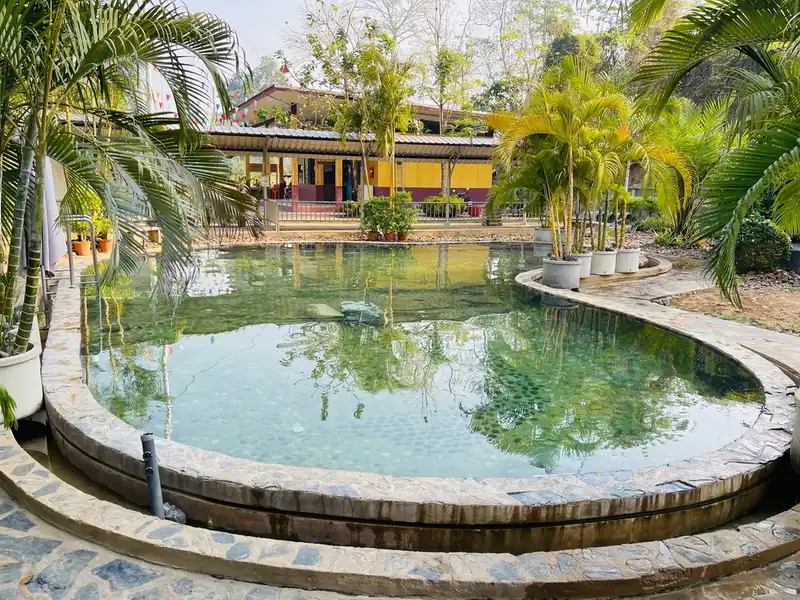
For people searching for a hot spring in Kanchanaburi that is easy to access, truly suitable for soaking, and does not require booking expensive packages, Lin Thin Hot Springs is frequently mentioned as a “Thai-style onsen” that fits perfectly as a stopover. The overall layout is organized for practical use, with different pool zones to match different preferences: shared soaking pools that work well for groups or families, more private soaking areas for those who want a quieter experience, and foot-soaking pools that are ideal for first-timers or anyone who prefers to ease into the warmth gradually without immersing the whole body immediately. This range of pool types makes a single visit flexible enough for many travel styles, from a light, casual soak to a more intentional muscle-recovery session.
Another key charm of Lin Thin Hot Springs is the surrounding nature. The site sits beside the Khwae Noi River, a defining element of Kanchanaburi’s landscape in this region. The riverside setting helps the soaking experience feel comfortable rather than overly stuffy, especially if you visit at the right time, such as early morning or near dusk. During those hours, the air cools down and the body receives the warmth in a balanced, pleasant way. It feels different from soaking in an enclosed space because you can still hear nature, see the river, and let time slow down without pressure.
In terms of temperature, Lin Thin Hot Springs is often cited as a natural mineral hot spring with source water around 57°C. In natural conditions, that figure typically refers to the temperature at the source before the water is managed for visitor use. Once you step into the service pools, what you feel should be a soaking-friendly warmth rather than a scalding heat. If you adjust gradually using the right approach, the sensation is usually a gentle, skin-hugging warmth that can support circulation and help muscles unwind step by step. For travelers who have driven far or walked a lot beforehand, that warmth often feels like a soft, effective reset.
Put simply, a hot spring forms as part of the water cycle. Rainwater or surface water seeps down through rock layers, passes through hotter zones beneath the earth and warms up, and then rises back to the surface due to natural pressure. When that warmed water is organized into soaking pools, it becomes a place where “natural heat” can help ease fatigue. One of the best qualities of a good hot spring site is relatively stable temperature and usable water conditions, which makes it easier for visitors to plan their soak without wondering whether they will be able to use the facilities once they arrive.
The pool zones at Lin Thin Hot Springs are designed to be straightforward and practical. If this is your first visit, a good method is to sit and let your body adjust to the outdoor air first, then touch the water with your toes or begin with a short foot soak so your body can get used to the temperature. After that, you can move into a body soak to waist or chest level depending on your comfort. Many people like starting with the foot-soaking pool because it feels relaxing without requiring full immersion, and it can be especially comfortable for older visitors. Those who come specifically to release muscle tension more deeply often choose the body-soaking pools and plan their soak in short rounds to stay safe and get better results.
The most important part of hot spring soaking is doing it in a way that feels both comfortable and safe. A simple principle that works for most people is: soak briefly, take frequent breaks, and listen to your body. Many visitors soak for about 10 – 15 minutes per round, then step out to cool down, drink water to replace fluids lost through sweating, and return for another round if they still want to continue. Staying in too long, or forcing yourself to soak when you begin to feel dizzy, can make you unwell—especially on hot days or for people who are sensitive to temperature changes. If you feel lightheaded, your heart racing, or short of breath, you should leave the pool immediately and rest in a shaded area until you feel normal again.
For families visiting with children, it is best to start with foot soaking or very short sessions, and an adult should supervise closely at all times because warm water can cause unnoticed sweating and dehydration. For visitors with underlying conditions related to blood pressure or heart health, or for those who are pregnant, it is safer to avoid prolonged hot soaking and to assess personal readiness each time. These points are general precautions to help ensure a good travel experience and reduce unnecessary risk.
Hot spring etiquette matters because it helps protect a natural site over the long term and allows all visitors to share the space comfortably. The core practices are simple: keep the area clean, do not leave trash, and do not use soap, shampoo, or cleansing products in the pools, as these can affect water quality and the surrounding environment. Avoid loud noise that disturbs others, and respect shared space—especially when older visitors or families with young children are present. Quiet is part of the appeal of a natural hot spring, and it is one reason many travelers choose places like this over crowded, high-energy attractions.
Beyond soaking, Lin Thin Hot Springs also offers spa massage services, which can be an additional option for travelers who want deeper muscle relief. Many visitors find that soaking first and then having a massage creates a smooth, continuous relaxation effect: the body is warm, muscles are already loosening, and the massage can feel more comfortable. If your goal is a more serious recovery-style visit, allowing at least 1 – 2 hours helps you avoid rushing and lets you enjoy the place fully without needing to leave immediately afterward.
Getting There By private car, the most common route to Lin Thin Hot Springs is via Highway 323, the main road from Kanchanaburi town toward Sai Yok and Thong Pha Phum. Based on commonly referenced travel information, the distance from Kanchanaburi town to the Lin Thin area is around 132 km, and from Lin Thin to the hot spring itself is about 4 km. Overall, this makes it feasible to plan as a day trip if you leave early and choose a soaking time when the site is less crowded.
If you do not have a private car, a realistic approach is to travel first to Kanchanaburi town, then take a bus or minivan heading toward Thong Pha Phum, and finally use local hired transport (or a chartered ride) to reach Lin Thin Hot Springs. This option may take longer than driving yourself, but it suits travelers who do not want to drive far or prefer fewer driving concerns. The key is to build in extra time and plan your return clearly, especially if you intend to return to Kanchanaburi town within the same day.
The most comfortable season to visit Lin Thin Hot Springs is often late rainy season through winter, when the air is cooler and soaking feels especially pleasant. However, summer visits can still be enjoyable if you go early in the morning or near evening to avoid peak heat and pay extra attention to hydration to replace fluids lost through sweating. Choosing a time that fits both weather conditions and your personal travel style will noticeably improve the overall experience.
If you want a “complete” but unhurried itinerary, a simple plan is to make Lin Thin Hot Springs your main activity for a while and then continue to nearby nature spots or cafés in the same area. This side of Kanchanaburi offers many stopovers—waterfalls, temples, and riverside viewpoints—so planning in this way gives you both relaxation and light sightseeing in one day. It also works well for families traveling with older members because you can adjust the pace and intensity based on everyone’s comfort.
From a local-community perspective, an eco-tourism site that is used consistently by real visitors can support local income, from small restaurants and nearby accommodation to services that help travelers. When tourism grows steadily rather than too aggressively, communities often maintain a better balance between using and protecting natural resources. Visitors also play an important role by traveling responsibly, leaving no trace, and supporting local services in a moderate, respectful way.
Overall, Lin Thin Hot Springs suits travelers who want “rest without embellishment.” You do not need a complicated plan—choose the right time, bring a change of clothes, a towel, sandals, drinking water, and give yourself at least an hour. Then let nature do its work. Soaking in warm water surrounded by forest and river scenery is simple, but it often stays in memory longer than activity-packed trips, because it gives both body and mind a genuine pause before returning to everyday speed.
| Name | Lin Thin Hot Springs |
| Location | Lin Thin Subdistrict, Thong Pha Phum District, Kanchanaburi |
| Address | Ban Nong Charoen, Lin Thin Subdistrict, Thong Pha Phum District, Kanchanaburi |
| Place Summary | A natural mineral hot spring beside the Khwae Noi River with a calm, open atmosphere. It offers body-soaking pools, shared pools, private pools, and foot-soaking pools, making it ideal as a stopover or an eco-style relaxation trip. |
| Highlights | Practical natural mineral soaking, riverside atmosphere on the Khwae Noi River, multiple pool formats (shared/private/foot soak), spa massage service, suitable for a restorative stop along the Thong Pha Phum–Sai Yok route |
| Period / Era | Known in the area for a long time and often linked in local storytelling to the period before/during World War II, later developed as a public tourism site. |
| Key Evidence & Notes | Noted for being a natural hot spring beside the Khwae Noi River with a commonly cited source temperature around 57°C; the site is organized into visitor-use pool zones and includes spa massage service. |
| Travel | By Car: Use Highway 323 from Kanchanaburi town toward Lin Thin (about 132 km), then continue about 4 km from Lin Thin to the hot spring; Public Transport: Travel to Kanchanaburi town → continue toward Thong Pha Phum → use local hired transport into the hot spring area |
| Current Status | Open for visits and use |
| Facilities | Soaking pool zones, foot-soaking pool, rest/changing area, toilets, spa massage service |
| Fees | Thai Adult 20 THB, Thai Child 10 THB |
| Contact Number | 034-684-286, 080-243-3546 |
| Popular Accommodations Nearby | 1) Baan Rai Darun Home Stay and Scenery Raft (Approx. 0.4 km) Tel. 081-819-3048 2) Green House River Kwai Resort (Approx. 5.2 km) Tel. 082-269-4450 3) Sai Yok View Raft Resort (Approx. 7 km) Tel. 087-399-9964 4) Long Chuan River Kwai (Approx. 2 km) Tel. 061-432-8259 5) Suan Ruenrom View Raft (Approx. 24 km) Tel. 093-493-9565 |
| Popular Restaurants Nearby | 1) Ban Tang Rim Khwae (Approx. 6.4 km) Tel. 081-839-3689 2) Thungyai Quality Coffee & Roastery (Approx. 2.3 km) Tel. 095-615-5599 3) Larb Lin Thin (Approx. 2.3 km) Tel. 092-565-7795 4) Mahfai Khu (Approx. 12 km) Tel. 094-842-6686 5) Krua Siwapha (Approx. 12 km) Tel. 064-779-8035 |
| Nearby Tourist Attractions With Distance | 1) Hin Dad Hot Spring (Approx. 9.5 km) 2) Wat Weluwanaram (Approx. 8.7 km) 3) Phatad Waterfall (Approx. 11 km) 4) Sai Yok Yai Waterfall (Approx. 16 km) 5) Wat Prang Kasi (Approx. 15 km) |
Frequently Asked Questions (FAQ)
Q: Who is Lin Thin Hot Springs suitable for?
A: It suits travelers of all ages who want to relax muscles and unwind in nature, especially those driving long distances or stopping along the Sai Yok–Thong Pha Phum route.
Q: How long should I soak for comfort and safety?
A: Many visitors soak for about 10 – 15 minutes per round, then step out to rest, hydrate, and cool down before soaking again. Stop immediately if you feel dizzy or overly fatigued.
Q: Can children and older visitors soak here?
A: Yes, but they should soak for shorter periods with close supervision. Children can start with foot-soaking or very brief sessions, and older visitors should take frequent breaks and avoid overly hot soaking.
Q: How can I get there without a private car?
A: Travel to Kanchanaburi town first, then take a bus or minivan toward Thong Pha Phum and use local hired transport to reach the hot spring area. Planning your return trip in advance is recommended.
Q: What should I bring to make the visit comfortable?
A: Bring a change of clothes, a towel, sandals, drinking water, and a small bag for your trash. Avoid using soap or shampoo in the pools to help protect water quality and the environment.
Q: When is the best time to visit?
A: Late rainy season through winter, and early morning or evening, often provide the most comfortable atmosphere. Summer visits are still fine if you avoid peak sun and stay well hydrated.
Q: Is spa massage available?
A: Yes. Spa massage service is available. Allow extra time and ask on-site about availability or queue times for convenience.
Q: Is the entrance fee expensive?
A: The fee is generally affordable. Details may change, so checking the latest information before you go is recommended.
 Category: ●Nature and Wildlife
 Group: ●Hot Springs
Last Update : 8 MonthAgo
 Last Update : 8 MonthAgo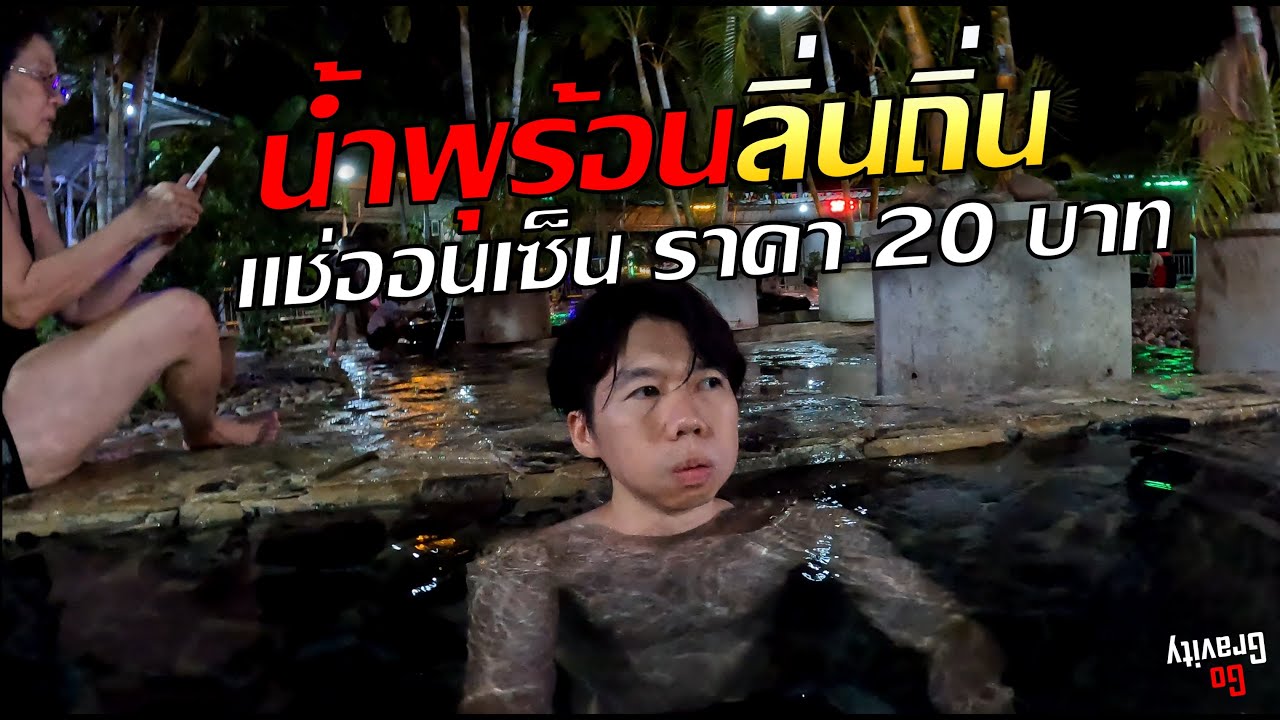
 Click to Access the Navigation Map GPS
Lin Thin Hot Springs Map
Gellery
Recommend

 Art, Culture and Heritage
 Historical Sites and Monuments(13)
 Landmarks and Memorials(5)
 Art, Craft Centres, Tradition(7)
 Museums(7)
 Art Gallery(1)
 Places of Worship
 Temple(37)
 Church(2)
 Other Sacred Sites(6)
 Research and Development
 Royal Project(1)
 Suburban Living
 Village, Community(5)
 Local Market(1)
 National Parks and Marine Reserves(11)
 Mountain (Doi)(6)
 Dam, Reservoir, Lake(9)
 Waterfalls(19)
Hot Springs(3)
Waterfalls(19)
Hot Springs(3)
 Caves(20)
 River, Canal(3)
 Other natural attractions(4)
 Entertainment and Agricultural
 Zoos and Aquariums(2)
 Animal camps and shows(4)
 Farms, Parks and Ecotourism(11)
 Cinema(1)
 Outdoor and Adventure Activities(2)
 Travel Articles, Recipes
 Travel Review, Food Review(1)


