
 Home
Home North(
 Chiang Mai(


Sai Yok Yai Waterfall (Khao Jon Waterfall)
Rating: 4.2/5 (5 votes)
 Search By
  Map
Map 
 Have Map
  No Map
Kanchanaburi attractions
Attractions in Thailand
Open Days: Daily (including public holidays)
Opening Hours: 08:00 – 16:30
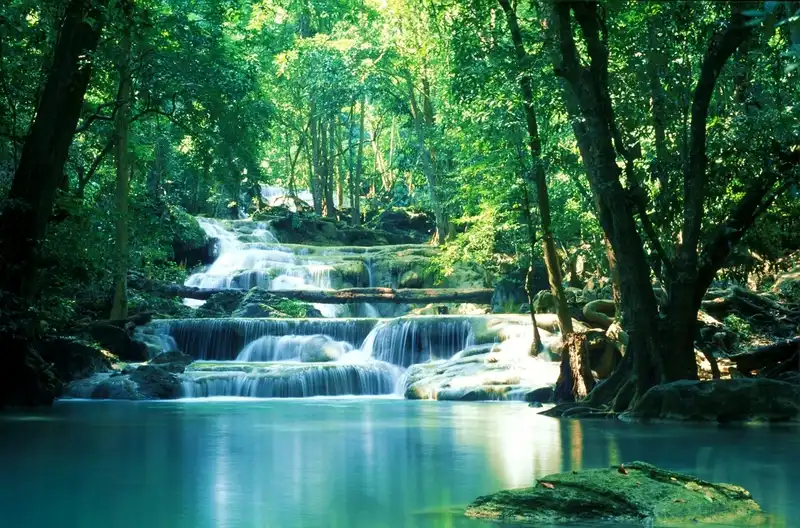
Sai Yok Yai Waterfall (Khao Jon Waterfall) is one of Kanchanaburi’s best places to clearly see a waterfall cascading straight into a river. Here, the water flows directly into the Khwae Noi River, creating a rare scene where the sound of rushing water and the calm of the riverside sit in the same frame. If you’re looking for an easy-to-visit natural attraction that’s photogenic and can be extended into an overnight stay on a riverside raft house, this spot is a high-value choice—especially from the rainy season into early winter, when the flow looks fuller and the surrounding forest turns intensely green.
The main highlight of Sai Yok Yai Waterfall is a single-tier cascade that pours into the Khwae Noi River. A must-do is walking across the suspension bridge to the opposite bank for a more beautiful, more “full-frame” view. If you want to see the waterfall at its strongest, the best time is the rainy season continuing into early winter. For a relaxed stroll and photos with fewer people, weekday mornings are ideal. Driving from Bangkok is straightforward: head toward Kanchanaburi, take Highway 323, then turn into the national park and continue for about 3 km. On-site facilities include parking, restrooms, and convenient options to stay overnight in the Sai Yok area—from park accommodation to riverside raft stays (booking ahead is recommended during peak season).
Sai Yok Yai Waterfall is located within Sai Yok National Park, close to the park headquarters. Many visitors treat it as a “main stop” when coming to Sai Yok because it’s easier to access than some natural sites that require a boat ride or a longer hike. The waterfall is a large, single drop supported by layered rock strata stacked in steps, with an approximate height of about 8 meters (a commonly cited figure). As the water plunges into the river, it creates a light mist that adds a cool, refreshing feel—especially in the morning or on humid days after rainfall.
The charm here isn’t only the “waterfall itself,” but the entire riverside setting along the Khwae Noi. You can hear flowing water blending with the wind moving through riverside trees, and at times, birds and forest insects that make the atmosphere feel genuinely natural. Even though the headquarters area is livelier than deeper forest zones, it’s helpful to understand that Sai Yok National Park is part of the vast Western Forest Complex. The landscape includes mixed forest types—deciduous forest, bamboo groves, and moisture-rich riparian forest—so the overall feel is noticeably “greener” and “cooler” than many people expect for a destination so close to Bangkok.
The primary activity at Sai Yok Yai Waterfall is walking between viewpoints and crossing the suspension bridge to the opposite bank. The bridge feels like the “opening scene” of the visit: as soon as you step onto it, the Khwae Noi River stretches out below, and when you look back, you’ll see trees and the waterfall forming a single composition. Many people pause mid-bridge for photos to capture both strong leading lines (the bridge) and a backdrop of water and forest. Just remember to walk carefully and avoid running or jumping on the bridge. Safe use matters—keeping the bridge from swinging excessively and ensuring comfort for others walking in both directions.
Once you reach the opposite bank, a favorite feature is the “full view” perspective. You’ll see the waterfall flowing into the river from a closer angle, often with a clearer look at the rock layers supporting the cascade. On a day with balanced sunlight, you’ll get shimmering highlights on the water that look striking in photos. If you come right after rain, the water can feel more powerful, with a light spray that adds depth to the scene. Overall, Sai Yok Yai is a destination that photographs beautifully for both serious shooters and families, because it doesn’t require a long, strenuous trek like many other waterfall trails.
One thing worth knowing in advance is that the waterfall’s “water volume” changes noticeably with the seasons. During the rainy season (especially mid-to-late rainy season), the flow looks fuller, the sound is louder, and the surrounding greenery is at its most vivid. In the dry season, the water is often clearer but reduced in volume, creating a calmer, more serene mood. So if you want to see “lots of water,” choose the rainy period. If you prefer an easier walk, gentler spray, and quiet riverside time, the dry season has its own appeal—just don’t expect the same dramatic surge as during high-flow months.
Sai Yok Yai Waterfall also has a historical and cultural dimension that gives the visit a “story” beyond taking photos and leaving. One well-known cultural reference associated with the name Sai Yok is the piece “Khemara Sai Yok,” linked to travel during the reign of King Chulalongkorn (Rama V) and the composition by Prince Narisara Nuvadtivongs. This context helps illustrate that Sai Yok was already a meaningful and attractive destination in an era when travel was far less convenient than today. Standing by the cascade as it meets the river, it’s easy to understand why this landscape was preserved in memory and became a name echoed through music.
In terms of travel experience, Sai Yok Yai Waterfall works well for several trip styles. The first is a day trip: arrive in the morning, walk the viewpoints, cross the suspension bridge, take photos, enjoy a simple meal in the service area, then return to Kanchanaburi town or drive back to Bangkok within the day. The second is an overnight trip: stay at a riverside raft house or resort in the Sai Yok area to enjoy early-morning and late-afternoon river ambience. This feels different from a rushed visit because dawn and dusk tend to be quieter and especially photogenic—and in some seasons, a light mist may drift above the water for an even more atmospheric scene.
If you’re visiting with family or young children, prioritize safety on rocks and riverside walkways. Areas near waterfalls are often damp with algae and can be slippery. Non-slip shoes or secure sandals are recommended, and it’s best to avoid standing on rocks where water runs directly over the surface. During heavy rain or quickly changing water levels, follow park staff guidance and avoid risky spots. Respectful behavior also helps everyone: don’t litter, keep noise reasonable, and avoid making the suspension bridge sway excessively. These small choices make the experience smoother for all visitors.
Getting There If you’re driving from Bangkok, a popular route is to head toward Nakhon Pathom and continue to Kanchanaburi. From there, take Highway 323 toward Sai Yok District. When you reach the entrance to Sai Yok National Park, turn in and continue for about 3 kilometers to the headquarters area and the parking lot near the waterfall. This option is ideal if you want flexibility and plan to stop at other Sai Yok attractions along the way.
If you prefer public transport, there are buses running between Kanchanaburi and routes toward Sangkhlaburi that generally pass along Highway 323, with stops in parts of the Sai Yok area. From the highway junction, you’ll need onward transport into the park (the turnoff area), typically by local motorbike taxi or by asking staff for help arranging a ride. Allow extra time, especially if you must return on the last bus in the late afternoon.
Another option is taking the train from Kanchanaburi to Nam Tok Station, a route many people enjoy for its atmosphere and historical railway connections. From Nam Tok Station, you can continue by hired vehicle or local transport toward the national park. Planning ahead is important because Sai Yok Yai Waterfall (inside the park) is not in the same place as “Sai Yok Noi Waterfall” and Nam Tok Station. Sorting out the names and locations before you leave helps prevent confusion and keeps the trip flowing smoothly.
Within the park, especially near the headquarters, you may find basic facilities such as restrooms, parking, and visitor services during certain seasons, as well as park accommodation or camping areas (if available under current operations). Staying overnight nearby makes it easier to travel at a relaxed pace and to visit early in the morning to avoid crowds.
If you have extra time, a visit to Sai Yok Yai can be extended to nearby attractions that combine “nature + history” in a single itinerary, such as Hellfire Pass, associated with the construction of the Thai–Burma Railway during World War II, or caves within the park that appeal to explorers. One of Sai Yok’s strengths is the variety of attractions within the same district—waterfalls, rivers, caves, trails, and historical sites—so you can build a richly layered trip without changing provinces.
Many travelers come to Sai Yok for the simple pleasure of “sitting by the Khwae Noi River” without needing to do much at all—just listening to the water and watching the light shift across the surface can be enough. If you stay nearby, try giving yourself 30–45 minutes in the early morning to sit quietly by the river before starting the day. You’ll feel how a nature-focused trip offers a different kind of energy than city travel, and this is a key reason Sai Yok remains a name that both Thai and international visitors continue to search for and return to.
Finally, before heading back, it’s wise to check weather conditions and water levels during the rainy season, and to ask staff if any routes or viewpoints are temporarily closed. National parks prioritize safety. If you travel with a backup plan—such as visiting a nearby site when rain is heavy—your trip won’t be disrupted, and you’ll still come away with a worthwhile Sai Yok experience.
| Place Summary | A single-tier waterfall that cascades directly into the Khwae Noi River, located inside Sai Yok National Park, famous for its suspension bridge and riverside scenery. |
| Location | Sai Yok National Park, Moo 7, Sai Yok Subdistrict, Sai Yok District, Kanchanaburi 71150 |
| Key Highlights | Waterfall flowing into the Khwae Noi River, suspension bridge river crossing for panoramic views, strong photo spots from both the bridge and the opposite bank, riverside atmosphere with nearby raft stays/resorts. |
| Best Time To Visit | Rainy season to early winter (strong flow and lush forest) / weekday mornings (fewer crowds) |
| History / Origin | Associated with the story of “Khemara Sai Yok” in the context of travel during the reign of King Chulalongkorn (Rama V) and composition by Prince Narisara Nuvadtivongs. |
| Getting There | By car: Take Highway 323, turn into the national park, then drive about 3 km / By bus: Get off along Highway 323 and take local transport into the park / By train: Get off at Nam Tok Station and continue by hired/local transport (plan your timing). |
| Fees | Thai: Adult 60 THB / Child 30 THB, Foreigner: Adult 300 THB / Child 150 THB, Car 30 THB, Motorcycle 20 THB (based on published park rates) |
| Facilities | Parking, restrooms, visitor services, walkways and suspension bridge, nearby park/privately operated accommodation options. |
| Current Status | Open to visitors (check announcements and weather conditions in advance, especially during the rainy season). |
| Contact | 034-686024, 089-0281958 |
| Nearby Attractions (With Distance) | 1) Hellfire Pass – 19 km 2) Sai Yok Lek Waterfall – 0.3 km 3) Bat Cave (near the service area) – 2 km 4) Sai Yok Noi Waterfall – 25 km 5) Lawa Cave – 20 km |
| Popular Restaurants Nearby (With Distance + Phone) | 1) The FloatHouse River Kwai (Restaurant) – 12 km – 084-725-8686 2) River Kwai Jungle Rafts (Restaurant) – 15 km – 081-734-0667 3) River Kwai Resotel (Restaurant) – 12 km – 081-734-5238 4) Home Phutoey River Kwai Resort (Restaurant) – 22 km – 081-817-5182 5) Sai Yok View Raft (Restaurant) – 24 km – 093-494-4544 |
| Popular Accommodations Nearby (With Distance + Phone) | 1) The FloatHouse River Kwai – 12 km – 084-725-8686 2) River Kwai Jungle Rafts – 15 km – 081-734-0667 3) River Kwai Resotel – 12 km – 081-734-5238 4) Home Phutoey River Kwai Resort – 22 km – 081-817-5182 5) Hintok River Camp @ Hellfire Pass – 20 km – 081-754-3898 |
Frequently Asked Questions (FAQ)
Q: Can you swim at Sai Yok Yai Waterfall?
A: Swimming or playing in the water may be allowed in certain areas designated by park staff. Use caution with slippery surfaces and currents, and always follow signs and staff guidance, especially during the rainy season.
Q: Is the walk to the main viewpoints long?
A: It’s generally not a long walk. The signature experience is reaching the suspension bridge and crossing to the opposite bank for a fuller waterfall view, which is suitable for families.
Q: Which months are best for seeing the waterfall at its fullest?
A: The rainy season through early winter typically brings higher water volume and greener surroundings. Check weather conditions and any safety-related closures before visiting.
Q: What’s the difference between Sai Yok Yai and Sai Yok Noi?
A: Sai Yok Yai is inside Sai Yok National Park and is known for a waterfall flowing into the Khwae Noi River with a suspension bridge viewpoint. Sai Yok Noi is outside the park and is closer to Nam Tok Station (train).
Q: Can I visit without a private car?
A: Yes. You can take a bus route that passes along Highway 323 and then connect into the park by local transport. Alternatively, take the train to Nam Tok Station and continue by hired/local transport—just plan return times carefully.
Q: Where are the best photo spots?
A: Midway on the suspension bridge (for leading lines and river views) and the opposite bank of the waterfall (for a fuller, closer view of the cascade and rock layers).
 Tel: 034686024
 Sai Yok Yai Waterfall (Khao Jon Waterfall) Map
 Category:
  Group:
  Tag: ●Sai Yok Yai Waterfall (Khao Jon Waterfall)●sai yok yai waterfall ●sai yok national park ●kanchanaburi waterfall ●things to do in sai yok ●khwae noi river ●suspension bridge sai yok ●travel to kanchanaburi ●sai yok itinerary ●best time to visit sai yok ●thailand waterfall trip
Last Update: 2 MonthAgo
Tag: ●Sai Yok Yai Waterfall (Khao Jon Waterfall)●sai yok yai waterfall ●sai yok national park ●kanchanaburi waterfall ●things to do in sai yok ●khwae noi river ●suspension bridge sai yok ●travel to kanchanaburi ●sai yok itinerary ●best time to visit sai yok ●thailand waterfall trip
Last Update: 2 MonthAgo
Comment
 Nearby Attractions
| Keyword (Advance) |
 Facebook Fanpage
 Region
 Art, Culture and Heritage
 Historical Sites and Monuments(
 Landmarks and Memorials(
 Art, Craft Centres, Tradition(
 Museums(
 Art Gallery(
 University
 Places of Worship
 Temple(
 Church(
 Other religious and spiritural sites(
 Research and Development
 Royal Project(
 Suburban Living
 Village, Community(
 Local Market(
 National Parks and Marine Reserves(
 Mountain (Doi)(
 Dam, Reservoir, Lake(
 Hot Springs(
 Caves(
 River, Canal(
 Other natural attractions(
 Entertainment and Agricultural
 Zoos and Aquariums(
 Animal camps and shows(
 Farm, Parks, Gardens and Ecotourism(
 Cinema(
 Outdoor and Adventure Activities(
 Travel Articles, Recipes
 Travel Review, Food Review(
 Copyright 2012,