
lovethailand home >Central Travel Attractions >Kanchanaburi Travel Attractions >Sai Yok >Tha Sao > Sai Yok Noi waterfall
TL;DR: Sai Yok Noi waterfall is located at Moo 3, Tha Sao Subdistrict, Sai Yok District, Kanchanaburi, Thailand, open Daily, hours 08:30 – 16:30.
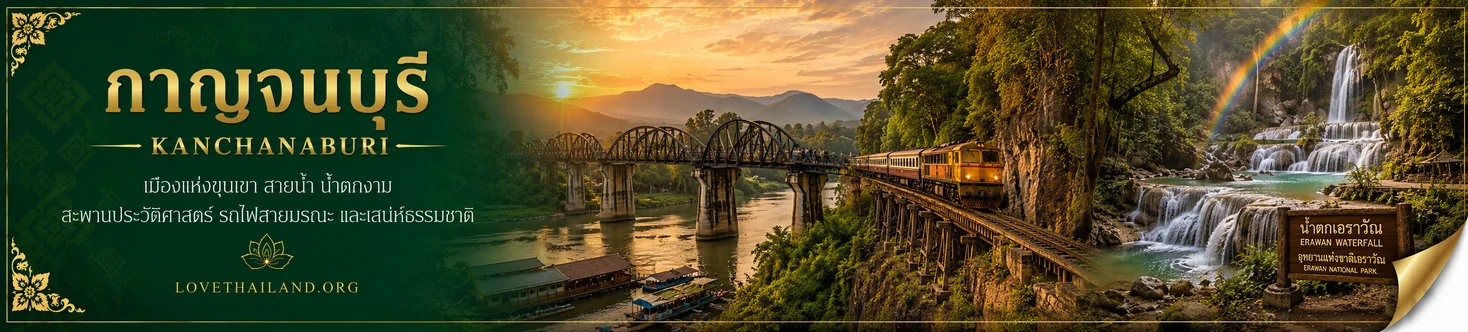
Sai Yok Noi waterfall
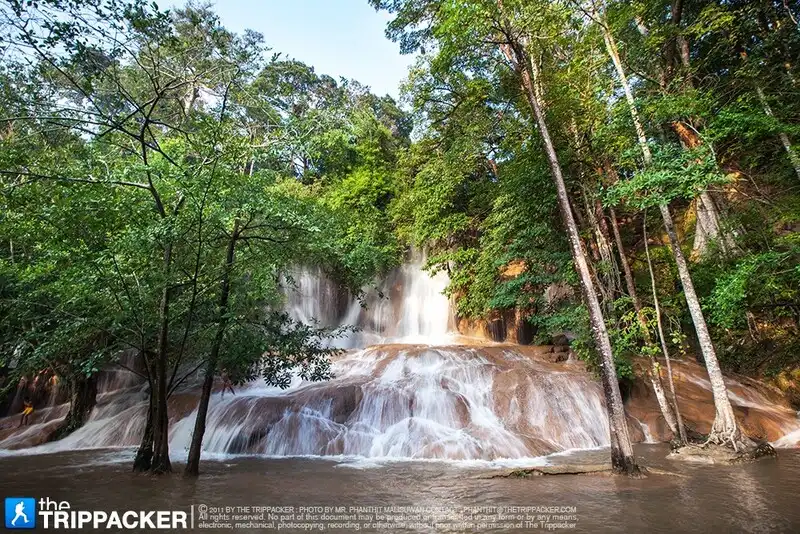
Open Days: Daily
Opening Hours: 08:30 – 16:30
Sai Yok Noi Waterfall, also commonly known as “Khao Phang Waterfall”, is one of Kanchanaburi’s most famous waterfalls and a classic example of a place that is “easy to stop by, yet truly natural.” It sits right alongside Highway 323 on the Kanchanaburi–Sai Yok–Thong Pha Phum route, which makes it ideal for travelers who want a refreshing break on the road or a short nature outing without a demanding hike. Even so, you still get the essentials: the sound of running water, the shade of trees, and the close-up beauty of a stream flowing over natural rock. What makes this waterfall stand out is not a towering vertical drop like some other falls, but rather the way the water spreads out and glides across limestone and a gently sloping hillside, creating a softer, more calming scene where you can step closer and let the cool mist ease the heat of travel.
The appeal of Sai Yok Noi Waterfall begins with its well-known nickname, “Khao Phang Waterfall.” Travel information often explains that this name reflects the landscape here: the waterfall forms on limestone cliffs that once collapsed, leaving layered limestone boulders scattered and stacked near the foot of the hill. The view today feels like a natural stage set, where each rock becomes a small ledge that catches water and changes the rhythm of the flow. In some sections, the water looks like a thin curtain; in others, it breaks into smaller streams that follow grooves and channels in the stone. Standing here is not just “seeing a waterfall” so much as watching nature at work, with the marks and textures of limestone shaping how the water moves from moment to moment.
Sai Yok Noi Waterfall is said to originate from a “spring” emerging from the mountain. The water then runs into a small stream before spilling over a limestone rock face that is described as about 15 meters high. Instead of dropping straight down in a single line, the water fans out over a sloping hillside under the shade of many kinds of trees, which is why the area feels noticeably cooler and more sheltered as you approach. Another detail that adds life to the stream is the presence of scattered sedge plants along the waterway, reinforcing the impression of a naturally moist, green corridor that blends smoothly into the surrounding forest.
One of the charms of Sai Yok Noi Waterfall is that it can be visited year-round, even though the water level and overall mood change with the seasons. According to local descriptions, the period when the waterfall tends to have a stronger flow and the scenery looks especially lush is the rainy season, particularly around July to October, when rainfall and humidity build up in the area. However, rainy-season beauty comes with a clear trade-off: slippery surfaces. Limestone covered with algae or moss can be far more slippery than it appears, especially where water constantly runs over the rocks. If you are traveling with children or older family members, it is best to choose safer standing spots and avoid climbing onto damp, slick boulders.
Late rainy season into early cool season is often considered more comfortable, because the air becomes cooler, the water still looks good, and the risk of heavy downpours or sudden surges is generally lower than during peak monsoon periods. In this window, the waterfall often feels “just right”: lighting is easier for photos, paths are less persistently wet, and the atmosphere stays pleasantly calm. In the dry season, water levels may drop naturally, but there are advantages as well. It can be a great time for an easy roadside break without worrying about rain, for photographing the limestone layers and rock details more clearly, or for sitting quietly and listening to softer water sounds when the area is not crowded. The key is timing, such as visiting early in the morning or later in the afternoon.
A major reason people return to Sai Yok Noi Waterfall is that it offers simple, practical enjoyment: you can cool off and wade or soak in safer sections because access is easy and the walking distance is not long. This makes it especially suitable for families or groups of friends who want to escape the heat during a drive. Still, safety should be the top priority at any natural waterfall. During the rainy season, water levels and currents can change quickly. If rain has been continuous or the water looks unusually muddy, it is better to avoid entering the water and enjoy the view from the bank instead. The most enjoyable trip is always the one where everyone gets home safely.
Another popular activity here, sometimes without people even planning for it, is photography. Sai Yok Noi Waterfall has a distinctive look because the water flows in a wide, fanned-out sheet over limestone. You can take wide shots to capture the greenery and layered rock formations, or close-up shots to highlight the rippling texture of water streaming along grooves in the stone. When sunlight filters through the leaves and catches the moving water, small natural sparkles can appear on the surface without any need for heavy editing, which is part of the place’s understated, authentic beauty.
Getting There by private car is straightforward. Start from Kanchanaburi town and follow Highway 323 toward Sai Yok District, then continue along the same route toward Thong Pha Phum. The waterfall is located right beside the highway, making it easy to pull in for a visit. The main point is to drive carefully during the rainy season, when roads may be wet and leaf debris can collect on the surface. After parking, take extra care when walking down toward the waterfall because the ground can be slippery. If you enjoy travel with a bit more atmosphere, you can also plan a route that connects with the historic railway/Bridge on the River Kwai area in Sai Yok, turning the stop into more than just a quick splash, but part of a day that includes both nature and local stories.
What makes Sai Yok Noi Waterfall a worthwhile stop is how easily it connects with other attractions in Sai Yok District. You can pair it with Sai Yok Yai Waterfall inside Sai Yok National Park, caves and viewpoints along the Khwae Noi River, or historical sites related to the so-called Death Railway and nearby interpretation routes. A simple plan like “Sai Yok Noi Waterfall + 1–2 nearby stops” works well for a one-day trip, or for travelers continuing onward to Thong Pha Phum or Sangkhla Buri who want a refreshing break along the way.
Regarding fees, several travel sources and reviews mention that “Sai Yok Noi Waterfall is free to enter,” and daytime visiting hours are commonly listed. The updated information referenced here indicates daily opening hours of 08:30–16:30. If management policies or official announcements change, it is still wise to confirm before you go, especially during the rainy season when additional safety measures may be in place.
Finally, if we want Sai Yok Noi Waterfall to remain as welcoming as it is today for the next generation, the most important thing is respectful travel. Take your trash with you, avoid damaging rock layers, do not write on stones, and keep noise to a minimum. Natural beauty does not need extra decoration—it needs consistent care from everyone who visits. When small habits are done well, this roadside waterfall can remain a dependable place to pause, breathe, and reset every time you pass through Sai Yok.
| Place Summary | A well-known roadside waterfall on Highway 323 in Sai Yok District, Kanchanaburi. Also called “Khao Phang Waterfall”, noted for water fanning across limestone layers and stepped boulders with easy access for a quick nature stop. |
| Address | Moo 3, Tha Sao Subdistrict, Sai Yok District, Kanchanaburi, Thailand |
| Coordinates | 14.23833, 99.05833 |
| Highlights | 1) Famous “easy stop” waterfall right on Highway 323 2) Limestone collapse landscape forming stepped boulders (origin of “Khao Phang”) 3) Water flows in a wide fan over a sloping limestone face, great for photos 4) Open year-round; stronger flow commonly noted in rainy season (around Jul–Oct) 5) Convenient break point on routes to Thong Pha Phum or Sangkhla Buri |
| Getting There | From Kanchanaburi town → follow Highway 323 toward Sai Yok District → the waterfall is roadside and easy to access (drive carefully in rainy season; surfaces may be slippery). |
| Fees | Reported as free entry (no admission fee) |
| Current Status | Daytime visits; hours commonly listed as 08:30–16:30. Check weather conditions, especially in rainy season when rocks can be very slippery. |
| Nearby Attractions (Approx. Distance) | 1) Sai Yok Yai Waterfall (approx. 30 km) 2) Tham Krasae Cave (approx. 40 km) 3) Hellfire Pass (approx. 55 km) 4) Bridge on the River Kwai (approx. 65 km) 5) Mallika R.E. 124 (approx. 75 km) |
| Nearby Restaurants (Approx. Distance + Phone) | 1) Renu Restaurant (near Sai Yok Noi Waterfall) (approx. 1 km) Tel. 081-925-2650 2) Je Pu Krok Raberd Somtam Roi Lan (approx. 1 km) Tel. 081-543-9944 3) yok noi coffee camp (approx. 2 km) Tel. 089-250-5709 4) Southern Roti Shop (approx. 2 km) Tel. 085-989-7446 5) Sommai Restaurant (approx. 2 km) Tel. 081-880-5209 |
| Nearby Accommodations (Approx. Distance + Phone) | 1) Khaothone Riverview Resort (approx. 3 km) Tel. 093-197-4249 2) Boutique Raft Resort (approx. 18 km) Tel. 092-462-4926 3) River Kwai Resotel (approx. 25 km) Tel. 081-734-5238, 02-642-5497 4) Home Phutoey River Kwai Resort (approx. 26 km) Tel. 081-817-5182, 02-642-5497 5) Saiyok View Resort (approx. 28 km) Tel. 034-696-251 |
Frequently Asked Questions (FAQ)
Q: Where is Sai Yok Noi Waterfall located?
A: It is in Sai Yok District, Kanchanaburi, right beside Highway 323, and is a popular roadside stop for travelers heading toward Thong Pha Phum or Sangkhla Buri.
Q: What other name is Sai Yok Noi Waterfall known by?
A: Many people call it “Khao Phang Waterfall.” The nickname is commonly linked to the limestone cliff landscape that is described as having collapsed in the past, creating stepped boulders near the base.
Q: What are the opening hours, and is there an entrance fee?
A: The waterfall is commonly listed as open daily from 08:30–16:30 and reported as free entry. It is still a good idea to check for the latest announcements before visiting, especially during the rainy season.
Q: When is the best time to visit?
A: It can be visited year-round. Stronger flow and lush scenery are commonly associated with the rainy season (around Jul–Oct), while late rainy season into early cool season is often more comfortable for walking and photography.
Q: Can you swim or play in the water, and what should you watch out for?
A: Many visitors wade or cool off in safer sections, depending on conditions. Be careful of slippery limestone with algae or moss, especially after rain, and avoid entering the water if currents are strong or weather conditions are unsafe.
Q: Is it convenient to visit by sedan?
A: Yes. It is a roadside attraction on Highway 323, so access is generally convenient. Drive carefully in wet conditions and take extra caution when walking near the waterfall because surfaces may be slippery.
 Category: ●Nature and Wildlife
 Group: ●Waterfalls
Last Update : 8 MonthAgo
 Last Update : 8 MonthAgo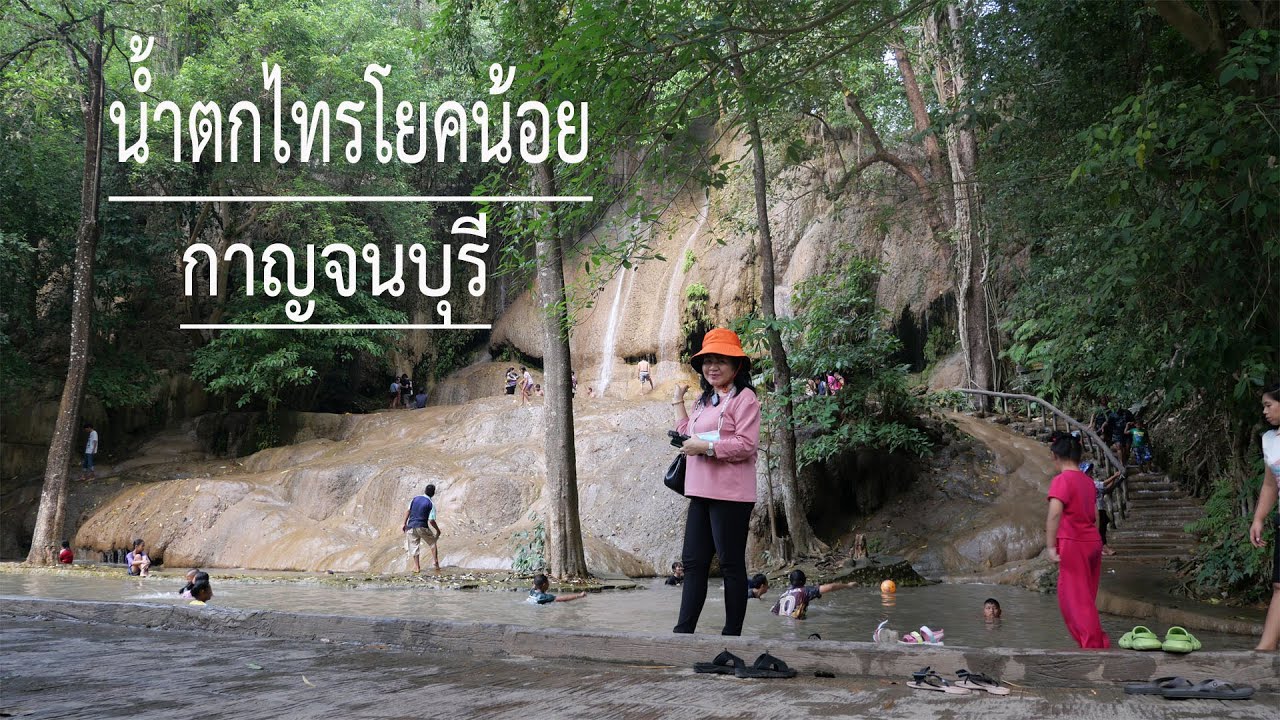
 Click to Access the Navigation Map GPS
Sai Yok Noi waterfall Map
Recommend

 Art, Culture and Heritage
 Historical Sites and Monuments(13)
 Landmarks and Memorials(5)
 Art, Craft Centres, Tradition(7)
 Museums(7)
 Art Gallery(1)
 Places of Worship
 Temple(37)
 Church(2)
 Other Sacred Sites(6)
 Research and Development
 Royal Project(1)
 Suburban Living
 Village, Community(5)
 Local Market(1)
 National Parks and Marine Reserves(11)
 Mountain (Doi)(6)
 Dam, Reservoir, Lake(9)
Waterfalls(19)
Dam, Reservoir, Lake(9)
Waterfalls(19)
 Hot Springs(3)
 Caves(20)
 River, Canal(3)
 Other natural attractions(4)
 Entertainment and Agricultural
 Zoos and Aquariums(2)
 Animal camps and shows(4)
 Farms, Parks and Ecotourism(11)
 Cinema(1)
 Outdoor and Adventure Activities(2)
 Travel Articles, Recipes
 Travel Review, Food Review(1)


