
 Home
Home North(
 Chiang Mai(


Si Lanna National Park
Rating: 4/5 (8 votes)
 Search By
  Map
Map 
 Have Map
  No Map
Chiang Mai attractions
Attractions in Thailand
Open Days: Generally “every day” (some areas/activities may be temporarily closed depending on seasonal and safety announcements)
Opening Hours: Generally 08:00 – 17:00 (recommended to check the park’s latest announcements before visiting)
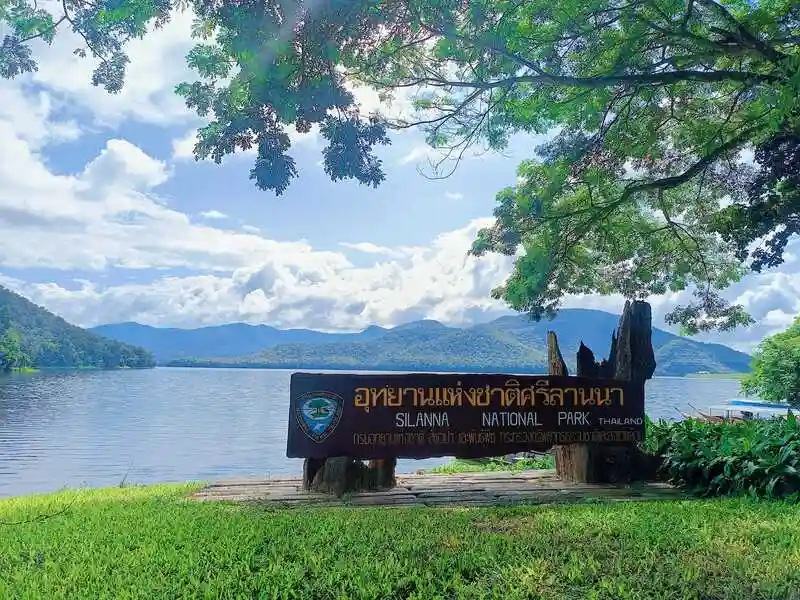
Si Lanna National Park is one of Chiang Mai’s nature getaways that many people “know by name,” but not as many truly “know through its ecosystem.” This is a first-class watershed forest that functions like a green roof for multiple catchments feeding into the Ping River. It is also a vast forest landscape spanning the Mae Ngat, Mae Taeng, and Chiang Dao forest zones, which means Si Lanna is not only about pretty viewpoints. It is a living, working landscape—every day—shaped by mountain water cycles, the humidity of montane forests, and the rich habitat that supports wildlife and plant communities across different elevations.
In broad terms, the park’s terrain is a complex chain of high mountains running roughly north to south. Simply put, it is “a connected mountain system,” not a single isolated peak. The beauty of this kind of landscape is that when rain falls or when moisture condenses, water gradually gathers from gullies and small streams into headwaters, then flows into larger basins, and ultimately connects to the Ping River system. That is why Si Lanna is classified as an important watershed area—and why visiting here should follow a “light footprint” approach. Small actions at the headwaters can always ripple downstream.
As an experience, Si Lanna is not a one-highlight-and-done kind of national park. It’s a place where you can choose your “travel mode” based on your energy, time, and the season. If you love forest humidity and the sound of running water, you’ll enjoy the waterfall zones and nature-study trails. If you want a slow, restorative day with wide-open views framed by water and mountains, you’ll like the reservoir above Mae Ngat Sombun Chon Dam, where private operators run floating rafts and gentle water activities. And if you want the feeling of “a real mountain day,” some ridge and viewpoint areas in certain zones can be excellent when the skies are clear—especially from late rainy season into winter.
The key to enjoying Si Lanna is understanding “seasonality” the way locals do, because mountains change mood fast. During the rainy season (generally around May to October), the forest turns intensely green, water levels rise, and the air becomes humid; some trails can be slippery or access may be restricted for safety. The upside is that the forest looks its freshest and most lush—perfect if you love greenery and don’t mind some rain. The caution is that some attractions may be temporarily closed to let nature recover and to reduce risk. Move into late rainy season and early cool season and you’ll get cooler air and steadier skies, which suits photography and outdoor activities. In winter, the weather is comfortable to chilly, especially in the early morning and at night; if you plan to stay overnight, bring wind protection and suitable gear.
One spot that often comes up is Mon Hin Lai Waterfall in the Phrao area. It is known for multiple tiers and a sloping rock cascade form, with water flowing year-round in many periods. The charm is how the scenery gradually changes as you go higher—more details of forest and rock revealed step by step—so if you like light trekking, it offers a satisfying “reward for walking.” The practical point is that access roads can include rough sections, and conditions depend heavily on the season, so it’s smart to check the weather and ask for current information before you go—especially if your vehicle isn’t ideal for mountain roads.
Another feature that gives Si Lanna its distinct character is the reservoir above Mae Ngat Sombun Chon Dam, which feels completely different from the waterfall zones. Instead of a damp forest soundtrack, you get a broad sheet of water cradled by mountain lines, with a calm atmosphere that invites you to pause. A popular activity here is using floating raft services (run by private operators) for meals, resting, swimming, or easygoing water time—perfect for a “leave the city without exhausting yourself” kind of day. This mode works well for friends, families, and anyone traveling with older relatives who still want nature but not an intense hike.
Beyond the main highlights, Si Lanna also has other nature spots that suit travelers who want a “full but not confusing” trip, such as Pa Phlu Waterfall, Doi Mon Lan, limestone ranges, and nature-study trails in some areas near park facilities. The fun is that each place has a different “face” of nature: some stand out for terrain and geology, some for water and forest, and some for walking and viewpoints. No matter which you choose, one principle keeps you safer: don’t underestimate the mountains—time, daylight, and weather can shift quickly.
If you want a “one-day” plan, start by choosing one main axis and then add one supporting stop. For example, make Mae Ngat Dam your main axis (raft time + swimming + lunch) and then add a light stop nearby—perhaps a viewpoint, café, or a local community spot—before heading back. Or make a waterfall your main axis (walk + photos + rest) and end with dinner in the Phrao or Mae Taeng area so the day finishes without rushing. If you want to stay overnight, the Mae Ngat Dam zone is popular for its quiet nights and refreshing mornings, while areas near park facilities can suit travelers who want to wake up early and continue forest activities right away.
One thing worth taking seriously at Si Lanna is “seasonal or announcement-based closures.” Some attractions may be temporarily closed for safety or for ecosystem recovery. If you rely on older information and just drive in, it’s easy to end up disappointed. The most reliable approach is to check the park’s latest announcements and call ahead—especially if you’re traveling a long distance or visiting with seniors or young children.
Getting There There are several routes to Si Lanna, and your choice of route strongly affects the “travel mode” you’ll get. If you want the Mae Taeng – Mae Ngat Dam zone, a common route is Chiang Mai – Fang Road (Highway 107), then turn toward Mae Ngat Dam following the relevant junction signs to reach the reservoir and pier areas. If you want the Phrao zone for Mon Hin Lai Waterfall, many travelers use Chiang Mai – Phrao Road (Highway 1001) and then continue on local roads to the site, where some stretches may require extra caution depending on season and road conditions. There is also Route 1150 (Ping Khong – Chiang Dao – Phrao), which includes unpaved sections in some parts, and a cross-province option toward Chiang Rai via Doi Saket – Wiang Pa Pao for travelers planning a multi-province itinerary.
If you want your trip to feel smooth—not tiring for no reason—these five essentials help a lot: shoes with good grip, rain or wind protection, insect repellent and leech protection in the rainy season, a flashlight or headlamp in case daylight fades fast, and one backup plan in case your first-choice site is temporarily closed, so you can switch to the dam zone or another nearby spot without losing the mood.
From a responsible-travel perspective, Si Lanna is a watershed area. The most meaningful responsibility is managing your trash carefully and using water thoughtfully, not feeding wildlife, keeping noise down, and staying on designated trails where nature routes are provided. Trampling small plants in a headwater forest might seem minor, but the cumulative impact can become system-wide damage. And when visitor numbers are high, “being light” helps keep the landscape beautiful for the next travelers too.
| Name | Si Lanna National Park |
| Location | Ban Pao Subdistrict, Mae Taeng District, Chiang Mai (covering areas of Phrao, Mae Taeng, and Chiang Dao according to official sources) |
| Highlights | First-class watershed forest, complex mountain ranges, montane forest ecosystems, waterfalls, and the reservoir zone above Mae Ngat Sombun Chon Dam |
| Open Days | Generally every day (subject to seasonal/site-specific closure announcements) |
| Opening Hours | Generally 08:00 – 17:00 (recommended to check the latest announcements before visiting) |
| Key Attractions In The Park | Mon Hin Lai Waterfall, Pa Phlu Waterfall, Mae Ngat Sombun Chon Dam reservoir zone, Doi Mon Lan, nature-study trails (by zone and season) |
| Seasonal Closures / Latest Notices | Example rainy-season closure (2025): “Mon Hin Lai Waterfall” and “Pa Phlu Waterfall” from July 1 – September 30 (always follow the latest notice for the year), and a notice indicating “Mon Hin Lai Waterfall closed” from November 13, 2025 onward (please re-check current status before traveling) |
| Facilities | Visitor service points by zone, rest areas, route information, national-park accommodation booking (via the DNP booking system), and private services in the Mae Ngat Dam zone (e.g., rafts/food) |
| Current Status | Generally open for visitors, with “site-specific” seasonal and safety closures (recommended to check notices/call ahead) |
| Contact (Verified) | Si Lanna National Park: 053-479-079, 053-317-495, 053-479-090 Email: npsrilanna2566@gmail.com Page: “อุทยานแห่งชาติศรีลานนา - Si Lanna National Park” |
| Nearby Attractions (Approx. Distance) | Mae Ngat Sombun Chon Dam / Reservoir zone: 11 km Raft piers in the Mae Ngat zone: 15 km Mae Taeng town area: 25 km Phrao town area: 45 km Chiang Dao Cave: 55 km |
| Popular Restaurants Nearby (Approx. Distance + Phone) | Pangpao Beach (Mae Ngat Dam zone): 15 km | 080-168-5366 Mountain Float (Mae Ngat Dam zone): 15 km | 093-615-6365 Krua Sai Nathi (Entrance/Mae Ngat Dam zone): 15 km | 090-891-0805 Ekkachai Raft House (Mae Ngat Dam zone): 15 km | 092-469-2704 Nong Mind Raft House (Mae Ngat Dam zone): 15 km | 081-951-5987 |
| Popular Accommodations Nearby (Approx. Distance + Phone) | Mountain Float (Mae Ngat floating raft stay): 15 km | 093-615-6365 Ekkachai Raft House (Mae Ngat floating raft stay): 15 km | 092-469-2704 Nong Mind Raft House (Mae Ngat floating raft stay): 15 km | 081-951-5987 Chiang Dao Nest (Chiang Dao): 55 km | 053-456-612 Azalea Village Resort (Chiang Dao): 55 km | 053-456-168 |
Frequently Asked Questions (FAQ)
Q: What is the best time of year to visit Si Lanna National Park?
A: If you love lush green forest and stronger water flow, the rainy season can be stunning, but you’ll need to accept rain and possible site closures. If you prefer steadier skies and easier driving, late rainy season into the cool season and winter is usually better. In every case, check the latest announcements before you go.
Q: When is Mon Hin Lai Waterfall closed?
A: Closures are “seasonal/announcement-based.” In 2025, an example notice shows closure from July 1 – September 30, and there is also a notice indicating closure from November 13, 2025 onward. Because conditions can change by year, follow the park’s latest announcement and call ahead for the most reliable update.
Q: If I want an easy trip with minimal walking, which zone should I choose?
A: The reservoir above Mae Ngat Sombun Chon Dam is a great fit. It focuses on relaxing, views, swimming, and private floating-raft services while still giving you a full mountain-and-water atmosphere.
Q: What kind of vehicle do I need to visit Si Lanna National Park?
A: For the main roads and the Mae Ngat Dam zone, regular cars are usually fine. For some rough local roads or during the rainy season, it’s best to assess road conditions and your vehicle capability, and check with the park in advance to avoid getting stuck or losing time.
Q: Which contact numbers should I use to reach the park?
A: You can contact Si Lanna National Park at 053-479-079, 053-317-495, and 053-479-090, and follow updates via the page “อุทยานแห่งชาติศรีลานนา - Si Lanna National Park.”
 Website: www.dnp.go.th
 Tel: 025620760
  Si Lanna National Park Map
 Category:
  Group:
  Tag: ●Si Lanna National Park●si lanna national park ●srilanna national park ●chiang mai national park ●si lanna chiang mai ●mae ngat dam ●mae ngat reservoir ●mon hin lai waterfall ●phrao chiang mai ●mae taeng chiang mai ●nature trip chiang mai
Last Update: 3 MonthAgo
Tag: ●Si Lanna National Park●si lanna national park ●srilanna national park ●chiang mai national park ●si lanna chiang mai ●mae ngat dam ●mae ngat reservoir ●mon hin lai waterfall ●phrao chiang mai ●mae taeng chiang mai ●nature trip chiang mai
Last Update: 3 MonthAgo
Comment
 Nearby Attractions
| Keyword (Advance) |
 Region
|
 Muang Chiang Mai(
 Copyright 2012,