
TL;DR: North of Thailand Map.

North of Thailand Map
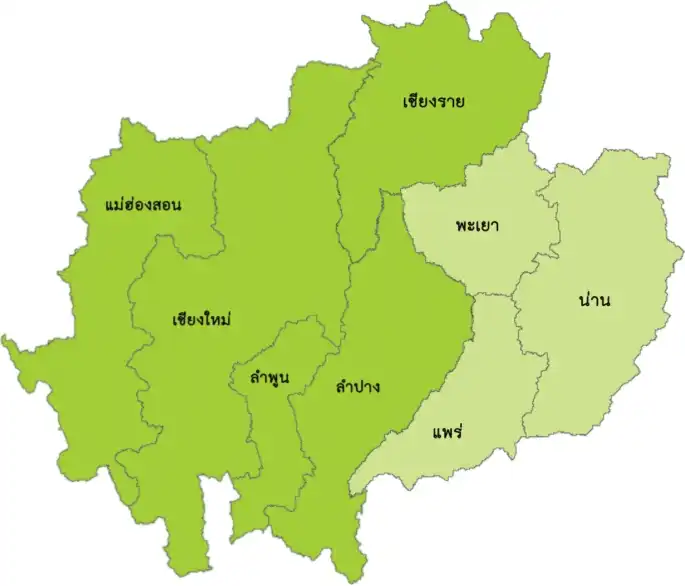
Map of Northern Thailand features a landscape dominated by mountain ranges stretching from north to south. One of the most significant ranges is the Thanon Thong Chai Range, which is the longest and one of the most prominent in the region. Northern Thailand stands out as one of the most distinctive regions of the country in terms of geography, culture, and history. Studying the map of Northern Thailand not only helps in understanding the physical structure of the area but also supports effective travel planning. The region consists of 17 provinces, including Chiang Mai, Chiang Rai, Lampang, Lamphun, Phayao, Nan, Phrae, Mae Hong Son, Uttaradit, Sukhothai, Phitsanulok, Phetchabun, Phichit, Kamphaeng Phet, Tak, Nakhon Sawan, and Uthai Thani :contentReference[oaicite:0]{index=0}
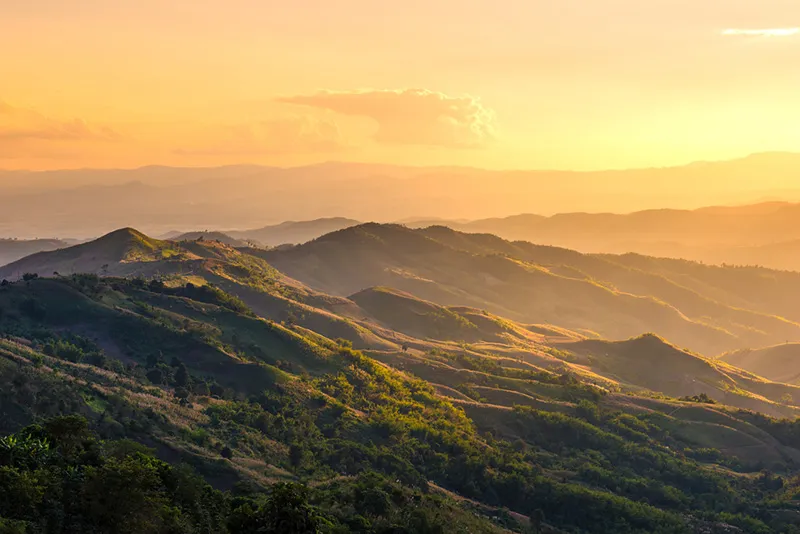
The highest peak in Thailand is Doi Inthanon, located in Chiang Mai Province, rising approximately 2,565 meters above sea level. It is part of the Daen Lao mountain range, which forms a natural boundary between Thailand and Myanmar. The second highest peak is Doi Pha Hom Pok in Mae Ai District, with an elevation of 2,297 meters.
The third highest peak is Doi Luang Chiang Dao, standing at 2,222 meters. Other important mountain ranges include the Khun Tan Range and the Phi Pan Nam Range. The western Phi Pan Nam Range lies between the Wang and Yom rivers, while the eastern Phi Pan Nam Range lies between the Yom and Nan rivers. The Luang Prabang Range forms a natural border between Thailand and Laos.
These northern mountain ranges are composed of numerous peaks such as Doi Khun Tan, Doi Inthanon, Phu Pha Tang, and Phu Chi Fa. The region is also home to various hill tribes including Hmong, Karen, Yao, Lahu, Akha, and Lisu. The fertile plains in river valleys such as the Ping, Wang, Yom, Nan, Kok, and Ing rivers are highly suitable for agriculture, including rice cultivation, crops, and fruit farming.
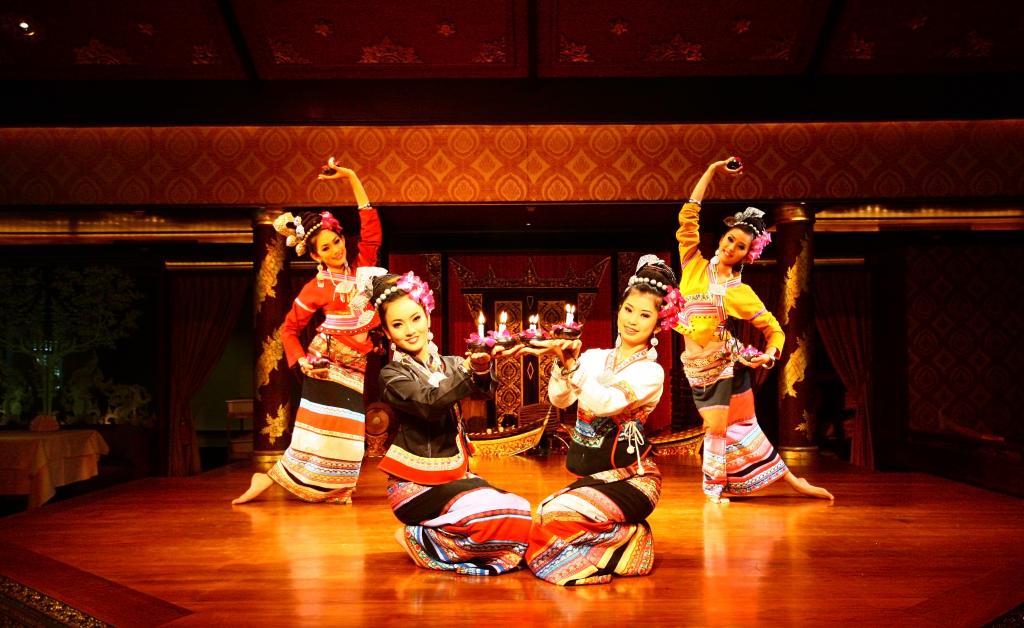
Northern Thailand was once the center of the ancient Lanna Kingdom. Lanna culture has been influenced by Tai Yai, Burmese, and hill tribe traditions. Important temples such as Wat Phra That Doi Suthep in Chiang Mai and Wat Phumin in Nan reflect deep religious devotion and exquisite local art. Traditional performances such as Fon Leb and Fon Tian continue to be passed down through generations.
Popular Travel Routes Visitors can explore routes such as Chiang Mai–Chiang Rai, which include landmarks like Doi Tung, Wat Rong Khun, and Doi Mae Salong. Another recommended route is Phrae–Nan, where travelers can experience peaceful small-town atmospheres, admire art at Wat Phumin, and observe simple local lifestyles.
Educational Value of the Map The map of Northern Thailand is highly useful for education, helping learners understand geography, historical kingdoms, and travel routes. It also illustrates the relationship between the environment and local communities. Major roads shown on the map include Phahonyothin Road (Highway 1), which connects Bangkok to Chiang Rai, and the Asian Highway (Highway 11), linking Phitsanulok to Chiang Mai. Secondary roads provide access to natural attractions such as Doi Inthanon National Park, Doi Ang Khang, and Pai. Key cities often highlighted on maps include Chiang Mai, the economic and cultural center of Lanna; Chiang Rai, the northernmost province known for Wat Rong Khun; Lampang, famous for horse-drawn carriages and historic temples; and Nan, a charming town known for its artistic heritage and peaceful lifestyle.
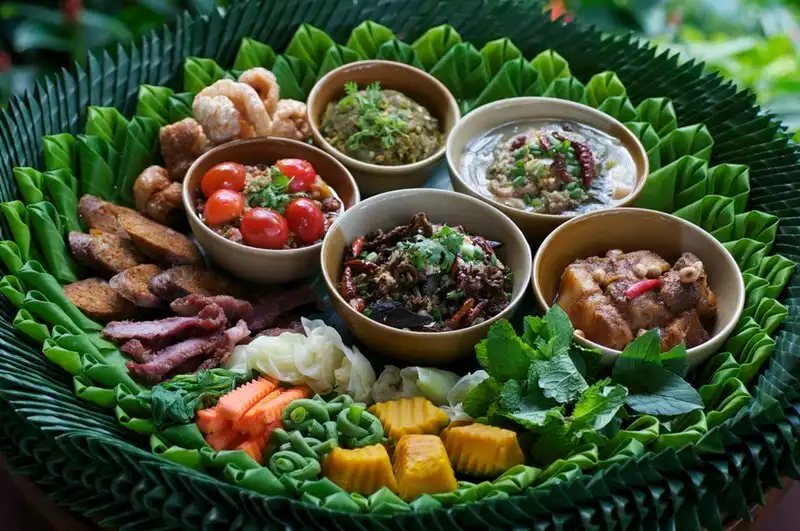
Local Food and Products Northern Thailand is well known for its traditional cuisine such as Khao Soi, Nam Prik Noom, Sai Ua, and Gaeng Hang Lay. Local products including tea, coffee, and temperate fruits from Chiang Mai and Chiang Rai reflect both the region’s natural richness and the lifestyle of local communities.
World Heritage and Important Sites Sukhothai Historical Park, a UNESCO World Heritage Site, represents the golden age of Thai civilization. Meanwhile, Nan preserves unique Lanna characteristics, including the famous mural painting “Pu Man Ya Man” at Wat Phumin.
Conservation and Sustainable Development Royal Projects in Northern Thailand serve as excellent examples of sustainable resource management and community development. These projects promote highland agriculture, preserve Lanna traditions, and improve the livelihoods of local people.
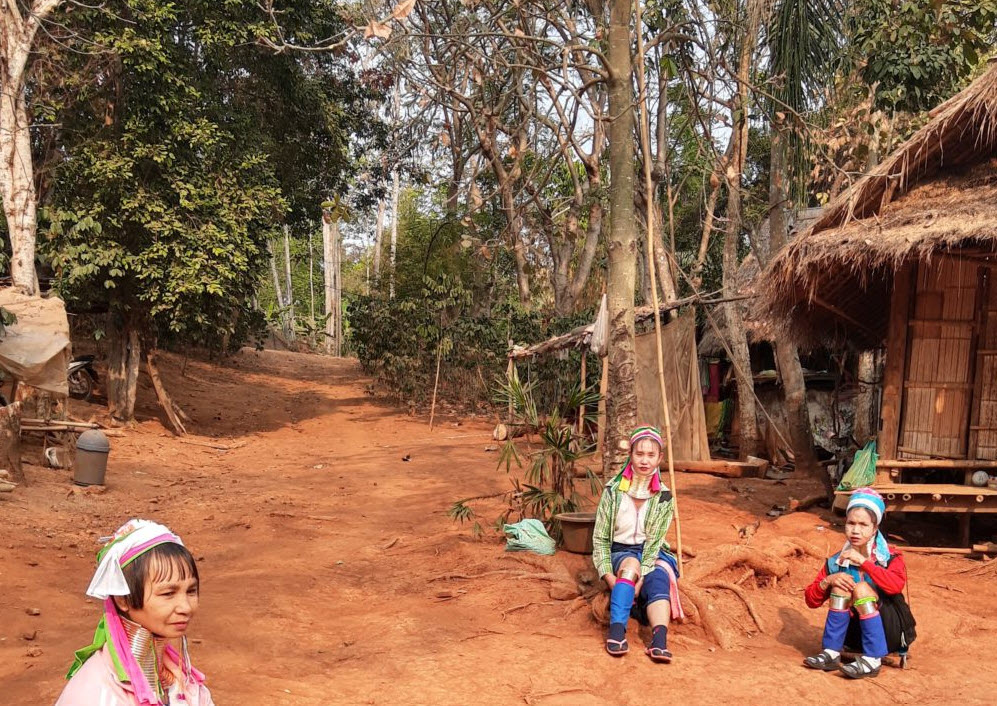
Diversity of Ethnic Groups The region is home to various ethnic groups such as Karen, Hmong, Lahu, and Lua. Each group has distinct traditions, clothing, jewelry-making skills, and rituals that reflect their beliefs and close relationship with nature. Karen communities are widely found in Chiang Mai, Mae Hong Son, and Tak, known for their handwoven textiles and meaningful dress styles. Hmong communities are recognized for colorful embroidery and silver ornaments, especially in Chiang Rai and Nan, with the Hmong New Year being a major cultural celebration.
Lahu people, sometimes referred to as “Muser,” are known for their black clothing accented with bright colors and their agricultural lifestyle. The Lua, one of the oldest ethnic groups in Northern Thailand, maintain traditional spiritual practices and craftsmanship such as weaving and basket-making.
The lifestyles of these ethnic groups reflect a strong connection with nature, including the use of herbal medicine, seasonal rituals, and traditional music played with handmade instruments. These cultural elements attract both Thai and international visitors to provinces such as Chiang Mai, Chiang Rai, Mae Hong Son, Lampang, and Nan.
Transportation and Connectivity Transportation in Northern Thailand plays a crucial role in connecting the region’s economy, tourism, and communities. The mountainous terrain requires well-planned infrastructure. Today, the region is accessible by road, air, and rail, with major hubs in Chiang Mai, Lampang, Phitsanulok, and Chiang Rai.
Road transport is the primary mode, with key highways such as Phahonyothin Road (Highway 1), the Chiang Mai–Lampang Super Highway (Highway 11), and the scenic Chiang Mai–Mae Hong Son route (Highway 108). The Northern railway line connects Bangkok to Chiang Mai, offering scenic journeys through countryside and mountains.
Air travel is highly important, with major airports including Chiang Mai International Airport, Mae Fah Luang Chiang Rai Airport, Phitsanulok Airport, and Mae Hong Son Airport, supporting both domestic and international flights.

Although water transport is not as dominant as in central Thailand, rivers such as the Mekong, Nan, and Ping still serve as local transport routes and tourist attractions in certain areas.
With continuous infrastructure development, including road expansion, railway improvements, and airport upgrades, Northern Thailand has become increasingly accessible. This allows both locals and visitors from around the world to explore its natural beauty and rich cultural heritage with ease.
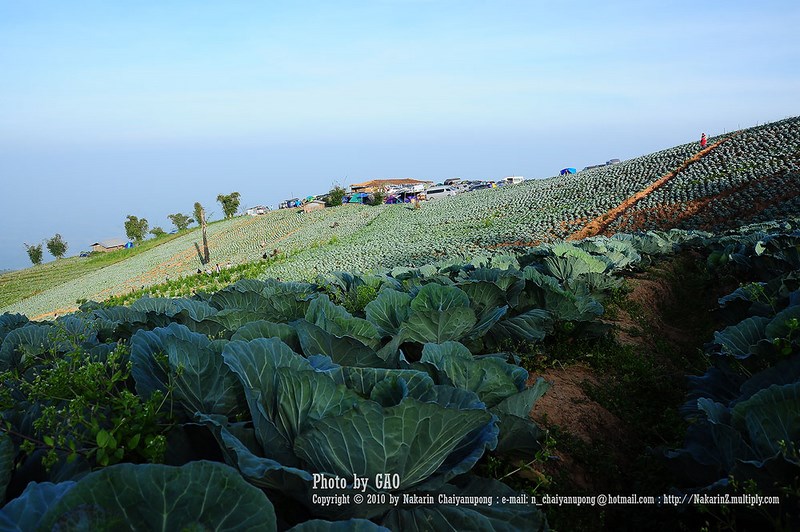
Climate of Northern Thailand is distinct from other regions due to its mountainous terrain. The region experiences a tropical monsoon climate with three main seasons: hot (mid-February to mid-May), rainy (mid-May to mid-October), and cool (mid-October to mid-February). During winter, temperatures in high-altitude areas such as Doi Inthanon, Doi Ang Khang, and Phu Chi Fa can drop below 0°C, sometimes resulting in frost.
The variation between day and night temperatures is significant, especially in mountainous areas. This climate supports the cultivation of temperate crops such as strawberries, cabbage, and flowers, and makes Northern Thailand a popular destination, particularly during the cool season.
Northern Thailand is also facing environmental challenges such as seasonal haze from forest burning and the impacts of climate change. Sustainable development and community awareness are essential for addressing these issues.
The map of Northern Thailand is not only a geographical tool but also a reflection of the region’s natural diversity, cultural richness, and unique way of life. Understanding this region encourages appreciation and supports the conservation of its valuable natural and cultural heritage.
| Topic | Details |
| Number of Provinces | Northern Thailand consists of 17 provinces including Chiang Mai, Chiang Rai, Lampang, Lamphun, Phayao, Nan, Phrae, Mae Hong Son, Uttaradit, Sukhothai, Phitsanulok, Phetchabun, Phichit, Kamphaeng Phet, Tak, Nakhon Sawan, and Uthai Thani |
| Geography | The region is dominated by complex mountain ranges running north to south, with intermountain valleys and river basins that support agriculture and settlement |
| Main Mountain Ranges | Thanon Thong Chai Range, Daen Lao Range, Khun Tan Range, Phi Pan Nam Range (East and West), and Luang Prabang Range |
| Highest Peaks | Doi Inthanon (2,565 m), Doi Pha Hom Pok (2,297 m), and Doi Luang Chiang Dao (2,222 m) |
| Main Rivers | Ping, Wang, Yom, Nan, Kok, Ing, and parts of the Mekong River |
| Climate | Tropical monsoon climate with three seasons: hot, rainy, and cool, with cooler temperatures in mountainous areas |
| Culture | Lanna culture with unique language, architecture, temple art, and traditional performances such as Fon Leb and Fon Tian |
| Ethnic Groups | Hmong, Karen, Lahu, Lisu, Yao, Akha, and Lua, each with distinct traditions and lifestyles |
| Local Cuisine | Khao Soi, Sai Ua, Nam Prik Noom, Gaeng Hang Lay, and Nam Ngiao noodles |
| Local Products | Tea, coffee, strawberries, cabbage, and temperate fruits grown in highland areas |
| Tourism Routes | Chiang Mai–Chiang Rai, Phrae–Nan, Mae Hong Son–Pai loop, and Sukhothai–Phitsanulok route |
| Main Attractions | Wat Phra That Doi Suthep, Wat Rong Khun, Wat Phumin, Sukhothai Historical Park, Doi Inthanon, Phu Chi Fa, Pai, and Doi Mae Salong |
| World Heritage | Sukhothai Historical Park is a UNESCO World Heritage Site representing early Thai civilization |
| Transportation | Accessible by road, Northern railway line, and major airports such as Chiang Mai, Chiang Rai, Phitsanulok, and Mae Hong Son |
| Main Highways | Phahonyothin Road (Highway 1), Asian Highway, Highway 11, and Highway 108 |
| Environmental Issues | Seasonal haze from forest burning, PM2.5 air pollution, landslides during rainy season, and climate change impacts |
Frequently Asked Questions (FAQ)
Q: How many provinces are in Northern Thailand?
A: Northern Thailand consists of 17 provinces including Chiang Mai, Chiang Rai, and Sukhothai.
Q: What is the highest mountain in Thailand?
A: Doi Inthanon in Chiang Mai is the highest mountain, at about 2,565 meters above sea level.
Q: When is the best time to visit Northern Thailand?
A: The best time is during the cool season from November to February.
Q: What is Northern Thailand known for?
A: It is known for its mountains, cool climate, Lanna culture, and diverse ethnic communities.
Q: How can I travel to Northern Thailand?
A: You can travel by plane, train, bus, or car, with major airports in Chiang Mai and Chiang Rai.
 Category: ●Travel Articles, Recipes
 Group: ●Travel Review, Food Review
Last Update : 5 MonthAgo
 Last Update : 5 MonthAgo
Recommend

 Art, Culture and Heritage
 Historical Sites and Monuments(8)
 Landmarks and Memorials(5)
 Royal Palace(2)
 Art, Craft Centres, Tradition(43)
 Museums(24)
 Educational Places
 Museum for Study(2)
 Educational Gardens, Farm(5)
 Training Center(1)
 Places of Worship
 Temple(79)
 Mosque(2)
 Other Sacred Sites(17)
 Research and Development
 Royal Project(44)
 Suburban Living
 Village, Community(41)
 Local Market(14)
 Nature and Wildlife
 National Parks and Marine Reserves(16)
 Mountain (Doi)(21)
 Dam, Reservoir, Lake(26)
 Waterfalls(43)
 Hot Springs(12)
 Caves(11)
 River, Canal(6)
 Other natural attractions(14)
 Entertainment and Agricultural
 Zoos and Aquariums(2)
 Animal camps and shows(3)
 Stadium(1)
 Farms, Parks and Ecotourism(19)
 Waterpark(2)
 Theater(1)
 Outdoor and Adventure Activities(10)
 Shopping
 Shopping and Night Market(6)
 Restaurant
 Michelin Star(1)
 Michelin Guide(23)
 Call Customer Service in Tourism
 Call Customer Service in Tourism(1)
Travel Review, Food Review(15)
Call Customer Service in Tourism(1)
Travel Review, Food Review(15)
 Food Menu, North Recipes(30)
 Thai Desserts, North Recipes(17)


