

 Home
Home Chiang Mai(










Nong Khiao Royal Project Development Center
Rating: 3.8/5 (5 votes)
 Search By
  Map
Map 
 Have Map
  No Map
Chiang Mai attractions
Attractions in Thailand
Open Days: Daily (recommended to call ahead before visiting)
Opening Hours: Generally 08.00–17.00 (may vary depending on field operations and season)
Nong Khiao Royal Project Development Center is a meaningful place to unwind in Chiang Mai for travelers who enjoy learning while traveling. Rather than being a photo-centric attraction, this center offers an authentic look into highland development under the Royal Initiative, where agriculture, community life, and cultural diversity are woven together in the Muang Na area of Chiang Dao District, Chiang Mai Province.
According to local accounts, in 1980 His Majesty the King visited the highland communities in this area and witnessed the difficult and impoverished living conditions of the hill tribe villagers. This royal visit became a crucial turning point, leading to the inclusion of the villages under the Royal Project framework. Subsequently, the Royal Project Foundation established the Nong Khiao Royal Project Development Center to systematically improve livelihoods and quality of life for people living in the highlands.
The center is responsible for several villages, namely Ban Nong Khiao, Ban Nong Wua Daeng, and Ban Mai Samakkhi. Development efforts here focus on enabling communities to live sustainably with forested and mountainous environments by promoting stable occupations, appropriate production systems, and long-term knowledge transfer.
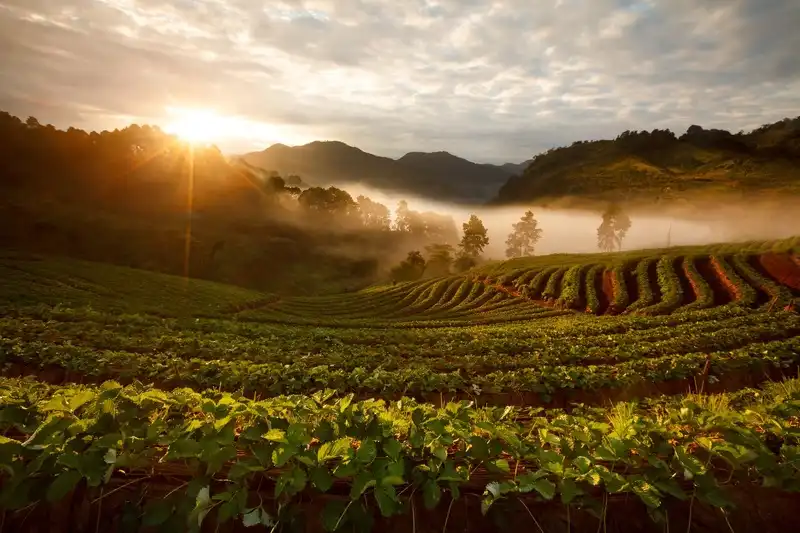
For visitors interested in agricultural tourism, Nong Khiao offers a calm yet insightful experience. Demonstration plots within the center showcase crops such as various avocado varieties, custard apples, mangoes, and vegetable plots, as well as promoted field crops suited to highland conditions, including black sesame, sorghum, roselle, upland rice, and Japanese pumpkin. These displays help visitors understand how farming systems are carefully adapted to terrain, climate, and seasonal cycles.
A distinctive aspect of Nong Khiao is its strong cultural dimension. The Muang Na area and its surroundings are home to six ethnic groups: Lua, Lahu (Muser), Kachin (Ban Nong Khiao), Lisu (Ban Rin Luang), Akha (Ban Mai Samakkhi), and Chinese Yunnanese (Ban Arunothai). Visiting the center therefore becomes an opportunity to learn about people and living cultures, not just agricultural outputs.
One cultural highlight is the Kachin Model Cultural Center, which brings together traditional activities, household items, and ethnic attire. The Kachin people are particularly known for their ceremonial dances, which are performed during important occasions such as the Manaw (Manau) Festival. According to local information, this event is usually held around December every two years. The Kachin community at Ban Nong Khiao is especially significant, as it is regarded as the only Kachin settlement in Thailand, following historical migration from Myanmar.
In terms of natural and route-based travel, many visitors plan their trip to include Ban Arunothai and continue onward to Doi Ang Khang. This route offers a blend of community markets, Yunnanese cuisine, mountain scenery, and relaxed stopovers. It suits travelers who prefer a slower, more observant style of northern travel rather than rushing between popular photo spots.
Regarding accommodation and food, it is useful to plan ahead. Based on the provided information, the center has two guesthouses, each accommodating around 10 people, along with designated camping areas and tent rental services (including sleeping bags). Visitors bringing their own tents are generally required to pay a site maintenance fee. There are no restaurants within the center itself, so meals are best taken in Ban Arunothai, where many Yunnanese-style eateries serve dishes such as Yunnan noodles, khao soi, braised pork leg with rice, steamed buns, and mantou.
Getting There From Chiang Mai city, the distance is approximately 122 kilometers. Take Highway 107 (Chiang Mai–Fang) toward Chiang Dao District. At around kilometer marker 79, turn left at the Muang Ngai junction onto Highway 1178 (Muang Ngai–Arunothai Road). Continue to kilometer marker 32, where you will encounter the Ban Rin Luang checkpoint. Turn right and drive approximately 5 kilometers, then enter the access road to the center and continue for about 1 kilometer. The route is generally accessible by all types of vehicles. From this route, travelers can also continue onward to Doi Ang Khang, approximately 45 kilometers further.
| Name | Nong Khiao Royal Project Development Center |
| Location | Muang Na Subdistrict, Chiang Dao District, Chiang Mai, Thailand |
| Key Characteristics | Agricultural tourism with highland demonstration plots, cultural tourism highlighting six ethnic groups, and a strategic stop on the Muang Na–Arunothai–Doi Ang Khang route |
| Recommended Season | November–March (cool weather, ideal for highland travel) |
| Facilities | Guesthouses, camping area, demonstration plots (recommended to contact the center in advance) |
| Travel | Highway 107 to Chiang Dao (km 79) → Highway 1178 to km 32 → Ban Rin Luang checkpoint → turn right 5 km → enter center road for 1 km |
| Current Status | Open to visitors (recommended to call ahead, especially during the rainy season) |
| Contact Number | 053-045-600 |
Frequently Asked Questions (FAQ)
Q: What is the best time to visit Nong Khiao Royal Project?
A: November to March is ideal, as the weather is cooler and more comfortable for exploring highland areas.
Q: Is the access road suitable for regular cars?
A: Yes, the route is generally accessible by all types of vehicles, though careful driving is recommended due to mountainous terrain, especially during the rainy season.
Q: Are there restaurants inside the center?
A: No, there are no restaurants within the center. Visitors are advised to eat in Ban Arunothai, where many Yunnanese restaurants are available.
Q: Can visitors stay overnight at the center?
A: There are guesthouses and camping facilities available, but visitors should contact the center in advance to confirm availability and conditions.
Q: How can I experience Kachin culture and the Manaw Festival?
A: The Manaw Festival usually takes place around December every two years. It is recommended to contact the center or local community leaders in advance to confirm the exact year and schedule.
 Tel: 053045600
 Mobile: 0861816675
 Nong Khiao Royal Project Development Center Map
 Category:
  Group:
  Tag: ●Nong Khiao Royal Project Development Center●nong khiao royal project ●nong khiao royal project development center ●chiang dao royal project ●muang na travel ●chiang dao travel ●chiang mai northern thailand ●royal initiative project ●agricultural tourism thailand Last Update: 7 DayAgo
Comment
 Nearby Attractions
| Keyword (Advance) |
 Region
|
 Muang Chiang Mai(
 Copyright 2012,