
lovethailand home >North Travel Attractions >Chiang Mai Travel Attractions >Mae Rim >Rim Tai > Wat Pa Daraphirom
TL;DR: Wat Pa Daraphirom is located at Rim Tai Subdistrict, Mae Rim District, Chiang Mai 50180, open Daily, hours 08.00–17.00. is located in Rim Tai Subdistrict, Mae Rim District, Chiang Mai Province. It is a royal temple that clearly embodies the character of a.

Wat Pa Daraphirom
Open Days: Daily
Opening Hours: 08.00–17.00
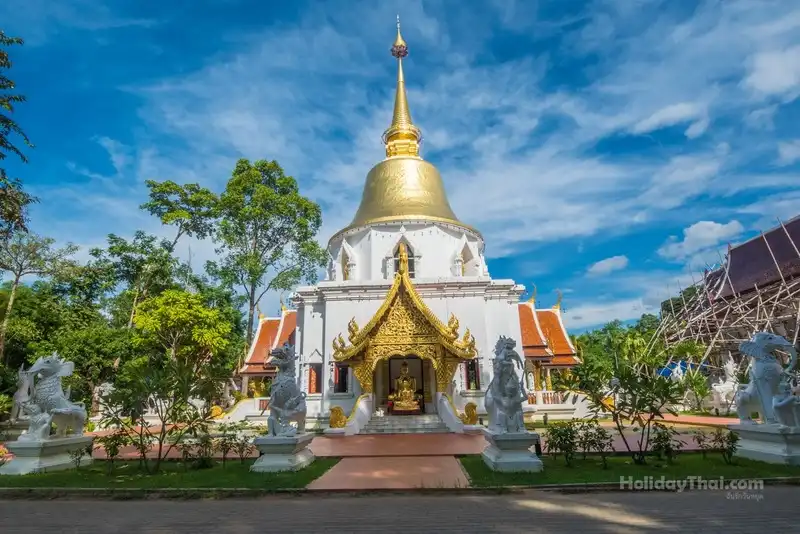
Wat Pa Daraphirom is located in Rim Tai Subdistrict, Mae Rim District, Chiang Mai Province. It is a royal temple that clearly embodies the character of a forest monastery in the Thai meditation tradition, while also carrying deep layers of local history and Chiang Mai’s Rattanakosin-era memory. From its beginnings as a secluded forest cemetery on the edge of the mountains—once spoken of as a place of deep solitude and mystery—it has gradually become a serene and orderly spiritual refuge for locals, city dwellers, and visitors seeking inner calm rather than sightseeing alone. The appeal of this temple lies not only in its architecture, but in the way forest monastic simplicity and royal-temple dignity coexist harmoniously.
Those familiar with authentic forest monasteries will immediately sense how different the atmosphere feels compared to typical tourist temples. Wat Pa Daraphirom feels more like a “training ground for the mind” than a place of display. The pace of walking, speaking, observing, and simply being within the temple naturally slows down. Beneath the shade of trees and along quiet walkways, visitors often come to pay respects, sit in meditation, or walk silently, allowing their minds to rest. This quality makes Wat Pa Daraphirom one of Chiang Mai’s temples that truly suits spiritual travelers, meditation practitioners, and cultural explorers who wish to experience a quieter, deeper side of the city.
In terms of official status, Wat Pa Daraphirom is a royal temple (third class, ordinary type). It was formally established on December 21, 1938, received royal boundary consecration (wisungkhamsima) on June 24, 1979, and held the boundary-stone consecration ceremony on February 9, 1980. Later, on December 11, 1999—during the celebration of the 6th cycle birthday anniversary of His Majesty King Bhumibol Adulyadej (Rama IX)—the temple was elevated to royal temple status. These milestones reflect the steady growth of the temple in both spiritual and institutional significance.
The spiritual heart of Wat Pa Daraphirom is closely linked to the forest meditation lineage, especially to Venerable Ajahn Mun Bhuridatta Maha Thera, one of Thailand’s most revered meditation masters. According to temple history, around 1928 Ajahn Mun was invited by Somdet Phra Ubali Khunupamajarn (Chan Sirichanto) to help spread Buddhism in Chiang Mai. After periods of practice in quiet temples such as Wat Chedi Luang, Ajahn Mun continued his wandering meditation journey. In 1930, he stayed in the abandoned cemetery area of Ban Ton Kok, near the Daraphirom Palace grounds of Princess Dara Rasmi. At that time, the area was still dense mixed forest at the foothills of Doi Suthep. Through meditation and disciplined practice, the land gradually transformed in meaning—from a deserted forest cemetery into a sacred place of spiritual cultivation.
Local belief often holds that places once used by great meditation masters retain a subtle spiritual presence—not in a mystical sense, but as a reminder of diligence, simplicity, and sincerity in practice. Many visitors naturally walk more quietly and mindfully here, without needing signs or instructions. This is a defining charm of forest temples: the environment itself teaches mindfulness.
As faith grew, lay devotees joined together to build simple monastic dwellings and halls to support the meditation monks. In its early period, the site was known by several names, including Wat Pa Wiwek Jittaram, Wat Pa Rerai, or Wat Pa Mae Rim. Later, in honor of Princess Dara Rasmi and as an act of royal merit-making, the temple was officially renamed “Wat Pa Daraphirom.” This change symbolized the merging of forest monastic tradition with Chiang Mai’s royal and historical heritage.
One unique aspect of Wat Pa Daraphirom is its close connection to Daraphirom Palace and the legacy of Princess Dara Rasmi. In 1941, her descendants—led by Princess Ladakham Na Chiang Mai—donated part of the former royal residence land (approximately 6 rai) to the temple as an act of merit dedicated to the princess. This act further strengthened the bond between spiritual practice and Chiang Mai’s royal history, creating a rare harmony between ascetic forest tradition and refined cultural memory.
Architecturally, Wat Pa Daraphirom reflects understated Lanna aesthetics. Its beauty lies in balance, order, and proportion rather than ornate decoration. Shaded paths, clean grounds, and well-spaced structures create a calm and unpressured environment. Despite being accessible to visitors, the temple never feels crowded or chaotic. Its forest-temple identity naturally encourages quiet observation and respectful presence.
Visiting Wat Pa Daraphirom does not require a long checklist of activities. A meaningful visit begins with paying respects at the main shrine, setting a calm intention, and then walking quietly through the grounds. Observe how space, silence, and simplicity work together. This is where the essence of a forest monastery becomes clear.
In terms of belief and merit-making, many visitors come not to seek quick blessings, but to re-center their lives. Forest temple teachings emphasize mindfulness, ethical conduct, and meditation over elaborate rituals. A simple act—paying respects with sincerity, reflecting on one’s intentions, and spending quiet time in awareness—often leaves a deeper impact than lengthy ceremonial prayers.
Wat Pa Daraphirom still observes Buddhist holy days such as Makha Bucha, Visakha Bucha, Asalha Bucha, and the Rains Retreat period. During these times, visitors may witness merit-making activities and evening candle processions, all conducted in a calm and orderly manner. Those seeking maximum tranquility may prefer weekday mornings, when the temple is at its quietest.
Visitors are encouraged to observe proper etiquette: dress modestly, speak softly, avoid disturbing meditation practitioners, and take photographs respectfully without interrupting rituals. Maintaining cleanliness and silence is considered a form of merit in itself, helping preserve the temple’s peaceful atmosphere.
Getting There Wat Pa Daraphirom is easily accessible from Chiang Mai city by car via Mae Rim District. The temple is located near the center of Mae Rim, making it suitable for a half-day visit. Travelers without private transportation may opt for taxis or hired cars from Chiang Mai city, which also allow flexibility to visit nearby attractions.
A recommended itinerary is to begin the day at Wat Pa Daraphirom for a calm start, then continue to nearby historical sites related to Daraphirom Palace, followed by lunch at a local restaurant or café in Mae Rim. Nature attractions such as botanical gardens or mountain viewpoints can be added in the afternoon, creating a balanced day of spirituality, history, and nature.
The best time to visit is in the morning, when the air is cool and the atmosphere is especially serene. Winter months offer particularly pleasant weather, while the rainy season brings lush greenery—though visitors should watch for slippery paths.
Spending just 30–60 minutes in mindful presence at Wat Pa Daraphirom is often enough to feel its calming effect. This quality of “time well spent” is what draws many people back again and again.
Ultimately, Wat Pa Daraphirom is ideal for travelers seeking a quieter, more reflective Chiang Mai experience. With its blend of forest meditation tradition, royal history, and peaceful natural setting, it stands as one of Mae Rim’s most meaningful spiritual destinations.
| Name | Wat Pa Daraphirom (Royal Temple) |
| Location | Rim Tai Subdistrict, Mae Rim District, Chiang Mai 50180 |
| Key Features | Forest meditation monastery, peaceful and orderly atmosphere, strong historical connection to Daraphirom Palace |
| Historical Period | Forest meditation site since 1930; officially established 1938; elevated to royal temple in 1999 |
| Current Status | Open to visitors and worshippers |
| Contact | +66 53 862 890 |
Frequently Asked Questions (FAQ)
Q: Where is Wat Pa Daraphirom located?
A: It is located in Rim Tai Subdistrict, Mae Rim District, Chiang Mai Province, near the center of Mae Rim.
Q: What makes Wat Pa Daraphirom different from other temples?
A: It is a forest meditation monastery emphasizing mindfulness, simplicity, and quiet reflection rather than tourism-focused activities.
Q: What is the best time to visit?
A: Morning hours and weekdays are best for a quiet, peaceful experience.
Q: Is there an entrance fee?
A: No entrance fee is charged. Donations may be made according to personal faith.
 Category: ●Places of Worship
 Group: ●Temple
Last Update : 10 MonthAgo
 Last Update : 10 MonthAgo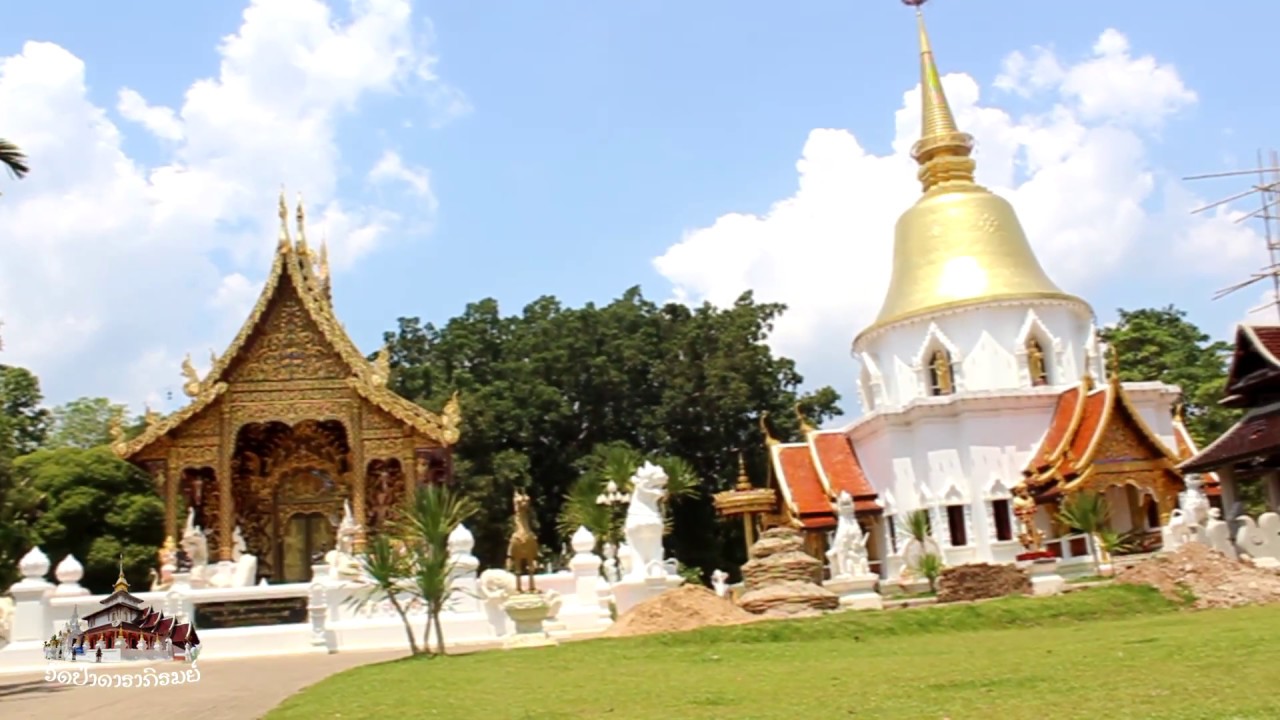
 Click to Access the Navigation Map GPS
Wat Pa Daraphirom Map
Gellery
Recommend

 Art, Culture and Heritage
 Historical Sites and Monuments(8)
 Landmarks and Memorials(5)
 Royal Palace(2)
 Art, Craft Centres, Tradition(43)
 Museums(24)
 Educational Places
 Museum for Study(2)
 Educational Gardens, Farm(5)
 Training Center(1)
 University
 Public university(1)
 Autonomous Universities(2)
 Rajamangala University of Technology(1)
 Rajabhat University(1)
 Private University(5)
Temple(79)
Private University(5)
Temple(79)
 Mosque(2)
 Other Sacred Sites(17)
 Research and Development
 Royal Project(45)
 Suburban Living
 Village, Community(41)
 Local Market(14)
 Nature and Wildlife
 National Parks and Marine Reserves(18)
 Mountain (Doi)(21)
 Dam, Reservoir, Lake(26)
 Waterfalls(43)
 Hot Springs(12)
 Caves(11)
 River, Canal(6)
 Other natural attractions(14)
 Entertainment and Agricultural
 Zoos and Aquariums(3)
 Animal camps and shows(3)
 Stadium(1)
 Farms, Parks and Ecotourism(19)
 Waterpark(2)
 Theater(1)
 Outdoor and Adventure Activities(10)
 Shopping
 Shopping and Night Market(6)
 Restaurant
 Michelin Star(1)
 Michelin Guide(23)
 Call Customer Service in Tourism
 Call Customer Service in Tourism(1)
 Travel Articles, Recipes
 Travel Review, Food Review(25)
 Food Menu, North Recipes(30)
 Thai Desserts, North Recipes(17)


