
lovethailand home >Central Travel Attractions >Phetchaburi Travel Attractions >Tha Yang >Khao Krapuk > Chang Hua Man Royal Project (Royal Initiative Proj..
TL;DR: Chang Hua Man Royal Project (Royal Initiative Project) is located at No. 1, Moo 5, Ban Nong Kho Kai, Khao Krapuk Subdistrict, Tha Yang District, Phetchaburi 76130, Thailand, open Daily (Including Public Holidays), hours 08:00 – 16:00.
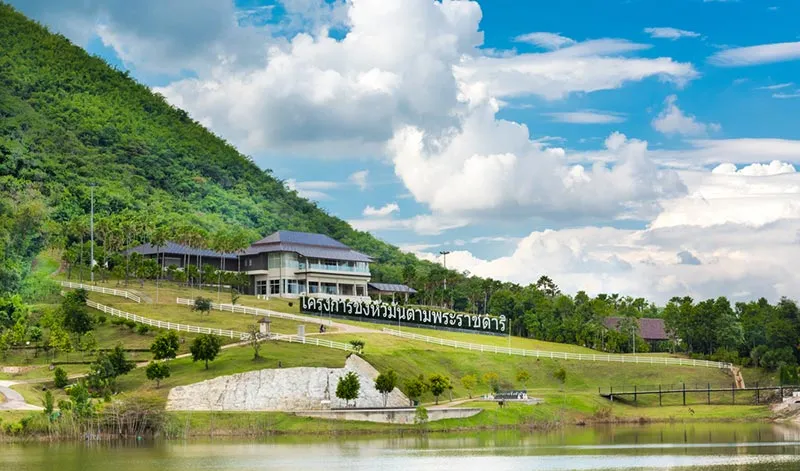
Chang Hua Man Royal Project (Royal Initiative Project)
Open Days: Daily (Including Public Holidays)
Opening Hours: 08:00 – 16:00
Chang Hua Man Royal Project (Royal Initiative Project), Tha Yang, Phetchaburi is a living classroom of integrated agriculture and resource management that reflects the royal principle of using land to its fullest potential. The site brings together demonstration plots of local and economic crops, animal husbandry, renewable energy (wind turbines), and water management linked to Nong Suea Reservoir. Admission is free, making it ideal for educational travelers, families, and anyone who wants to see a practical model farm system working in a real Phetchaburi landscape.
As a destination in Phetchaburi, Chang Hua Man goes beyond sightseeing or food stops. It was designed as an open-air learning space where a small, real-life observation grew into a complete, functional system—water, soil, crops, energy, and the pathway of turning produce into products and transferable know-how for visitors and farmers alike.
The heart of the project is its memorable origin story, which also explains the name that Thais recognize instantly. A sweet potato was once presented and placed on a scale in the royal workroom. When time passed, that very tuber sprouted into a plant. The concise royal reflection—“sweet potatoes can sprout anywhere”—was more than a remark about a plant. It expressed a larger idea: with the right management, even ordinary or challenging land can be transformed into a productive, educational resource.
The project is located in Ban Nong Kho Kai, Khao Krapuk Subdistrict, Tha Yang District, Phetchaburi, with the total area commonly cited at about 250 rai. A key factor that makes the project truly “complete” is the linkage of its agricultural planning to water management at Nong Suea Reservoir, including improvements to drainage and water control to support cultivation efficiency and responsible water use.
Once inside, the design immediately feels practical: the area is meant to be explored on foot and understood through visible outcomes. The farmland is not merely landscaped scenery; it functions as a set of demonstration plots with clear objectives. You will see local Phetchaburi crops and suitable economic crops grown in ways matched to the area’s climate and soil—such as coconuts, Phetchaburi rose apples (chomphu phet), limes, pineapples, and multiple upland rice varieties—alongside sweet potato trial plots that reinforce the project’s core idea: choose crops wisely, manage water appropriately, and maintain discipline in operations, and the land can yield stable results over time.
Activities here are not staged entertainment; they are structured experiences that help visitors understand the project step by step. Many visitors enjoy cycling through the gardens to capture the atmosphere of vegetable plots and orchards because the site is spacious. Cycling makes it easier to see the overall layout, compare different plots, and recognize how the area is organized and maintained systematically.
Another frequently visited zone is the livestock area, especially the dairy cow barn. The project keeps dairy cows that have been retired from service, and this element strengthens the picture of mixed farming. Sustainable agriculture often depends on diversity rather than relying on crops alone, and the livestock zone also supports learning about animal care, barn management, and the role of animals within a broader farm ecosystem.
A signature landmark of Chang Hua Man is the wind turbine field, representing renewable energy used within the project. This addition prevents the project from being told as agriculture in isolation. Instead, it connects agriculture to energy, self-reliance, and long-term cost reduction. For visitors interested in environmental solutions or energy technology, the turbines complete the meaning of a “model project” by showing how development integrates multiple resource systems into one coherent framework.
Many visitors also come for the quieter, inspirational dimension of the site—the “House of Father,” a simple house set amid nature within the project. The simplicity and the surrounding context often reinforce the project’s central message of moderation and doing what is truly necessary, rather than building scale for image alone. Security and access management are handled in an orderly way, typically with security staff on site and visitor entry managed through identification exchange (such as a national ID card or driver’s license) for a visitor pass.
For family travel, Chang Hua Man is particularly effective because children can learn through real environments: planted rows, functional systems, and operational routines that are far more tangible than reading from a book. Adults often leave with practical ideas about crop selection, water planning, and how to view land development as a system. Weekends, especially Saturday and Sunday, tend to be noticeably busier, so it is wise to plan extra time and parking with care.
Getting There: If driving from Bangkok, use Phetkasem Road (Highway 4) toward Phetchaburi, pass through Phetchaburi town, and continue to the Tha Yang junction area. From there, follow signs toward Khao Krapuk Subdistrict, Nong Suea Reservoir, and Chang Hua Man Royal Project. The final stretch runs through rural scenery and irrigation canal areas, so drive cautiously, watch for directional signs, and use navigation to reduce the chance of missing turns.
For the best experience, visit in the morning when the air is cooler and the light is ideal for photography, allowing you to explore without rushing. Midday can be hot, especially in open areas near the wind turbines, so bring water, a hat, and comfortable walking shoes. If you plan to cycle, wear practical clothing and check the weather beforehand.
| Place Name | Chang Hua Man Royal Project (Royal Initiative Project) |
| Address | No. 1, Moo 5, Ban Nong Kho Kai, Khao Krapuk Subdistrict, Tha Yang District, Phetchaburi 76130, Thailand |
| Summary | A royal-initiative model agricultural learning site featuring local/economic crop demonstration plots, integrated water management, renewable energy, and educational farm activities—well-suited for families and knowledge-based travel. |
| Highlights | Local and economic crop demonstration plots, sweet potato trial plots linked to the project’s origin story, livestock learning zone, wind turbine field producing electricity for the project, water management connected to Nong Suea Reservoir, spacious rural atmosphere suitable for walking and cycling. |
| Period / Timeline | Operations began on 13 July 2009 (Royal Initiative Project under King Rama IX). |
| Key Origin / Concept | The widely told story of a sweet potato placed on a scale in the royal workroom that later sprouted, inspiring the project name “Chang Hua Man” and the broader concept of maximizing land potential through integrated management. |
| Name Origin | Named after the sweet potato-on-the-scale story, symbolizing that growth is possible when management is appropriate. |
| Travel | Most convenient by private car: Bangkok → Highway 4 (Phetkasem) → Tha Yang area → follow signs to Khao Krapuk / Nong Suea Reservoir → Chang Hua Man Royal Project (navigation recommended). |
| Current Status | Open to visitors as an agricultural learning and eco-education destination (weekends are typically busier). |
| Fees | Free Admission |
| Facilities | Parking area, walking routes, learning points across demonstration plots, spacious open zones (bring water/hat in strong sun). |
| Contact Number | 032-472-701 |
| Nearby Tourist Attractions (With Distance) | 1) Kaeng Krachan Dam (Approx. 23 km) 2) Kaeng Krachan National Park (Approx. 25 km) 3) Phanoen Thung Viewpoint (Approx. 52 km) 4) Phra Nakhon Khiri (Khao Wang), Phetchaburi Town (Approx. 47 km) 5) Guangzhou Waterfall Floating Market (Approx. 42 km) |
| Popular Restaurants Nearby (With Distance + Phone) | 1) Rosewood Kopi (Cha-am) – Approx. 24 km – 089-894-2989 2) Rim Kaeng Restaurant (Near Kaeng Krachan Dam) – Approx. 25 km – 090-083-5798 3) Kaeng Krachan Beach Restaurant – Approx. 22 km – 089-258-8790 4) Khoong Nam Kab Ban Ruea – Approx. 26 km – 098-787-9787 5) Golden Place (Project Shop) – On-site (Approx. 0 km) – (Project Contact: 032-472-701) |
| Popular Accommodations Nearby (With Distance + Phone) | 1) The Tree Riverside @ Kaeng Krachan – Approx. 13 km – 032-706-151 2) Lemon Chalet Kaeng Krachan Resort – Approx. 20 km – 065-426-8997 3) River Tales Kaeng Krachan – Approx. 23 km – 062-318-6886 4) Nana Resort Kaeng Krachan – Approx. 25 km – 032-706-139 5) Kaeng Krachan River Hut – Approx. 19 km – 089-923-7605 |
Frequently Asked Questions (FAQ)
Q: Is Chang Hua Man Royal Project open every day?
A: Yes. It is open daily, including public holidays, from 08:00 – 16:00.
Q: Is there an entrance fee?
A: No. Admission is free.
Q: What are the must-see highlights inside the project?
A: Key spots include the crop demonstration plots, the sweet potato trial plots connected to the project’s origin story, the livestock learning zone, and the wind turbine field showcasing renewable energy used on-site.
Q: How long does it take to drive from Bangkok?
A: Typically about 2.5 – 3.5 hours, depending on traffic and your starting point in Bangkok. Highway 4 (Phetkasem Road) is the main route.
Q: What should I prepare if visiting on Saturday or Sunday?
A: Arrive in the morning to avoid crowds and enjoy cooler weather. Bring water, a hat, and comfortable shoes. If you plan to cycle, allow enough time to explore without rushing.
Q: Are there any entry procedures or security rules?
A: Security staff manage access in an orderly way. Visitors may be asked to exchange an ID (such as a national ID card or driver’s license) for a visitor pass during entry.
Tel : 032472701
 Tel : 032472701
 Category: ●Research and Development
 Group: ●Royal Project
Last Update : 8 MonthAgo
 Last Update : 8 MonthAgo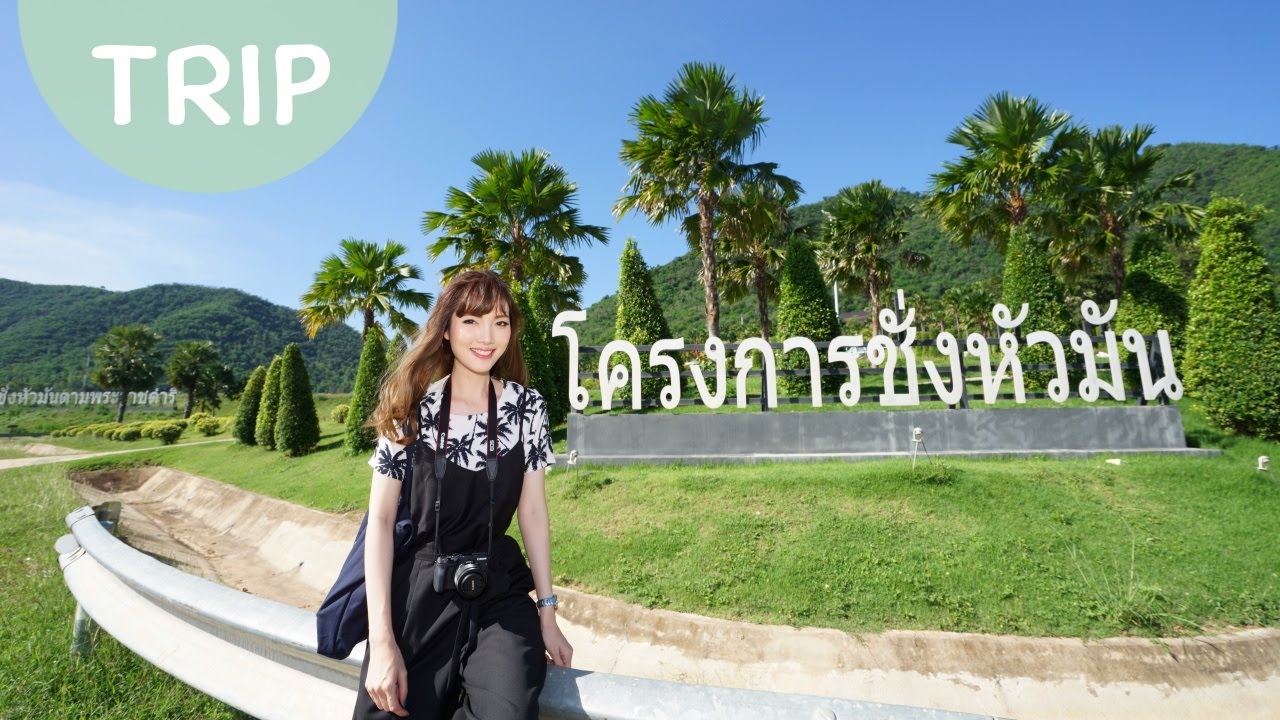
 Click to Access the Navigation Map GPS
Chang Hua Man Royal Project (Royal Initiative Project) Map
Recommend

 Art, Culture and Heritage
 Historical Sites and Monuments(1)
 Landmarks and Memorials(1)
 Royal Palace(2)
 Art, Craft Centres, Tradition(8)
 Museums(1)
 Educational Places
 Educational Gardens, Farm(4)
 Places of Worship
 Temple(72)
 Other Sacred Sites(7)
Royal Project(6)
Other Sacred Sites(7)
Royal Project(6)
 Suburban Living
 Village, Community(10)
 Floating Market(1)
 Nature and Wildlife
 National Parks and Marine Reserves(4)
 Mountain (Doi)(3)
 Dam, Reservoir, Lake(3)
 Waterfalls(5)
 Hot Springs(1)
 Caves(13)
 River, Canal(1)
 Bays and Beaches(11)
 Islands(1)
 Other natural attractions(10)
 Entertainment and Agricultural
 Farms, Parks and Ecotourism(3)
 Waterpark(1)
 Theater(1)
 Outdoor and Adventure Activities(1)
 Travel Articles, Recipes
 Travel Review, Food Review(3)


