

 Home
Home Chiang Mai(










Doi Pha Hom Pok National Park (Doi Fa Hom Pok)
Rating: 4.2/5 (5 votes)
 Search By
  Map
Map 
 Have Map
  No Map
Chiang Mai attractions
Attractions in Thailand
Open Days: Daily (some trails/areas may close temporarily due to weather, safety, or park announcements)
Opening Hours: Generally 08:00 – 16:30 (hours may vary by season and area; please confirm before you go)
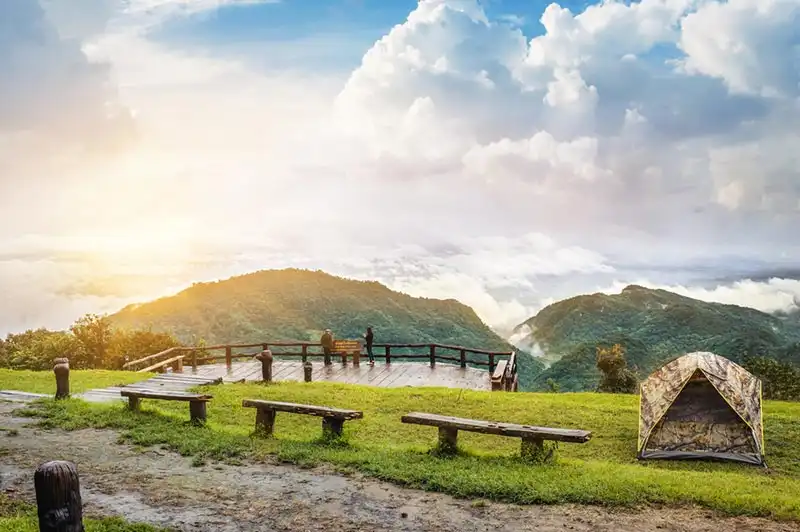
Doi Pha Hom Pok National Park (Doi Fa Hom Pok) feels like northern Chiang Mai in its most honest form: real mountain forest, real altitude changes, and real wilderness rhythms that don’t bend just because it’s a weekend. This is the kind of place where your experience depends on how you choose to travel — you can keep it gentle with mineral hot springs and short nature walks, or go deeper with waterfalls, caves, camping, and high-elevation routes that demand preparation. Either way, the park rewards visitors who slow down, plan well, and treat the landscape like a living system rather than a backdrop.
People may refer to the area as Doi Pha Hom Pok or, increasingly, Doi Fa Hom Pok, and the name often brings up the image of cloud-wrapped ridgelines. But what makes the park special is how clearly you can feel the ecosystem shifting as you move through elevations. Lower slopes carry drier forest character, while streamside corridors feel cooler and more humid, and higher ridges lean into pine and hill evergreen moods where moss, lichens, and epiphytes quietly take over. It’s not just “scenery.” It’s a gradient of habitats you can actually sense with your skin — the temperature, the wind, the moisture, the light.
Because the park sits near a cross-border forest continuum, wildlife presence is part of the larger landscape logic. You might not see big mammals on every trip, but the park’s value for nature lovers shows up in the sheer variety of birds, butterflies, and the subtle evidence of a functioning forest. If you’re into birding or slow nature observation, the park offers different “personalities” by zone: stream and riparian life in one area, ridge and montane forest life in another, and seasonal movement that makes repeat visits feel genuinely different.
For many visitors, the easiest entry point is Fang Hot Spring, located close to the park headquarters area. The atmosphere is striking: steam rising from the ground, mineral pools, and an open landscape that feels like the earth is exhaling. It’s a strong option if you’re traveling with family, if you want a low-effort nature day, or if you’re pairing relaxation with short walks. Services and exact operating details can change by season and management, so it’s smart to confirm before arrival, but the general experience is consistent: warmth, forest air, and a pace that invites you to stay present.
If you want to tilt the day toward adventure without going fully hardcore, Namtok Pong Nam Dang (Pong Nam Dang Waterfall) adds a more immersive forest feel. The appeal here is texture: limestone features, shaded paths, cooler air, and the kind of soundscape that makes you forget your phone exists. The walk is typically manageable for active travelers, but footwear matters — wet rock and stream crossings can turn casual steps into slippery surprises if you come unprepared.
For a different kind of wonder, Huai Bon Cave offers the feeling of stepping into geological time. Stalactites, stalagmites, and the steady drip of water are reminders that nature builds its masterpieces slowly, without urgency. Cave visits always deserve extra respect: bring proper lighting, watch your footing, and plan your timing so you’re not rushing back in fading daylight.
The high-elevation side of the park — the part tied to ridge camping and more serious trekking — is where Doi Pha Hom Pok earns its reputation. These routes can require real preparation and, depending on conditions and regulations, may involve specific access rules. Think like a responsible mountain traveler: carry cold-weather layers that actually block wind, pack enough water and food, bring headlamps and power banks, and build time buffers into your plan. Mountain roads and mountain weather don’t care about tight schedules, and the best trips here are the ones that leave room for reality.
Camping zones around ridge areas such as Kiw Lom are often chosen as a base for a deeper route, and they deliver what many people come for: crisp night air, wide open sky, and the kind of quiet that feels physical. But the beauty comes with a price — temperatures can drop fast, winds can cut through weak gear, and comfort depends on how well you pack. A proper sleeping system, wind protection, and warmth management matter as much as the view.
One of the most useful ways to enjoy this park is to match your itinerary to your energy and your time. A half-day or one-day visit can focus on the hot spring area and nearby nature points without stress. A full day can add a waterfall or cave. A two-day, one-night plan can move into camping and higher-elevation experiences — as long as you plan carefully and confirm current access conditions. The simple rule is: don’t overpack your schedule. The park is at its best when you have time to move slowly.
Getting There From Chiang Mai city, take Highway 107 (Chiang Mai – Fang) toward Fang District, then follow signposted routes toward Pong Nam Ron Sub-district and the park headquarters area. Main access to the headquarters zone is typically on paved roads and is manageable by private vehicle, but plans involving higher or more remote zones should always include a check on road conditions, seasonal closures, and vehicle/access requirements. When in doubt, contact the park directly before you depart.
| Place Name | Doi Pha Hom Pok National Park (Doi Fa Hom Pok) |
| Location | Pong Nam Ron Sub-district, Fang District, Chiang Mai (park HQ zone and surrounding mountain forest areas) |
| Highlights | Mountain forest ecosystems, Fang Hot Spring, waterfalls, caves, camping zones, and high-elevation trekking potential |
| Best Time To Visit | November – February for cooler weather / other months for hot springs and easier low-zone travel (confirm seasonal access) |
| Fees | Please confirm the latest fees with the park before visiting (fees may change by announcement) |
| Current Status | Open to visitors (some areas may be restricted seasonally or for safety) |
| Contact Number | +66 52-080-801, +66 84-483-4689 |
| Nearby Attractions With Distance | Fang Hot Spring (0 km) Tel +66 52-080-801 Pong Nam Dang Waterfall (15 km) Tel +66 52-080-801 Huai Bon Cave (30 km) Tel +66 52-080-801 Doi Lang area (35 km) Tel +66 52-080-801 Doi Pha Hom Pok ridge/route zone (45 km) Tel +66 52-080-801 Ang Khang Royal Agricultural Station (60 km) Tel +66 52-080-801 Fang town market area (20 km) Tel +66 52-080-801 |
| Popular Restaurants Nearby With Distance | Ninecool Coffee & Cake (20 km) Tel 089-559-9899 Gafre Café (20 km) Tel 062-309-9123 Fangcafe (20 km) Tel 087-301-6200 Wiang Fang Municipal Food Center (20 km) Tel 053-452-011 New Sirichai 2 (Thai–Chinese) (20 km) Tel 053-451-235 Saengsawang 1988 (20 km) Tel 090-320-5552 |
| Popular Accommodations Nearby With Distance | Fang Modern Hotel (20 km) Tel 096-740-8943 Fang Modern Hotel (20 km) Tel 052-072-704 Fang ChiangMai Hotel (20 km) Tel 065-569-0524 Hotel Dawa (20 km) Tel 087-576-0838 Tangerine Ville Hotel (20 km) Tel 053-452-114 Choktanee Hotel (20 km) Tel 053-451-252 Baan Sathitphon (20 km) Tel 081-113-8882 |
| Facilities | Park HQ services, parking, toilets, welfare shop (limited hours), mineral bath/steam services (as provided), designated camping areas |
Frequently Asked Questions (FAQ)
Q: When is the best time to visit Doi Pha Hom Pok National Park?
A: For cooler air, camping, and nature walks, November to February is the classic window. Other months can still work well for the hot spring and low-zone travel, but always confirm seasonal access and safety conditions before going.
Q: Is Fang Hot Spring suitable for families?
A: Yes. It’s close to the park headquarters zone and is generally easier to enjoy without intense trekking, making it a good fit for families or travelers who want a relaxed nature day.
Q: Do I need special preparation for higher routes and camping?
A: If you’re camping or heading toward higher zones, prepare for real cold and wind: proper layers, a warm sleeping system, reliable lighting, enough water and food, and a realistic timeline. Confirm current access requirements with the park first.
Q: What should I watch out for at the waterfall and cave areas?
A: Wet rocks can be slippery near the waterfall, and caves require reliable lighting and careful footing. Good shoes and thoughtful timing make the trip safer and more enjoyable.
Q: How can I travel responsibly in the park?
A: Reduce waste from the start, pack out your trash, stay on designated routes, keep noise low, and respect closures and camping rules. The park stays beautiful longer when visitors keep their footprint light.
 Website: http://www.dnp.go.th
 Tel: 0534535178 ต่อ 104
 Doi Pha Hom Pok National Park (Doi Fa Hom Pok) Map
 Category:
  Group:
  Tag: ●Doi Pha Hom Pok National Park (Doi Fa Hom Pok)●doi pha hom pok national park ●doi fa hom pok ●fang hot spring ●pong nam dang waterfall ●huai bon cave ●camping doi pha hom pok ●trekking doi pha hom pok ●fang chiang mai travel ●things to do in fang ●where to stay in fang Last Update: 4 DayAgo
Comment

Photo Gellery(18) 
 Thank you photo(9) from: EMOJ