
lovethailand home >Northeastern Travel Attractions >Udon Thani Travel Attractions > 30 Best Places to Visit in Udon Thani Northeastern..
TL;DR: 30 Best Places to Visit in Udon Thani Northeastern Thailand.
30 Best Places to Visit in Udon Thani Northeastern Thailand

30 Best Places to Visit in Udon Thani – Popular Attractions in Northeastern Thailand Udon Thani is one of the leading travel destinations in upper Northeastern Thailand, bringing together prehistoric World Heritage, Isan art and culture, forest monasteries and meditation traditions, Naga beliefs, the Red Lotus Sea, mountains, waterfalls, reservoirs, weaving communities, Vietnamese-influenced cuisine, and a modern city that is easy to explore. It works equally well for a short 1–2 day city break or a 4–6 day journey covering Ban Chiang, Phu Phrabat, Na Yung–Nam Som, Ban Dung, Kumphawapi, and the province’s natural areas.
If you are visiting Udon Thani for the first time, begin in the city with Nong Prajak Silapakom Public Park, Udon Thani City Museum, the Monument of Krom Luang Prachaksinlapakhom, Udon Thani City Pillar Shrine, Wat Phothisomphon, Wat Matchimawat, and Chao Pu–Ya Shrine. Continue to Ban Chiang for Ban Chiang National Museum and the excavation site at Wat Pho Si Nai, then choose routes based on your interests, such as Phu Phrabat Historical Park and Wat Pa Phu Kon to the northwest, the Red Lotus Sea in Kumphawapi, Kham Chanod in Ban Dung, or Phu Foi Lom and Than Ngam Waterfall for a nature-focused trip.
One of the qualities that makes Udon Thani stand out from many other provinces in Isan is the concentration of cultural heritage of international significance. Ban Chiang is one of Southeast Asia’s most important prehistoric archaeological sites, while Phu Phrabat Historical Park is recognized for its natural sandstone landscape, religious evidence, and the tradition of Dvaravati stone boundary markers. Together, these places allow travellers to trace the story of Udon Thani from prehistoric communities to the formation of the modern city.
In central Udon Thani, much of the modern city’s story is closely linked with Krom Luang Prachaksinlapakhom, who played a major role in laying the foundations of modern Udon Thani. His name is preserved in both the city monument and Nong Prajak Silapakom Public Park. Exploring central Udon therefore combines urban history, Buddhism, architecture, public space, food, and contemporary city life within a compact area.
Udon Thani is also an important province for Buddhism, particularly forest monasteries and meditation traditions. Wat Phothisomphon has a significant place in the history of the Dhammayut tradition in Northeastern Thailand, while Wat Pa Phu Kon, Wat Pa Ban Kho, Wat Pa Na Kham Noi, and Wat Pa Santikawat reveal Udon Thani as a province where forest monasteries and meditation centers remain closely connected with mountains, forests, and rural communities.
In the realm of local belief, Kham Chanod is one of Thailand’s best-known sacred destinations. It is associated with Chao Pu Si Suttho, Mae Ya Si Pathumma, Naga beliefs, and legends of the underwater realm. The chanod palm forest rising from a wetland environment gives the site a distinctive atmosphere and makes it very different from both Ban Chiang and Phu Phrabat.
Udon Thani’s natural attractions are more varied than the cityscape might suggest. The Red Lotus Sea at Nong Han Kumphawapi is a nationally famous seasonal attraction, with large areas of the lake covered by pink-red lotus flowers during the flowering season. Farther north, Na Yung–Nam Som offers forest, mountains, and waterfalls, while Phu Foi Lom and Than Ngam Waterfall in Nong Saeng District provide nature experiences closer to Udon city.
For travellers interested in community culture, Ban Na Kha Village and Ban Men Handicraft Center are important textile destinations, especially for khit weaving and traditional Udon fabrics. Ban Chiang itself is also more than archaeology, with Tai Phuan community life, local handicrafts, and living traditions surrounding the World Heritage area. Visiting these communities shows how Udon Thani’s heritage remains connected to the livelihoods of people today.
When it comes to food, Udon Thani is distinctive for the way Isan cuisine blends with the food culture of Thai people of Vietnamese descent. Popular local dishes include som tam, larb, koi, nam tok, tom saep, jaew dipping sauces, mok pla, bamboo shoot soup, grilled fish, and freshwater fish dishes. At the same time, naem nueang, Vietnamese-style pork sausage, kuay jap yuan, fresh spring rolls, and other Vietnamese dishes have become a natural part of Udon Thani’s urban food identity.
Another experience not to miss is Udon Thani breakfast culture. Typical morning dishes include khai kratha, rice noodle soup, stuffed bread, traditional coffee, rice porridge, and kuay jap yuan. The city has many breakfast restaurants and a strong tradition of beginning the day with several small dishes, making breakfast an ideal stop before heading out early to Ban Chiang, Phu Phrabat, or the Red Lotus Sea.
In the evening, UD TOWN and the area around the railway station offer restaurants, cafes, street food, shops, and a lively contemporary atmosphere, making them convenient places to relax after a full day of temples or historical attractions.
Choosing where to stay in Udon Thani should follow the same logic as planning the route. Travellers focusing on city temples, shrines, food, museums, or arriving by plane or train will find the municipal area most convenient, particularly around Nong Prajak, Pho Si Road, the railway station, and central Udon Thani, where restaurants and transport options are plentiful.
If you plan to explore Ban Chiang–Nong Han, the area is possible as a day trip from the city. However, travellers wanting more time for the museum, excavation site, Tai Phuan community, and nearby temples can stay in Nong Han District or around Ban Chiang to reduce travel time.
The Ban Phue–Phu Phrabat and Na Yung–Nam Som–Wat Pa Phu Kon routes are farther from central Udon. If you have 2 days for the western and northwestern zones, consider staying around Ban Phue, Nam Som, or Na Yung so you do not need to drive back to the city late in the day and can begin nature sightseeing early the following morning.
For the Red Lotus Sea, travellers who want to see the lotus flowers at their best should stay near Kumphawapi or close to the boat pier the night before, because the best boat trips are in the early morning. Those planning to visit Kham Chanod can stay in Ban Dung or make it a day trip from Udon city depending on available time.
If you have 4–6 days, a route of Udon Thani city → Ban Chiang–Nong Han → Kumphawapi → Ban Dung → Ban Phue–Phu Phrabat → Na Yung–Nam Som reduces backtracking compared with using the city as the overnight base every night and also gives more opportunities to experience local food and the atmosphere of different districts.

1. Nong Prajak Silapakom Public Park is one of the main landmarks in central Udon Thani, located in Mak Khaeng Subdistrict, Mueang Udon Thani District. The park features a large lake, paths around the water, an island, exercise areas, playgrounds, and public spaces that local residents use in everyday life.
Highlights: The central lake, walking and jogging paths, island, landscaped gardens, clock tower, recreation areas, and the large yellow duck sculptures that have become popular Udon Thani photo landmarks.
The area was originally a natural wetland known locally as “Nong Na Kluea.” It was later renamed Nong Prajak in honor of Krom Luang Prachaksinlapakhom, who played an important role in the establishment and development of modern Udon Thani.
In 1987, the site underwent major redevelopment as a public park in connection with the 5th-cycle birthday anniversary of King Rama IX. Landscaping, recreation areas, bridges to the island, fountains, a clock tower, and public activity spaces were developed.
Local residents commonly use the park for walking, jogging, and exercise in the morning, while the evening is ideal for relaxing, watching the light over the lake, and strolling around the water. Travellers wanting to observe contemporary local life should allow at least an hour here.
The park is also close to Udon Thani City Museum, Wat Phothisomphon, and many restaurants, making it an excellent starting or finishing point for a city itinerary.
Getting There: Located in Mak Khaeng Subdistrict, Mueang Udon Thani District. Open daily from 06:00–20:00. Admission is free.
Map (GPS): https://www.google.com/maps/dir/?api=1&destination=17.419130,102.780158&travelmode=driving
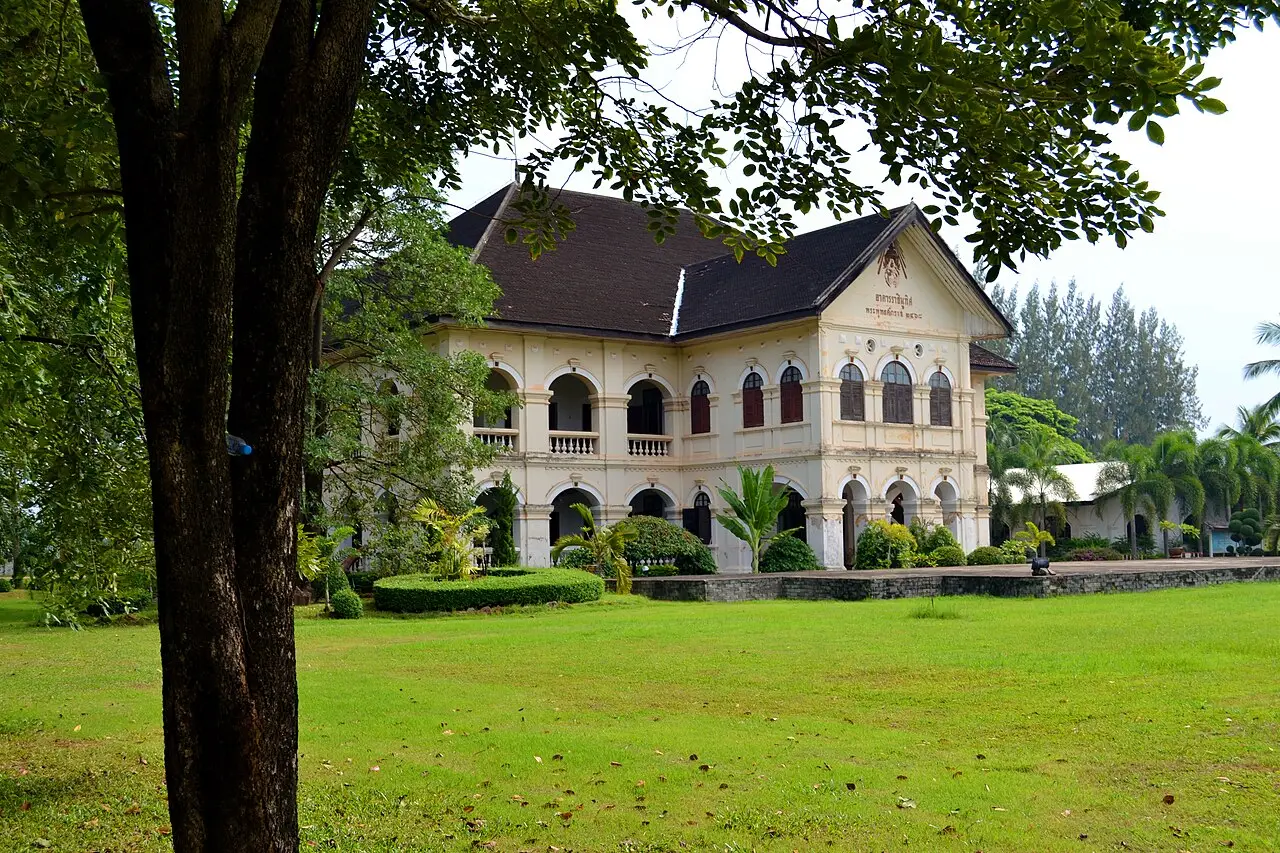
2. Udon Thani City Museum is located on Pho Si Road in Mak Khaeng Subdistrict inside the historic Rachinuthit Building, a pale yellow structure with Western and colonial architectural influences. It is one of the best places to begin understanding Udon Thani before exploring the rest of the province.
Highlights: The historic Rachinuthit Building, the origins of Ban Mak Khaeng, the history of Krom Luang Prachaksinlapakhom, archaeology, ethnic groups, local lifestyles, arts and culture, geography, and the development of Udon Thani into a modern regional city.
The museum does more than display old objects. It explains how Udon Thani developed from early communities and local landscapes into a major center of upper Northeastern Thailand, connecting Ban Chiang, Phu Phrabat, Nong Prajak, important temples, and the story of the modern city.
The Rachinuthit Building itself is part of the experience. Constructed in the early 20th century, it reflects the architecture of government buildings during the period when Udon Thani was developing as a regional center.
Travellers spending several days in Udon Thani should visit the museum near the beginning of the trip because it provides useful context for later visits, especially regarding Krom Luang Prachaksinlapakhom, ancient communities, and the development of the city.
Getting There: Located on Pho Si Road, Mak Khaeng Subdistrict, Mueang Udon Thani District. Open Tuesday–Sunday from 09:00–16:00. Closed Monday and public holidays. Visitor registration is divided into 09:00–11:30 and 13:00–16:00 sessions. Admission is free.
Map (GPS): https://www.google.com/maps/dir/?api=1&destination=17.412295,102.781942&travelmode=driving
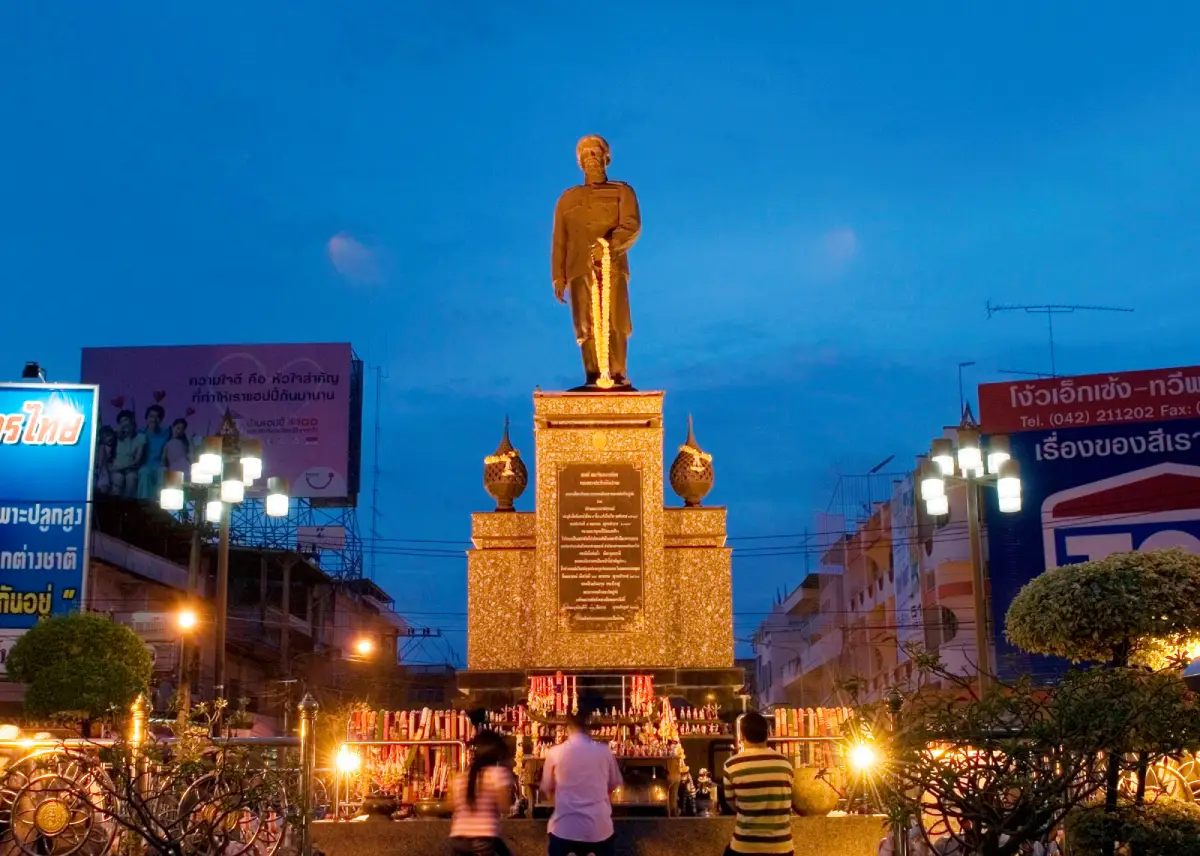
3. Monument of Krom Luang Prachaksinlapakhom is an important city monument commemorating Major General Prince Prachaksinlapakhom, a key figure in establishing the foundations of modern Udon Thani during the late reign of King Rama V.
Highlights: The statue of Krom Luang Prachaksinlapakhom, the story of the founding of Udon Thani, a central place of respect, and a convenient location near shopping centers, restaurants, hotels, and major city roads.
Krom Luang Prachaksinlapakhom played an important role in organizing regional administration and establishing the city base around Ban Mak Khaeng, which later developed into Udon Thani. He is therefore widely respected as one of the province’s most important historical figures.
Residents and visitors come to pay respect, ask for blessings, and remember his contributions, particularly during important provincial occasions.
Because of its central location, the monument can easily be combined with the railway station, UD TOWN, shopping areas, and restaurants, making it a useful link between Udon Thani’s historical and contemporary urban zones.
Getting There: Located in central Udon Thani. The outdoor monument area is accessible 24 hours daily and there is no admission fee.
Map (GPS): https://www.google.com/maps/dir/?api=1&destination=17.400881,102.794757&travelmode=driving
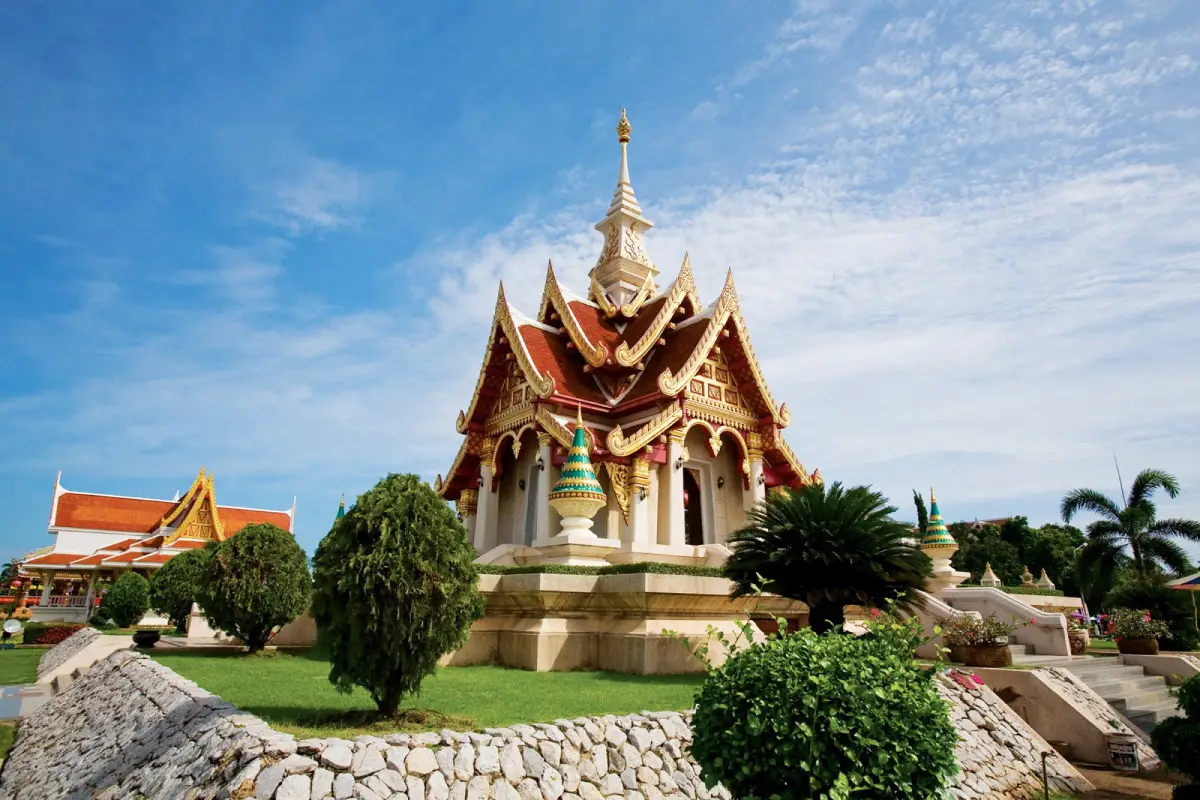
4. Udon Thani City Pillar Shrine is an important sacred site in central Udon Thani and a spiritual center for local residents. People visit to pay respect to the city pillar and pray for good fortune, particularly before beginning a new venture, travelling, or marking an important event in life.
Highlights: The city pillar, shrine building, worship courtyard, and a location that connects easily with Wat Matchimawat, Udon Thani City Museum, Nong Prajak, and other city attractions.
The city pillar represents ideas of civic center, stability, and protection, linking the historical establishment of Udon Thani with contemporary local faith.
Morning is relatively peaceful and suitable for worship before beginning a day of city sightseeing. Religious holidays and auspicious dates may attract larger numbers of visitors.
Getting There: Located in central Udon Thani. Open daily from 06:00–18:00. Admission is free. Offerings and donations are optional.
Map (GPS): https://www.google.com/maps/dir/?api=1&destination=17.413386,102.787636&travelmode=driving
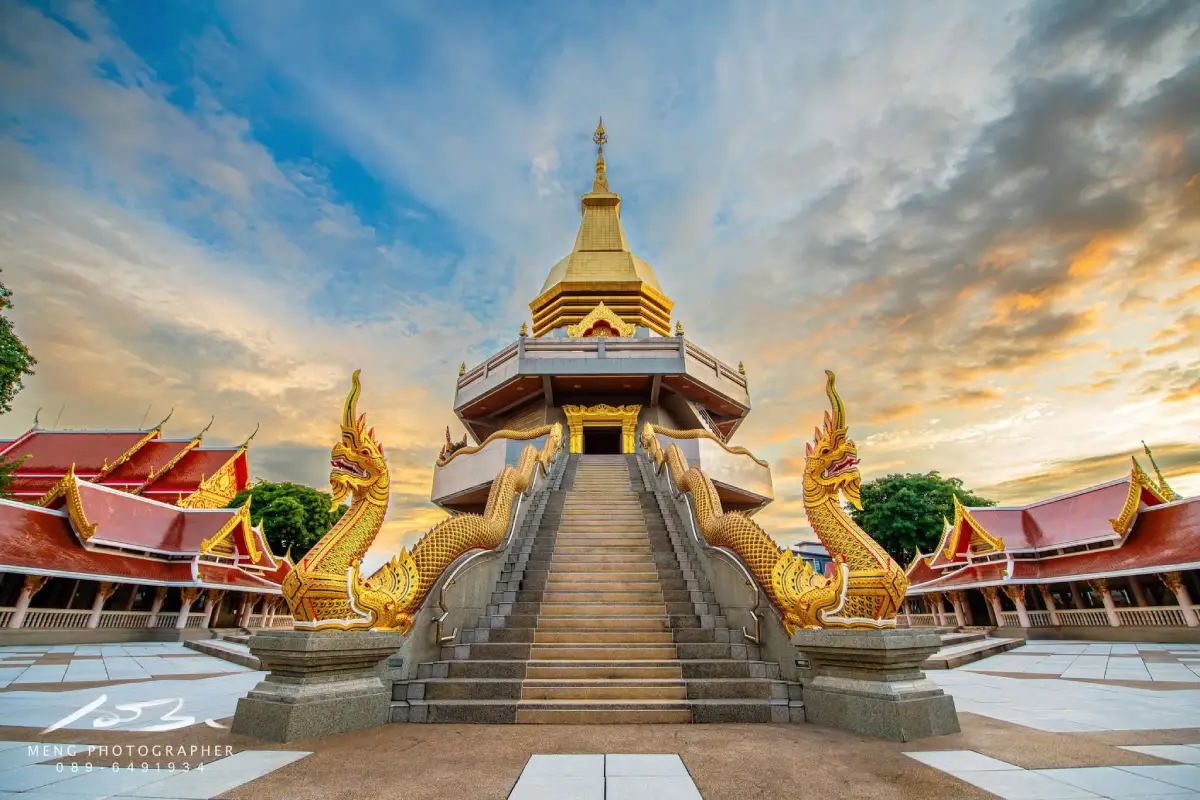
5. Wat Phothisomphon is located on Pho Si Road in Mak Khaeng Subdistrict. It is a royal temple and one of the most important Buddhist monasteries in Udon Thani, with significant roles in Buddhist history, monastic education, and the development of meditation traditions in Northeastern Thailand.
Highlights: The ordination hall, important Buddha images, Buddhist relics, religious structures, and the atmosphere of an old temple in the heart of Udon Thani.
Wat Phothisomphon is significant to the history of the Dhammayut tradition in Udon Thani and has connections with respected monks who played important roles in Northeastern Thai forest-meditation lineages.
The temple is close to Nong Prajak and Udon Thani City Museum, making it easy to include in a short walking or driving route through the city.
Because it remains an active monastery with resident monks and regular religious activities, visitors should dress modestly and remain quiet, especially around the ordination hall and prayer areas.
Getting There: Located on Pho Si Road, Mak Khaeng Subdistrict, Mueang Udon Thani District. Open daily from 07:00–17:00. Admission is free.
Map (GPS): https://www.google.com/maps/dir/?api=1&destination=17.412543,102.779025&travelmode=driving
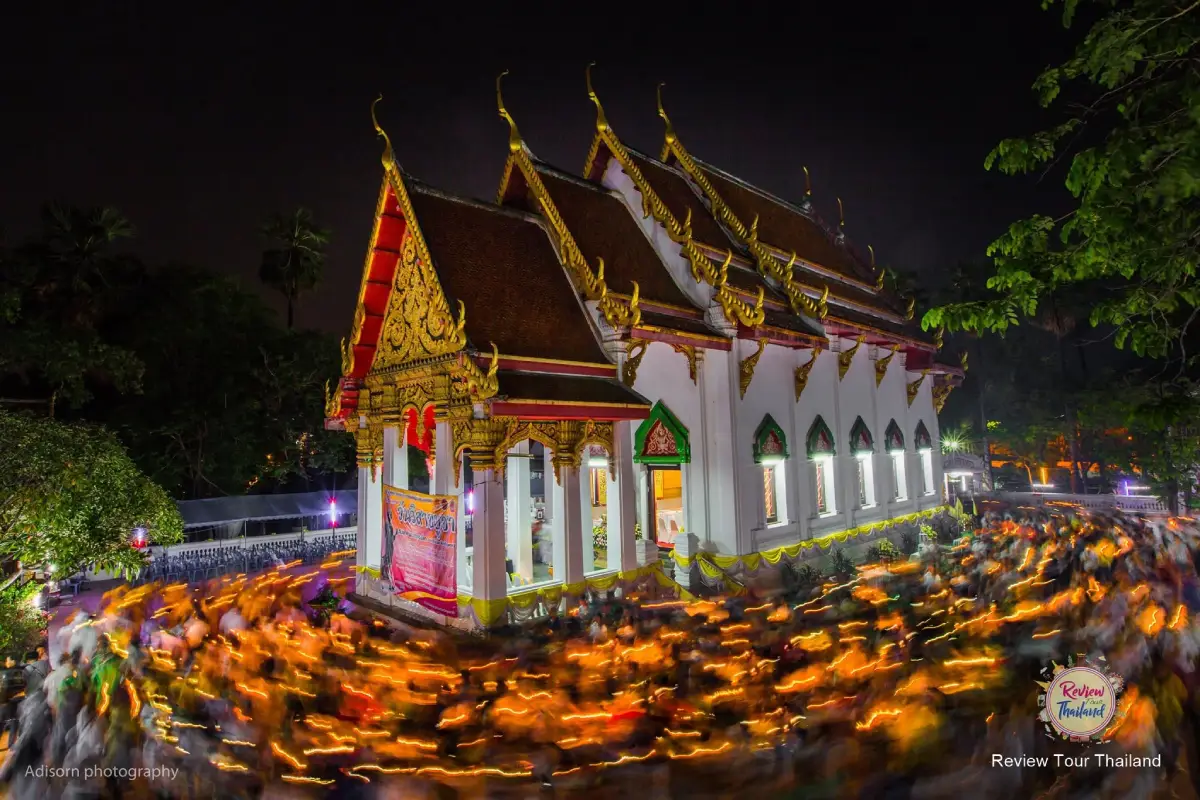
6. Wat Matchimawat is an old royal temple in Mak Khaeng Subdistrict and one of central Udon Thani’s most important temples. Local people have long remembered it as the city’s “old temple” and visit to worship Luang Pho Nak, a highly revered Buddha image.
Highlights: Luang Pho Nak, the ordination hall, Phra Phuttha Narasi Mahamuni, the viharn, sermon hall, Buddhist study building, and historic temple elements connected with the formation of Udon Thani.
The temple’s history is closely connected with the Mak Khaeng community before and during the development of modern Udon Thani, giving it importance beyond that of an ordinary urban temple.
Luang Pho Nak is one of the temple’s most important sacred images and remains a central focus of devotion for local worshippers.
The temple can easily be visited together with the City Pillar Shrine and Udon Thani City Museum because all are located within the central city area.
Getting There: Located in Mak Khaeng Subdistrict, Mueang Udon Thani District. Open daily from 08:30–16:30. Admission is free.
Map (GPS): https://www.google.com/maps/dir/?api=1&destination=17.414833,102.789894&travelmode=driving
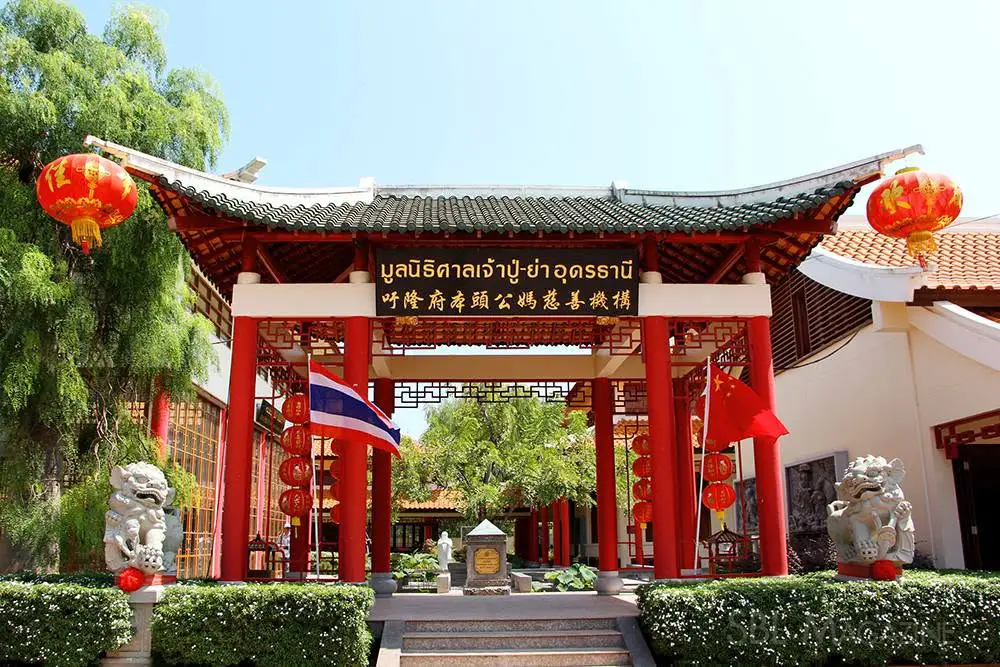
7. Chao Pu–Ya Shrine is one of Udon Thani’s most important Chinese shrines and one of the clearest places to experience the city’s cultural diversity. The complex includes worship areas, Chinese architecture, a garden beside Nong Bua, waterside pavilions, and spaces associated with Thai-Chinese cultural activities.
Highlights: Chinese shrine architecture, worship spaces, Chinese-style garden, waterside pavilion, fish pond, and the atmosphere of Udon Thani’s Thai-Chinese community.
The shrine plays important religious, cultural, and community roles, particularly during Chinese festivals when large numbers of residents gather for ceremonies and worship.
The surrounding garden is also enjoyable for walking and photography because its architecture and landscape design differ markedly from Thai Buddhist temples elsewhere in the city.
Visitors should dress respectfully and follow the shrine’s worship sequence. Those unfamiliar with the rituals can follow posted guidance or ask staff for assistance.
Getting There: Located in central Udon Thani. Open daily from 08:00–20:00. Admission is free.
Map (GPS): https://www.google.com/maps/dir/?api=1&destination=17.399852,102.807298&travelmode=driving

8. UD TOWN Udon is an open-air shopping and dining complex near Udon Thani Railway Station. It is a convenient place for food, shopping, casual walks, and evening relaxation after a day of visiting temples or cultural attractions.
Highlights: FOOD BAZAAR, UD TOWN FOOD CENTER, restaurants, cafes, night market, shops, pedestrian areas, and city activity spaces.
One of UD TOWN’s main strengths is the wide range of food available in one place, including Isan dishes, Thai food, Vietnamese-influenced cuisine, snacks, drinks, and contemporary restaurants.
Its location near the railway station and central commercial district also makes it easy to continue to the Monument of Krom Luang Prachaksinlapakhom, Chao Pu–Ya Shrine, and other city attractions.
Late afternoon and evening are the liveliest periods and make UD TOWN a practical place to finish the day before returning to accommodation in central Udon Thani.
Getting There: Located in Udon Thani Municipality near the railway station. Open daily from 10:00–22:00. There is no entrance fee; expenses depend on food, shopping, and services used.
Map (GPS): https://www.google.com/maps/dir/?api=1&destination=17.399115,102.804580&travelmode=driving
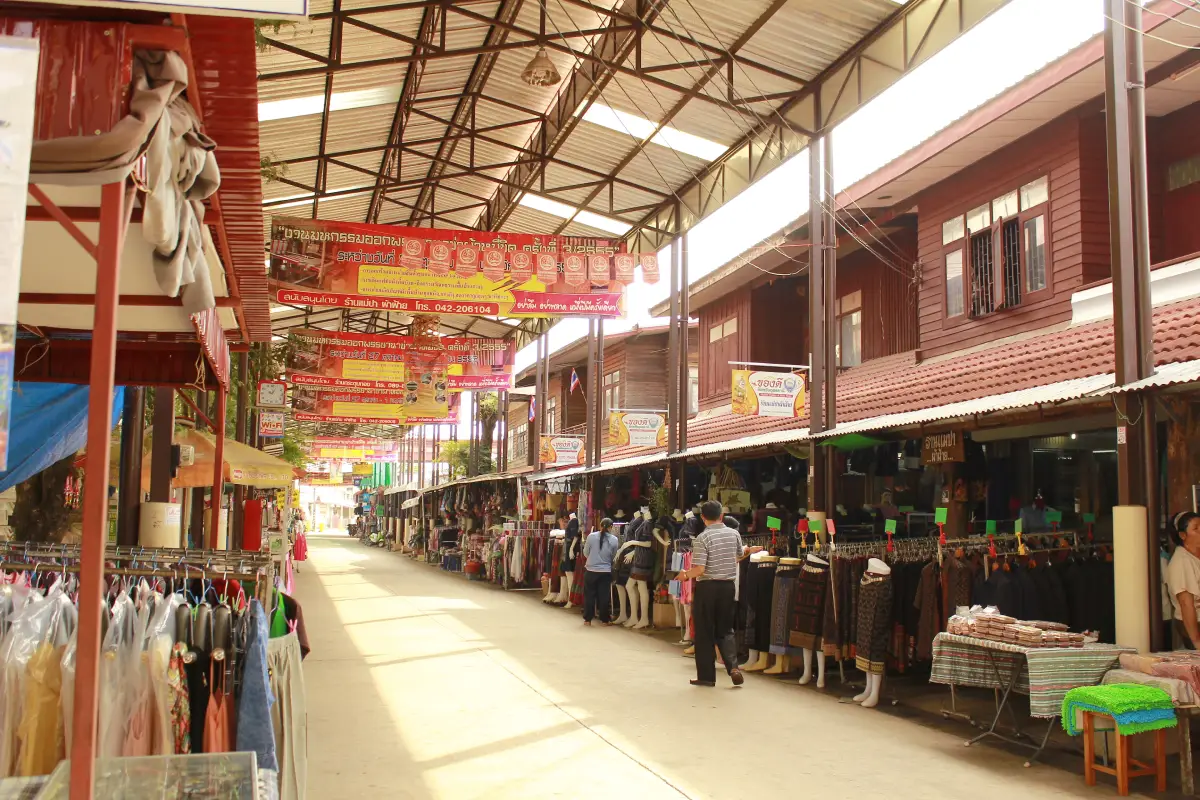
9. Ban Na Kha Village and Ban Men Handicraft Center are important cultural tourism and textile-shopping destinations in Udon Thani, particularly for visitors interested in khit fabric, silk, cotton, and community-made handicrafts.
Highlights: Khit textiles, cotton, silk, ready-to-wear clothing, shawls, textile bags, souvenirs, and a community market with a wide range of local fabrics.
Khit weaving is one of the handicrafts most strongly associated with Udon Thani. Creating the patterns requires careful lifting of warp threads and precise control of the weaving sequence, giving each piece both practical and artistic value.
Today, community products are not limited to traditional fabric lengths. Khit and other local textiles are also developed into shirts, skirts, trousers, bags, shawls, and contemporary products that are easier to use in daily life.
Buying products here supports local income across the community, including weavers, tailors, shop owners, and small producers, making the village a good place to purchase Udon Thani souvenirs directly from the source.
Getting There: Located on the route north from Udon Thani city. Open daily from 08:00–17:00. There is no entrance fee; costs depend on purchases.
Map (GPS): https://www.google.com/maps/dir/?api=1&destination=17.551642,102.802075&travelmode=driving
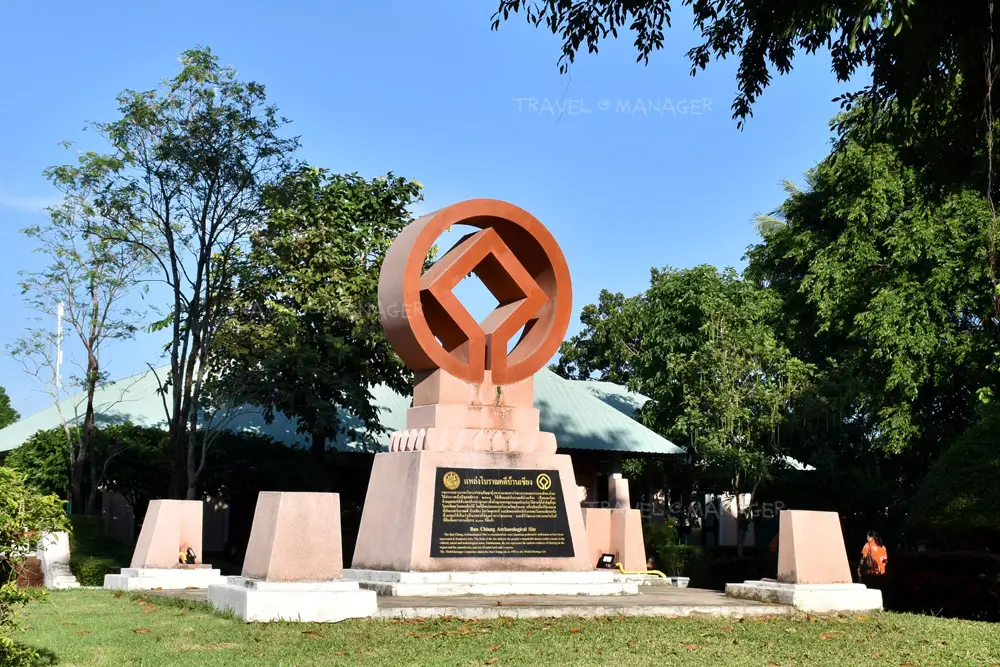
10. Ban Chiang National Museum is located in Ban Chiang Subdistrict, Nong Han District and is one of the most important archaeological museums in Thailand and Southeast Asia. It explains the story of the Ban Chiang Archaeological Site, which was inscribed as a UNESCO World Heritage Site in 1992.
Highlights: Red-painted pottery, human skeletons, bronze tools and ornaments, evidence of agriculture and settlement, archaeological exhibitions, and information about the development of prehistoric societies in Southeast Asia.
The importance of Ban Chiang extends far beyond the visual beauty of its pottery. Archaeological evidence demonstrates that ancient communities practiced agriculture, raised animals, produced pottery, used bronze, and developed complex burial rituals.
The red-painted pottery that became the symbol of Ban Chiang reflects knowledge of clay selection, forming, firing, decoration, and the ritual role of objects in beliefs surrounding life and death.
A visit to Ban Chiang should extend beyond the museum displays. Continue to Wat Pho Si Nai for the archaeological excavation pit and Ban Thai Puan for a closer look at local community life, creating a fuller picture of Ban Chiang from the prehistoric past to the present.
Travellers interested in history should allow at least half a day for the museum and surrounding area because the exhibitions cover archaeology, metallurgy, burial practices, and social development in considerable detail.
Getting There: Located at Moo 13, Sutthipong Road, Ban Chiang Subdistrict, Nong Han District. Open Wednesday–Sunday from 09:00–16:00. Closed Monday and Tuesday. Admission is 30 baht for Thai visitors and 200 baht for foreign visitors.
Map (GPS): https://www.google.com/maps/dir/?api=1&destination=17.407280,103.236594&travelmode=driving
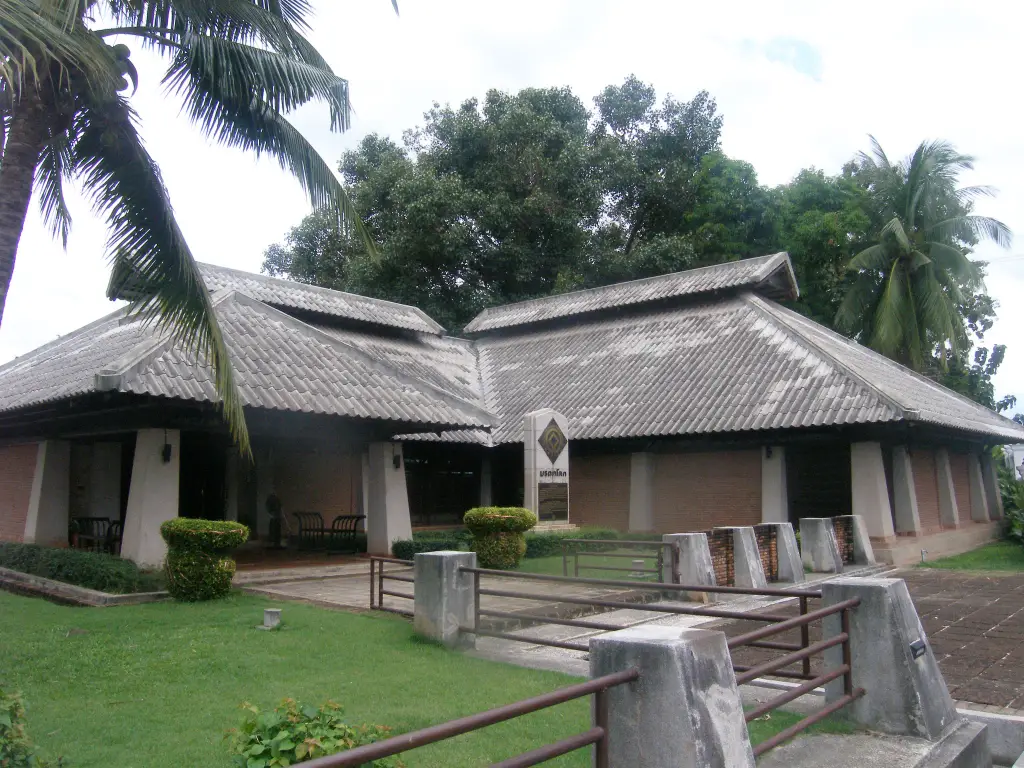
11. Wat Pho Si Nai is located at Ban Chiang, Moo 1, Ban Chiang Subdistrict, Nong Han District. It is an old community temple and one of the most important places for understanding the Ban Chiang Archaeological Site because an excavation shelter preserves soil layers, human skeletons, pottery, and burial evidence close to the context in which they were discovered.
Highlights: Archaeological excavation pit, prehistoric human skeletons, burial pottery, archaeological soil layers, ordination hall, and an active community temple inside the Ban Chiang cultural landscape.
What makes Wat Pho Si Nai different from a museum display is the ability to see the relationship between objects and their original archaeological context. The position of pottery beside human remains and the sequence of soil layers help archaeologists study burial rituals, beliefs, and changing periods of settlement.
Evidence from Ban Chiang reveals several stages of cultural development, from relatively simple burials to periods involving pottery, metal tools, ornaments, and increasingly complex ritual practices.
Wat Pho Si Nai should therefore be visited after Ban Chiang National Museum. The museum provides the broader academic framework, while the excavation pit lets visitors see evidence in place.
Getting There: Located at Ban Chiang, Moo 1, Ban Chiang Subdistrict, Nong Han District. Open daily from 08:30–16:00. Admission for Thai visitors is 30 baht.
Map (GPS): https://www.google.com/maps/dir/?api=1&destination=17.408166,103.244045&travelmode=driving
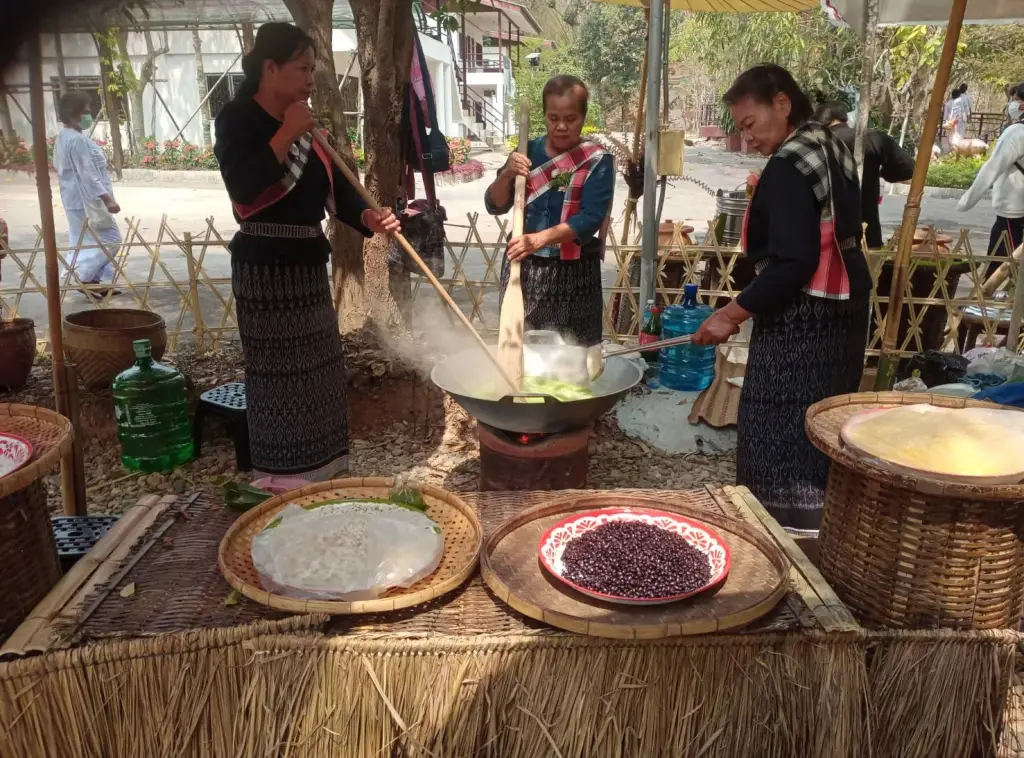
12. Ban Thai Puan, or the Tai Phuan House of Ban Chiang, is located in Ban Chiang Subdistrict, Nong Han District, close to Ban Chiang National Museum and Wat Pho Si Nai. It adds a living-community dimension to a visit by showing the culture of people who continue to live around the World Heritage archaeological area.
Highlights: Traditional Tai Phuan wooden house, household objects, community lifestyle, vernacular architecture, Ban Chiang history, and the relationship between the present-day community and the World Heritage landscape.
The house has particular historical significance because King Rama IX and Queen Sirikit visited and stayed here while inspecting the Ban Chiang archaeological site on March 20, 1972.
The architecture reveals the organization of traditional Tai Phuan domestic space, including the raised lower level, living areas, tools, and household objects, providing context that archaeological museum displays alone cannot fully convey.
A complete Ban Chiang itinerary should therefore include Ban Chiang National Museum, Wat Pho Si Nai, and Ban Thai Puan to connect the prehistoric past, archaeology in situ, and living local culture.
Getting There: Located in Ban Chiang Subdistrict, Nong Han District. Open Wednesday–Sunday from 09:00–16:00. Visitor conditions follow those of the Ban Chiang National Museum exhibition area.
Map (GPS): https://www.google.com/maps/dir/?api=1&destination=17.405741,103.242905&travelmode=driving
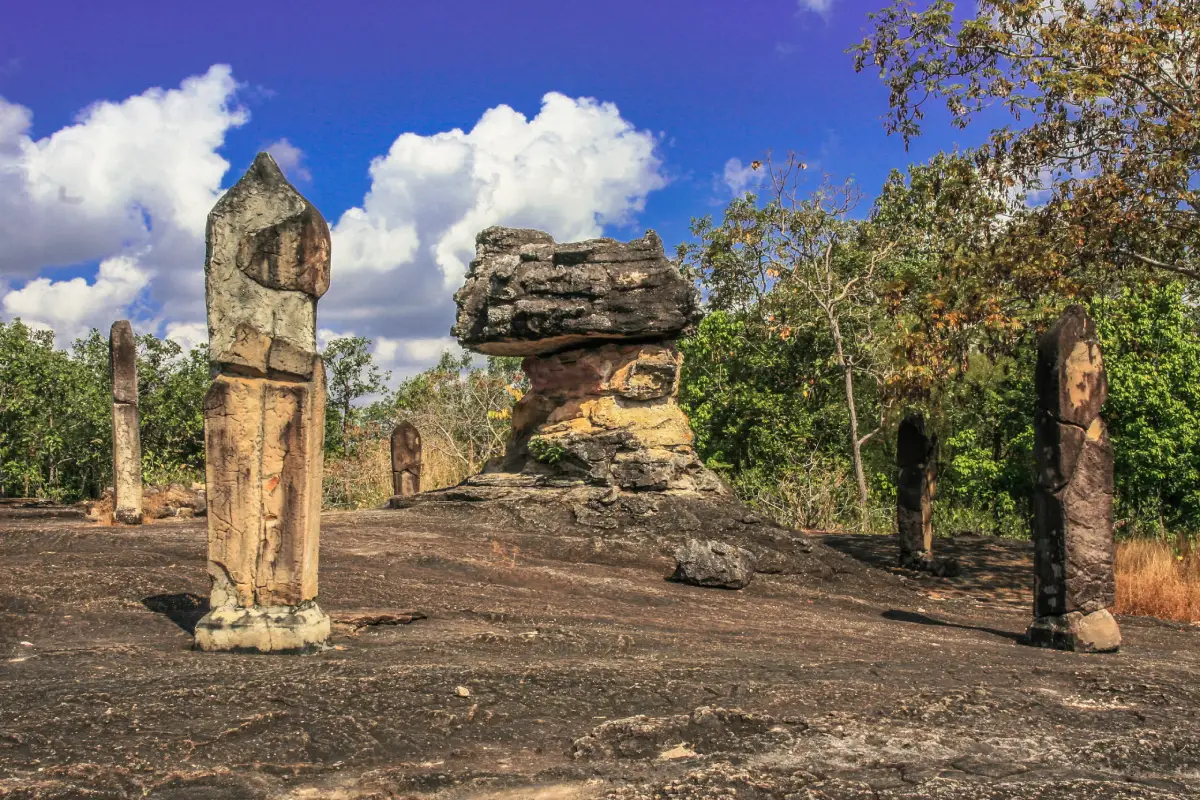
13. Phu Phrabat Historical Park is located at Ban Tio, Mueang Phan Subdistrict, Ban Phue District. It is a major cultural heritage site where natural sandstone formations were used by people as sacred spaces, religious sites, shelters, and ritual areas over many periods.
Highlights: Unusual sandstone formations, rock shelters, stone plateaus, prehistoric paintings, Dvaravati stone boundary markers, and evidence of long-term sacred use of the landscape.
Phu Phrabat demonstrates how past communities did more than simply live within the natural landscape. They deliberately incorporated rock formations into ritual and religious practices, turning naturally eroded shelters and pillars into ceremonial and sacred places.
Another important feature is the tradition of using stone sema boundary markers during the Dvaravati period, helping explain the development of Buddhism in Isan and the relationship between natural landscape and sacred territory.
The park covers a relatively large area. Travellers who want to see several major sites should allow at least 2–3 hours and wear footwear suitable for stone surfaces and nature trails.
Getting There: Located at Ban Tio, Mueang Phan Subdistrict, Ban Phue District. Open daily from 08:30–16:30. Admission is 20 baht for Thai visitors and 120 baht for foreign visitors.
Map (GPS): https://www.google.com/maps/dir/?api=1&destination=17.731464,102.357760&travelmode=driving
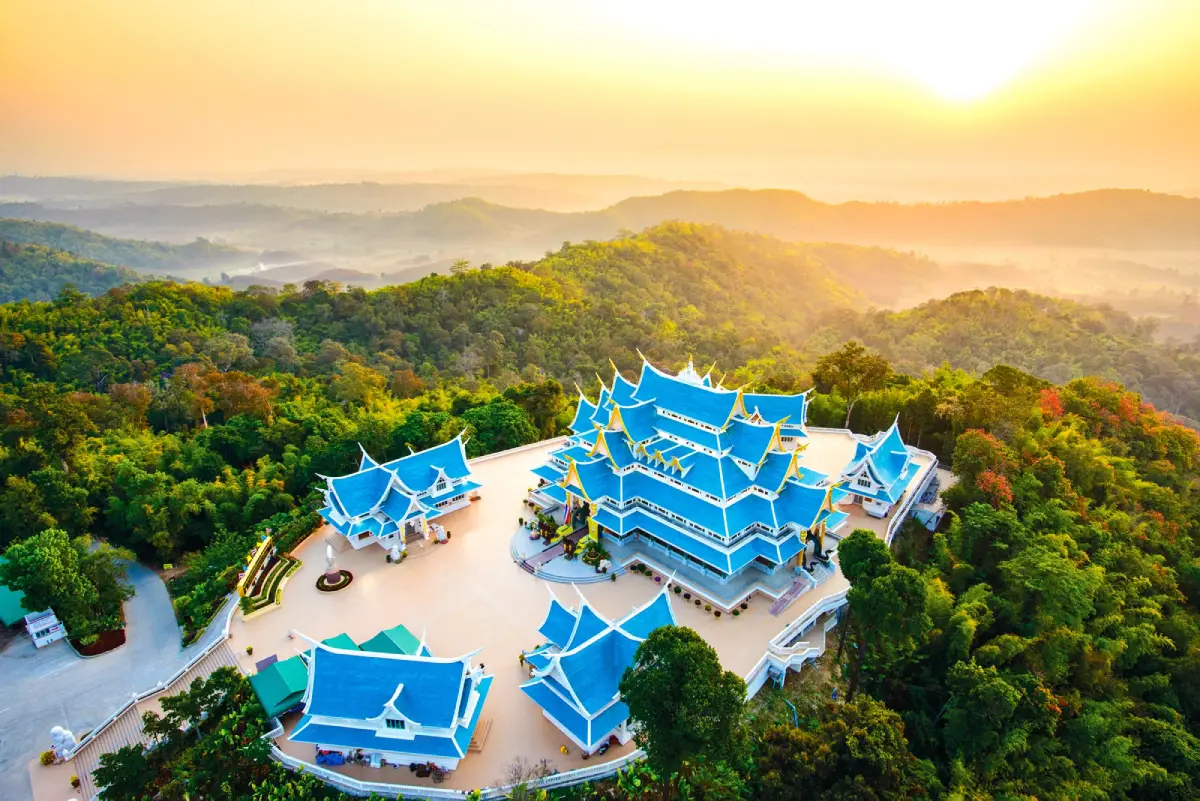
14. Wat Pa Phu Kon is located at Ban Na Kham Yai, Ban Kong Subdistrict, Na Yung District. This Dhammayut forest monastery is widely known for its large viharn, white marble reclining Buddha, and mountain setting surrounded by watershed forest.
Highlights: White marble reclining Buddha, Phra Viharn Sangkhapida, large-scale Buddhist art, mountain viewpoints, watershed forest, and the peaceful atmosphere of a forest monastery.
The reclining Buddha inside the viharn is the best-known feature. Its white surface contrasts dramatically with the richly detailed architecture and interior decoration, giving the site both strong religious and artistic appeal.
However, Wat Pa Phu Kon is important for more than its architecture. The surrounding monastery landscape is closely connected with watershed conservation and mountain forest protection.
Visitors should dress modestly, speak quietly, and avoid disturbing meditation areas. On weekends and holidays, allow extra time for parking and walking to the viharn.
Getting There: Located at Ban Na Kham Yai, Ban Kong Subdistrict, Na Yung District. Open daily from 08:30–17:00. General admission is free.
Map (GPS): https://www.google.com/maps/dir/?api=1&destination=17.916068,102.122280&travelmode=driving
15. Na Yung Nam Som Forest Park is located at Ban Sawang, Moo 2, Na Yung Subdistrict, Na Yung District. The natural area in northern Udon Thani contains mountain forest, streams, viewpoints, walking trails, and waterfalls.
Highlights: Mountain forest, Pha Daeng, streams, nature trails, Yung Thong Waterfall, and scenery very different from Udon Thani’s flat urban landscape.
The rainy season, approximately June–October, is when the forest is greenest, streams are fullest, and waterfalls are strongest, although rocks and trails can also become more slippery. Winter is more comfortable for walking and viewpoints.
During the wet season, check weather conditions before using nature trails and avoid areas with strong water flow. Heavy rain can cause rapid runoff and more difficult walking conditions.
Na Yung Nam Som Forest Park can be combined with Wat Pa Phu Kon and Yung Thong Waterfall in the same regional itinerary, reducing unnecessary travel back to Udon city.
Getting There: Located at Ban Sawang, Na Yung Subdistrict, Na Yung District. Open daily from 08:30–16:30. Fees depend on visitor category and current site regulations.
Map (GPS): https://www.google.com/maps/dir/?api=1&destination=17.924734,102.250893&travelmode=driving
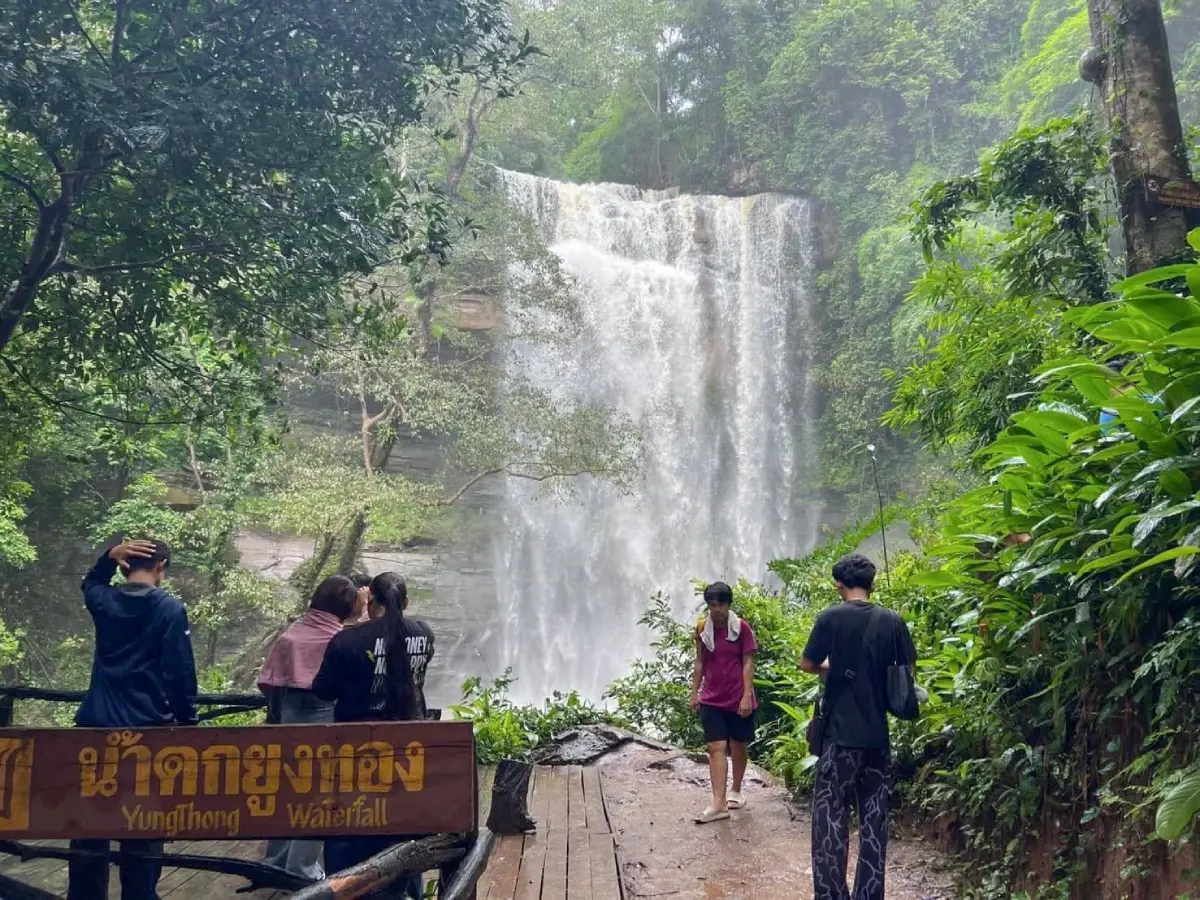
16. Yung Thong Waterfall is an important waterfall inside Na Yung Nam Som Forest Park in Na Yung District. It has 3 levels flowing across rocks through natural forest and is suitable for travellers wanting a nature stop within the wider Na Yung route.
Highlights: Three waterfall levels, rocky stream, shaded forest, and walking routes connected with Na Yung Nam Som Forest Park.
Each waterfall level has a different atmosphere. The lower level is easier to reach, while higher sections feel more forested and require greater care when walking over rocks and roots.
The rainy season brings the strongest water flow and greenest scenery, but trails can become slippery. Avoid climbing wet rocks or leaving designated routes.
Yung Thong Waterfall works well after Wat Pa Phu Kon or as part of a full-day visit to Na Yung Nam Som Forest Park. Allow enough time for walking and resting.
Getting There: Located within Na Yung Nam Som Forest Park, Na Yung District. Open daily from 08:30–16:30. Fees follow the rates currently applied by the area.
Map (GPS): https://www.google.com/maps/dir/?api=1&destination=17.924734,102.250893&travelmode=driving
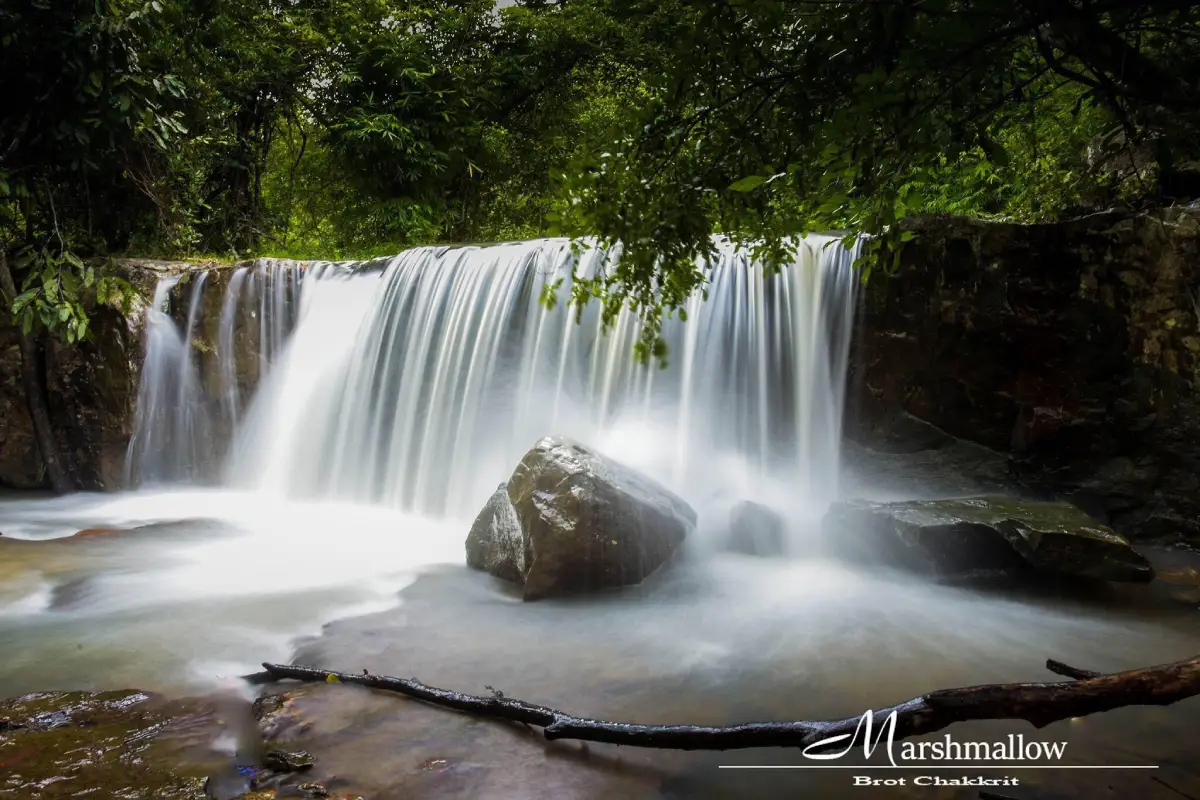
17. Namtok Than Ngam Forest Park is located in the Khun Huai Sam Phat and Khun Huai Kong Si forest area of Nong Saeng District. It combines a waterfall, streams, shaded forest, and recreation areas and is suitable for a nature trip without travelling extremely far from Udon city.
Highlights: Than Ngam Waterfall, streams, rocks, natural forest, waterside recreation areas, and camping areas managed by the forest park.
The rainy season brings the greenest forest and highest stream levels, while winter provides cooler weather for walking and outdoor recreation. During the hot season, water volume may naturally decrease.
The park does not provide permanent accommodation. Visitors planning to camp should bring their own equipment and contact local staff in advance for permission and current conditions.
Than Ngam Waterfall is in the same general zone as Phu Foi Lom, making it practical to combine both in one day when leaving Udon city early.
Getting There: Located in Nong Saeng District. Open daily from 08:00–17:00. Admission is free.
Map (GPS): https://www.google.com/maps/dir/?api=1&destination=17.156879,102.733599&travelmode=driving
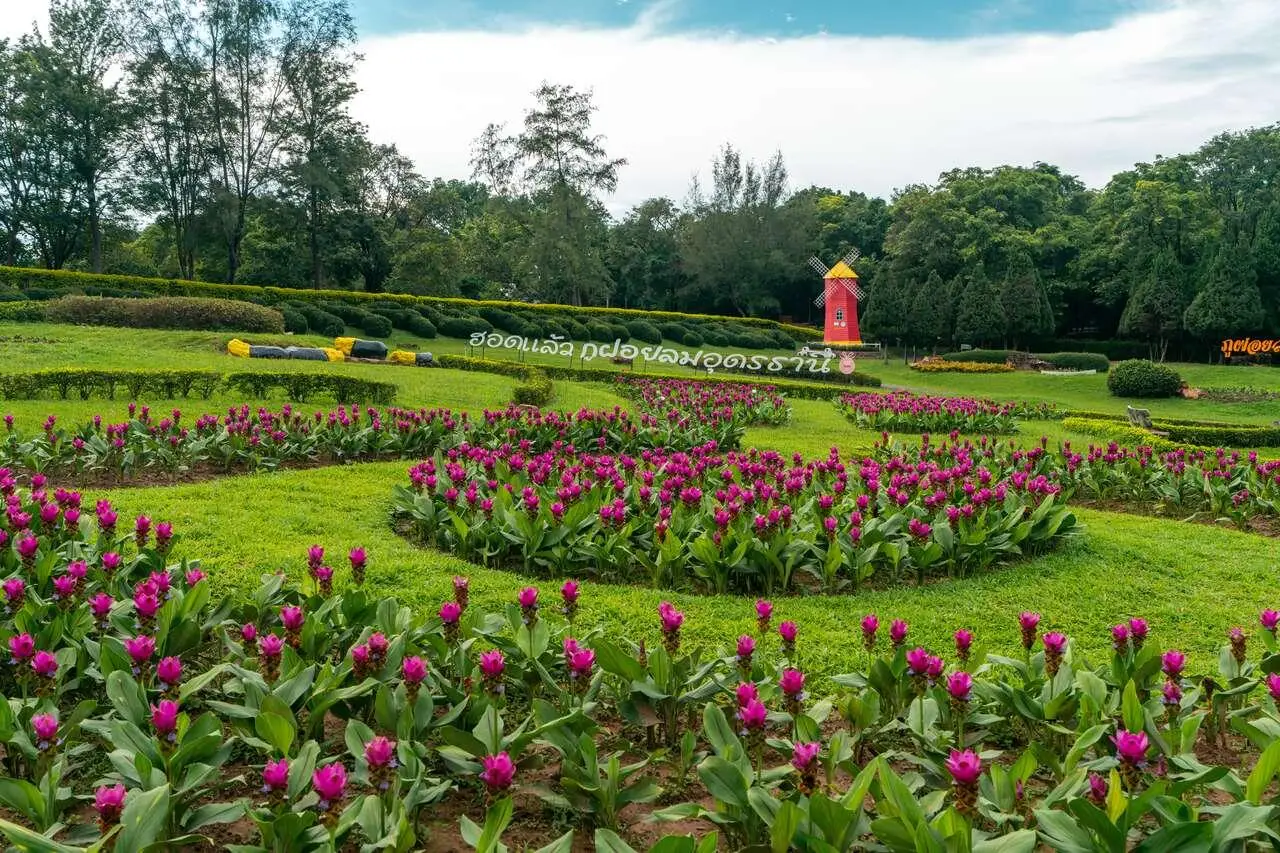
18. Phu Foi Lom is located in Thap Kung Subdistrict, Nong Saeng District on the Phu Phan Noi range. It is both a nature attraction and forest-learning area with cooler conditions than the lowlands, especially from the late rainy season through winter.
Highlights: Viewpoints, forest, the 60th Birthday Anniversary Forest Plant Collection Garden, nature trails, recreation areas, and camping space.
Phu Foi Lom is suitable for general travellers, families, and visitors interested in ecology because it combines mountain views with opportunities to learn about forest plants and northeastern ecosystems.
Winter is especially popular because of cooler weather and better visibility. Travellers planning to camp or stay overnight should check facilities and availability in advance, particularly on weekends and public holidays.
Phu Foi Lom can be conveniently combined with Than Ngam Waterfall, visiting the mountain in the morning or late morning and continuing to the waterfall in the afternoon depending on weather.
Getting There: Located in Thap Kung Subdistrict, Nong Saeng District. Open daily from 06:00–18:00. Admission is free.
Map (GPS): https://www.google.com/maps/dir/?api=1&destination=17.162038,102.698010&travelmode=driving
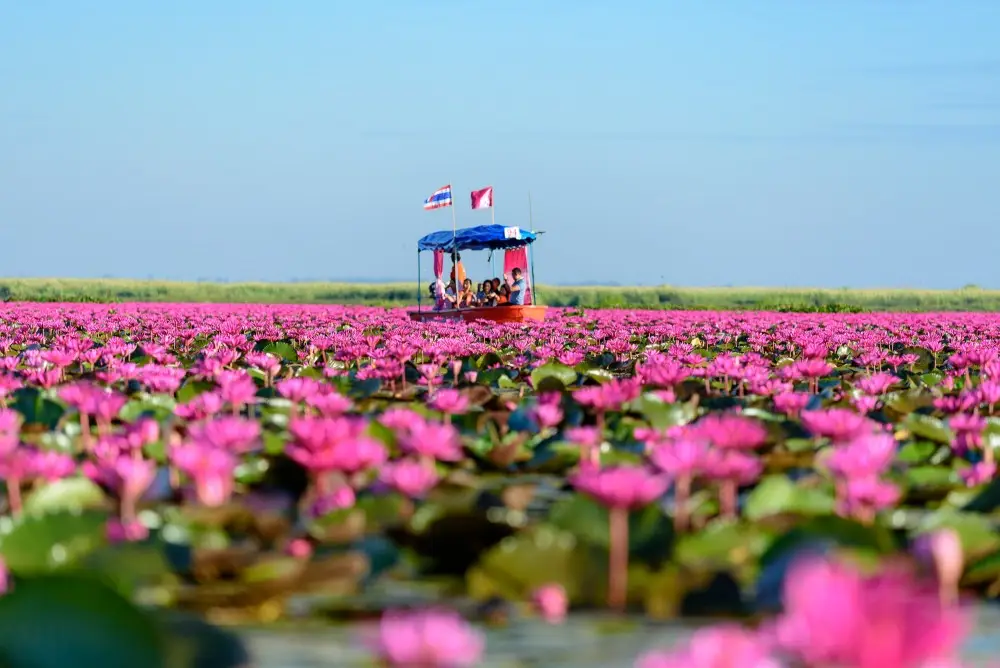
19. Red Lotus Sea is located on Nong Han Kumphawapi around Chiang Haeo Subdistrict, Kumphawapi District. It is one of Udon Thani’s most famous natural attractions, with huge areas of the lake covered by pink-red lotus flowers during the flowering season.
Highlights: Boat trips through the lotus fields, sunrise over Nong Han, waterbirds, wetland ecology, and a landscape linked with the legend of Phadaeng and Nang Ai.
The Red Lotus Sea is best visited in the morning, when the flowers open in the softer light and temperatures are comfortable. As the morning becomes hotter, many flowers begin to close, making afternoon visits less rewarding.
Boat trips take visitors into wider lotus zones across Nong Han and also provide opportunities to observe waterbirds and local wetland livelihoods.
The Red Lotus Sea is distinctly seasonal. Travellers should check current flowering conditions before departure because the density of flowers changes with weather, water levels, and seasonal timing each year.
Getting There: Located around Nong Han Kumphawapi, Chiang Haeo Subdistrict, Kumphawapi District. During the tourism season, boat services generally operate daily from 06:00–11:00. Boat prices depend on boat type and local operators.
Map (GPS): https://www.google.com/maps/dir/?api=1&destination=17.177944,103.056794&travelmode=driving
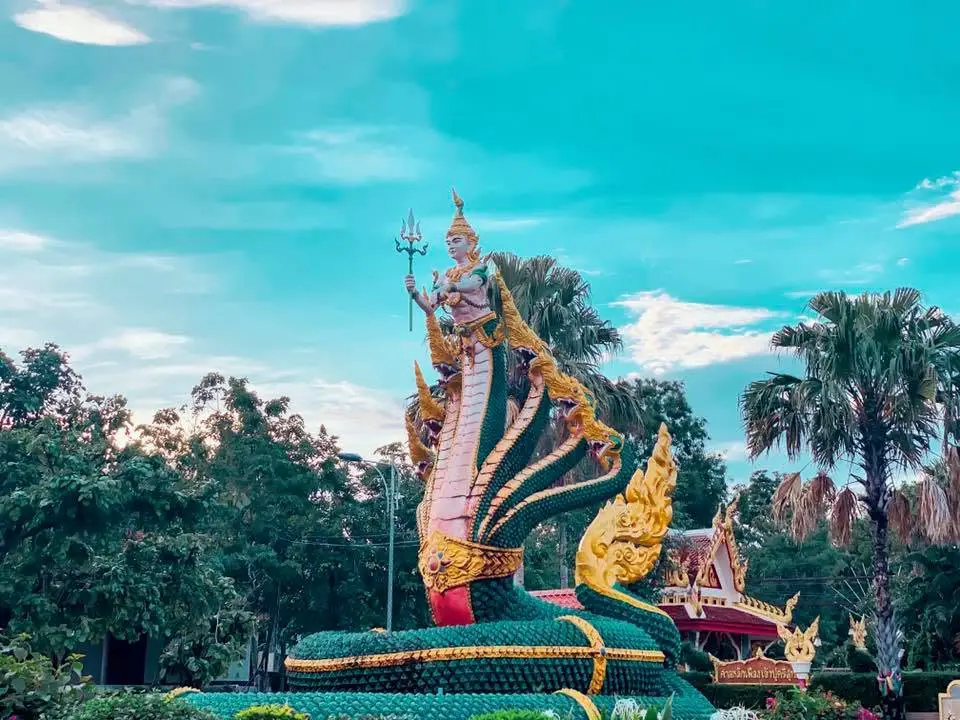
20. Chao Pu Si Suttho Shrine (Kham Chanod), also known as Wang Nakhin Kham Chanod, is located at Wat Siri Suttho Kham Chanod near Ban Non Mueang, Ban Muang Subdistrict, Ban Dung District. It is one of Udon Thani’s best-known sacred destinations and is closely associated with Chao Pu Si Suttho, Mae Ya Si Pathumma, Naga beliefs, and legends of the underwater realm.
Highlights: Shrines of Chao Pu Si Suttho and Mae Ya Si Pathumma, chanod palm forest, Naga walkway, sacred water source, and a wetland landscape in which local belief and nature are deeply intertwined.
The Kham Chanod forest resembles an island within a wetland and is filled with chanod palms, whose appearance combines characteristics reminiscent of palmyra, areca, and coconut palms. This unusual vegetation gives the site its distinctive identity.
According to local belief, Chao Pu Si Suttho and Mae Ya Si Pathumma are Naga guardians of the area. Worshippers come to pray for auspiciousness, work, family, health, and personal encouragement.
The sacred water area and chanod forest require careful conservation. Visitors should not throw coins into the water, release fish, or do anything that may disturb the wetland ecosystem.
Current visitor rules are designed to reduce damage and congestion. These include not lighting incense or candles inside the forest, not leaving offerings behind, not tying cloth to chanod trees, and not rubbing powder onto the trunks. Visitors should remain respectful of both the sacred environment and other worshippers.
Getting There: Located at Wat Siri Suttho Kham Chanod, Ban Non Mueang, Moo 11, Ban Muang Subdistrict, Ban Dung District. Open daily from 06:00–18:00. Admission is free; donations and offerings are optional.
Map (GPS): https://www.google.com/maps/dir/?api=1&destination=17.744933,103.360972&travelmode=driving
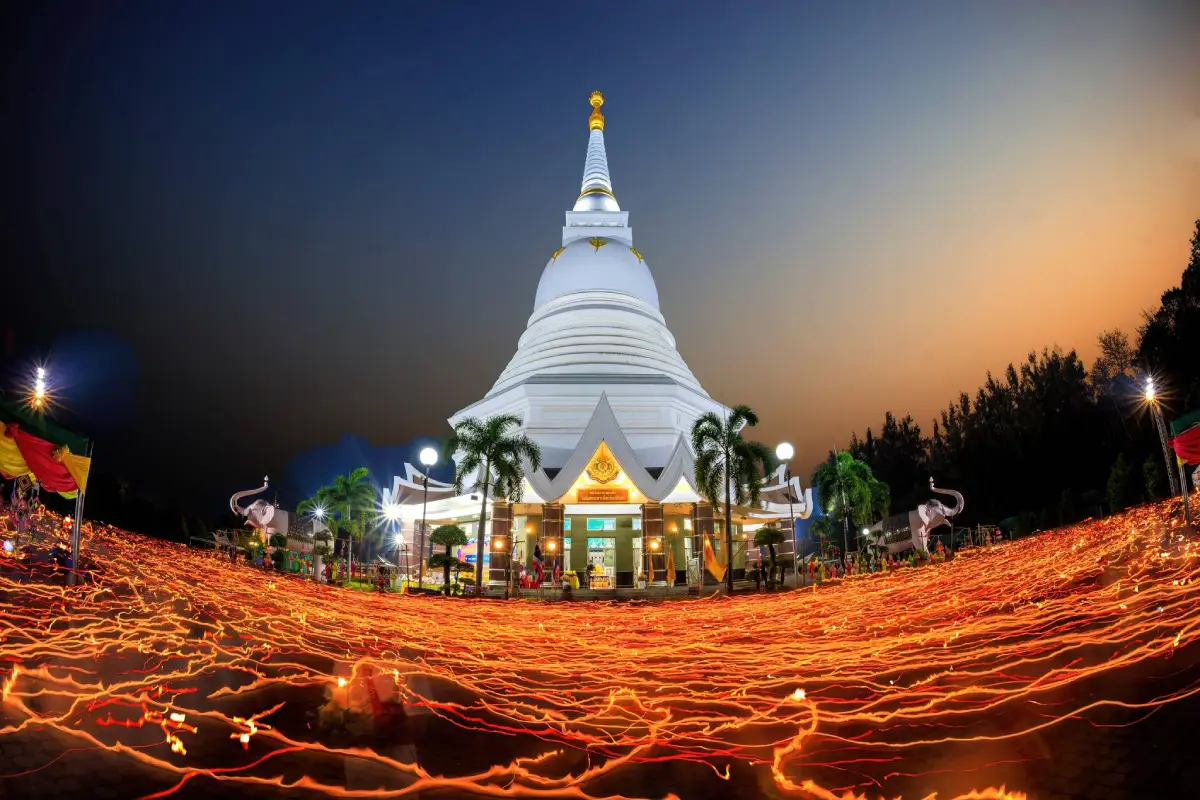
21. Wat Pa Ban Kho is located at Ban Kho, Khuea Nam Subdistrict, Ban Phue District. It is a forest monastery with a quiet atmosphere and wooded grounds suitable for meditation, with facilities for monks and lay practitioners.
Highlights: Forest-monastery atmosphere, secluded practice areas, meditation hall, accommodation for monks and practitioners, and surroundings designed to support contemplative practice.
The character of Wat Pa Ban Kho comes not from monumental architecture but from the simplicity of the forest environment and its suitability for quiet reflection. Visitors interested in Buddhist practice can observe how the monastery emphasizes nature, silence, and meditation.
Because the temple is in Ban Phue District, it can be combined with Phu Phrabat Historical Park, with the historical park in the morning and the forest monastery later in the day.
Visitors should dress modestly, speak quietly, and avoid entering monks’ residential or meditation areas without permission.
Getting There: Located at Ban Kho, Khuea Nam Subdistrict, Ban Phue District. Open daily from 08:00–17:00.
Map (GPS): https://www.google.com/maps/dir/?api=1&destination=17.598485,102.637040&travelmode=driving
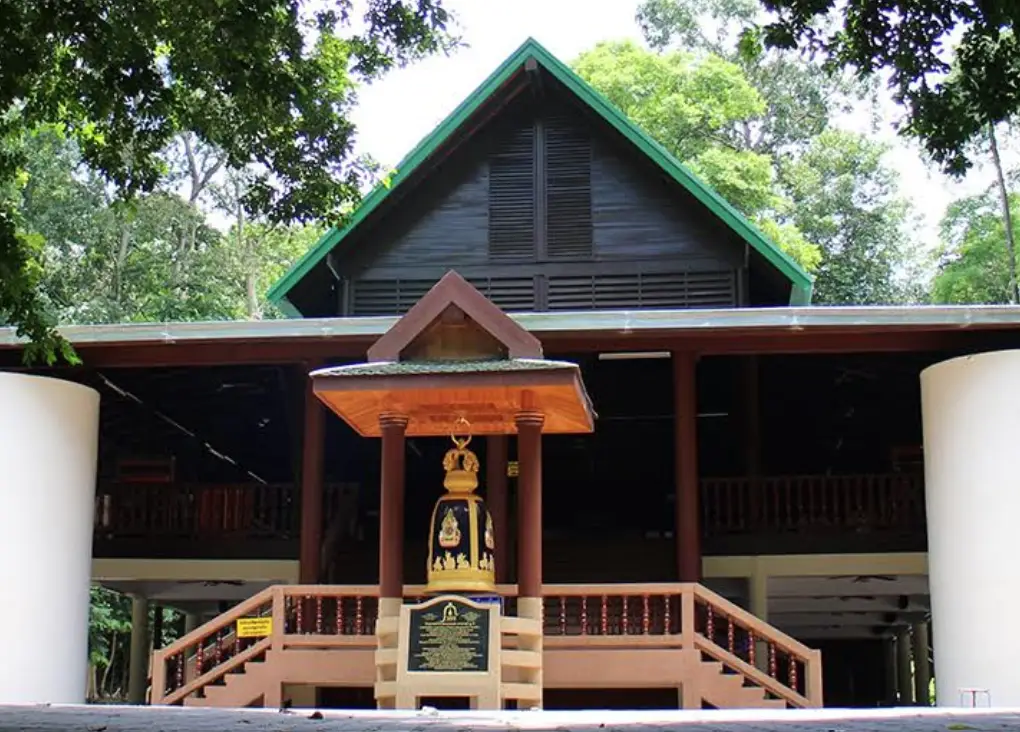
22. Wat Pa Na Kham Noi (Wat Udom Mongkhon Wanaram) is located at Ban Na Kham Noi, Moo 7, Ban Kong Subdistrict, Na Yung District. It is a forest monastery in the mountain and nature zone of northern Udon Thani and is suitable for travellers interested in meditation traditions and quiet travel.
Highlights: Forest-monastery atmosphere, meditation areas, the peaceful Ban Na Kham Noi community, and a location that connects well with Wat Pa Phu Kon and natural attractions in Na Yung District.
The monastery emphasizes shade, simplicity, and quiet rather than monumental architecture. Visitors should approach the site as an active religious and meditation space.
Combining Wat Pa Na Kham Noi with Wat Pa Phu Kon and Na Yung Nam Som Forest Park provides a balanced view of Na Yung District through religion, forest, and mountain landscapes.
Groups or visitors intending to participate in meditation activities should contact the monastery in advance to avoid disturbing regular monastic routines.
Getting There: Located at Ban Na Kham Noi, Moo 7, Ban Kong Subdistrict, Na Yung District. Open daily from 08:00–17:00.
Map (GPS): https://www.google.com/maps/dir/?api=1&destination=17.906577,102.163442&travelmode=driving
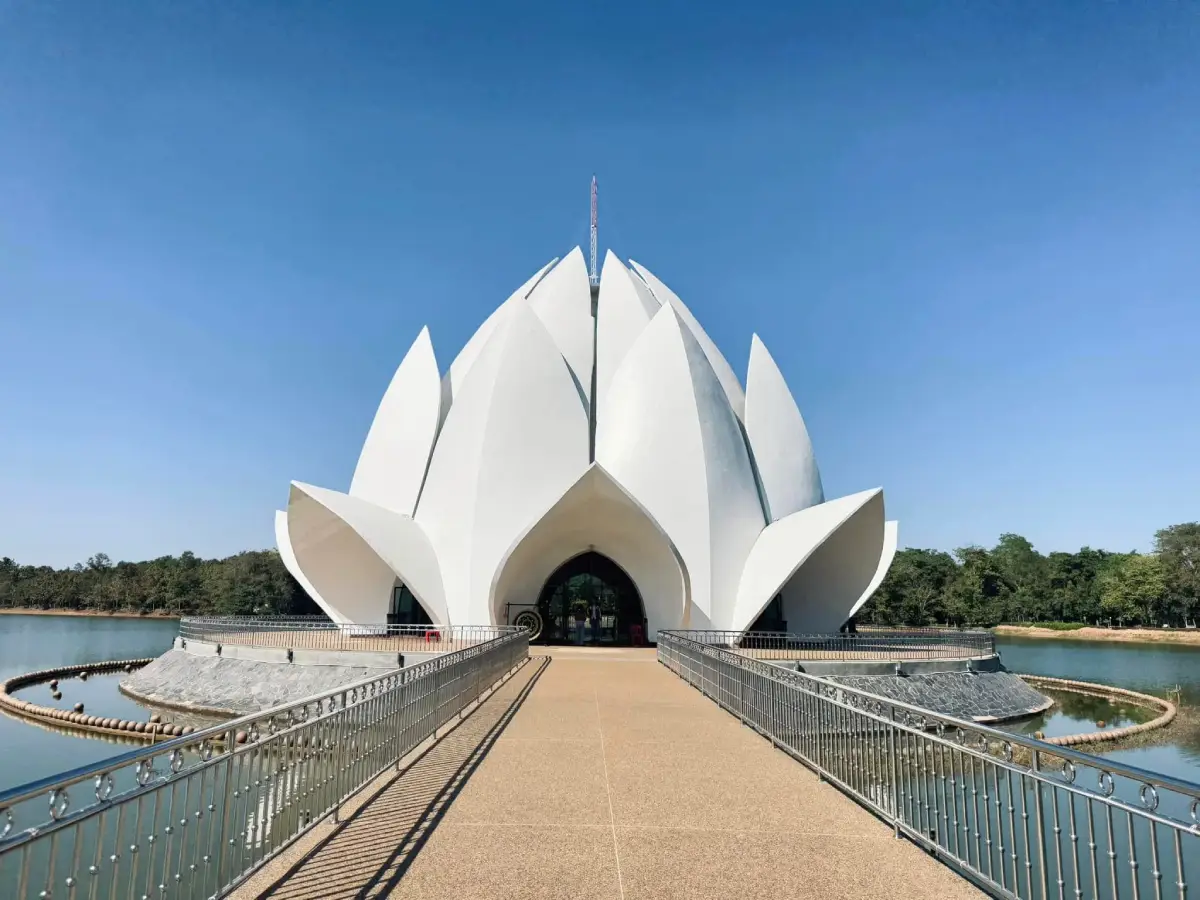
23. Wat Santiwanaram is located at Ban Chiang, Moo 11, Ban Chiang Subdistrict, Nong Han District. This forest temple and meditation center is best known for its distinctive lotus-shaped ordination hall standing over water.
Highlights: Lotus-shaped ordination hall, surrounding pond, forest-monastery atmosphere, meditation areas, and spaces where animals such as birds, fish, and rabbits are cared for.
The ordination hall is designed to resemble a lotus floating on water, symbolizing purity and liberation from defilement in Buddhist thought. The architecture therefore carries both religious symbolism and visual appeal.
The natural surroundings and cared-for animals give the temple a calm atmosphere, making it suitable for families and travellers wanting a quieter stop after visiting archaeological attractions around Ban Chiang.
Wat Santiwanaram can be visited after Ban Chiang National Museum, Wat Pho Si Nai, and Ban Thai Puan to create a Ban Chiang route combining archaeology, community, and Buddhism.
Getting There: Located at Ban Chiang, Moo 11, Ban Chiang Subdistrict, Nong Han District. Open daily from 08:00–17:00.
Map (GPS): https://www.google.com/maps/dir/?api=1&destination=17.472490,102.866699&travelmode=driving
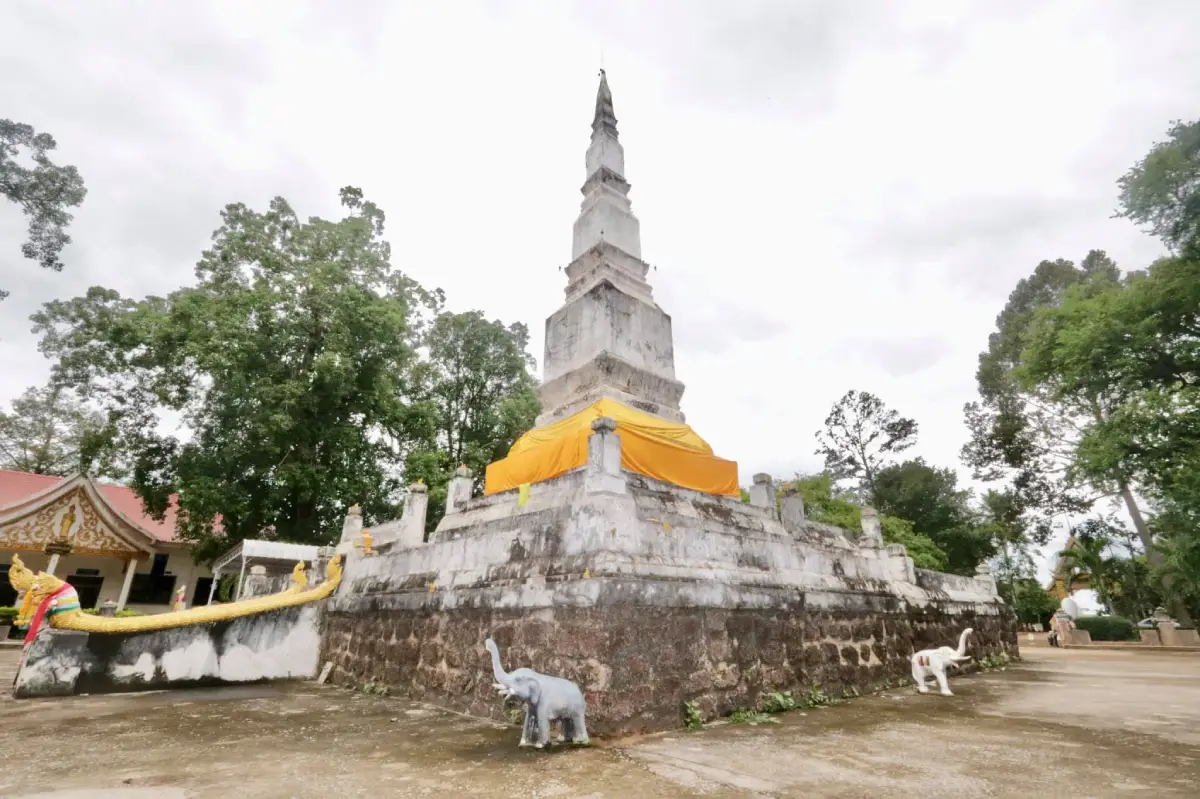
24. Phra That Don Kaew is located at Wat Mahathat Chedi, Ban Don Kaew, Moo 5, Kumphawapi Subdistrict, Kumphawapi District. It is an important community religious site connected with local history around the Nong Han Kumphawapi area.
Highlights: Historic stupa, worship area, community temple, and an atmosphere reflecting the close relationship between faith and local life in Kumphawapi.
The stupa serves as both a religious symbol and a focus of community devotion, with local people using the temple for merit-making and Buddhist ceremonies throughout the year.
Travellers visiting the Red Lotus Sea can easily add Phra That Don Kaew to the same day, beginning with the lotus lake early in the morning and continuing to the stupa later in the morning.
Visitors should dress respectfully and remain quiet because the temple continues to function as an active community religious site.
Getting There: Located at Wat Mahathat Chedi, Ban Don Kaew, Moo 5, Kumphawapi Subdistrict, Kumphawapi District. Open daily from 08:00–17:00.
Map (GPS): https://www.google.com/maps/dir/?api=1&destination=17.140664,103.020408&travelmode=driving
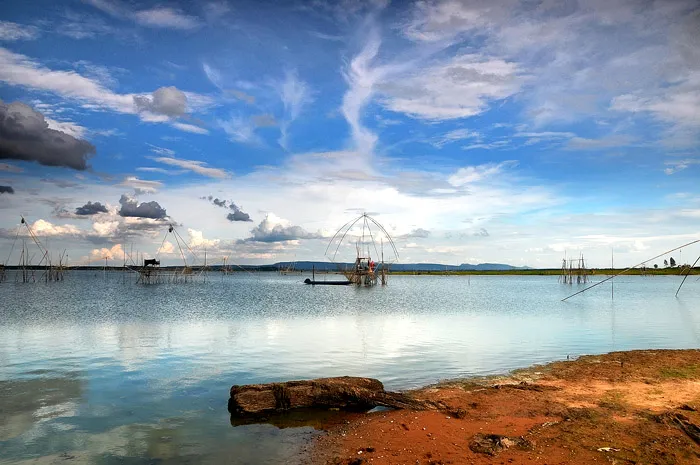
25. Huai Luang Reservoir is located in Khok Sa-at Subdistrict, Mueang Udon Thani District. It is an important water resource supporting irrigation, agriculture, water management, and recreation relatively close to the city.
Highlights: Wide reservoir views, dam area, viewpoints, recreation spaces, and rural scenery within convenient reach of Udon Thani city.
Huai Luang Reservoir plays an important role in the province’s water system by supporting agricultural areas and local communities. At the same time, the broad waterscape makes it an attractive place for relaxation.
Travellers who do not want to travel far into the mountains or forest parks can use the reservoir as an easy nature stop close to the city.
Late afternoon is more pleasant than midday because temperatures are cooler and the light over the water is softer.
Getting There: Located in Khok Sa-at Subdistrict, Mueang Udon Thani District. Take the Udon Thani–Nong Bua Lamphu route and turn toward the reservoir. Open daily from 08:30–16:30.
Map (GPS): https://www.google.com/maps/dir/?api=1&destination=17.345578,102.581442&travelmode=driving
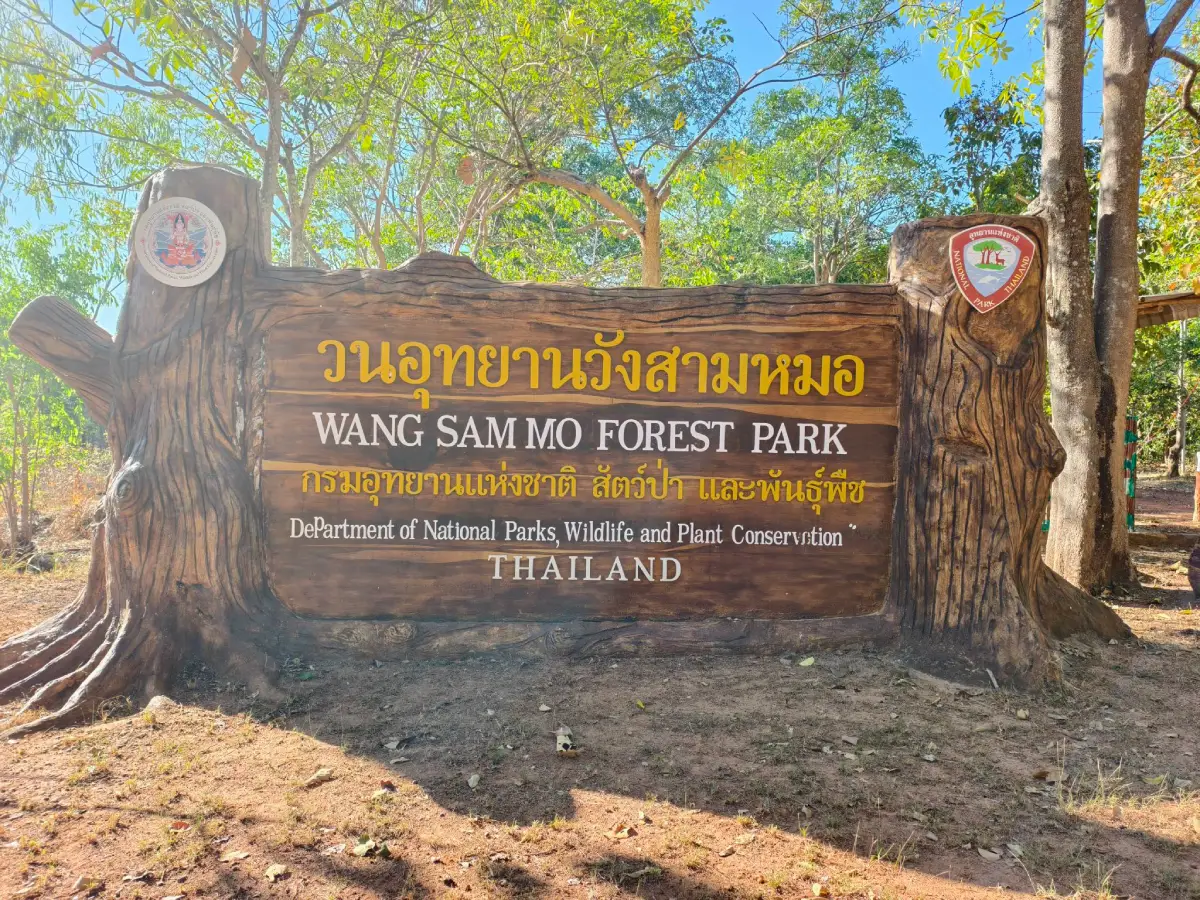
26. Wang Sam Mo Forest Park is located in Nong Kung Thap Ma Subdistrict, Wang Sam Mo District. The natural area features a stream, rocky rapids, forest, and recreation zones, making it suitable for travellers exploring southeastern Udon Thani.
Highlights: Natural stream, rock rapids, green forest, waterside recreation, camping areas, and the quiet surroundings of Wang Sam Mo.
The rainy season brings higher stream levels and greener forest, but visitors must take extra care around stronger currents and slippery rocks. Winter is more comfortable for walking and camping.
Travellers planning overnight stays or group activities should contact local staff in advance because some uses of the area may be subject to seasonal conditions and safety measures.
If time allows, combine Wang Sam Mo Forest Park with Lam Phan Chad Reservoir on the same day to experience both the forest and reservoir landscapes of the district.
Getting There: Located in Nong Kung Thap Ma Subdistrict, Wang Sam Mo District. Open daily from 08:30–17:00.
Map (GPS): https://www.google.com/maps/dir/?api=1&destination=16.982698,103.407210&travelmode=driving
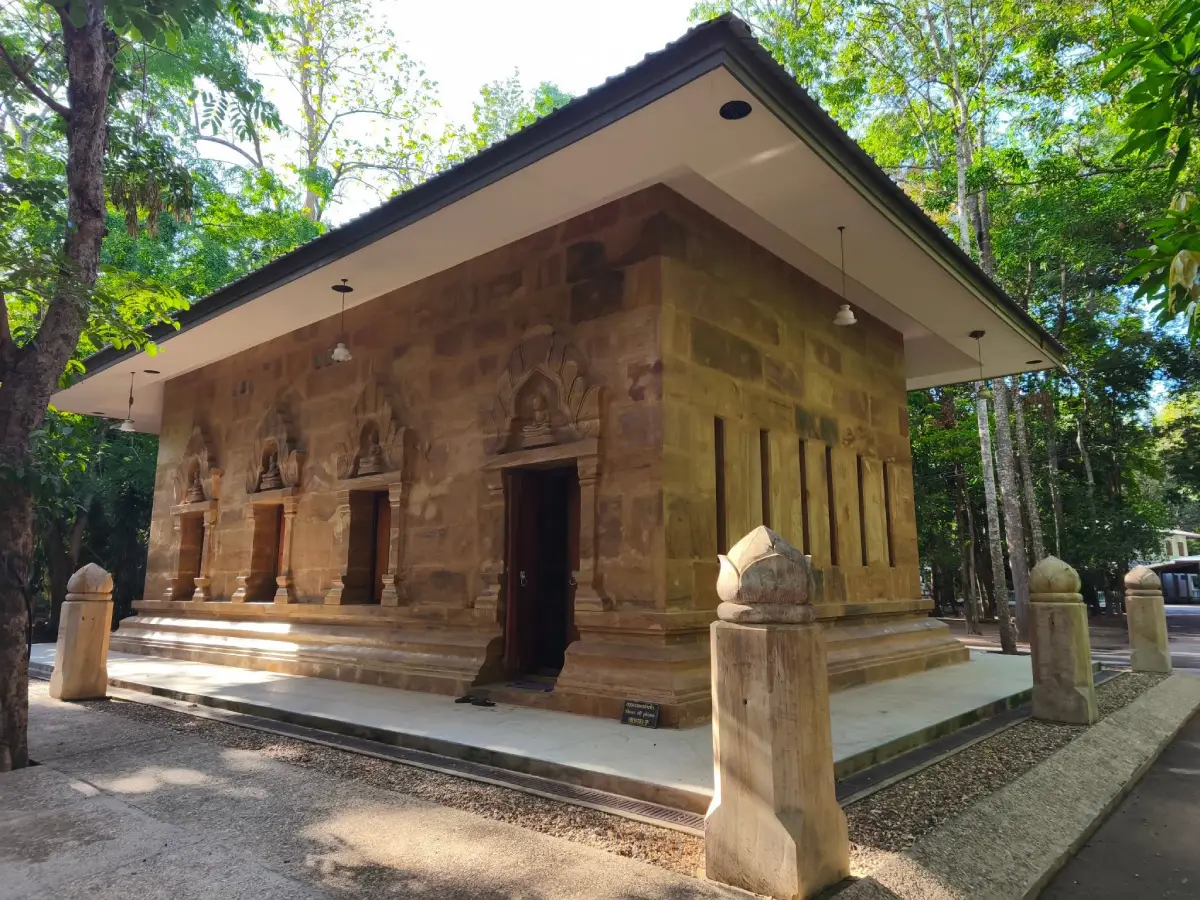
27. Wat Pa Santikawat is located at Ban Nong Tum, Moo 7, Chai Wan Subdistrict, Chai Wan District. This forest monastery contains woodland, halls, a chedi, a museum dedicated to meditation teachers, and quiet practice areas.
Highlights: Chedi, museum of respected meditation teachers, forest walking paths, meditation hall, and a secluded Isan forest-monastery atmosphere.
The monastery is well suited to visitors interested in the history of forest meditation traditions and in seeing a temple that maintains a strong relationship with its natural forest environment.
The museum adds historical context about respected monks, while the forest grounds allow visitors to experience the atmosphere of a working meditation monastery.
Visitors should dress modestly, remain quiet, and avoid entering monks’ private areas without permission.
Getting There: Located at Ban Nong Tum, Moo 7, Chai Wan Subdistrict, Chai Wan District. Open daily from 07:00–18:00. Admission is free.
Map (GPS): https://www.google.com/maps/dir/?api=1&destination=17.445456,103.177623&travelmode=driving
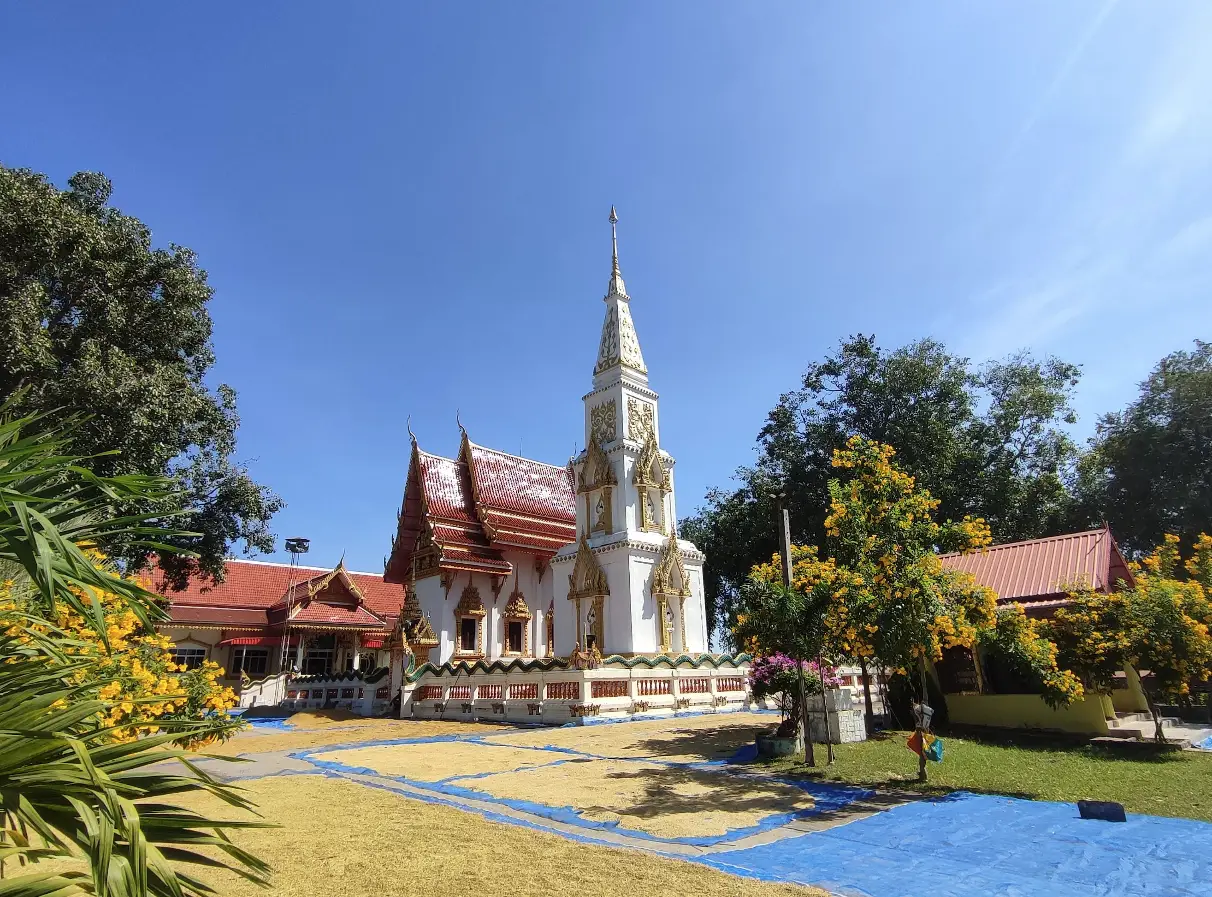
28. Wat Sri Mahathat is located at Ban That, Moo 3, Ban Ya Subdistrict, Nong Han District. The community temple is centered on an old stupa and has local historical importance in the Nong Han area.
Highlights: Historic stupa, worship courtyard, religious activity areas, and local stories linking the monument with the faith of the Ban That community.
The stupa functions as both a religious symbol and a community focal point. Local residents use the temple for merit-making, ceremonies, and Buddhist activities throughout the year.
This is a suitable stop for travellers wanting to explore Udon Thani beyond the main tourist circuit and see the relationship between temples and rural Isan communities.
It can be added to the Nong Han–Ban Chiang route if time remains after visiting Ban Chiang National Museum and Wat Santiwanaram.
Getting There: Located at Ban That, Moo 3, Ban Ya Subdistrict, Nong Han District. Open daily from 08:00–17:00. General admission is free.
Map (GPS): https://www.google.com/maps/dir/?api=1&destination=17.380162,103.277035&travelmode=driving
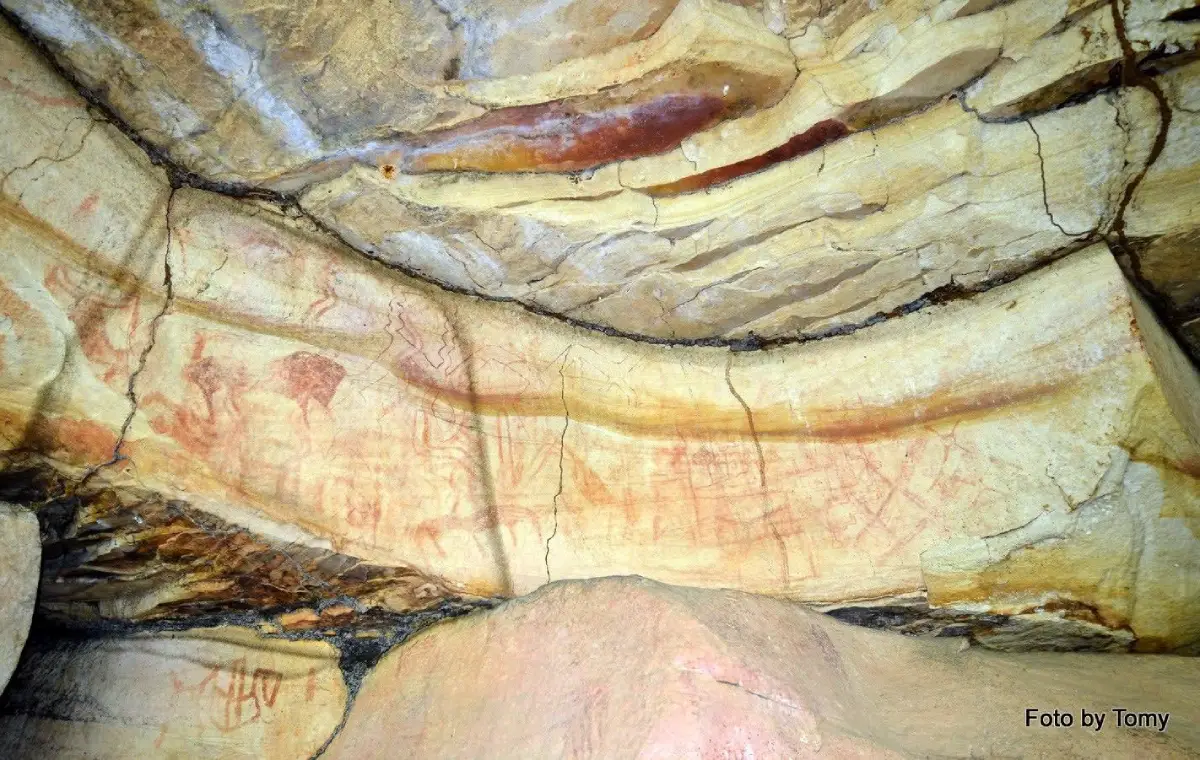
29. Tham Sing Cave is located in Khon Yung Subdistrict, Kut Chap District within the Kut Chap National Reserved Forest. It combines natural sandstone shelters, caves, prehistoric rock paintings, viewpoints, and nature trails.
Highlights: Red rock paintings, animal figures, hand motifs, geometric patterns, sandstone shelters, cave formations, viewpoints, local spirit shrine, and nature trails.
The paintings provide evidence of how people used mountain and rock-shelter environments in the past, including activities, belief systems, and visual communication through images on stone surfaces.
The cave landscape also remains linked with community belief through a local spirit shrine and customs of paying respect before entering certain parts of the mountain, illustrating how nature, archaeology, and local belief still coexist in one landscape.
Wear footwear suitable for natural trails and never touch, scratch, or write on the rock paintings, as this can permanently damage archaeological evidence.
Getting There: Located in Khon Yung Subdistrict, Kut Chap District. Open daily from 08:00–17:00. Admission is free.
Map (GPS): https://www.google.com/maps/dir/?api=1&destination=17.363950,102.434924&travelmode=driving
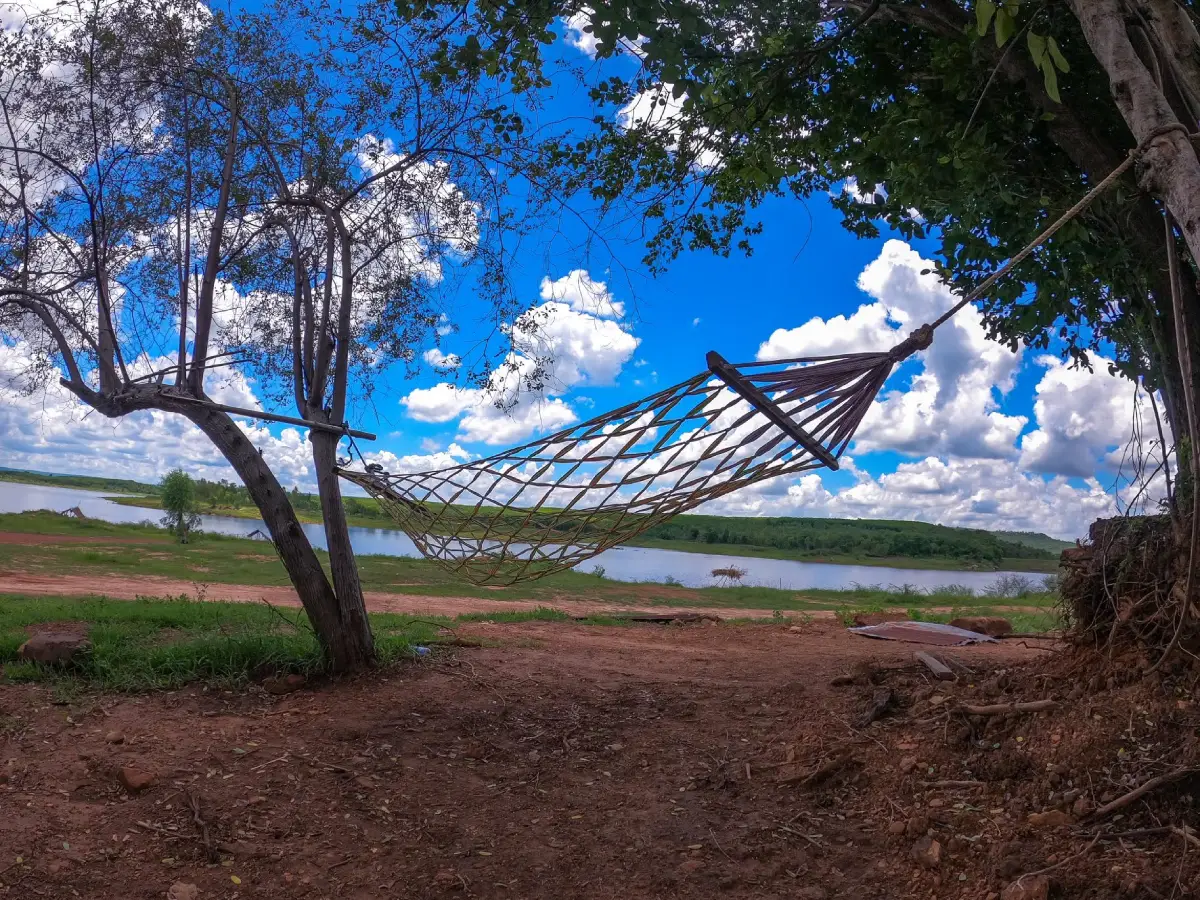
30. Lam Phan Chad Reservoir is located around Ban Thai Somphon and Ban Wang Yai in Nong Kung Thap Ma Subdistrict, Wang Sam Mo District. The reservoir supports local communities and has also developed into a recreation area for relaxation, rafting, and scenic views.
Highlights: Wide reservoir views, viewpoints, rafting areas, seasonal community food and services, and scenery surrounded by forest, low hills, and rural settlements.
The reservoir offers a very different experience from central Udon Thani, making it suitable for slower travel, waterside meals, relaxation, and landscape photography.
Rafting and some local services depend on the season and operators. Travellers planning a particular activity should check conditions on the day of travel.
Lam Phan Chad Reservoir can be combined with Wang Sam Mo Forest Park, visiting the forest and rapids in the morning before relaxing at the reservoir later in the day.
Getting There: Located around Ban Thai Somphon, Moo 5, and Ban Wang Yai, Nong Kung Thap Ma Subdistrict, Wang Sam Mo District. Open daily from 08:00–17:00. Admission is free.
Map (GPS): https://www.google.com/maps/dir/?api=1&destination=17.003249,103.473969&travelmode=driving
| Topic | Details |
| Province Overview | Udon Thani is a major province of upper Northeastern Thailand with Ban Chiang World Heritage, Phu Phrabat Historical Park, forest monasteries, Kham Chanod, the Red Lotus Sea, mountains, waterfalls, reservoirs, weaving communities, Isan food, Vietnamese-influenced cuisine, and contemporary urban attractions. It suits trips from 1 day to approximately 4–6 days. |
| 30 Attractions in This Guide | 1. Nong Prajak Silapakom Public Park 2. Udon Thani City Museum 3. Monument of Krom Luang Prachaksinlapakhom 4. Udon Thani City Pillar Shrine 5. Wat Phothisomphon 6. Wat Matchimawat 7. Chao Pu–Ya Shrine 8. UD TOWN Udon 9. Ban Na Kha Village and Ban Men Handicraft Center 10. Ban Chiang National Museum 11. Wat Pho Si Nai 12. Ban Thai Puan 13. Phu Phrabat Historical Park 14. Wat Pa Phu Kon 15. Na Yung Nam Som Forest Park 16. Yung Thong Waterfall 17. Namtok Than Ngam Forest Park 18. Phu Foi Lom 19. Red Lotus Sea 20. Chao Pu Si Suttho Shrine (Kham Chanod) 21. Wat Pa Ban Kho 22. Wat Pa Na Kham Noi (Wat Udom Mongkhon Wanaram) 23. Wat Santiwanaram 24. Phra That Don Kaew 25. Huai Luang Reservoir 26. Wang Sam Mo Forest Park 27. Wat Pa Santikawat 28. Wat Sri Mahathat 29. Tham Sing Cave 30. Lam Phan Chad Reservoir |
| Top 10 for First-Time Visitors | 1. Nong Prajak Silapakom Public Park 2. Ban Chiang National Museum 3. Wat Pho Si Nai 4. Phu Phrabat Historical Park 5. Wat Pa Phu Kon 6. Red Lotus Sea 7. Chao Pu Si Suttho Shrine (Kham Chanod) 8. Wat Phothisomphon 9. Phu Foi Lom 10. Tham Sing Cave |
| Udon Thani City Zone | 1. Nong Prajak Silapakom Public Park 2. Udon Thani City Museum 3. Monument of Krom Luang Prachaksinlapakhom 4. Udon Thani City Pillar Shrine 5. Wat Phothisomphon 6. Wat Matchimawat 7. Chao Pu–Ya Shrine 8. UD TOWN Udon Suitable for a 1–2 day trip focused on city history, temples, shrines, food, and contemporary urban life. |
| Ban Chiang–Nong Han Zone | 1. Ban Chiang National Museum 2. Wat Pho Si Nai 3. Ban Thai Puan 4. Wat Santiwanaram 5. Wat Sri Mahathat Best for archaeology, World Heritage, Tai Phuan culture, Buddhism, and local community heritage. |
| Ban Phue–Phu Phrabat Zone | 1. Phu Phrabat Historical Park 2. Wat Pa Ban Kho Suitable for World Heritage, sandstone landscapes, Dvaravati sema stones, and forest-monastery practice. |
| Na Yung–Nam Som Zone | 1. Wat Pa Phu Kon 2. Na Yung Nam Som Forest Park 3. Yung Thong Waterfall 4. Wat Pa Na Kham Noi (Wat Udom Mongkhon Wanaram) Ideal for forest temples, mountains, waterfalls, and the natural landscapes of northern Udon Thani. |
| Nong Saeng Zone | 1. Namtok Than Ngam Forest Park 2. Phu Foi Lom Suitable for a nature trip relatively close to Udon city. The rainy season through winter offers greener scenery and cooler weather. |
| Kumphawapi Zone | 1. Red Lotus Sea 2. Phra That Don Kaew Begin with the Red Lotus Sea at dawn, then continue to Phra That Don Kaew later in the morning. |
| Ban Dung Zone | 1. Chao Pu Si Suttho Shrine (Kham Chanod) Suitable for travellers interested in Naga belief, local spirituality, wetlands, and sacred landscapes. |
| Chai Wan–Wang Sam Mo Zone | 1. Wat Pa Santikawat 2. Wang Sam Mo Forest Park 3. Lam Phan Chad Reservoir Suitable for forest temples, streams, rocky rapids, reservoirs, and less-visited natural areas. |
| Kut Chap Zone | 1. Tham Sing Cave Suitable for travellers interested in prehistoric rock art, sandstone shelters, nature, and community belief. |
| Communities and Handicrafts | 1. Ban Na Kha Village and Ban Men Handicraft Center – khit fabric, cotton, and silk 2. Ban Thai Puan – Tai Phuan community life and traditional Ban Chiang house Ideal for buying souvenirs and learning about local craftsmanship. |
| History and World Heritage Route | 1. Ban Chiang National Museum 2. Wat Pho Si Nai 3. Ban Thai Puan 4. Phu Phrabat Historical Park 5. Tham Sing Cave 6. Udon Thani City Museum |
| Temples and Forest Meditation Route | 1. Wat Phothisomphon 2. Wat Matchimawat 3. Wat Pa Phu Kon 4. Wat Pa Ban Kho 5. Wat Pa Na Kham Noi 6. Wat Pa Santikawat 7. Wat Santiwanaram 8. Wat Sri Mahathat |
| Nature Route | 1. Na Yung Nam Som Forest Park 2. Yung Thong Waterfall 3. Namtok Than Ngam Forest Park 4. Phu Foi Lom 5. Red Lotus Sea 6. Huai Luang Reservoir 7. Wang Sam Mo Forest Park 8. Tham Sing Cave 9. Lam Phan Chad Reservoir |
| Faith and Local Belief Route | 1. Chao Pu Si Suttho Shrine (Kham Chanod) 2. Udon Thani City Pillar Shrine 3. Chao Pu–Ya Shrine 4. Phra That Don Kaew |
| Food to Try | Khai kratha, rice noodle soup, kuay jap yuan, naem nueang, Vietnamese-style pork sausage, fresh spring rolls, som tam, larb, koi, nam tok, tom saep, jaew dipping sauces, grilled fish, mok pla, bamboo shoot soup, and seasonal Isan dishes. |
| Udon Thani Breakfast | Breakfast culture is one of the charms of Udon city. Popular dishes include khai kratha, stuffed bread, rice noodle soup, kuay jap yuan, rice porridge, and traditional coffee, ideal before an early departure to Ban Chiang, Phu Phrabat, or other attractions outside the city. |
| Vietnamese-Influenced Food | Udon Thani has a strong Thai-Vietnamese community heritage. Common dishes include naem nueang, kuay jap yuan, Vietnamese-style pork sausage, fresh spring rolls, and meals served with generous portions of fresh vegetables. |
| Souvenirs | Ban Na Kha khit fabric, silk, cotton, Ban Chiang community products, Ban Chiang-inspired pottery souvenirs, Vietnamese-style pork sausage, fermented pork, and local processed foods. |
| Where to Stay: Udon Thani City | Best for Nong Prajak, Udon Thani City Museum, temples, shrines, UD TOWN, restaurants, the airport, and railway station. Central Udon, Pho Si Road, Nong Prajak, and the railway-station area are convenient bases. |
| Where to Stay: Ban Chiang–Nong Han | Suitable for travellers who want more time at the museum, excavation pit, Tai Phuan community, and temples around Ban Chiang without rushing back to Udon city. |
| Where to Stay: Ban Phue–Na Yung–Nam Som | Convenient for Phu Phrabat Historical Park, Wat Pa Phu Kon, Na Yung Nam Som Forest Park, Yung Thong Waterfall, and northern forest temples. Staying locally reduces late-evening driving back to Udon city. |
| Where to Stay: Kumphawapi | Recommended for travellers wanting an early-morning Red Lotus Sea boat trip. Staying near Nong Han Kumphawapi or the boat piers avoids leaving Udon city before dawn. |
| Where to Stay: Ban Dung | Suitable for visitors wanting to enter Kham Chanod early or explore Ban Dung and nearby communities without rushing. |
| Best Overall Travel Period | November–February is generally best for city sightseeing, temples, Phu Phrabat, Phu Foi Lom, and outdoor attractions. The rainy season suits waterfalls and forests but requires greater care on slippery trails. For the Red Lotus Sea, always check current flowering conditions before travelling. |
| 1 Day in Udon Thani City | Morning: Udon Thani breakfast – Wat Phothisomphon – Udon Thani City Museum – Nong Prajak Afternoon: City Pillar Shrine – Wat Matchimawat – Chao Pu–Ya Shrine Evening: Monument of Krom Luang Prachaksinlapakhom – UD TOWN – dinner |
| 2 Days / 1 Night | Day 1: Udon Thani city Day 2: Ban Chiang National Museum – Wat Pho Si Nai – Ban Thai Puan – Wat Santiwanaram |
| 3 Days / 2 Nights | Day 1: Udon Thani city Day 2: Ban Chiang–Nong Han Day 3: Phu Phrabat Historical Park – Wat Pa Ban Kho – Tham Sing Cave if time and route conditions allow |
| 4 Days / 3 Nights | Add Wat Pa Phu Kon – Na Yung Nam Som Forest Park – Yung Thong Waterfall, staying around Na Yung or Nam Som to avoid returning to Udon city. |
| 5 Days / 4 Nights | Add the Red Lotus Sea in the morning – Phra That Don Kaew – Namtok Than Ngam Forest Park – Phu Foi Lom, then stay in Kumphawapi or return to the city depending on the next day’s route. |
| 6 Days / 5 Nights | Add Kham Chanod – Wat Pa Santikawat – Wang Sam Mo Forest Park – Lam Phan Chad Reservoir for travellers wanting to see more of Udon Thani beyond the main tourist route. |
| Getting Around the Province | Local transport is convenient within Udon city, but Ban Chiang, Phu Phrabat, Wat Pa Phu Kon, Na Yung, Nam Som, Ban Dung, Kumphawapi, and Wang Sam Mo are widely dispersed. A private car, rental car, or hired vehicle with driver is the most practical option for a multi-zone trip. |
| Nature Safety | Check weather conditions before travelling, especially for Yung Thong Waterfall, Than Ngam Waterfall, Na Yung Nam Som Forest Park, and Wang Sam Mo. Avoid slippery trails, strong currents, and leaving designated routes. |
| Kham Chanod Etiquette | Dress modestly, do not light incense or candles inside the forest, do not throw coins into the water, do not release aquatic animals, do not tie cloth to chanod trees, do not rub powder onto trees, and remove personal offerings or items as required by site rules. |
| Temple and Community Etiquette | Dress modestly, speak quietly, do not disturb monks or meditation practitioners, ask permission before photographing people or community activities, and support local weavers and producers where appropriate. |
Frequently Asked Questions (FAQ)
Q: What are the must-visit attractions in Udon Thani?
A: First-time visitors should consider Nong Prajak Silapakom Public Park, Ban Chiang National Museum, Wat Pho Si Nai, Phu Phrabat Historical Park, Wat Pa Phu Kon, the Red Lotus Sea, and Chao Pu Si Suttho Shrine at Kham Chanod because together they cover the city, World Heritage, Buddhism, local belief, and nature.
Q: Where should I go if I have only 1 day in Udon Thani?
A: Focus on the city. Begin with Wat Phothisomphon, Udon Thani City Museum, Nong Prajak, the City Pillar Shrine, Wat Matchimawat, and Chao Pu–Ya Shrine, then finish the evening at the Monument of Krom Luang Prachaksinlapakhom and UD TOWN.
Q: How many days should I spend in Udon Thani?
A: 2–3 days are suitable for Udon city and Ban Chiang. If you also want to include Phu Phrabat, Wat Pa Phu Kon, the Red Lotus Sea, Kham Chanod, and other nature zones, allow approximately 4–6 days.
Q: What is the best time of year to visit Udon Thani?
A: November–February is generally best because the weather is cooler and comfortable for temples, Phu Phrabat, Phu Foi Lom, and outdoor attractions. The rainy season is better for waterfalls and green forest, but trails can be slippery and water levels can rise quickly.
Q: What time should I visit the Red Lotus Sea?
A: Visit in the morning during the flowering season. Boat services generally operate around 06:00–11:00, but check the current flowering situation before travelling because lotus density changes with weather, water levels, and seasonal conditions each year.
Q: How much time should I allow for Ban Chiang?
A: Allow at least half a day if you want to visit Ban Chiang National Museum, the excavation pit at Wat Pho Si Nai, and Ban Thai Puan properly, because each place explains a different dimension of Ban Chiang.
Q: Why is Ban Chiang important?
A: Ban Chiang is one of Southeast Asia’s major prehistoric archaeological sites, with evidence of settlement, agriculture, pottery, metallurgy, and burial rituals. It was inscribed as a UNESCO World Heritage Site in 1992.
Q: What is interesting about Phu Phrabat Historical Park?
A: Its main attractions are natural sandstone formations, rock shelters, prehistoric paintings, and Dvaravati stone sema boundary markers, reflecting the long-term use of the landscape for sacred and ritual purposes.
Q: What should I wear when visiting Wat Pa Phu Kon?
A: Dress modestly with shoulders and knees covered, speak quietly, and follow temple rules because the monastery remains an active religious and meditation site.
Q: What are the opening hours of Kham Chanod?
A: Chao Pu Si Suttho Shrine at Kham Chanod is generally open daily from 06:00–18:00. Morning is a good time to visit because temperatures are cooler and visitor numbers are often lower than later in the day.
Q: Is there an entrance fee for Kham Chanod?
A: There is no entrance fee. Donations, offerings, and related services are optional.
Q: What food should I try in Udon Thani?
A: Try khai kratha, rice noodle soup, kuay jap yuan, naem nueang, Vietnamese-style pork sausage, fresh spring rolls, as well as Isan dishes such as som tam, larb, koi, tom saep, jaew, grilled fish, and bamboo shoot soup.
Q: What is special about breakfast in Udon Thani?
A: Khai kratha, stuffed bread, rice noodle soup, kuay jap yuan, rice porridge, and traditional coffee are widely available and make a good breakfast before an early trip outside the city.
Q: What souvenirs should I buy in Udon Thani?
A: Ban Na Kha khit fabric, silk, cotton, Ban Chiang community products, Vietnamese-style pork sausage, fermented pork, and local processed foods are good choices that reflect the province’s identity.
Q: Where should I stay for the Red Lotus Sea?
A: If you want an early-morning boat trip, stay in Kumphawapi or near Nong Han Kumphawapi the night before so you do not need to drive from Udon city before dawn.
Q: Where should I stay if I want to visit Phu Phrabat and Wat Pa Phu Kon?
A: For a 2-day trip, consider staying around Ban Phue, Nam Som, or Na Yung. This reduces backtracking to Udon city and makes it easier to continue to Wat Pa Phu Kon and northern nature attractions the following day.
Q: What are the best nature attractions in Udon Thani?
A: Phu Foi Lom, Namtok Than Ngam Forest Park, Na Yung Nam Som Forest Park, Yung Thong Waterfall, the Red Lotus Sea, Wang Sam Mo Forest Park, Huai Luang Reservoir, Tham Sing Cave, and Lam Phan Chad Reservoir are among the main nature choices.
Q: Which forest temples are important in Udon Thani?
A: Wat Pa Phu Kon, Wat Pa Ban Kho, Wat Pa Na Kham Noi, and Wat Pa Santikawat are suitable for travellers interested in forest-monastery traditions, meditation, and quiet Buddhist environments.
Q: Can I travel around Udon Thani without a private car?
A: Local transport is reasonably convenient inside Udon city, but major attractions such as Ban Chiang, Phu Phrabat, Wat Pa Phu Kon, Kham Chanod, the Red Lotus Sea, and Wang Sam Mo are far apart. A rental car, private vehicle, or hired car with driver is more convenient for a multi-zone trip.
Q: How should I plan an Udon Thani itinerary to avoid backtracking?
A: Divide the province into zones: central Udon, Ban Chiang–Nong Han, Ban Phue–Phu Phrabat, Na Yung–Nam Som, Nong Saeng, Kumphawapi, Ban Dung, and Chai Wan–Wang Sam Mo. Complete the main attractions in each zone before moving to the next overnight base.
 Category: ●Travel Articles, Recipes
 Group: ●Travel Review, Food Review
Last Update : 3 WeekAgo
 Last Update : 3 WeekAgo
Recommend

 Art, Culture and Heritage
 Historical Sites and Monuments(1)
 Landmarks and Memorials(1)
 Art, Craft Centres, Tradition(2)
 Museums(2)
 Places of Worship
 Temple(21)
 Other Sacred Sites(8)
 Suburban Living
 Village, Community(3)
 Nature and Wildlife
 National Parks and Marine Reserves(3)
 Mountain (Doi)(1)
 Dam, Reservoir, Lake(8)
 Waterfalls(6)
 Caves(1)
 River, Canal(4)
 Islands(1)
 Other natural attractions(1)
 Entertainment and Agricultural
 Farms, Parks and Ecotourism(3)
 Waterpark(2)
 Shopping
 Shopping and Night Market(1)
Travel Review, Food Review(1)


