
lovethailand home >Northeastern Travel Attractions >Udon Thani Travel Attractions >Muang Udon Thani >Mak Khaeng > Wat Matchimawat
TL;DR: Wat Matchimawat is located at Mak Khaeng Subdistrict, Mueang Udon Thani District, Udon Thani Province, open Daily, hours 08.30 – 16.30.
Wat Matchimawat
Open Days: Daily
Opening Hours: 08.30 – 16.30
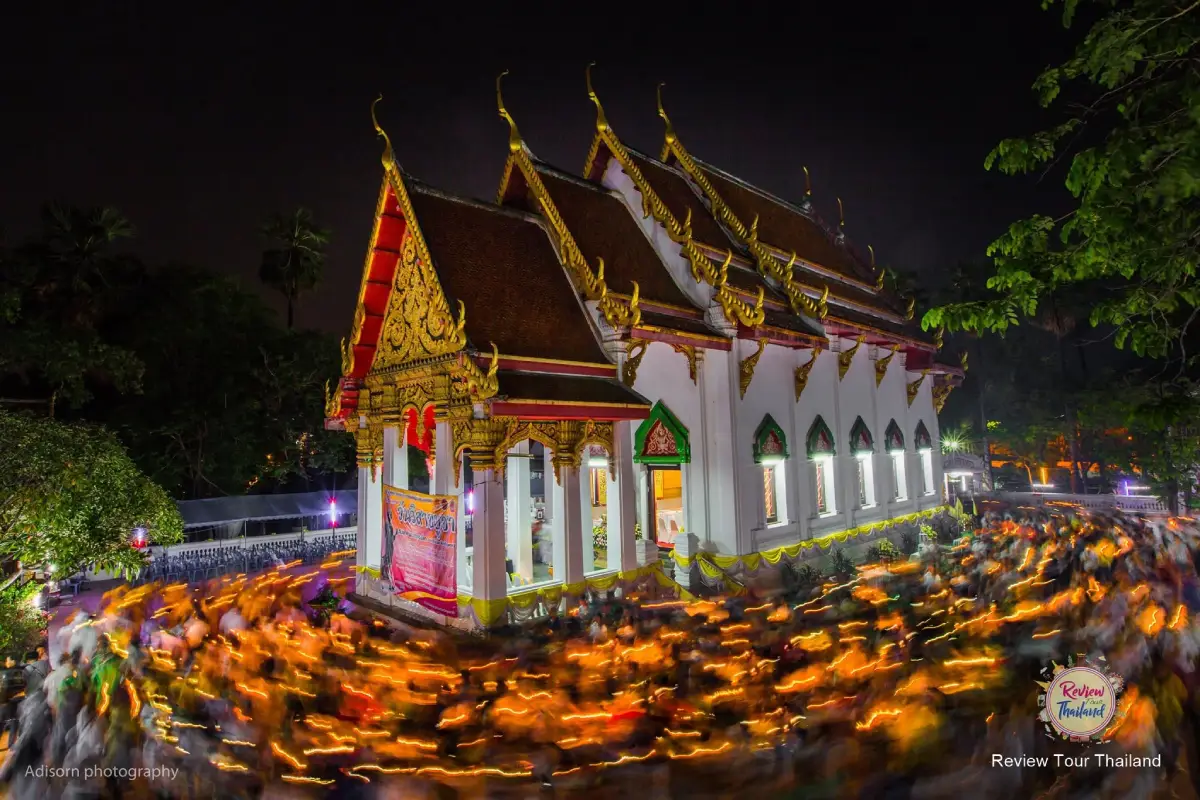
Wat Matchimawat in Udon Thani is a third-class royal temple of the ordinary type, located in Mak Khaeng Subdistrict, Mueang Udon Thani District. It is one of the city’s most historically meaningful temples and is closely connected with the founding of Udon Thani during the reign of King Rama V. The temple is best known for Luang Pho Nak, a revered white-stone Buddha image in the Naga-protected posture. Wat Matchimawat is open daily for worship, merit-making, and cultural visits, with no admission fee. It is an ideal place for travelers who want to understand Udon Thani through Buddhism, local history, sacred art, and the living memory of the city.
The temple stands on Udon Dutsadi Road in the heart of Udon Thani. Local people often call it “Wat Doem” or “Wat Kao,” meaning the old temple, because the site was once an ancient abandoned temple before the modern city of Udon Thani was established. The earlier temple was known as Wat Non Mak Khaeng. Evidence of the old sacred site included a laterite chedi and a white-stone Buddha image in the Naga-protected posture. That Buddha image later became known as Luang Pho Nak, the most important sacred object of Wat Matchimawat and one of the most respected Buddha images in Udon Thani.
The history of Wat Matchimawat is directly tied to Prince Prachaksinlapakhom, a key royal figure in the development of Udon Thani. Around 1893, during the reign of King Rama V, Prince Prachaksinlapakhom had the old abandoned temple at Non Mak Khaeng restored and renamed it Wat Matchimawat. The name carries the meaning of a central place connected with goodness and merit, which matches the temple’s location at the heart of the city. Since then, the temple has served as a central place of faith, Buddhist learning, and public memory for the people of Udon Thani.
Before the city was formally developed, Non Mak Khaeng was remembered as an old mound where a laterite chedi stood over the stump of a large mak khaeng tree. A white-stone Buddha image in the Naga-protected posture was found in the same area. Villagers in Ban Duea Mak Khaeng and nearby communities respected this Buddha image deeply. They performed bathing rites during Songkran and held Bun Bang Fai merit-making ceremonies in its honor. This means that the devotion to Luang Pho Nak existed before the temple was restored and before Udon Thani grew into the modern city seen today.
When Prince Prachaksinlapakhom restored the temple, the white-stone Buddha image was invited to become the principal Buddha image in the ordination hall. Later, when a new ordination hall was built, Luang Pho Nak was moved to the front porch area of the hall. The original stone image was covered and preserved within the restored form so that worshippers could pay respect and apply gold leaf more easily. This makes Luang Pho Nak both an ancient sacred object and a living focus of devotion for local people.
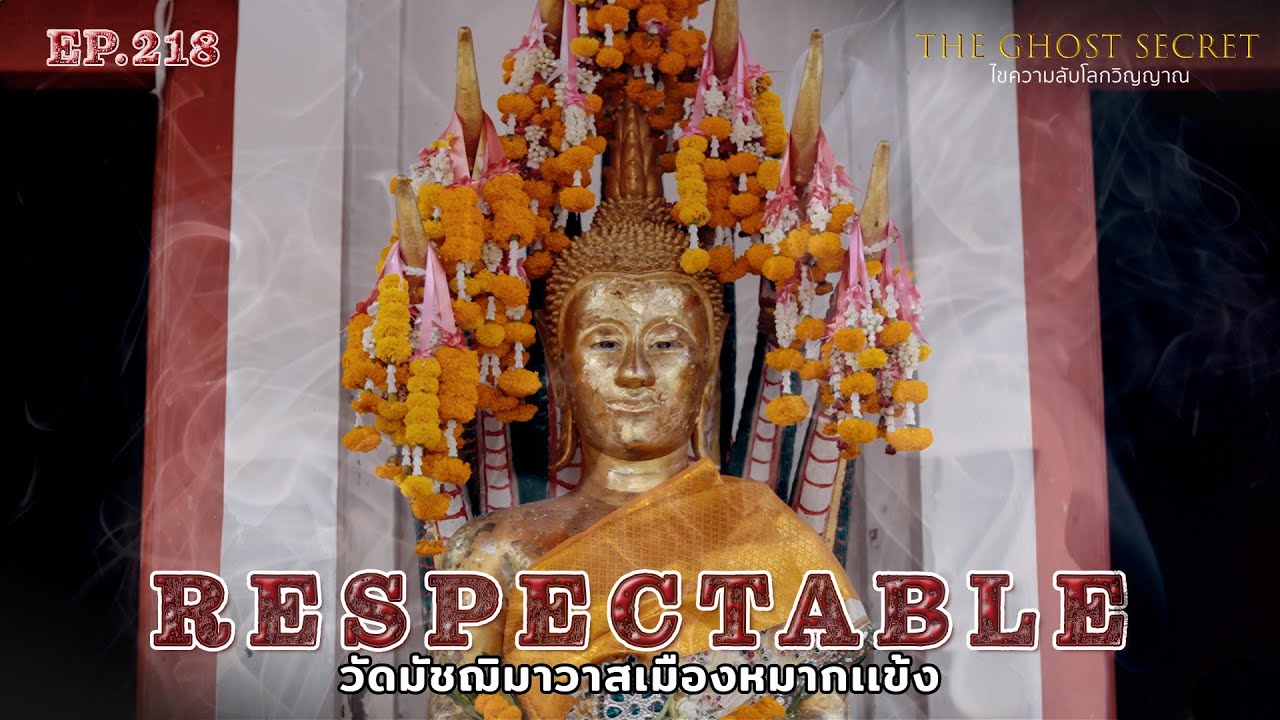
Luang Pho Nak is a Buddha image in the Naga-protected posture. The original image is made of white stone and is associated with the old abandoned temple at Non Mak Khaeng. After restoration, the image was encased to preserve the original core. The image is about 104 centimeters wide across the lap and about 260 centimeters high overall. It is enshrined in front of the ordination hall and is regarded as one of the most important spiritual symbols of Udon Thani.
The Naga-protected posture has deep meaning in Buddhist art. It refers to the episode after the Buddha’s enlightenment when the Naga king sheltered the Buddha from wind and rain. The posture represents protection, calmness, and the power of Dhamma over hardship. For local worshippers, paying respect to Luang Pho Nak is associated with blessings, stability, and peace of mind. The image is not important only because of legend; its power in local culture comes from continuous devotion across generations.
Wat Matchimawat received its consecrated boundary during the early years of its establishment and was later elevated to the status of a third-class royal temple of the ordinary type on May 7, 1964. This royal temple status reflects its importance to the province and to the Buddhist Sangha. The temple is not only a neighborhood temple. It has served as a center of Buddhist education, religious ceremonies, monastic administration, and community devotion for Udon Thani.
The temple covers about 15 rai and 1 ngan of land and is surrounded by roads on several sides. It is located near important civic places such as the provincial court, provincial administrative offices, public health offices, the Red Cross station, and the municipal area. This central position helps explain why Wat Matchimawat has long been regarded as a temple at the heart of the city. It is physically central, historically central, and spiritually central to Udon Thani.
The ordination hall is one of the most important areas inside the temple. It is both a place for formal monastic acts and a space where visitors come to worship. Inside the hall is Phra Phuttha Norasi Maha Muni, the principal Buddha image in the subduing Mara posture. In front of the hall, visitors can pay respect to Luang Pho Nak. Most travelers begin their visit at this area because it brings together the temple’s spiritual identity and its most important sacred object.
Beyond the ordination hall, the temple grounds contain a Thai-style viharn built in 1971, a two-storey reinforced concrete sermon hall built in 1976, monks’ residences, a building for Buddhist scriptural education, funeral pavilions, bell towers, and other monastic structures. These buildings show that Wat Matchimawat has long served many functions: worship, monastic education, community ceremonies, religious gatherings, and the preservation of Buddhist tradition.
In the past, Wat Matchimawat played a significant role as a center of Buddhist scriptural education in the former Monthon Udon region. During the time of Phra Thep Wisutthachan, also known as Luang Pu Bun, the temple developed strongly as an educational and religious center. The temple was also connected with the origin of Udorn Pittayanukool School, the former provincial school of Udon. This connection shows that Wat Matchimawat contributed not only to religious life, but also to education and the development of the city.
The current abbot of Wat Matchimawat is Phra Phrom Watcharakhunaphon (Saiphong Anomapañño, Pali Studies Level 5). He also serves as the ecclesiastical provincial governor of Udon Thani. This role is important because Wat Matchimawat is a royal temple and a central temple for the provincial Sangha. The temple’s administration therefore involves religious activities, monastic education, community ceremonies, and the wider responsibilities of the Buddhist order in Udon Thani.
Wat Matchimawat is also connected with important traditions centered on Luang Pho Nak. The bathing of Luang Pho Nak during Songkran is especially meaningful. In Thai culture, bathing a Buddha image during the Thai New Year expresses respect, purification, gratitude, and the wish for blessings. When connected with a sacred image that has been respected since before the city was founded, the ceremony becomes both a Buddhist rite and a local cultural expression.
Another tradition associated with Luang Pho Nak is the Bun Bang Fai merit-making rite. In northeastern Thai culture, Bun Bang Fai is connected with rain, fertility, seasonal transition, and community faith. While the city context has changed over time, the memory of this rite shows that Luang Pho Nak was not only a temple image, but also a spiritual center for older local communities. The image carried hope, protection, and cultural meaning for people living around Non Mak Khaeng.
For Thai visitors, Wat Matchimawat is an excellent starting point for a cultural trip in Udon Thani. It is easy to reach, historically important, and deeply meaningful to local people. For international travelers, the temple offers a clear example of how Thai temples function as religious, historical, educational, and community spaces. A visit here helps travelers understand that a Thai temple is not merely a building for rituals, but a living institution within the city.
A good visit can begin at the front of the ordination hall, where Luang Pho Nak is enshrined. Visitors may then enter the ordination hall to pay respect to the principal Buddha image, walk around the viharn, see the sermon hall, observe the bell towers, and explore the temple grounds respectfully. The temple’s central urban location is itself meaningful. It shows how the city developed around sacred space and how Buddhism remained connected with civic life.
The atmosphere inside the temple is calmer than the surrounding city streets. Although Wat Matchimawat stands in central Udon Thani, the temple grounds create a more composed and respectful environment. Visitors should dress modestly, speak quietly, avoid disturbing monks and worshippers, and follow any instructions posted at the temple. Extra care should be taken inside the ordination hall, the viharn, and any area where ceremonies are taking place.
A meaningful visit usually takes between 45 minutes and 1.5 hours. Travelers who only wish to pay respect to Luang Pho Nak and see the ordination hall may spend around 30 to 45 minutes. Those who want to observe the architecture, learn the temple history, and take respectful photographs should allow at least 1 hour. Because the temple is close to other city attractions, it can easily be included in a half-day walking or driving route around central Udon Thani.
Getting There is very convenient. Wat Matchimawat is located on Udon Dutsadi Road in Mak Khaeng, near central government offices and other city landmarks. Visitors can arrive by private car, local taxi, city transport, or ride-hailing service from hotels, the airport, the bus terminal, or shopping areas. Roads around the temple include Udon Dutsadi Road, Mak Khaeng Road, Watthana Road, and Phon Phisai Road, making access easy from several directions.
From Udon Thani International Airport, travelers can reach the temple by taxi or ride-hailing service within a convenient city route. From the bus terminal or the central shopping district, the journey is also short because the temple lies within Mak Khaeng, the central area of Udon Thani. This makes Wat Matchimawat a practical first stop before checking into a hotel, visiting restaurants, or continuing to other attractions.
The best time to visit is in the morning or early afternoon. The weather is more comfortable, and visitors have enough time to see the ordination hall, Luang Pho Nak, and other important areas. Late afternoon is suitable for a shorter worship visit before dinner or further city travel. Visitors should plan their visit within the opening hours of 08.30 to 16.30 to make the most of the temple grounds.
There is no admission fee. Visitors may enter to pay respect, make merit, and explore the main areas during opening hours. Donations are voluntary and based on personal faith. This makes the temple accessible to families, students, Thai travelers, international visitors, and anyone interested in learning about Udon Thani’s Buddhist and historical roots.
Wat Matchimawat combines well with several nearby attractions, including Udon Thani City Pillar Shrine, Udon Thani City Museum, Wat Phothisomphon, Krom Luang Prachaksinlapakhom Monument, Nong Prajak Public Park, Udon Thani Walking Street, the Thai-Chinese Cultural Center, and Pu-Ya Shrine. This route gives visitors a rounded view of Udon Thani through Buddhism, city history, public space, local food, and Thai-Chinese cultural heritage.
There are many restaurants near the temple, including local breakfast shops, long-established Thai restaurants, cafés, and famous Vietnamese-style restaurants. King Ocha, Maeya, VT Namnueng, Thong Sod on Udon Dutsadi Road, and cafés in the city area are convenient choices. Visitors can worship at the temple in the morning, have breakfast or lunch nearby, and continue to museums, parks, or cultural centers in the afternoon.
Accommodation around Mak Khaeng is also convenient. Hotels near the temple include Udoncabana, Much-Che Manta Boutique Hotel, Tonkoon Hotel, Clay Hotel Udonthani, The Old Inn Hotel, and Prajaktra City Hostel. This area is suitable for travelers who want easy access to temples, restaurants, markets, government landmarks, and central city attractions without needing to rent a car for the entire day.
What makes Wat Matchimawat distinct is its position at the center of Udon Thani’s historical memory. Luang Pho Nak is the spiritual heart of local devotion, while the temple itself represents the transition from an old abandoned sacred site to a royal temple at the core of the modern city. Visiting this temple is not only a religious act, but also a way to understand the roots of Udon Thani through a place that still functions actively in the community.
For cultural photography, the temple offers several meaningful viewpoints: the front of the ordination hall where Luang Pho Nak is enshrined, the Thai-style viharn, the bell towers, and the surrounding monastic buildings. Photography should always be respectful. Visitors should avoid taking photos during ceremonies or in ways that disturb worshippers. Climbing onto bases of sacred objects or entering restricted areas should be avoided at all times.
Overall, Wat Matchimawat is suitable for worshippers, cultural travelers, history enthusiasts, and anyone who wants to explore Udon Thani beyond shopping and modern city attractions. The temple has a clear historical background, an important sacred Buddha image, royal temple status, meaningful traditions, and a central location that connects easily with other places of interest.
In summary, Wat Matchimawat, the old temple of Udon Thani, deserves a place on any meaningful Udon Thani itinerary. Visitors can pay respect to Luang Pho Nak, learn about Wat Non Mak Khaeng, understand the role of Prince Prachaksinlapakhom in the city’s foundation, see the ordination hall and temple buildings, and continue easily to nearby restaurants, accommodations, and cultural landmarks. It is a temple where faith, history, and urban identity meet in one place.
| Name | Wat Matchimawat |
| Location | Mak Khaeng Subdistrict, Mueang Udon Thani District, Udon Thani Province |
| Address | 5 Udon Dutsadi Road, Mak Khaeng Subdistrict, Mueang Udon Thani District, Udon Thani 41000, Thailand |
| Coordinates | 17.41568, 102.79072 |
| Highlights | Royal temple of Udon Thani, Luang Pho Nak white-stone Naga-protected Buddha image, ordination hall, Thai-style viharn, sermon hall, and history connected with the founding of Udon Thani |
| History | Originally an abandoned temple known as Wat Non Mak Khaeng; restored around 1893 by Prince Prachaksinlapakhom during the reign of King Rama V and elevated to a third-class royal temple of the ordinary type on May 7, 1964 |
| Name Origin | The name Matchimawat refers to a central place associated with goodness and merit, while the former name Wat Non Mak Khaeng refers to the old mound area where the abandoned temple once stood |
| Distinctive Features | An old royal temple in the city center, surrounded by important roads and civic landmarks, serving as a religious, historical, educational, and cultural center of Udon Thani |
| Travel Information | Accessible by private car, local taxi, city transport, or ride-hailing service. The temple is on Udon Dutsadi Road in Mak Khaeng, close to the City Pillar Shrine and central Udon Thani landmarks. |
| Current Status | Open for worship, merit-making, and visits during opening hours |
| Open Days | Daily |
| Opening Hours | 08.30 – 16.30 |
| Fees | No admission fee |
| Facilities | Parking area, Luang Pho Nak worship area, ordination hall, viharn, sermon hall, funeral pavilions, bell towers, restrooms, and spaces for Buddhist ceremonies |
| Main Areas / Zones | Ordination hall, Luang Pho Nak shrine area in front of the ordination hall, Phra Phuttha Norasi Maha Muni, Thai-style viharn, sermon hall, Buddhist scriptural education building, monks’ residences, funeral pavilions, bell towers, and surrounding monastic buildings |
| Abbot / Caretaker | Phra Phrom Watcharakhunaphon (Saiphong Anomapañño, Pali Studies Level 5) |
| Main Contact Number | 042-325-406 |
| Official Website / Official Page | Mueang Udon Thani Ecclesiastical District Office / Wat Matchimawat Royal Temple information |
| Nearby Tourist Attractions | 1. Udon Thani City Pillar Shrine, about 0.5 km 2. Krom Luang Prachaksinlapakhom Monument, about 1.3 km 3. Udon Thani City Museum, about 1.4 km 4. Wat Phothisomphon, about 1.6 km 5. Nong Prajak Public Park, about 1.8 km 6. Udon Thani Walking Street, about 1.0 km 7. Thai-Chinese Cultural Center Udon Thani, about 2.3 km 8. Pu-Ya Shrine Udon Thani, about 2.4 km |
| Nearby Restaurants | 1. Thong Sod Udon Dutsadi Road, about 0.7 km, Tel. 092-942-6162 2. King Ocha, about 1.0 km, Tel. 042-343-481, 095-659-5394 3. Maeya Restaurant, about 1.1 km, Tel. 042-223-889, 042-221-590 4. Whereder Poshtel and Thai Tune Coffee Bar Udonthani, about 1.4 km, Tel. 096-265-4419 5. VT Namnueng Phosri Branch, about 1.9 km, Tel. 042-219-555 6. Kafae Boran Mak Khaeng, about 1.4 km, Tel. 083-345-6780 |
| Nearby Accommodations | 1. Udoncabana, about 0.3 km, Tel. 042-223-018, 089-403-9403 2. Much-Che Manta Boutique Hotel, about 0.5 km, Tel. 042-245-222 3. Tonkoon Hotel, about 0.6 km, Tel. 088-557-0690, 042-326-336 4. Clay Hotel Udonthani, about 0.9 km, Tel. 082-282-9452 5. The Old Inn Hotel, about 1.7 km, Tel. 042-211-400, 095-646-6147 6. Prajaktra City Hostel, about 1.8 km, Tel. 086-860-4422, 042-222-998, 042-248-567 |
Frequently Asked Questions (FAQ)
Q: Where is Wat Matchimawat located?
A: Wat Matchimawat is located at 5 Udon Dutsadi Road, Mak Khaeng Subdistrict, Mueang Udon Thani District, Udon Thani Province. It is an old royal temple in the city center.
Q: What are the opening hours of Wat Matchimawat?
A: The temple is open daily from 08.30 to 16.30.
Q: Is there an admission fee for Wat Matchimawat?
A: No. There is no admission fee. Visitors may enter for worship, merit-making, and sightseeing during opening hours.
Q: What is Luang Pho Nak?
A: Luang Pho Nak is a revered white-stone Buddha image in the Naga-protected posture. It was originally found at the old abandoned temple site of Non Mak Khaeng and is regarded as a sacred Buddha image of Udon Thani.
Q: Who is the abbot of Wat Matchimawat?
A: The abbot is Phra Phrom Watcharakhunaphon (Saiphong Anomapañño, Pali Studies Level 5), who also serves as the ecclesiastical provincial governor of Udon Thani.
Q: What important traditions are connected with Wat Matchimawat?
A: Important traditions include the bathing of Luang Pho Nak during Songkran and the local memory of Bun Bang Fai merit-making in honor of Luang Pho Nak.
Q: What can visitors see inside Wat Matchimawat?
A: Visitors can see Luang Pho Nak, the ordination hall, Phra Phuttha Norasi Maha Muni, the Thai-style viharn, the sermon hall, the Buddhist education building, bell towers, and other monastic structures.
Q: What nearby attractions can be visited with Wat Matchimawat?
A: Nearby attractions include Udon Thani City Pillar Shrine, Udon Thani City Museum, Wat Phothisomphon, Nong Prajak Public Park, Udon Thani Walking Street, the Thai-Chinese Cultural Center, and Pu-Ya Shrine.
 Category: ●Places of Worship
 Group: ●Temple
Last Update : 3 MonthAgo
 Last Update : 3 MonthAgo
 Click to Access the Navigation Map GPS
Wat Matchimawat Map
Recommend

 Art, Culture and Heritage
 Historical Sites and Monuments(1)
 Landmarks and Memorials(1)
 Art, Craft Centres, Tradition(2)
 Museums(2)
Temple(21)
 Other Sacred Sites(8)
 Suburban Living
 Village, Community(3)
 Nature and Wildlife
 National Parks and Marine Reserves(3)
 Mountain (Doi)(1)
 Dam, Reservoir, Lake(8)
 Waterfalls(6)
 Caves(1)
 River, Canal(4)
 Islands(1)
 Other natural attractions(1)
 Entertainment and Agricultural
 Farms, Parks and Ecotourism(3)
 Waterpark(2)
 Shopping
 Shopping and Night Market(1)
 Travel Articles, Recipes
 Travel Review, Food Review(1)


