
lovethailand home >Northeastern Travel Attractions >Udon Thani Travel Attractions >Muang Udon Thani >Mak Khaeng > Udon Thani City Pillar Shrine
TL;DR: Udon Thani City Pillar Shrine is located at Mak Khaeng Subdistrict, Mueang Udon Thani District, Udon Thani Province, open Daily, hours 06.00 – 18.00.
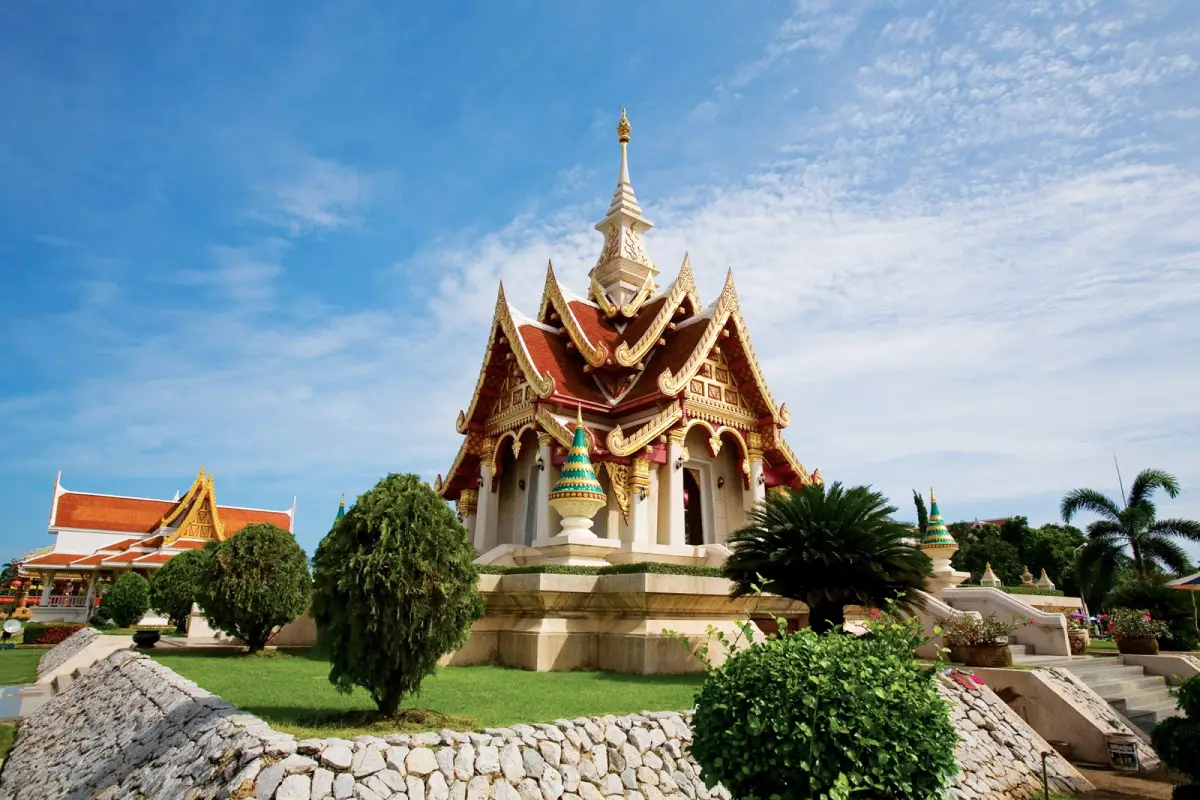
Udon Thani City Pillar Shrine
Open Days: Daily
Opening Hours: 06.00 – 18.00
Udon Thani City Pillar Shrine, also known in Thai as San Lak Mueang Udon Thani or Chao Pho Lak Mueang Udon Thani Shrine, is one of the most important spiritual landmarks in Udon Thani Province. Located in Mak Khaeng Subdistrict, Mueang Udon Thani District, near Thung Si Mueang and the provincial government area, the shrine serves as a symbolic and spiritual center of the city. Local residents and visitors come here to pay respect, pray for protection, ask for good fortune, and begin their journey in Udon Thani with a sense of blessing and peace. Within the same compound, visitors can also pay respect to three important sacred presences: the city pillar, Luang Pho Phra Phuttha Pho Thong, and Thao Wessuwan.
For travelers who want to understand Udon Thani beyond markets, shopping centers, restaurants, and transport hubs, the City Pillar Shrine is one of the best places to begin. A city pillar shrine in Thai culture is not simply a religious building. It represents the spiritual foundation of a city, the protection of the community, and the symbolic connection between the land, the people, and the historical identity of the province. This makes Udon Thani City Pillar Shrine an essential stop for visitors interested in Thai beliefs, local history, and the cultural meaning of provincial capitals in Thailand.
The shrine is closely connected with the history of Udon Thani and with Prince Prajak Silpakom, officially known as Major General Prince Prajak Silpakom, a royal figure widely remembered as the founder of Udon Thani. In 1893, he played a decisive role in establishing and organizing the settlement that later developed into Udon Thani city. Because of this historical connection, the spirit of Prince Prajak Silpakom was ceremonially invited to reside at the city pillar, allowing local people to remember his contribution and pay respect to the founder of the province.
The first Udon Thani City Pillar Shrine was built in 1959, at a time when the city was growing into an important administrative and economic center in northeastern Thailand. The establishment of the shrine gave the city a formal spiritual anchor and created a place where residents could gather for worship and blessing. The original city pillar was made from golden shower tree wood, known in Thai as mai khun. The pillar was more than 5 meters long and was buried about 3 meters into the ground. Beneath its base, sacred yantra sheets, gems, silver, gold, and auspicious objects were placed to strengthen the city’s symbolic foundation.
The golden shower tree has a strong auspicious meaning in Thai culture. The Thai word “khun” carries a sense of increase, growth, and multiplication. When this wood was chosen for the city pillar, it symbolized prosperity, stability, and the continued growth of Udon Thani. The deep placement of the pillar into the earth also reflects a traditional belief that the city must be spiritually rooted in the land. The city pillar therefore functions as both a sacred object and a symbolic foundation of the province.
Over time, the original shrine deteriorated, and a new shrine building was constructed in 1999. The new building gave the site a more dignified and suitable appearance as the official city pillar shrine of Udon Thani Province. Its architecture follows an applied Thai style with northeastern Thai artistic influence. The roofline, decorative details, and overall balance of the structure create a sense of dignity, order, and sacredness. The building is not overly large, but it is visually elegant and clearly designed to serve as a spiritual landmark for the province.
The heart of the shrine is the city pillar itself. Visitors usually enter the shrine building to pay respect, pray quietly, and make offerings. Prayers at the city pillar often focus on stability, safe travel, successful beginnings, protection, career progress, business security, and family well-being. Many Udon Thani residents visit the shrine before starting something important, such as a new job, a business opening, a long journey, or a major life decision. For visitors, this is a meaningful way to understand how Thai people connect sacred places with daily life.
Luang Pho Phra Phuttha Pho Thong is another important sacred presence within the compound. Paying respect to this Buddha image gives visitors a Buddhist dimension to the experience. Many people begin by worshipping the Buddha image to calm the mind and set a peaceful intention. They then proceed to the city pillar and Thao Wessuwan. This order of worship allows visitors to experience the shrine compound respectfully and gradually, moving from Buddhist reverence to city guardian belief and protective deity worship.
Thao Wessuwan is one of the most striking sacred figures at Udon Thani City Pillar Shrine. In Thai belief, Thao Wessuwan is one of the Four Heavenly Kings and is associated with protection, authority, and the guardianship of the northern direction. He is widely respected as a guardian figure who helps protect people from danger, misfortune, and negative forces. At Udon Thani City Pillar Shrine, visitors often pray to Thao Wessuwan for protection, strength, confidence, and success. His presence makes the shrine especially meaningful for those seeking a sense of spiritual security.
One of the distinctive qualities of Udon Thani City Pillar Shrine is that it brings together three different layers of sacred meaning in one place. The city pillar represents the stability of the city. Luang Pho Phra Phuttha Pho Thong represents Buddhist peace and merit. Thao Wessuwan represents protection and spiritual strength. For this reason, a visit to the shrine is not only a short sightseeing stop, but also a compact introduction to Thai spiritual culture and local identity.
The location of the shrine is also important. It stands near Thung Si Mueang, one of Udon Thani’s key public spaces and ceremonial grounds. It is also close to provincial government buildings and major roads in the city center. This location places the shrine at a symbolic crossroads of administration, public life, ceremony, and local faith. Visitors who walk around the area can clearly see how the shrine connects with the civic and cultural heart of Udon Thani.
The atmosphere of Udon Thani City Pillar Shrine is usually calm and respectful. Early morning is one of the best times to visit because the air is cooler, the area is less crowded, and the light gives the building a peaceful appearance. Late afternoon is also suitable, especially for travelers who want to combine the shrine with nearby walks around Thung Si Mueang or Nong Prajak Public Park. A short visit can take about 15 to 30 minutes, but travelers who want to take photographs, observe the architecture, and explore the surrounding area should allow around 45 minutes to 1 hour.
The most important annual ceremony at Udon Thani City Pillar Shrine is held on 29 January. This date marks the official opening anniversary of the current shrine building. The annual event includes Buddhist rites, a formal offering ceremony, worship of the sacred city guardians, and a ceremonial dance performed by local participants around the shrine area. This ceremony shows the pride of Udon Thani people and reflects the shrine’s role as a spiritual center of the province.
The annual worship ceremony is not merely a formal event. It is a living expression of collective memory. Government agencies, local organizations, community groups, and residents take part in the event to honor the sacred protectors of the city. The ceremonial dance gives the shrine area a strong cultural character, linking public devotion with northeastern Thai identity. Travelers who are interested in local culture should remember 29 January as the most meaningful time of year to experience the shrine’s ceremonial atmosphere.
Architecturally, the shrine is elegant and compact. Its applied Thai design combines formal sacred architecture with local northeastern artistic elements. The building’s symmetrical form expresses stability, while its decorative details create a refined and dignified appearance. The shrine is also photogenic from the outside, especially in clear morning or late afternoon light. Visitors should photograph respectfully and avoid interrupting people who are praying.
Visitors should dress politely when entering the shrine. Although it is not a Buddhist temple in the strict sense, it is a sacred place where people come to pray. Clothing should cover shoulders and knees, and visitors should remove shoes before entering the main shrine hall when required. Inside the compound, speak softly, do not block the path of worshippers, do not step over offerings, and do not touch sacred objects unnecessarily. These simple practices help maintain the dignity of the place.
Worship at the shrine can be done simply. Many visitors begin by paying respect to Luang Pho Phra Phuttha Pho Thong, then move to the city pillar, and finally pay respect to Thao Wessuwan. Offerings may include flowers, incense, candles, garlands, or other items available at the site. The most important part is to behave respectfully and pray with a calm mind. Visitors who are not familiar with Thai rituals can observe local worshippers and follow the basic etiquette quietly.
Udon Thani City Pillar Shrine is suitable for many types of travelers. History-focused visitors can learn about Prince Prajak Silpakom and the founding of Udon Thani. Culture-focused travelers can observe local beliefs and worship practices. Families can use the visit to introduce children to Thai civic and spiritual traditions. Travelers with limited time can include the shrine as a short but meaningful stop before exploring other places in the city center.
The shrine’s central location makes route planning easy. Visitors can combine it with Wat Matchimawat, Wat Phothisomphon, Nong Prajak Public Park, the Monument of Prince Prajak Silpakom, and Udon Thani City Museum. A relaxed morning route can begin at the City Pillar Shrine, continue to a nearby temple or museum, and end with a meal at a local restaurant. This makes the shrine a practical starting point for understanding Udon Thani’s spiritual, historical, and civic landscape.
Getting There is convenient because the shrine is located in the city center. From Udon Thani Railway Station, Central Udon, or most downtown hotels, visitors can reach the shrine by tuk-tuk, local taxi, songthaew, ride-hailing service, or private car. Drivers can be shown the Thai name “ศาลหลักเมืองอุดรธานี” or asked to go to Thung Si Mueang in Mak Khaeng Subdistrict. Travelers staying near Nong Prajak Public Park or Thung Si Mueang may also walk to the shrine, although midday heat should be considered.
There is no admission fee for general visitors. Donations and offerings are voluntary. Travelers who want to offer flowers, incense, candles, or garlands should prepare small cash. Visitors should place offerings neatly in designated areas and avoid blocking walkways or worship spaces. The shrine is a working place of devotion, so respect for local worshippers should guide every part of the visit.
The main areas of the shrine compound include the city pillar hall, the area of Luang Pho Phra Phuttha Pho Thong, the Thao Wessuwan statue, and the surrounding worship courtyard. The city pillar hall is the main spiritual focus. The Buddha image area provides a Buddhist point of worship. The Thao Wessuwan area is especially popular with visitors seeking protection and strength. The courtyard supports daily worship and larger ceremonies on important dates.
From a cultural travel perspective, Udon Thani City Pillar Shrine is small but deeply meaningful. It explains several important aspects of the province at once: the founding of Udon Thani, the memory of Prince Prajak Silpakom, the role of the city pillar in Thai belief, the protective symbolism of Thao Wessuwan, and the blend of Thai and northeastern architectural expression. Travelers who take time to observe the site will understand Udon Thani more deeply than those who see the city only as a transport or commercial hub.
The shrine is also a good starting point for a sacred-city route in Udon Thani. After paying respect at the City Pillar Shrine, visitors can continue to Wat Phothisomphon, Wat Matchimawat, Chao Pu-Ya Shrine, the Thai-Chinese Cultural Center, and the Monument of Prince Prajak Silpakom. This route presents Buddhism, Thai-Chinese belief, civic spirituality, and local history within a relatively compact area of the city.
For foreign travelers, Udon Thani City Pillar Shrine offers a clear introduction to an important Thai cultural concept. Many Thai provincial capitals have a city pillar shrine, and these shrines symbolize the founding and spiritual protection of the city. Visiting Udon Thani City Pillar Shrine helps international visitors understand how Thai communities connect place, history, sacred guardians, and public identity. Even visitors who do not share the belief can appreciate the shrine through respectful observation and cultural awareness.
Udon Thani City Pillar Shrine deserves a place in any Udon Thani itinerary, especially for travelers who want to begin their trip with a meaningful local experience. The visit does not require a long time, but it gives strong insight into the city’s identity. When combined with nearby attractions, local restaurants, and downtown accommodation, the shrine helps make a trip to Udon Thani more complete, connecting faith, history, culture, and practical travel in one accessible location.
| Name | Udon Thani City Pillar Shrine / San Lak Mueang Udon Thani |
| Location | Mak Khaeng Subdistrict, Mueang Udon Thani District, Udon Thani Province |
| Address | Thung Si Mueang area, near Udon Thani Provincial Hall, Mak Khaeng Subdistrict, Mueang Udon Thani District, Udon Thani 41000, Thailand |
| Coordinates | 17.413497, 102.787601 |
| Highlights | Main city pillar shrine of Udon Thani Province and a spiritual center where visitors can pay respect to the city pillar, Luang Pho Phra Phuttha Pho Thong, and Thao Wessuwan in one compound |
| History | First built in 1959. The spirit of Prince Prajak Silpakom, founder of Udon Thani in 1893, was invited to reside at the city pillar. The current shrine building was constructed in 1999. |
| Importance | A symbolic foundation of Udon Thani and a sacred place where residents and travelers pray for stability, safety, protection, and good fortune |
| Distinctive Features | Applied Thai architecture with northeastern Thai artistic influence. The city pillar is made from golden shower tree wood, more than 5 meters long and buried about 3 meters underground, with sacred yantra sheets, gems, silver, gold, and auspicious objects placed beneath the base. |
| Main Sacred Objects | Udon Thani City Pillar Luang Pho Phra Phuttha Pho Thong Thao Wessuwan |
| Travel Information | From Udon Thani Railway Station, Central Udon, or downtown hotels, visitors can travel by tuk-tuk, local taxi, songthaew, ride-hailing service, or private car to Thung Si Mueang in Mak Khaeng Subdistrict. |
| Current Status | Open for worship and cultural visits as the main city pillar shrine of Udon Thani Province |
| Open Days | Daily |
| Opening Hours | 06.00 – 18.00 |
| Fees | No admission fee |
| Facilities | Worship area, offering area, surrounding courtyard, waiting space, and nearby public parking depending on local traffic conditions |
| Main Areas / Zones | City pillar hall and city pillar Luang Pho Phra Phuttha Pho Thong worship area Thao Wessuwan worship area Courtyard and surrounding walkway |
| Main Tradition | Annual worship and offering ceremony for Udon Thani City Pillar Shrine on 29 January, including Buddhist rites, ceremonial offerings, and a local worship dance around the shrine compound |
| Caretaker | Committee of the Foundation for the Maintenance of Udon Thani City Pillar Shrine, together with local authorities and community members |
| Main Contact Number | 0-4224-8589 |
| Nearby Tourist Attractions | 1. Thung Si Mueang, about 0.1 km 2. Wat Matchimawat, about 0.4 km 3. Nong Prajak Public Park, about 0.9 km 4. Wat Phothisomphon, about 1 km 5. Monument of Prince Prajak Silpakom, about 1.6 km |
| Nearby Restaurants | 1. Porn Namnueng, about 0.4 km, Tel. 042-230-455 2. Madam Pahtehh, about 1 km, Tel. 042-119-669 3. Maeya Restaurant, about 1.2 km, Tel. 042-223-889, 042-221-590 4. VT Namnueng Posri Branch, about 1.5 km, Tel. 042-219-555 5. Good Everything, about 2 km, Tel. 042-245-544 |
| Nearby Accommodations | 1. Civilize Hotel Udon Thani, about 0.8 km, Tel. 081-465-4477 2. VELA Dhi Udon Thani, about 1.3 km, Tel. 042-219-219, 064-327-9564 3. The Pannarai Hotel, about 2 km, Tel. 042-345-111, 042-344-999 4. Thanburi Hotel, about 2 km, Tel. 091-021-3642 5. Centara Udon, about 5 km, Tel. 042-343-555 |
Frequently Asked Questions (FAQ)
Q: Where is Udon Thani City Pillar Shrine located?
A: Udon Thani City Pillar Shrine is located in the Thung Si Mueang area, Mak Khaeng Subdistrict, Mueang Udon Thani District, near Udon Thani Provincial Hall.
Q: What are the opening hours of Udon Thani City Pillar Shrine?
A: The shrine is open daily from 06.00 to 18.00.
Q: Is there an admission fee?
A: No. There is no admission fee. Visitors may make voluntary donations or offerings according to personal faith.
Q: What sacred objects can visitors worship at the shrine?
A: Visitors can pay respect to the Udon Thani City Pillar, Luang Pho Phra Phuttha Pho Thong, and Thao Wessuwan within the same compound.
Q: When was Udon Thani City Pillar Shrine built?
A: The original shrine was built in 1959, and the current shrine building was constructed in 1999.
Q: When is the main annual ceremony held?
A: The main annual ceremony is held on 29 January every year. It includes Buddhist rites, ceremonial offerings, and a local worship dance for the sacred guardians of the city.
Q: How can visitors get to Udon Thani City Pillar Shrine?
A: From Udon Thani Railway Station, Central Udon, or downtown hotels, visitors can travel by tuk-tuk, local taxi, songthaew, ride-hailing service, or private car to Thung Si Mueang in Mak Khaeng Subdistrict.
Q: What nearby attractions can be combined with the shrine?
A: Visitors can combine the shrine with Thung Si Mueang, Wat Matchimawat, Nong Prajak Public Park, Wat Phothisomphon, and the Monument of Prince Prajak Silpakom.
 Category: ●Places of Worship
 Group: ●Other Sacred Sites
Last Update : 1 MonthAgo
 Last Update : 1 MonthAgo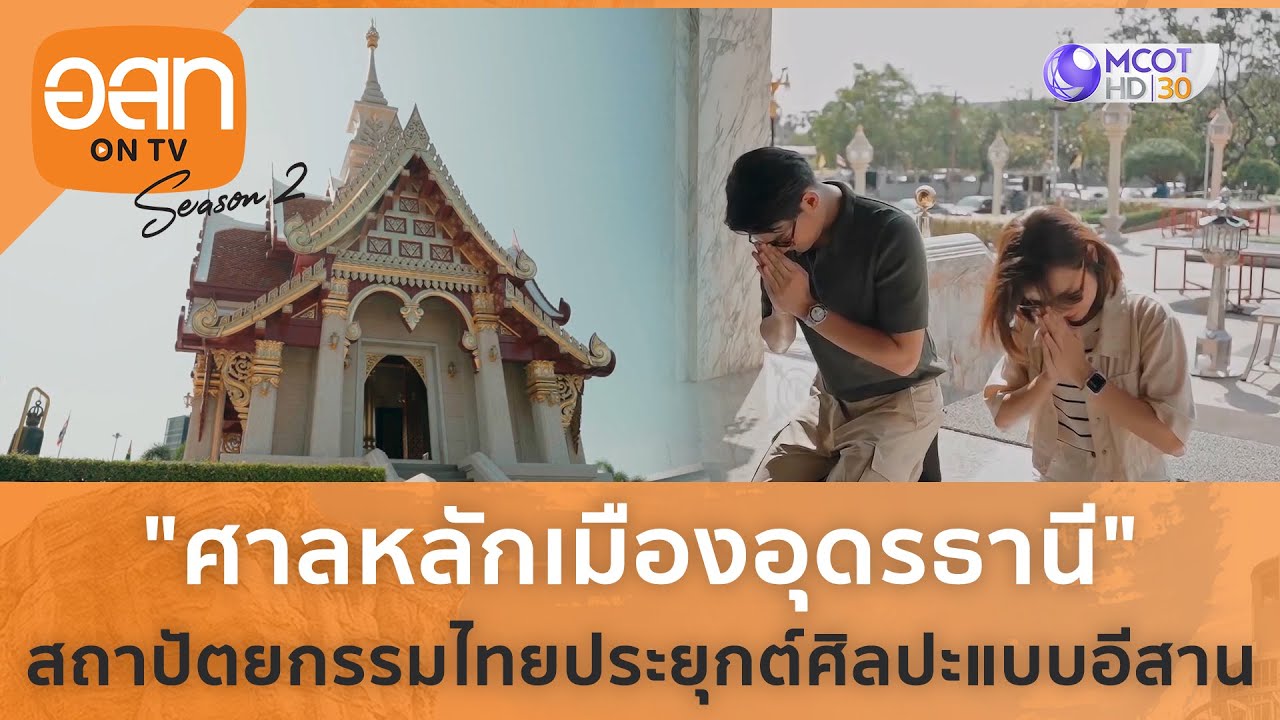
 Click to Access the Navigation Map GPS
Udon Thani City Pillar Shrine Map
Recommend

 Art, Culture and Heritage
 Historical Sites and Monuments(1)
 Landmarks and Memorials(1)
 Art, Craft Centres, Tradition(2)
 Museums(2)
 Temple(21)
Other Sacred Sites(8)
Temple(21)
Other Sacred Sites(8)
 Suburban Living
 Village, Community(3)
 Nature and Wildlife
 National Parks and Marine Reserves(3)
 Mountain (Doi)(1)
 Dam, Reservoir, Lake(8)
 Waterfalls(6)
 Caves(1)
 River, Canal(4)
 Islands(1)
 Other natural attractions(1)
 Entertainment and Agricultural
 Farms, Parks and Ecotourism(3)
 Waterpark(1)
 Shopping
 Shopping and Night Market(1)


