
lovethailand home >South Travel Attractions >Chumphon Travel Attractions >Lang Suan >Bang Nam Chuet > Ko Phitak
TL;DR: Ko Phitak, Chumphon attractions : Nature and Wildlife, Islands.

Ko Phitak
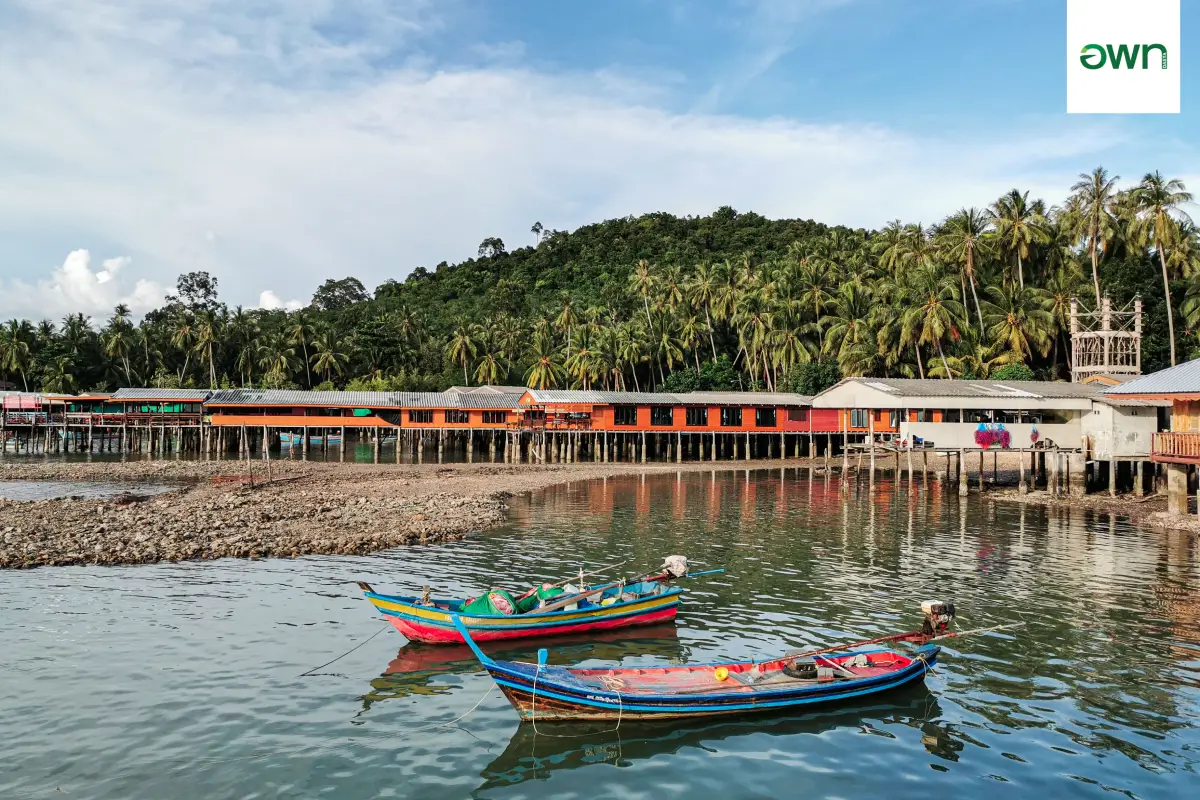
Open Days: Daily, with advance booking recommended for homestays and tide checks required before traveling
Opening Hours: 08.00 – 18.00 for daytime tourism activities; homestay stays follow each host’s booking schedule
Ko Phitak in Chumphon is a small island in the Gulf of Thailand, located in Moo 14, Bang Nam Chuet Subdistrict, Lang Suan District, Chumphon Province. It lies around Ao Thong Krok, about 1 km from the mainland and about 25 km from Lang Suan District Office. The island is one of Chumphon’s best-known community-based tourism destinations, offering clear seawater, attractive rock formations, a small sandy beach, a fishing village, waterfront homestays, traditional fishing life, a hilltop viewpoint, and a low-tide crossing that allows visitors to walk from the mainland to the island at the right time.
Ko Phitak was formerly known as Ko Phi Thak, a name connected with a local legend. Fishermen once saw what appeared to be people on the island waving to them. When they brought their boat closer, no one was found on the island. Local people therefore called it Ko Phi Thak. Later, when villagers began settling on the island and living there as a fishing community, the name was changed to Ko Phitak for good fortune. The new name preserves the memory of the old name while giving it a more auspicious meaning.
The charm of Ko Phitak comes from the fact that it is a real fishing village, not an island built only for tourism. Many houses are wooden or raised waterfront homes, with walkways through the community, small fishing boats in front of the houses, traditional fishing gear, coconut groves, and a daily rhythm shaped by the sea. Visitors who stay in a homestay do not only see a sea view; they experience a living coastal community where the tide, fishing, food, and local hospitality are all part of the journey.
Ko Phitak covers about 712 rai and is home to a small fishing community. Local livelihoods include small-scale fishing, squid traps, crab nets, small fishing boats, mussel farming, and coconut cultivation. This gives the island a very different atmosphere from resort islands. Visitors can learn that the sea is not only a place for relaxation, but also the source of food, income, tradition, and identity for the people who live there.
One of Ko Phitak’s most memorable features is the low-tide crossing. When the sea level drops, a shallow sandy route appears between Ao Krok pier and the island. Visitors can walk across during the correct tide window, taking about 15 minutes depending on the water level and condition of the sand. This natural phenomenon is also connected with the local “Run Across the Sea to Ko Phitak” event, which reflects the close relationship between the island, the tide, and the coastal community.
Walking across the sea route is interesting, but it requires care. Visitors must check the low-tide timing, ask local people before crossing, and leave enough time to return before the tide rises. Do not cross when the sky is getting dark, during heavy rain, in strong wind, or when the route is not clearly visible. If the water level is high or conditions are uncertain, take a local long-tail boat instead. A good Ko Phitak trip depends not only on distance, but on respecting the rhythm of the sea.
Ko Phitak has beautiful rocks, clear water, and a small sandy beach on the eastern side of the island. The rear side of the island has a viewpoint about 200 metres high, offering views over the island, fishing village, mainland coast, and surrounding sea. From this viewpoint, visitors can see that Ko Phitak is not just a small island near shore, but part of a wider Lang Suan coastal landscape that includes the bay, the pier, local communities, and nearby islands.
Walking around Ko Phitak is one of the best ways to experience the island slowly. The community has walking paths where visitors can see local homes, fishing life, rock formations, the beach, and sea views within a few hours. Staying overnight gives a fuller experience: morning brings fishing activity and soft coastal light, daytime is good for swimming or community activities, evening is for sea breeze and seafood meals, and some nighttime programs may include squid fishing with local fishers.
The heart of Ko Phitak tourism is the homestay experience. The community has provided village-style accommodation for many years and is known as a model of community-based tourism. Visitors stay with local hosts, eat seasonal seafood, learn about fishing life, and relax in simple waterfront homes. Many homestays are raised wooden houses with open decks and sea breeze. The appeal is not luxury, but warm hospitality, fresh food, local knowledge, and a slower island rhythm.
Advance booking is important, especially on weekends and public holidays. Homestay capacity is limited, and each house can accommodate a different number of guests. Booking ahead allows the community to prepare rooms, meals, boat transfers, and activities properly. Travelers should provide the number of guests, travel date, number of nights, food requirements, and any health or mobility needs before arrival.
Activities on Ko Phitak include walking through the village, cycling around the island, kayaking, swimming in safe areas, taking a boat around the island, snorkeling near nearby coral areas, visiting Ko Khram, learning about squid traps and crab nets, eating fresh seafood, and joining seasonal squid-fishing activities. These experiences turn Ko Phitak into more than a seaside stay. It becomes a living classroom for understanding small-scale fishing and coastal conservation.
Community-based conservation is central to Ko Phitak. Visitors should follow the community’s rules: do not leave waste in the sea, do not bring illegal drugs onto the island, do not disturb fishing gear, do not collect shells, coral, giant clams, or marine life, and respect the private areas of local households. Good travel behavior helps protect the environment and preserves the dignity of the community that welcomes visitors.
Snorkeling around Ko Phitak or nearby islands should be done with local supervision because the area includes rocks, shallow water, currents, reef areas, and active fishing zones. Visitors should wear life jackets when required, avoid stepping on coral, avoid touching giant clams, avoid feeding fish, and avoid chasing marine animals. Protecting reef and shellfish habitats is important because these resources support both nature and community-based tourism.
Getting There from Chumphon town is usually by road along Highway 41 toward Lang Suan District, then by local road toward Bang Nam Chuet Subdistrict and Ao Krok pier. From there, visitors take a local long-tail boat for about 1 km to Ko Phitak. During low tide and suitable conditions, visitors may walk across the shallow route to the island, but they must check the tide carefully and return before the water rises.
Travelers arriving by train can get off at Lang Suan Railway Station and continue by local transport to Ao Krok pier or the homestay’s meeting point. Those arriving by bus or van can get off in Lang Suan and arrange pickup with the homestay in advance. Private cars should be parked on the mainland, because the island is not designed for visitor vehicles. Movement on the island is mainly by walking, cycling, or following local paths.
Travel costs should be planned in three parts: boat transfer, homestay or accommodation package, and optional activities such as boat trips, snorkeling, kayaking, or squid fishing. There is no general island admission fee, but boat and homestay prices vary by provider, season, group size, meals, and included activities. Visitors should confirm the current price directly with the homestay or community contact before traveling.
Ko Phitak is best for travelers who want to slow down. A day trip is possible for walking around the island, swimming, and having a meal. However, an overnight stay gives a much deeper experience. Evening and morning on the island are different from daytime visits. Sitting on a wooden deck, listening to the water beneath the house, watching small fishing boats, and eating with local hosts are the experiences that define Ko Phitak.
Safety depends mainly on tide and sea conditions. If walking across, visitors must return before the tide rises and stay on the route recommended by local people. If traveling by boat, follow the boat crew’s instructions and avoid standing while the boat is moving. Do not swim near boat lanes, and do not enter the water at night without local supervision. Although the crossing distance is short, the sea still requires caution.
Ko Phitak is a good photography destination. Good subjects include waterfront homes, wooden piers, long-tail boats, fishing life, the low-tide sand route, the small eastern beach, coastal rocks, and the hilltop viewpoint. Morning is suitable for community scenes and soft sea light. Evening is good for waterfront homestay photos. Low tide is ideal for photographing the natural crossing between the mainland and the island.
Nearby places that fit well into the same trip include Ao Krok pier, Ao Thong Krok, Ko Khram, Pak Nam Lang Suan, Arunothai Beach, the HTMS Chakri Naruebet replica and Prince of Chumphon site at Pak Nam Lang Suan, and Lang Suan town. A two-day, one-night plan works well: stay on Ko Phitak, then explore the mainland coast and seafood restaurants the next day.
Ko Phitak is a small island with value far greater than its size. It offers the legend of Ko Phi Thak, a living fishing village, conservation-based homestays, clear water, a small beach, rock formations, a 200-metre viewpoint, snorkeling, kayaking, squid fishing, and a low-tide sea crossing. With advance planning, tide awareness, respect for local rules, and responsible travel behavior, Ko Phitak becomes one of Chumphon’s most meaningful community-based island experiences.
| Name | Ko Phitak, Chumphon / Ban Ko Phitak |
| Location | Moo 14, Bang Nam Chuet Subdistrict, Lang Suan District, Chumphon Province, Thailand |
| Address | Ban Ko Phitak, Moo 14, Bang Nam Chuet Subdistrict, Lang Suan District, Chumphon 86150, Thailand |
| Coordinates | Approximately 10.05170, 99.18687 |
| Highlights | Small community island with fishing village life, conservation homestays, clear water, a small beach, rock formations, a viewpoint about 200 metres high, and a low-tide crossing from the mainland |
| History / Name Origin | Formerly called Ko Phi Thak, based on a local legend about fishermen seeing someone waving from the island; later renamed Ko Phitak for good fortune |
| Distinctive Features | Small nearshore island with a fishing community, homestays, local paths, an eastern beach, coastal rocks, and a sand route that can be crossed on foot at low tide |
| Main Areas / Zones | Fishing village, waterfront homestays, eastern beach, walking paths, rear viewpoint, rocky shore, and low-tide walking route from Ao Krok pier |
| Current Status | Active community-based tourism and homestay destination; access depends on advance booking, tide level, weather, and local boat availability |
| Open Days | Daily, with advance booking recommended for homestays and tide checks required before traveling |
| Opening Hours | 08.00 – 18.00 for daytime tourism activities; homestay stays follow each host’s booking schedule |
| Fees | No general island admission fee. Boat transfer, homestay, meals, and optional activities are charged by each provider; confirm current prices before traveling |
| Facilities | Community homestays, OTOP shop, toilets, local-style accommodation, seafood meals, community activities, boat transfer, and mainland parking near the pier |
| Caretaker / Coordinator | Ban Ko Phitak community, Ko Phitak homestay group, and local boat operators |
| Main Contact Number | Ko Phitak Homestay Tel. 081-093-1443, 089-018-0644 / Ban Ko Phitak Homestay Tel. 081-093-1443 |
| Standards / Recognition | Community-Based Tourism Standard 2022, SHA 2020, Thai Homestay Standard 2019, and ASEAN Homestay Standard 2019 |
| Travel Information | Travel from Chumphon town to Lang Suan District, then to Bang Nam Chuet Subdistrict and Ao Krok pier. Continue by long-tail boat for about 1 km, or walk across only at low tide with local advice |
| Visitor Guidelines | Check the tide before crossing, do not litter, do not bring illegal drugs onto the island, do not disturb fishing gear, do not collect coral or giant clams, and respect local household privacy |
| Nearby Tourist Attractions | 1. Ao Krok Pier / Ao Thong Krok, about 1 km 2. Ko Khram, about 1 km 3. Eastern Beach Of Ko Phitak, about 1 km 4. Ko Phitak Viewpoint, about 1 km 5. Pak Nam Lang Suan, about 10 km 6. Arunothai Beach, about 10 km 7. HTMS Chakri Naruebet Replica And Prince Of Chumphon Site, Pak Nam Lang Suan, about 11 km |
| Nearby Restaurants | 1. Baan Mai Chai Le Homestay, about 1 km, Tel. 081-606-5595 2. Baan Kong Kang Homestay Ko Phitak, about 1 km, Tel. 084-852-5938 3. Sansai Seafood, about 2 km, Tel. 087-283-2554, 087-267-2515 4. Laem Rio Seafood, about 7 km, Tel. 089-292-3924, 083-393-6958 5. Laem Ya Seafood, about 8 km, Tel. 077-551-665 |
| Nearby Accommodations | 1. Ko Phitak Homestay, about 1 km, Tel. 081-093-1443 2. Baan Phu Yai Homestay Ko Phitak, about 1 km, Tel. 090-139-7121 3. Baan Rim Le Homestay Ko Phitak, about 1 km, Tel. 097-145-3669 4. Baan Sabai Sabai Homestay Ko Phitak, about 1 km, Tel. 094-364-9245 5. Poo Ley Homestay Ko Phitak, about 1 km, Tel. 094-780-0194 6. Baan Mai Chai Le Homestay, about 1 km, Tel. 081-606-5595 |
Frequently Asked Questions (FAQ)
Q: Where is Ko Phitak in Chumphon?
A: Ko Phitak is located in Moo 14, Bang Nam Chuet Subdistrict, Lang Suan District, Chumphon Province, around Ao Thong Krok and about 1 km from the mainland.
Q: What was Ko Phitak’s former name?
A: Ko Phitak was formerly called Ko Phi Thak, based on a local legend about fishermen seeing someone waving from the island. It was later renamed Ko Phitak for good fortune.
Q: Can visitors walk across the sea to Ko Phitak?
A: Yes. Visitors can walk from Ao Krok pier to Ko Phitak during low tide, but they must check tide times, ask local people for advice, and return before the tide rises.
Q: What activities can visitors do on Ko Phitak?
A: Visitors can stay in community homestays, walk or cycle around the island, swim in safe areas, visit the viewpoint, kayak, take boat trips, snorkel, learn about fishing life, and join seasonal squid-fishing activities.
Q: Is there accommodation on Ko Phitak?
A: Yes. Ko Phitak has several community homestays. Advance booking is recommended, especially during weekends and holidays.
Q: Is there an entrance fee for Ko Phitak?
A: There is no general island admission fee. Main costs are boat transfer, homestay packages, meals, and optional activities, which should be confirmed directly with the provider.
Q: Who can visitors contact for Ko Phitak travel information?
A: Visitors can contact Ko Phitak Homestay at 081-093-1443 or 089-018-0644 to confirm accommodation, boat transfer, tide conditions, and current travel arrangements.
Q: What should visitors be careful about on Ko Phitak?
A: Visitors should pay attention to tide changes, avoid bringing illegal drugs onto the island, avoid littering, respect fishing gear and private homes, and follow local community rules.
 Category: ●Nature and Wildlife
 Group: ●Islands
Last Update : 1 MonthAgo
 Last Update : 1 MonthAgo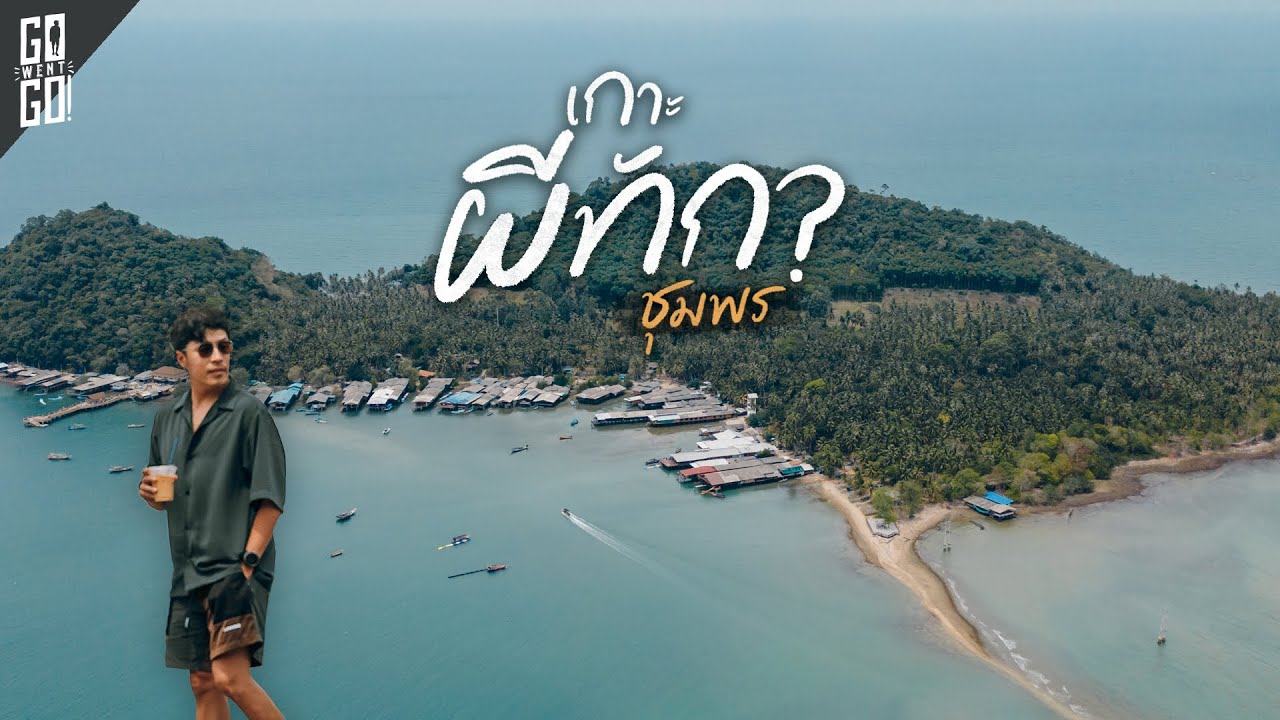
 Click to Access the Navigation Map GPS
Ko Phitak Map
Gellery
Recommend

 Art, Culture and Heritage
 Historical Sites and Monuments(1)
 Landmarks and Memorials(2)
 Art, Craft Centres, Tradition(3)
 Museums(2)
 Educational Places
 Educational Gardens, Farm(1)
 Places of Worship
 Temple(31)
 Other Sacred Sites(9)
 Research and Development
 Royal Project(1)
 Suburban Living
 Village, Community(5)
 Local Market(1)
 National Parks and Marine Reserves(7)
 Mountain (Doi)(5)
 Dam, Reservoir, Lake(1)
 Waterfalls(26)
 Hot Springs(1)
 Caves(21)
 River, Canal(7)
 Bays and Beaches(30)
Islands(13)
Bays and Beaches(30)
Islands(13)
 Other natural attractions(7)
 Entertainment and Agricultural
 Farms, Parks and Ecotourism(3)
 Outdoor and Adventure Activities(4)
 Shopping
 Shopping and Night Market(1)


