
TL;DR: Suburban Living of South in Chumphon
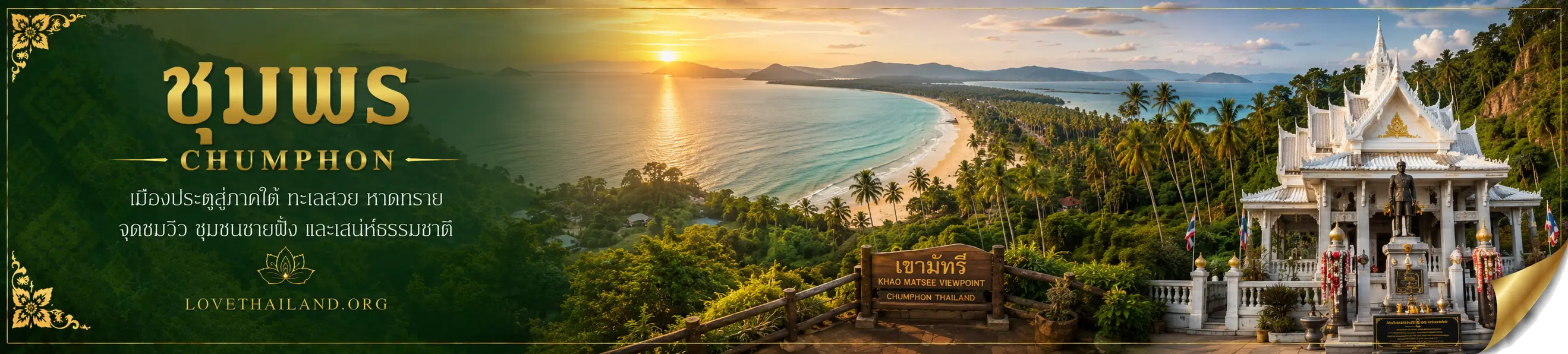

Suburban Living
Lifestyle is a way of living reflected through patterns of thought, the use of time, work, consumption, leisure, social interaction, clothing, and the decisions made by individuals or communities. When these behaviors are repeated until they become a pattern, they take shape as what we call “lifestyle.” This is not merely a personal matter, but something closely connected with family, society, the economy, culture, technology, and the environment.
In a broad sense, lifestyle is not simply about daily routines such as what time a person wakes up, what kind of work they do, or how they relax. It also includes attitudes, values, tastes, beliefs, and each person’s worldview. People who value stability may organize their lives carefully, emphasize saving money, spend rationally, and consistently plan for the future. Another group of people may place greater importance on freedom, new experiences, and self-expression, so they choose a more flexible way of life, enjoy traveling, try new things, and invest in activities that make life more colorful.
When examined more deeply, it becomes clear that lifestyle is the sum of visible behavior and inner values. The visible side may include the way a person dresses, how they spend money, the places they choose to eat, the amount of time they spend with family, their working style, or their leisure activities. The inner side consists of the beliefs and attitudes that drive those choices, such as beliefs about success, sufficiency, convenience, sustainability, modernity, or attachment to one’s cultural roots. Therefore, when we speak about lifestyle, we are talking about both “what people do” and “why they choose to do it” at the same time.
The main components of lifestyle usually consist of several interconnected dimensions. The first is social interaction, meaning how individuals relate to others and how much time they spend with family, friends, or the community. The second is consumption, which does not refer only to buying products but also to the choice of food, media, technology, services, and experiences. The third is work and time use, meaning how much importance people place on work, career advancement, income, or life balance. The fourth is rest and entertainment, such as travel, sports, films, music, outdoor activities, or simply staying at home peacefully. The final dimension is self-expression through clothing, language, online lifestyle, and the choice of environments that reflect one’s identity.
For this reason, lifestyle is closely connected to the concept of identity. Many people use their way of life to communicate who they are without saying it directly. For example, a person who chooses to cycle to work, carries a reusable cup, sorts waste, and reduces plastic use is signaling environmental values. A person who supports local products, enjoys regional food, and travels to community-based destinations is reflecting an identity linked to culture and sustainability. Meanwhile, someone who constantly follows new technologies, can work from anywhere, and lives through digital platforms may reflect the lifestyle of a modern urban person who values speed and flexibility.
However, lifestyle does not arise solely from personal freedom. It is also shaped by social conditions. People differ in economic status, education, age, profession, hometown, and life opportunities. These factors directly influence their choices. People in large cities may have easy access to public transportation, 24-hour shops, co-working spaces, and digital services, which leads to a fast-paced lifestyle focused on convenience. In contrast, many people in rural communities remain closely tied to the seasons, nature, kinship networks, and community activities, resulting in a very different rhythm of life.
From a cultural perspective, lifestyle is what gives each society its own distinct identity. In Thailand, there is no single lifestyle. It changes according to geography, climate, resources, beliefs, and the history of each region. Thai people in different regions therefore have different ways of living, eating, working, and building relationships within their communities. These differences are not only about “accent” or “food,” but about daily life structures shaped by real environments.
Northern Thailand often reflects a lifestyle closely connected to mountains, a cooler climate, and communities deeply rooted in Lanna culture. Houses, food, language, merit-making traditions, and customs all express a strong relationship with community life and religion. The lifestyle of many people in the North still emphasizes simplicity, gentleness, living in harmony with nature, and maintaining close family ties. Even though tourist cities such as Chiang Mai and Chiang Rai have changed rapidly through the growth of the creative economy and tourism, the core of Northern lifestyle remains deeply tied to arts, handicrafts, local food, and a pace of life that is generally less rushed than in major metropolitan areas.
Northeastern Thailand clearly demonstrates the strength of community-based living. Many people grow up within kinship structures, mutual support systems, and strong ties to local traditions. The Northeastern lifestyle is closely linked to agriculture, seasons, merit-making festivals, and the efficient use of resources. Northeastern food reflects adaptation to local climate and resources very clearly. At the same time, the Northeast is also a region where many people migrate for work to larger cities, creating a “dual-base” lifestyle that combines roots in the original community with new urban experiences. The blending of these two worlds has brought major change to the region while still preserving its strong sense of community.
Central Thailand is an area where lifestyle has long been connected to river basins, trade, transportation, and the influence of political centers. In the past, riverside communities, markets, and agricultural areas formed the foundation of daily life. People once lived in harmony with rivers and canals in terms of travel, trade, and livelihood. As cities expanded, many parts of Central Thailand developed into a semi-urban, semi-rural way of life. Traditional community roots remain, but they now coexist with strong influences from the modern economy. As a result, people in Central Thailand often have a flexible and adaptable lifestyle, closely tied to services, education, trade, and industry.
Southern Thailand has a lifestyle strongly connected to the sea, fishing, rubber plantations, fruit orchards, and remarkable cultural diversity. Many areas are located near the coast or have long been linked with trade and maritime travel, making people familiar with cultural exchange in language, food, and customs among different ethnic groups. Southern lifestyle is therefore strong, dynamic, and culturally intense, visible in its food, language, and daily way of life. At the same time, many Southern communities remain deeply connected to religion, traditions, and kinship networks. This means that although tourism has grown significantly, everyday life in the South still has deep roots in local communities and natural resources.
Eastern Thailand clearly reflects lifestyle transition because it contains agricultural communities, fishing communities, tourist cities, and industrial zones all at once. In some provinces, people still live close to the sea or fruit orchards, while many others work in factories, logistics, and the modern economy. The lifestyle of Eastern Thailand is therefore a picture of diversity and high adaptability, combining both traditional community life and rapidly expanding urban lifestyles. This has led to continuous changes in consumption patterns, housing, and work according to economic structures.
Western Thailand has a lifestyle connected to mountains, forests, rivers, border areas, and trade routes between regions. Some communities are based on agriculture, while others are connected to nature and cultural tourism. Lifestyle here therefore contains both the rural dimension, where local relationships remain strong, and the dimension of openness to outsiders. Western Thailand is also an area that reflects the coexistence of many cultural groups, resulting in rich diversity in food, language, traditions, and ways of life.
In Bangkok and other large cities, lifestyle is often driven by time, competition, travel, multitasking work, and digital connectivity. Many people manage their lives through smartphones, from work and ordering food to booking services, traveling, and entertainment. This creates a lifestyle focused on efficiency, speed, and adaptability. On the other hand, urban life also brings stress, high living costs, limited personal space, and weaker forms of social connection. As a result, many younger people are beginning to look for alternative lifestyles, such as flexible work arrangements, moving away from big cities, minimal living, or returning to a quieter and more meaningful way of life rather than pursuing speed alone.
In modern society, one of the most important issues linked to lifestyle is consumer behavior. What people choose to buy, use, and support becomes a social language that communicates who they are. For example, people who prefer organic products may want to reflect concern for health and the environment. Those who favor luxury brands may wish to project success and status. People who regularly use streaming services, play games, or spend time in cafes may be building an urban lifestyle centered more on experiences than on possessions. Therefore, consumption today is not only about meeting basic needs, but also about constructing identity and signaling one’s place in society.
One concept frequently discussed today is the green lifestyle, or a way of living that pays attention to the environment. This idea is not limited to planting trees or carrying reusable bags. It covers everything from how people choose food, products, and transportation to how they manage waste and energy in daily life. Those who follow this lifestyle usually try to reduce unnecessary resource use, reduce waste, and make decisions based more on sustainability. Green lifestyle is therefore a clear example of how beliefs and actions can merge into a genuine lifestyle. It also shows that the way modern people live is increasingly connected to global issues such as the environment, climate, and social responsibility.
At the same time, technology has transformed people’s lifestyles in profound ways. Remote work, online meetings, shopping through apps, learning via digital platforms, and the use of social media in daily life have blurred the boundaries between working time, personal time, and social time. Many people can now work from home, but they may also find it harder to truly rest because they remain constantly connected. Many people have greater access to information and entertainment, but they also face more pressure from comparing themselves with others. The digital lifestyle therefore offers both convenience and new opportunities, while also creating challenges related to mental fatigue, life balance, and the quality of human relationships.
From a social perspective, lifestyle is also an important indicator of national change. If a society faces high living costs, people may adopt more cautious spending habits. If cities expand rapidly, fast-paced and service-oriented lifestyles are likely to grow. If younger generations place greater importance on mental health, flexibility, and meaning in life, patterns of work, leisure, and consumption will gradually shift as well. For this reason, the study of lifestyle is not only about individual people, but also about understanding society, the economy, and culture at the same time.
In present-day Thailand, the image of lifestyle is layered and complex. Some parts of society still firmly maintain ties to community, family, and tradition, while other parts move increasingly toward urban life, technology, service-sector work, and modern consumption. Many people do not belong to only one fixed lifestyle, but instead combine several. For example, they may work like city dwellers while returning to their home provinces during festivals to reconnect with their roots. They may shop online but still prefer local food. They may prioritize career but also try to protect health and family balance. These patterns make contemporary Thai lifestyle more flexible and diverse than ever before.
In the clearest sense, lifestyle is the overall way people live and the meaning they give to that life. It reflects both inner identity and external conditions, both personal beliefs and social pressures, both inherited culture and new forms of change. Understanding lifestyle therefore helps us understand people, society, and Thailand more deeply, because every choice in eating, living, working, resting, and using resources is a language that tells us who we are, what kind of society we live in, and what sort of future we are moving toward.
| Topic | Summary |
| Meaning of Lifestyle | A way of living of an individual or community reflected through behavior, thinking, time use, consumption, social interaction, work, rest, and self-expression until it becomes a daily pattern. |
| Main Components | Social interaction, consumption, work, leisure, rest, clothing, media use, housing choices, health care, and identity expression. |
| What Lifestyle Reflects | Attitudes, values, beliefs, tastes, social status, worldview, openness to technology, and relationships with family and community. |
| Factors That Shape Lifestyle | Income, occupation, age, education, family, community, religion, culture, geography, technology, media, cost of living, economic conditions, and social opportunities. |
| Connection with Identity | Lifestyle communicates identity through clothing, food, product choices, activities, travel, media use, and ways of living such as minimalism, green lifestyle, urban living, or community-based living. |
| Northern Thailand | Known for a lifestyle linked to mountains, Lanna culture, simplicity, community relationships, handicrafts, local traditions, and a relatively gentle pace of life. Even with tourism growth, cultural roots remain strong. |
| Northeastern Thailand | Strongly rooted in community, kinship, merit-making traditions, agriculture, efficient resource use, and high adaptability. It combines traditional local living with new urban influences through labor migration. |
| Central Thailand | Closely tied to river basins, trade, transport, agriculture, and urban expansion. People tend to live flexibly and adapt quickly, combining traditional communities, markets, and the modern economy. |
| Southern Thailand | Connected to the sea, fishing, rubber plantations, fruit orchards, religious diversity, and cultural variety. The lifestyle is dynamic, strong, and deeply rooted in community life while also influenced by trade and tourism. |
| Eastern Thailand | Reflects a transition between agricultural communities, fishing communities, tourist cities, and industrial areas. Its lifestyle is highly diverse, combining traditional local life with modern industrial urban living. |
| Western Thailand | Shaped by mountains, forests, border trade, rivers, and nature tourism. The lifestyle combines agriculture, border commerce, and multicultural coexistence, creating strong social and culinary diversity. |
| Bangkok and Large Cities | A lifestyle driven by time, work, travel, technology, and competition. It emphasizes convenience, speed, and efficiency, but also comes with stress, high living costs, and the challenge of maintaining life balance. |
| Consumer Behavior and Lifestyle | The products, services, food, media, fashion, and experiences people choose all indicate lifestyle, such as health-focused, technology-driven, minimalist, travel-oriented, or eco-conscious living. |
| Green Lifestyle | A way of living that aims to reduce resource use, reduce waste, and consume responsibly, such as cutting plastic use, sorting waste, reusing items, choosing local goods, or supporting environmentally friendly activities. |
| Impact of Technology on Lifestyle | Technology has made work, shopping, communication, and entertainment increasingly digital. It adds convenience, but also causes the boundaries between work and personal life to overlap more than before. |
| Challenges of Contemporary Thai Lifestyle | Rising living costs, difficulty in balancing life, urban competition, community change, the influence of media and technology, environmental issues, and unequal access to opportunities. |
| Conclusion | Lifestyle is the overall pattern of human daily living that reflects identity, values, culture, social structures, and economic conditions. It is therefore a key to understanding both individuals and Thai society as a whole. |
Frequently Asked Questions (FAQ)
Q: What does lifestyle mean?
A: Lifestyle refers to the pattern of living of an individual or community, reflected through behavior, thinking, time use, consumption, work, rest, and social interaction until it becomes a regular daily pattern.
Q: How is lifestyle different from habit?
A: A habit usually refers to a personal characteristic, such as punctuality or carefulness. Lifestyle is broader because it includes habits, values, ways of living, and behaviors connected to the surrounding society.
Q: How is consumer behavior related to lifestyle?
A: The choice of products, food, services, or media is part of lifestyle because it reflects taste, values, social status, and the way a person wants to present themselves to others.
Q: Why do lifestyles differ across regions of Thailand?
A: Because each region has different geography, climate, resources, economies, histories, and cultures. These factors influence occupations, food, traditions, time use, and forms of community relationships.
Q: Can lifestyle really reflect a person’s identity?
A: Yes. The things people choose to do in daily life, such as how they dress, eat, travel, use media, and select activities, reveal what they value and how they see themselves.
Q: What is a green lifestyle?
A: A green lifestyle is a way of living that pays attention to the environment by reducing unnecessary resource use, minimizing waste, and consuming responsibly, such as reusing items, reducing plastic, sorting waste, and supporting eco-friendly products.
Q: How has technology changed Thai lifestyles?
A: Technology has made work, trade, communication, and entertainment more digital. It has made life more convenient, but it has also increased the pace of life, constant connectivity, and challenges in maintaining life balance.
Q: How is urban lifestyle different from rural lifestyle?
A: Urban people often live according to time schedules, work demands, travel, and fast services. Many rural people remain more connected to community, nature, the seasons, and kinship, resulting in a different pace and structure of everyday life.
Q: Why is understanding lifestyle important?
A: Because understanding lifestyle helps us understand individuals, communities, and society as a whole. It reveals beliefs, values, problems, and social changes, and it is also an important foundation for studying society, culture, marketing, and consumer behavior.

 Village, Community(
 Local Market(


