
lovethailand home >Central Travel Attractions >Bangkok Travel Attractions >Nong Chok >Nong Chok > Mahanakorn University of Technology (MUT)
TL;DR: Mahanakorn University of Technology (MUT) is located at Krathum Rai, Nong Chok, Bangkok, Thailand., known in Thai as มหาวิทยาลัยเทคโนโลยีมหานคร, is a private university specializing in engineering, science, technology, and professional.

Mahanakorn University of Technology (MUT)
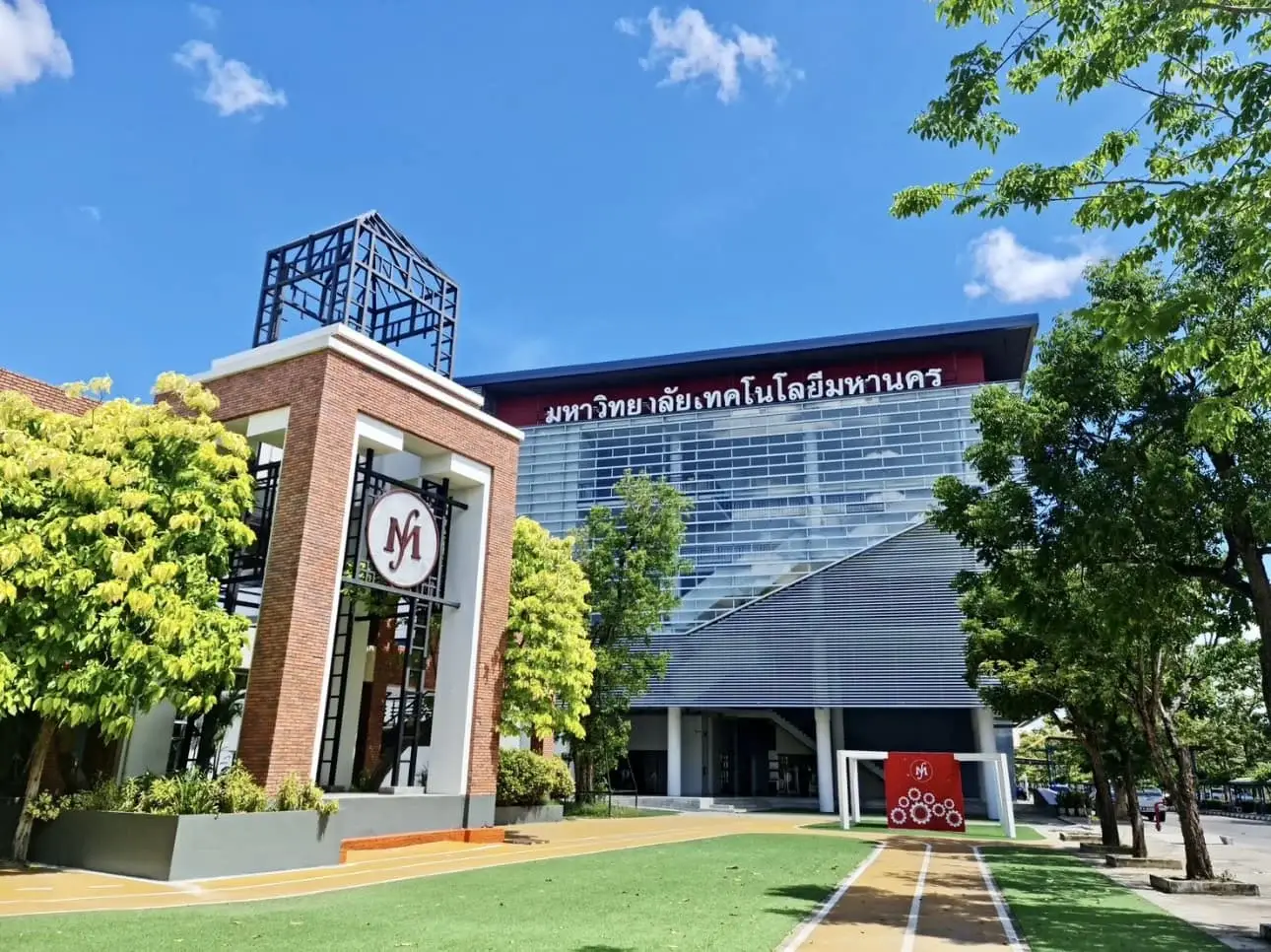
Central Administration Office Days: Monday – Saturday
Central Administration Office Hours: 9:00 AM – 5:00 PM
Mahanakorn University of Technology (MUT), known in Thai as มหาวิทยาลัยเทคโนโลยีมหานคร, is a private university specializing in engineering, science, technology, and professional education. Located at 140 Chueam Samphan Road, Krathum Rai, Nong Chok, Bangkok 10530, Thailand, the institution was founded in 1990 as Mahanakorn College and attained university status in 1994. Professor Dr. Sittichai Pookaiyaudom was its founder and first rector. The university has developed expertise in engineering education, electronics research, telecommunications, space technology, veterinary medicine, and business administration. In 2026, its academic structure centers on three main faculties: Engineering and Technology, Business Administration, and Veterinary Medicine, supported by an international college and specialized learning centers. Associate Professor Dr. Phanwee Phokai-udom serves as University President. The institution's philosophy, “Knowledge Is Power,” continues to guide its mission of preparing graduates to apply their expertise to technological, economic, and social development.
Mahanakorn University of Technology distinguishes itself through a long-standing commitment to engineering and technological education. Since its establishment, the university has emphasized scientific fundamentals, analytical thinking, experimentation, design, and the ability to solve problems in real working environments. Students are encouraged to connect theoretical knowledge with practical projects, laboratory work, and industry-oriented experience. Specialized equipment, research facilities, and academic cooperation with organizations in Thailand and abroad contribute to its teaching and research environment.
The university's location in Nong Chok provides a distinctive setting within eastern Bangkok. Unlike the city's densely developed central commercial districts, Nong Chok includes established communities, agricultural areas, traditional markets, religious landmarks, and growing residential neighborhoods. Chueam Samphan Road and nearby Liap Wari Road form part of the local transportation network linking Nong Chok with Min Buri, Lat Krabang, and neighboring Chachoengsao Province. This setting connects the university with local communities while providing access to higher education for students living in eastern Bangkok and surrounding provinces.
The history of Mahanakorn University of Technology began with an effort to address Thailand's growing demand for highly skilled engineers and technology professionals. During the late 1970s and throughout the 1980s, Thailand experienced substantial industrial expansion, increasing investment in manufacturing, infrastructure, telecommunications, and modern production systems. As these sectors developed, the country required more engineers and technical specialists with the knowledge and practical capabilities needed to work with increasingly sophisticated technologies.
Professor Dr. Sittichai Pookaiyaudom, an engineering academic with extensive experience in higher education, founded Mahanakorn College in 1990. His educational approach emphasized the quality of academic staff, laboratory facilities, and practical instruction. Professor Sittichai had studied engineering and technology at the University of New South Wales in Australia and subsequently developed his academic and administrative career at King Mongkut's Institute of Technology Ladkrabang. His experience helped shape the academic direction of the new institution.
The college was established around two principal objectives. The first was to respond to the shortage of qualified engineers and technology specialists in Thailand. The second was to educate graduates who could combine scientific theory with hands-on skills to solve complex problems in professional environments. This approach placed laboratory experiments, technical projects, engineering design, and systematic thinking at the center of the learning process rather than relying solely on textbook instruction.
One of the founder's important priorities was investment in academic personnel and educational resources. Professor Sittichai supported advanced studies for lecturers, international academic cooperation, and the development of research expertise within the institution. The university's early commitment to strengthening its teaching staff contributed to the establishment of a foundation for postgraduate education, technical research, and the continuing development of specialized laboratories.
Approximately four years after beginning operations as Mahanakorn College, the institution received approval to become a university in 1994 and adopted the name Mahanakorn University of Technology. This change represented an important stage in its institutional development, supporting the expansion of academic programs, advanced study, and research activities. Despite its changing status and growing range of disciplines, the university maintained engineering and technology as central features of its educational identity.
Over subsequent decades, the university broadened its educational activities beyond traditional engineering fields to include business administration, information technology, and veterinary medicine. This development created opportunities for interdisciplinary learning and the application of technical knowledge in different sectors. Examples include digital technology in business management, engineering methods in medical and veterinary systems, and data analysis in industrial operations.
Professor Dr. Sittichai Pookaiyaudom remains a central figure in the university's history as its founder, first rector, and an influential advocate for engineering education. His approach placed particular importance on academic quality, institutional self-reliance, and the practical application of science and technology. Beyond the university, he also served as Thailand's Minister of Information and Communication Technology and contributed to national discussions concerning technological development.
In 2026, Professor Sittichai serves as Chairman of the University Council, while Associate Professor Dr. Phanwee Phokai-udom leads the institution as University President. The current administration has continued to develop the university's expertise in advanced engineering fields, including semiconductors, artificial intelligence, electronic systems, and space technology. International academic cooperation has also become an important component of the university's strategy for preparing graduates to work in technology-intensive industries.
The university's philosophy, “Knowledge Is Power,” expresses the belief that education can create practical benefits for individuals, organizations, and society. Its stated mission emphasizes improving learning quality, conducting continuing research, producing technically skilled graduates, and maintaining institutional sustainability. These principles support an educational approach in which students develop both professional competence and the ability to adapt as technologies and working environments change.
The name “Mahanakorn” evokes the idea of a great city and the development associated with modern urban society. The word “Technology” makes the institution's academic direction explicit. Together, the university's name and educational philosophy emphasize the development of knowledge that can be applied to industry, engineering, scientific research, and social progress.
The Faculty of Engineering and Technology represents the university's original academic strengths. Its teaching covers electrical engineering, electronics, computer engineering, mechanical engineering, civil engineering, industrial engineering, and emerging technological disciplines. Students develop foundations in mathematics, physics, systems analysis, and engineering design before applying these skills through laboratory experiments, prototype development, and practical projects.
Communication and electronics engineering relates to telecommunications, electronic circuits, and information transmission. Electrical power engineering addresses the generation, transmission, distribution, and use of electricity, while industrial control and instrumentation engineering focuses on automation, sensors, measurement systems, and industrial processes. These areas are essential components of modern manufacturing and infrastructure.
Mechanical engineering, civil engineering, industrial engineering and logistics, and chemical process engineering contribute to the design and operation of physical and industrial systems. Their applications range from machinery, transportation, buildings, and infrastructure to manufacturing plants and process management. Students in these fields must learn to evaluate technical performance, safety, resource efficiency, and practical constraints when developing engineering solutions.
In the digital technology field, the university offers education in information technology and digital intelligence, computer and artificial intelligence engineering, network engineering and cybersecurity, and interactive technology and multimedia art. These disciplines connect software development, information systems, network infrastructure, intelligent computing, and digital creativity with the requirements of contemporary organizations.
One of the university's notable areas of development in 2026 is semiconductor engineering. Semiconductors are fundamental components of electronic devices, including smartphones, computers, electric vehicles, artificial intelligence systems, and medical equipment. The university publishes semiconductor engineering study tracks covering integrated circuit design and semiconductor assembly and testing. These areas support the development of professionals who can contribute to different stages of the semiconductor industry.
Mahanakorn University of Technology has also developed the MUT National Semiconductor Training Center to connect education, technical training, research, and industrial cooperation. During 2026, the university participated in semiconductor-related cooperation involving government agencies and the University of Twente in the Netherlands. It also engaged with European research and technology organizations, including IMEC in Belgium, to learn from advanced semiconductor research and industrial ecosystems.
Motorsport and electric vehicle engineering is another program associated with emerging industries. This field connects automotive engineering, performance technology, electric drivetrains, and the design of modern vehicle systems. In May 2025, the university signed an academic cooperation agreement with Oxford Brookes University in the United Kingdom to support the development of motorsport-related education and expertise.
The Faculty of Business Administration provides education in organizational management, marketing, accounting, logistics, and digital business. Its undergraduate programs include Global Logistics and Industrial Management, Management and Digital Entrepreneurship, Digital Marketing, Business Data Management for Innovation, and Accounting. The faculty also offers postgraduate education in business administration.
Business education at Mahanakorn University of Technology emphasizes the relationship between management and technological change. Logistics studies focus on supply chains, transportation systems, resource management, and operating efficiency. Digital marketing covers communication through online platforms, customer analysis, and contemporary marketing strategies. Business data studies explore the application of information to organizational decisions and innovation.
The Faculty of Veterinary Medicine is another important academic feature of the university. It was established in 1992 through the initiative of Professor Dr. Yongyut Sajjavanich to help meet Thailand's demand for veterinary professionals, particularly in animal health, livestock production, and veterinary services. The faculty developed its educational resources alongside laboratories, diagnostic facilities, and teaching hospitals where students could gain practical clinical experience.
The Doctor of Veterinary Medicine program is a six-year professional degree that combines foundational veterinary sciences with animal disease diagnosis, prevention, treatment, and clinical training. The Bachelor of Science in Veterinary Nursing is a four-year program designed to prepare professionals who support veterinary care, animal health monitoring, clinical procedures, and the work of qualified veterinarians.
The Faculty of Veterinary Medicine has experienced several important stages of development. Teaching facilities for large-animal care were established in 1999, followed by new lecture and preclinical and clinical teaching facilities in 2008. An outpatient facility for the Small Animal Teaching Hospital was constructed in 2014, and a Large Animal Teaching Hospital facility followed in 2015. These developments strengthened the faculty's capacity for clinical education, research, and veterinary services.
In 2018, the faculty began offering its Bachelor of Science program in Veterinary Nursing. This expanded the university's contribution to animal healthcare education by preparing personnel who could assist with clinical care, animal nursing, and other veterinary support activities. The development of this field reflects the increasing importance of companion animal care, livestock health, and animal welfare in modern society.
The university's Small Animal Teaching Hospital and Large Animal Teaching Hospital are important facilities for both academic instruction and community services. Students learn clinical procedures, diagnosis, treatment support, and animal care under professional supervision. These teaching hospitals also help connect veterinary education with the practical needs of animal owners and agricultural communities.
Faculty activities in 2026 included orientation programs for new veterinary medicine students on June 19 and veterinary nursing students on June 12. The faculty also participated in a Royal Veterinary Project activity in Chonburi Province from August 5 to 7, 2026. Such activities demonstrate the relationship between professional education, student development, and veterinary services for the wider community.
Mahanakorn University of Technology International College (MUTIC) provides English-medium education for Thai and international students. Its published programs and academic pathways include engineering, business, digital technologies, and postgraduate studies. International educational pathways are also available through selected academic arrangements with overseas institutions, subject to the admission and academic requirements of each program.
The university also operates the MUT Bangkok (Asoke) Learning Center at Interchange 21 on Sukhumvit Road in central Bangkok. This learning center offers an additional environment for educational activities and programs aimed at working professionals and other learners. It is distinct from the main university campus in Nong Chok, making it important for prospective students to confirm the teaching location of their chosen program before enrolling.
On October 17, 2025, Mahanakorn University of Technology announced a strategic partnership with Arizona State University (ASU) in the United States under the Powered by Arizona State University model. MUT also joined the ASU-Cintana Alliance, an international network of universities working to improve educational innovation and global learning opportunities.
This partnership focuses on academic development, international learning resources, digital educational tools, and additional opportunities for students and faculty members. MUT has described plans to integrate selected learning content and educational methods developed by ASU while expanding international study pathways. Students interested in overseas study, academic exchanges, or joint educational arrangements should review the eligibility requirements and conditions of the relevant program.
Research and innovation have remained central to Mahanakorn University of Technology throughout its development. Major areas include electronics, communication systems, satellite technologies, intelligent systems, and the application of engineering to industrial challenges. The involvement of university personnel in Thailand's Thaiphat satellite development reflects experience in space engineering, communications, and technology-based research.
On June 13, 2024, the university announced cooperation with China's GalaxySpace to develop and test low-Earth-orbit satellite broadband communications and advanced ground station technology. The project involved the Mini-Spider satellite communications system and high-frequency ground equipment installed at the university. Research in this field contributes to understanding satellite networking, communication performance, and the technical infrastructure required for the emerging space economy.
The university's space technology activities have also expanded through cooperation with Thai research organizations. In 2026, MUT signed an agreement with the National Astronomical Research Institute of Thailand (NARIT) to support engineering research, deep-space exploration, research personnel development, and the transfer of advanced technology. These activities strengthen the relationship between university research and Thailand's broader ambitions in space science and engineering.
In March 2026, MUT signed a memorandum of understanding with Geosphere Environmental Technology Corporation (GETC) to cooperate on water resource management and disaster risk reduction. The collaboration involves the application of satellite-based Earth observation, remote sensing, Internet of Things technologies, and advanced hydrological modeling. This provides an example of how engineering and data science can be used to address environmental and community safety challenges.
Mahanakorn University of Technology also participated in international scientific cooperation through the IEEE BioSensors 2026 conference, organized in collaboration with Imperial College London. The event connected researchers working on biosensors and their applications in healthcare, medicine, environmental monitoring, and industrial technologies. Participation in such international activities supports academic exchange and helps connect scientific discoveries with practical innovation.
Important facilities on the university campus include teaching buildings, specialized laboratories, research centers, innovation spaces, and veterinary teaching hospitals. The Mahanakorn Institute of Innovation (MIIX) is associated with advanced technology learning and innovation activities. The facility includes meeting and research spaces and areas connected with the MUT Earth & Space Center, supporting the university's work in space science and technology.
The main campus also contains several administrative and academic buildings identified by letters. Building E houses the Central Administration Office, while Building F accommodates the Office of Educational Quality Assurance and other administrative functions. Building Q houses the Software Innovation Office. These facilities form part of the organizational infrastructure that supports academic management, educational services, and campus operations.
The university library provides resources for academic study, project preparation, and research. Information technology services, network operations, and computer support units contribute to the technical infrastructure required for modern teaching and learning. Access to reliable academic information and digital systems is especially important at an institution where engineering and technology play central roles.
Veterinary teaching facilities are particularly important because the discipline requires extensive clinical experience alongside scientific instruction. The Small Animal Teaching Hospital, Large Animal Teaching Hospital, and animal diagnostic facilities support clinical education and animal healthcare services. Access to treatment rooms, laboratories, and other specialist facilities remains subject to professional responsibilities, safety requirements, and university regulations.
University traditions and student culture help strengthen relationships between lecturers, students, and the wider academic community. The Wai Khru ceremony is a traditional Thai educational event in which students express respect and gratitude to their teachers. The university has documented such ceremonies in previous academic years, including a Faculty of Veterinary Medicine Wai Khru ceremony held on January 29, 2026, for the 2025 academic year.
On the same day, the Faculty of Veterinary Medicine also organized religious merit-making activities associated with the faculty and laboratory animals. These events reflect the relationship between Thai cultural traditions, professional ethics, and respect for animal life. Within veterinary education, the development of technical skills is closely connected to the responsibilities associated with animal welfare and professional conduct.
New-student orientation is another important aspect of university life. Such activities introduce students to academic programs, support services, faculty members, and university procedures while creating opportunities to meet classmates and senior students. Graduation ceremonies recognize academic achievement and provide an important occasion for graduates, their families, and university staff to celebrate educational milestones.
Beyond internal activities, the university participates in educational outreach, technical training, research cooperation, and community services. These include projects involving engineering, technology, youth development, and animal healthcare. Partnerships with industries and research organizations help create opportunities for students and specialists to exchange knowledge and gain experience beyond conventional classroom learning.
The university's relationship with the Nong Chok community contributes to the educational, social, and economic life of the surrounding area. Nong Chok is home to culturally diverse communities, including Buddhist and Muslim populations, traditional markets, religious institutions, and local businesses. The presence of the university supports demand for accommodation, restaurants, transportation, retail services, and other facilities used by students and university personnel.
The university publishes information on nearby private student accommodation through its student housing initiative. The listings include dormitories and apartments around Chueam Samphan Road and nearby Nong Chok neighborhoods, helping students explore living arrangements close to the campus. These accommodation options may be useful for students arriving from other provinces or those seeking to reduce daily commuting time.
Educational visits and campus exploration can be valuable for secondary-school students, parents, prospective applicants, and organizations interested in engineering and technology education. University open-house activities provide opportunities to learn about academic programs, professional pathways, laboratories, and the general campus environment. MUT has publicized its MUT OPEN HOUSE 2026 initiative under the theme “BE THE NEXT FUTURIST,” emphasizing education and careers connected with emerging technologies.
Visitors interested in touring the university should contact the Public Relations and Academic Services Office before arriving, especially if they wish to visit engineering laboratories, innovation centers, space technology facilities, or veterinary teaching hospitals. These locations contain specialist equipment and may be in active academic or clinical use. Advance arrangements help ensure that visits are appropriate, safe, and consistent with university operations.
Getting There: Mahanakorn University of Technology is located on Chueam Samphan Road in Nong Chok District, eastern Bangkok. Visitors traveling by private car can approach the district through the road network connecting Min Buri, Suwinthawong Road, Chalong Krung Road, and Chueam Samphan Road. Travelers arriving from Lat Krabang or Chachoengsao Province can use connecting roads according to their starting points. Selecting “Mahanakorn University of Technology” in a navigation application helps identify the main Nong Chok campus.
Public transport users can travel to Min Buri or the Nong Chok transport area before transferring to local buses or other public services operating along Chueam Samphan Road. The main university entrance does not have a railway station directly in front of it, so journeys involving Bangkok's rail systems require an additional road transport connection. Travelers should confirm current bus routes, stops, and schedules before departure, particularly on weekends and public holidays.
The Central Administration Office operates Monday through Saturday from 9:00 AM to 5:00 PM. Other departments, including the Office of Educational Quality Assurance and the Human Resources Office, publish Monday-to-Friday office hours within the same daily time range. Visitors should therefore check the relevant department's schedule when planning administrative visits. Academic activities, laboratory access, and special events may follow separate schedules.
Places of interest around the university include Nong Chok Public Park, Wat Nong Chok, Nong Chok Market, Bangkok Arena, and Wat Prayong Kiti Wanaram. Together, these destinations provide opportunities to experience local recreation, Buddhist cultural traditions, community markets, and sporting facilities in eastern Bangkok. Visitors attending university events may include some of these places in a wider itinerary, depending on travel arrangements and available time.
The Nong Chok area also offers a diverse food culture, reflecting the everyday lives of its different communities. Visitors can find Thai restaurants, halal dining options, Japanese-style food, and local noodle shops. Exploring these neighborhoods provides an opportunity to experience a quieter and more community-oriented side of Bangkok beyond the city's central shopping and business districts.
From its beginnings as Mahanakorn College in 1990 to its development in 2026, Mahanakorn University of Technology has built a 36-year history of engineering and professional education. Its current activities extend beyond the production of graduates to include semiconductor training, satellite communications research, Earth observation, intelligent systems, and international academic cooperation. The university's continuing development demonstrates how specialized higher education can contribute to technological progress and industrial capacity in Thailand while remaining guided by its founding philosophy: “Knowledge Is Power.”
| University Name | Mahanakorn University of Technology (MUT) |
| Institution Type | Private University |
| Location | Krathum Rai, Nong Chok, Bangkok, Thailand |
| Address | 140 Chueam Samphan Road, Krathum Rai, Nong Chok, Bangkok 10530, Thailand |
| Original Institution Established | 1990, as Mahanakorn College |
| University Status | 1994, as Mahanakorn University of Technology |
| Institutional Age in 2026 | 36 Years Since Establishment |
| Founder and First Rector | Professor Dr. Sittichai Pookaiyaudom |
| University Council Chairman | Professor Dr. Sittichai Pookaiyaudom |
| University President | Associate Professor Dr. Phanwee Phokai-udom |
| University Philosophy | Knowledge Is Power |
| Main Faculties | 1. Faculty of Engineering and Technology 2. Faculty of Business Administration 3. Faculty of Veterinary Medicine |
| International Education | Mahanakorn University of Technology International College (MUTIC) |
| Additional Learning Center | MUT Bangkok (Asoke) Learning Center, Interchange 21, Sukhumvit Road, Bangkok |
| Academic Strengths | Engineering, Information Technology, Artificial Intelligence, Semiconductor Technology, Space Technology, Veterinary Medicine, and Business Administration |
| Research and Innovation Facilities | Mahanakorn Institute of Innovation (MIIX), MUT National Semiconductor Training Center, MUT Earth & Space Center, and Satellite Communication Research Facilities |
| Important Campus Facilities | Academic Buildings, Laboratories, Buildings E, F and Q, University Library, Small Animal Teaching Hospital, and Large Animal Teaching Hospital |
| Academic Partnerships | Arizona State University, University of Twente, Oxford Brookes University, Imperial College London, and Other Research and Technology Partners Through Specific Projects |
| Traditions and Events | Wai Khru Ceremonies, Student Orientation, Graduation Ceremonies, Faculty Merit-Making Activities, University Open-House Events, and Academic Outreach |
| Central Administration Open Days | Monday – Saturday |
| Central Administration Office Hours | 9:00 AM – 5:00 PM |
| Selected Department Office Hours | Monday – Friday, 9:00 AM – 5:00 PM, for the Educational Quality Assurance and Human Resources Offices |
| Campus Visits | Contact the Public Relations and Academic Services Office in Advance, Particularly for Laboratory, Research Center, and Specialist Facility Visits |
| Facilities | Teaching Buildings, Laboratories, Library, Computer Services, Student Activity Areas, University Sports Facilities, and Student Accommodation Information Services |
| Getting There | Private Car via Chueam Samphan Road, Nong Chok, or Local Public Transport Connections From Min Buri and Nong Chok |
| Nearby Places of Interest | 1. Nong Chok Public Park 2. Wat Nong Chok 3. Nong Chok Market 4. Bangkok Arena 5. Wat Prayong Kiti Wanaram |
| Nearby Restaurants | 1. KHANANART'S, Chueam Samphan Road 2. Bamboo Yai Restaurant, Krathum Rai 3. BaanSaOn Restaurant, Krathum Rai 4. Haroon Ramen & Curry, Liap Wari Road 5. Sukhothai Noodle Rim Krung, Krathum Rai |
| Nearby Accommodation | 1. Preeyanat Dormitory, Soi Chueam Samphan 15 2. Pearl Mansion, Chueam Samphan Road 3. A & V Residence, Soi Chueam Samphan 13 4. Meethongkham Apartment, Chueam Samphan Road 5. Poonsap–Wansap Dormitories, Soi Chueam Samphan 15 |
| University Telephone | +66 2 988 3650–66 |
| Public Relations and Academic Services | +66 2 988 3650–66 Ext. 1105–1107; Direct Line +66 2 988 4021–24 |
| Registrar's Office | +66 2 988 3650–66 Ext. 2312–2314 |
| Faculty of Veterinary Medicine | +66 2 988 3655 Ext. 5200 |
| Official Website | https://mut.ac.th/ |
| International College Website | https://inter.mut.ac.th/ |
| Current Status | Operating Private University in Nong Chok, Bangkok |
Academic Programs and Fields of Study at Mahanakorn University of Technology, Academic Year 2026 (2569)
| Faculty of Engineering and Technology — Bachelor's Degree | 1. Information Technology and Digital Intelligence 2. Semiconductor Engineering — Semiconductor Assembly and Testing Track 3. Semiconductor Engineering — Integrated Circuit Design Track 4. Motorsport and Electric Vehicle Engineering 5. Interactive Technology and Multimedia Art 6. Network Engineering and Cybersecurity 7. Computer and Artificial Intelligence Engineering — Data Science Engineering and Systems Administration Track 8. Computer and Artificial Intelligence Engineering — Embedded Systems, Internet of Things and Networks Track 9. Mechatronics and Automation Engineering 10. Industrial Engineering and Logistics 11. Chemical Process Engineering 12. Civil Engineering 13. Communication and Electronics Engineering 14. Industrial Control and Instrumentation Engineering 15. Electrical Power Engineering 16. Mechanical Engineering |
| Faculty of Engineering and Technology — Master's Degree | 1. Civil Engineering — Structural Engineering Track 2. Infrastructure Engineering and Construction Management 3. Energy Technology and Management 4. Mechanical Engineering 5. Civil Engineering — Construction Engineering and Management Track 6. Electrical Engineering — Computer Engineering Track 7. Electrical Engineering — Telecommunications Engineering Track 8. Electrical Engineering — Electrical Power Engineering Track 9. Electrical Engineering — Electronics Engineering Track |
| Faculty of Engineering and Technology — Doctoral Degree | 1. Mechanical Engineering 2. Civil Engineering — Construction Engineering and Management Track 3. Civil Engineering — Structural Engineering Track 4. Electrical Engineering — Computer Engineering Track 5. Electrical Engineering — Telecommunications Engineering Track 6. Electrical Engineering — Electrical Power Engineering Track 7. Electrical Engineering — Electronics Engineering Track |
| Faculty of Business Administration — Bachelor's Degree | 1. Global Logistics and Industrial Management 2. Management and Digital Entrepreneurship 3. Digital Marketing 4. Data Management for Business Innovation 5. Accounting |
| Faculty of Business Administration — Postgraduate Programs | Master's Degree 1. Master of Business Administration Doctoral Degree 1. Doctor of Business Administration |
| Faculty of Veterinary Medicine — Undergraduate Programs | 1. Doctor of Veterinary Medicine (6 Years) 2. Bachelor of Science in Veterinary Nursing (4 Years) |
| MUT International College — English-Medium Bachelor's Degree Programs | 1. Digital Marketing 2. Global Logistics and Industrial Management 3. Management and Digital Entrepreneur 4. Communication and Electronics Engineering 5. Civil Engineering 6. Mechanical Engineering 7. Computer and AI Engineering 8. Process Engineering |
| MUT International College — Graduate Certificates | 1. Global Business & Leadership Certificate 2. Business Data Analytics Certificate |
| MUT International College — English-Medium Master's Degree Programs | 1. Digital Business Management (Asoke Learning Center) 2. Electrical Engineering 3. Mechanical Engineering 4. Civil Engineering 5. Energy Technology and Management 6. Infrastructure Engineering and Construction Management 7. Information Technology and Computer |
| MUT International College — English-Medium Doctoral Programs | 1. Business Administration in Management 2. Civil Engineering 3. Mechanical Engineering 4. Electrical Engineering |
Frequently Asked Questions (FAQ)
Q: Where is Mahanakorn University of Technology located?
A: The university is located at 140 Chueam Samphan Road, Krathum Rai, Nong Chok, Bangkok 10530, Thailand.
Q: What are the opening days and office hours of Mahanakorn University of Technology?
A: The Central Administration Office is open Monday through Saturday from 9:00 AM to 5:00 PM. Some other departments operate Monday through Friday during the same hours. These are administrative office hours rather than general campus access hours.
Q: When was Mahanakorn University of Technology founded?
A: The institution was established in 1990 as Mahanakorn College and became Mahanakorn University of Technology in 1994.
Q: Who founded Mahanakorn University of Technology?
A: Professor Dr. Sittichai Pookaiyaudom founded the institution and served as its first rector. He currently serves as Chairman of the University Council.
Q: What is Mahanakorn University of Technology known for?
A: The university is particularly known for engineering and technology education, including electronics, communications, computer engineering, space technology, and semiconductor research. It also offers veterinary medicine and business administration programs.
Q: How many main faculties does Mahanakorn University of Technology have?
A: The university has three main faculties: Engineering and Technology, Business Administration, and Veterinary Medicine. It also operates Mahanakorn University of Technology International College (MUTIC).
Q: What veterinary programs are offered at Mahanakorn University of Technology?
A: The faculty offers a six-year Doctor of Veterinary Medicine program and a four-year Bachelor of Science in Veterinary Nursing program, supported by veterinary teaching hospital facilities.
Q: Does Mahanakorn University of Technology offer international programs?
A: Yes. MUT International College publishes English-medium programs in engineering, business, and postgraduate education, along with international study pathways subject to program requirements.
Q: Can members of the public visit Mahanakorn University of Technology?
A: Prospective visitors should contact the university's Public Relations and Academic Services Office to arrange educational visits and seek permission to enter relevant facilities.
Q: How can I contact Mahanakorn University of Technology?
A: Call +66 2 988 3650–66, extension 1105–1107, or the direct line at +66 2 988 4021–24. The university's official website is https://mut.ac.th/.
 Category: ●University
 Group: ●Private University
Last Update : 1 WeekAgo
 Last Update : 1 WeekAgo
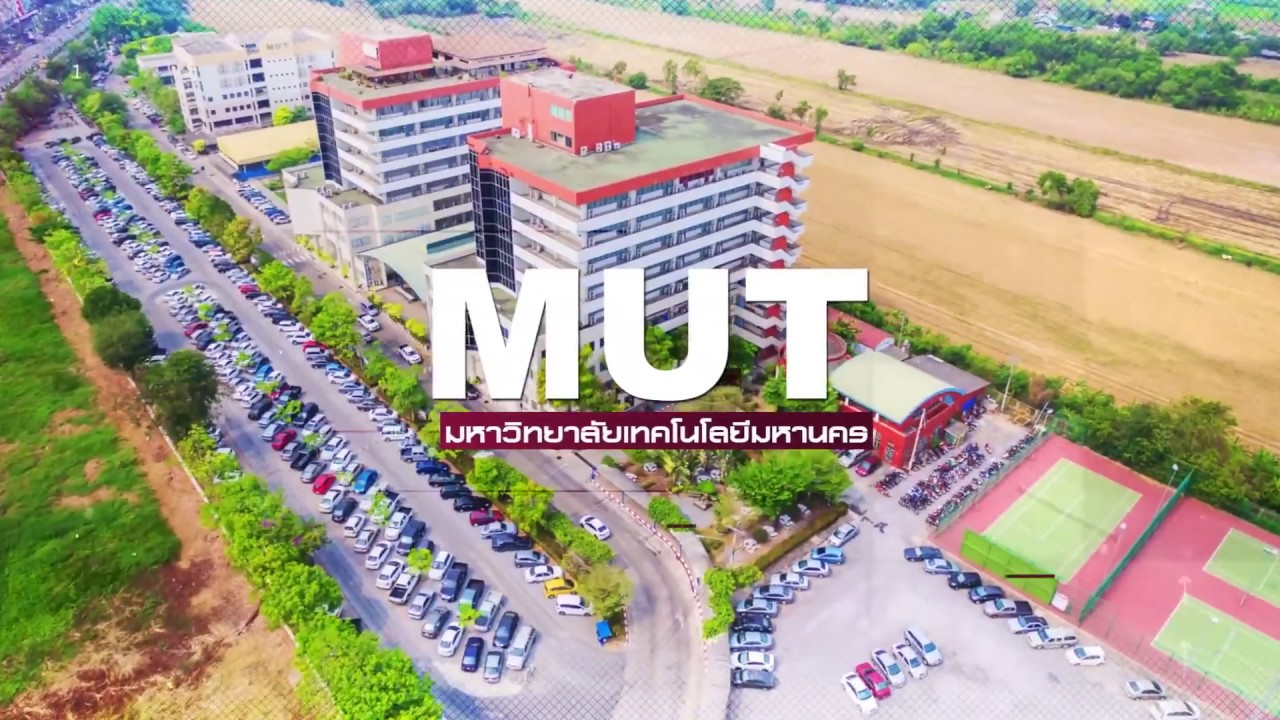
 Click to Access the Navigation Map GPS
Mahanakorn University of Technology (MUT) Map
Recommend

 Art, Culture and Heritage
 Historical Sites and Monuments(3)
 Landmarks and Memorials(23)
 Royal Palace(13)
 Art, Craft Centres, Tradition(35)
 Museums(59)
 Historic Homes and Cities(3)
 Art Gallery(16)
 Educational Places
 Museum for Study(6)
 Library(4)
 Public university(8)
 Autonomous Universities(8)
 Rajamangala University of Technology(6)
 Rajabhat University(6)
Private University(22)
 Places of Worship
 Temple(72)
 Church(2)
 Mosque(67)
 Other Sacred Sites(8)
 Research and Development
 Royal Project(1)
 Suburban Living
 Village, Community(5)
 Local Market(9)
 Floating Market(2)
 Nature and Wildlife
 River, Canal(3)
 Bays and Beaches(1)
 Other natural attractions(1)
 Entertainment and Agricultural
 Zoos and Aquariums(5)
 Animal camps and shows(5)
 Stadium(9)
 Farms, Parks and Ecotourism(20)
 Amusement Park(1)
 Waterpark(4)
 Theater(7)
 Cinema(1)
 Shopping
 Shopping and Night Market(20)
 Department Store(7)
 Spas and Wellness
 Spas and Wellness(1)
 Restaurant
 Michelin Star(5)
 Accommodation
 Hotel(3)
 Call Customer Service in Tourism
 Call Customer Service in Tourism(1)
 Travel Articles, Recipes
 Travel Review, Food Review(46)
 Royal Thai Desserts and Recipes(56)


