
lovethailand home >Central Travel Attractions >Bangkok Travel Attractions >Dusit >Wachira Phayaban > Rajamangala University of Technology Phra Nakhon (..
TL;DR: Rajamangala University of Technology Phra Nakhon (RMUTP), Bangkok attractions : University, Rajamangala University of Technology.
Rajamangala University of Technology Phra Nakhon (RMUTP)
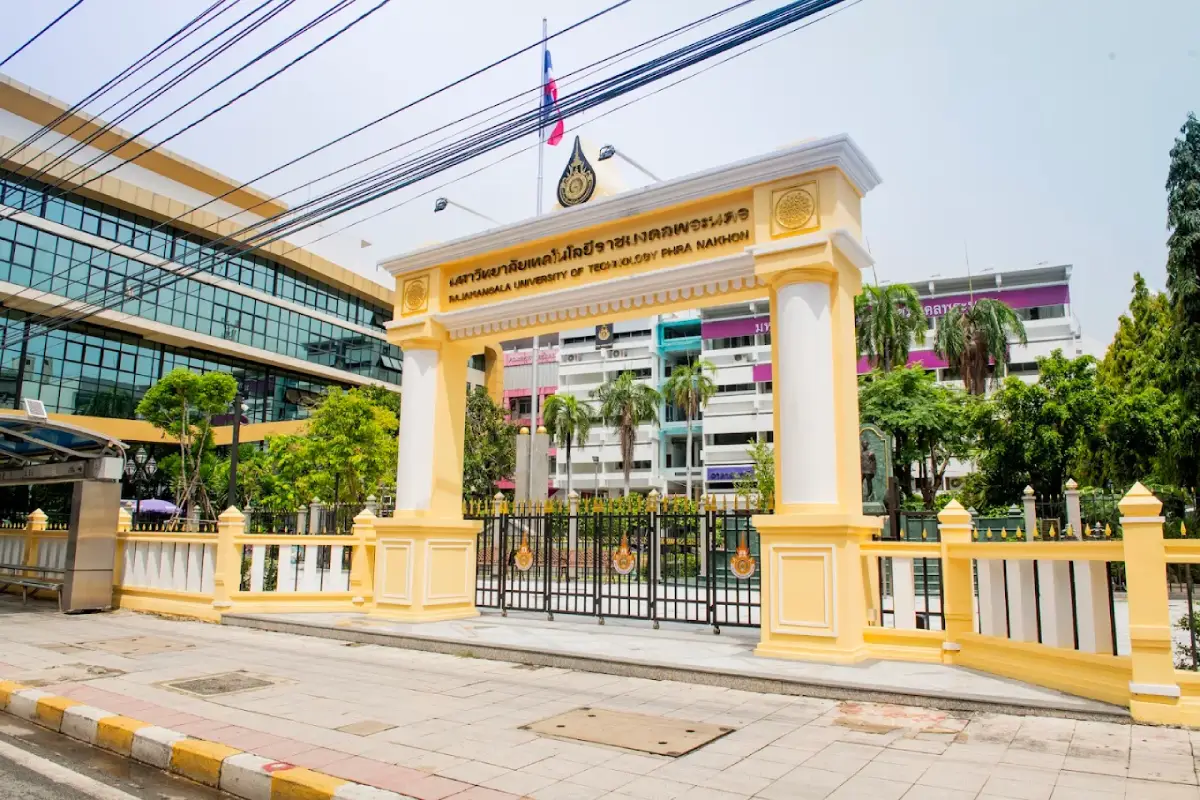
Open Days: Monday – Friday (Administrative Services; Closed on Public Holidays)
Opening Hours: 08:30 – 16:30 (Administrative Office and Registrar Service Hours; Not General Public Access Hours for All Buildings)
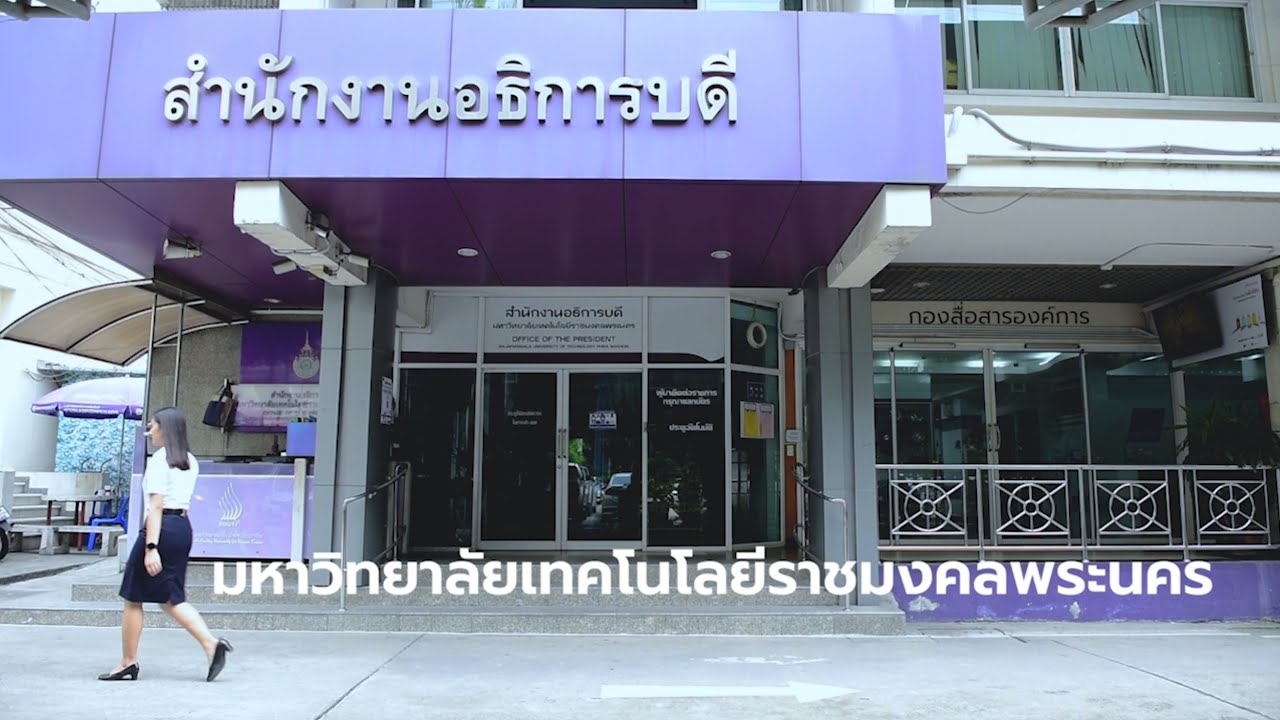
Rajamangala University of Technology Phra Nakhon (RMUTP) is a public university in Bangkok, Thailand, recognized for its emphasis on practice-oriented education, science, technology, engineering, business administration, design, home economics, mass communication, and the creative industries. The university was officially established on January 18, 2005, under the Rajamangala University of Technology Act B.E. 2548 (2005), through the integration of five former vocational and technological education campuses. Today, RMUTP operates across four major educational centers: Thewet, Chotivet, Phra Nakhon Commercial, and North Bangkok. Its Office of the President is located at 399 Samsen Road, Wachira Phayaban, Dusit District, Bangkok 10300. The university consists of nine faculties and additional specialized academic units, offering education ranging from vocational certificate programs to doctoral degrees. On January 18, 2026, RMUTP celebrated its 21st anniversary, continuing its commitment to developing professionally skilled graduates, advancing applied research, and creating innovations that respond to changing technologies and workforce demands.
One of RMUTP's defining characteristics is its commitment to producing practice-oriented graduates. Academic knowledge is developed alongside professional skills, allowing students to apply what they learn in real working environments. Depending on their field of study, students undertake practical training in engineering laboratories, technical workshops, design studios, food laboratories, garment production facilities, and other specialized learning spaces. This approach prepares graduates to enter professional careers, establish businesses, develop products, and apply innovation to economic and social challenges.
Unlike universities concentrated on a single large campus, RMUTP operates through several educational centers distributed across the Dusit and Bang Sue districts of Bangkok. Each center has a distinctive historical background and academic specialization. The Thewet Center serves important administrative, industrial education, and mass communication functions. The Chotivet Center is associated with home economics, food studies, fashion, architecture, and design. The Phra Nakhon Commercial Center specializes in business, liberal arts, textiles, and fashion, while the North Bangkok Center is the university's principal location for engineering, science, and technology. This geographical organization preserves the academic strengths of the former institutions while bringing them together under one university.
The university's historical background is closely connected with the development of vocational education in Thailand. As the country expanded its industrial, commercial, and service sectors, educational institutions offering practical professional training became increasingly important. Technical schools prepared students to operate machinery, develop industrial systems, manage commercial activities, and acquire specialized occupational skills. Their educational responsibilities eventually extended across mechanical and electrical engineering, accounting, business administration, textiles, clothing design, food production, and other professions. These institutions established a foundation for an education system linking vocational training with higher education.
The five former campuses that became part of Rajamangala University of Technology Phra Nakhon were Thewet, Chotivet, Phra Nakhon Commercial, Chumphon Khet Udomsak, and North Bangkok. Each institution had its own educational heritage, areas of expertise, and relationship with the surrounding community. The establishment of RMUTP in 2005 did not mean that education in these fields began that year. Rather, it brought together institutions whose teaching experience, professional knowledge, and technical traditions had developed over several decades.
The history of the Chotivet Center provides an important example of this continuity. Its origins are associated with weaving education and vocational training for women before World War II. On April 1, 1938, the activities of the Wat Bot Weaving School were transferred into the vocational education system. The institution subsequently developed into Wat Sam Phraya Weaving School and later expanded into home economics education, including food preparation, nutrition, and practical crafts. These subjects were significant not only for household activities but also for employment opportunities and the development of textile-related industries.
In 1974, the Chotivet institution was developed into Chotivet College, offering education at the Higher Vocational Certificate level. This advancement strengthened home economics education through a combination of theoretical knowledge, practical training, and professional standards. In 1977, the college became part of the College of Technology and Vocational Education and adopted the name Chotivet Campus. It subsequently became associated with the Rajamangala Institute of Technology system, preserving its expertise while expanding its role within higher education.
Another major development occurred on February 27, 1975, when the College of Technology and Vocational Education was established under national legislation. This represented an important step in providing pathways from vocational education to degree-level study. Students and professionals specializing in engineering, industrial technology, home economics, and business administration gained opportunities to continue their education at higher levels while retaining the practical orientation characteristic of their previous training.
September 15, 1988, became a landmark date in the history of the Rajamangala educational network. King Bhumibol Adulyadej (Rama IX) bestowed the name "Rajamangala Institute of Technology" upon the College of Technology and Vocational Education. The word Rajamangala carries a meaning associated with royal auspiciousness and became the shared identity of institutions developing within this vocational and technological education system. September 15 subsequently became an important commemorative occasion known as Rajamangala Day, honoring the royal naming and the historical development of the Rajamangala institutions.
During the Rajamangala Institute of Technology period, educational campuses were distributed across many parts of Thailand. Their primary mission was to prepare professionally competent graduates capable of working in industry and other occupational sectors. As higher education expanded, however, managing numerous campuses under a single institution became increasingly complex. Administrative restructuring was therefore undertaken to allow groups of campuses greater flexibility in management, curriculum development, and cooperation with businesses and local communities.
The major restructuring took place in 2005 under the Rajamangala University of Technology Act B.E. 2548, which established nine Rajamangala universities. Rajamangala University of Technology Phra Nakhon was founded on January 18, 2005. The transformation brought several former educational institutions in Bangkok under a unified university administration, with responsibilities covering teaching, research, academic services, and the preservation of arts and culture. It also provided an institutional framework for developing degree programs and specialized research in response to national and regional needs.
January 18, 2026, therefore marked RMUTP's 21st anniversary as a university under its present legal structure. At the same time, the educational heritage of some of its centers, including Chotivet and the former technical and commercial institutions, extends considerably further into the past. Distinguishing between the university's establishment date and the origins of its predecessor schools is essential for understanding its history accurately. These separate timelines demonstrate the long-term development of vocational and technological education in Thailand.
The name Rajamangala University of Technology Phra Nakhon reflects both its technological mission and its institutional heritage. Rajamangala refers to the royal name granted to the former Rajamangala Institute of Technology during the reign of King Bhumibol Adulyadej. Phra Nakhon is associated with Bangkok, where the university's predecessor campuses were located. The geographical designation distinguishes RMUTP from the eight other Rajamangala universities established under the same 2005 legislation.
The university's official emblem incorporates a lotus and royal symbols associated with King Bhumibol Adulyadej. The circular design includes an eight-petaled lotus representing the Noble Eightfold Path, a concept associated with the cultivation of wisdom and ethical conduct. The upper section features the Great Crown of Victory and the number nine, while the university's name appears within the lower section of the emblem. Together, these elements convey auspiciousness, education, progress, and the institution's connection with the royal naming of the Rajamangala educational system.
RMUTP also uses a five-petaled lotus symbol to represent the integration of its five predecessor campuses. The university's official color is purple, which appears in institutional communications and important university activities. Its symbolic flower is the Chalong Khwan water lily, also known as King of Siam, a Thai-developed water lily variety. The university's symbolic tree is Inthanin, associated with growth, natural beauty, and the identity of its educational environment.
Within the student community, the expression "Children of Inthanin" reflects a shared sense of belonging to the university. Using the name of an institutional tree to represent students illustrates the emotional and cultural connections between the university, its students, and its alumni. The Chalong Khwan lotus and the color purple similarly appear in ceremonies and institutional activities, helping preserve a collective identity among members of the university community.
In 2026, RMUTP was led by Dr. Nattaworapol Rachsiriwatcharabul, who was appointed to another term as university president effective February 26, 2026. The university's administration has emphasized the development of academic programs responding to emerging industries, broader educational opportunities, flexible learning arrangements, and collaboration with external organizations. These initiatives aim to strengthen the professional abilities of graduates and improve the university's capacity to respond to changing economic and technological conditions.
The Thewet Center is located at 399 Samsen Road, Wachira Phayaban, Dusit District, Bangkok. It houses the Office of the President, the Faculty of Industrial Education, the Faculty of Mass Communication Technology, and the College of Public Administration. The center is situated in one of Bangkok's historic districts, near the Chao Phraya River, Thewet Market, the National Library of Thailand, and several government institutions. Its surroundings reflect the longstanding relationship between education, public administration, commerce, and the historical development of the capital.
The Faculty of Industrial Education prepares teachers and professionals capable of communicating technical knowledge within educational institutions and workplaces. Its academic programs are related to industrial education in mechanical engineering, industrial engineering, computers and intelligent electronics, and engineering technology through continuing degree programs. Students develop both technical expertise and knowledge of teaching methods, educational planning, and learning assessment. These skills contribute to the development of Thailand's vocational education system and its technical workforce.
The Faculty of Mass Communication Technology focuses on the application of technology to media production and communication. Students study communication concepts, production planning, visual and audio techniques, communication design, and digital distribution systems. These skills can be applied to public relations, corporate communication, media production, creative industries, and digital services. The faculty's academic direction reflects the growing importance of technological expertise in the production and distribution of information.
The College of Public Administration provides graduate education associated with public administration, policymaking, organizational management, and public accountability. Its master's and doctoral programs are relevant to individuals seeking advanced knowledge of government administration and public sector organizations. Academic study in this field helps develop the ability to analyze administrative systems, improve organizational performance, and address challenges in the delivery of public services.
The Chotivet Center is located at 168 Si Ayutthaya Road, Wachira Phayaban, Dusit District, Bangkok. It is home to the Faculty of Home Economics Technology and the Faculty of Architecture and Design. The center is particularly associated with the combination of traditional craftsmanship, food studies, nutrition, fashion, and creative design. Learning in these disciplines requires practical skill, attention to detail, experimentation with materials, and an understanding of professional production standards.
The Faculty of Home Economics Technology has its roots in the earlier development of home economics and vocational training for women. Its academic fields have expanded to include food and nutrition, foodservice industry, home economics, food technology, and fashion design and merchandising. These subjects connect food science, product quality, creative production, practical craftsmanship, and service management. The faculty therefore contributes to professional development in food businesses, hospitality-related services, and creative product industries.
The Faculty of Architecture and Design focuses on industrial product design, packaging design and printing technology, architecture, and interior design. These disciplines require students to consider visual appearance, functionality, materials, manufacturing methods, and environmental suitability. Project-based learning and prototype development help students transform creative ideas into objects, spaces, and designs that can be produced or used in real situations.
The Phra Nakhon Commercial Center is located along Phitsanulok Road and Nakhon Sawan Road in Dusit District, Bangkok. It accommodates the Faculty of Business Administration, the Faculty of Liberal Arts, and the Faculty of Industrial Textiles and Fashion Design. The center's historical identity is associated with commercial and vocational education, particularly fields connected with business operations and professional employment. Over time, its educational responsibilities expanded into modern management, digital business, and creative industries.
The Faculty of Business Administration offers academic fields including accounting, management, logistics and supply chain management, marketing, financial innovation and investment, information systems and digital innovation, international business management, and business data analytics. These disciplines form an important foundation for managing contemporary organizations, where professionals must understand customers, financial systems, technology, and business operations. The combination of analytical and practical knowledge supports careers in both established companies and entrepreneurial ventures.
The Faculty of Liberal Arts develops professional knowledge in languages, tourism, hospitality, and service businesses. Its programs emphasize the practical application of communication and service skills, including English for international communication, hotel operations, and the management of visitor experiences. As service industries increasingly rely on both technology and human interaction, graduates need the ability to communicate effectively across cultures while understanding the operational requirements of their professions.
The Faculty of Industrial Textiles and Fashion Design connects textile materials, garment design, production technology, and fashion business management. Students study fibers, fabric characteristics, garment construction, product development, and consumer needs. These areas of knowledge are important to the modern fashion industry, which combines creative design with manufacturing technology, business management, and supply chain coordination.
The North Bangkok Center is located at 1381 Phibun Songkhram Road, Bang Sue District, Bangkok. It houses the Faculty of Engineering and the Faculty of Science and Technology. The center supports education in machinery, electrical systems, computer technology, materials science, and applied sciences. Its specialized laboratories and practical training facilities allow students to experiment, operate equipment, and analyze technical problems in structured learning environments.
The Faculty of Engineering provides education in electrical, mechanical, industrial, computer, and mechatronics engineering, together with electrical communication and intelligent systems, civil engineering, tooling and die engineering, jewelry manufacturing, and sustainable industrial innovation. Engineering students learn to design, calculate, test, and evaluate technical systems. These skills are essential to manufacturing, infrastructure development, and the efficient operation of modern industrial processes.
The Faculty of Science and Technology provides programs in computer science, environmental science and technology, industrial materials science, data science and information technology, and fields associated with health, cosmetics, statistics, and climate management. Its academic activities connect scientific foundations with practical technological development. Experimental methods, data analysis, and scientific reasoning help students understand complex problems and develop solutions relevant to contemporary industries and society.
The university also maintains specialized academic units, including the Institute of Digital and Robotics Interdisciplinary Studies and the Institute of Thai Gems, Jewelry and Design. These units support knowledge development in digital technologies, automated systems, jewelry production, creative design, and related interdisciplinary fields. Their activities reflect the university's efforts to integrate different professional disciplines in response to technological advances and the development of creative industries.
At the educational level, RMUTP provides Vocational Certificate programs in fields associated with industry, commerce, home economics, tourism, and the arts, alongside bachelor's, master's, and doctoral degrees. Offering several educational levels creates pathways for students with different academic backgrounds. In particular, graduates of vocational programs can continue developing professional expertise through higher education, while degree holders can pursue advanced research, management, or specialized professional studies.
For the 2026 academic year, RMUTP continued developing more flexible learning arrangements. The university announced plans to revise 15 undergraduate programs to support completion within three and a half years, with six pilot programs associated with the 2026 academic year. This approach reflects efforts to respond to the needs of students and employers seeking professionally prepared graduates, while maintaining an appropriate balance between theoretical instruction and practical learning.
The university also announced the development of new graduate programs during 2025 and 2026. These fields include interdisciplinary architecture and design, digital innovation and technology, hotel management, tourism and service business, and mechanical engineering. Their development reflects the increasing importance of advanced analysis, specialized research, and interdisciplinary professional knowledge. RMUTP has also developed international education initiatives, including graduate-level studies associated with global innovation and entrepreneurship.
Practice-oriented learning is particularly important to the development of professional competence. Students are encouraged to understand working processes from planning and experimentation to problem-solving and the completion of practical projects. Engineering students design and test technical systems, design students prepare sketches and prototypes, food technology students learn production methods and hygiene standards, and business students analyze data and simulate management situations. These different approaches allow each faculty to create learning experiences suited to its professional disciplines.
Research and innovation form another important part of RMUTP's mission. The university's Institute of Research and Development supports academic research conducted by faculty members and researchers. Areas of research include food product development, industrial materials, packaging design, textile technology, information systems, and educational innovation. Connecting research with the needs of businesses and communities increases opportunities for academic knowledge to be applied in ways that generate economic and social value.
Textile and fashion innovation provides a clear example of how research and creativity can work together. Developing new textile materials or improving garment production requires expertise in materials, design, manufacturing, and marketing. Product differentiation can help businesses compete more effectively, while improved packaging and branding can strengthen the market position of community products. Such research demonstrates how technological knowledge can contribute to local economic development and the creative industries.
Energy and environmental issues are also relevant to the university's academic development. Education and research associated with materials science, environmental technology, and climate management help students understand the effects of economic activity on natural resources. These fields encourage the design of production methods and management systems that use resources efficiently and consider long-term environmental sustainability.
RMUTP also contributes to community development through academic services and professional training. Faculty expertise can be applied to occupational skills development, product improvement, business management, and lifelong learning. The university's combination of engineering, business, food technology, textiles, design, and tourism creates opportunities for projects addressing several dimensions of community needs, including production costs, product quality, marketing, and operational management.
The communities surrounding the Thewet Center are particularly interesting because of their connections with Bangkok's urban history and riverside culture. Thewet is a historic district near the Chao Phraya River and Khlong Phadung Krung Kasem. It contains markets, temples, government institutions, and residential neighborhoods reflecting different periods of Bangkok's development. The university therefore operates within an environment where education, commerce, transportation, and cultural heritage have long existed together.
The North Bangkok Center in Bang Sue is associated with an urban district that has developed alongside industrial activity, transportation, and residential expansion. Its engineering and science programs contribute to the preparation of technical professionals for modern industries. Meanwhile, the Phra Nakhon Commercial Center is located near Phitsanulok Road and Nakhon Sawan Road in Dusit, an area characterized by government offices, commercial neighborhoods, and historically significant buildings. These different settings provide students with opportunities to observe the relationship between their educational disciplines and the surrounding city.
University traditions emphasize respect for teachers and the development of relationships among students. On June 18, 2026, RMUTP organized a teacher-honoring and Bai Si Su Khwan ceremony for new students under the theme "Chalong Khwan Nom Wantha Bucha Khru." The event was held at Mongkhon Apha Building, Faculty of Business Administration, Phra Nakhon Commercial Center. Activities included the presentation of floral offerings to teachers, student pledges, symbolic blessing of textbooks and educational equipment, and a traditional ceremony welcoming new students into the university community.
Teacher-honoring ceremonies are particularly meaningful in practice-oriented educational institutions because professional expertise is developed through instruction, demonstration, and repeated training. Whether students study engineering, craftsmanship, home economics, design, or other disciplines, teachers play an important role in guiding their technical and professional development. These ceremonies connect Thai cultural traditions with the values of education, gratitude, responsibility, and lifelong self-improvement.
RMUTP also organizes activities preserving Thai traditions and important Buddhist observances. On April 8, 2026, the university held a traditional Songkran celebration at the Thewet Center, and on May 28, 2026, it organized activities associated with Visakha Bucha Day. These events reflect the university's responsibility to preserve arts and culture, allowing members of the academic community to appreciate Thai traditions alongside their studies in science, technology, and professional fields.
The university's foundation anniversary on January 18 is an important occasion for strengthening relationships among students, lecturers, staff, and alumni. During its 21st-anniversary celebrations in 2026, the university organized ceremonies paying respect at sacred and commemorative sites across its four educational centers. Holding activities at each center also acknowledges the identities of the predecessor institutions that contributed to the formation of RMUTP.
Another significant occasion is Rajamangala Day on September 15, commemorating the royal naming of the Rajamangala Institute of Technology in 1988. The occasion provides an opportunity for students and staff to learn about the origins of the Rajamangala university network and the development of professional education from vocational colleges to modern universities.
Important locations within the Thewet Center include the Office of the President, academic buildings, the Rapee Building, and university activity spaces. The center also contains a monument honoring Prince Rabi Badhanasakdi, Prince of Ratchaburi, an important figure in Thai legal history. The Rapee Memorial ceremony held on October 21, 2026, provides an example of how the university uses its campus spaces to connect educational activities with the remembrance of significant historical figures.
The university's Office of Academic Resources and Information Technology supports teaching and learning through library and information services distributed across its four centers. The Thewet Library is located on the second floor of the Multipurpose Building. The Chotivet Library is situated in the Ruen Panya Building, while the Phra Nakhon Commercial Library is located in the Phrom Mongkhon Building. The North Bangkok Library is housed in the Multipurpose Building at that center. Distributing library services across different locations allows students to access academic resources close to their faculties.
Educational visits to RMUTP are possible through activities that welcome external participants, such as university open-house events, student exhibitions, academic conferences, and professional training programs. However, classrooms, specialized laboratories, technical workshops, and research facilities are working educational environments. Visitors wishing to enter these areas must obtain permission from the responsible faculty or department in advance.
For prospective students considering admission in 2026, choosing the correct educational center is as important as choosing an academic program. Engineering and science students generally study at the North Bangkok Center, while home economics and certain design programs are associated with Chotivet. Business administration, liberal arts, and textile-related studies are concentrated at the Phra Nakhon Commercial Center, whereas industrial education and mass communication are associated with Thewet. Confirming the location before applying helps students plan their transportation, accommodation, and daily university activities.
General administrative offices and the Office of Academic Promotion and Registration provide services Monday through Friday from 08:30 to 16:30, excluding public holidays. These hours refer to administrative contact periods and do not mean that every library, technical workshop, or academic building is open to external visitors during the same hours. Certain university libraries and specialized facilities follow separate service schedules. Visitors should check the arrangements of the department they intend to contact before traveling.
Getting There to Rajamangala University of Technology Phra Nakhon, Thewet Center, is possible by public bus, Chao Phraya Express Boat, taxi, or private car. The center is located at 399 Samsen Road in Wachira Phayaban, Dusit District. Important nearby landmarks include Thewet Market and the National Library of Thailand. Visitors using buses can get off at stops near Thewet Market or the university. Travelers using the Chao Phraya Express Boat can disembark at Thewet Pier and continue on foot through the nearby streets toward Samsen Road.
Travelers using the MRT Blue Line can connect to public buses or taxis to reach the Thewet area. The MRT does not provide a station directly at the Thewet Center, so the journey generally requires an additional transportation connection. Chao Phraya river transport is another practical option for visitors traveling from riverside destinations, offering access to Thewet Pier and the surrounding neighborhood.
Visitors traveling to the Chotivet Center should use the address at 168 Si Ayutthaya Road, Wachira Phayaban, Dusit District. Although it is situated in the wider Thewet neighborhood, Chotivet has separate buildings and administrative contact points. The Phra Nakhon Commercial Center is located around 86 Phitsanulok Road, Suan Chitlada, Dusit District, with some facilities along Nakhon Sawan Road. The North Bangkok Center is located at 1381 Phibun Songkhram Road, Bang Sue District. Visitors should confirm their faculty, building, and educational center before setting out.
Those arriving by private car should plan their journey and parking arrangements according to the particular center they intend to visit. The four locations are distributed across separate parts of Bangkok, and parking conditions differ. Traffic can become congested along Samsen Road, Si Ayutthaya Road, Phitsanulok Road, and Phibun Songkhram Road during university opening hours and major events. Visitors who require parking or access to specialized buildings should contact the destination department in advance.
Several interesting historical and cultural attractions are located near the Thewet Center. Wat Thewarat Kunchorn Worawihan is a royal temple associated with the historical development of Bangkok. The National Library of Thailand is an important center for the preservation of knowledge and documentary heritage, while the Bank of Thailand Learning Center presents information about Thailand's monetary and economic history. Thewet Market and Wat Intharawihan also offer opportunities to experience traditional neighborhood life and the religious heritage of the capital.
Rajamangala University of Technology Phra Nakhon in 2026 therefore represents the continuing development of Thailand's vocational and technological education system. Its historical foundations lie in several institutions that were brought together to form a university with diverse academic specializations. The four educational centers preserve their individual strengths, while new academic programs, applied research, and cooperation with industry support the preparation of graduates for a changing world. Over the 21 years since its establishment in 2005, RMUTP has continued contributing to Thailand's professional workforce, technological development, creative industries, and applied innovation.
| University Name | Rajamangala University of Technology Phra Nakhon |
| Thai Name | มหาวิทยาลัยเทคโนโลยีราชมงคลพระนคร |
| Abbreviation | RMUTP / มทร.พระนคร |
| Institution Type | Public University Within Thailand's Rajamangala University of Technology Network |
| Main Administrative Location | Thewet Center, Dusit District, Bangkok, Thailand |
| Address | 399 Samsen Road, Wachira Phayaban, Dusit, Bangkok 10300, Thailand |
| University Establishment Date | January 18, 2005 |
| University Age in 2026 | 21 Years Since Its Establishment Under the Present University Structure |
| Historical Origins | Developed From Five Former Campuses of the College of Technology and Vocational Education and Rajamangala Institute of Technology |
| Rajamangala Day | September 15, Commemorating the Royal Naming of Rajamangala Institute of Technology in 1988 |
| University President in 2026 | Dr. Nattaworapol Rachsiriwatcharabul |
| Official University Color | Purple |
| Symbolic Flower | Chalong Khwan Water Lily (King of Siam) |
| Symbolic Tree | Inthanin |
| University Emblem | Eight-Petaled Lotus Featuring Royal Symbols, the Great Crown of Victory, and the Number Nine; a Five-Petaled Lotus Also Represents the Five Former Campuses |
| Educational Centers | 1. Thewet Center — 399 Samsen Road, Dusit District 2. Chotivet Center — 168 Si Ayutthaya Road, Dusit District 3. Phra Nakhon Commercial Center — 86 Phitsanulok Road, Dusit District, With Some Buildings on Nakhon Sawan Road 4. North Bangkok Center — 1381 Phibun Songkhram Road, Bang Sue District |
| Faculties and Main Academic Units | 1. Faculty of Industrial Education 2. Faculty of Home Economics Technology 3. Faculty of Mass Communication Technology 4. Faculty of Business Administration 5. Faculty of Science and Technology 6. Faculty of Engineering 7. Faculty of Liberal Arts 8. Faculty of Industrial Textiles and Fashion Design 9. Faculty of Architecture and Design 10. College of Public Administration |
| Additional Specialized Academic Units | Institute of Digital and Robotics Interdisciplinary Studies, Institute of Thai Gems, Jewelry and Design, and International College |
| Levels of Education | Vocational Certificate, Bachelor's Degree, Graduate Diploma, Master's Degree, and Doctoral Degree, Depending on the Academic Programs Offered |
| Academic Strengths | Practice-Oriented Education, Engineering, Home Economics, Food Technology, Business, Digital Technology, Mass Communication, Textiles, Fashion, Architecture, Design, and Public Administration |
| Important University Facilities | Rapee Building at Thewet Center, Prince Rabi Badhanasakdi Monument, Mongkhon Apha Building at Phra Nakhon Commercial Center, University Libraries Across Four Centers, and Specialized Faculty Laboratories |
| Important Traditions and Activities | University Foundation Anniversary on January 18, Rajamangala Day on September 15, Teacher-Honoring Ceremonies, Bai Si Su Khwan for New Students, Songkran Activities, and Cultural Preservation Events |
| Administrative Open Days | Monday – Friday, Excluding Public Holidays |
| Administrative Office Hours | 08:30 – 16:30 |
| Visitor Access | Administrative Visits and Public Events Subject to University Regulations; Permission Required for Classrooms, Laboratories, and Technical Workshops |
| Facilities | Libraries, Academic Buildings, Laboratories, Computer Rooms, Professional Training Facilities, Student Activity Spaces, and Registration Services |
| Getting to the Thewet Center | Public Buses Along Samsen Road, With Stops Near Thewet Market or the University; Chao Phraya Express Boat to Thewet Pier, Followed by a Walk |
| Nearby Attractions — Thewet Center | 1. Wat Thewarat Kunchorn Worawihan 2. National Library of Thailand 3. Bank of Thailand Learning Center 4. Thewet Market 5. Wat Intharawihan |
| Restaurants Around Thewet | 1. Krua Apsorn, Samsen Branch — +66 82 292 0431 2. Steve Café & Cuisine — +66 2 281 0915 3. The Island Bangkok — +66 96 404 8625 4. Suda Thai & Vegetarian Restaurant — +66 62 242 6559 5. Samsen Kitchen @ Wat Tri — +66 87 781 2860 |
| Accommodation Around Thewet | 1. Phranakorn-Nornlen Hotel — +66 2 628 8188 2. The Raweekanlaya Bangkok — +66 2 628 5999 3. SSIP Boutique Dhevej Bangkok — +66 95 514 5151 4. SamSenSam Place — +66 2 628 7067 5. The Siam — +66 2 206 6999 |
| Main Telephone — Thewet Center | +66 2 665 3777, +66 2 665 3888 |
| Phra Nakhon Commercial Center Telephone | +66 2 665 3555 |
| North Bangkok Center Telephone | +66 2 836 3000 |
| Registrar Email | register@rmutp.ac.th |
| Official Website | https://www.rmutp.ac.th |
| Admissions Website | https://admission.rmutp.ac.th |
| Current Status | Active Public University Providing Education, Research, and Academic Services in 2026 |
Rajamangala University of Technology Phra Nakhon Academic Programs — Academic Year 2026
| Faculty / College / Educational Center | Academic Programs and Fields of Study |
| Faculty of Industrial Education Thewet Center | Bachelor's Degree Programs 1. Bachelor of Science in Technical Education — Mechanical Engineering 2. Bachelor of Science in Technical Education — Industrial Engineering 3. Bachelor of Science in Technical Education — Computers and Intelligent Electronics 4. Bachelor of Industrial Technology — Industrial Engineering (Continuing Program) 5. Bachelor of Industrial Technology — Electrical Engineering (Continuing Program) 6. Bachelor of Industrial Technology — Mechanical Engineering (Continuing Program) 7. Bachelor of Industrial Technology — Intelligent Electronics (Continuing Program) Graduate Diploma 1. Teaching Profession Master's Degree Programs 1. Industrial Innovation and Technology 2. Digital Innovation and Technology 3. Educational Administration Doctoral Degree Programs 1. Educational Administration 2. Digital Innovation and Technology |
| Faculty of Home Economics Technology Chotivet Center | Bachelor's Degree Programs 1. Fashion Design and Merchandising 2. Food and Nutrition 3. Foodservice Industry 4. Home Economics 5. Food Technology 6. Home Economics Education Master's Degree Program 1. Home Economics Doctoral Degree Program 1. Home Economics |
| Faculty of Mass Communication Technology Thewet Center | Bachelor's Degree Programs 1. Mass Communication Technology 2. Mass Communication Technology (Continuing Program) |
| Faculty of Business Administration Phra Nakhon Commercial Center | Bachelor's Degree Programs 1. Accounting 2. Management 3. Logistics and Supply Chain Management 4. Marketing 5. Financial Innovation and Investment 6. Information Systems and Digital Innovation 7. International Business Management (International Program) 8. Business Data Analytics 9. Entrepreneurship 10. Sustainable Service Business Innovation Master's Degree Program 1. Master of Business Administration Doctoral Degree Program 1. Doctor of Business Administration |
| Faculty of Science and Technology North Bangkok Center | Bachelor's Degree Programs 1. Computer Science 2. Environmental Science and Technology 3. Industrial Materials Science 4. Data Science and Information Technology 5. Health, Cosmetics and Anti-Aging Technology 6. Information Statistics 7. Climate and Environmental Management |
| Faculty of Engineering North Bangkok Center | Bachelor's Degree Programs 1. Electrical Engineering 2. Mechanical Engineering 3. Industrial Engineering 4. Computer Engineering 5. Computer Engineering (Continuing Program) 6. Mechatronics Engineering 7. Electrical Communication and Intelligent Systems Engineering 8. Civil Engineering 9. Tool and Die Engineering 10. Jewelry Manufacturing Engineering 11. Sustainable Industrial Management Engineering 12. Innovative Engineering Technology for Sustainability (Continuing Program) 13. Creative Gemology Master's Degree Programs 1. Mechanical Engineering 2. Sustainable Industrial Management Engineering 3. Electrical Engineering 4. Civil Engineering Doctoral Degree Programs 1. Sustainable Industrial Management Engineering 2. Electrical Engineering 3. Mechanical Engineering |
| Faculty of Liberal Arts Phra Nakhon Commercial Center | Bachelor's Degree Programs 1. Tourism (Continuing Program) 2. Tourism and Hospitality 3. Hotel and Service Business 4. English for International Communication 5. Applied Thai for Careers and Communication Innovation Master's Degree Program 1. Hotel, Tourism and Service Business Management Doctoral Degree Program 1. Hotel, Tourism and Service Business Management |
| Faculty of Industrial Textiles and Fashion Design Phra Nakhon Commercial Center | Bachelor's Degree Programs 1. Clothing Technology and Fashion Business Management 2. Textile Innovation and Technology 3. Fashion and Textile Design Master's Degree Program 1. Textile, Apparel and Fashion Technology |
| Faculty of Architecture and Design Chotivet Center | Bachelor's Degree Programs 1. Industrial Product Design 2. Packaging Design and Printing Technology 3. Architecture 4. Interior Design Master's Degree Program 1. Interdisciplinary Architecture and Design |
| College of Public Administration Thewet Center | Master's Degree Program 1. Public Administration Doctoral Degree Program 1. Public Administration |
| International College | International Graduate Programs Announced for Semester 2/2026 1. Global Innovation for Agile Entrepreneurs (Master's Degree) 2. Global Innovation for Agile Entrepreneurs (Doctoral Degree) |
| Vocational Certificate Programs At Designated Educational Centers | Industrial Fields 1. Automotive Mechanics 2. Machine Shop Technology 3. Electrical Power 4. Electronics 5. Computer Technology 6. Mechanical Drafting Commercial Fields 1. Accounting 2. Foreign Languages Home Economics Fields 1. Home Economics 2. Food and Nutrition Tourism Industry Fields 1. Hotel Studies 2. Tourism Fine and Applied Arts Fields 1. Design |
Frequently Asked Questions (FAQ)
Q: Where is Rajamangala University of Technology Phra Nakhon located?
A: The university's Office of the President is located at 399 Samsen Road, Wachira Phayaban, Dusit District, Bangkok 10300, Thailand. RMUTP operates through four educational centers in Bangkok.
Q: When was RMUTP established?
A: Rajamangala University of Technology Phra Nakhon was established on January 18, 2005, under the Rajamangala University of Technology Act B.E. 2548. It celebrated its 21st anniversary in 2026.
Q: How many educational centers does RMUTP have?
A: The university has four educational centers: Thewet, Chotivet, Phra Nakhon Commercial, and North Bangkok. Each center accommodates different faculties and academic specializations.
Q: What is RMUTP best known for?
A: RMUTP is recognized for practice-oriented higher education, particularly in engineering, science, industrial education, home economics, food and nutrition, design, business administration, textiles, fashion, and mass communication technology.
Q: What are RMUTP's administrative opening days and hours?
A: General administrative offices and registration services operate Monday through Friday from 08:30 to 16:30, excluding public holidays. Libraries and specialized academic facilities may follow different schedules.
Q: What faculties does RMUTP have in the 2026 academic year?
A: The university has nine faculties: Industrial Education, Home Economics Technology, Mass Communication Technology, Business Administration, Science and Technology, Engineering, Liberal Arts, Industrial Textiles and Fashion Design, and Architecture and Design. It also operates the College of Public Administration and other specialized academic units.
Q: What levels of education are available at RMUTP?
A: RMUTP provides Vocational Certificate programs, bachelor's degrees, graduate diplomas, master's degrees, and doctoral degrees, together with selected international and continuing programs according to the offerings of individual academic units.
Q: How can I get to RMUTP's Thewet Center?
A: Travelers can take public buses serving Samsen Road and get off near Thewet Market or the university. Another option is the Chao Phraya Express Boat to Thewet Pier, followed by a walk to the center. Visitors should confirm their educational center before traveling, as RMUTP's facilities are located in different parts of Bangkok.
 Category: ●University
 Group: ●Rajamangala University of Technology
Last Update : 1 WeekAgo
 Last Update : 1 WeekAgo
 Click to Access the Navigation Map GPS
Rajamangala University of Technology Phra Nakhon (RMUTP) Map
Recommend

 Art, Culture and Heritage
 Historical Sites and Monuments(3)
 Landmarks and Memorials(23)
 Royal Palace(13)
 Art, Craft Centres, Tradition(35)
 Museums(59)
 Historic Homes and Cities(3)
 Art Gallery(16)
 Educational Places
 Museum for Study(6)
 Library(4)
 Public university(8)
 Autonomous Universities(8)
Rajamangala University of Technology(6)
 Rajabhat University(6)
 Private University(22)
 Places of Worship
 Temple(72)
 Church(2)
 Mosque(67)
 Other Sacred Sites(8)
 Research and Development
 Royal Project(1)
 Suburban Living
 Village, Community(5)
 Local Market(9)
 Floating Market(2)
 Nature and Wildlife
 River, Canal(3)
 Bays and Beaches(1)
 Other natural attractions(1)
 Entertainment and Agricultural
 Zoos and Aquariums(5)
 Animal camps and shows(5)
 Stadium(9)
 Farms, Parks and Ecotourism(20)
 Amusement Park(1)
 Waterpark(4)
 Theater(7)
 Cinema(1)
 Shopping
 Shopping and Night Market(20)
 Department Store(7)
 Spas and Wellness
 Spas and Wellness(1)
 Restaurant
 Michelin Star(5)
 Accommodation
 Hotel(3)
 Call Customer Service in Tourism
 Call Customer Service in Tourism(1)
 Travel Articles, Recipes
 Travel Review, Food Review(43)
 Royal Thai Desserts and Recipes(56)


