
lovethailand home >Central Travel Attractions >Bangkok Travel Attractions > Thai Dishes Perfect for Each Season
TL;DR: Thai Dishes Perfect for Each Season.

Thai Dishes Perfect for Each Season
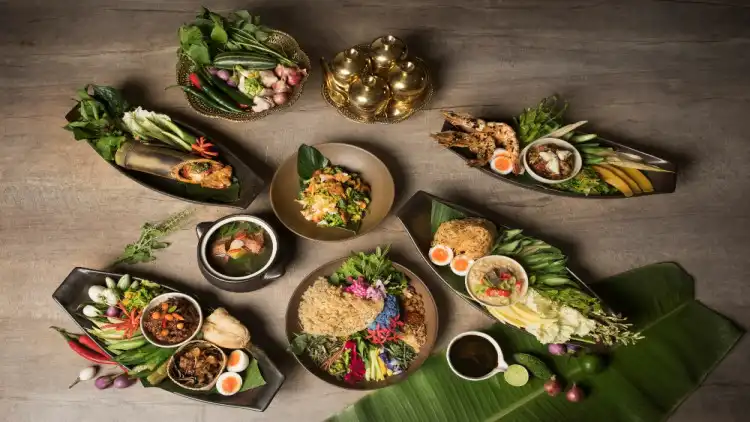
Thai Dishes Perfect for Each Season The changing seasons significantly influence our choice of dishes. In Thailand, where the weather varies throughout the year, choosing dishes that suit the season not only makes us feel refreshed and comfortable but also enhances our health and enjoyment of food. Let’s explore which Thai dishes are ideal for each season.
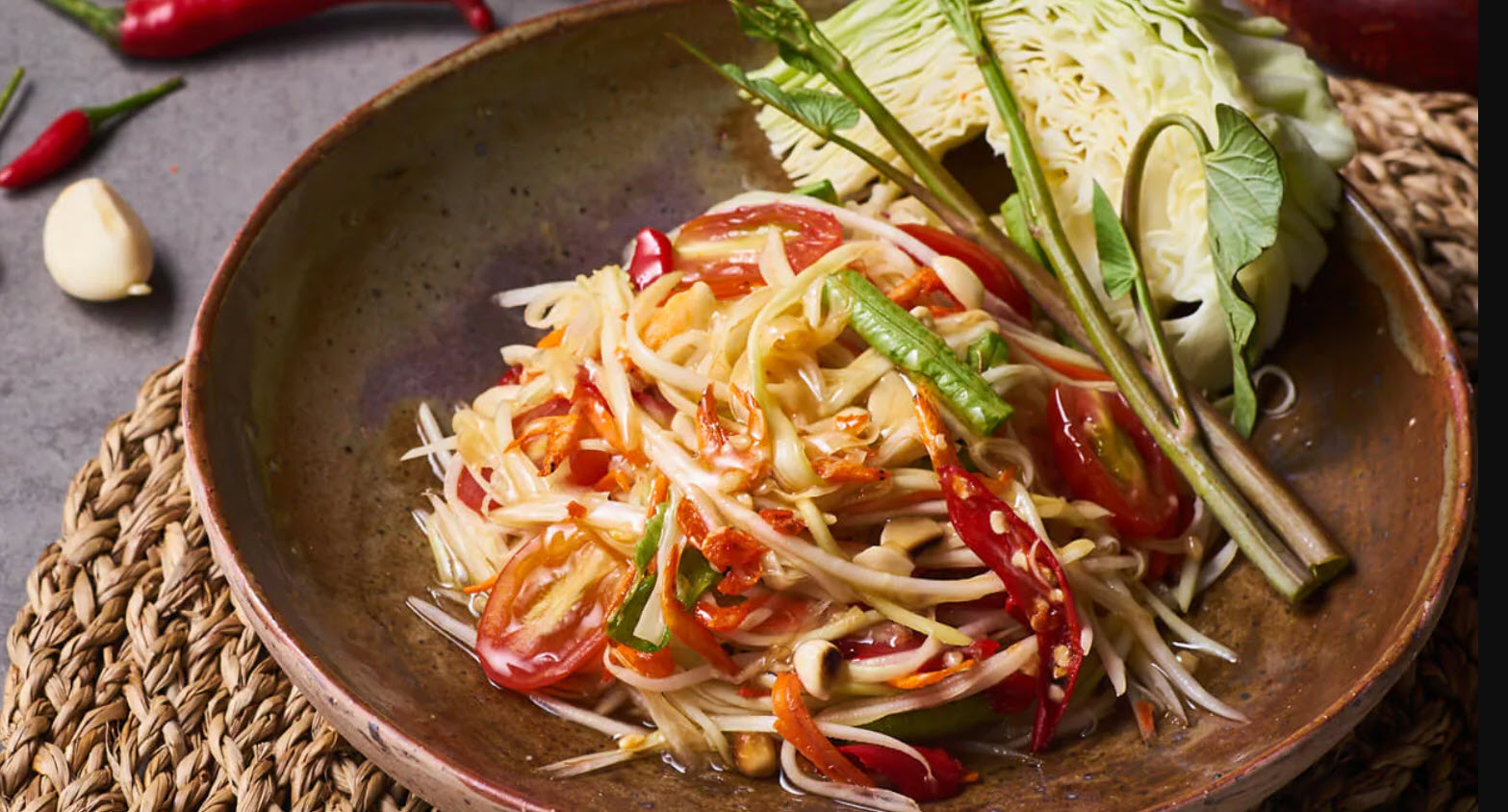
Summer Dishes In Thailand, summer is characterized by high temperatures and relentless heat. Dishes that help us feel refreshed and cool down are perfect for this season.
Som Tam (Papaya Salad): A popular dish with a spicy and tangy flavor that stimulates freshness and helps cool down the body. Ingredients like ripe papaya and chili peppers enhance flavor and provide a cooling effect.
Gaeng Som (Sour Curry): A curry with a sour and spicy flavor from tamarind, helping to alleviate the heat from eating.
Nam Tok: A spicy salad made with grilled meat, featuring a tangy and spicy taste ideal for hot days.
Larb: A dish with a spicy and tangy flavor, full of fresh herbs that enhance freshness on hot days.
Khanom Jeen Nam Ya (Rice Noodles with Curry Sauce): A light and refreshing dish with a flavorful curry sauce.
Tip: Using fresh ingredients and adding herbs that promote freshness, like lemongrass and kaffir lime leaves, can make your dishes more suitable for hot weather.
Benefits of Seasonal Summer Dishes: Better Nutritional Value: Seasonal ingredients often have higher nutritional value as they are harvested at their peak. Supports Local Farmers: Choosing seasonal ingredients supports local farmers and the local economy.
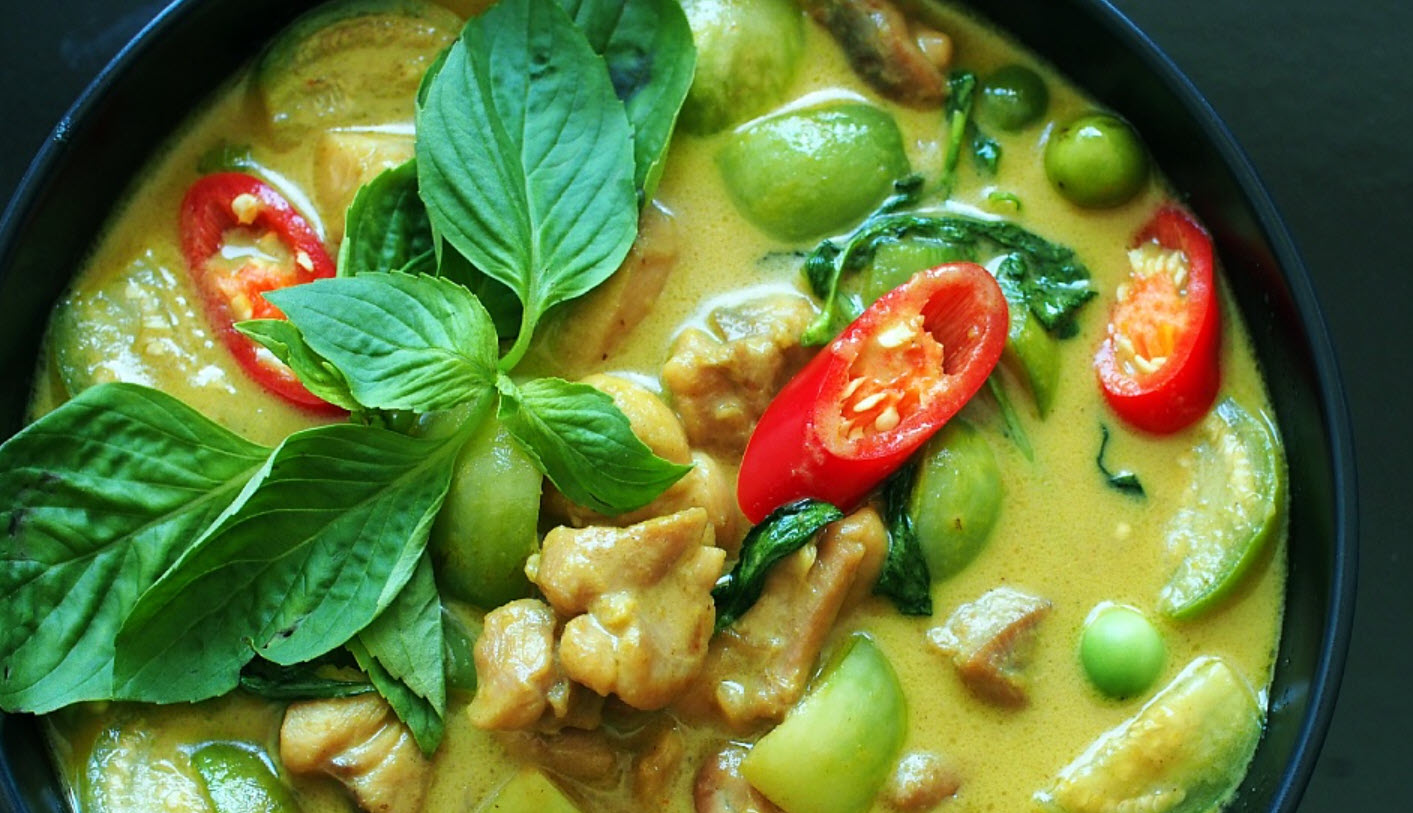
Rainy Season Dishes The rainy season brings a damp and cooler climate. Dishes that provide warmth and comfort during rainy periods are ideal for this season.
Green Curry (Gaeng Keow Wan): A curry with rich flavors that adds warmth during rainy days.
Tom Yum: A sour and spicy soup that remains refreshing even when it's rainy.
Rice Soup (Khao Tom): A light dish that helps keep the body warm and is perfect for rainy weather.
Tom Kha Gai (Chicken Coconut Soup): A soup with a balanced flavor and herbs that add warmth during rainy days.
Crispy Pork Stir-Fried with Salt and Chili (Moo Krob Pad Prik Khing): A dish with salty and spicy flavors that provides a comforting feeling.
Tip: Choosing ingredients with strong flavors and adding herbs that reduce dampness, like ginger and chili peppers, can enhance the warmth of your dishes.
Health Tips for the Rainy Season: Be cautious of moisture and respiratory issues. Eating foods that boost immunity and provide warmth is essential.
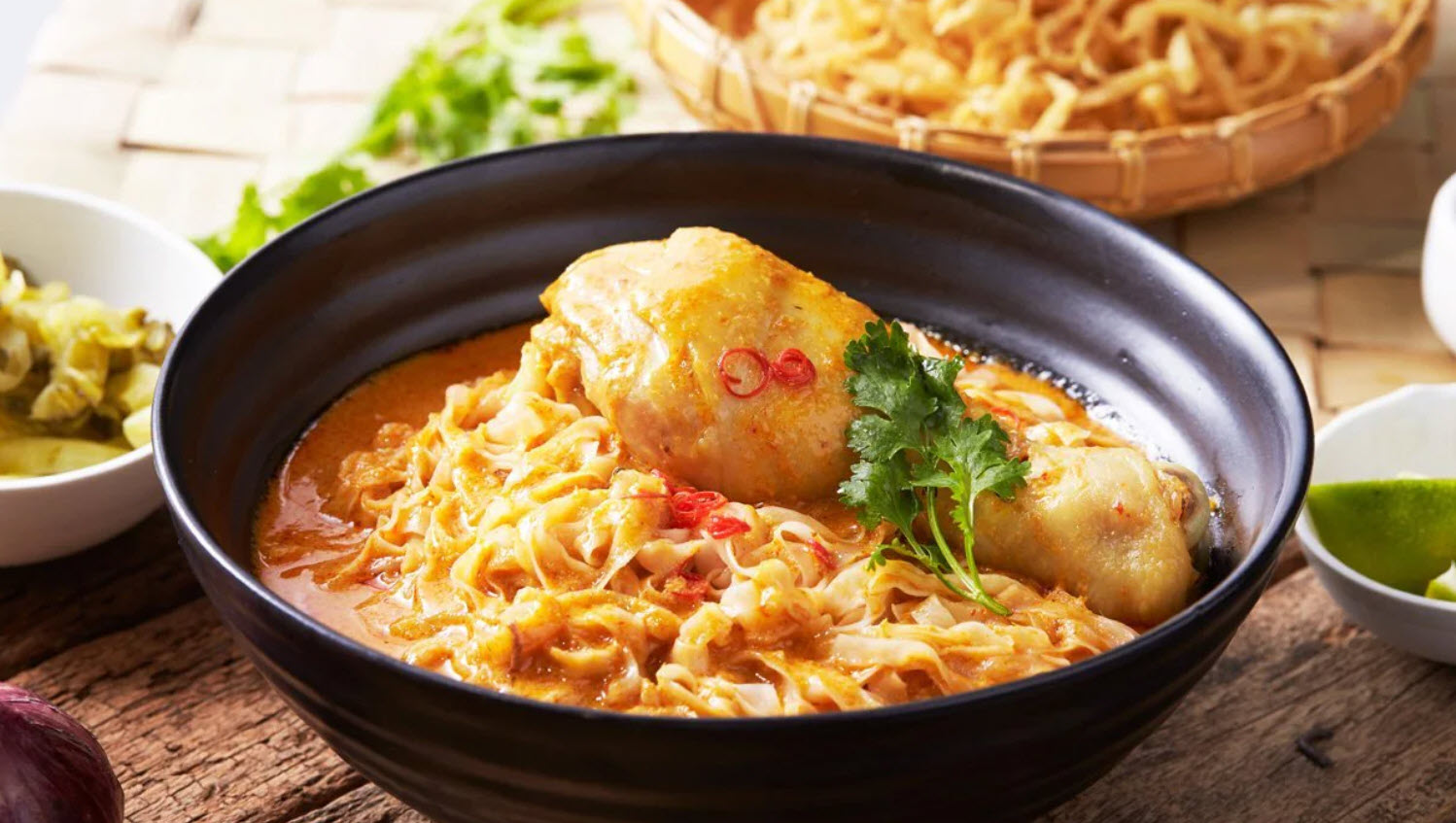
Winter Dishes In Thailand, winter brings cooler temperatures. Dishes that keep the body warm and provide comfort in the cold are perfect for this season.
Massaman Curry (Gaeng Massaman): A curry with rich, mildly sweet flavors that warms the body.
Satay (Moo Satay): Grilled skewers with a warm and sweet-savory taste.
Khao Soi: A rich, creamy soup that warms the body.
Jungle Curry (Gaeng Pa): A spicy curry that provides warmth during cold weather.
Sticky Rice with Mango (Khao Niew Mamuang): A sweet dessert that adds warmth and comfort.
Tip: Using ingredients with sweet flavors and spices that provide warmth, like cinnamon and nutmeg, can make your dishes more suitable for cold weather.
Health Tips for Winter: Choose dishes that warm the body and provide energy, such as those with spices and sweet flavors.
Seasonal Food Preparation and Storage Tips
Summer: Store unused food in airtight containers and refrigerate to prevent spoilage.
Rainy Season: Keep food in a dry place and avoid storing it in high-humidity areas to prevent mold.
Winter: Prepare foods that can be stored for a longer time, such as those that can be frozen, for easier meal management.
Choosing Thai dishes based on the season not only allows us to enjoy a variety of flavors suitable for different weather conditions but also helps in maintaining health and saving costs. Adjusting dishes to match the season ensures that we can enjoy Thai cuisine year-round while supporting local farmers.
| Season | Weather Conditions | Recommended Dishes | Benefits / Reasons |
| Summer | Hot temperatures, intense heat, frequent sweating | Som Tam (Papaya Salad) Larb Nam Tok Sour Curry (Gaeng Som) Rice Noodles with Curry Sauce | Helps cool the body and refresh energy Sour flavors reduce body heat Herbs support digestion and hydration |
| Rainy Season | Humid, cooler, frequent rain | Green Curry Tom Yum Soup Tom Kha Gai Rice Porridge Crispy Pork with Chili and Salt | Provides warmth and comfort Herbs help prevent colds and reduce humidity effects Hot dishes boost immunity |
| Winter | Cool temperatures, windy conditions | Khao Soi Massaman Curry Jungle Curry Pork Satay Mango Sticky Rice | Provides high energy and warmth Spices improve blood circulation Rich dishes help maintain body heat |
| Health Tips | Summer: Choose fresh, light, and sour dishes Rainy: Avoid raw food, add herbs like ginger and galangal Winter: Increase energy-rich foods and warming spices | ||
| Food Storage | Summer: Refrigerate immediately to prevent spoilage Rainy: Keep food dry to avoid mold Winter: Freezing helps extend shelf life | ||
Frequently Asked Questions (FAQ)
Q: Why should we choose food based on seasons?
A: Seasonal eating helps balance the body with environmental conditions, improves immunity, and enhances overall well-being.
Q: What Thai food is best for hot weather?
A: Refreshing dishes with sour and spicy flavors such as Som Tam, Larb, and sour curry help reduce body heat and increase freshness.
Q: What should you eat during the rainy season?
A: Warm and herbal dishes like Tom Yum, Tom Kha Gai, and Green Curry help protect against colds and boost immunity.
Q: Which Thai dishes are suitable for cold weather?
A: Energy-rich and warming dishes such as Khao Soi, Massaman Curry, and Jungle Curry are ideal for maintaining body warmth.
Q: How does Thai food help regulate the body?
A: Thai cuisine uses herbs like lemongrass, ginger, and chili to support digestion, circulation, and temperature balance.
Q: Is seasonal eating healthier?
A: Yes, seasonal ingredients are fresher, more nutritious, and often contain fewer chemicals, making them better for long-term health.
Q: What foods should be avoided in summer?
A: Avoid overly oily or improperly stored foods, as they spoil quickly and may cause digestive issues.
Q: What role do Thai herbs play in seasonal food?
A: Herbs help regulate body temperature—for example, ginger warms the body, chili boosts circulation, and lime refreshes and cools.
Q: Can seasonal Thai food help save money?
A: Yes, seasonal ingredients are more abundant, affordable, and of higher quality.
Q: Is seasonal Thai food suitable for tourists?
A: Absolutely. It allows visitors to experience authentic Thai cuisine that aligns with the local climate and cultural practices.
 Category: ●Travel Articles, Recipes
 Group: ●Travel Review, Food Review
Last Update : 5 MonthAgo
 Last Update : 5 MonthAgo
Recommend

 Art, Culture and Heritage
 Historical Sites and Monuments(3)
 Landmarks and Memorials(23)
 Royal Palace(13)
 Art, Craft Centres, Tradition(35)
 Museums(59)
 Historic Homes and Cities(3)
 Art Gallery(16)
 Educational Places
 Museum for Study(6)
 Library(4)
 Places of Worship
 Temple(72)
 Church(2)
 Mosque(67)
 Other Sacred Sites(8)
 Research and Development
 Royal Project(1)
 Suburban Living
 Village, Community(5)
 Local Market(9)
 Floating Market(2)
 Nature and Wildlife
 River, Canal(3)
 Bays and Beaches(1)
 Other natural attractions(1)
 Entertainment and Agricultural
 Zoos and Aquariums(4)
 Animal camps and shows(5)
 Stadium(9)
 Farms, Parks and Ecotourism(20)
 Amusement Park(1)
 Waterpark(1)
 Theater(7)
 Cinema(1)
 Shopping
 Shopping and Night Market(20)
 Department Store(7)
 Spas and Wellness
 Spas and Wellness(1)
 Restaurant
 Michelin Star(5)
 Accommodation
 Hotel(3)
 Call Customer Service in Tourism
 Call Customer Service in Tourism(1)
Travel Review, Food Review(21)
Call Customer Service in Tourism(1)
Travel Review, Food Review(21)
 Royal Thai Desserts and Recipes(56)


