
lovethailand home >South Travel Attractions >Phang Nga Travel Attractions >Thai Mueang >Lam Kaen > Ko Tachai
TL;DR: Ko Tachai, Phang Nga attractions : Nature and Wildlife, Islands.

Ko Tachai
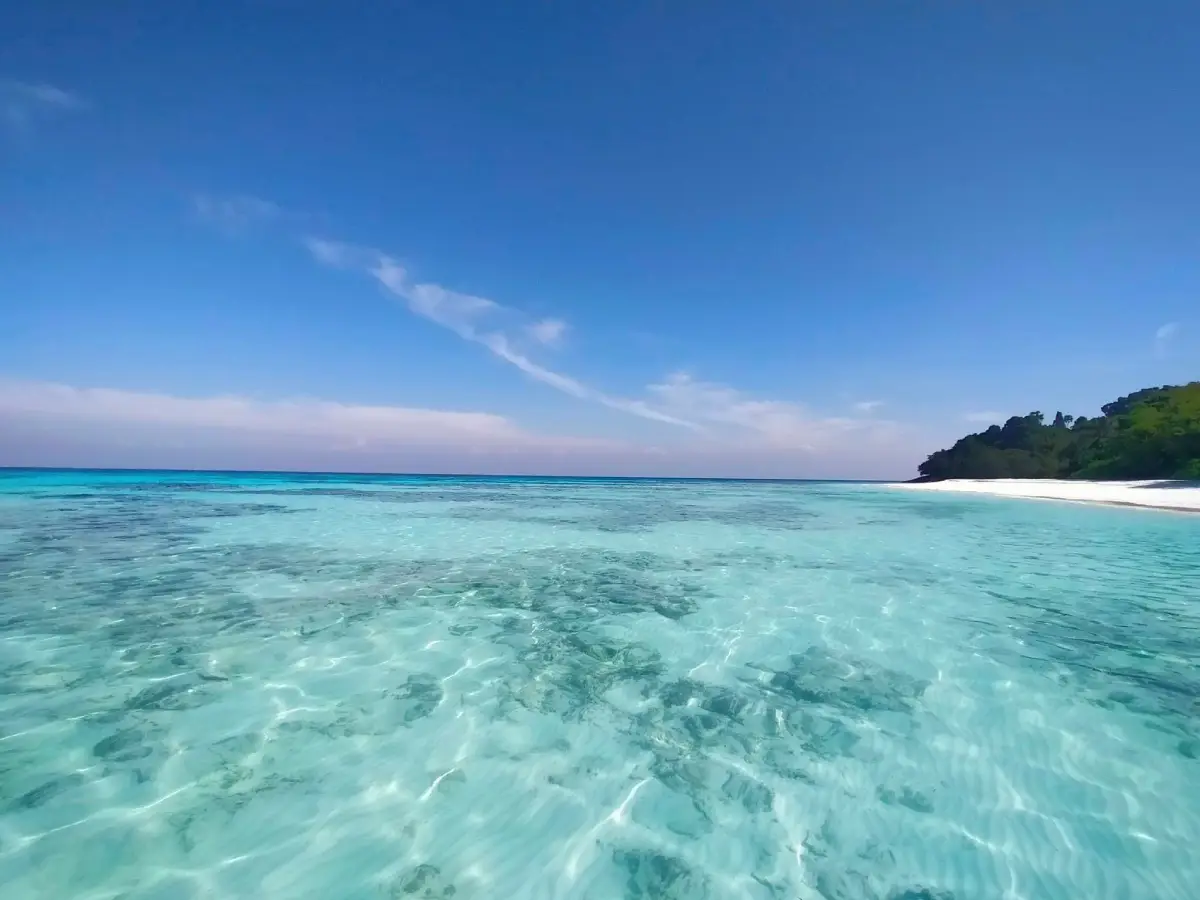
Open Days: Closed to landing for nature restoration
Opening Hours: There are no visitor opening hours because Ko Tachai remains closed to tourist landing
Ko Tachai in Phang Nga Province is a small Andaman Sea island at the northern end of Mu Ko Similan National Park and not far from the Surin Islands. It was once one of Thailand’s most talked-about marine destinations, known for a powdery white-sand beach stretching about 700 meters along clear blue water, coral reefs parallel to the shoreline, and a forest trail that once allowed visitors to observe the “chicken crab,” a bright red freshwater crab with dark bluish claws and a call said to resemble a chicken. These features made Ko Tachai one of the most memorable island names in Thai marine tourism, but its current status is not that of a normal open tourist island.
Ko Tachai has been closed to tourist landing for natural restoration since 15 May 2016, and no official reopening date has been announced for visitors to land on the island. Any current article about Ko Tachai should therefore focus on conservation status rather than travel promotion. Travelers should not assume that they can buy a tour, walk on the beach, hike the nature trail, or snorkel around the shoreline as in the past. The island area, beach, and surrounding coral reef have been placed under restoration measures to reduce tourism pressure and allow the ecosystem to recover.
The importance of Ko Tachai has not disappeared because of the closure. Instead, it has become a major case study in managing a highly popular marine destination. When a natural site receives more visitors than it can safely support, the beach, reef, coastal habitats, wildlife, and visitor experience all suffer. Ko Tachai shows that the most beautiful places do not always need to be the most accessible places. In some cases, closing an area is the only responsible way to let nature recover.
In the past, Ko Tachai’s beach was the island’s strongest visual attraction. The sand was fine, soft, and bright white, creating a striking contrast with turquoise water and green forest behind the shore. Such a beach was ideal for walking, photography, and seaside relaxation. However, as visitor numbers grew quickly, this fragile beach system came under pressure from repeated use, crowding, waste, boat activity, and activity near coral areas. The same beauty that attracted travelers became the very reason the site needed protection.
The coral reef around Ko Tachai is another major reason for the island’s ecological value. The island was known for both hard coral and colorful soft coral, including bright red soft coral that divers remembered vividly. Reefs provide shelter, feeding areas, and nursery habitats for many marine species. When a reef is damaged by excessive tourism, the impact is not limited to underwater scenery; it affects the structure and health of the marine ecosystem as a whole.
Ko Tachai was also associated with the chicken crab, a freshwater crab found around streams and moist areas inside the island. Its bright red body, dark bluish claws, and chicken-like sound made it one of the island’s signature natural stories. The former forest walk to see chicken crabs was popular among visitors, but wildlife on a small island can be easily disturbed by crowds. The closure reduces disturbance and allows natural processes within the island to continue more quietly.
The name Ko Tachai is commonly explained through the story of a man named Ta Chai, after whom the island was named. The island had been known for a long time before it was incorporated into Mu Ko Similan National Park. Once it became part of the national park system, Ko Tachai was no longer just a beautiful island destination. It became part of a broader conservation area that includes the Similan Islands, Ko Bon, and surrounding marine zones, all of which require careful management for tourism, safety, and nature protection.
Ko Tachai is located in a more open sea setting than many coastal attractions. In the past, access depended mainly on speedboats or marine tours from Phang Nga, with Thap Lamu Pier serving as a major base for Similan routes. Some routes also connected with Khao Lak or Khura Buri depending on the tour style. Today, these former travel details should not be read as a current invitation to land on Ko Tachai. The island remains closed to tourist landing, and travelers should rely only on announcements from Mu Ko Similan National Park and official agencies.
The closure of Ko Tachai is not a sign that the island has lost its value. It is the opposite: the island is valuable enough to require strong protection. Marine natural areas have carrying capacity limits. When tourism expands faster than management systems can respond, closure becomes a tool to stop damage, reduce pressure, and allow systematic assessment. Recovery cannot be judged only by attractive photos. It must consider reef health, water quality, beach condition, species diversity, and the infrastructure needed if any future access is allowed.
Recent official inspections have reported improved environmental conditions after years of closure, but recovery does not automatically mean immediate reopening. Reopening a formerly damaged and sensitive area requires careful planning: visitor limits, walking routes, boat landing points, waste systems, toilets, water use, safety control, ranger staffing, and measures to prevent renewed reef and beach damage. The absence of an official reopening date should be understood as cautious management, not simple delay.
For travelers interested in Ko Tachai today, the responsible approach is to learn about the island as a restoration area and choose other legally open marine destinations instead. Within Mu Ko Similan National Park, certain islands and dive sites may open seasonally, such as Ko Miang, Ko Similan or Island 8, Ko Ba Ngu, Ko Payu, and selected dive areas according to national park rules. The Surin Islands and Ko Phra Thong may also be considered, depending on season, weather, and official opening status.
Travelers who want a beautiful Andaman sea experience should choose legal, responsible tour operators. A Similan tour should use authorized boats, follow national park procedures, provide life jackets, manage waste, and avoid misleading advertising. If any operator uses Ko Tachai images or language that suggests regular landing access, travelers should verify the claim directly with the national park before booking.
The central lesson from Ko Tachai is that natural beauty has a cost of care. Clear water, white sand, and living coral do not remain healthy under heavy uncontrolled use. Every footprint, piece of waste, wrong snorkeling point, coral touch, and boat movement near sensitive areas can create cumulative damage. Ko Tachai makes the relationship between tourism behavior and conservation highly visible.
Ko Tachai also shows the difficult balance between tourism income and resource protection. When the island was popular, tour companies, boat operators, accommodation businesses, restaurants, and coastal communities benefited from visitor demand. But if tourism had continued without a pause, the very resource that created that income could have been permanently degraded. The closure was difficult, but it was a necessary long-term conservation decision.
For travel content, Ko Tachai must now be written about differently. It should not be presented as a normal island-hopping destination. The correct focus is current status, conservation history, former natural highlights, reasons for closure, reef protection, and responsible alternatives. Older content may still describe the island’s beach, chicken crab trail, and coral reef, but those descriptions should not be used as current travel instructions.
The value of writing about Ko Tachai today lies in helping readers ask better travel questions. Instead of asking only whether an island is beautiful or how to get there, travelers should ask whether it is open, whether access is legal, whether tourism will harm the ecosystem, and which alternative destinations are currently appropriate. This kind of awareness improves the quality of marine tourism in Phang Nga and supports the idea that some natural places deserve time and space to recover.
If Ko Tachai is officially reopened in the future, the travel model should be very different from the past. Visitor numbers should be limited, walking routes should be clearly defined, boat access should be controlled, sensitive zones should remain off-limits, advance booking may be required, waste control should be strict, and rangers should communicate rules clearly before visitors arrive. Access to a restored island should be treated as a responsibility, not an unlimited right.
While Ko Tachai remains closed, travelers can visit other parts of Mu Ko Similan National Park that are open in season. The Andaman marine national parks close during the monsoon season for safety and restoration, so planning must begin with the latest official opening and closure announcements. Travelers should check national park status, tour operator authorization, weather, sea conditions, and site-specific rules rather than relying only on old reviews or promotional images.
The best mainland bases for travelers interested in nearby marine routes are Khao Lak, Thap Lamu, Khura Buri, and Takua Pa. Thap Lamu and Khao Lak are convenient for seasonal Similan routes, while Khura Buri is better suited for Surin Islands and Ko Phra Thong trips. Choosing the right base reduces travel time and makes it easier to select safer and more responsible operators.
For divers, Ko Tachai still holds meaning because nearby deep-dive areas have been part of Thailand’s diving memory. However, all diving activities must follow current national park rules and official permissions. Divers should check with licensed dive centers and the national park directly, because conditions for restoration zones can change according to resource assessments.
What should be remembered about Ko Tachai is that its past beauty remains part of its story, but the present status must be stated clearly. The 700-meter white beach, chicken crabs, coral reefs, red soft coral, and naming story all help explain why the island matters. But these details must not be used to imply that visitors can currently land on the island. Good travel information should show both beauty and the reason that beauty is being protected.
Overall, Ko Tachai is a symbol of Thailand’s marine beauty and also a symbol of the limits of tourism. It represents white sand, clear sea, coral reefs, wildlife, and an extraordinary island experience. At the same time, it represents the lesson that even the most beautiful places can be damaged when visitor pressure becomes too high. The closure since 2016 should therefore be understood as a conservation measure, not merely a travel inconvenience. Responsible travelers can respect Ko Tachai best by not trying to access it while it remains closed and by choosing open, well-managed alternatives instead.
| Name | Ko Tachai |
| Location | Northern end of Mu Ko Similan National Park, Phang Nga Province, in the Andaman Sea near the Surin Islands area |
| Address / Area | Ko Tachai, Mu Ko Similan National Park, Phang Nga Province / Mu Ko Similan National Park Office: 93 Moo 5, Lam Kaen Subdistrict, Thai Mueang District, Phang Nga 82210, Thailand |
| Coordinates | Approx. Latitude 9.07216, Longitude 97.81237 |
| Former Highlights | Fine white-sand beach about 700 meters long, clear blue water, coral reefs, hard coral, red soft coral, former nature trail, and chicken crabs |
| Current Status | Closed to tourist landing for nature restoration since 2016, with no official reopening date announced |
| Open Days | Not open for tourist landing |
| Opening Hours | No visitor opening hours because the island remains under restoration closure |
| Fees | No landing access is sold for Ko Tachai. For seasonally open areas of Mu Ko Similan National Park, Group 4 national park entrance fees apply: Thai adult 100 THB, Thai child 50 THB / foreign adult 500 THB, foreign child 250 THB |
| Caretaker / Responsible Office | Mu Ko Similan National Park, Department of National Parks, Wildlife and Plant Conservation |
| Main Contact Number | Mu Ko Similan National Park Tel. 076-453-272 |
| Main Areas / Zones | Ko Tachai beach, former nature trail, chicken crab habitat, surrounding coral reefs, and marine zones controlled under national park restoration measures |
| Important Note | Travelers should not book or promote any tour claiming normal tourist landing on Ko Tachai unless an official reopening announcement is issued by Mu Ko Similan National Park |
| Nearby Attractions / Alternatives To Check Before Travel | 1. Ko Bon, Mu Ko Similan National Park, about 20 km by sea from Ko Tachai 2. Ko Similan or Island 8, Mu Ko Similan National Park, about 45 km by sea from Ko Tachai 3. Ko Miang or Island 4, Mu Ko Similan National Park, about 50 km by sea from Ko Tachai 4. Mu Ko Surin National Park, Khura Buri District, about 40 km by sea from Ko Tachai 5. Ko Phra Thong, Khura Buri District, about 55 km by sea and boat route from nearby areas 6. Thap Lamu Pier, Thai Mueang District, about 75 km by sea from the Similan island zone 7. Khao Lak, Takua Pa–Thai Mueang area, a major mainland base for seasonally open marine trips |
| Restaurants Near Related Travel Bases | 1. Krachang Khao Lak, Thap Lamu Pier area, about 1 km from Thap Lamu Pier, Tel. 095-656-0862 2. Phang Nga Naval Base Club Restaurant, Thap Lamu, about 2 km from Thap Lamu Pier, Tel. 081-648-8656, 081-691-0228 3. Go Pong, Khao Lak, about 15 km from Thap Lamu Pier, Tel. 081-907-7460 4. Kuraburi Greenview Resort Restaurant, Khura Buri, about 25 km from Khura Buri Pier, Tel. 076-401-400, 081-958-1543 5. Kuraburi Resort Restaurant, Khura Buri, about 8 km from Khura Buri Pier, Tel. 062-449-5362, 081-719-4775 |
| Nearby Accommodations Near Related Travel Bases | 1. Eden Beach Khao Lak Resort & Spa, about 7 km from Thap Lamu Pier, Tel. 076-410-186 2. Khaolak Merlin Resort, about 8 km from Thap Lamu Pier, Tel. 076-428-300, 076-595-300 3. MJ Boutique Hotel Khao Lak, about 7 km from Thap Lamu Pier, Tel. 080-549-5995 4. Kuraburi Greenview Resort, about 25 km from Khura Buri Pier, Tel. 076-401-400, 081-958-1543 5. Kuraburi Resort, about 8 km from Khura Buri Pier, Tel. 062-449-5362, 081-719-4775 6. Kuraruenthai Resort, Khura Buri, about 8 km from Khura Buri Pier, Tel. 084-052-8475 |
Frequently Asked Questions (FAQ)
Q: Is Ko Tachai open to tourists?
A: No. Ko Tachai remains closed to tourist landing for nature restoration. The closure began in 2016, and no official reopening date has been announced.
Q: Why was Ko Tachai closed?
A: Ko Tachai was closed because heavy tourism pressure affected the beach, coral reef, and island ecosystem. The closure allows nature to recover and reduces repeated damage.
Q: Where is Ko Tachai located?
A: Ko Tachai is located at the northern end of Mu Ko Similan National Park in Phang Nga Province, in the Andaman Sea near the Surin Islands area.
Q: What was Ko Tachai famous for?
A: It was famous for a fine white-sand beach about 700 meters long, clear blue water, coral reefs, hard coral, red soft coral, and the chicken crab found in the island’s moist forest areas.
Q: Can travelers buy a tour to land on Ko Tachai now?
A: Travelers should not buy any tour that claims normal landing access to Ko Tachai unless an official reopening announcement is issued by Mu Ko Similan National Park.
Q: Where can travelers go instead of Ko Tachai?
A: Travelers can choose seasonally open parts of Mu Ko Similan National Park, Mu Ko Surin National Park, Ko Phra Thong, or other approved marine routes in Phang Nga, after checking official opening status.
Q: If Ko Tachai reopens in the future, how should visitors behave?
A: Visitors should follow national park rules strictly, stay on designated routes, avoid littering, avoid touching coral or wildlife, respect visitor limits, and accept conservation controls.
Q: Can old Ko Tachai travel articles still be used?
A: Old articles can help explain the island’s natural beauty and history, but they should not be used as current travel instructions because Ko Tachai remains closed to tourist landing.
 Category: ●Nature and Wildlife
 Group: ●Islands
Last Update : 1 MonthAgo
 Last Update : 1 MonthAgo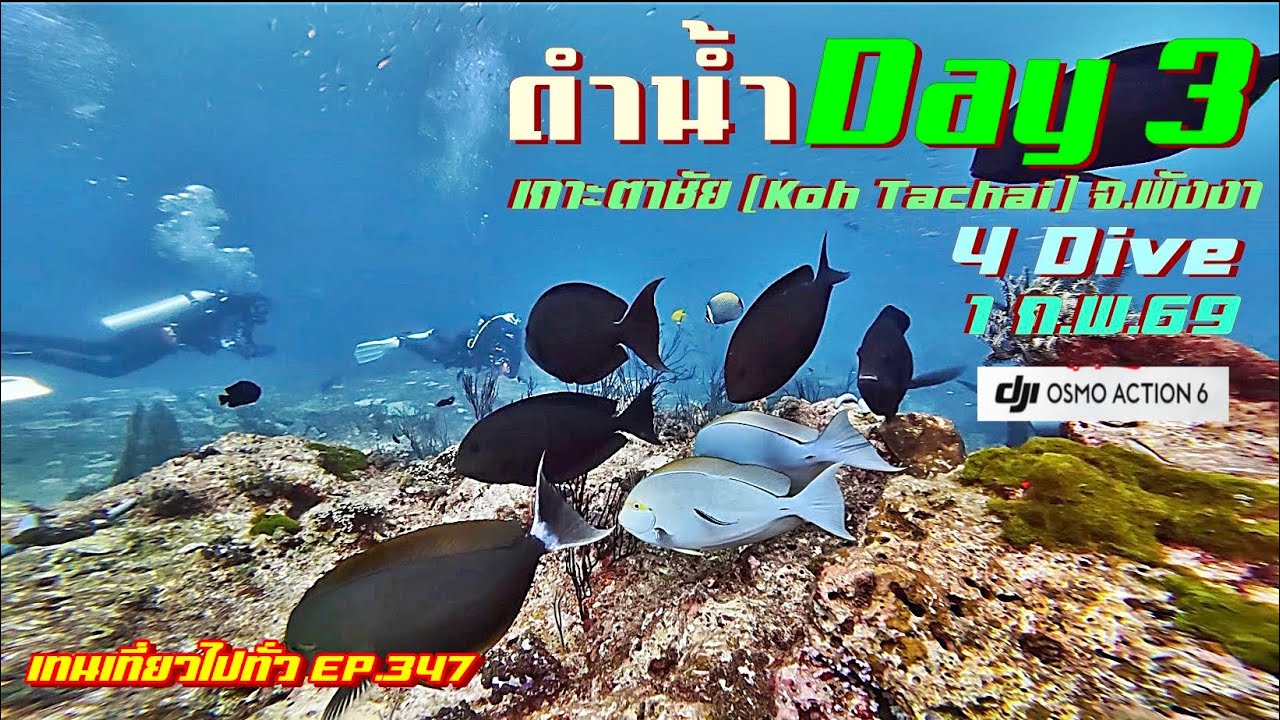
 Click to Access the Navigation Map GPS
Ko Tachai Map
Gellery
Recommend

 Art, Culture and Heritage
 Historical Sites and Monuments(2)
 Landmarks and Memorials(6)
 Art, Craft Centres, Tradition(3)
 Places of Worship
 Temple(18)
 Other Sacred Sites(8)
 Suburban Living
 Village, Community(3)
 National Parks and Marine Reserves(12)
 Mountain (Doi)(8)
 Waterfalls(21)
 Hot Springs(2)
 Caves(12)
 River, Canal(4)
 Bays and Beaches(28)
Islands(11)
Bays and Beaches(28)
Islands(11)
 Other natural attractions(7)
 Entertainment and Agricultural
 Animal camps and shows(2)
 Farms, Parks and Ecotourism(2)
 Outdoor and Adventure Activities(3)
 Travel Articles, Recipes
 Travel Review, Food Review(1)
 Southern Food Menu, Southern Food Recipes(1)


