
lovethailand home >South Travel Attractions >Chumphon Travel Attractions >Muang Chumphon >Ban Na > Ko Langka Jiw
TL;DR: Ko Langka Jiw is located at Mu Ko Chumphon National Park, Mueang Chumphon District, Chumphon Province, Thailand, open Daily, except during seasonal marine closures or special closure announcements, hours 08.00 – 17.00.
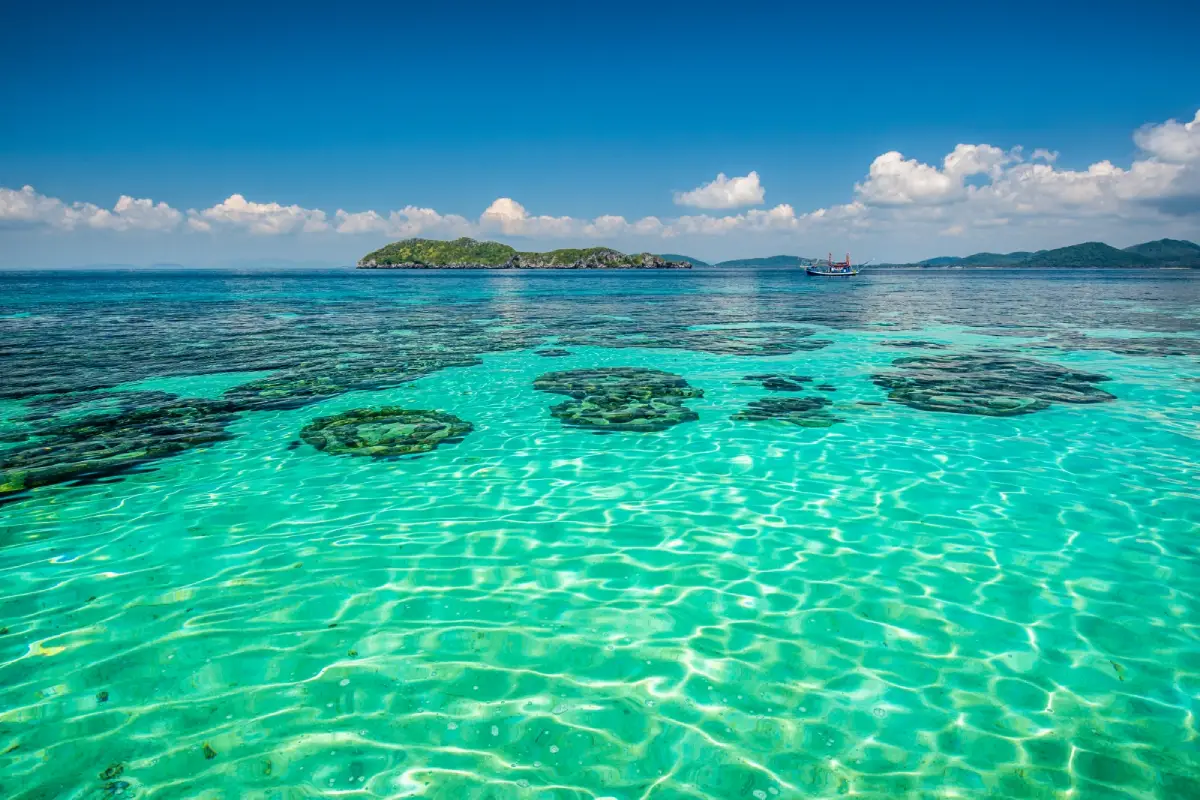
Ko Langka Jiw
Open Days: Daily, except during seasonal marine closures or special closure announcements by the national park
Opening Hours: 08.00 – 17.00
Ko Langka Jiw in Chumphon, also written in Thai as Ko Rangka Chiw in some sources, is a small island in the Gulf of Thailand within Mu Ko Chumphon National Park. It is located about 8 km from Ao Thung Makham Noi and is one of Chumphon’s most distinctive marine attractions because it combines clear water, white sand, coral reefs, swiftlet cave heritage, and an important royal historical inscription. The island is especially known for the engraved royal initials “Chor Por Ror” and Rattanakosin Era years on a rock near the entrance of a swiftlet cave.
Ko Langka Jiw is not a residential island or a full-service resort destination. There are no permanent local houses on the island. Its landscape is closely connected with swiftlet nesting caves, limestone formations, a small beach, and protected marine nature. Travelers usually visit the island as a day trip for snorkeling, swimming, island viewing, and learning about the historical inscription linked with King Chulalongkorn, Rama V.
Ko Langka Jiw is special because it brings together several layers of value in one small island. It has the natural appeal of white sand, clear sea, and coral reefs around the island. It also has the ecological character of a swiftlet cave island, where access to some areas must be managed carefully. Most importantly, it has a historical record carved into stone: the royal initials of King Rama V and Rattanakosin Era dates connected with royal visits to observe swiftlet nest collection.
Geographically, Ko Langka Jiw is a small limestone island with rocky cliffs, boulders, cave openings, and a beach on the western side. The western beach is the best-known visitor area, with white sand about 100 metres long and clear water. The cave and swiftlet nesting areas require strict care and should never be entered without permission. Visitors should stay only in permitted areas and follow instructions from national park officers, boat staff, and local caretakers.
The coral reef is one of the island’s main natural highlights. The western side has a coastal reef in good condition, while other sides include rocky sections with coral in some areas. When visibility is good and the sea is calm, snorkelers can see coral formations and reef fish around the island. The underwater scenery makes Ko Langka Jiw one of the rewarding snorkeling stops in the Mu Ko Chumphon marine route.
Responsible snorkeling is essential at Ko Langka Jiw. Visitors must not step on coral, touch coral, collect shells, feed fish, chase marine animals, or throw waste into the sea. Coral reefs are living ecosystems, and even brief contact from feet or fins can cause damage. Good snorkeling means floating above the reef, keeping a safe distance, and following all instructions from the boat crew or park staff.
The most important historical feature of Ko Langka Jiw is the engraved royal initials “Chor Por Ror” and Rattanakosin Era years on a rock near the entrance of a swiftlet cave. The dates recorded in current references include R.E. 108, corresponding to 1889, R.E. 117, corresponding to 1898, and R.E. 124, corresponding to 1905. These inscriptions are connected with the visits of King Chulalongkorn, Rama V, who came to observe swiftlet nest collection on the island. This makes Ko Langka Jiw more than a snorkeling island; it is also a historical site within Chumphon’s maritime landscape.
Because the inscription is an important cultural record, visitors should treat the area with respect. Do not carve, write, touch, climb, or lean on the rock surface. Do not enter the cave without permission, and do not disturb the swiftlet nesting environment. A proper visit should allow travelers to see the inscription and understand its significance without causing damage to the site.
Ko Langka Jiw is part of Mu Ko Chumphon National Park, a large marine national park covering mangrove forests, beaches, sea areas, and more than 40 islands in Chumphon Province. The park includes nature trails, snorkeling areas, dive sites, beaches, viewpoints, and mangrove ecosystems. Ko Langka Jiw is usually visited as part of a one-day island trip together with nearby marine attractions such as Ko Mattra, Ko Lawa, Ko Maphrao, Ko Ngam Noi, or Ko Ngam Yai, depending on sea conditions and the operator’s itinerary.
Most trips to Ko Langka Jiw use local tour boats or chartered boats from the Chumphon coast. Common departure areas include Ao Thung Makham Noi, Hat Paradonphap Beach, Hat Sai Ri Beach, or boat service points connected with Mu Ko Chumphon National Park. Before booking, travelers should confirm which islands are included, whether landing on Ko Langka Jiw is permitted, whether snorkeling equipment and life jackets are provided, whether the national park fee is included, and what happens if the weather becomes unsafe.
Getting There starts from Chumphon town by driving toward the coastal areas of Pak Nam Chumphon, Hat Paradonphap, Hat Sai Ri, or Ao Thung Makham Noi. From there, take a local tour boat or charter boat to Ko Langka Jiw. The island is about 8 km from Ao Thung Makham Noi. Travel time by boat depends on the departure point, boat type, route, and sea conditions. Families and older travelers should choose operators with complete life jackets, experienced crew, and clear safety procedures.
The best time to visit Ko Langka Jiw is on a calm day with clear water and no strong-wave warning. Mu Ko Chumphon’s marine attractions may close during monsoon conditions, seasonal recovery periods, or special safety announcements. If the national park or boat operator advises against departure, the trip should be postponed. Safe travel and conservation are more important than forcing a fixed itinerary.
Visitors should prepare light clothing, a towel, dry bag, drinking water, personal medication, sun protection, and marine-friendly sunscreen when possible. Since the island has limited facilities, essential items should be prepared before leaving the mainland. If taking underwater photos, use a secure waterproof case or action camera strap and avoid approaching coral too closely for a photograph.
Some areas of Ko Langka Jiw are sensitive because they are connected with swiftlet caves and historical evidence. Visitors should remain in permitted areas, avoid entering the cave, keep noise low, and respect the caretaker’s instructions. During certain periods related to swiftlet nesting or site management, landing may be restricted. Always confirm the latest conditions with the national park or boat operator before departure.
Ko Langka Jiw is ideal for three types of travelers. The first group is snorkeling travelers who want to see coral reefs near Chumphon. The second group is history-minded travelers interested in King Rama V and the “Chor Por Ror” inscription. The third group is travelers who want a one-day island route that combines beach scenery, clear water, coral, limestone cliffs, swiftlet cave context, and a local maritime story in one journey.
To make the trip more complete, travelers can combine Ko Langka Jiw with other islands in Mu Ko Chumphon National Park. Ko Mattra is known for white sand and giant clams. Ko Lawa is known for coral and sea anemones. Ko Maphrao is a small island near Hat Sai Ri. Ko Ngam Noi and Ko Ngam Yai are well-known dive sites in Chumphon. The exact route should always depend on weather, time, national park permission, and the operator’s safety assessment.
The mainland base areas near Ko Langka Jiw have restaurants and accommodation, especially around Hat Paradonphap, Hat Sai Ri, Ao Thung Makham Noi, and Chumphon town. Staying near the coast before the boat trip can make an early departure easier. After returning from the island, travelers can enjoy seafood around Pak Nam Chumphon, Hat Paradonphap, or Hat Sai Ri before continuing to the next destination.
Travel costs should be planned in three parts: national park entrance fee, boat or tour package cost, and personal expenses. Mu Ko Chumphon National Park is in the national park fee group where Thai adults pay 40 baht, Thai children 20 baht, foreign adults 200 baht, and foreign children 100 baht. Boat and snorkeling package prices vary by operator, boat size, route, number of islands, and included equipment. Confirm current prices before booking.
The key to visiting Ko Langka Jiw is understanding that it is a sensitive place. It is a marine ecosystem, a swiftlet cave island, and a historical site at the same time. Travelers should visit quietly, avoid restricted areas, protect coral, respect the inscription, and follow all rules. These conditions do not reduce the value of the trip; they are what help preserve the island’s beauty and meaning.
Ko Langka Jiw is one of the most worthwhile islands for travelers who want to experience Chumphon beyond ordinary beach travel. It has white sand, clear water, coral reefs, limestone scenery, swiftlet cave context, and the royal “Chor Por Ror” inscription connected with King Rama V. With careful planning, weather checks, and respect for national park rules, Ko Langka Jiw offers one of the most memorable one-day marine experiences in Chumphon.
| Name | Ko Langka Jiw, Chumphon |
| Location | Mu Ko Chumphon National Park, Mueang Chumphon District, Chumphon Province, Thailand |
| Address | Island area within Mu Ko Chumphon National Park, Hat Sai Ri Subdistrict, Mueang Chumphon District, Chumphon 86120, Thailand |
| Coordinates | Approximately 10.360, 99.314 |
| Highlights | Small island with white sand, clear water, snorkeling areas, coral reefs, and the royal “Chor Por Ror” inscription near the entrance of a swiftlet cave |
| History | Associated with visits by King Chulalongkorn, Rama V; the rock inscription records the royal initials and Rattanakosin Era years R.E. 108, R.E. 117, and R.E. 124 |
| Distinctive Features | Small limestone island with rocky formations, cave openings, a western beach, coral reefs, and historical evidence linked with swiftlet cave visits |
| Main Areas / Zones | Western beach, surrounding coral reef, entrance area of the swiftlet cave, royal inscription area, and restricted cave zones that should not be entered without permission |
| Current Status | Marine attraction within Mu Ko Chumphon National Park; open according to national park announcements and weather conditions, with some access limitations on the island |
| Open Days | Daily, except during seasonal marine closures or special closure announcements by the national park |
| Opening Hours | 08.00 – 17.00 |
| Fees | National park entrance fee: Thai adults 40 baht, Thai children 20 baht, foreign adults 200 baht, foreign children 100 baht. Boat and tour package costs are charged separately by operators |
| Facilities | Facilities on the island are limited. Main services are on the mainland at Hat Paradonphap, Hat Sai Ri, Ao Thung Makham Noi, and Mu Ko Chumphon National Park, including boat contacts, restaurants, accommodation, toilets, and parking |
| Caretaker | Mu Ko Chumphon National Park, Department of National Parks, Wildlife and Plant Conservation, together with local caretakers for island and swiftlet cave areas |
| Main Contact Number | Mu Ko Chumphon National Park Tel. 077-558-144, 077-558-145 |
| Official Website / Official Page | Mu Ko Chumphon National Park official Facebook page and the Department of National Parks, Wildlife and Plant Conservation website |
| Travel Information | Travel from Chumphon town to Hat Paradonphap, Hat Sai Ri, or Ao Thung Makham Noi, then take a tour boat or charter boat to Ko Langka Jiw. The island is about 8 km from Ao Thung Makham Noi |
| Visitor Guidelines | Check park announcements and weather before departure, wear a life jacket, do not step on or touch coral, do not enter swiftlet caves without permission, do not touch the royal inscription, and take all waste back to the mainland |
| Nearby Tourist Attractions | 1. Ko Lawa, about 3 km 2. Ko Maphrao, about 4 km 3. Ko Mattra, about 6 km 4. Ao Thung Makham Noi, about 8 km 5. Hat Paradonphap Beach, about 9 km 6. Mu Ko Chumphon National Park, about 11 km 7. Hat Sai Ri Beach, about 12 km |
| Nearby Restaurants | 1. Khrua Je Ang, about 9 km, Tel. 077-521-087, 063-446-0872 2. Mae Mai Seafood, about 9 km, Tel. 077-511-707 3. The Seaside Tha Ruea, about 11 km, Tel. 088-961-7894 4. Baan Khun Ta Restaurant, about 12 km, Tel. 063-251-8239 5. Khrua Suan Ta Jeed, about 13 km, Tel. 081-597-1238 |
| Nearby Accommodations | 1. PB Private Sea Villa @ ThungMakham Beach, about 8 km, Tel. 080-926-4591 2. The Nouveau Chumphon Beach Resort & Golf, about 9 km, Tel. 077-529-529, 077-529-500 3. Baan I Talay Chumphon, about 11 km, Tel. 090-708-1538 4. The Mountain View Hat Sai Ri Resort, about 12 km, Tel. 093-692-1603 5. De Sea Almond, about 12 km, Tel. 087-709-5544 |
Frequently Asked Questions (FAQ)
Q: Where is Ko Langka Jiw in Chumphon?
A: Ko Langka Jiw is a small island within Mu Ko Chumphon National Park in Mueang Chumphon District, Chumphon Province. It is about 8 km from Ao Thung Makham Noi.
Q: What is Ko Langka Jiw famous for?
A: Ko Langka Jiw is famous for its white sand, clear water, coral reefs, snorkeling areas, swiftlet cave context, and the royal “Chor Por Ror” inscription linked with King Rama V.
Q: Can visitors snorkel at Ko Langka Jiw?
A: Yes. Visitors can snorkel around the island when the sea is safe and the activity is permitted. They should wear life jackets and avoid stepping on or touching coral.
Q: Can visitors land on Ko Langka Jiw?
A: Visitors may land in permitted areas according to caretaker and national park conditions. They should not enter swiftlet caves or restricted areas without permission.
Q: How much is the entrance fee for Ko Langka Jiw?
A: The national park entrance fee is 40 baht for Thai adults, 20 baht for Thai children, 200 baht for foreign adults, and 100 baht for foreign children. Boat and tour package costs are separate.
Q: When is the best time to visit Ko Langka Jiw?
A: The best time is on a calm day with clear water and no strong-wave warning. Always check national park announcements and weather conditions before departure.
Q: Is there accommodation on Ko Langka Jiw?
A: No. There is no visitor accommodation on the island. Travelers should stay on the mainland around Hat Paradonphap, Hat Sai Ri, Ao Thung Makham Noi, or Chumphon town.
Q: What should visitors be careful about on Ko Langka Jiw?
A: Visitors should avoid restricted cave areas, not touch the royal inscription, protect coral reefs, take all waste back to the mainland, and follow instructions from park officers and boat staff.
 Category: ●Nature and Wildlife
 Group: ●Islands
Last Update : 1 MonthAgo
 Last Update : 1 MonthAgo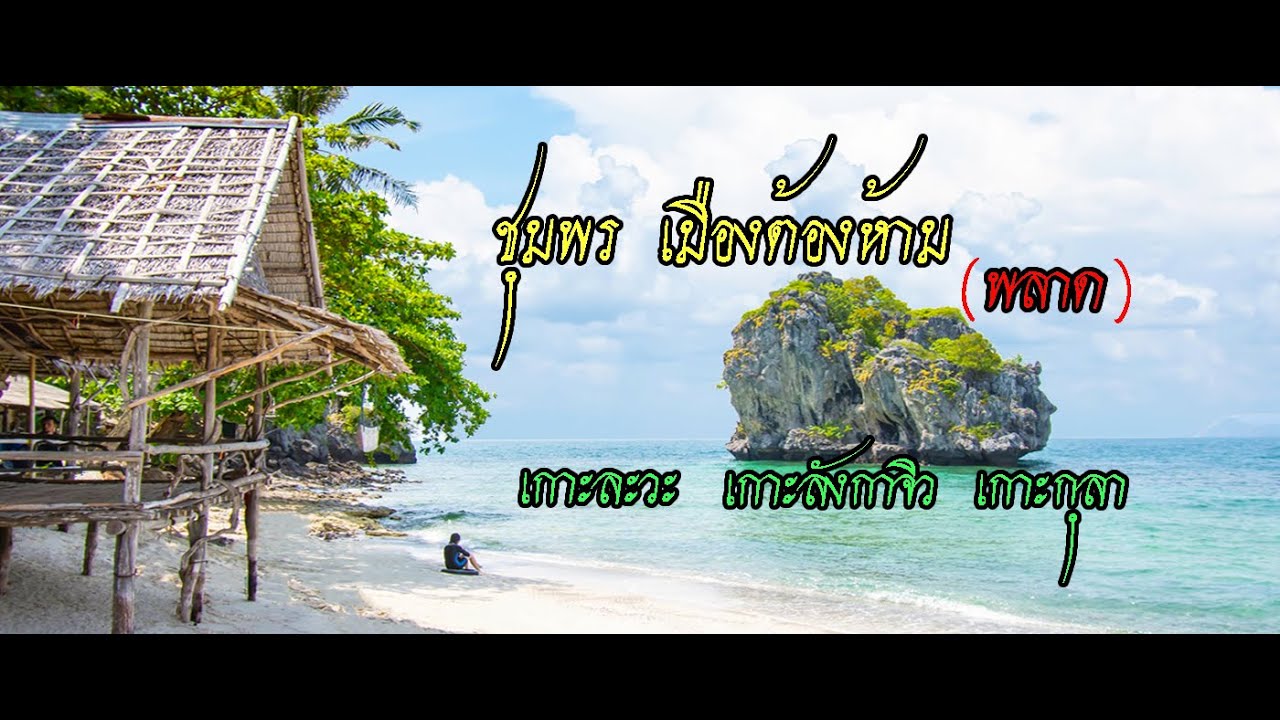
 Click to Access the Navigation Map GPS
Ko Langka Jiw Map
Gellery
Recommend

 Art, Culture and Heritage
 Historical Sites and Monuments(1)
 Landmarks and Memorials(2)
 Art, Craft Centres, Tradition(3)
 Museums(2)
 Educational Places
 Educational Gardens, Farm(1)
 Places of Worship
 Temple(31)
 Other Sacred Sites(9)
 Research and Development
 Royal Project(1)
 Suburban Living
 Village, Community(5)
 Local Market(1)
 National Parks and Marine Reserves(7)
 Mountain (Doi)(5)
 Dam, Reservoir, Lake(1)
 Waterfalls(26)
 Hot Springs(1)
 Caves(21)
 River, Canal(7)
 Bays and Beaches(30)
Islands(13)
Bays and Beaches(30)
Islands(13)
 Other natural attractions(7)
 Entertainment and Agricultural
 Farms, Parks and Ecotourism(3)
 Outdoor and Adventure Activities(4)
 Shopping
 Shopping and Night Market(1)


