
lovethailand home >Northeastern Travel Attractions >Ubon Ratchathani Travel Attractions >Khong Chiam >Khong Chiam > Two Color River
TL;DR: Two Color River is located at Ban Woen Buek, Khong Chiam Subdistrict, Khong Chiam District, Ubon Ratchathani Province, open Daily, hours Open All Day.
Two Color River
Open Days: Daily
Opening Hours: Open All Day
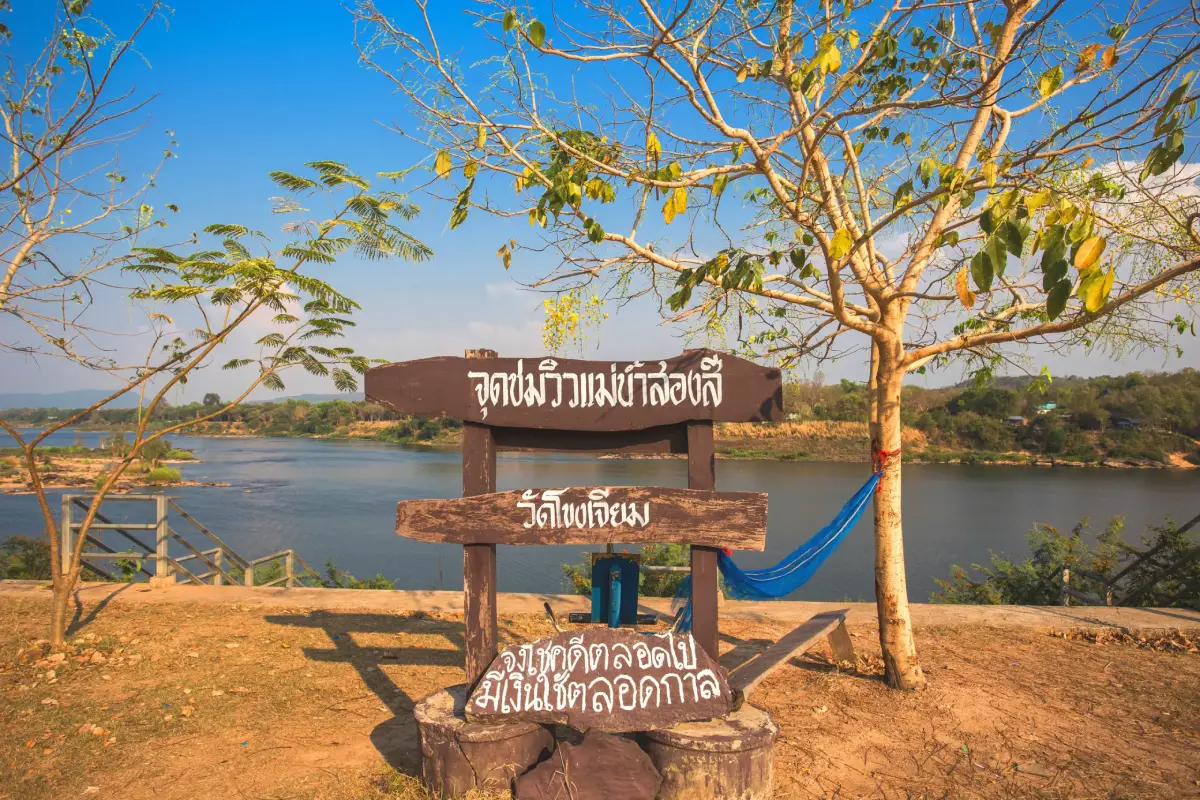
Two Color River, also known as Don Dan Pak Mae Nam Mun, is one of the most distinctive natural attractions in Khong Chiam District, Ubon Ratchathani Province. It is located around Ban Woen Buek in Khong Chiam Subdistrict, where the Mun River flows into the Mekong River. At this confluence, the two rivers display noticeably different water colors, giving rise to the well-known local phrase “Khong Si Pun, Mun Si Khram,” meaning the Mekong appears pale and cement-like while the Mun appears bluish-green or indigo. This striking meeting of waters makes Khong Chiam one of the most geographically memorable destinations in eastern Ubon Ratchathani.
The Two Color River is not simply a riverside viewpoint. It is the confluence of two important river systems. The Mun River is one of the major rivers of northeastern Thailand, flowing across the lower Isan region before reaching the Mekong at Khong Chiam. The Mekong River, by contrast, is a major international river linking communities across several countries. When these two rivers meet at Don Dan Pak Mae Nam Mun, the area becomes important not only for scenery but also for geography, local livelihood, river travel, border culture, belief, and tourism.
The easiest place to view the Two Color River is the riverside slope in front of Wat Khong Chiam. Visitors can drive into Khong Chiam town, park near the temple or nearby area, and walk to the riverside viewpoint. From this point, they can see the Mun River flowing toward the Mekong, the riverbank settlements, the distant Lao side of the Mekong, and the line of color difference when water conditions are suitable. Some areas around Ban Huai Mak also offer views of the color contrast, while boat trips from Khong Chiam provide a closer angle from the river itself.
Ban Woen Buek is closely connected with the identity of the Two Color River because it lies near the mouth of the Mun River and the local boat routes. Travelers can take a short boat ride from Khong Chiam town to see the confluence area. The boat perspective is different from the temple viewpoint. From the river, visitors can see the water surface, the flow direction, the width of the Mekong, and the riverside communities from a closer angle. This makes the boat route a valuable option for travelers who want to understand the river landscape more deeply.
The difference in water color comes from the natural character of each river. The Mekong is a large river with significant sediment, so its water often appears pale, muddy, brownish, or cement-like depending on season and flow. The Mun River can appear greener or bluish in certain periods. When the two streams meet, the color boundary becomes visible. This effect is not identical every day. It changes according to river level, sediment load, sunlight, weather, season, and the strength of the flow from each river.
April is widely recognized as the month when the color difference is most clearly visible. During this period, water level, sediment conditions, and sunlight often make the contrast between the Mun and Mekong rivers more distinct. The sky is usually clearer, the light is stronger, and the river level can make the water boundary easier to see. However, the Two Color River can be visited throughout the year. Each season gives a different mood: dry season for clearer color contrast, rainy season for powerful river volume, and the late rainy to cool season for pleasant travel conditions.
The phrase “Khong Si Pun, Mun Si Khram” captures the identity of the place in a memorable way. It does more than describe water color. It turns local observation into a cultural phrase. The Mekong’s pale sediment-rich water becomes “cement-colored,” while the Mun’s darker bluish-green water becomes “indigo-colored.” This phrase helps visitors remember the destination and also shows how local people read natural phenomena through language.
The name Don Dan Pak Mae Nam Mun helps explain the geography. “Pak Mae Nam Mun” means the mouth of the Mun River, while “Don Dan” suggests a riverine area or sandbar-like zone associated with river passage and stopping points. The name therefore describes a place where a local Isan river meets the international Mekong River. It is a geographical meeting point as well as a cultural one.
Khong Chiam District has a strong identity as a river town. Visiting the Two Color River helps travelers understand the district quickly and deeply. Khong Chiam is not only a route toward Pha Taem National Park or a riverside stop. It is a place shaped by the Mun River, the Mekong River, riverside temples, local boat routes, fish-based food culture, cross-border views, and nearby natural attractions. The Two Color River is the central image that brings these elements together.
The viewpoint in front of Wat Khong Chiam is important because it combines natural scenery with community and religious context. Visitors can enjoy the river view, pay respect at the temple, rest in the breeze, and photograph the confluence from the same area. The viewpoint is part of everyday Khong Chiam life, not an isolated platform built only for tourists. It is a shared riverside space used by locals and visitors alike.
A boat trip gives a more direct experience of the rivers. From the boat, travelers can see the current, the water surface, the color boundary, riverbank activity, and the scale of the Mekong more closely than from land. Local boat routes may include the Two Color River, Ban Woen Buek, Kaeng Tana, riverside views, and other nearby routes depending on the service provider. This is the best option for visitors who want to feel the river environment rather than only view it from above.
The best time for a boat trip is during calm weather with good light. Morning offers a peaceful atmosphere, cooler air, and smoother water. Late afternoon gives warm light and good photographic conditions. Travelers who want to see the color contrast clearly should choose a day with open sky, good sunlight, and moderate water movement. Viewing from land is easier and suitable for all visitors, while the boat trip adds depth for those who want a closer river experience.
Geographically, the Two Color River is the final meeting point of the Mun River and the Mekong River. The Mun carries water from the heart of lower northeastern Thailand, while the Mekong connects Thailand with neighboring countries. At Khong Chiam, a regional river and an international river become one. This makes the site meaningful beyond visual beauty. It is a natural gateway between local Isan geography and the wider Mekong world.
Culturally, the Two Color River reflects riverside life in Khong Chiam. The river supports travel, fishing, food culture, temples, local trade, and tourism. The presence of riverside restaurants, boat services, temples, and viewpoints shows that the river is not only a scenic background. It is part of daily life. Visiting the Two Color River allows travelers to see how people live with the river, use it, respect it, and share it with visitors.
For nature learning, the Two Color River is a clear example of sediment, flow, seasonal change, and light. The different colors are not artificial. They come from the natural properties of the rivers. When sediment is high, water becomes more opaque. When sediment decreases and light reflects differently, water color changes. The site shows that rivers are living systems that change every day.
The riverside area in front of Wat Khong Chiam is suitable for relaxed viewing. Visitors can walk, take photographs, sit in the breeze, observe boats, and look toward Laos across the river. It is appropriate for families, elderly travelers, solo travelers, photographers, and international visitors because access is easy and no strenuous walking is required. Morning and evening are more comfortable than midday.
For photographers, the Two Color River offers several strong compositions: the wide confluence, boats crossing the color boundary, the riverside pavilion, Wat Khong Chiam and the river, sunset over the Mekong, and local life along the bank. April is especially useful for color-contrast photography. Morning is good for calm river scenes, while evening adds warm light and reflection.
The Two Color River can be combined easily with nearby attractions. A half-day trip can include the Wat Khong Chiam viewpoint, riverside walking, lunch in Khong Chiam, and Wat Tham Khuha Sawan. A full-day route can add Kaeng Tana National Park, the suspension bridge, Sirindhorn Dam, or Wat Sirindhorn Wararam Phu Phrao. The destination works well as both a main stop and a connecting point in a broader eastern Ubon Ratchathani route.
Kaeng Tana National Park is one of the most relevant nearby attractions because it is also connected with the Mun River. Kaeng Tana features river rapids, Don Tana, a suspension bridge, and natural scenery along the Mun River. Visiting both Kaeng Tana and the Two Color River helps travelers understand the Mun River from rocky rapids to its final meeting point with the Mekong.
Wat Tham Khuha Sawan is another convenient nearby stop. It is close to the Two Color River area and adds a Buddhist cultural dimension to the route. Travelers can view the confluence, visit the temple, and enjoy food in Khong Chiam within a short period. This makes it suitable for visitors with limited time.
Pha Taem National Park is ideal for travelers who want to continue from river scenery to cliffs, archaeology, and sandstone landscapes. The park is known for prehistoric rock paintings, Sao Chaliang, Mekong viewpoints, seasonal waterfalls, and sunrise scenery. A route combining the Two Color River with Pha Taem gives visitors a complete picture of eastern Ubon Ratchathani: river confluence, ancient rock art, cliffs, forest, and local communities.
Ban Woen Buek and other riverside communities help travelers understand the human side of the river. Boat routes and village areas reveal houses, shops, landing points, and daily life along the banks. These scenes make the Two Color River more than a natural phenomenon. It is a living place where people travel, fish, trade, cook, worship, and welcome visitors.
Traveling to the Two Color River is convenient by private car, rental car, or public transport to Khong Chiam. From Ubon Ratchathani city, the route to Khong Chiam is about 84 km. Visitors can travel through Phibun Mangsahan or Sirindhorn depending on their wider itinerary. Once in Khong Chiam town, head to Wat Khong Chiam or the riverside boat pier to view the confluence.
Getting There from Ubon Ratchathani city can be done via the Ubon Ratchathani-Phibun Mangsahan-Khong Chiam route or the Ubon Ratchathani-Sirindhorn-Khong Chiam route. After arriving in Khong Chiam, navigate to Wat Khong Chiam or the Two Color River viewpoint. Visitors can view the rivers from the riverside slope or use a local boat service from the Khong Chiam pier for a closer river perspective.
Travelers without a private vehicle can take transport from Ubon Ratchathani to Khong Chiam, then use local transport to reach Wat Khong Chiam, the viewpoint, or the boat pier. Staying overnight in Khong Chiam is convenient because it allows visitors to see the river in different light conditions and continue to Kaeng Tana, Pha Taem, and riverside restaurants without rushing.
A half-day trip from Khong Chiam can begin at the Wat Khong Chiam viewpoint, followed by riverside photography, lunch in town, and a visit to Wat Tham Khuha Sawan or Kaeng Tana National Park. A boat ride can be added for travelers who want to see Ban Woen Buek and the confluence from the water.
A full-day route can start with the Two Color River in the morning, continue with a boat trip, include lunch by the Mekong, and then move to Kaeng Tana National Park or the suspension bridge in the afternoon. In the evening, travelers can return to Khong Chiam for sunset and dinner by the river. This route gives a complete experience of river scenery, local food, and the Mun-Mekong landscape.
A two-day itinerary is even better for travelers who want depth. On the first day, explore the Two Color River, Wat Khong Chiam, Wat Tham Khuha Sawan, Kaeng Tana, and Khong Chiam riverside. On the second day, continue to Pha Taem National Park, Sao Chaliang, Saeng Chan Waterfall, Thung Na Mueang Waterfall, or the Dong Na Tham route. This plan gives a fuller understanding of eastern Ubon Ratchathani.
Visitors should prepare a hat, sunglasses, drinking water, a camera or phone, waterproof protection for boat trips, and light clothing suitable for riverside weather. When taking a boat, follow the boat operator’s safety instructions and wear a life jacket. Avoid standing or changing seats while the boat is moving.
The main safety concerns are weather, wind, river current, and riverbank conditions. During strong wind or rain, boat trips require extra caution. At the riverside viewpoint, visitors should be careful near slopes, wet areas, and unfenced sections. Children should remain under adult supervision. Swimming at the confluence is not suitable because large-river currents can be strong and unpredictable.
Clean travel behavior is important. Visitors should not throw rubbish into the river, leave food waste along the bank, or use disposable plastic carelessly. The Two Color River is both a tourist attraction and a living river environment for local communities. Keeping the area clean protects the scenery and supports responsible riverside tourism.
Food is an important part of the Khong Chiam experience. Many restaurants in the area serve river fish, Isan dishes, papaya salad, fish soup, local Thai food, and Mekong-side meals. Eating after the viewpoint or after a boat trip completes the experience because visitors can enjoy both scenery and local flavor in one route.
Accommodation in Khong Chiam ranges from small hotels in town to riverside resorts and quiet guesthouses. Staying nearby allows travelers to view the Two Color River at different times of day. Morning gives calm scenery, midday offers clearer color in good light, and evening creates a warm Mekong atmosphere. Overnight stays also make it easier to continue to Pha Taem or Kaeng Tana the next day.
For international travelers, the Two Color River is a strong introduction to Ubon Ratchathani. It shows where a major Isan river meets the Mekong, where local communities live along the bank, where temples and boat routes connect with river life, and where Thailand meets a broader Mekong-region landscape. It is a destination that goes beyond a viewpoint by revealing geography, culture, livelihood, and travel in one place.
Overall, the Two Color River or Don Dan Pak Mae Nam Mun is one of Khong Chiam’s essential attractions. Its strengths are the visible meeting of the Mun and Mekong rivers, the phrase “Khong Si Pun, Mun Si Khram,” the Wat Khong Chiam viewpoint, Ban Woen Buek, local boat services, riverside restaurants, and easy connections to Kaeng Tana, Pha Taem, Sirindhorn Dam, and other key places in eastern Ubon Ratchathani. Visitors who take time to observe the rivers will discover that the Two Color River is not only a beautiful natural phenomenon but also a complete landscape of water, faith, community, and Mekong life.
| Name | Two Color River / Don Dan Pak Mae Nam Mun |
| Location | Ban Woen Buek, Khong Chiam Subdistrict, Khong Chiam District, Ubon Ratchathani Province |
| Address | The confluence of the Mun River and Mekong River near Wat Khong Chiam, Ban Woen Buek, Khong Chiam Subdistrict, Khong Chiam District, Ubon Ratchathani 34220 |
| Coordinates / Navigation Point | Two Color River Viewpoint, Wat Khong Chiam, Khong Chiam Subdistrict, Khong Chiam District, Ubon Ratchathani Province |
| Distinctive Features | The meeting point of the Mun River and Mekong River, where different water colors create the famous phrase “Khong Si Pun, Mun Si Khram.” Main viewpoints include Wat Khong Chiam, parts of Ban Huai Mak, and boat routes around Ban Woen Buek. |
| Name Origin | The name Two Color River comes from the contrast between the Mun River and the Mekong River. Don Dan Pak Mae Nam Mun refers to the mouth of the Mun River before it joins the Mekong. |
| Natural Formation | A river confluence where water color changes according to sediment, river level, sunlight, season, and the strength of each river’s flow. |
| Main Viewpoints | Riverside slope in front of Wat Khong Chiam, parts of Ban Huai Mak, Khong Chiam pier, and the boat route around Ban Woen Buek |
| Travel Information | From Ubon Ratchathani city, travel about 84 km to Khong Chiam District. Continue to Wat Khong Chiam or Khong Chiam pier to view the river from land or take a local boat to the confluence area. |
| Current Status | Open as a natural riverside viewpoint and local attraction in Khong Chiam Subdistrict |
| Open Days | Daily |
| Opening Hours | Open All Day |
| Fees | No entrance fee for the viewpoint Boat services are charged according to route and local operator. |
| Facilities | Riverside viewpoint, Wat Khong Chiam, parking according to site conditions, Khong Chiam pier, riverside restaurants, local shops, boat services, and accommodations in Khong Chiam District |
| Main Areas / Zones | Wat Khong Chiam Viewpoint Zone Mekong Riverside Slope Zone Mun River Mouth Zone Ban Woen Buek Zone Ban Huai Mak View Zone Khong Chiam Pier Zone Two Color River Boat Route Zone Riverside Restaurant And Accommodation Zone |
| Caretaker | Khong Chiam Subdistrict Administrative Organization, local communities, and local boat operators in Khong Chiam District |
| Main Contact Number | Khong Chiam Subdistrict Administrative Organization, Tel. 045-351-223 |
| Best Time To Visit | April for the clearest water-color contrast; morning and late afternoon for river views, photography, and boat trips |
| Safety Notes | Be careful near riverside slopes, strong current, wind, and rain during boat trips. Wear a life jacket on boats and avoid swimming at the confluence. |
| Nearby Tourist Attractions | 1. Wat Khong Chiam / Two Color River Viewpoint, 0 km, Tel. 045-351-223 2. Khong Chiam Pier, 1 km, Tel. 045-351-223 3. Wat Tham Khuha Sawan, 2 km 4. Ban Woen Buek, 3 km, Tel. 045-351-223 5. Kaeng Tana National Park, 6 km, Tel. 045-252-722 6. Kaeng Tana Suspension Bridge, 6 km, Tel. 045-252-722 7. Tham Heo Sin Chai Cave, 8 km 8. Pha Taem National Park, 18 km, Tel. 045-252-581 9. Sirindhorn Dam, 24 km, Tel. 045-366-081 Ext. 3 10. Wat Sirindhorn Wararam Phu Phrao, 29 km |
| Nearby Restaurants | 1. Mae Nam Song Si Khong Chiam Restaurant, 1 km, Tel. 083-720-7706 2. Mae Nam Song Si Restaurant, 1 km, Tel. 064-152-9492 3. Khrua Khong Chiam, 1 km, Tel. 045-351-027, 062-829-3697 4. Phae Araya Khong Chiam, 1 km, Tel. 045-351-015 5. Larb Pla Khong Chiam, 1 km, Tel. 045-351-283 6. CAFE DE KHONG, 3 km, Tel. 081-860-5905, 045-351-174 7. Boeng Tawan Restaurant, 5 km, Tel. 089-717-7627 |
| Nearby Accommodations | 1. Khong Chiam Hotel, 1 km, Tel. 086-468-7431 2. View Khong Khong Chiam Hotel, 1 km, Tel. 065-242-3392 3. Baan Kieng Tawan Khong Chiam, 2 km, Tel. 099-039-4290 4. Tohsang Heritage Khongjiam, 3 km, Tel. 081-860-5905, 045-351-174-6 5. Khong Chiam Orchid Riverside Resort, 4 km 6. Kaeng Tana National Park Accommodation, 6 km, Tel. 045-252-722 7. Pha Taem National Park Accommodation And Camping Area, 18 km, Tel. 045-252-581 |
Frequently Asked Questions (FAQ)
Q: Where is the Two Color River located?
A: The Two Color River, or Don Dan Pak Mae Nam Mun, is located around Ban Woen Buek in Khong Chiam Subdistrict, Khong Chiam District, Ubon Ratchathani Province. The main viewpoint is in front of Wat Khong Chiam, with additional views from parts of Ban Huai Mak.
Q: What are the opening days and hours?
A: The Two Color River viewpoint is open daily and accessible all day. Morning and late afternoon are the best times for viewing and photography.
Q: Is there an entrance fee?
A: There is no entrance fee for the viewpoint. Boat trips are charged according to the route and local operator.
Q: Why is it called Khong Si Pun, Mun Si Khram?
A: The Mekong River often appears pale and sediment-rich, while the Mun River can appear bluish-green or indigo. When the 2 rivers meet at Khong Chiam, the color difference creates the well-known phrase “Khong Si Pun, Mun Si Khram.”
Q: Which month is best for seeing the 2 water colors clearly?
A: April is the best month for seeing the color contrast clearly because river level, sunlight, and sediment conditions usually make the boundary between the Mun and Mekong rivers more visible.
Q: Can visitors take a boat trip to see the Two Color River?
A: Yes. Boat trips are available from the Khong Chiam riverside area. Routes can include the Mun-Mekong confluence, Ban Woen Buek, riverside scenery, and nearby river attractions depending on the operator.
Q: How can travelers get to the Two Color River?
A: From Ubon Ratchathani city, travel about 84 km to Khong Chiam District, then head to Wat Khong Chiam or Khong Chiam pier. Visitors can view the river from the bank or take a local boat trip.
Q: What attractions can be visited together with the Two Color River?
A: Nearby attractions include Wat Khong Chiam, Wat Tham Khuha Sawan, Ban Woen Buek, Kaeng Tana National Park, Kaeng Tana Suspension Bridge, Tham Heo Sin Chai Cave, Pha Taem National Park, Sirindhorn Dam, and Wat Sirindhorn Wararam Phu Phrao.
 Category: ●Nature and Wildlife
 Group: ●River, Canal
Last Update : 2 MonthAgo
 Last Update : 2 MonthAgo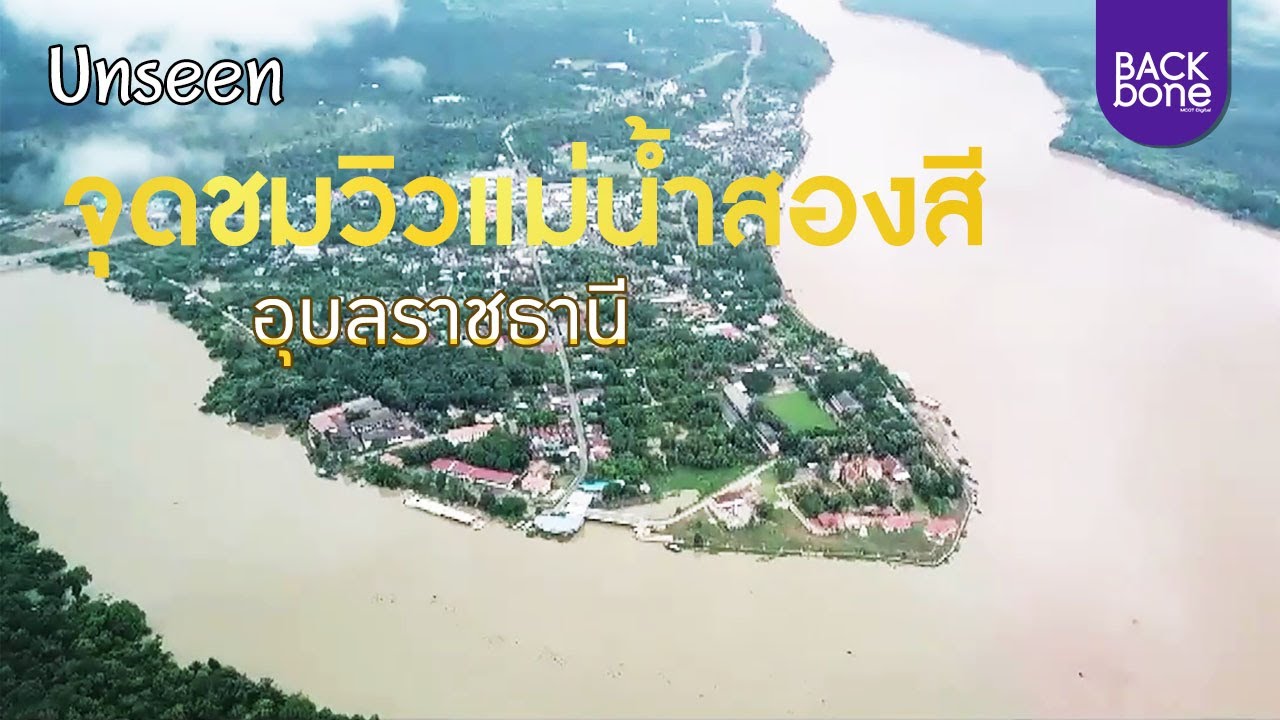
 Click to Access the Navigation Map GPS
Two Color River Map
Gellery
Recommend

 Art, Culture and Heritage
 Historical Sites and Monuments(5)
 Landmarks and Memorials(2)
 Royal Palace(1)
 Art, Craft Centres, Tradition(7)
 Museums(3)
 Places of Worship
 Temple(37)
 Other Sacred Sites(4)
 Research and Development
 Royal Project(2)
 Suburban Living
 Village, Community(2)
 Local Market(4)
 National Parks and Marine Reserves(5)
 Mountain (Doi)(6)
 Dam, Reservoir, Lake(8)
 Waterfalls(12)
 Hot Springs(1)
 Caves(2)
River, Canal(11)
Caves(2)
River, Canal(11)
 Bays and Beaches(8)
 Islands(2)
 Other natural attractions(6)
 Entertainment and Agricultural
 Zoos and Aquariums(1)
 Animal camps and shows(1)
 Farms, Parks and Ecotourism(1)


