
lovethailand home >Northeastern Travel Attractions >Surin Travel Attractions >Muang Surin >Nai Muang > Wat Burapharam
TL;DR: Wat Burapharam is located at Nai Mueang Subdistrict, Mueang Surin District, Surin Province 32000, open Daily, hours 08.00 – 17.00.
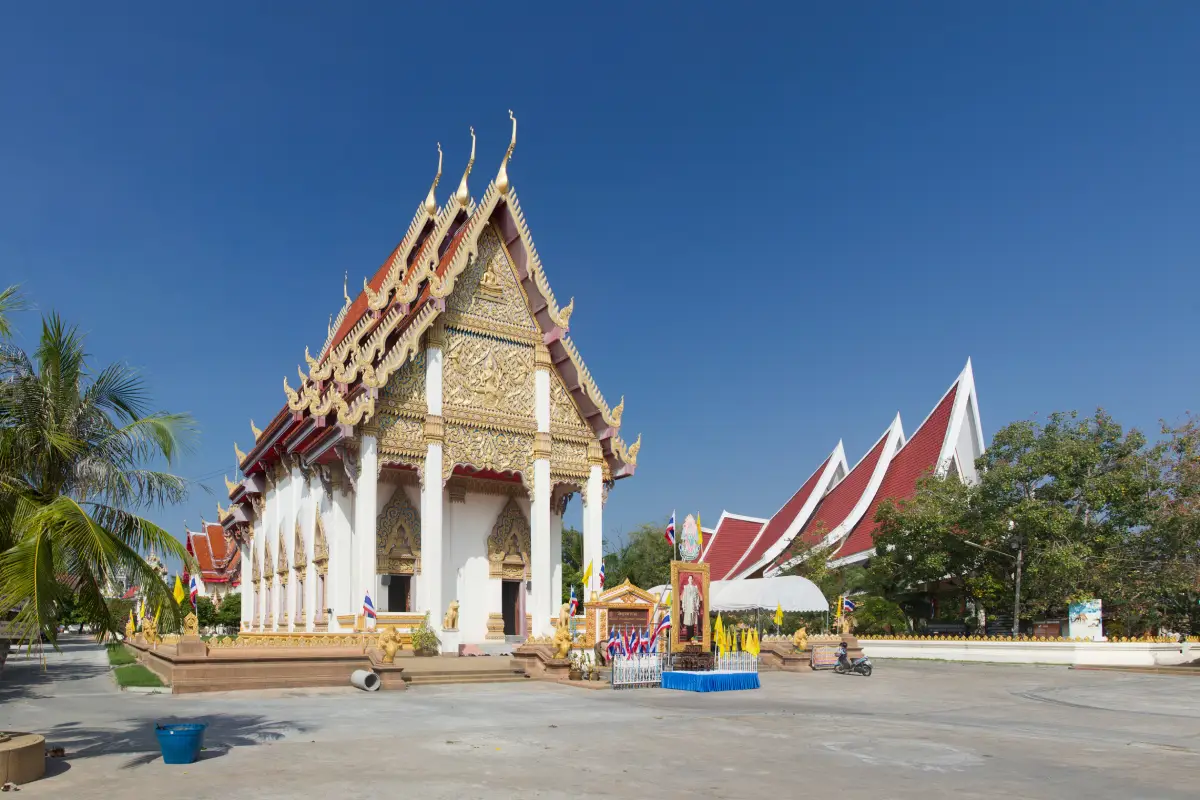
Wat Burapharam
Open Days: Daily
Opening Hours: 08.00 – 17.00
Wat Burapharam Surin is one of the most important royal temples in Surin Province. Located in Nai Mueang Subdistrict, Mueang Surin District, in the heart of the city, the temple is a major spiritual landmark for local residents and visitors. It is best known as the home of Luang Pho Phra Chi, also locally called Luang Pho Prachi, a highly revered Buddha image in the posture of subduing Mara. For the people of Surin, this sacred Buddha image is not only an object of worship, but also a symbol of protection, faith, and the identity of the city.
Wat Burapharam is more than a city temple. It is a living historical, religious, and cultural site that has stood alongside Surin for more than 200 years. The temple is closely linked to the formation of the old city, the development of Buddhism in the province, and the lineage of forest meditation masters in northeastern Thailand. Visitors who come here can pay respect to Luang Pho Phra Chi, learn about the temple’s long history, reflect on the legacy of Luang Pu Dun Atulo, and experience the calm atmosphere of a royal temple in the center of Surin.
The history of Wat Burapharam dates back to the late Thonburi and early Rattanakosin periods. It was built by Phraya Surin Si Narong Changwang, also known as Pum, the first ruler of Surin, together with local people. The temple was originally known as Wat Burap. Over time, it developed into an important Dhammayut temple and was later elevated to the status of a third-class royal temple. This long history makes Wat Burapharam one of the key places for understanding how Surin grew as a city and how Buddhism became deeply embedded in its civic life.
The name “Burapharam” is associated with the Thai word “burapha,” meaning east. The name reflects the temple’s historic position in relation to the old urban area and its long-standing role as a religious anchor of the community. To local people, the temple is not merely a place on a map. It is a sacred space where the city, Buddhism, ancestors, monastic teachers, and public memory meet.
Luang Pho Phra Chi is the spiritual heart of Wat Burapharam. The image is seated in the Mara-subduing posture and measures 4 sok across the lap. Although the exact date of its creation is not recorded, temple history holds that the image has been associated with Wat Burapharam since the early period of the temple. Generations of Surin residents have worshipped this Buddha image as the sacred guardian of the city. Its power lies not only in its form, but also in the accumulated devotion of countless worshippers who have come to pray, make merit, and seek peace of mind.
The posture of Luang Pho Phra Chi carries strong Buddhist meaning. The right hand reaches down toward the earth, recalling the moment when the Buddha overcame Mara through truth and spiritual perfection. For worshippers, the image represents inner victory, stability, mindfulness, and moral strength. Many visitors come to ask for blessings before beginning new work, traveling, studying, facing difficulties, or seeking calm during uncertain periods of life.
Wat Burapharam is also deeply associated with Phra Ratchawutthachan, better known as Luang Pu Dun Atulo, one of the most respected meditation masters in Thailand. Luang Pu Dun was a disciple of Phra Ajahn Mun Bhuridatto and became a major figure in the Thai forest meditation tradition. He served as abbot of Wat Burapharam and played an important role in restoring, developing, and strengthening the temple as a center of Buddhist practice in Surin.
The presence of Luang Pu Dun gives Wat Burapharam a depth that goes beyond ordinary temple tourism. The temple is not only a place for ceremonies and worship, but also a place connected with meditation practice, mindfulness, and direct insight into the mind. Luang Pu Dun’s teaching emphasized knowing the mind clearly and practicing with simplicity and directness. Many visitors therefore come not only to venerate Luang Pho Phra Chi, but also to honor Luang Pu Dun and reflect on the path of meditation.
Inside the temple compound is the Kammatthan-Atthithat Museum of Wat Burapharam. This museum was established in memory of Luang Pu Dun Atulo and contains objects related to his life and practice, including personal items, monastic requisites, representations, and materials connected with his biography and teaching. The museum allows visitors to understand the meditative side of the temple in a concrete way. It also connects the temple with the wider lineage of forest meditation in northeastern Thailand.
The temple grounds contain several important areas: the ordination hall, the viharn of Luang Pho Phra Chi, the sermon hall, monks’ residences, a funeral hall, and the Kammatthan-Atthithat Museum. These areas reflect the many functions of Wat Burapharam. It supports worship, merit-making, meditation, monastic education, community ceremonies, funerary rites, and the preservation of religious memory. The temple is therefore a living religious institution rather than a static historical monument.
The ordination hall is one of the most important spaces in the temple. Its architecture reflects the dignified beauty of a Thai Buddhist temple in Surin city. The area is used for important monastic ceremonies and Buddhist observances. On major Buddhist days such as Makha Bucha, Visakha Bucha, Asalha Bucha, and the beginning of Buddhist Lent, the temple becomes a gathering place for monks, laypeople, officials, and worshippers who join chanting, merit-making, and candlelight processions.
The viharn of Luang Pho Phra Chi is where the emotional and devotional life of the temple is most concentrated. Visitors come to bow before the image, offer flowers, candles, incense, and gold leaf, and sit quietly in prayer. The atmosphere is calm and respectful. Visitors should move slowly, keep their voices low, and avoid disturbing people who are praying or meditating. This space is especially meaningful to local residents, and respectful behavior is essential.
The sermon hall serves as a space for merit-making, listening to Dhamma, monastic gatherings, and community religious events. The monks’ residences and monastic areas remain active parts of the temple’s daily life. Visitors should understand the boundary between public areas and the monks’ living areas, and should not enter restricted zones without permission. This awareness helps preserve the dignity of the temple as both a sacred site and an active monastic residence.
The Kammatthan-Atthithat Museum deserves a separate visit for those interested in Buddhist practice. It is open only to visitors who contact the temple in advance and does not charge an admission fee. The museum’s content helps visitors understand Luang Pu Dun not only as a famous monk, but as a meditation teacher whose teaching pointed directly to awareness of the mind. For serious cultural and spiritual travelers, this museum is one of the most meaningful parts of Wat Burapharam.
Wat Burapharam is also recognized as the first provincial meditation practice center of Surin. This role strengthens the temple’s identity as a place of mental cultivation and spiritual training. Its calm atmosphere in the middle of the city makes it accessible for local residents and travelers who need a peaceful space for chanting, reflection, and meditation. The temple’s association with the Dhammayut order and the forest meditation lineage gives it a distinct spiritual character.
The temple has had several important abbots through its history, including Phra Maha Phloi, Phra Ratchawutthachan or Luang Pu Dun Atulo, Phra Rattanakorn Wisut, Phra Phothinandamuni, and Phra Ratchaworakhun. The latest information found identifies Phra Khru Sathit Panyakhun, also known as Phirun Siripanyo, as acting abbot of Wat Burapharam Royal Temple. This continuity of monastic leadership has helped preserve the temple’s role as a royal temple and a spiritual center of Surin.
As a temple closely connected with provincial religious life, Wat Burapharam hosts important Buddhist ceremonies and public religious events. These include chanting, candlelight processions, merit-making on Buddhist holy days, and ceremonies connected with sacred Buddhist water in important national occasions. Its status as a city temple makes it a gathering place for monks, residents, officials, and visitors during significant religious events.
One of the advantages of visiting Wat Burapharam is its central location. The temple is close to Surin City Pillar Shrine, the Phraya Surin Phakdi Si Narong Changwang Monument, local restaurants, hotels, the railway station, and the old city area. It can easily be included in a half-day city route. Many travelers begin their Surin trip here by paying respect to Luang Pho Phra Chi before continuing to other cultural destinations.
For visitors interested in Surin history, Wat Burapharam links several important themes: the founding of the city, the first governor of Surin, the development of Dhammayut Buddhism, the legacy of Luang Pu Dun, and the long-standing devotion to the city’s sacred Buddha image. Each area of the temple has its own meaning. The Luang Pho Phra Chi viharn is the center of devotion. The ordination hall is the ceremonial heart. The museum preserves the memory of a meditation master. The temple grounds themselves remain an active religious community.
A meaningful visit should begin with paying respect to the main Buddha image and Luang Pho Phra Chi. Visitors can then walk quietly around the ordination hall, the viharn, and the museum area if prior contact has been made. Those who wish to make merit can offer alms or donations through proper temple channels. Visitors who want to chant or meditate should choose a quiet period, usually in the morning or late afternoon.
Because Wat Burapharam is a sacred place, visitors should dress modestly, avoid loud conversation, refrain from touching sacred objects without permission, and not enter monks’ private areas. Photography should be done respectfully and should never disturb worshippers. Group visitors should contact the temple in advance if they plan to organize educational visits, ceremonies, or formal merit-making activities.
Getting There to Wat Burapharam is easy from Surin city center. The temple is located near Chitbamrung Road and the Krungsri Nai city area. From Surin Railway Station, visitors can reach the temple by car, local hired vehicle, three-wheeled transport, or motorcycle taxi. The temple is also close enough to combine with Surin City Pillar Shrine and Phraya Surin Phakdi Si Narong Changwang Monument in the same city route.
Travelers using private cars can navigate directly to Wat Burapharam in Mueang Surin District. Parking inside the temple is available according to space, but the area can become busier on Buddhist holy days, festival periods, and major ceremonies. Morning and late afternoon are good times to visit because the weather is more comfortable and the temple atmosphere is quieter.
Wat Burapharam can be combined with several nearby attractions, such as Surin City Pillar Shrine, Phraya Surin Phakdi Si Narong Changwang Monument, Surin National Museum, Huai Saneng Reservoir, and Ban Tha Sawang Silk Weaving Village. Travelers with half a day can focus on the city’s sacred and historical landmarks. Those with a full day can continue to museums, craft villages, or other cultural sites around Surin.
The temple is suitable for many types of visitors: Buddhist pilgrims, cultural travelers, students, researchers, meditation practitioners, and international travelers who want to understand Surin’s religious life. Its strengths are accessibility, historical depth, spiritual importance, and its connection with both Luang Pho Phra Chi and Luang Pu Dun Atulo.
To local people, Wat Burapharam is more than a tourist attraction. It is a place of refuge, merit-making, remembrance, and faith. Families come here on important life occasions, before exams, before new work, before travel, after success, or during times when they need peace of mind. The temple remains close to the daily lives of Surin residents.
For international visitors, Wat Burapharam offers an accessible introduction to the spiritual identity of Surin. The province is known for elephants, silk, and Khmer archaeological heritage, but this temple reveals another important layer: city Buddhism, royal temple status, Dhammayut monastic culture, meditation lineage, and the deep devotion of ordinary people to a sacred Buddha image.
Wat Burapharam Surin is therefore one of the essential places to visit in Surin city. It combines sacredness, history, architecture, meditation heritage, and local identity in one accessible location. Visitors can pay respect to Luang Pho Phra Chi, learn about a temple more than 200 years old, honor the legacy of Luang Pu Dun Atulo, and experience the calm dignity of a royal temple that continues to hold the faith of Surin firmly to the present day.
| Name | Wat Burapharam Surin / Wat Burapharam Royal Temple |
| Location | Nai Mueang Subdistrict, Mueang Surin District, Surin Province 32000 |
| Address | Wat Burapharam, 330 Chitbamrung Road, Nai Mueang Subdistrict, Mueang Surin District, Surin Province 32000, near the central city and Surin provincial government area |
| Highlights | Paying respect to Luang Pho Phra Chi or Luang Pho Prachi, visiting a royal temple over 200 years old, honoring Luang Pu Dun Atulo, and learning about the Thai forest meditation tradition in Surin |
| History | The temple dates to the late Thonburi and early Rattanakosin periods. It was built by Phraya Surin Si Narong Changwang, also known as Pum, the first ruler of Surin, and was elevated to a third-class royal temple on 1 February 1977 |
| Name Origin | “Burapharam” is associated with “burapha,” meaning east, reflecting the temple’s long-standing place in the old city area of Surin |
| Distinctive Features | A Dhammayut royal temple housing Luang Pho Phra Chi, the sacred Buddha image of Surin, and closely associated with Luang Pu Dun Atulo, a major forest meditation master |
| Travel Information | From Surin Railway Station or the city center, visitors can reach the temple by car, local hired vehicle, three-wheeled transport, or motorcycle taxi. The temple is close to Surin City Pillar Shrine and the Phraya Surin Phakdi Monument |
| Current Status | Open for visitors, worship, and religious activities. It is an important royal temple of Surin and recognized as the province’s first meditation practice center |
| Open Days | Daily |
| Opening Hours | 08.00 – 17.00 |
| Fees | No Admission Fee |
| Facilities | Ordination hall, viharn, sermon hall, monks’ residences, funeral hall, Kammatthan-Atthithat Museum, temple courtyard, toilets, and parking area according to available temple space |
| Main Areas / Zones | 1. Luang Pho Phra Chi / Luang Pho Prachi Viharn 2. Ordination Hall 3. Sermon Hall 4. Kammatthan-Atthithat Museum Of Luang Pu Dun Atulo 5. Meditation Practice Area 6. Funeral Hall 7. Monastic Residence Area |
| Important Rituals / Traditions | Veneration of Luang Pho Phra Chi, offering of Sangha Dana, merit-making on Buddhist holy days, candlelight processions on major Buddhist days, meditation practice, and remembrance ceremonies for meditation teachers |
| Abbot / Caretaker | Phra Khru Sathit Panyakhun (Phirun Siripanyo), Acting Abbot of Wat Burapharam Royal Temple; the temple belongs to the Dhammayut monastic order and is under local Buddhist administrative supervision in Surin Province |
| Main Contact Number | Kammatthan-Atthithat Museum, Wat Burapharam, Tel. 044-538-690 |
| Official Information Source | Surin Provincial Office Of Buddhism: https://srn.onab.go.th |
| Nearby Tourist Attractions | 1. Surin City Pillar Shrine, about 1 km 2. Phraya Surin Phakdi Si Narong Changwang Monument, about 1 km 3. Surin National Museum, about 7 km, Tel. 044-513-272, 044-513-274 4. Huai Saneng Reservoir, about 8 km 5. Ban Tha Sawang Silk Weaving Village, about 17 km |
| Nearby Restaurants | 1. Tao Bin Surin Changwang Monument Branch, about 1 km, Tel. 097-964-5588, 062-224-8283 2. Sawasdee Surin, about 2 km, Tel. 085-637-7707 3. Seoul Bar - Cafe & Bistro Surin, about 2 km, Tel. 080-959-7942 4. Mozern Restaurant Surin, about 4 km, Tel. 084-995-6492 5. Chertom Surin, about 4 km, Tel. 098-997-7916 |
| Nearby Accommodations | 1. The Wood Surin, about 1 km, Tel. 063-023-7999 2. KT Knight Hotel, about 1 km, Tel. 093-454-7007 3. Thong Tarin Hotel, about 1 km, Tel. 044-514-281, 085-300-8858 4. Maneerote Hotel Surin, about 1 km, Tel. 044-514-569 5. The Gun Hotel, about 1 km, Tel. 088-123-0456 |
Frequently Asked Questions (FAQ)
Q: Where Is Wat Burapharam Surin Located?
A: Wat Burapharam is located at 330 Chitbamrung Road, Nai Mueang Subdistrict, Mueang Surin District, Surin Province 32000, in the city center of Surin.
Q: When Is Wat Burapharam Open?
A: The temple is open daily from 08.00 to 17.00.
Q: Is There An Admission Fee?
A: No. Wat Burapharam has no admission fee.
Q: Why Is Luang Pho Phra Chi Important?
A: Luang Pho Phra Chi, also known as Luang Pho Prachi, is a revered Buddha image in the Mara-subduing posture. It is regarded as one of Surin’s most sacred city Buddha images.
Q: How Is Wat Burapharam Connected With Luang Pu Dun Atulo?
A: Luang Pu Dun Atulo served as abbot of Wat Burapharam and played an important role in developing the temple as a center of meditation practice in Surin.
Q: Is There A Museum Inside The Temple?
A: Yes. The Kammatthan-Atthithat Museum presents materials related to Luang Pu Dun Atulo. It is open only to visitors who contact the temple in advance and has no admission fee.
Q: Who Currently Oversees Wat Burapharam?
A: The latest verified information identifies Phra Khru Sathit Panyakhun (Phirun Siripanyo) as Acting Abbot of Wat Burapharam Royal Temple.
Q: What Nearby Places Can Be Visited With Wat Burapharam?
A: Nearby places include Surin City Pillar Shrine, Phraya Surin Phakdi Si Narong Changwang Monument, Surin National Museum, Huai Saneng Reservoir, and Ban Tha Sawang Silk Weaving Village.
 Category: ●Places of Worship
 Group: ●Temple
Last Update : 2 MonthAgo
 Last Update : 2 MonthAgo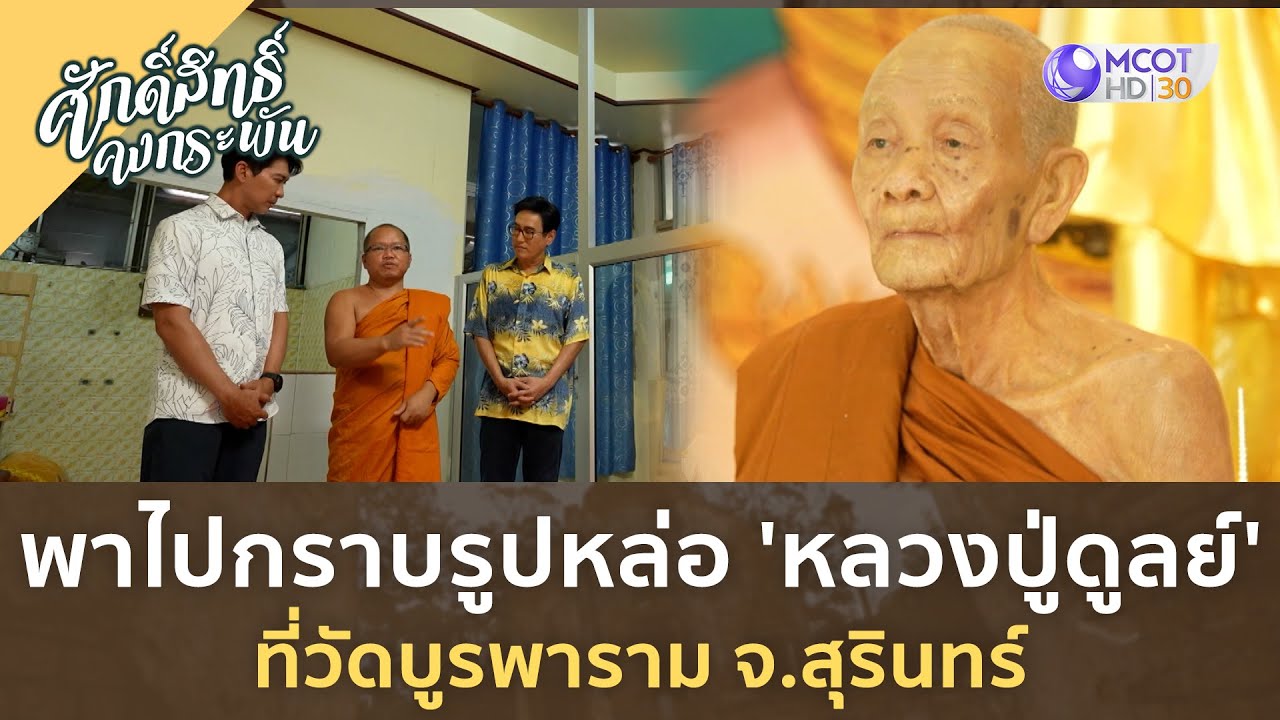
 Click to Access the Navigation Map GPS
Wat Burapharam Map
Recommend

 Art, Culture and Heritage
 Historical Sites and Monuments(11)
 Landmarks and Memorials(2)
 Art, Craft Centres, Tradition(5)
 Museums(1)
Temple(15)
Museums(1)
Temple(15)
 Other Sacred Sites(1)
 Suburban Living
 Village, Community(9)
 Local Market(1)
 Nature and Wildlife
 National Parks and Marine Reserves(2)
 Mountain (Doi)(2)
 Dam, Reservoir, Lake(6)
 Waterfalls(1)
 River, Canal(2)
 Other natural attractions(4)
 Entertainment and Agricultural
 Farms, Parks and Ecotourism(2)


