
lovethailand home >Northeastern Travel Attractions >Si Sa Ket Travel Attractions >Muang Si Sa Ket >Muang Nuea > Wat Maha Phuttharam
TL;DR: Wat Maha Phuttharam is located at Ban Pa Daeng, Khukhan Road, Mueang Nuea Subdistrict, Mueang Si Sa Ket District, Si Sa Ket Province 33000, Thailand, open Daily, hours 08.00 - 17.00.
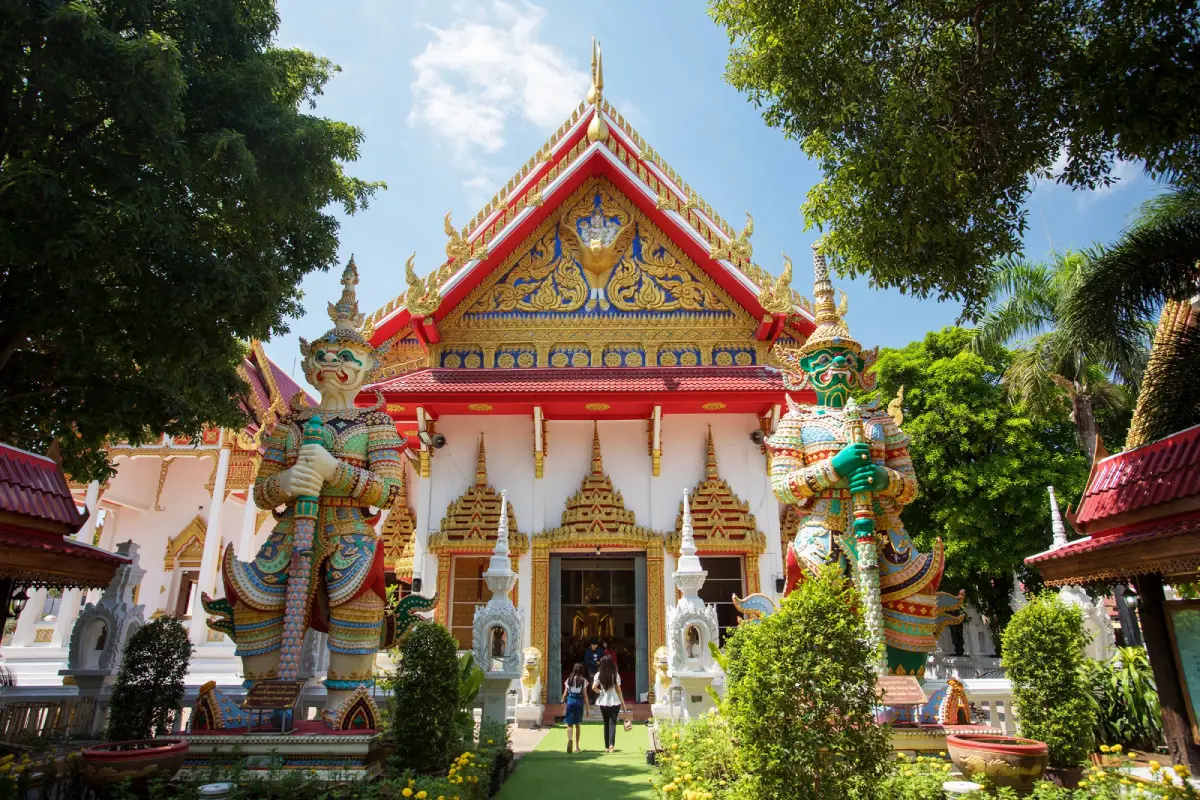
Wat Maha Phuttharam
Open Days: Daily
Opening Hours: 08.00 - 17.00
Wat Maha Phuttharam, Si Sa Ket, also widely known among local people as Wat Phra To, is one of the most important Buddhist temples in Si Sa Ket Province. Located in the heart of Mueang Si Sa Ket, on Khukhan Road in the historic Pa Daeng area, the temple is closely connected with the origin of the modern city and with the long-standing Buddhist faith of local residents. Its most sacred object is Luang Pho To, also known as Phra Phuttha Maha Muni, a large Buddha image in the posture of subduing Mara. For generations, this revered image has served as the spiritual heart of Si Sa Ket, and many visitors begin their journey in the province by paying respect to Luang Pho To for blessing, peace of mind, and a deeper sense of connection with the city.
The significance of Wat Maha Phuttharam lies not only in its location in the city center but also in its deep historical role. Local tradition tells that when the area was being developed as the new center of Si Sa Ket, Luang Pho To was found in the middle of a red forest, or pa daeng. A temple was then established around the sacred image, and the place became known as Wat Phra To or Wat Pa Daeng. Over time, the surrounding forest gradually became part of the urban center, while the temple remained a sacred landmark. This transformation from forest shrine to royal temple mirrors the growth of Si Sa Ket itself.
Wat Maha Phuttharam has been supported by local rulers, the Sangha, civic leaders, and the people of Si Sa Ket for a long time. In the past, city governors paid respect to Luang Pho To as part of their connection with the city. In the present day, the temple continues to serve as a venue for important Buddhist ceremonies, provincial religious events, royal Kathin ceremonies, monastic meetings, and community merit-making. This continuity makes the temple much more than a tourist site. It is a living place of memory, faith, administration, education, and public ritual.
The name “Wat Maha Phuttharam” became the formal name after the temple had long been known as Wat Phra To or Wat Pa Daeng. The name expresses the temple’s strong connection with Buddhism and the presence of the great Buddha image enshrined there. It also reflects the temple’s broader role as a major Buddhist institution in the province. The name is therefore not merely a label. It marks the temple as a large and important Buddhist monastery that brings together devotion, religious education, meditation practice, and public ceremonies.
Luang Pho To is the heart of Wat Maha Phuttharam. The image is seated in the Mara-vijaya posture, symbolizing the Buddha’s victory over temptation and defilement. It measures approximately 6.85 meters from the base to the top of the head, with a lap width of about 3.50 meters. The face is broad, calm, and dignified, giving the image a powerful yet compassionate presence. When visitors enter the viharn, the great golden figure of Luang Pho To immediately becomes the central focus. The atmosphere encourages stillness, respect, and quiet reflection.
The history and artistic identity of Luang Pho To carry several layers of local memory. The image is remembered as an ancient carved stone Buddha connected with early sacred traditions in Si Sa Ket. Some local accounts associate the original image with very old Khmer-era belief, while the present artistic appearance also carries characteristics associated with Lan Xang and Isan Buddhist aesthetics. Over time, the original image was enlarged and covered through acts of devotion, creating the monumental form seen today. This process shows how a sacred image can be preserved, protected, and reinterpreted by generations of believers.
The Viharn of Luang Pho To is the most important area for visitors. Inside, the great Buddha image is enshrined as the principal sacred object, surrounded by smaller Buddha images, offering tables, flowers, and devotional objects. The walls are decorated with large murals depicting episodes from the Buddha’s life, heaven and hell scenes, and the Vessantara Jataka. These murals are not only decorative. They function as visual Dhamma teaching, helping visitors understand Buddhist moral ideas through local artistic expression.
The present viharn was built to house and protect Luang Pho To while accommodating the many worshippers who come to pay respect. The building is spacious and dignified, appropriate for a provincial sacred image of this importance. Within the viharn, the Buddha image, murals, columns, lighting, offering space, and devotional atmosphere form a complete sacred environment. The beauty of the building comes not only from size but from the way each element supports the act of worship.
The front area of the viharn reflects the accessible atmosphere of an important city temple in Isan. Local residents and travelers come to offer flowers, garlands, incense, candles, and prayers. Many people ask for blessings related to family, health, safety, work, study, travel, and new beginnings. Families often bring children to pay respect during Buddhist holy days, New Year, Songkran, Buddhist Lent, the end of Buddhist Lent, and other meaningful occasions. For many residents, Luang Pho To remains part of family memory and civic identity.
Wat Maha Phuttharam holds the status of a third-class royal temple under the Mahanikaya order. It has also played a significant role in the provincial Sangha administration. Important ceremonies, meetings, and Buddhist activities take place within the temple grounds. This means that the temple functions on several levels at once: as a place of worship for ordinary people, as a royal temple, as a center for monastic activity, and as a civic religious landmark of Si Sa Ket Province.
The current abbot is Phra Wachirasitthithada, who also serves as the Ecclesiastical Provincial Governor of Si Sa Ket. As abbot of Wat Maha Phuttharam Royal Temple, he is responsible for the temple’s religious, administrative, educational, and community roles, together with the resident monks, temple committee, lay stewards, and related Buddhist agencies. The temple’s continued public role reflects this shared system of care and responsibility.
Education is another important role of Wat Maha Phuttharam. The temple is connected with charitable school activity and Wat Maha Phuttharam School, reflecting the traditional role of Thai temples as centers of learning. Young people who grow up near the temple encounter not only religious ceremonies but also discipline, local history, ethical education, and respect for sacred space. This educational function strengthens the connection between the temple and the wider community.
The temple also serves as a provincial meditation and Dhamma practice center. Even though it is located in the city, visitors can still find space for prayer, chanting, short meditation, and personal reflection. This makes the temple valuable for both pilgrims and travelers. A visit to Wat Maha Phuttharam is not only a chance to see an important Buddha image but also an opportunity to experience how Buddhist practice remains part of everyday life in Si Sa Ket.
A visit to Wat Maha Phuttharam reveals several layers of Si Sa Ket’s identity. The first layer is the city’s history, from the Pa Daeng forest to the present urban center. The second is Buddhist devotion, centered on the discovery and preservation of Luang Pho To. The third is artistic heritage, seen in the image, viharn, and murals. The fourth is living faith, shown by the continuous flow of people who come to worship. The final layer is the temple’s current institutional role as a royal temple and provincial Buddhist center.
Visitors should begin at the viharn of Luang Pho To. Before entering, shoes should be removed and behavior should be calm and respectful. Inside, visitors can pay respect to the main Buddha image, observe the face, posture, pedestal, surrounding images, offering tables, and murals, and spend a few quiet moments in reflection. After leaving the viharn, visitors may walk through the temple grounds, observe the ordination hall, ceremony areas, and other public zones that are open to worshippers. Taking time to walk slowly helps reveal the temple’s details more clearly.
For those interested in Buddhist art, Luang Pho To deserves close attention. Its large size, serene face, broad lap, and subduing-Mara posture make it visually memorable. The image carries both the power of a local sacred object and the calmness of Buddhist symbolism. Together with the murals inside the viharn, it provides a strong example of how local art, religious devotion, and city identity can meet within a single sacred space.
In terms of urban travel, Wat Maha Phuttharam is extremely accessible. It is located close to Si Sa Ket Railway Station and other important city landmarks. Visitors can combine the temple with the City Pillar Shrine, Khun Amphai Phanit Building, Si Sa Ket Railway Station, local markets, the aquarium, and other attractions in and around the city. This makes the temple an ideal starting point for a half-day cultural route in central Si Sa Ket.
Getting There is straightforward. Travelers arriving by train can get off at Si Sa Ket Railway Station and continue to the temple on foot or by local transport. Those arriving by private car can enter central Si Sa Ket and follow Khukhan Road. Because the temple is located in the city center, visitors should park only in appropriate areas and avoid blocking temple entrances or local traffic, especially on Buddhist holy days and major ceremony days.
Proper etiquette is essential. Visitors should dress modestly, remove shoes before entering the viharn, keep voices low, avoid touching sacred objects, avoid disturbing worshippers or meditation practitioners, and refrain from inappropriate photo poses near the Buddha image. Photography should be done with awareness and respect. A respectful visit allows both local worshippers and travelers to share the sacred space peacefully.
There is no fixed tourist admission fee for Wat Maha Phuttharam. Visitors may pay respect to Luang Pho To and explore public areas of the temple during opening hours. Donations, flowers, garlands, candles, or merit-making offerings are voluntary according to personal faith. This makes the temple accessible to everyone, whether they come for worship, cultural learning, or quiet appreciation of Si Sa Ket’s Buddhist heritage.
The best time to visit is usually in the morning or late afternoon before closing. Morning offers a calm atmosphere suitable for worship and short meditation, while late afternoon allows visitors to observe the viharn and murals in a gentler light. Visitors who wish to photograph the interior should avoid using flash near murals and should not disturb people who are praying or chanting.
Wat Maha Phuttharam is also a strong starting point for understanding Si Sa Ket as a Lower Isan cultural city. Nearby, visitors will find the City Pillar Shrine, historic buildings, the railway station, city markets, and museums. A longer route can continue to Wat Phra That Rueang Rong, Si Sa Ket Aquarium, and other cultural destinations around the province. Beginning at Luang Pho To gives visitors a meaningful entry into the spiritual and historical heart of the city.
For international travelers, Wat Maha Phuttharam offers a clear introduction to Buddhist life in Lower Northeastern Thailand. The temple combines a city guardian Buddha image, local legend, royal temple status, a large viharn, wall paintings, temple education, and everyday acts of worship. Visitors can see that Buddhism in Si Sa Ket is not limited to texts or ceremonies. It lives in the city, in families, in provincial rituals, and in the continuing devotion to Luang Pho To.
Wat Maha Phuttharam is therefore more than a central city temple. It is a spiritual axis of Si Sa Ket. Luang Pho To represents stability and blessing. The viharn preserves religious art and local memory. The temple serves the Sangha, the province, and the public. The city has grown around this sacred place, and the devotion to Luang Pho To continues to bind past and present together. For anyone visiting Si Sa Ket, this temple remains one of the essential places to understand the province’s heart.
| Place Name | Wat Maha Phuttharam, Si Sa Ket / Wat Phra To |
| Main Sacred Image | Luang Pho To, also known as Phra Phuttha Maha Muni, the revered Buddha image of Si Sa Ket Province |
| Place Type | Third-Class Royal Temple, Mahanikaya Monastery, Provincial Buddhist Landmark, Sacred Art Site, And Faith-Based Cultural Attraction In Central Si Sa Ket |
| Location | Ban Pa Daeng, Khukhan Road, Mueang Nuea Subdistrict, Mueang Si Sa Ket District, Si Sa Ket Province 33000, Thailand |
| Coordinates | 15.117619, 104.328782 |
| Significance | A historic temple of Si Sa Ket, home to Luang Pho To, and a center of Buddhist faith, ceremonies, monastic administration, education, meditation practice, and provincial religious identity |
| Historical Summary | Formerly known as Wat Phra To or Wat Pa Daeng, the temple was established around the place where Luang Pho To was found in the old Pa Daeng forest. It later became Wat Maha Phuttharam and remains one of the most important temples of Si Sa Ket. |
| Temple Establishment | Established in 1852 and granted Wisungkham Sima in 1922 |
| Temple Area | About 23 Rai And 2 Ngan |
| Luang Pho To Features | Large Buddha image in the posture of subduing Mara, about 6.85 meters high from base to head top, with a lap width of about 3.50 meters. It is the most revered Buddha image of Si Sa Ket. |
| Luang Pho To Viharn | A large viharn about 14 meters wide and 40 meters long, built in 1966. It houses Luang Pho To and contains murals depicting the Buddha’s life, heaven and hell scenes, and the Vessantara Jataka. |
| Abbot / Caretaker | Phra Wachirasitthithada, Ecclesiastical Provincial Governor of Si Sa Ket and Abbot of Wat Maha Phuttharam Royal Temple, together with resident monks, lay stewards, the temple committee, and related Buddhist agencies |
| Current Status | Active royal temple, provincial meditation center, important Buddhist ceremony venue, and major faith-based cultural attraction in Si Sa Ket |
| Open Days | Daily |
| Opening Hours | 08.00 - 17.00 |
| Admission Fee | Free Admission. Donations, flowers, garlands, and merit-making offerings are voluntary according to personal faith. |
| Main Areas / Zones | 1. Luang Pho To Viharn 2. Luang Pho To / Phra Phuttha Maha Muni 3. Ordination Hall 4. Phra Phuttha Khun Hall 5. Ceremony Area 6. Meditation Practice Area 7. Wat Maha Phuttharam School Area 8. Temple Courtyard And Worship Area |
| Facilities | Viharn worship area, shoe-removal area before entering the viharn, temple courtyard, halls, ceremony spaces, and easy access from Si Sa Ket Railway Station and central city areas |
| Related Contact | Si Sa Ket Provincial Office Of Buddhism, Tel. 045-622645 Si Sa Ket Town Municipality, Tel. 045-620211-4 |
| Travel Information | The temple is close to Si Sa Ket Railway Station. Travelers can arrive by train and continue on foot or by local transport. By car, enter central Si Sa Ket and follow Khukhan Road, parking only in permitted areas. |
| Visitor Etiquette | Dress modestly, remove shoes before entering the viharn, keep quiet, do not touch sacred objects without permission, keep the temple clean, and avoid disturbing worshippers or meditation practitioners. |
| Nearby Tourist Attractions | 1. Si Sa Ket Railway Station, about 0.6 km 2. Si Sa Ket City Pillar Shrine, about 1 km 3. Khun Amphai Phanit Building, about 1.5 km, Tel. 045-644-375 4. Si Sa Ket Aquarium, about 5 km, Tel. 045-612-686, 045-613-804 5. Wat Phra That Rueang Rong, about 13 km, Tel. 063-181-5217, 081-977-3078 6. Wat Pa Maha Chedi Kaew, about 67 km |
| Nearby Restaurants | 1. The Wine Room Cafe, about 1 km, Tel. 082-678-7468 2. Jiree Cafe, about 1 km, Tel. 080-799-1890 3. The Cup Cafe, about 2 km, Tel. 095-742-6323 4. Sri Surak Restaurant, about 2 km, Tel. 061-021-7269 5. Dear Cup Coffee Near Si Sa Ket Hospital, about 3 km, Tel. 066-119-6968 |
| Nearby Accommodations | 1. Prompiman Hotel, about 1 km, Tel. 045-612-667, 045-612-696, 045-612-150 2. Boonsiri Boutique Hotel, about 1 km, Tel. 045-622-222 3. B2 Sisaket Boutique & Budget Hotel, about 2 km, Tel. 052-009-161, 088-263-2897 4. The Impress Sisaket, about 3 km, Tel. 045-961-566 5. Tree House Hotel Si Sa Ket, about 5 km, Tel. 045-611-563, 080-477-7854 |
Frequently Asked Questions (FAQ)
Q: What is Wat Maha Phuttharam in Si Sa Ket?
A: Wat Maha Phuttharam, also known as Wat Phra To, is a third-class royal temple in central Si Sa Ket. It is home to Luang Pho To, or Phra Phuttha Maha Muni, the revered Buddha image of the province.
Q: Why is Luang Pho To important?
A: Luang Pho To is a large Buddha image in the subduing-Mara posture, about 6.85 meters high and 3.50 meters across the lap. It is the spiritual symbol of Si Sa Ket and one of the most respected Buddha images in the province.
Q: What are the opening days and hours of Wat Maha Phuttharam?
A: The temple is open daily from 08.00 to 17.00 for worshippers and visitors who wish to pay respect to Luang Pho To and see the viharn.
Q: Is there an admission fee?
A: There is no admission fee. Donations, flowers, garlands, candles, and other merit-making offerings are voluntary according to personal faith.
Q: Who is the current abbot of Wat Maha Phuttharam?
A: The current abbot is Phra Wachirasitthithada, Ecclesiastical Provincial Governor of Si Sa Ket and Abbot of Wat Maha Phuttharam Royal Temple.
Q: How can visitors get to Wat Maha Phuttharam?
A: The temple is located on Khukhan Road in central Si Sa Ket, close to Si Sa Ket Railway Station. Visitors can travel by train, private car, or local transport from the city center.
Q: What should visitors see inside the temple?
A: Main highlights include the Viharn of Luang Pho To, the large Buddha image, surrounding Buddha images, murals depicting Buddhist stories, the ordination hall, ceremony areas, and the atmosphere of a royal temple in the heart of the city.
Q: How should visitors behave at the temple?
A: Visitors should dress modestly, remove shoes before entering the viharn, keep quiet, avoid touching sacred objects without permission, avoid disturbing worshippers, and keep the temple clean.
 Category: ●Places of Worship
 Group: ●Temple
Last Update : 2 MonthAgo
 Last Update : 2 MonthAgo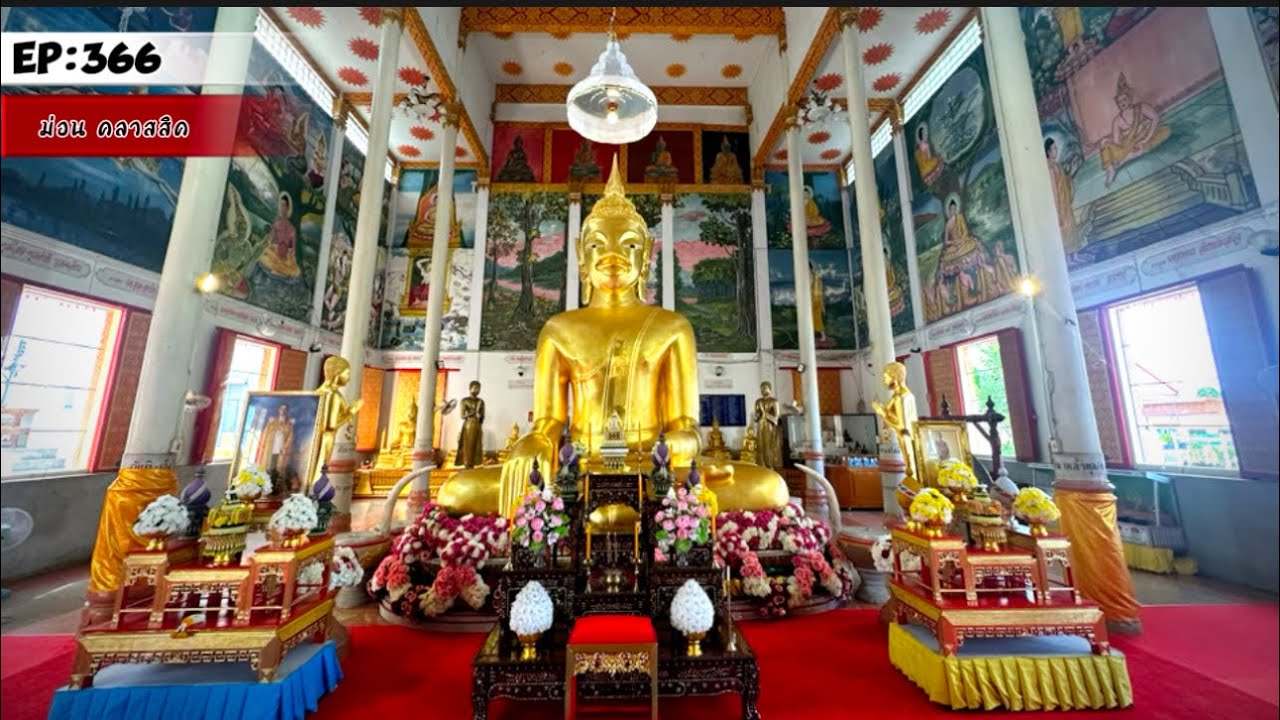
 Click to Access the Navigation Map GPS
Wat Maha Phuttharam Map

 Art, Culture and Heritage
 Historical Sites and Monuments(12)
 Landmarks and Memorials(1)
 Art, Craft Centres, Tradition(8)
Temple(13)
Art, Craft Centres, Tradition(8)
Temple(13)
 Other Sacred Sites(3)
 Suburban Living
 Village, Community(2)
 Nature and Wildlife
 National Parks and Marine Reserves(2)
 Dam, Reservoir, Lake(7)
 Waterfalls(5)
 River, Canal(5)
 Bays and Beaches(2)
 Entertainment and Agricultural
 Zoos and Aquariums(1)
 Farms, Parks and Ecotourism(3)


