
lovethailand home >Northeastern Travel Attractions >Roi Et Travel Attractions >Nong Phok >Pha Nam Yoi > Roi Et Botanical Garden of Literature
TL;DR: Roi Et Botanical Garden of Literature is located at Dong Ma I National Reserved Forest, Pha Nam Yoi Subdistrict, Nong Phok District, Roi Et Province, open Daily, hours 08.30 – 16.30.
Roi Et Botanical Garden of Literature
Open Days: Daily
Opening Hours: 08.30 – 16.30
Roi Et Botanical Garden of Literature, also known as the Northeastern Botanical Garden of Literature, is an important nature and literature learning site in Roi Et Province. It is located in the Dong Ma I National Reserved Forest, Pha Nam Yoi Subdistrict, Nong Phok District, Roi Et Province, about 94 kilometers from Roi Et city and about 21 kilometers from Nong Phok District. Covering approximately 1,000 rai, the garden was established in 1987 as the literary botanical garden for northeastern Thailand. Its main concept is to collect and cultivate plants associated with Thai literary works, such as Phra Wetsandon, Khun Chang Khun Phaen, Lilit Phra Lo, Lilit Taleng Phai, and Buddhist history. It also includes medicinal herb areas arranged according to their uses, all set within the natural landscape of the Phu Khiao mountain range.
The garden is open daily from 08.30 to 16.30. It is suitable for travelers who want to experience a deeper kind of botanical garden, not simply a landscaped public park. Here, plants are not presented only for shade and beauty. They are organized as living links between nature, Thai literature, Buddhist culture, local knowledge, and plant conservation. Visitors can walk through areas where botany and storytelling meet, making the garden valuable for students, teachers, families, researchers, nature lovers, and travelers interested in Thai culture.
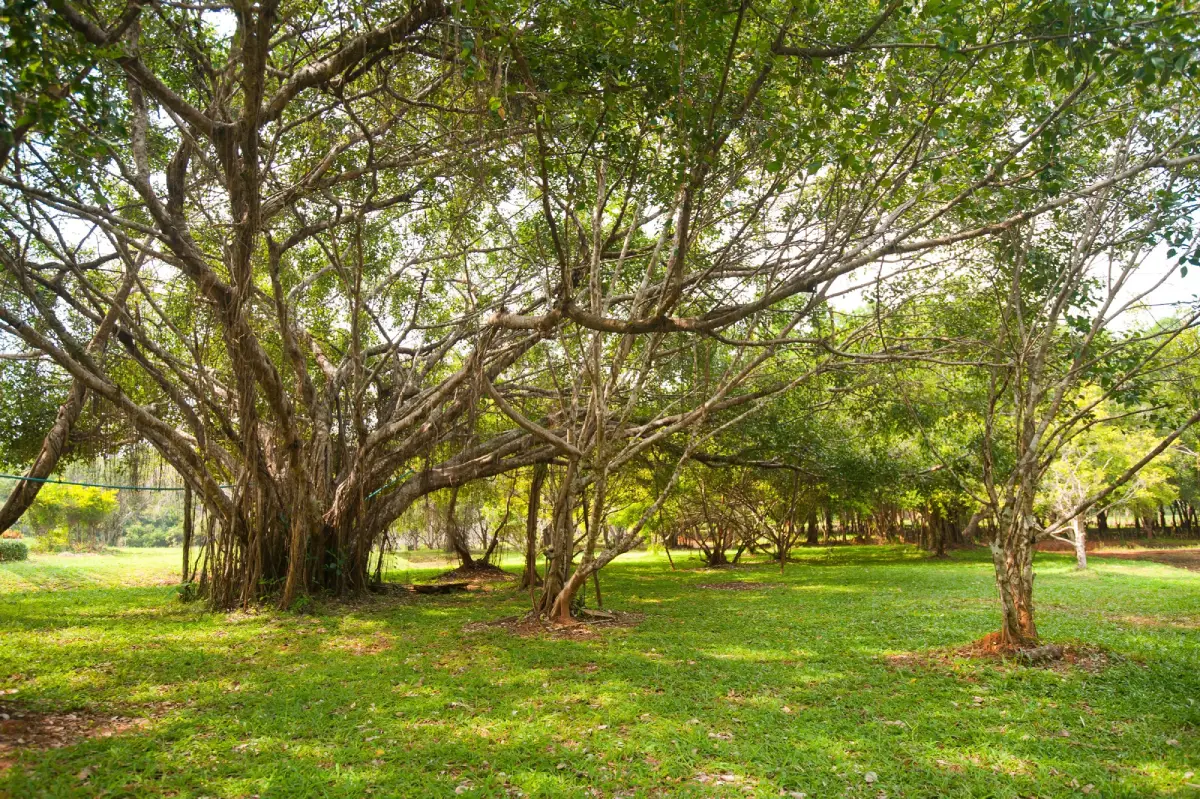
The setting of the garden is one of its strongest features. It lies within Dong Ma I National Reserved Forest on the Phu Khiao mountain range, at an elevation of about 340 to 400 meters. The landscape includes mixed deciduous forest and recovering forest areas. The soil is mainly sandy soil of the Korat series, and the local forest includes important tree species such as takhian, makha, phayung, yang, daeng, chik, rang, pradu, and other mixed deciduous forest plants. This gives the garden a more natural feeling than an urban park and allows visitors to experience the mountain forest atmosphere of northeastern Thailand.
The defining concept of Roi Et Botanical Garden of Literature is the use of plants from Thai literature as the foundation of the garden. Many plant names appear in poems, epics, Buddhist stories, and classical Thai literary works. At this garden, those names become real living plants that visitors can see, touch visually, study, and remember. The visit therefore feels like walking through a literary landscape. Instead of only reading about plants in a book, visitors can observe their leaves, trunks, flowers, shade, form, and cultural context in an actual forest garden.
The garden is organized around several major literary themes. The Phra Wetsandon section connects with the Vessantara Jataka and the Bun Phawet tradition of Isan. The Khun Chang Khun Phaen section reflects Thai social life, beliefs, herbs, fragrances, and domestic settings described in classical literature. The Lilit Phra Lo section highlights poetic emotion, beauty, and nature imagery. The Lilit Taleng Phai section connects plants with history, courage, and royal literature. The Buddhist history area links trees and plants with religious memory and spiritual learning. This arrangement gives each part of the garden a clear story and purpose.
The Phra Wetsandon area is especially meaningful in northeastern Thailand. The Vessantara Jataka is strongly connected with Bun Phawet, one of the major merit-making traditions in Roi Et and other Isan provinces. The story emphasizes generosity, sacrifice, compassion, and the practice of perfection by the Bodhisattva. By placing plants related to this story in a botanical setting, the garden helps visitors understand how literature, religion, plants, and local tradition are connected. The experience becomes both cultural and ecological.
The Khun Chang Khun Phaen section adds another layer of Thai literary understanding. This story contains many references to domestic life, belief, fragrance, herbs, gardens, and everyday objects. Seeing related plants in a botanical garden helps visitors understand that plants in literature are not merely decorative background. They help create mood, setting, social meaning, and cultural memory. This section is therefore useful for travelers who want to understand how nature appears in classical Thai storytelling.
The Lilit Phra Lo and Lilit Taleng Phai sections show the range of Thai literary expression. Lilit Phra Lo is associated with poetic beauty, longing, emotional refinement, and natural imagery. Lilit Taleng Phai is connected with history, warfare, bravery, and national memory. The plant displays connected with these works help visitors experience literature through the landscape. The garden allows people to see how plants can carry symbolic and emotional meaning within Thai literary tradition.
The Buddhist history area gives the garden a spiritual dimension. Many trees and plants are connected with important moments in Buddhist tradition, including meditation, enlightenment, teaching, and monastic life. By including a Buddhist history area, the garden shows that plants are not only biological organisms but also cultural and religious symbols. This helps foreign visitors understand why trees, forests, shade, and natural settings are so important in Buddhist culture.
The medicinal herb section is another important part of the garden. Herbs are arranged according to their uses, making it easier for visitors to learn how plants have been used in Thai local knowledge. Medicinal plants are connected with household care, traditional healing, food culture, and rural wisdom. This area is useful for students, health-conscious visitors, and anyone interested in the relationship between plants and daily life. It adds a practical dimension to the garden’s literary and cultural themes.
As a conservation space, Roi Et Botanical Garden of Literature plays an important role in preserving plants and promoting public awareness of forest resources. A botanical garden of this type can help protect local plants, culturally important species, rare species, and plants that deserve continued study. Seeing living plants in an organized conservation setting helps visitors understand their value more clearly than seeing only pictures or reading short descriptions.
For general travelers, the garden is best enjoyed as a quiet, educational, and nature-based destination. Visitors can walk through the plant areas, read plant labels, study medicinal herbs, take photographs, and enjoy the mountain forest atmosphere. Morning is the best time to visit because the weather is cooler and the light is suitable for photography. Afternoon visits are also possible, but visitors should plan enough time before the garden closes at 16.30. Because the garden is far from Roi Et city, travel time should be planned carefully.
The atmosphere is different from central Roi Et attractions such as Bueng Phalan Chai or Roi Et Tower 101. This garden is quieter, greener, and more connected to forest and mountain terrain. The recovering forest and mixed deciduous woodland give the place a natural character. Visitors who want to slow down, breathe fresh air, and spend time with plants will find the garden rewarding. It is not a high-energy attraction; its value lies in calm learning and environmental appreciation.
Traveling to the garden is easiest by private car. From Roi Et city, visitors can drive toward Phon Thong and Nong Phok District, then continue to Pha Nam Yoi Subdistrict. The distance from the provincial city is about 94 kilometers, and the distance from Nong Phok District is about 21 kilometers. Drivers should check the vehicle, fuel, weather, and route before leaving. Since the garden is located away from the city center, it is practical to start early and combine the visit with nearby attractions in Nong Phok.
Nong Phok District has several important attractions that can be combined with the garden. Pha Nam Yoi, also known as Isan Buddhist Park, and Wat Pha Nam Thip Thep Prasit Wanaram are especially important. The temple area contains Phra Maha Chedi Chai Mongkhon, a large white-and-gold stupa on Phu Khiao mountain. The stupa is 101 meters high and measures 101 meters on each side. A trip combining the botanical garden with Pha Nam Yoi allows travelers to experience literature, plants, forest, Buddhism, and mountain scenery in the same route.
Tham Pha Nam Thip Non-Hunting Area is another nearby nature destination. Its landscape includes sandstone mountains, dry evergreen forest, mixed deciduous forest, and dry dipterocarp forest. Interesting points include nature trails, Pha Phayom viewpoint, and Pha Nam Thip. For travelers interested in ecology, wildlife habitats, mountain forests, and viewpoints, this area adds another natural layer to a Nong Phok itinerary.
For families and school groups, Roi Et Botanical Garden of Literature is a useful outdoor classroom. Children can learn that plants are connected with stories, culture, religion, and local wisdom. Teachers and parents can use the garden to explain Thai literature, science, environmental conservation, and traditional knowledge in a real landscape. This makes the learning experience more memorable than classroom study alone.
For photographers, the garden offers natural and cultural subjects: forest trees, literary plant areas, herb gardens, walking paths, mountain atmosphere, and quiet botanical scenes. The best photographs are usually taken in the morning or when the light is soft. The garden is not designed for flashy decoration; its appeal is in the calm relationship between plants, forest, and literary meaning. Patient walking and careful observation create the best experience.
A practical full-day trip can begin at Roi Et Botanical Garden of Literature in the morning. Visitors can spend time studying plants and walking through the literary sections. After that, they can continue to Wat Pha Nam Thip Thep Prasit Wanaram and Phra Maha Chedi Chai Mongkhon in the late morning or afternoon. If time allows, a café or local restaurant in Nong Phok can be added before returning to Roi Et city. This route is best for travelers who prefer nature and cultural depth rather than a city-only itinerary.
Dining options near the garden are more limited than in Roi Et city, so planning ahead is useful. Restaurants and cafés in Nong Phok and on the return route include 29 Café Nong Phok, Wali Land Garden Cafe, OK Food in Pha Nam Yoi, Ma Kin Khao Doe, Chanmueang 101 Roi Et Branch, and Lakeview Restaurant in Roi Et city. Visitors should bring drinking water and basic supplies because the garden is not located in a dense commercial area.
Accommodation near Nong Phok is more limited than in central Roi Et. Travelers who want to stay closer to the area can consider Plai Tien Villa Resort Nong Phok or Resort Baan Fahsai Dao Suay. Tham Pha Nam Thip Non-Hunting Area also has accommodation and camping options for groups with advance arrangements. Travelers who prefer more hotel choices, restaurants, and city services can stay in Roi Et city and visit the garden as a day trip.
Visitors should follow proper behavior while exploring the garden. Do not pick leaves, flowers, herbs, or plant samples. Do not damage plant labels, leave litter, make excessive noise, or enter restricted areas. Because this is a botanical and conservation learning space, respectful behavior is essential. Keeping the garden clean and undisturbed helps preserve it as a valuable educational site for future visitors.
The rainy season makes the garden especially green and fresh, but visitors should prepare for wet paths, sudden rain, and humid weather. Comfortable walking shoes, an umbrella, rain protection, and drinking water are useful. The cool season is very pleasant because the mountain atmosphere is more comfortable. The hot season is still possible, but morning visits are recommended to avoid strong midday heat.
In the wider travel context of Roi Et, this garden adds an important dimension to the province. Roi Et city has Bueng Phalan Chai, Roi Et Tower 101, museums, and temples, while Nong Phok District offers forest, mountains, Buddhist landmarks, and nature-based learning. Roi Et Botanical Garden of Literature connects these themes through plants and Thai literature. It helps visitors understand that Roi Et is not only a city of landmarks, but also a province with deep links between nature, Buddhism, literature, and Isan identity.
Overall, Roi Et Botanical Garden of Literature is one of the most distinctive learning attractions in northeastern Thailand. Its 1,000-rai area within Dong Ma I National Reserved Forest is not merely a place where trees are planted. It is a living cultural landscape where plants from Thai literature are presented in a real natural setting. The garden turns literary names into living plants, turns botanical learning into cultural understanding, and turns a forest visit into a meaningful encounter with Thai heritage. For travelers who want a quiet, thoughtful, and educational experience in Roi Et, this garden is a valuable destination.
| Name | Roi Et Botanical Garden Of Literature / Northeastern Botanical Garden Of Literature |
| Location | Dong Ma I National Reserved Forest, Pha Nam Yoi Subdistrict, Nong Phok District, Roi Et Province |
| Address | Pha Nam Yoi Subdistrict, Nong Phok District, Roi Et 45210, Thailand |
| Highlights | A northeastern Thai literary botanical garden covering about 1,000 rai, featuring plants associated with Thai literary works and medicinal herbs arranged by their uses |
| History / Importance | Established in 1987 to honor King Bhumibol Adulyadej on the occasion of his 60th birthday anniversary and to serve as the regional botanical garden of literature for northeastern Thailand |
| Area | Approximately 1,000 Rai |
| Landscape | Located on the Phu Khiao mountain range at an elevation of about 340 – 400 meters, with mixed deciduous forest and recovering forest areas |
| Important Plant Species | Takhian, Makha, Phayung, Yang, Daeng, Chik, Rang, Pradu, and other mixed deciduous forest species |
| Main Areas / Zones | 1. Phra Wetsandon Literary Plant Area 2. Khun Chang Khun Phaen Literary Plant Area 3. Lilit Phra Lo Literary Plant Area 4. Lilit Taleng Phai Literary Plant Area 5. Buddhist History Area 6. Medicinal Herb Garden Arranged By Uses 7. Mixed Deciduous Forest And Recovering Forest Area 8. Nature Study And Botanical Learning Trails 9. Viewpoint And Natural Resting Areas |
| Travel Information | From Roi Et city, drive toward Phon Thong and Nong Phok District, then continue to Pha Nam Yoi Subdistrict. The garden is about 94 km from Roi Et city and about 21 km from Nong Phok District. |
| Current Status | Open as a nature attraction, botanical learning site, and northeastern Thai literary botanical garden |
| Open Days | Daily |
| Opening Hours | 08.30 – 16.30 |
| Facilities | Botanical learning areas, medicinal herb garden, nature study areas, resting spaces, and conservation forest learning zones |
| Caretaker | Forest Botany Division, Forest And Plant Conservation Research Office, Department Of National Parks, Wildlife And Plant Conservation |
| Main Contact Number | 0-2561-0777, 0-2579-6666 Ext. 1476 |
| Nearby Tourist Attractions | 1. Pha Nam Yoi / Isan Buddhist Park, about 20 km 2. Wat Pha Nam Thip Thep Prasit Wanaram, about 20 km 3. Phra Maha Chedi Chai Mongkhon, about 20 km 4. Tham Pha Nam Thip Non-Hunting Area, about 22 km 5. Pha Phayom Viewpoint, about 22 km 6. Tham Soda Waterfall, Nong Phok District, about 35 km 7. Bueng Phalan Chai, Roi Et City, about 94 km |
| Nearby Restaurants | 1. 29 Café Nong Phok, about 22 km, Tel. 088-324-3517 2. Wali Land Garden Cafe, about 25 km, Tel. 087-221-1909 3. OK Food, Pha Nam Yoi Subdistrict, about 15 km 4. Ma Kin Khao Doe, Nong Phok District, about 28 km 5. Chanmueang 101 Roi Et Branch, about 90 km, Tel. 098-102-3015 6. Lakeview Restaurant, Roi Et City, about 94 km, Tel. 093-320-8126 |
| Nearby Accommodations | 1. Plai Tien Villa Resort Nong Phok, about 22 km 2. Resort Baan Fahsai Dao Suay, Nong Phok, about 25 km, Tel. 089-009-6439 3. Tham Pha Nam Thip Non-Hunting Area Lodging And Camping Area, about 22 km 4. M Grand Hotel Roi Et, about 94 km, Tel. 061-021-4848 5. HOP INN Roi Et, about 96 km, Tel. 02-080-2222 6. The Rice Hotel Roi Et, about 97 km, Tel. 043-519-999 |
Frequently Asked Questions (FAQ)
Q: Where is Roi Et Botanical Garden of Literature located?
A: It is located in Dong Ma I National Reserved Forest, Pha Nam Yoi Subdistrict, Nong Phok District, Roi Et Province, about 94 km from Roi Et city.
Q: What are the opening days and hours of Roi Et Botanical Garden of Literature?
A: The garden is open daily from 08.30 to 16.30.
Q: What is the main highlight of Roi Et Botanical Garden of Literature?
A: The main highlight is the collection of plants associated with Thai literary works such as Phra Wetsandon, Khun Chang Khun Phaen, Lilit Phra Lo, Lilit Taleng Phai, Buddhist history, and medicinal herbs arranged by their uses.
Q: Who is this garden suitable for?
A: It is suitable for students, families, nature lovers, Thai literature enthusiasts, botanical learners, herb enthusiasts, and travelers interested in conservation-based tourism.
Q: When is the best time to visit Roi Et Botanical Garden of Literature?
A: Morning is the best time because the weather is cooler, the light is suitable for photography, and visitors have enough time to explore before closing at 16.30.
Q: How can travelers get from Roi Et city to the garden?
A: Travel from Roi Et city toward Phon Thong and Nong Phok District, then continue to Pha Nam Yoi Subdistrict. The distance from the city is about 94 km.
Q: What nearby attractions can be visited with the garden?
A: Nearby attractions include Pha Nam Yoi, Wat Pha Nam Thip Thep Prasit Wanaram, Phra Maha Chedi Chai Mongkhon, Tham Pha Nam Thip Non-Hunting Area, Pha Phayom Viewpoint, and Tham Soda Waterfall.
Q: Who is the caretaker of Roi Et Botanical Garden of Literature?
A: The garden is under the botanical garden and arboretum network of the Forest Botany Division, Forest And Plant Conservation Research Office, Department Of National Parks, Wildlife And Plant Conservation.
 Category: ●Entertainment and Agricultural
 Group: ●Farms, Parks and Ecotourism
Last Update : 2 MonthAgo
 Last Update : 2 MonthAgo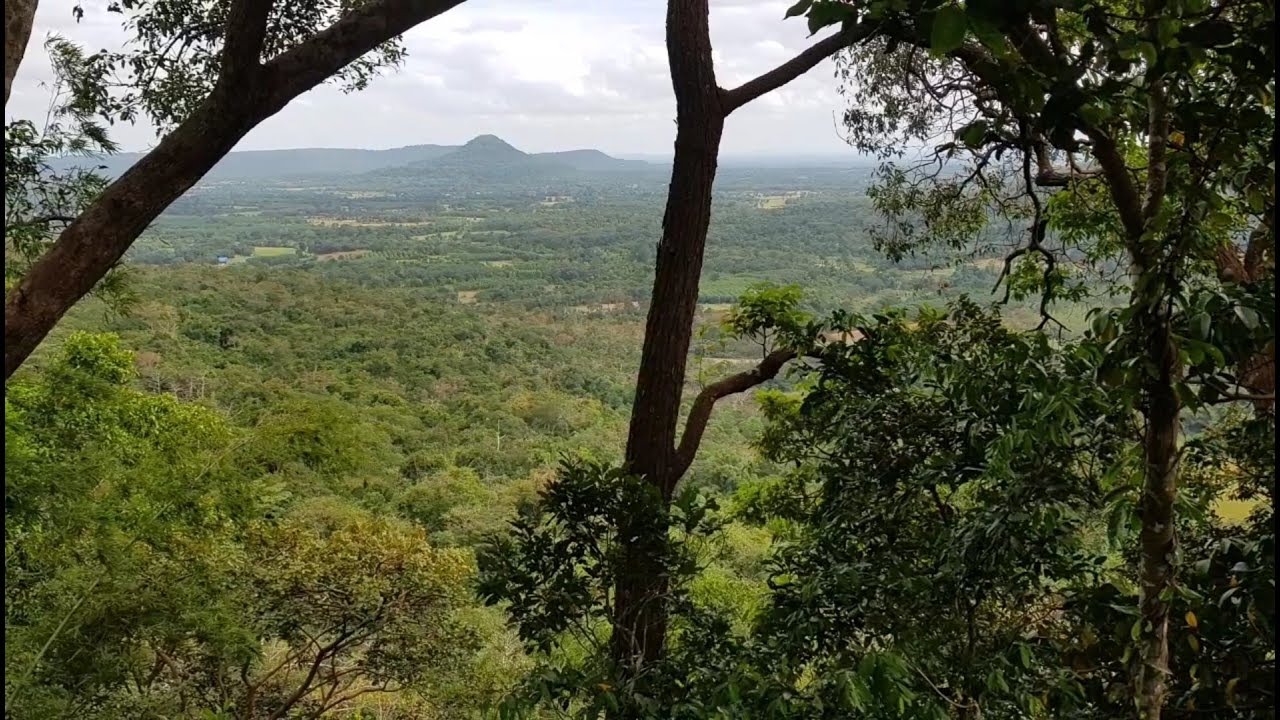
 Click to Access the Navigation Map GPS
Roi Et Botanical Garden of Literature Map
Recommend

 Art, Culture and Heritage
 Historical Sites and Monuments(3)
 Landmarks and Memorials(5)
 Art, Craft Centres, Tradition(2)
 Museums(1)
 Educational Places
 Educational Gardens, Farm(3)
 Places of Worship
 Temple(35)
 Other Sacred Sites(6)
 Suburban Living
 Village, Community(1)
 Local Market(1)
 Nature and Wildlife
 National Parks and Marine Reserves(1)
 Mountain (Doi)(2)
 Dam, Reservoir, Lake(8)
 Waterfalls(1)
 Flower Field(1)
 River, Canal(4)
 Zoos and Aquariums(1)
 Stadium(1)
Farms, Parks and Ecotourism(5)
Stadium(1)
Farms, Parks and Ecotourism(5)
 Shopping
 Shopping and Night Market(1)


