
lovethailand home >Northeastern Travel Attractions >Khon Kaen Travel Attractions >Muang Khon Kaen >Nai Muang > Khon Kaen International Silk Festival
TL;DR: Khon Kaen International Silk Festival, Khon Kaen attractions : Art, Culture and Heritage, Art, Craft Centres, Tradition.
Khon Kaen International Silk Festival
Open Days: November 29 – December 10 Every Year
Opening Hours: Held Continuously For 12 Days And 12 Nights, With Main Activities And Stage Performances Taking Place From Evening To Night According To The Annual Schedule
The Khon Kaen International Silk Festival, Phuk Siao Tradition, and Red Cross Fair is one of the most important annual festivals in Khon Kaen Province. Held every year from November 29 to December 10 at the field in front of Khon Kaen City Hall, the festival brings together silk culture, Isan friendship traditions, local products, charity activities, cultural performances, music, food, and community pride in one large celebration.
The festival began in 1979 and has continued as one of Khon Kaen’s signature cultural events. Its original purpose was to promote silk weaving as a local occupation, support community-based craftsmanship, and create a public space where government agencies, private organizations, silk producers, OTOP entrepreneurs, artisans, and local communities could display and sell products. Over time, it has grown into a major cultural and economic event that attracts visitors from across Thailand.
For foreign travelers, the festival offers a direct and lively introduction to Northeastern Thai culture, especially the culture of Khon Kaen and Isan. It is not only a shopping event for silk products. It is also a place to see local rituals, traditional music, Mor Lam performances, Red Cross charity activities, silk fashion shows, parades, cultural exhibitions, local food, and the deeply meaningful Phuk Siao friendship ceremony.
The heart of the festival is the connection between silk and friendship. Silk represents local skill, patience, beauty, and the wisdom of weavers. Phuk Siao represents social ties, loyalty, sincerity, and mutual support. Together, they make this festival different from ordinary fairs. Visitors can see both the material culture of Isan through silk and the emotional culture of Isan through the ritual of binding true friendship.
The word “siao” is an Isan dialect word meaning a true friend, close companion, or lifelong friend. It refers to a relationship built on trust, honesty, loyalty, and a willingness to help one another. The Phuk Siao ceremony is therefore not just the act of tying a white thread around someone’s wrist. It is a symbolic declaration of sincere friendship witnessed by elders, honored guests, the community, and sacred powers invoked during the ceremony.
The purpose of the Phuk Siao tradition is to encourage love, harmony, unity, and mutual assistance among local people and among people of the nation. This meaning is especially important in Isan society, where community relationships, kinship, neighborhood networks, and shared labor have long been essential to everyday life. Having a “siao” means having someone who can be trusted, someone who stands by you, and someone who shares both hardship and happiness.
The silk festival is also important because Khon Kaen is strongly associated with Mudmee silk, a distinctive form of tie-dyed silk weaving. Mudmee silk requires many careful steps, including mulberry cultivation, silkworm raising, silk reeling, thread preparation, pattern binding, dyeing, and weaving. Each finished textile reflects not only beauty but also knowledge, patience, and the skill of the weaver.
Khon Kaen has long been known for its silk production, especially in areas such as Chonnabot District and other weaving communities. The annual festival gives weavers and silk producers a chance to meet customers directly, while visitors can compare different patterns, colors, weaving techniques, and product styles. Some visitors come to buy fabric for tailoring, while others look for scarves, shawls, bags, ready-made garments, and souvenirs made from silk.
The event plays an important role in both cultural preservation and the local economy. Culturally, it helps preserve silk weaving, Isan performance, traditional rituals, food culture, and community identity. Economically, it supports silk producers, OTOP businesses, food vendors, hotels, transportation services, local entrepreneurs, and the wider tourism sector in Khon Kaen Province.
The opening parade is one of the major highlights of the festival. It usually features large processions representing Khon Kaen’s identity, including Mudmee silk, district-level cultural displays, traditional costumes, Isan performances, and symbolic elements that celebrate the province as a city of silk and culture. The parade is not only colorful; it is a public expression of local pride.
Another important activity is the worship ceremony for Khon Kaen’s sacred figures and city guardians, which is often held before the official opening day. The ceremony and mass traditional dance show how deeply the city remains connected with belief, gratitude, and community spirit. Even as Khon Kaen has developed into a major urban and economic center in Northeastern Thailand, its people continue to express respect for cultural and spiritual roots.
The festival area is divided into several important zones. The silk and textile zone is where visitors can explore a wide range of silk products, including traditional cloth, sarongs, shawls, scarves, garments, and contemporary silk items. It is one of the best places to understand the variety of Isan silk and to buy quality local textiles directly from producers or sellers.
The OTOP and community product zone brings together local products from Khon Kaen and nearby areas. Visitors can find food products, woven goods, handicrafts, decorative items, agricultural products, clothing, and souvenirs. This zone supports local entrepreneurs and allows visitors to see the diversity of community wisdom across the province.
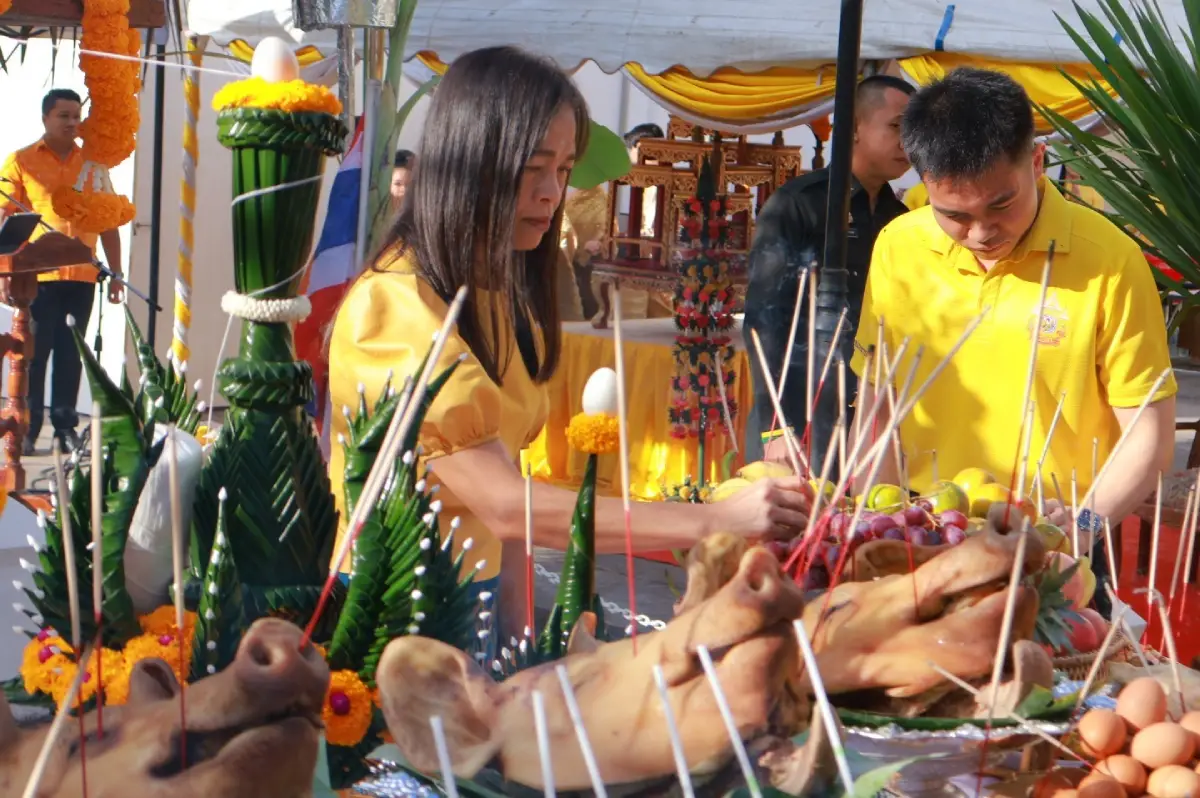
The cultural village, or “Khum Watthanatham,” is one of the most meaningful areas of the festival. This is where visitors can experience the Phuk Siao ceremony, Bai Sri tray contests, Isan cultural performances, demonstrations of local ways of life, cultural exhibitions, and activities that explain the traditions of the region. For visitors who have never seen a Bai Sri Su Khwan ceremony, this area is especially valuable.
The Red Cross Fair zone connects entertainment with charity and social support. It includes Red Cross booths, charity activities, prize draws, and public participation. Funds from Red Cross activities support humanitarian missions, assistance for people in need, disaster relief, and other public benefit activities carried out by the provincial Red Cross organization.
The main stage and entertainment zone create the evening atmosphere of the fair. Visitors can enjoy Mor Lam performances, music, cultural shows, silk fashion shows, contests, and other nightly entertainment. Mor Lam is one of the most beloved performance traditions in Isan, and its presence at the festival helps make the event lively and accessible to people of all ages.
The Phuk Siao ceremony uses several important ritual items. The main object is the Bai Sri tray, which may be arranged in 3, 5, or 7 tiers. Other items include 1 bottle of liquor, 1 boiled egg, 4 bundles of sticky rice wrapped in banana leaves, 4 ripe bananas, 1 portion of steamed sticky rice, auspicious leaves such as golden shower leaves, silver leaves, gold leaves, and Morinda leaves, as well as love flowers and white cotton threads for wrist tying.
Each ritual item carries auspicious meaning. The Bai Sri tray represents blessing and sacred arrangement. The egg, rice, bananas, and sticky rice symbolize nourishment and completeness. The auspicious leaves and flowers represent prosperity, acceptance, love, and good relationships. The cotton thread is the physical symbol that binds the blessing and the friendship to the wrist of the participants.
The ceremony begins by inviting honored guests to witness the ritual. The pairs who will become “siao” sit around the Bai Sri tray. The ritual leader, often called a Brahmin priest or local ritual specialist, lights candles on the tray and invokes deities or sacred powers to witness the ceremony. The ritual leader then explains the Bai Sri Su Khwan ceremony as it is used in important life events such as weddings, childbirth, housewarming, promotion, ordination, and friendship binding.
When the invocation of the “khwan,” or vital spirit, begins, participants call the spirits back to the body. In Isan belief, khwan is connected with the body and mind. When the khwan is present and secure, a person has strength, confidence, emotional stability, and readiness to move forward in life. This belief gives the ceremony emotional depth and spiritual meaning.
After the invocation, the ritual leader and honored guests tie the blessed cotton threads around the wrists of the participants and give blessings for love, unity, mutual support, and sincere friendship. The new “siao” then tie threads around each other’s wrists. This mutual tying is the most important moment of the ceremony because it shows that both sides accept each other as true friends.
The calling of khwan is also a form of reminder. It reminds participants to understand their new role and responsibility, whether they are entering marriage, ordination, a new household, or a friendship bond. In the case of Phuk Siao, the ceremony reminds both friends that they must behave toward each other with loyalty, kindness, and responsibility.
Within the context of the Khon Kaen Silk Festival, the Phuk Siao tradition gives the event a strong human dimension. Visitors do not only see products, performances, and food; they also see the emotional values of Isan society. The ceremony shows how much importance Isan people place on sincerity, relationships, community, and helping one another.
Traditional dress is another important part of the festival atmosphere. Many local residents and visitors wear silk, traditional Isan textiles, or Thai-style outfits during the event, especially on the opening day and during major cultural activities. This gives the city a festive and dignified mood and helps keep silk as a living culture rather than only a product for sale.
Travelers who want to buy silk should allow enough time to browse carefully. Different shops and weaving groups may offer different fabric weights, colors, patterns, and weaving styles. Those buying silk for tailoring should ask about fabric size, care instructions, and appropriate use. Those looking for souvenirs may find scarves, shawls, bags, small accessories, and ready-to-wear items easier to carry.
Food is another major attraction of the festival. Visitors can find Isan dishes, local snacks, fair food, desserts, drinks, and many casual food stalls. Common foods include papaya salad, grilled chicken, sticky rice, larb, spicy dips, hot pot dishes, fermented pork, and other local favorites. Walking, eating, shopping, and watching evening performances are part of the classic experience of the Khon Kaen silk festival.
Getting There is convenient because the festival takes place in the city center at the field in front of Khon Kaen City Hall. Visitors can travel by private car, taxi, city transport, or ride-hailing service. Those staying in central Khon Kaen can reach the festival area easily. Visitors using private cars should plan parking in advance, especially in the evening when the area becomes crowded.
From Khon Kaen Airport, travelers can take a taxi or hired car to the festival area in about 20-30 minutes depending on traffic. From Khon Kaen Railway Station or the bus terminal, visitors can continue by taxi, city transport, or ride-hailing service. During peak evening hours, using a taxi or ride-hailing service is often more convenient than searching for parking.
The best time to visit is from late afternoon to night. The weather is usually more comfortable, shops are active, the main stage begins to come alive, and the lighting makes the festival atmosphere more colorful. Visitors who want to shop for silk or OTOP products in detail may want to arrive earlier to allow more time for browsing.
Families should plan a meeting point because the festival area can become crowded at night. Comfortable shoes are recommended, and visitors should take care of children, elderly family members, and personal belongings. Like other large public events, it is best to travel light and follow instructions from officers and event staff.
Visitors interested in cultural meaning should spend time at the cultural village and the Phuk Siao area. Watching the Bai Sri Su Khwan ritual, wrist-tying ceremony, Bai Sri tray contest, and local performances helps explain why the festival is more than a marketplace. It is a cultural event that links silk, friendship, community, and Isan identity.
The festival can also be combined with other places in Khon Kaen city. During the day, travelers can visit Wat Nong Waeng and Phra Mahathat Kaen Nakhon, Khon Kaen City Pillar Shrine, Hong Moon Mung Khon Kaen City Museum, Bueng Kaen Nakhon, Central Khon Kaen, or Khon Kaen University. In the evening, they can return to the city hall area for the silk festival.
Overall, the Khon Kaen International Silk Festival, Phuk Siao Tradition, and Red Cross Fair is much more than an annual fair. It is a meeting point of community economy, silk heritage, Isan ritual, charity, entertainment, local food, and provincial pride. Visitors can shop, eat, learn, enjoy performances, and understand the meaning of “siao,” a short word that carries deep emotional value in Isan life.
In summary, this festival is one of the best events for travelers visiting Khon Kaen at the end of the year. Held from November 29 to December 10 every year at the field in front of Khon Kaen City Hall, it offers Mudmee silk, OTOP products, Red Cross activities, cultural displays, the Phuk Siao friendship ritual, parades, food stalls, main-stage performances, and night entertainment. It is one of the clearest expressions of Khon Kaen’s identity as a city of silk, culture, and Isan hospitality.
| Name | Khon Kaen International Silk Festival, Phuk Siao Tradition, and Red Cross Fair |
| Location | Field in front of Khon Kaen City Hall, Mueang Khon Kaen District, Khon Kaen Province |
| Highlights | Khon Kaen Mudmee silk, Phuk Siao friendship ceremony, Bai Sri Su Khwan ritual, parade, Red Cross Fair, cultural village, OTOP products, main stage, Mor Lam performances, and Isan cultural shows |
| History | Started in 1979 to promote silk weaving occupations, support Khon Kaen Mudmee silk, and preserve local arts and culture |
| Name Origin | The silk festival refers to Khon Kaen’s silk and silk-weaving heritage, while “siao” is an Isan word meaning a true friend, close companion, or lifelong friend |
| Distinctive Features | A major annual provincial festival combining silk, Isan culture, charity, local products, traditional performances, and the Phuk Siao friendship ritual |
| Travel Information | The festival is held in central Khon Kaen and can be reached by private car, taxi, city transport, or ride-hailing service. Staying in the city center makes access to the festival area convenient. |
| Current Status | Held annually from November 29 to December 10 |
| Open Days | November 29 – December 10 Every Year |
| Opening Hours | Held continuously for 12 days and 12 nights, with main activities and stage performances taking place from evening to night according to the annual schedule |
| Fees | Free admission |
| Facilities | Main stage, shops, food stalls, silk product booths, OTOP booths, Red Cross Fair zone, cultural activity areas, and annual visitor facilities arranged by the event organizers |
| Main Areas / Zones | 1. Silk And Silk Product Zone 2. OTOP And Community Product Zone 3. Cultural Village And Phuk Siao Ceremony Area 4. Khon Kaen Red Cross Fair Zone 5. Main Stage And Entertainment Area 6. Food And Local Market Zone 7. Parade And Opening Ceremony Area 8. Sericulture And Mudmee Silk Promotion Exhibition |
| Phuk Siao Tradition | An Isan friendship-binding ceremony using a Bai Sri tray, blessed cotton threads, and the Bai Sri Su Khwan ritual. Pairs sit around the Bai Sri tray, the ritual leader calls the khwan, elders give blessings, and the friends tie each other’s wrists as a symbol of true friendship, loyalty, and mutual support. |
| Caretaker / Organizer | Khon Kaen Province, Khon Kaen Provincial Red Cross Chapter, Khon Kaen Provincial Administrative Organization, government agencies, private sector partners, cultural agencies, community development agencies, and silk entrepreneur networks |
| Nearby Tourist Attractions | 1. Khon Kaen City Pillar Shrine, about 1 km 2. Central Khon Kaen, about 2 km 3. Bueng Kaen Nakhon, about 3 km 4. Hong Moon Mung Khon Kaen City Museum, about 4 km 5. Wat Nong Waeng And Phra Mahathat Kaen Nakhon, about 5 km 6. Ton Tann Market, about 6 km 7. Khon Kaen University, about 7 km |
| Nearby Restaurants | 1. Kai Yang Rabiab Khao Suan Kwang, City Branch, about 1 km, Tel. 043-243-413, 081-662-3851 2. Cham Charm Kitchen, Si Chan Road, about 2 km, Tel. 064-858-9988 3. PLEASE.KKC, Si Chan Road, about 2 km, Tel. 099-246-6196 4. Krua Supanniga By Khun Yai, about 3 km 5. Zab Nua Krua Isan, about 5 km, Tel. 085-003-3445 6. Restaurants Around Bueng Kaen Nakhon, about 3 km |
| Nearby Accommodations | 1. Kosa Hotel Khon Kaen, about 1 km, Tel. 043-320-320 2. Glacier Hotel Khon Kaen, about 2 km, Tel. 043-334-999, 061-176-4499 3. Charoen Thani Khon Kaen Hotel, about 2 km 4. Pullman Khon Kaen Raja Orchid Hotel, about 2 km 5. Avani Khon Kaen Hotel & Convention Center, about 3 km 6. HOP INN Khon Kaen, about 3 km |
Frequently Asked Questions (FAQ)
Q: When is the Khon Kaen International Silk Festival held?
A: It is held every year from November 29 to December 10, lasting 12 days and 12 nights.
Q: Where is the festival held?
A: The festival is held at the field in front of Khon Kaen City Hall in Mueang Khon Kaen District, Khon Kaen Province.
Q: Is there an admission fee?
A: No. Admission is free. Visitors only pay for food, products, silk items, souvenirs, or optional activities they choose to join.
Q: What does Phuk Siao mean?
A: Phuk Siao is an Isan friendship-binding tradition. The word “siao” means a true friend or lifelong friend, and the ritual symbolizes sincerity, loyalty, and mutual support.
Q: What items are used in the Phuk Siao ceremony?
A: Important items include a Bai Sri tray, blessed cotton threads, liquor, a boiled egg, sticky rice bundles, ripe bananas, steamed sticky rice, auspicious leaves, and love flowers.
Q: What are the main zones inside the festival?
A: Main zones include the silk zone, OTOP zone, cultural village, Red Cross Fair zone, main stage, food area, parade area, and sericulture or Mudmee silk exhibition area.
Q: What is the best time to visit?
A: Late afternoon to night is the best time because the weather is more comfortable, shops are active, the main stage is lively, and the festival atmosphere is more colorful.
Q: What nearby attractions can visitors see on the same trip?
A: Nearby attractions include Khon Kaen City Pillar Shrine, Central Khon Kaen, Bueng Kaen Nakhon, Hong Moon Mung Khon Kaen City Museum, Wat Nong Waeng, Ton Tann Market, and Khon Kaen University.
 Category: ●Art, Culture and Heritage
 Group: ●Art, Craft Centres, Tradition
Last Update : 3 MonthAgo
 Last Update : 3 MonthAgo
Recommend

 Historical Sites and Monuments(7)
 Landmarks and Memorials(3)
Art, Craft Centres, Tradition(2)
Landmarks and Memorials(3)
Art, Craft Centres, Tradition(2)
 Museums(4)
 Educational Places
 Museum for Study(2)
 Places of Worship
 Temple(27)
 Other Sacred Sites(5)
 Suburban Living
 Village, Community(3)
 Local Market(1)
 Nature and Wildlife
 National Parks and Marine Reserves(5)
 Mountain (Doi)(1)
 Dam, Reservoir, Lake(4)
 Waterfalls(8)
 Caves(9)
 River, Canal(10)
 Bays and Beaches(3)
 Islands(1)
 Other natural attractions(5)
 Entertainment and Agricultural
 Zoos and Aquariums(1)
 Animal camps and shows(2)
 Farms, Parks and Ecotourism(7)
 Waterpark(2)


