
lovethailand home >North Travel Attractions >Phitsanulok Travel Attractions >Muang Phitsanulok >Nai Muang > Sergeant Thawee Folk Museum
TL;DR: Sergeant Thawee Folk Museum is located at Wisut Kasat Road, Nai Mueang Subdistrict, Mueang Phitsanulok District, Phitsanulok Province, open Daily, hours 08.30 – 16.30.

Sergeant Thawee Folk Museum
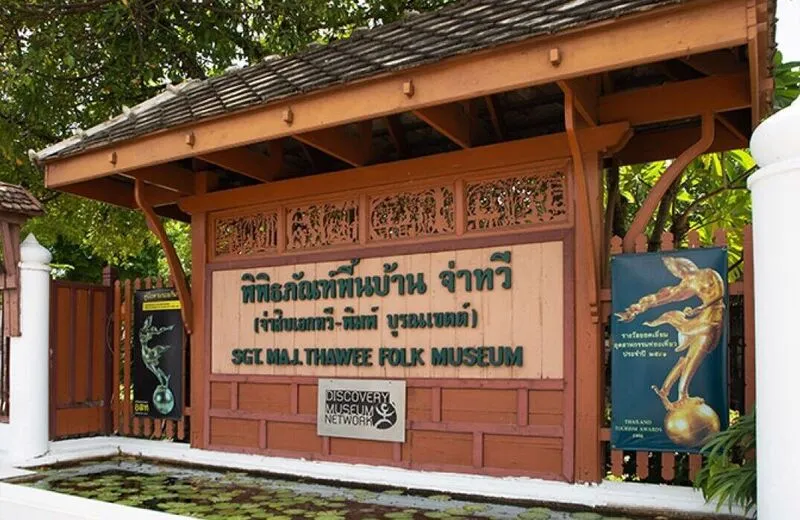
Open Days: Daily
Opening Hours: 08.30 – 16.30
Sgt. Maj. Thawee Folk Museum in Phitsanulok Province is one of the most meaningful cultural attractions for travelers who want to understand traditional Thai ways of life through real objects. Located at 26/138 Wisut Kasat Road, Nai Mueang Subdistrict, Mueang Phitsanulok District, the museum is easy to reach from the city center and can be combined with other important attractions such as Wat Phra Si Rattana Mahathat Woramahawihan, Wat Nang Phaya, Chan Palace, and the Nan River area. The museum is best known for its large collection of everyday objects used by Thai people in the past, including basketry, pottery, household items, farming tools, water-lifting devices, rice-milling tools, fishing and trapping equipment, and many other objects connected with rural life.
In simple terms, Sgt. Maj. Thawee Folk Museum is a place where visitors can learn about Thai society through ordinary objects. These objects may look simple at first, but together they tell a detailed story of how people lived, worked, cooked, farmed, stored food, caught fish, made tools, and adapted to their environment. This is not merely a storehouse of old things. It is a cultural learning space where material objects become evidence of intelligence, patience, creativity, and local wisdom.
The museum is named after its founder, Sergeant Major Dr. Thawee Buranaket, a respected figure in Phitsanulok and Thai art. He was well known for his skill in sculpture, especially bronze casting, and for his deep interest in preserving Thai folk heritage. Many of the objects displayed in the museum were collected through his long personal effort. What began as a private passion for preserving local objects later became a public learning center for students, researchers, Thai travelers, foreign visitors, and anyone interested in the everyday history of Thailand.
The value of the museum lies not only in the objects themselves but also in the spirit behind the collection. Sgt. Maj. Thawee saw that many traditional tools and household objects were disappearing from daily life. If no one preserved them, later generations might never understand how their ancestors lived. The museum is therefore an act of cultural preservation that protects the memory of ordinary people, not only kings, temples, or great monuments.
One of the museum’s most distinctive qualities is its close connection with real life. The objects are not presented only as distant antiques. They are items that were once used by real people in homes, fields, kitchens, waterways, and village communities. Visitors can imagine how farmers lifted water by hand, how families milled rice, how baskets were used to carry produce, how clay pots kept water cool, and how handmade traps were used in local food gathering. The museum helps visitors see the intelligence embedded in daily tools.
Basketry is one of the most important object groups in the museum. Thai basketry reflects deep knowledge of natural materials such as bamboo, rattan, and other plant fibers. A basket is not just a container. It must be strong, light, flexible, well ventilated, and suitable for a specific task. Items such as baskets, trays, fish traps, winnowing tools, and carrying containers show how Thai villagers transformed local materials into practical and beautiful objects through skill and experience.
Pottery and household containers also reveal much about everyday Thai life. Clay vessels were used for storing water, cooking food, keeping ingredients, and performing household tasks. Their forms were often simple, but every shape had a purpose. The use of clay, fire, and water demonstrates local knowledge of materials and practical design. These objects remind visitors that traditional Thai life relied on a close understanding of the natural environment.
The agricultural tools displayed in the museum are especially important for understanding the relationship between Thai communities and the land. Farming tools, rice-processing equipment, water-lifting devices, and animal-trapping tools show how people worked with seasons, rainfall, rivers, fields, and forests. They also reveal the effort required to produce food before modern machinery became common. Through these tools, visitors can appreciate the strength, patience, and resourcefulness of rural communities.
Sgt. Maj. Thawee Folk Museum gives concrete meaning to the phrase “Thai local wisdom.” Wisdom is not found only in books. It appears in the way a tool is tied, the way bamboo is split, the way a basket is shaped, the way a rice tool fits the hand, and the way a household object can be repaired and reused. Each object represents accumulated experience passed from one generation to the next.
The museum also helps visitors understand the idea of sufficiency in traditional Thai life. Before modern consumer culture became dominant, many household objects were made to last, repaired when damaged, and created from materials available in the local environment. This way of living valued usefulness, durability, and careful use of resources. The museum therefore offers lessons that remain relevant today, especially for those interested in sustainability and responsible living.
Walking through the museum can feel like traveling back in time. Visitors see the world of Thai homes, fields, kitchens, waterways, and village work. Older visitors may recognize objects from childhood memories, while younger visitors may encounter tools they have never seen before. In this way, the museum connects different generations through shared cultural memory.
For students, the museum is an excellent field classroom. It can support learning in local history, social studies, anthropology, design, agriculture, craft, and cultural heritage. Seeing real objects helps students understand the past more clearly than reading about it in books alone. A rice mill, a water-lifting device, or a fish trap can open discussions about labor, ecology, technology, and community life.
For foreign travelers, Sgt. Maj. Thawee Folk Museum offers a valuable view of Thailand beyond temples, food, markets, and beaches. It presents the everyday world of Thai villagers: how people cooked, worked, farmed, carried goods, stored food, and solved practical problems. Even visitors who do not understand Thai language deeply can still learn from the shape, material, and function of the objects.
The museum has also received recognition as a significant cultural tourism site. It won an Outstanding Thailand Tourism Award in 1998 in the category of tourism promotion and development organization. This recognition confirms its value not only for Phitsanulok but also for Thailand as a whole. The museum stands as an example of how private initiative and personal dedication can protect public cultural heritage.
The success of the museum shows that cultural preservation does not always need to begin with a large official project. Sometimes it begins with one person who recognizes the value of things others may overlook. Sgt. Maj. Dr. Thawee Buranaket understood that ordinary tools and household objects could become extraordinary evidence of a society. His work transformed private collecting into a public cultural resource.
The museum is also interesting for designers and craft enthusiasts. Many traditional tools display excellent design principles: strength, lightness, efficiency, material economy, and close adaptation to real use. Contemporary designers can learn from these objects, especially in terms of natural materials, functional form, repairability, and the beauty of simplicity.
Visitors should allow at least 1-2 hours to explore the museum at a comfortable pace. Those who are especially interested in local tools, Thai rural life, or traditional design may want more time. This type of museum rewards slow observation. Small details such as worn surfaces, hand-made joints, tool marks, and repair traces often reveal how objects were used over time.
Getting There is convenient because the museum is located in central Phitsanulok on Wisut Kasat Road. Visitors can travel by private car, local taxi, tuk-tuk, or ride-hailing service. From Phitsanulok Railway Station, the journey is short. The museum can easily be included in a city itinerary with Wat Phra Si Rattana Mahathat Woramahawihan, Wat Nang Phaya, Chan Palace, the night market, and the Nan River area.
Visitors should follow museum rules carefully. Do not touch display objects unless permission is given, do not move items, avoid flash photography if restricted, and keep the exhibition area calm for other visitors. Many objects are old and culturally valuable, so respectful behavior helps preserve them for future generations.
Sgt. Maj. Thawee Folk Museum can also be combined with nearby learning sites. Across or near the museum area, visitors may find spaces related to traditional Buddha-image casting, which reflects another aspect of Thai craftsmanship. A full cultural route in Phitsanulok can include the folk museum, a temple visit to Phra Buddha Chinnarat, Chan Palace, and the old riverside area.
For photography lovers, the museum offers many visually interesting details, especially traditional tools, textured materials, baskets, pottery, and old wooden objects. However, photography should be respectful and should not disturb the displays or other visitors. The best images of this museum are those that convey simplicity, age, craftsmanship, and the quiet dignity of Thai folk wisdom.
Culturally, the museum reminds modern visitors to value ordinary people in history. Farmers, craft workers, fishers, household members, and village artisans all contributed to Thai society. Their tools may be simple, but they hold evidence of labor, creativity, and survival. Preserving these objects means preserving the memory of the people who used them.
In summary, Sgt. Maj. Thawee Folk Museum in Phitsanulok is a must-visit destination for travelers interested in Thai folk life, local wisdom, traditional tools, cultural history, and meaningful educational travel. Founded by Sgt. Maj. Dr. Thawee Buranaket, the museum preserves a large collection of everyday objects that tell the story of Thai life in the past. A visit here is not only about seeing old things. It is about understanding how Thai people lived with nature, created useful objects, worked with patience, and passed knowledge from one generation to the next.
| Name | Sgt. Maj. Thawee Folk Museum |
| Location | Wisut Kasat Road, Nai Mueang Subdistrict, Mueang Phitsanulok District, Phitsanulok Province |
| Address | 26/138 Wisut Kasat Road, Nai Mueang Subdistrict, Mueang Phitsanulok District, Phitsanulok Province 65000 |
| Highlights | A large collection of Thai folk objects, basketry, pottery, farming tools, water-lifting devices, rice-milling tools, trapping equipment, and household items from traditional Thai life |
| History / Importance | Founded by Sgt. Maj. Dr. Thawee Buranaket to preserve Thai folk objects and local wisdom. The museum received an Outstanding Thailand Tourism Award in 1998. |
| Founder | Sgt. Maj. Dr. Thawee Buranaket |
| Distinctive Features | A privately managed folk museum presenting Thai life through real everyday objects used in the past |
| Open Days | Daily |
| Opening Hours | 08.30 – 16.30 |
| Admission Fee | Adults 50 Baht, Children 25 Baht |
| Travel Information | Located in central Phitsanulok. Visitors can travel by private car, local taxi, tuk-tuk, or ride-hailing service. The museum can be combined with Wat Phra Si Rattana Mahathat, Wat Nang Phaya, and Chan Palace. |
| Current Status | Open as a folk museum and cultural learning center in Phitsanulok |
| Facilities | Exhibition areas, folk object displays, learning areas, some souvenir or local product areas, and city facilities nearby |
| Main Areas / Zones | Basketry Zone, Pottery Zone, Farming Tools Zone, Livelihood Tools Zone, Household Objects Zone, And Thai Folk Life Learning Areas |
| Caretaker / Local Authority | Sgt. Maj. Thawee Folk Museum / Privately Managed Museum |
| Main Contact Number | 055-212-749 |
| Official Website / Official Page | Sgt. Maj. Thawee Folk Museum, Phitsanulok |
| Nearby Tourist Attractions | 1. Traditional Buddha Casting Learning Area, about 100 m 2. Phitsanulok Night Bazaar, about 2 km 3. Wat Phra Si Rattana Mahathat Woramahawihan, about 3 km 4. Wat Nang Phaya, about 3 km 5. Chan Palace, about 4 km |
| Nearby Restaurants | 1. Kin Khrop Sanam Bin Road, about 200 m 2. Tara’s Cafe’ & Keto Shop, about 300 m 3. Thong Kip Wua Dessert Shop, about 300 m 4. Kor Khaotom Kui 1, about 400 m 5. TASTETURE Pathum Thong, about 700 m |
| Nearby Accommodations | 1. The 8 Factory Hotel Phitsanulok, about 600 m 2. The Park Hotel Phitsanulok, about 2 km 3. Fortune D Hotel Phitsanulok, about 3 km, Tel. 055-303-833 4. The Harmony Ville, about 4 km, Tel. 097-923-4272, 055-241-188 5. Topland Hotel & Convention Centre, about 4 km, Tel. 055-247-801 |
Frequently Asked Questions (FAQ)
Q: Where is Sgt. Maj. Thawee Folk Museum located?
A: The museum is located at 26/138 Wisut Kasat Road, Nai Mueang Subdistrict, Mueang Phitsanulok District, Phitsanulok Province.
Q: What can visitors see inside the museum?
A: Visitors can see a large collection of Thai folk objects, including basketry, pottery, farming tools, water-lifting devices, rice-milling tools, animal traps, and household objects from traditional Thai life.
Q: What are the opening hours of Sgt. Maj. Thawee Folk Museum?
A: The museum is open from 08.30 to 16.30. Visitors should allow around 1-2 hours for a comfortable visit.
Q: How much is the admission fee?
A: Admission is 50 baht for adults and 25 baht for children.
Q: Who founded Sgt. Maj. Thawee Folk Museum?
A: The museum was founded by Sgt. Maj. Dr. Thawee Buranaket, a respected Thai artist and cultural preservationist.
Q: Who should visit this museum?
A: It is suitable for students, families, Thai travelers, foreign visitors, craft lovers, history enthusiasts, and anyone interested in Thai folk wisdom and traditional ways of life.
Q: How can travelers get to the museum?
A: Travelers can reach the museum by private car, local taxi, tuk-tuk, or ride-hailing service from central Phitsanulok. It is located on Wisut Kasat Road in the city area.
Q: What nearby attractions can be visited on the same trip?
A: Visitors can combine the museum with Wat Phra Si Rattana Mahathat Woramahawihan, Wat Nang Phaya, Chan Palace, Phitsanulok Night Bazaar, and the Nan River area.
 Category: ●Art, Culture and Heritage
 Group: ●Museums
Last Update : 4 MonthAgo
 Last Update : 4 MonthAgo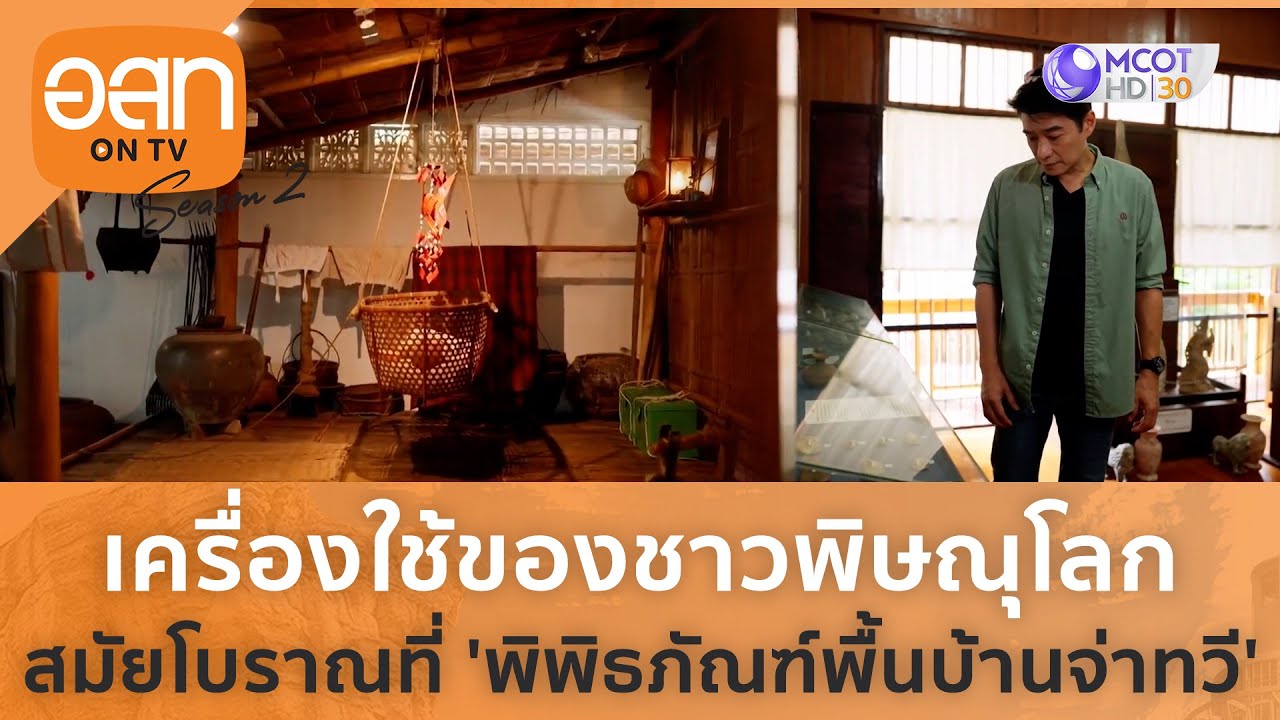
 Click to Access the Navigation Map GPS
Sergeant Thawee Folk Museum Map
Recommend

 Historical Sites and Monuments(1)
 Landmarks and Memorials(2)
 Art, Craft Centres, Tradition(3)
Museums(3)
Art, Craft Centres, Tradition(3)
Museums(3)
 Educational Places
 Educational Gardens, Farm(1)
 Places of Worship
 Temple(29)
 Mosque(1)
 Other Sacred Sites(3)
 Research and Development
 Royal Project(1)
 Suburban Living
 Village, Community(1)
 Nature and Wildlife
 National Parks and Marine Reserves(7)
 Mountain (Doi)(4)
 Dam, Reservoir, Lake(5)
 Waterfalls(19)
 Caves(3)
 River, Canal(9)
 Other natural attractions(1)
 Entertainment and Agricultural
 Farms, Parks and Ecotourism(2)
 Outdoor and Adventure Activities(1)


