
lovethailand home >North Travel Attractions >Chiang Rai Travel Attractions >Muang Chiang Rai >Ban Du > Chiang Rai Rajabhat University
TL;DR: Chiang Rai Rajabhat University, Chiang Rai attractions : University, Rajabhat University.
Chiang Rai Rajabhat University
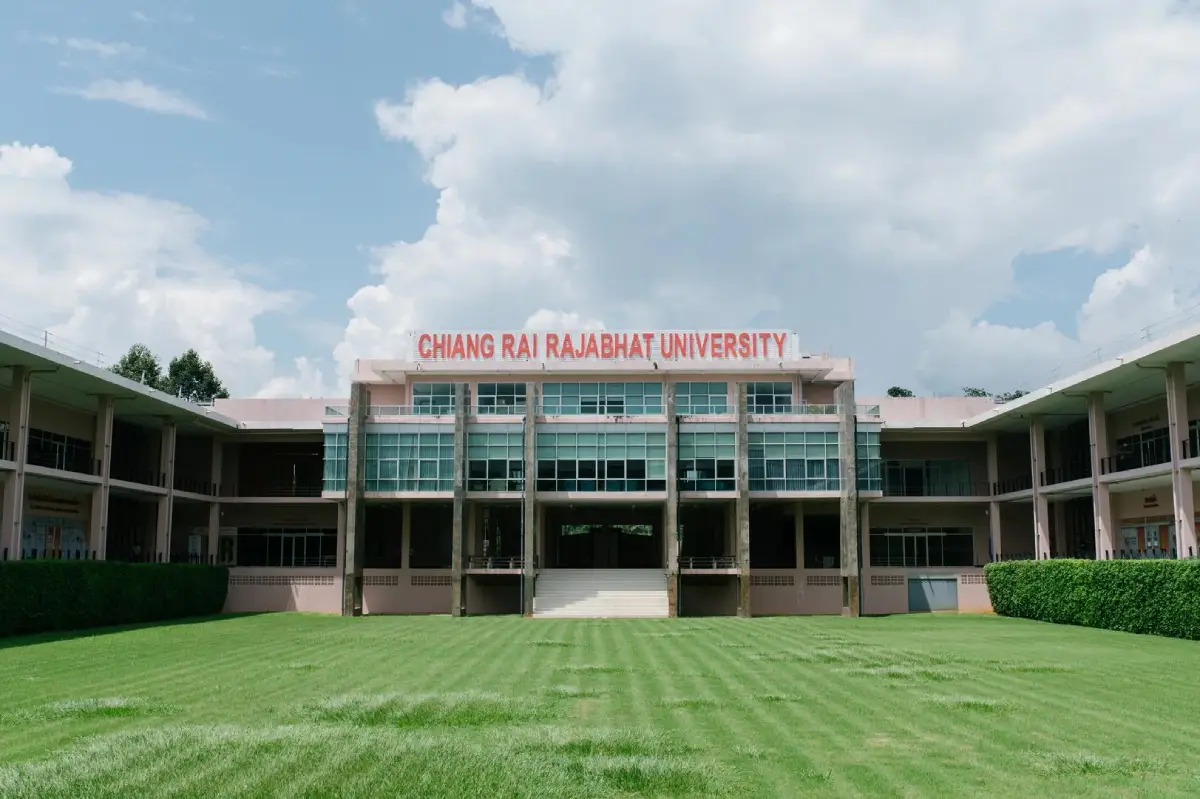
Open Days: Monday–Friday for General Administrative Services, Excluding Government and Public Holidays
Opening Hours: 08:30–16:30 for Administrative and Registrar's Office Services. Access to Specialized Facilities Requires Arrangements with the Relevant Departments.
Chiang Rai Rajabhat University (CRRU) is a public university located at 80 Moo 9, Ban Du Subdistrict, Mueang Chiang Rai District, Chiang Rai Province 57100, Thailand. Its history can be traced to Chiang Rai Teachers College, officially established on 29 September 1973, before becoming Chiang Rai Rajabhat Institute and subsequently attaining university status on 15 June 2004. The institution originated from a local need to train teachers and expand educational opportunities for people in Chiang Rai and neighboring provinces. Over time, its academic mission expanded to include a wide range of disciplines, including education, science and technology, traditional and alternative medicine, public health, nursing, humanities, social sciences, business administration, tourism, accounting, law, and political science. In 2026, the university celebrated 53 years since the establishment of Chiang Rai Teachers College. It continues to pursue its vision of becoming a lifelong learning institution contributing to sustainable local development.
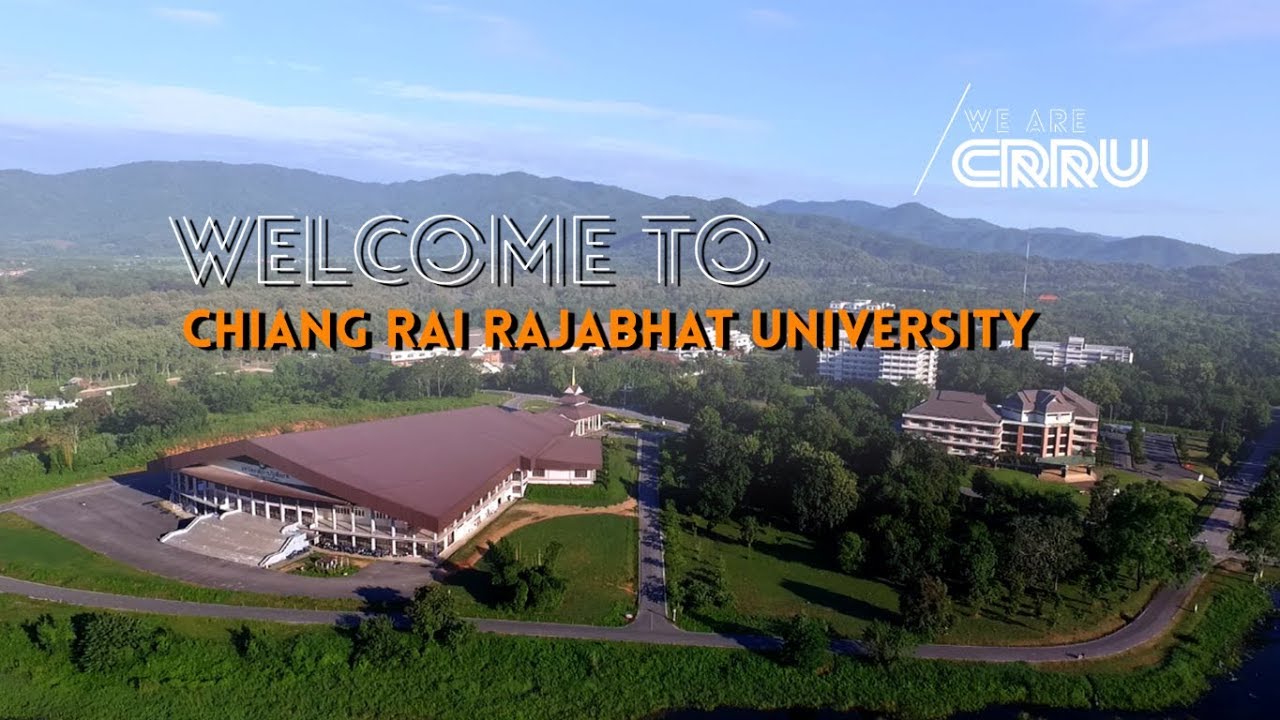
Chiang Rai Rajabhat University maintains a close relationship with the province through its history of teacher education, community development, and the preservation of Lanna cultural heritage. The campus is located in Ban Du, north of Chiang Rai city, and contains academic buildings, administrative offices, learning resource facilities, auditoriums, practical training areas, educational centers, and green spaces. This environment supports student learning while allowing the university to provide academic services to residents, schools, government agencies, and other organizations throughout the province.
Chiang Rai is a historically important part of the Lanna cultural region, distinguished by its ethnic diversity, languages, artistic traditions, and natural resources. The province borders Laos and Myanmar and also maintains economic and cultural connections with southern China. These relationships create a continuing need for professionals in education, healthcare, tourism, cross-border trade, management, and community development who understand local conditions. Chiang Rai Rajabhat University's role consequently extends beyond preparing graduates for employment. It also develops knowledge that helps communities preserve their identities and improve their quality of life.
The university's history began with efforts to establish a teacher-training institution in Chiang Rai. On 11 September 1969, Chiang Rai Province submitted a proposal to the Department of Teacher Training for the establishment of a teacher-training school offering the Certificate in Education. The proposed site was near Nong Bua Reservoir in Ban Du Subdistrict, Mueang Chiang Rai District. This initiative emerged at a time when Thailand was expanding basic education into provincial areas and required more qualified teachers to serve a growing number of schools and students.
Establishing a teacher-training institution in Chiang Rai was particularly important for communities in upper northern Thailand. Previously, many people interested in becoming teachers had to travel to other provinces for professional education. A local institution could reduce travel distances and educational costs while preparing teachers who understood the region's languages, cultural traditions, and school environments. Graduates trained locally would also have opportunities to return to their hometowns and contribute directly to the development of their communities.
On 30 June 1972, Saroj Buasri, then Director-General of the Department of Teacher Training, informed the Governor of Chiang Rai that the department considered the proposed teacher-training institution appropriate. The project was to proceed after the approval of the 1973 fiscal-year budget for construction. This decision represented an important step because the proposal had progressed from a provincial initiative into an officially supported educational development project.
On 29 September 1973, the Thai Cabinet approved the establishment of Chiang Rai Teachers College. Bandit Wongkaeo, previously associated with Maha Sarakham Teachers College, was appointed its first director. This date is a major milestone in the educational history of Chiang Rai because the province gained an institution dedicated to the training and professional development of teachers. The college later became the foundation of today's Chiang Rai Rajabhat University.
During its initial years, Chiang Rai Teachers College focused on training and developing teachers already working in schools across Chiang Rai and neighboring provinces. Summer vacation training was a particularly important arrangement because it enabled practicing teachers to improve their knowledge and qualifications without leaving their regular jobs. This approach reflected the original purpose of teachers colleges in Thailand: responding directly to the needs of schools, teachers, and local communities.
In 1975, Chiang Rai Teachers College began offering summer education programs for practicing teachers and admitted its first students to the Certificate in Education program. The following year, it expanded to offer the Higher Certificate in Education. These educational pathways enabled the college to serve both future teachers and existing educational personnel wishing to obtain higher qualifications. They also helped build the academic and administrative foundations required for further institutional development.
On 2 March 1977, a Royal Decree elevated teachers colleges established in 1973 to the status of educational and research institutions authorized to provide degree-level education. This change was highly significant for Chiang Rai Teachers College. It expanded the institution's role beyond certificate-level training and enabled it to develop university-level courses and research activities supporting the education system and regional development.
Throughout its years as a teachers college, the institution continued to develop its academic and administrative structure. Changes in Thai society and education meant that professional workforce needs increasingly extended beyond schoolteachers to include science, business administration, technology, languages, and social development. The college gradually adapted its academic direction to accommodate students pursuing different professions while retaining teacher education as a central part of its identity.
Another historic milestone occurred on 14 February 1992, when His Majesty King Bhumibol Adulyadej bestowed the name Rajabhat upon the former teachers colleges. The term Rajabhat is associated with royal service and, in the context of Thailand's Rajabhat universities, expresses their commitment to serving the public and developing local communities. The date of 14 February subsequently became Rajabhat Day, an important annual occasion commemorated by Rajabhat universities throughout Thailand.
The transition from Chiang Rai Teachers College to Chiang Rai Rajabhat Institute took legal effect on 25 January 1995 under the Rajabhat Institute Act B.E. 2538 (1995). The legislation broadened the institution's academic and social responsibilities in accordance with the changing higher education system. Assistant Professor Suthep Phongsriwat was appointed the first President of Chiang Rai Rajabhat Institute on 9 June 1995. During this period, the institution further developed from a teacher-training college into a multidisciplinary higher education institution.
On 6 March 1995, His Majesty King Bhumibol Adulyadej granted royal permission for the use of his personal royal emblem as the official emblem of Rajabhat institutions. This event strengthened the symbolic relationship between Rajabhat education and the monarchy. The royal emblem became an enduring expression of gratitude, institutional pride, and the responsibilities associated with service to the public.
On 10 June 2004, His Majesty King Bhumibol Adulyadej signed the Rajabhat University Act B.E. 2547 (2004). The legislation was published in the Royal Gazette on 14 June 2004 and took effect on 15 June 2004. Chiang Rai Rajabhat Institute was consequently elevated to Chiang Rai Rajabhat University. This development gave the institution a full university identity within Thailand's higher education system and reinforced its missions in teaching, research, innovation, academic services, and the preservation of arts and culture.
Although the institution's legal status changed from teachers college to university, its commitment to teacher development and local communities remained central. What changed most significantly was the breadth of academic knowledge and educational opportunities it could provide. The university became capable of preparing graduates for a growing range of professions supporting local education, economic development, healthcare, environmental management, tourism, public administration, and cultural activities. As a result, Chiang Rai Rajabhat University became an important contributor to human resource development in Chiang Rai and surrounding provinces.
The current University President is Associate Professor Dr. Pairoj Duangnakhon, who was royally appointed with effect from 12 September 2025. The official ceremony acknowledging the royal appointment took place on 19 September 2025. His academic background is in industrial education and technological innovation, and his previous appointments include Dean of the Faculty of Industrial Technology and Vice President of Chiang Rai Rajabhat University. This professional experience is closely related to educational development, technology, and university administration.
The university's institutional vision emphasizes lifelong learning for sustainable local development. This approach recognizes that education does not end when students receive their degrees. It also encourages adults, working professionals, and community members to return to learning throughout their lives. The university supports this direction through academic units that develop short courses, professional competencies, and flexible learning opportunities responding to changes in society and the labor market.
The emblem of Chiang Rai Rajabhat University is based on the personal royal emblem of King Rama IX. Its principal elements include the eight-directional royal throne, a circular chakra, symbolic characters and radiating lines, and a seven-tiered white umbrella. The emblem represents the university's connection with the monarchy and the royal contributions to Thai education. Its colors also carry distinct meanings: blue represents the monarchy; green symbolizes nature and the environment; gold signifies the prosperity of knowledge; orange expresses the advancement of local arts and culture; and white represents intellectual purity and wisdom.
The university's official colors are grey and orange, while its designated flower is Kasalong Kham, scientifically known as Radermachera ignea (Kurz) Steenis. This flowering tree belongs to the family Bignoniaceae and is known for its distinctive orange blossoms. The Kasalong Kham name is associated with various university activities and forms of institutional communication, expressing the relationship between regional nature, cultural identity, and the university community.
Chiang Rai Rajabhat University provides education through 14 faculties and colleges, encompassing science and technology, health sciences, humanities, and social sciences. Each academic unit contributes different areas of expertise related to improving quality of life and supporting regional economic development. This diversity enables students to choose from fundamental academic disciplines and specialized professional fields. Cooperation among faculties also supports multidisciplinary research and community projects requiring knowledge from several subject areas.
The Faculty of Education most clearly represents the university's historical foundations because it continues the teacher-training mission of Chiang Rai Teachers College. Its academic areas include general education, special education, physical education, computer and educational technology, music education, home economics, social studies, language teaching, science and mathematics teaching, and industrial arts education. The faculty also offers a Graduate Diploma in Teaching Profession and postgraduate studies in educational administration, supporting the continuing professional development of teachers and educational personnel.
The Faculty of Education's responsibilities extend beyond teaching classroom methods. Its work involves child development, educational technology, learning materials, assessment, and the design of instruction suited to learners with different abilities and backgrounds. In Chiang Rai, where communities use different languages and have diverse cultural traditions, the ability to design education responsive to learners' circumstances is particularly important for reducing inequalities and expanding educational opportunities.
The Faculty of Humanities and Social Sciences emphasizes languages, culture, fine arts, and communication. Its areas of study include English, Thai, Chinese, East Asian languages, English for International Communication, Thai Language and Culture, and fine arts with specializations in music and visual arts. These fields are relevant to Chiang Rai's multilingual and multicultural environment and its regular interactions with tourists, international businesses, and people from neighboring countries.
The Faculty of Science and Technology develops scientific knowledge and technological applications. Its academic programs include Animal Nursing, Food Technology and Innovation, Artificial Intelligence and Computational Science, Chemical and Biological Technology, and Environmental Science and Innovation. These subjects connect with agricultural development, food industries, emerging technologies, and natural resource conservation. Students can apply scientific understanding to challenges encountered in workplaces and local communities.
The Faculty of Industrial Technology prepares students in Architectural Technology, Construction Engineering Technology, Energy Engineering, Logistics Engineering, and Product and Furniture Design. These disciplines contribute to infrastructure development, energy use, building and product design, and efficient transportation systems. Practice-based education enables students to combine classroom learning with technical tools and the demands of professional work.
The Faculty of Digital Technology supports the development of professionals in Computer Science, Information Technology, Computer Engineering, Digital Technology for Business, and Graphic Design. These fields encompass computer systems, software, creative media, and the application of digital technologies in business. As the digital economy grows, such skills are increasingly important for modern organizations and the competitiveness of local entrepreneurs.
The School of Traditional and Alternative Medicine is distinguished by its focus on Thai traditional medicine, medicinal plants, and health-supporting products. These fields connect inherited medical knowledge with systematic academic study. Preparing professionals in these disciplines contributes to the preservation and development of Thai health knowledge, while postgraduate programs in traditional Thai medicine support the development of specialists and researchers.
The Faculty of Public Health and the Faculty of Nursing play important roles in preparing healthcare personnel. The Faculty of Public Health offers education in Public Health and Occupational Health and Safety, while the Faculty of Nursing provides a Bachelor of Nursing Science program. Graduates contribute to health promotion, disease prevention, patient care, occupational safety, and community well-being.
The Faculty of Management Science and the Faculty of Accounting are important academic units for business education. Management Science offers studies in logistics management, business administration, marketing, modern trade management, digital entrepreneurship, and communication arts. The Faculty of Accounting develops knowledge of accounting and financial reporting. These fields support local entrepreneurs, community enterprises, tourism businesses, and organizations involved in international trade.
The Faculty of Tourism and Hotel provides education in hotel management, tourism and service businesses, and innovations in tourism and hospitality management. These programs are closely related to Chiang Rai's economy, which benefits from natural attractions, cultural heritage, and community-based tourism. Preparing professionals who understand hospitality, visitor experiences, and sustainable tourism development helps improve tourism services while recognizing the interests of local communities.
The Faculty of Social Sciences focuses on social development, community studies, sociology, anthropology, cultural resource management, home economics, and social psychology. These disciplines help explain the diversity of Chiang Rai's communities and provide knowledge applicable to community policy, the preservation of cultural heritage, and livelihood development appropriate to different local environments.
The Faculty of Law and the Faculty of Political Science and Public Administration contribute education in law, political systems, government, and public administration. Legal education develops understanding of rights, responsibilities, and justice, while political science and public administration examine institutions, public organizations, governance, and the relationship between public policies and citizens. Such knowledge is essential for effective local administration and accountable public institutions.
Postgraduate education at Chiang Rai Rajabhat University encompasses the Graduate Diploma in Teaching Profession, master's degrees, and doctoral degrees. Fields represented in the university's program directory include Educational Administration, Business Administration, Communication Arts, languages, Tourism and Hospitality Innovation, Public Administration, Regional Development Strategy, Traditional Thai Medicine, and Accounting. Advanced education helps develop teachers, administrators, entrepreneurs, academics, and researchers capable of applying specialized knowledge within organizations and communities.
Alongside degree programs, the university operates a lifelong learning institute that supports adults and working professionals through increasingly flexible learning opportunities. This approach reflects the changing role of universities in a society where technologies, professional requirements, and forms of employment continue to evolve. Learning is therefore not restricted to traditional university students but can support people at different stages of life who wish to gain new competencies or improve existing skills.
In research and academic services, the university is supported by the Research and Development Institute, technology and innovation transfer units, and offices focusing on local development strategies. These units help promote the creation and practical application of knowledge. Relevant areas include education, agriculture, healthcare, community economies, natural resource management, and cultural preservation across upper northern Thailand.
Chiang Rai Rajabhat University's contribution to local communities is also visible through cooperation with schools, local government organizations, and residents. Curriculum development and projects responsive to the province's circumstances allow students to encounter real problems while providing communities with access to academic expertise. Potential applications include product development, business management, health promotion, digital technology, and cultural resource preservation.
One of the university's notable educational landmarks is the King Rama IX Philosophy Hall, a learning center presenting knowledge about the royal development projects, the Sufficiency Economy Philosophy, and the principles of community development associated with His Majesty King Bhumibol Adulyadej. The hall provides an educational environment for students, staff, and organized visiting groups, helping explain approaches that connect knowledge, responsible resource use, and social development.
Exhibitions within the King Rama IX Philosophy Hall encourage visitors to study royal working principles and development ideas with applications to everyday life. Its significance lies not simply in collecting historical information but in demonstrating how economic, social, and environmental knowledge can be considered together to promote stronger and more sustainable communities.
Close to the campus is Somdet Phra Srinagarindra Park, Chiang Rai, an important green space and recreational area serving the Ban Du community. Its landscaped grounds provide opportunities for walking, exercise, and enjoying the natural environment. The park's relationship with the surrounding university area contributes to the quality of life of local residents and provides a shared recreational setting for the wider community.
The Office of Academic Resources and Information Technology is another important university facility. It provides information resources, learning materials, and services supporting academic study and research. Its library and learning spaces help students develop information literacy, independent study habits, and the ability to access knowledge necessary for higher education.
The university also operates the Chiang Rai Rajabhat University Demonstration School, linking its longstanding teacher-education mission with basic education. Demonstration schools provide opportunities for educational development, teaching practice, and the exchange of professional experience between university academics and schoolteachers. The school therefore represents an important continuation of the relationship between the university and the teaching profession.
The University Animal Hospital is another facility connecting scientific education with public services. It supports animal healthcare and academic activities related to animal nursing. The facility demonstrates how practical education can be linked with professional animal care and the needs of pet owners in surrounding communities.
Chiang Rai Rajabhat University also has an observatory and facilities supporting scientific activities. These resources contribute to learning about astronomy and natural phenomena, allowing students to connect scientific concepts studied in classrooms with direct observation and practical educational experiences.
The university's most significant traditions are closely connected with the royal granting of the Rajabhat name. On 14 February each year, the university community observes Rajabhat Day in remembrance of His Majesty King Bhumibol Adulyadej's contributions. In 2026, the university organized royal tribute ceremonies, an alms-giving ceremony involving 55 Buddhist monks and novices, a ceremony honoring the royal emblem, and the presentation of Rajabhat Sadudee awards at the university's main auditorium.
Rajabhat Day is more than an annual historical commemoration. It reflects the ideal of serving the public that forms part of the Rajabhat university mission. Awards presented to distinguished alumni, students, and individuals who have contributed to society demonstrate the value of education in developing people and providing positive examples for communities. Religious ceremonies and shared university activities also strengthen bonds across generations of students, staff, and graduates.
29 September commemorates the establishment of Chiang Rai Teachers College and remains an important date in the university's institutional history. On 29 September 2026, Chiang Rai Rajabhat University celebrated its 53rd anniversary at the main auditorium. Activities included an alms-giving ceremony involving 54 Buddhist monks, Buddhist chanting, an address by the University President outlining future development priorities, and ceremonies honoring personnel who had made significant contributions to the institution.
The 2026 foundation anniversary also included the presentation of Rak Kaew Rajabhat recognition awards and activities honoring retiring university employees. These events acknowledged the dedication of lecturers and staff who had contributed to the university's development throughout their careers. They also helped connect the university's current achievements with the work and commitment of earlier generations.
The traditional Wai Khru ceremony remains another meaningful aspect of university life. During the 2026 academic year, the Faculty of Digital Technology publicized its Wai Khru ceremony, inviting students to express gratitude and respect for their teachers. Such ceremonies help maintain positive relationships between educators and learners while introducing students to institutional values associated with respect, responsibility, and ethical conduct.
Preserving arts and culture is particularly important in Chiang Rai, where Lanna traditions coexist with the practices of diverse ethnic communities. Learning about traditional music, crafts, local ceremonies, languages, and cultural resources can encourage understanding across generations and communities. Chiang Rai Rajabhat University contributes to the collection, transmission, and development of cultural knowledge through academic study, activities, and cooperation with local people.
For visitors interested in educational tourism, Chiang Rai Rajabhat University offers opportunities to explore the history of teacher education and the relationship between universities and local development. Organized study visits may include learning about the institution's transformation from a teachers college to a university, its multidisciplinary academic programs, and the educational role of the King Rama IX Philosophy Hall. Visitors wishing to enter exhibitions or specialized university facilities should make arrangements with the responsible departments beforehand.
Ban Du and nearby areas also contain a variety of cultural and natural attractions, including public parks, community markets, art museums, hot springs, and waterfalls. Each destination presents a different aspect of Chiang Rai, from contemporary art and local everyday life to mountain landscapes and natural resources. A university visit can therefore be combined with cultural and nature-based tourism experiences in the northern part of Mueang Chiang Rai District.
Getting There: Visitors can reach Chiang Rai Rajabhat University by private car from central Chiang Rai, following Phahonyothin Road or Highway 1 north toward Ban Du Subdistrict before taking the access route indicated by university signs and navigation maps. Travelers arriving at Mae Fah Luang–Chiang Rai International Airport can continue by hired vehicle, taxi, or private car. Public transportation users should check available services passing through Ban Du and arrange onward transport to the specific university building they intend to visit.
General administrative services are available Monday to Friday, 08:30–16:30, excluding government and public holidays. The main university telephone number is +66 53 776 000, while the admissions and registrar's office can be contacted at +66 53 776 018. For institutional publicity and communication enquiries, the Corporate Communications and Public Relations Office can be reached at +66 53 776 118. Visitors wishing to enter specialized areas, including laboratories, academic buildings, the demonstration school, and healthcare facilities, should obtain authorization from the responsible departments in advance.
Chiang Rai Rajabhat University is more than a higher education institution in upper northern Thailand. It also represents an important chapter in the development of Thai education across several historical periods: the proposal to establish a teacher-training school in 1969, the foundation of Chiang Rai Teachers College in 1973, its transformation into Chiang Rai Rajabhat Institute in 1995, and its elevation to university status in 2004. Today, the institution continues to promote lifelong learning and sustainable local development. Through teacher education, professional training, research, and cooperation with communities, it contributes to improving quality of life, strengthening local economies, and preserving the cultural heritage of Chiang Rai and northern Thailand.
Chiang Rai Rajabhat University — Summary Table
| University Name | Chiang Rai Rajabhat University (CRRU) |
| Thai Name | มหาวิทยาลัยราชภัฏเชียงราย |
| University Type | Public University |
| Location | Ban Du Subdistrict, Mueang Chiang Rai District, Chiang Rai Province, Thailand |
| Full Address | 80 Moo 9, Ban Du Subdistrict, Mueang Chiang Rai District, Chiang Rai 57100, Thailand |
| Initial Teacher-Training School Proposal | 11 September 1969 |
| Chiang Rai Teachers College Foundation Date | 29 September 1973 |
| Transition to Chiang Rai Rajabhat Institute | 25 January 1995 |
| University Establishment Date | 15 June 2004 |
| Institutional Age in 2026 | 53 Years Since Chiang Rai Teachers College Was Established; 22 Years Since University Status Was Granted |
| Important Historical Figures | Saroj Buasri, Who Supported the Teacher-Training Institution's Establishment; Bandit Wongkaeo, First Director of Chiang Rai Teachers College; Assistant Professor Suthep Phongsriwat, First President of Chiang Rai Rajabhat Institute |
| Current University President | Associate Professor Dr. Pairoj Duangnakhon, Appointed Effective 12 September 2025 |
| Institutional Vision | A Lifelong Learning Institution for Sustainable Local Development |
| University Colors | Grey and Orange |
| University Flower | Kasalong Kham (Radermachera ignea) |
| Faculties and Colleges | 1. Faculty of Education 2. Faculty of Science and Technology 3. Faculty of Industrial Technology 4. Faculty of Digital Technology 5. School of Traditional and Alternative Medicine 6. Faculty of Public Health 7. Faculty of Nursing 8. Faculty of Humanities and Social Sciences 9. Faculty of Management Science 10. Faculty of Tourism and Hotel 11. Faculty of Accounting 12. Faculty of Social Sciences 13. Faculty of Law 14. Faculty of Political Science and Public Administration |
| Education Levels | Bachelor's Degrees, Graduate Diplomas, Master's Degrees, Doctoral Degrees, and Short Courses for Lifelong Learning |
| Academic Strengths | Teacher Education, Local Development, Science and Technology, Digital Technology, Traditional Thai Medicine, Public Health, Nursing, Languages, Tourism, Business Administration, Accounting, Law, and Public Administration |
| Important Facilities On and Near Campus | 1. King Rama IX Philosophy Hall 2. Main Auditorium 3. University President's Office Building 4. Office of Academic Resources and Information Technology 5. Chiang Rai Rajabhat University Demonstration School 6. University Animal Hospital 7. University Observatory 8. Somdet Phra Srinagarindra Park, Near the University |
| Major Traditions and Activities | Rajabhat Day on 14 February, University Foundation Anniversary on 29 September, Wai Khru Ceremonies, Alumni and Staff Recognition Events, Local Development Projects, and Cultural Preservation Activities |
| Administrative Office Days | Monday–Friday, Excluding Government and Public Holidays |
| Administrative Office Hours | 08:30–16:30 |
| Educational Visits | Advance Arrangements with the Responsible Department or Corporate Communications and Public Relations Office. Access to Laboratories and Specialized Facilities Requires Permission. |
| Facilities | Library and Learning Resources, Student Accommodation, Food Services, Sports Facilities, Demonstration School, Animal Hospital, Activity Spaces, and Campus Services |
| Getting There | Travel North from Central Chiang Rai via Phahonyothin Road toward Ban Du and Follow Signs to the Campus. Hired Transport and Private Cars Are Available from Mae Fah Luang–Chiang Rai International Airport. |
| Nearby Attractions | 1. Somdet Phra Srinagarindra Park, Chiang Rai 2. Baan Dam Museum, Nang Lae 3. Pong Phra Bat Hot Springs, Ban Du 4. Pong Phra Bat Waterfall, Ban Du 5. Ban Du Market |
| Nearby Restaurants | 1. Okay Shabu, Chiang Rai Rajabhat University Branch, Tel. +66 82 041 3253 2. Di Angello Pizzeria, Tel. +66 80 286 8895 3. Ribs & Co., Ban Du Branch, Tel. +66 53 175 596 4. Food Wishes Ban Du, Tel. +66 86 656 3363 5. Phra Nakhon Noodles, Chiang Rai Rajabhat University Area |
| Nearby Accommodation | 1. Rommai Villa Chiang Rai, Tel. +66 81 734 7497 2. B2 Chiang Rai Resort Boutique and Budget Hotel, Tel. +66 52 020 180 3. Cabbages and Condoms Inn (Ban Du), Tel. +66 53 776 532 4. The DORM Chiangrai, Tel. +66 87 922 2525 5. Rajabhat Inn, Chiang Rai Rajabhat University, Tel. +66 53 776 010 |
| University Telephone | +66 53 776 000 |
| Admissions and Registrar's Office | +66 53 776 018 |
| Public Relations Telephone | +66 53 776 118 |
| Contact Email | saraban@crru.ac.th |
| Official Website | https://crru.ac.th |
| Current Status | Operating and Providing Higher Education in Academic Year 2026 |
Chiang Rai Rajabhat University Academic Programmes — Academic Year 2026
| Faculty / College | Degrees and Fields of Study |
| Faculty of Education | Bachelor's Degrees 1. Bachelor of Education in Education, with study tracks in Special Education, Physical Education, Computer and Educational Technology, Music Education, Home Economics, and Social Studies 2. Bachelor of Education in Language Teaching, with study tracks in Chinese, Thai, and English 3. Bachelor of Education in Science and Mathematics Teaching, with study tracks in Mathematics, General Science, Chemistry, Biology, and Physics 4. Bachelor of Industrial Education in Industrial Arts Graduate Diploma 1. Graduate Diploma in Teaching Profession Master's Degree 1. Master of Education in Educational Administration Doctoral Degree 1. Doctor of Education in Educational Administration |
| Faculty of Management Science | Bachelor's Degrees 1. Bachelor of Business Administration in Logistics Management 2. Bachelor of Business Administration in Business Administration, with study tracks in Marketing, Modern Trade Management, Management, Entrepreneurship in the Digital Economy, and Digital Business Management Innovation 3. Bachelor of Communication Arts in Communication Arts, with study tracks in Corporate Communication, Content Management and Creation, and Digital Multimedia Master's Degrees 1. Master of Business Administration 2. Master of Communication Arts Doctoral Degrees 1. Doctor of Business Administration 2. Doctor of Communication Arts |
| Faculty of Science and Technology | Bachelor's Degrees 1. Bachelor of Science in Animal Nursing 2. Bachelor of Science in Food Technology and Innovation 3. Bachelor of Science in Artificial Intelligence and Computational Science 4. Bachelor of Science in Chemical and Biological Technology, with study tracks in Biological Technology and Innovation and Chemical Technology and Innovation 5. Bachelor of Science in Environmental Science and Innovation |
| Faculty of Humanities and Social Sciences | Bachelor's Degrees 1. Bachelor of Arts in English 2. Bachelor of Arts in Thai 3. Bachelor of Arts in Chinese 4. Bachelor of Arts in East Asian Languages, with Japanese and Korean study tracks 5. Bachelor of Arts in English for International Communication (International Programme) 6. Bachelor of Arts in Thai Language and Culture 7. Bachelor of Fine and Applied Arts in Fine Arts, with Music and Visual Arts study tracks Master's Degrees 1. Master of Arts in Teaching Thai 2. Master of Arts in Teaching Chinese 3. Master of Arts in Teaching Chinese as an International Language 4. Master of Arts in English |
| Faculty of Industrial Technology | Bachelor's Degrees 1. Bachelor of Science in Architectural Technology 2. Bachelor of Science in Construction Engineering Technology 3. Bachelor of Engineering in Energy Engineering 4. Bachelor of Engineering in Logistics Engineering 5. Bachelor of Architecture in Product and Furniture Design |
| School of Traditional and Alternative Medicine | Bachelor's Degrees 1. Bachelor of Thai Traditional Medicine 2. Bachelor of Science in Herbal Technology and Health Supplement Products Master's Degree 1. Master of Thai Traditional Medicine Doctoral Degree 1. Doctor of Thai Traditional Medicine |
| Faculty of Social Sciences | Bachelor's Degrees 1. Bachelor of Arts in Social Development 2. Bachelor of Arts in Social Sciences, with Sociology and Anthropology and Cultural Resource Management study tracks 3. Bachelor of Arts in Home Economics, with Applied Home Economics and Culinary Arts and Services study tracks 4. Bachelor of Science in Social Psychology Master's Degree 1. Master of Arts in Regional Development Strategy Doctoral Degree 1. Doctor of Philosophy in Regional Development Strategy |
| Faculty of Accounting | Bachelor's Degree 1. Bachelor of Accountancy in Accounting Master's Degree 1. Master of Accountancy in Accounting |
| Faculty of Public Health | Bachelor's Degrees 1. Bachelor of Public Health in Public Health 2. Bachelor of Science in Occupational Health and Safety |
| Faculty of Law | Bachelor's Degree 1. Bachelor of Laws |
| Faculty of Political Science and Public Administration | Bachelor's Degrees 1. Bachelor of Public Administration in Public Administration 2. Bachelor of Political Science in Politics and Government Master's Degree 1. Master of Public Administration in Public Sector Administration |
| Faculty of Tourism and Hotel | Bachelor's Degrees 1. Bachelor of Arts in Hotel Management 2. Bachelor of Arts in Tourism and Service Business Master's Degree 1. Master of Arts in Tourism and Hospitality Management Innovation |
| Faculty of Digital Technology | Bachelor's Degrees 1. Bachelor of Science in Computer Science and Information Technology, with Computer Science and Information Technology study tracks 2. Bachelor of Engineering in Computer Engineering 3. Bachelor of Technology in Digital Technology for Business 4. Bachelor of Arts in Graphic Design, with Media Art and Design and Digital Media Technology study tracks |
| Faculty of Nursing | Bachelor's Degree 1. Bachelor of Nursing Science |
Frequently Asked Questions (FAQ)
Q: Where is Chiang Rai Rajabhat University located?
A: The university is located at 80 Moo 9, Ban Du Subdistrict, Mueang Chiang Rai District, Chiang Rai 57100, Thailand, north of central Chiang Rai. Visitors can reach the Ban Du area via Phahonyothin Road.
Q: What are the opening days and hours of Chiang Rai Rajabhat University?
A: General administrative offices and the Registrar's Office operate Monday to Friday, 08:30–16:30, excluding government and public holidays. Other facilities may have different operating schedules.
Q: When was Chiang Rai Rajabhat University established?
A: Chiang Rai Teachers College was established on 29 September 1973. It became Chiang Rai Rajabhat Institute in 1995 and was elevated to Chiang Rai Rajabhat University on 15 June 2004.
Q: How old is Chiang Rai Rajabhat University?
A: In 2026, the institution celebrated 53 years since the establishment of Chiang Rai Teachers College on 29 September 1973 and 22 years since it obtained university status in 2004.
Q: How many faculties and colleges does Chiang Rai Rajabhat University have?
A: The university has 14 faculties and colleges covering Education, Science and Technology, Industrial Technology, Digital Technology, Traditional and Alternative Medicine, Public Health, Nursing, Humanities and Social Sciences, Management Science, Tourism and Hotel, Accounting, Social Sciences, Law, and Political Science and Public Administration.
Q: What is Chiang Rai Rajabhat University known for?
A: It is particularly associated with teacher education, local development, traditional Thai medicine, digital technology, tourism and hospitality, public health, lifelong learning, and the preservation of Lanna culture.
Q: What are the important places to visit at Chiang Rai Rajabhat University?
A: Important facilities include the King Rama IX Philosophy Hall, the main auditorium, the Office of Academic Resources and Information Technology, the university demonstration school, the university animal hospital, and the observatory. Somdet Phra Srinagarindra Park is an important nearby green space.
Q: Can members of the public arrange a study visit to Chiang Rai Rajabhat University?
A: Yes. Visitors can contact the university to arrange educational visits. The main university number is +66 53 776 000, while the Corporate Communications and Public Relations Office can be contacted at +66 53 776 118. Access to specialized buildings and facilities requires approval from the responsible departments.
 Category: ●University
 Group: ●Rajabhat University
Last Update : 1 WeekAgo
 Last Update : 1 WeekAgo
 Click to Access the Navigation Map GPS
Chiang Rai Rajabhat University Map
Recommend

 Art, Culture and Heritage
 Historical Sites and Monuments(3)
 Landmarks and Memorials(7)
 Art, Craft Centres, Tradition(6)
 Museums(8)
 Historic Homes and Cities(1)
 Educational Places
 Museum for Study(1)
 Library(1)
 Educational Gardens, Farm(3)
 Public university(1)
 Autonomous Universities(1)
 Rajamangala University of Technology(1)
Rajabhat University(1)
 Places of Worship
 Temple(38)
 Other Sacred Sites(5)
 Research and Development
 Royal Project(9)
 Suburban Living
 Village, Community(16)
 Local Market(5)
 Nature and Wildlife
 National Parks and Marine Reserves(20)
 Mountain (Doi)(20)
 Dam, Reservoir, Lake(8)
 Waterfalls(16)
 Hot Springs(6)
 Caves(8)
 River, Canal(10)
 Sea, Beach(1)
 Other natural attractions(3)
 Entertainment and Agricultural
 Animal camps and shows(1)
 Farms, Parks and Ecotourism(9)
 Waterpark(1)
 Shopping
 Shopping and Night Market(2)
 Call Customer Service in Tourism
 Call Customer Service in Tourism(1)
 Travel Articles, Recipes
 Travel Review, Food Review(1)
 Food Menu, North Recipes(1)


