
lovethailand home >North Travel Attractions >Tak Travel Attractions >Mae Ramat >Mae Tuen > Mae Tuen Wildlife Sanctuary
TL;DR: Mae Tuen Wildlife Sanctuary is located at Covering areas in Mae Ramat District and Sam Ngao District, Tak Province, open Prior permission from officials is required before entering the area, hours Please contact officials before traveling.
Mae Tuen Wildlife Sanctuary
Open Days: Prior permission from officials is required before entering the area
Opening Hours: Please contact officials before traveling
Mae Tuen Wildlife Sanctuary in Tak Province is a large protected forest area covering parts of Mae Ramat District and Sam Ngao District. With a total area of approximately 733,125 rai, it is one of the important conservation landscapes in western Thailand. The sanctuary is known for steep mountain ranges, fertile forests, wildlife habitats, Mae Tuen River, Doi Khun Mae Tuen, Doi Soi Malai, small caves, rock terraces, rafting routes, sea-of-mist viewpoints, and rare species such as the salamander found in the highland ecosystem.
Mae Tuen Wildlife Sanctuary is not a conventional tourist attraction that visitors should enter without preparation. As a wildlife sanctuary, its main purpose is to protect wildlife, natural habitats, watershed forests, and ecological systems. Travelers who wish to visit specific areas, go rafting, camp, or ascend Doi Soi Malai should contact officials in advance and follow all regulations strictly. This is especially important because the area includes deep forests, steep mountains, rivers, and routes that require suitable vehicles and local knowledge.
The sanctuary office is located around kilometer marker 35 on Highway 1175, the Mae Ramat – Ban Tak route. This mountain road connects Mae Ramat District with Ban Tak District and provides access to several important forest and highland destinations in Tak Province. Travelers should check road conditions, vehicle readiness, fuel, brakes, tires, and weather before setting out, especially if planning to continue toward Doi Soi Malai or other rough mountain routes.
The landscape of Mae Tuen Wildlife Sanctuary is dominated by steep and complex mountain ranges. It includes ridges, valleys, streams, forest slopes, and highland zones. The variation in elevation supports several forest types, including hill evergreen forest, dry evergreen forest, mixed deciduous forest, and dry dipterocarp forest. Each forest type provides different habitats for wildlife and plant species, making the sanctuary highly important for biodiversity conservation and watershed protection.
The name “Mae Tuen” is closely associated with the Mae Tuen River, one of the major tributaries of the Ping River. The river originates from mountain ranges in Omkoi District, Chiang Mai Province, and flows through forested landscapes before joining the Ping River above Bhumibol Dam in Tak Province. Its long and winding course creates many rapids and natural river features, making it a notable rafting route that combines adventure with forest scenery and local Karen community landscapes.
Doi Khun Mae Tuen is located behind the sanctuary office and is one of the notable natural sites in the area. It features a broad rock terrace and a small cave. Inside the cave are stalactites and stalagmites formed gradually by natural geological processes. The cave and surrounding forest are also habitats for wildlife such as barking deer, serow, and bats. Visiting this area offers insight into the relationship between rock formations, caves, forest cover, and wildlife habitats within the sanctuary.
The rock terrace at Doi Khun Mae Tuen gives visitors a sense of the rugged mountain character of the sanctuary. It is suitable for observing the landscape, photography, and learning about the natural structure of the area. However, because it is part of a wildlife sanctuary, visitors should not leave permitted routes, approach wild animals, disturb cave-dwelling bats, or make loud noise. The site should be experienced quietly and respectfully.
Rafting along the Mae Tuen River is one of the most distinctive activities associated with the sanctuary. The rafting route begins near the Mae Tuen Wildlife Sanctuary office and follows the river through forested mountain terrain. Along the way, travelers can see intact forest scenery, riverbanks, birds, rapids, and traditional Karen communities in remote areas. Rafting here should be arranged with experienced operators or local officials because the river includes both calm sections and challenging rapids.
Important rapids along the Mae Tuen rafting route include Huai Phra Chao Rapid, Huai Saem Rapid, Huai Nam Wan Rapid, Huai Phlu Rapid, and Huai Wua Rapid. Huai Wua is considered the most challenging section, with a rapid length of about 1 km. After passing Huai Wua, the route continues through more river features until the Mae Tuen River meets the Ping River. From there, boats may take travelers toward the fishing village at Ban Hin Lat Na Hai, where some visitors may stay overnight or continue back toward Bhumibol Dam.
The value of rafting on the Mae Tuen River lies not only in adventure but also in the experience of traveling through a real forest river landscape. Some sections are calm and scenic, while others require teamwork and attention. The route allows visitors to experience mountains, forest, birds, river ecology, and local life. Because of the river’s changing conditions, rafting should always be planned according to season, water level, and safety guidance.
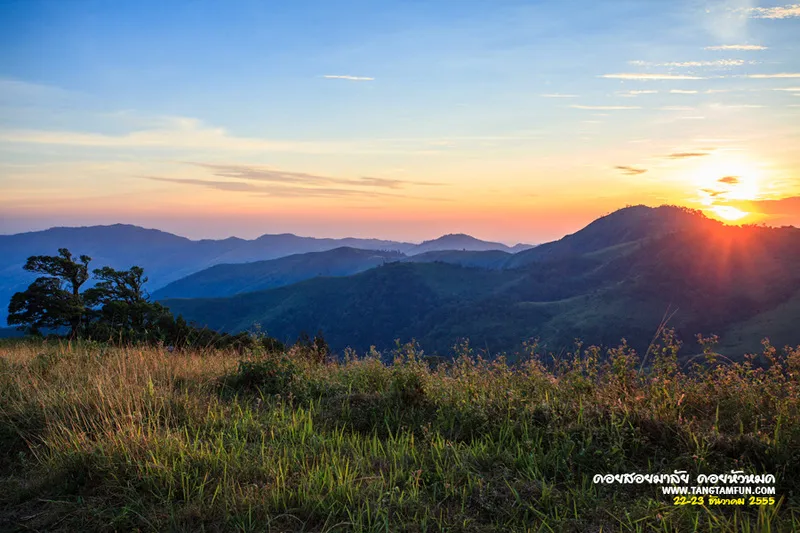
Doi Soi Malai is one of the most famous highland destinations within Mae Tuen Wildlife Sanctuary. Rising to about 1,600 meters above mean sea level, it is the highest peak in the sanctuary and offers views toward Bhumibol Dam reservoir. The mountain is known for its cool-climate pine forest, morning sea of mist, wide viewpoints, and quiet highland atmosphere. It is a destination for travelers who want to experience a wilder and less commercialized mountain landscape in Tak Province.
One of the most remarkable natural features of Doi Soi Malai is the presence of salamanders, locally referred to as water geckos. These rare ancient amphibians have a lizard-like appearance and a pinkish body. Their presence reflects the ecological sensitivity of the highland wet habitats. Visitors should never touch, capture, or disturb them, and should avoid contaminating streams or wet areas where such species may live.
The general forest condition on Doi Soi Malai is a cool-climate pine forest. The area is known for sea-of-mist viewpoints in the morning, especially from November to January, which is considered the best period for travel. During this season, the air is cool, the scenery is often clear, and the highland atmosphere is especially beautiful. Camping is possible only in areas designated by officials, and visitors must obtain permission from Kio Sam Lo Forest Protection Unit before ascending Doi Soi Malai.
Traveling to Doi Soi Malai requires more preparation than visiting a general viewpoint. The route uses Highway 1175 between Ban Tak and Mae Ramat, then continues onto mountain tracks that may include unpaved, steep, narrow, or slippery sections. A high-performance vehicle or four-wheel-drive vehicle is recommended. Drivers should be experienced with mountain and dirt roads. If not, visitors should ask officials or use local transport services where available.
Mae Tuen Wildlife Sanctuary is highly important for wildlife. Its forests support mammals, birds, reptiles, amphibians, bats, and many smaller species within the ecosystem. The cave area near Doi Khun Mae Tuen provides habitat for bats, while the moist highland zones of Doi Soi Malai support rare species such as salamanders. This diversity makes responsible travel essential. Visitors should not disturb animals, change natural habitats, or leave waste in the forest.
The sanctuary is also suitable for birdwatching and nature observation. Its different forest types provide habitats for many bird groups. Birdwatchers should bring binoculars, move quietly, and visit during the morning or late afternoon when birds are more active. Ethical birdwatching means observing from a distance, avoiding nest disturbance, not using excessive playback sounds, and allowing wildlife to behave naturally.
Safety is a central concern when visiting Mae Tuen Wildlife Sanctuary. The area includes mountains, deep forest, river routes, and roads that may require suitable vehicles. Mobile phone signal may be limited in some zones. Travelers should inform officials or trusted contacts of their plans, carry drinking water, food, warm clothing, rain protection, a flashlight, personal medicine, a trash bag, and essential equipment. Forest trekking, rafting, camping, or mountain travel should not be done without proper coordination.
For rafting, visitors should pay attention to season, water level, and the experience of the rafting team. During the rainy season, water levels may rise and currents may become strong. During drier periods, some sections may become shallow. Travelers should wear life jackets and helmets, follow the guide’s instructions, keep valuables in waterproof bags, and avoid careless behavior on the river.
For Doi Soi Malai, preparation should focus on the vehicle, route, and weather. Even if the lowland temperature is not very cold, the mountaintop can be windy and cold at night. Visitors should prepare warm clothing, sleeping gear, flashlights, camping equipment, food, drinking water, and personal medicine. After rainfall, the route may become slippery and difficult. Contacting Kio Sam Lo Forest Protection Unit or Mae Tuen Wildlife Sanctuary before departure is strongly recommended.
Getting There is mainly by private vehicle via Highway 1175, the Mae Ramat – Ban Tak route. The sanctuary office is located around kilometer marker 35. Travelers from Mae Ramat should head toward Ban Tak, while those from Ban Tak should follow Highway 1175 toward Mae Ramat. The road is mountainous and can be winding in several sections. Extra care is needed during the rainy season or when fog is present.
Travelers should begin the trip in the morning or during daylight hours. This allows enough time for mountain driving, contacting officials, and reaching the destination safely. Those planning to go to Doi Soi Malai should use a four-wheel-drive or high-performance vehicle. Those planning to raft on the Mae Tuen River should contact Mae Tuen Subdistrict Administrative Organization or relevant local operators in advance to check water levels, safety arrangements, starting points, and ending points.
Nearby travel routes can include Doi Soi Malai, Khun Phawo National Park, Bhumibol Dam, Mokkhala Cave, and attractions in Mae Ramat or Ban Tak Districts. However, planning should consider real driving distance, mountain road conditions, and travel time. Nature routes in Tak often take longer than expected, so itineraries should not be overloaded.
Visitors entering a wildlife sanctuary should respect all conservation rules. Do not litter, bring pets into forest areas, collect plants, capture wildlife, light fires outside permitted areas, or create loud noise. Camping should be done only at designated sites, and all waste should be carried out. Responsible travel means entering the forest, learning from it, and leaving without damaging the landscape or wildlife habitats.
Overall, Mae Tuen Wildlife Sanctuary is one of Tak Province’s most valuable protected forest areas. It combines high mountains, pine forest, river rapids, caves, rare wildlife, Karen community landscapes, and the powerful Mae Tuen River in one conservation landscape. Travelers who prepare well, obtain permission properly, and respect the sanctuary’s role will find Mae Tuen a deep and rewarding nature experience in western Thailand.
| Name | Mae Tuen Wildlife Sanctuary |
| Location | Covering areas in Mae Ramat District and Sam Ngao District, Tak Province |
| Address | Mae Tuen Wildlife Sanctuary Office, around kilometer marker 35 on Highway 1175, Mae Ramat – Ban Tak route, Tak Province |
| Highlights | Doi Khun Mae Tuen, Mae Tuen River rafting, Doi Soi Malai, sea of mist, cool-climate pine forest, salamanders, Mae Tuen River, and large wildlife forest landscape |
| History | A wildlife and habitat conservation area covering approximately 733,125 rai of protected forest in Tak Province |
| Name Origin | The name is associated with the Mae Tuen River, one of the major tributaries of the Ping River and the natural core of the area |
| Distinctive Features | Steep and complex mountain terrain with hill evergreen forest, dry evergreen forest, mixed deciduous forest, and dry dipterocarp forest, providing habitats for many wildlife species |
| Travel Information | Use Highway 1175, the Mae Ramat – Ban Tak route. The sanctuary office is around kilometer marker 35. For Doi Soi Malai, a high-performance or four-wheel-drive vehicle is recommended |
| Current Status | A wildlife sanctuary where prior permission from officials is required before entering tourism or camping areas |
| Open Days | Prior permission from officials is required before entering the area |
| Opening Hours | Please contact officials before traveling |
| Facilities | Sanctuary office, official contact point, designated camping areas, and access routes to selected natural sites under permission conditions |
| Main Areas / Zones | Doi Khun Mae Tuen, small cave and rock terrace, Mae Tuen River, rafting route, Doi Soi Malai, Kio Sam Lo Forest Protection Unit, sea-of-mist viewpoints, and cool-climate pine forest |
| Caretaker | Department of National Parks, Wildlife and Plant Conservation / Mae Tuen Wildlife Sanctuary; Mr. PharanchaI Siriphut is head of Mae Tuen Wildlife Sanctuary |
| Main Contact Number | Mae Tuen Wildlife Sanctuary Tel. 055-519609 / Mae Tuen Subdistrict Administrative Organization Tel. 055-581643 |
| Official Website / Official Page | Department of National Parks, Wildlife and Plant Conservation, Tourism Authority of Thailand, and local administrative organizations in the area |
| Nearby Tourist Attractions | 1. Doi Khun Mae Tuen, about 1 km 2. Mae Tuen River Rafting Starting Point, about 1 km 3. Doi Soi Malai, about 20 km 4. Khun Phawo National Park, about 25 km 5. Mokkhala Cave, Mae Ramat District, about 50 km 6. Bhumibol Dam, Sam Ngao District, about 80 km |
| Nearby Restaurants | 1. Si Phrai Restaurant, Mae Ramat District, about 35 km, Tel. 055-581444, 087-1983980 2. Ngao Phai Restaurant, Mae Ramat District, about 35 km, Tel. 055-802056 3. Wisdom Field Coffee, Mae Ramat District, about 36 km 4. Food & Cafe / Local Restaurants in Mae Ramat Town, about 35 km 5. Local Restaurants around Mae Ramat Market, about 35 km |
| Nearby Accommodations | 1. Wisdom Field Resort Mae Ramat, about 36 km, Tel. 092-4235962, 089-2419969 2. Phrik Wan San Fan Resort Mae Ramat, about 37 km, Tel. 081-2807995 3. Baan Sai Lom Joy Mae Ramat, about 35 km, Tel. 087-8422527 4. Huen Si On Resort Mae Ramat, about 36 km, Tel. 083-5710496 5. Doi Soi Malai Designated Camping / Official Rest Area, about 20 km |
Frequently Asked Questions (FAQ)
Q: Where is Mae Tuen Wildlife Sanctuary located?
A: Mae Tuen Wildlife Sanctuary covers areas in Mae Ramat District and Sam Ngao District, Tak Province. Its office is around kilometer marker 35 on Highway 1175, the Mae Ramat – Ban Tak route.
Q: What are the main highlights of Mae Tuen Wildlife Sanctuary?
A: The highlights include Doi Khun Mae Tuen, Mae Tuen River rafting, Doi Soi Malai, pine forest, sea of mist, salamanders, wildlife habitats, and the large protected forest landscape.
Q: Is permission required to visit Doi Soi Malai?
A: Yes. Visitors must obtain permission from officials before ascending Doi Soi Malai, especially through Kio Sam Lo Forest Protection Unit or Mae Tuen Wildlife Sanctuary.
Q: Where does Mae Tuen River rafting begin?
A: The rafting route begins near the Mae Tuen Wildlife Sanctuary office and follows the Mae Tuen River through forested landscapes and rapids.
Q: When is the best time to visit Doi Soi Malai?
A: The best time is from November to January, when the weather is cool, the pine forest is beautiful, and there is a good chance of seeing morning sea of mist.
Q: What type of vehicle is recommended for Doi Soi Malai?
A: A high-performance vehicle or four-wheel-drive vehicle is recommended because some sections are steep, unpaved, narrow, or slippery after rain.
Q: How can travelers contact Mae Tuen Wildlife Sanctuary?
A: Travelers can contact Mae Tuen Wildlife Sanctuary at 055-519609 or Mae Tuen Subdistrict Administrative Organization at 055-581643 for permission, travel details, and rafting information.
 Category: ●Nature and Wildlife
 Group: ●National Parks and Marine Reserves
Last Update : 2 MonthAgo
 Last Update : 2 MonthAgo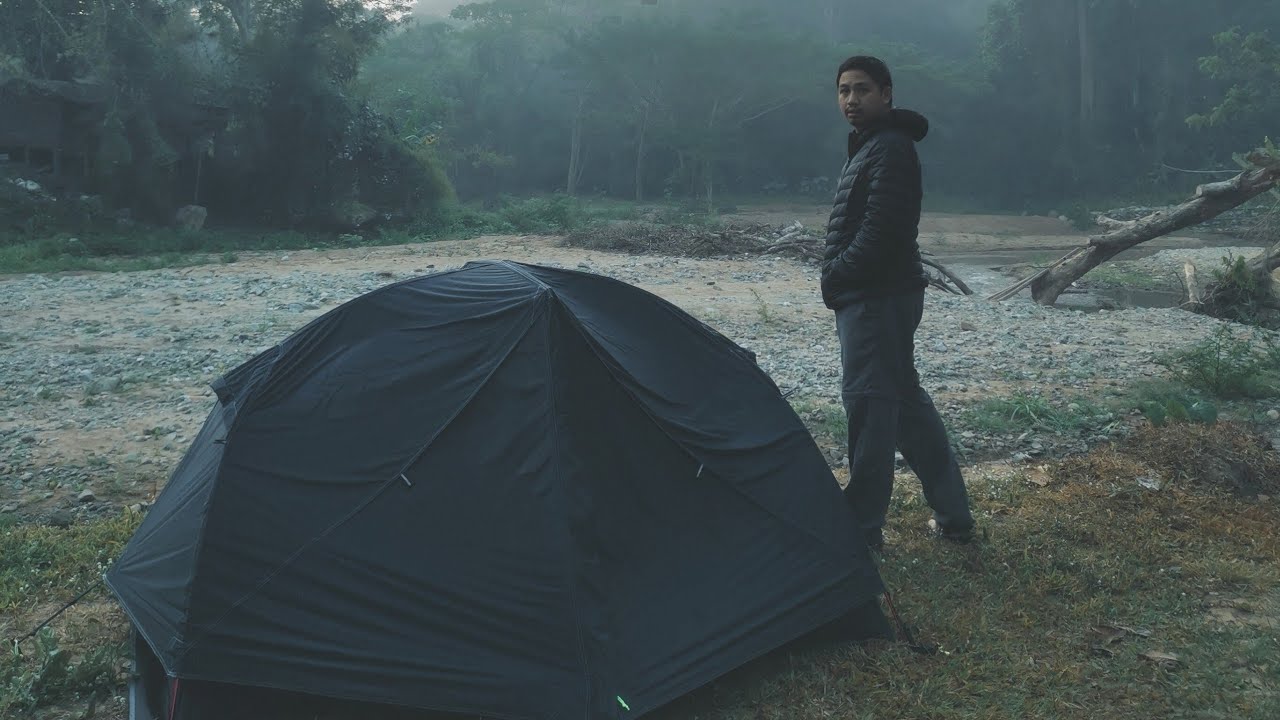
 Click to Access the Navigation Map GPS
Mae Tuen Wildlife Sanctuary Map
Recommend

 Art, Culture and Heritage
 Historical Sites and Monuments(2)
 Landmarks and Memorials(3)
 Art, Craft Centres, Tradition(6)
 Historic Homes and Cities(2)
 Educational Places
 Educational Gardens, Farm(2)
 Places of Worship
 Temple(22)
 Other Sacred Sites(9)
 Suburban Living
 Village, Community(5)
 Local Market(3)
National Parks and Marine Reserves(9)
Local Market(3)
National Parks and Marine Reserves(9)
 Mountain (Doi)(9)
 Dam, Reservoir, Lake(14)
 Waterfalls(23)
 Hot Springs(2)
 Caves(6)
 River, Canal(1)
 Bays and Beaches(1)
 Islands(1)
 Other natural attractions(1)
 Entertainment and Agricultural
 Farms, Parks and Ecotourism(5)
 Outdoor and Adventure Activities(4)


