
lovethailand home >North Travel Attractions >Uttaradit Travel Attractions >Mueang Uttaradit >Tha It > Phraya Phichai Dap Hak Monument
TL;DR: Phraya Phichai Dap Hak Monument is located at In Front Of Uttaradit Provincial Hall, Phat Sanam Bin Road, Mueang Uttaradit District, Uttaradit Province, open Daily, hours Monument Grounds Open Daily; Phraya Phichai Dap Hak Museum Opens 09.00 – 16.00.
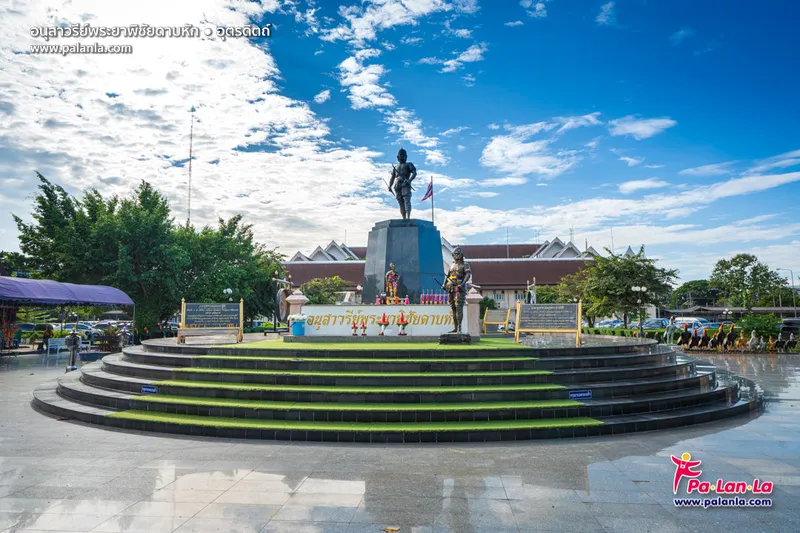
Phraya Phichai Dap Hak Monument
Open Days: Daily
Opening Hours: Monument Grounds Open Daily; Phraya Phichai Dap Hak Museum Opens 09.00 – 16.00
Phraya Phichai Dap Hak Monument is one of the most important historical landmarks in Uttaradit Province. Standing in front of the Uttaradit Provincial Hall on Phat Sanam Bin Road in Mueang Uttaradit District, the monument honors Phraya Phichai Dap Hak, a legendary Thai warrior of the Thonburi period who became a symbol of courage, sacrifice, loyalty, and devotion to the nation. For visitors exploring Uttaradit, this monument is not only a photo stop in the city center but also a meaningful place to understand the heroic spirit that has shaped the identity of the province for generations.
The monument commemorates Phraya Phichai, also known in his early life as Thong Di Fan Khao, a name associated with his distinctive white teeth and his reputation as a brave fighter. He served as one of the trusted warriors of King Taksin the Great during a turbulent period in Thai history after the fall of Ayutthaya. His name became permanently attached to the phrase “Dap Hak,” meaning “broken sword,” after the famous battle in 1773 when Burmese troops attacked Phichai. During that fierce battle, one of his swords broke, yet he continued fighting with determination until the enemy was driven back.
This act of bravery made Phraya Phichai Dap Hak one of the most admired heroes in Thai history. His story is remembered not simply because of victory in battle, but because of the spirit he represented: the courage to continue fighting even when weapons failed, the discipline of a warrior who protected his homeland, and the loyalty of a leader who stood beside King Taksin the Great in the defense and restoration of the kingdom. For the people of Uttaradit, he is more than a historical figure; he is a moral example of resilience, honor, and public duty.
The statue was designed and cast by the Fine Arts Department. It portrays Phraya Phichai in the posture of a warrior from the Thonburi period, standing firmly with a broken sword in his right hand and another sword in his left hand. The composition captures the moment after his weapon had broken, yet his will remained unbroken. This visual image has become one of the most powerful symbols of Uttaradit Province, often used to represent local pride, historical memory, and the fighting spirit of the people.
The official opening ceremony of the monument took place on 20 February 1969. Since then, the site has become a place of respect for local residents, government officials, students, and travelers from across Thailand. Many visitors come to pay homage, offer flowers, and stand quietly before the statue as a gesture of gratitude to a warrior whose courage is still remembered more than two centuries later. The area is also used for public ceremonies and provincial events connected with local history and civic identity.
The location of the monument makes it especially accessible. It stands in the heart of Uttaradit city, in front of the Provincial Hall, close to major roads, government offices, local shops, restaurants, hotels, and the railway station. Travelers arriving by train can continue to the monument easily by local transport, while those driving can include the site as the first stop in a cultural route through the city. Because the monument is centrally located, it is suitable for a short visit, a historical walking route, or a deeper exploration of nearby museums and local attractions.
One of the most important features near the monument is the Phraya Phichai Dap Hak Museum. The museum presents the life, background, and heroic deeds of Phraya Phichai through historical displays, models, documents, and objects related to the late Ayutthaya and Thonburi periods. Visitors can learn about the battlefield narratives, local life in old Uttaradit, and the historical context of Phichai as an important town during a time of conflict and political transformation. The museum helps turn the monument from a symbolic landmark into a fuller educational experience.
Inside the same area, travelers can also see the museum of the world’s largest Nam Phi steel sword. Nam Phi steel is a famous traditional metal from Uttaradit, long associated with strength, sacred power, and auspicious protection. The sword displayed here weighs 557.8 kilograms and is paired with a beautifully crafted scabbard made from carved padauk wood, decorated with mother-of-pearl inlay and silverwork. This remarkable object reflects both the martial heritage of Uttaradit and the refined craftsmanship of Thai artisans.
Nam Phi steel carries deep cultural meaning in Uttaradit. For many local people, it is not only a material for making weapons but also a symbol of spiritual power and protective virtue. Traditional beliefs hold that objects made from Nam Phi steel can help guard against danger and strengthen prestige. Whether viewed through history, craftsmanship, or local belief, the great Nam Phi sword near the monument adds another layer of meaning to the site. It connects Phraya Phichai’s warrior image with the broader heritage of local metallurgy and sacred craftsmanship.
The surrounding landscape of the monument is neat, open, and suitable for walking, taking photographs, and spending time in quiet reflection. The statue stands in a formal public space, giving visitors a clear view of its posture and details. In the morning and late afternoon, the light is softer and better for photography. These times are also more comfortable for walking around the monument, especially during the hot season. Many travelers choose to stop here before continuing to temples, markets, restaurants, or other historical places in Uttaradit city.
For Thai visitors, the monument often carries emotional significance because the story of Phraya Phichai Dap Hak is widely known as a lesson in bravery and loyalty. For foreign travelers, the site offers an accessible introduction to Thai history beyond the better-known capitals of Ayutthaya, Sukhothai, and Bangkok. It helps explain how regional heroes, local towns, and provincial memory are part of the wider story of the Thai nation. A visit here can make the history of the Thonburi period feel more personal and grounded in place.
The story of the broken sword is especially powerful because it is easy to understand across cultures. It is the story of a warrior who did not stop when his weapon failed. It speaks to perseverance under pressure, commitment in the face of danger, and loyalty to one’s people. This is why Phraya Phichai Dap Hak remains respected not only as a military figure but also as a moral symbol. The monument translates that story into a lasting public image that can be understood by every visitor who stands before it.
Travelers interested in history should allow enough time to see both the monument and the museum displays nearby. A short stop at the statue may take only 15–20 minutes, but a more meaningful visit that includes the museum and the Nam Phi sword display can take longer. The site is especially suitable for families, students, cultural travelers, and visitors who want to understand Uttaradit through its local heroes, craftsmanship, and historical identity.
Because the monument is located near the center of the city, it can be combined easily with other nearby attractions. Visitors may continue to Uttaradit Railway Station area, local markets, city restaurants, Wat Tha Thanon, or further routes toward Laplae District, Wat Phra Thaen Sila At, and Wat Phra Borommathat Thung Yang. Those planning a wider historical route can also connect the monument with Phichai District, the hometown area associated with Phraya Phichai, and other local heritage sites in the province.
Getting There is convenient by private car, local transport, motorcycle taxi, or train. From Uttaradit Railway Station, the monument is located about 1 km away, making it one of the easiest historical landmarks to reach in the city. Travelers arriving by car can navigate to the Uttaradit Provincial Hall area on Phat Sanam Bin Road. Since the site is in the city center, it is also close to hotels, restaurants, coffee shops, and other services useful for travelers.
The best time to visit is in the morning or late afternoon when the weather is cooler and the light is pleasant for photography. Visitors who want to enter the museum should plan their visit within the museum opening hours. As the monument is a place of respect, visitors should dress and behave appropriately, avoid climbing on the monument base, and keep the area clean. A quiet and respectful visit allows the site to retain its dignity as a memorial to one of Thailand’s most honored warriors.
Phraya Phichai Dap Hak Monument is therefore more than a landmark in front of a government building. It is a historical memorial, a provincial symbol, a cultural learning site, and a gateway to understanding Uttaradit’s identity. Through the statue, the museum, the great Nam Phi sword, and the memory of the 1773 battle, visitors can see how history, heroism, craftsmanship, and local pride continue to live together in the heart of Uttaradit city.
| Name | Phraya Phichai Dap Hak Monument |
| Location | In Front Of Uttaradit Provincial Hall, Phat Sanam Bin Road, Mueang Uttaradit District, Uttaradit Province |
| Address | Phat Sanam Bin Road, Mueang Uttaradit District, Uttaradit Province 53000, Thailand |
| Highlights | Heroic Statue Of Phraya Phichai Dap Hak, Phraya Phichai Dap Hak Museum, And The World’s Largest Nam Phi Steel Sword |
| History | The Monument Honors Phraya Phichai Dap Hak, A Thonburi-Period Warrior Who Fought In The 1773 Battle Against Burmese Forces At Phichai |
| Key Figure | Phraya Phichai Dap Hak, Also Known As Thong Di Fan Khao, A Trusted Warrior Of King Taksin The Great |
| Important Date | The Monument Was Officially Opened On 20 February 1969 |
| Distinctive Features | A Fine Arts Department Statue Showing Phraya Phichai Holding A Broken Sword In His Right Hand And Another Sword In His Left Hand |
| Travel Information | Located In Central Uttaradit, About 1 km From Uttaradit Railway Station; Accessible By Private Car, Local Transport, Motorcycle Taxi, Or Train |
| Current Status | An Important Historical Memorial, Provincial Symbol, And Public Learning Site In Uttaradit City |
| Open Days | Daily |
| Opening Hours | Monument Grounds Open Daily; Phraya Phichai Dap Hak Museum Opens 09.00 – 16.00 |
| Fees | No Admission Fee For The Museum |
| Main Areas / Zones | 1. Phraya Phichai Dap Hak Monument 2. Phraya Phichai Dap Hak Museum 3. World’s Largest Nam Phi Steel Sword Display 4. Public Ceremony Area 5. Photo And Rest Area Around The Monument |
| Caretaker | Government Agency / Uttaradit Provincial Area; Phraya Phichai Dap Hak Museum Is Managed By A Government Agency |
| Main Contact Number | Phraya Phichai Dap Hak Museum, Tel. 0-5541-1033, 0-5541-1977 |
| Nearby Tourist Attractions | 1. Phraya Phichai Dap Hak Museum, about 0 km 2. World’s Largest Nam Phi Steel Sword Museum, about 0 km 3. Uttaradit Railway Station, about 1 km 4. Wat Tha Thanon, about 2 km 5. Wat Phra Thaen Sila At, about 15 km 6. Wat Phra Borommathat Thung Yang, about 15 km |
| Nearby Restaurants | 1. Pizza Café De Laplae, about 0.6 km 2. Le Château, about 0.6 km 3. Tuecoffee, about 0.6 km 4. Chai Charoen IT Cafe, about 1 km 5. Nam Ngiao Chiang Rai, about 4 km 6. Moo Tun Ya Jeen Kru Keng, about 4 km 7. Noen Thong Restaurant, about 5 km |
| Nearby Accommodations | 1. Areena Resort Uttaradit, about 0.4 km 2. O.U.M. Hotel, about 1 km 3. Sunee Boutique Hotel, about 1 km 4. Friday Hotel, about 2 km, Tel. 055-832775-9 5. Seeharaj Hotel, about 2 km, Tel. 055-832790-6, 089-4616339 6. Thapjumras Boutique Hotel, about 2 km, Tel. 093-5514497 |
Frequently Asked Questions (FAQ)
Q: Where Is Phraya Phichai Dap Hak Monument Located?
A: The monument is located in front of Uttaradit Provincial Hall on Phat Sanam Bin Road in Mueang Uttaradit District, Uttaradit Province.
Q: Who Was Phraya Phichai Dap Hak?
A: Phraya Phichai Dap Hak was a heroic warrior of the Thonburi period and a trusted fighter of King Taksin the Great. He became famous for continuing to fight after one of his swords broke during the 1773 battle at Phichai.
Q: Why Is He Called Dap Hak?
A: The name “Dap Hak” means “broken sword.” It refers to the famous battle in which one of his swords broke, yet he continued fighting bravely until the enemy retreated.
Q: What Can Visitors See Near The Monument?
A: Visitors can see the Phraya Phichai Dap Hak Museum and the world’s largest Nam Phi steel sword display within the same area.
Q: Is There An Admission Fee?
A: The Phraya Phichai Dap Hak Museum does not charge an admission fee.
Q: How Far Is The Monument From Uttaradit Railway Station?
A: The monument is about 1 km from Uttaradit Railway Station, making it easy to reach by local transport or a short city ride.
Q: What Is The Best Time To Visit?
A: Morning and late afternoon are the most comfortable times to visit because the weather is cooler and the light is better for photography.
Q: What Nearby Attractions Can Be Combined With This Visit?
A: Travelers can combine the visit with the Phraya Phichai Dap Hak Museum, the Nam Phi steel sword display, Uttaradit Railway Station area, Wat Tha Thanon, Wat Phra Thaen Sila At, and Wat Phra Borommathat Thung Yang.
 Category: ●Art, Culture and Heritage
 Group: ●Landmarks and Memorials
Last Update : 4 MonthAgo
 Last Update : 4 MonthAgo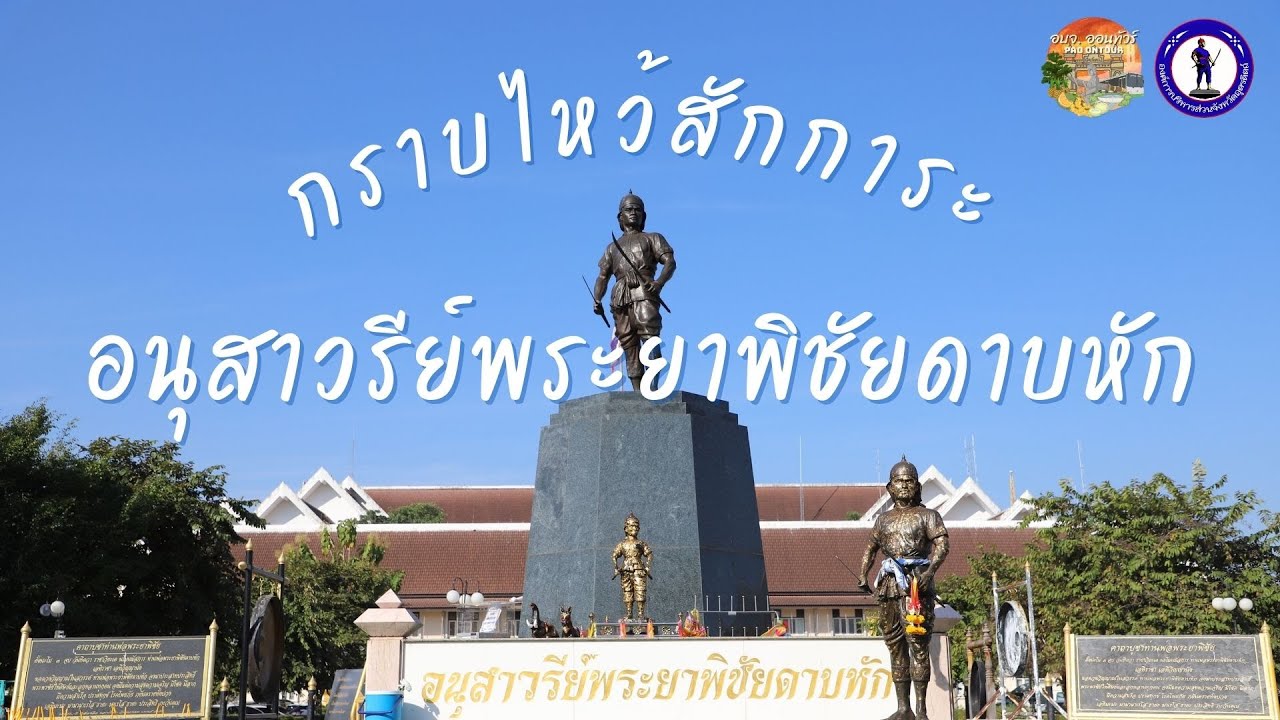
 Click to Access the Navigation Map GPS
Phraya Phichai Dap Hak Monument Map
Recommend

 Historical Sites and Monuments(2)
Landmarks and Memorials(8)
Historical Sites and Monuments(2)
Landmarks and Memorials(8)
 Art, Craft Centres, Tradition(3)
 Museums(1)
 Historic Homes and Cities(1)
 Places of Worship
 Temple(42)
 Other Sacred Sites(5)
 Suburban Living
 Village, Community(4)
 Nature and Wildlife
 National Parks and Marine Reserves(4)
 Mountain (Doi)(3)
 Dam, Reservoir, Lake(3)
 Waterfalls(11)
 Caves(3)
 River, Canal(3)
 Other natural attractions(3)
 Entertainment and Agricultural
 Farms, Parks and Ecotourism(1)


