
lovethailand home >South Travel Attractions >Satun Travel Attractions >La Ngu >Pak Nam > Koh Bulon Le
TL;DR: Koh Bulon Le, Satun attractions : Nature and Wildlife, Islands.
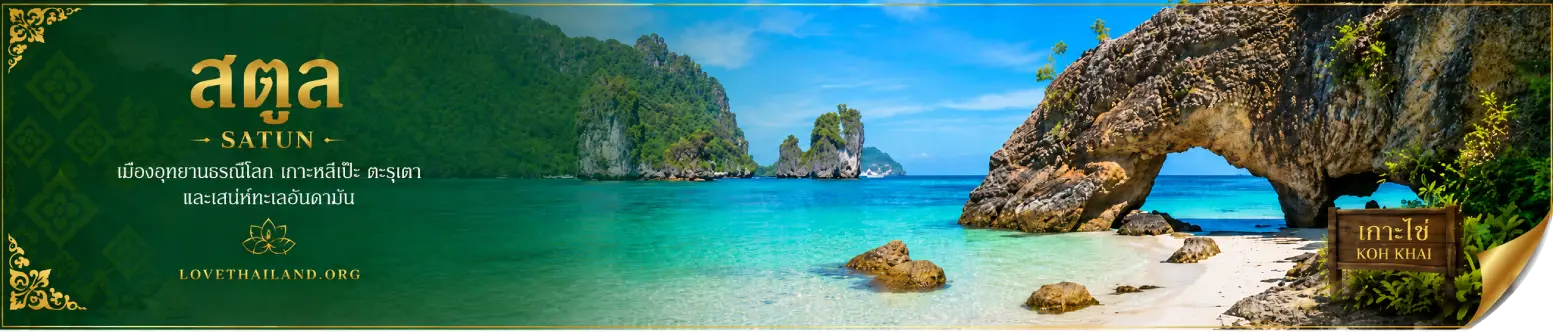
Koh Bulon Le
Open Days: Closed for seasonal tourism and overnight stays from 1 June–30 September 2026. Visits resume according to Mu Ko Phetra National Park announcements, sea conditions, and local boat operations after the closure period.
Opening Hours: Best visited during daylight hours, based on boat schedules from Pak Bara Pier, Koh Bulon seasonal boat services, and national park announcements during the open season.
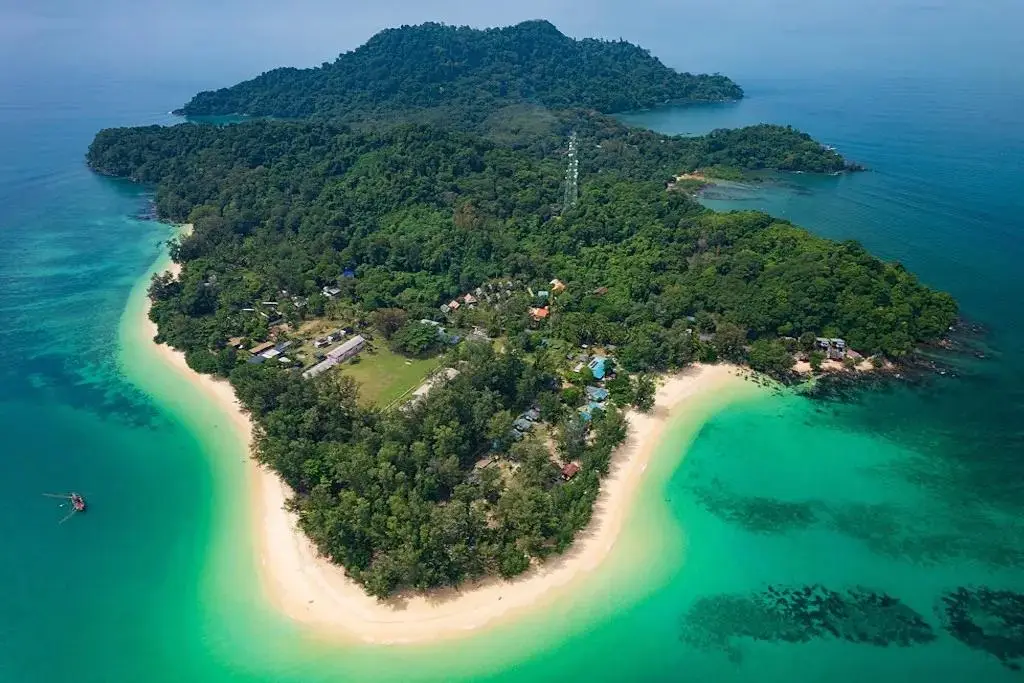
Koh Bulon Le in Satun Province is an Andaman Sea island within Mu Ko Phetra National Park, Pak Nam Subdistrict, La-ngu District. It lies about 22 km by sea from Pak Bara Pier and is one of the best-known islands in the Bulon island group. The island is known for clean white sand, clear seawater, colorful coral reefs, schools of tropical fish, and a quiet atmosphere that has earned it the reputation of being a newer jewel of the Andaman. Koh Bulon Le is suitable for travelers who want beach relaxation, swimming, snorkeling, island walks, local community encounters, and a slower Satun sea experience than the major mainstream island routes.
The defining strength of Koh Bulon Le is its balance between accessibility and tranquility. It is relatively easy to reach from Pak Bara Pier, yet it keeps a softer, quieter atmosphere than the more crowded island destinations. Koh Bulon Le is not as busy as Koh Lipe. Its appeal comes from simple beaches, casuarina trees, clear water, and small-scale accommodation scattered around the island’s bays. Travelers looking for beautiful sea without heavy crowds will find this island especially attractive.
The Bulon group includes several important islands and marine sites, such as Koh Bulon Le, Koh Bulon Don, Koh Bulon Mai Phai, Koh Bulon Rang, Koh Ayam, and Hin Khao. Koh Bulon Le is the main visitor base and the island with the clearest accommodation and community presence. It is therefore often used as the starting point for exploring the wider Bulon group, snorkeling nearby reefs, and connecting with other island routes in Satun’s Andaman waters.
The name “Bulon” is commonly explained as being related to a Malay-language term for bamboo, reflecting the island’s past abundance of bamboo. The name links nature, language, and the cultural landscape of Satun’s Andaman coast. Koh Bulon Le is not only a beach destination. It is also a living island community, with Urak Lawoi sea-people heritage and Muslim island life forming part of the island’s identity.
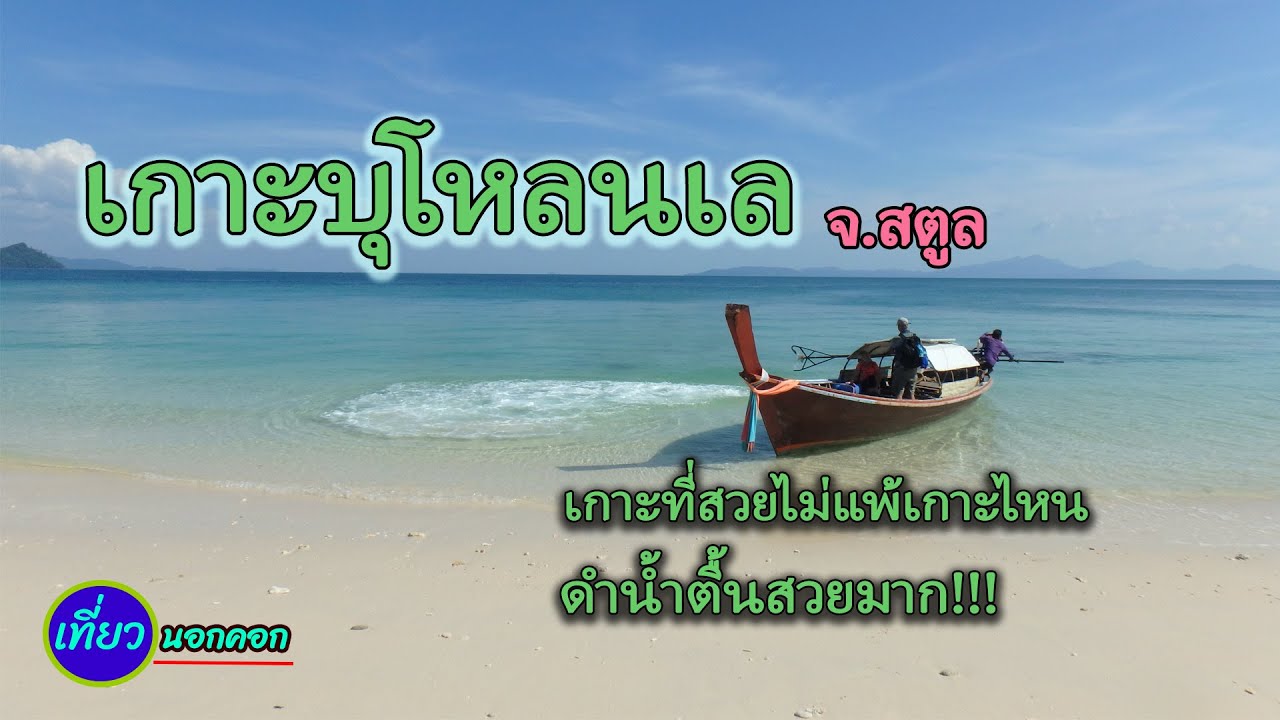
The classic image of Koh Bulon Le is a white sandy beach lined with casuarina trees and clear green-blue sea. The beaches feel more relaxed and personal than large resort beaches. Visitors can walk along the shore, sit under the trees, watch long-tail boats resting near the beach, and enjoy water so clear that coral and marine life can be seen in some areas. This makes the island suitable for both rest and nature appreciation.
Pansand Beach, around the Pansand Resort area, is one of the island’s best-known beach zones. It has fine sand, clear water, and a strong sense of relaxed island life. Ao Muang, Ao Phang Ka Noi, and Ao Phang Ka Yai are also associated with the island’s geography, village access, boat movements, beaches, and internal walking routes. Each area has a different atmosphere, from resort frontage and beach scenery to local village and boat-access points.
Koh Bulon Le is well suited to snorkeling and coral-viewing trips. Nearby sites connected with the Bulon group include Koh Ayam and Hin Khao, both known among visitors who enjoy coral and fish life. Coral reef areas on the eastern side of Koh Bulon Le also appear in marine-resource and coral-bleaching monitoring data, showing that the island is significant for both tourism and conservation.
The underwater scenery is one of the main reasons travelers come to Koh Bulon Le. Colorful coral, small reef fish, and clear water define the snorkeling experience when sea conditions are suitable. Responsible snorkeling is essential. Visitors should not step on coral, touch marine animals, feed fish, or anchor on reef areas. Careful tourism helps keep the island’s marine environment healthy.
Beyond beaches and coral, Koh Bulon Le is shaped by island life. The local community has long been connected with the sea through small-scale fishing, long-tail boats, settlements around bays, and footpaths linking different parts of the island. Walking from the beach toward the village reveals a mix of accommodation, community areas, forest, shoreline, and narrow island paths. This simplicity is a major part of the island’s character.
At night, hermit crabs and ghost crabs can often be seen along the beach areas. Their presence gives the shoreline a quiet natural liveliness after sunset. Visitors should use light carefully, walk with awareness, and avoid handling or disturbing beach wildlife. These small animals are part of the coastal ecosystem, not tourist props.
Sunset is another memorable part of a Koh Bulon Le stay. Some beaches and bays offer beautiful evening views as the light reflects across the sea. Late afternoon is ideal for walking on the beach, photographing boats and casuarina trees, and resting after a day of swimming or snorkeling. The island is therefore best experienced with an overnight stay rather than a brief stop.
The latest operating status must follow Mu Ko Phetra National Park announcements. The 2026 seasonal closure announcement states that Koh Bulon Mai Phai, Koh Bulon Le, Koh Bulon Don, the Koh Bulon Mai Phai camping area, and Zone 2 accommodation at the Koh Lidi ranger unit are closed for tourism and overnight stays from 1 June to 30 September 2026. This closure supports natural recovery and visitor safety during the season when sea conditions may be unsuitable.
After the seasonal closure, travelers should check the latest park announcement and boat schedule before planning a trip. Marine travel depends on weather, waves, season, passenger demand, and operator service. The most practical season for Andaman Sea travel is generally from late year to early the following year, when seas are calmer and boat services are more active. Advance planning is important, especially for overnight stays and onward routes to Koh Lipe.
Getting There to Koh Bulon Le begins at Pak Bara Pier in Pak Nam Subdistrict, La-ngu District, Satun. Pak Bara is the main pier for many Satun sea routes. During the open season, speedboats operate from Pak Bara to Koh Bulon. Current operator information shows daytime departures, with a typical sea journey of about 20–30 minutes depending on route and sea conditions. Some services continue onward to Koh Lipe and stop at Koh Bulon along the way.
Travelers from other provinces can reach Pak Bara Pier in several ways. The most convenient option is to fly to Hat Yai Airport and continue by van, taxi, or private transfer to Pak Bara. Train travelers can get off at Hat Yai Railway Station and continue by road to La-ngu. Drivers can use the southern highway network into Satun and continue to Pak Nam Subdistrict. Arriving before the scheduled boat time is important because Koh Bulon services are more limited than some major island routes.
Landing on Koh Bulon Le may involve beach access and local long-tail boat transfer in some cases. Travelers should pack lightly, avoid oversized luggage, and use dry bags for phones, cameras, and important documents. Guests staying at island resorts should confirm boat timing, landing points, and any long-tail transfer details before departure.
Koh Bulon Le is inside Mu Ko Phetra National Park. Published local government information lists the national park entrance fee at 20 baht for Thai adults and 10 baht for Thai children, while foreign adults pay 200 baht and foreign children pay 100 baht. Boat fares, accommodation, meals, snorkeling trips, and long-tail transfers vary by provider, season, and route arrangement. Travelers should confirm current prices before booking.
Accommodation on Koh Bulon Le is generally small-scale, consisting of resorts and bungalows rather than large hotels. Options include Pansand Resort, Bulone Resort, Bulone Viewpoint Resort, Pankabay Resort, and Marina Resort. The overall style is simple, close to nature, and better suited to relaxation than luxury resort travel. Advance reservations are recommended in the travel season because room numbers on the island are limited.
Facilities on Koh Bulon Le are better than on uninhabited small islands, but they remain limited by island conditions. Electricity, fresh water, goods transport, and waste management are all more constrained than on the mainland. Restaurants are mostly attached to accommodation or small community services. Visitors should bring personal medicine, cash, sun protection, and essential items, because shopping options on the island are limited.
Suitable activities include swimming, beach walking, snorkeling, coral viewing, island-hopping around the Bulon group, sunset watching, photographing casuarina-lined beaches, walking through the local community, and slow travel. The island suits travelers who want to reduce pace and spend more time with the sea rather than rush through many attractions in one day. A stay of one or two nights gives a fuller experience than a day trip.
Respect for the local community and the national park is important. Visitors should dress respectfully when walking through village areas, avoid loud disturbance, never enter private residential areas without permission, and avoid intrusive photography. Koh Bulon Le is a living island community, not only a tourism zone.
Environmental care is essential. Visitors should not collect coral, shells, stones, or marine animals; should not litter; should not feed fish; should not step on reefs; and should not disturb beach animals at night. The island’s ecosystem connects beach, forest, sea, coral, wildlife, and community. Careful behavior helps preserve the very qualities that make Koh Bulon Le worth visiting.
Safety is equally important. Travelers should check weather and park announcements before departure, avoid boat travel during rough sea conditions, wear life jackets on boats, swim only in safe areas, and follow advice from boat operators or snorkeling guides. Families with children or older travelers should plan boat timing and accommodation carefully because island movement may involve walking and beach landings.
Compared with nearby islands, Koh Bulon Le has a clear role. Koh Bulon Mai Phai is more associated with protected natural areas and ranger presence. Koh Bulon Don has a stronger sea-people community identity. Koh Ayam and Hin Khao are linked with snorkeling. Koh Bulon Le is the main accommodation and travel base, with beaches, bays, community life, and access to the wider Bulon group.
A practical plan is to stay around Pak Bara or Pak Bara Beach for one night before departure, or arrive at Pak Bara Pier early enough for the open-season boat. After reaching Koh Bulon Le, travelers can check in, walk the beach, explore nearby bays and the community, then arrange a snorkeling trip to Koh Ayam, Hin Khao, or other sites recommended by operators according to sea conditions. Evening should be reserved for sunset and slow island rest.
Restaurants and accommodations for a Koh Bulon Le trip are found both on the island and around Pak Bara. On the island, dining is mainly through resort restaurants and small local services suitable for overnight guests. Around Pak Bara, there are more restaurants and hotels, making it useful as a pre- or post-boat base. Travelers seeking convenience can stay near Pak Bara before boarding, while those seeking a quieter sea atmosphere should stay on Koh Bulon Le during the open season.
In summary, Koh Bulon Le is one of Satun’s most appealing islands because it combines white sand, clear water, coral reefs, fish life, casuarina trees, quiet beaches, island community, and access to the Bulon marine route. It lies about 22 km from Pak Bara Pier and is convenient during the open season, but travel must follow national park announcements, sea conditions, and boat schedules. Travelers who plan carefully, choose the right season, respect nature, and support local services responsibly will experience Koh Bulon Le as a peaceful and living jewel of the Andaman Sea.
| Name | Koh Bulon Le |
| Related Names | Ko Bulon Le, Ko Bulon Leh, Koh Bulon Lae, Koh Bulone, Koh Bulon Yai |
| Location | Mu Ko Phetra National Park, Pak Nam Subdistrict, La-ngu District, Satun Province |
| Address | Koh Bulon Le, Moo 3, Pak Nam Subdistrict, La-ngu District, Satun 91110, Thailand |
| Reference Coordinates | 6.828876, 99.535370 |
| Place Type | Andaman Island / Snorkeling Site / Island Community / Marine Attraction In Mu Ko Phetra National Park |
| Distance From Key Point | About 22 km by sea from Pak Bara Pier |
| Area Size | About 10 Square Kilometers Based On Earlier Local Travel Information |
| Highlights | White sandy beaches, clear water, coral reefs, fish life, casuarina trees, island community, sunset views, and snorkeling routes around the Bulon island group |
| Distinctive Features | The main visitor base of the Bulon islands, with small resorts, village areas, several bays, beautiful beaches, and a quieter atmosphere than major tourist islands |
| Main Areas / Zones | Pansand Beach, Ao Muang, Ao Phang Ka Noi, Ao Phang Ka Yai, Ban Koh Bulon Le community area, beach landing points, eastern coral reef area, and island walking routes |
| Current Status | Closed for seasonal tourism and overnight stays from 1 June–30 September 2026 under the Mu Ko Phetra National Park announcement |
| Open Days | Open according to seasonal tourism operations and national park announcements after the closure period. Travelers should check the latest notice before departure. |
| Opening Hours | Best visited during daylight hours according to boat schedules, sea conditions, and operator services. |
| National Park Entrance Fee | Thai Adults 20 Baht, Thai Children 10 Baht Foreign Adults 200 Baht, Foreign Children 100 Baht |
| Travel Information | Travel to Pak Bara Pier in Pak Nam Subdistrict, La-ngu District, Satun. From there, take a seasonal speedboat or boat service to Koh Bulon Le, checking boat schedules and park announcements before departure. |
| Facilities | Small resorts, resort restaurants, local food services, long-tail boats, beach landing points, and seasonal snorkeling services are available, with island-based limits on electricity, fresh water, and transport. |
| Caretaker / Related Authority | Mu Ko Phetra National Park, Department Of National Parks, Wildlife And Plant Conservation, and Pak Nam Subdistrict Administrative Organization, La-ngu District |
| Head Of Mu Ko Phetra National Park | Mr. Weerasak Srisajjang |
| Main Contact Number | Mu Ko Phetra National Park, Tel. 0-7474-0272 National Park Protection Hotline, Tel. 1362 Pak Bara Pier, Tel. 074-712380 Ext. 1111 Pak Nam Subdistrict Administrative Organization, Tel. 074-782539 |
| Nearby Tourist Attractions | 1. Koh Bulon Don, about 7 km by sea 2. Koh Bulon Mai Phai, about 6 km by sea 3. Koh Bulon Rang, about 5 km by sea 4. Koh Ayam, about 4 km by sea 5. Hin Khao, about 4 km by sea 6. Ao Muang, on Koh Bulon Le 7. Ao Phang Ka Noi, on Koh Bulon Le 8. Pak Bara Pier, about 22 km by sea, Tel. 074-712380 Ext. 1111 |
| Nearby Restaurants | 1. Pansand Resort Restaurant, on Koh Bulon Le, Tel. 081-693-3667, 083-646-1128 2. Bulone Resort Restaurant, on Koh Bulon Le 3. Pankabay Resort Restaurant, on Koh Bulon Le 4. Khrua Rim Le Seafood, Pak Bara, about 23 km by boat and road, Tel. 083-195-7844, 087-794-0699 5. Fa Sai Seafood, Pak Bara, about 23 km by boat and road, Tel. 074-783-335, 089-468-5749 6. Bara Roti, Pak Bara, about 23 km by boat and road, Tel. 074-783-522 |
| Nearby Accommodations | 1. Pansand Resort, on Koh Bulon Le, Tel. 081-693-3667, 083-646-1128 2. Bulone Resort, on Koh Bulon Le 3. Bulone Viewpoint Resort, on Koh Bulon Le 4. Pankabay Resort, on Koh Bulon Le 5. Marina Resort, on Koh Bulon Le 6. Pakarang Resort, Pak Bara, about 23 km by boat and road, Tel. 086-115-1181 |
Frequently Asked Questions (FAQ)
Q: Where is Koh Bulon Le located?
A: Koh Bulon Le is located in Mu Ko Phetra National Park, Pak Nam Subdistrict, La-ngu District, Satun Province. It is about 22 km by sea from Pak Bara Pier.
Q: Is Koh Bulon Le open for travel?
A: Koh Bulon Le is closed for seasonal tourism and overnight stays from 1 June to 30 September 2026. After the closure period, travel resumes according to national park announcements, sea conditions, and boat operations.
Q: What is Koh Bulon Le known for?
A: Koh Bulon Le is known for white sandy beaches, clear seawater, coral reefs, fish life, casuarina-lined beaches, local island community, quiet atmosphere, and beautiful sunset views.
Q: How do travelers get to Koh Bulon Le?
A: Travelers go to Pak Bara Pier in La-ngu District, Satun, then take a seasonal speedboat or boat service to Koh Bulon Le. Boat schedules should be checked before departure.
Q: Is there an entrance fee for Koh Bulon Le?
A: Yes. Koh Bulon Le is inside Mu Ko Phetra National Park. Published fees are 20 baht for Thai adults, 10 baht for Thai children, 200 baht for foreign adults, and 100 baht for foreign children. Boat and service costs vary by provider.
Q: Are there accommodations on Koh Bulon Le?
A: Yes. Koh Bulon Le has small resorts and bungalows such as Pansand Resort, Bulone Resort, Bulone Viewpoint Resort, Pankabay Resort, and Marina Resort. Advance booking is recommended during the travel season.
Q: What activities are suitable on Koh Bulon Le?
A: Suitable activities include swimming, snorkeling, coral viewing, beach walking, sunset watching, photography, island walking, and slow travel around the local community.
Q: What should visitors be careful about?
A: Visitors should check park announcements and weather before departure, wear life jackets on boats, avoid touching or stepping on coral, avoid feeding fish, avoid littering, avoid disturbing beach wildlife, and respect local community areas.
 Category: ●Nature and Wildlife
 Group: ●Islands
Last Update : 3 MonthAgo
 Last Update : 3 MonthAgo
 Click to Access the Navigation Map GPS
Koh Bulon Le Map
Recommend

 Art, Culture and Heritage
 Historical Sites and Monuments(1)
 Landmarks and Memorials(1)
 Art, Craft Centres, Tradition(5)
 Museums(3)
 Places of Worship
 Temple(3)
 Mosque(27)
 Other Sacred Sites(1)
 Suburban Living
 Village, Community(1)
 Local Market(2)
 National Parks and Marine Reserves(7)
 Mountain (Doi)(1)
 Dam, Reservoir, Lake(2)
 Waterfalls(9)
 Hot Springs(1)
 Caves(9)
 Bays and Beaches(10)
Islands(16)
 Other natural attractions(5)
 Entertainment and Agricultural
 Zoos and Aquariums(1)
 Farms, Parks and Ecotourism(4)
 Outdoor and Adventure Activities(1)
 Travel Articles, Recipes
 Travel Review, Food Review(1)


