
lovethailand home >South Travel Attractions >Satun Travel Attractions >La Ngu >Pak Nam > Mu Ko Phetra National Park
TL;DR: Mu Ko Phetra National Park, Satun attractions : Nature and Wildlife, National Parks and Marine Reserves.

Mu Ko Phetra National Park

Open Days: The Park Office And Ao Nun Are Open Daily; Some Islands And Marine Zones Open Or Close According To The Park’s Annual Notices
Opening Hours: 08.30 – 16.30
Mu Ko Phetra National Park in Satun Province is an important marine national park on Thailand’s southern Andaman coast. Its main visitor area is located at Ao Nun, Moo 4, Pak Nam Subdistrict, La-ngu District, Satun Province. The park covers coastal and island areas across Satun and Trang, combining limestone islands, beaches, mangroves, coral reefs, sea cliffs, coastal nature trails, viewpoints, and geological landmarks. One of its most distinctive highlights is the Time Crossing Bridge at Khao To Ngai, where visitors can walk beside the sea and see the contact between rock formations from two different geological periods.
The park lies in the Strait of Malacca in the Andaman Sea on the western side of southern Thailand. It covers coastal areas in Pak Nam Subdistrict of La-ngu District and Khon Khlan Subdistrict of Thung Wa District in Satun, as well as Ko Sukon Subdistrict in Palian District, Trang Province. The total protected area is about 494.38 square kilometres, or approximately 308,987 rai. Mu Ko Phetra was declared a national park on 31 December 1984. Its landscape is dominated by steep limestone islands and coastal mountains, with small flat areas around valleys and beaches.
The name Phetra is closely associated with the shape of a sailing junk. Ko Phetra looks like a large junk-shaped vessel when seen from a distance, making it both a natural landmark and a cultural symbol. The park’s name therefore refers not only to the islands themselves, but also to the striking seascape and local imagination that have shaped the identity of this part of the Andaman coast.
Important islands within the park include Ko Phetra, Ko Khao Yai, Ko Lalo Bantae, Ko Lidi, Ko Bulon, Ko Lao Liang, and Ko Perama. Each island has a different character. Some are steep limestone islands, some have beaches suitable for quiet relaxation, some offer coral and clear water during the right season, and some provide nesting or resting habitats for coastal birds and other wildlife. The mainland visitor area around Ao Nun and Khao To Ngai is especially suitable for travellers who want to experience the park without joining a long boat trip.
The park office at Ao Nun is set in a quiet natural bay with sea views and a relaxed coastal atmosphere. It is a convenient stop before or after travelling through Pak Bara Pier, one of Satun’s main island gateways. Facilities around Ao Nun include a visitor centre, park accommodation, toilets, food service or welfare-shop areas, parking, rest areas, and contact points for boat services. This makes Ao Nun the practical gateway for understanding Mu Ko Phetra on the Satun side.
The most important attraction near the park office is Khao To Ngai and the Time Crossing Bridge. This coastal nature trail runs along the rock face and shoreline, giving visitors both sea views and a rare geological experience. At one section of the cliff, red Cambrian sandstone meets grey Ordovician limestone. These two rock units are hundreds of millions of years old and were brought into contact through geological movement. Walking across the bridge gives visitors a visible sense of moving from one geological period to another.
The value of the Time Crossing Bridge is that it makes geology easy to understand through a real landscape. Visitors do not need specialist knowledge to notice the different rock colours, textures, and cliff formations. The contrast between red sandstone and grey limestone tells the story of ancient Earth processes in Satun. For this reason, Mu Ko Phetra is not only a marine destination, but also a place for learning about geology, coastal landforms, and natural history.
Mu Ko Phetra is also part of the broader Satun Geopark context. Satun is known for rock layers, fossils, caves, limestone mountains, marine landscapes, and coastal ecosystems. The park helps visitors see how the Andaman Sea, geological history, and conservation-based tourism are connected. Khao To Ngai is especially important because it clearly displays a rare contact between two ancient rock periods in a scenic coastal setting.
Ko Khao Yai is another important island in the park. It is associated with Prasat Hin Phan Yot, a well-known marine and geological attraction in Satun. The site is famous for sharp limestone pinnacles that resemble the towers of a stone castle, with a lagoon-like area enclosed by rock walls. Access requires a boat and paddling activity. However, the Prasat Hin Phan Yot area is currently under a temporary safety closure following a rockfall incident. Travellers should follow official park notices and local boat-operator guidance before planning a visit.
Ko Lidi is an important nearshore island group within the park. It consists of Ko Lidi Yai and Ko Lidi Lek. Ko Lidi Lek has beaches, clear water, mangrove habitat, and a park protection unit, making it suitable for quiet nature trips during open periods. Some Lidi areas and accommodation zones are subject to seasonal closure, so travellers should always check the park’s annual notices before departure, especially during the monsoon season.
Ko Bulon is known for quiet beaches, island communities, and a relaxed Andaman atmosphere. The Bulon group includes Ko Bulon Le, Ko Bulon Don, and Ko Bulon Mai Phai. During the main travel season, visitors can travel from Pak Bara Pier to the Bulon area. Under the 2026 seasonal closure notice, Ko Bulon Mai Phai, Ko Bulon Le, Ko Bulon Don, the Ko Bulon Mai Phai camping area, and Zone 2 accommodation at the Ko Lidi protection unit are closed from 1 June to 30 September 2026 for safety and natural recovery.
Ko Lao Liang lies on the Trang side of the park and shows how wide the Mu Ko Phetra protected area is. It is known for limestone island scenery, beaches, and a marine setting that differs from the Satun mainland side. Mentioning Ko Lao Liang helps explain that Mu Ko Phetra is not limited to Ao Nun or Pak Bara, but extends across a broader system of islands and coastlines between Satun and Trang. Travellers planning to visit Trang-side islands should check boat access, open seasons, and park notices before travelling.
The underwater and coastal ecosystems of Mu Ko Phetra are part of its conservation value. Some islands have coral communities, reef fish, and marine life, while the coastal areas include mangroves, rocky shores, sandy beaches, and intertidal zones. These habitats are connected. Mangroves serve as nursery areas for young marine life, coral reefs support fish and invertebrates, beaches provide resting and nesting space for some animals, and limestone islands support coastal birds and specialized plants.
The park is also important for rare marine wildlife conservation. A whale shark was reported in the park area in 2026, reflecting the ecological richness of the southern Andaman Sea. Travellers and boat operators should keep a safe distance from marine wildlife, avoid touching or chasing animals, never feed them, and avoid flash photography. Respecting natural behaviour is essential for responsible marine tourism.
The folk tale of Ko Phetra gives the park a strong cultural dimension. The story begins with a family in Ban Phra Muang, Kantang District, Trang Province. Ta Phut and Yai Thong had one son and lived as Buddhists. One day, a merchant ship from Kedah arrived to trade at Kantang Pier. The couple’s son went aboard to see the goods, and the merchant felt affection for the boy and invited him to live in Kedah. The boy worked diligently until the ruler of Kedah noticed him and adopted him as a son.
After moving to Kedah, the boy was raised well and converted to Islam. When he reached adulthood, the ruler arranged for him to marry his daughter. Later, the wife wanted to visit her husband’s parents in his former homeland and repeatedly asked him to go. He eventually agreed and prepared a large sailing junk full of goods. Messengers were sent ahead to inform Ta Phut and Yai Thong. The old couple were overjoyed and prepared many things to welcome them, especially roast pork, because they still remembered that their son had liked it when he lived with them.
When the ship reached the mouth of the Kantang River, the son saw the poor condition of his parents and felt ashamed. He refused to acknowledge Ta Phut and Yai Thong as his parents. Deeply hurt, the old couple placed the roast pork at the bow of the ship and prayed that if the man was truly their son, the ship should suffer misfortune and be unable to leave. A violent storm then struck, causing the ship of the son and daughter-in-law to sink. The scattered belongings became islands in the sea: the roast pork became Ko Sukon, the sailing junk became Ko Phetra, and other objects became islands such as Ko Khai, Ko Kluai, Khao Hin Ta, Khao Hin Yai, and Ko Kai.
This legend gives the seascape of Mu Ko Phetra meaning beyond its physical beauty. It explains island shapes through local imagination and reflects themes of seafaring, trade, religion, family, and gratitude. When visitors look at Ko Phetra and see the form of a sailing junk, they are also seeing a story that has been passed down through coastal communities for generations.
The best season for visiting Mu Ko Phetra is generally from December to April. During this period, the Andaman Sea is usually calmer, visibility is better, and boat activities are more suitable. From the middle of the year through the monsoon period, some islands and accommodation zones close for safety and ecological recovery. Travellers planning boat trips, snorkelling, kayaking, or island stays should check official notices before departure.
Activities in the park vary by season and location. Without taking a boat, visitors can explore Ao Nun, enjoy the park office sea view, walk the Time Crossing Bridge at Khao To Ngai, photograph limestone sea cliffs, rest by the coast, and learn from the visitor centre. During the right season, travellers can contact boat operators for routes to nearby islands, snorkelling, kayaking, Ko Lidi, Ko Khao Yai, or other marine areas that are open under park regulations.
Facilities around Ao Nun and the park office support short visits well. Visitors can find parking, toilets, rest areas, food service or welfare-shop areas, accommodation, a visitor centre, and boat-contact points. Travellers heading to islands without shops or regular services should prepare drinking water, food, sun protection, dry bags, and a personal rubbish bag. Marine national park travel requires planning because weather, tides, boat access, and seasonal notices can affect the trip.
Getting There to Mu Ko Phetra National Park is easiest by road toward La-ngu District and Pak Bara Pier. The park office at Ao Nun is about 3 km before Pak Bara Pier, with a side road of about 2 km leading from the main road to the park area. Travellers from Bangkok can drive south through Chumphon, Surat Thani, Trang, or Songkhla before entering Satun and continuing to La-ngu and Pak Nam Subdistrict. Those travelling by bus, train, or air commonly connect through Hat Yai before continuing by road to Satun and Pak Bara.
A practical itinerary is to place Mu Ko Phetra as the main stop on a Pak Bara route. A short visit of 1-2 hours is enough for Ao Nun, the Time Crossing Bridge, and coastal photos. A half-day plan can add Pak Bara Beach, Pak Bara Pier, and seafood restaurants in Pak Nam Subdistrict. A full-day trip during the suitable sea season can include boat routes to nearby open islands, depending on park notices and sea conditions.
Visitors should follow national park rules carefully. Do not collect stones, shells, corals, or marine life; do not step on coral; do not feed fish; do not litter; do not climb cliffs or approach rockfall-risk areas; do not fly drones without permission; and follow all warning signs. The park contains cliffs, rocky shores, coastal trails, marine areas, and islands exposed to weather and waves, so safety and conservation must be treated together.
Mu Ko Phetra National Park is suitable for families, photographers, geology enthusiasts, marine nature travellers, quiet-island visitors, and anyone who wants to understand Satun beyond Ko Lipe and Ko Tarutao. Its strength is the combination of sea, islands, ancient rocks, local legend, and protected ecosystems in one destination. Even a brief stop at Ao Nun and Khao To Ngai can make a Satun itinerary more complete.
Compared with beach destinations focused mainly on resorts, Mu Ko Phetra offers a different experience. It has a quieter coastal atmosphere, geological interpretation, the story of the Phetra sailing junk, and easy access from the Pak Bara route. Visiting the park adds depth to a Satun journey because it connects the Andaman Sea with geology, folklore, coastal culture, and conservation.
Mu Ko Phetra National Park should be included in a Satun travel plan, especially for travellers passing through La-ngu District or Pak Bara Pier. With limited time, visitors can still enjoy the Time Crossing Bridge, Ao Nun, and sea views. With more time and the right season, the islands and marine routes reveal a deeper side of Satun: limestone mountains rising from the sea, the legend of Ko Phetra, and the ecological value of the southern Andaman coast.
| Name | Mu Ko Phetra National Park |
| Location | Ao Nun, Pak Nam Subdistrict, La-ngu District, Satun Province, covering coastal and island areas in Satun and Trang |
| Park Office Address | 298 Moo 4, Pak Nam Subdistrict, La-ngu District, Satun 91110, Thailand |
| Park Office Coordinates | 6.9431529, 99.4721556 |
| Area | About 494.38 Square Kilometres, Or About 308,987 Rai |
| National Park Declaration | 31 December 1984 |
| Highlights | Ao Nun, Khao To Ngai, Time Crossing Bridge, Ko Phetra, Ko Lidi, Ko Bulon, Ko Khao Yai, limestone sea cliffs, coral areas, and the Phetra sailing-junk legend |
| Name Origin | Ko Phetra resembles a sailing junk, and local legend says a cursed shipwreck became Ko Phetra |
| Distinctive Features | A marine national park with steep limestone islands, beaches, mangroves, coral reefs, rare marine wildlife, geological sites, and coastal nature trails |
| Travel Information | Travel toward La-ngu District and Pak Bara Pier. The park office at Ao Nun is about 3 km before Pak Bara Pier, with a side road of about 2 km from the main road to the park office |
| Current Status | The park office and Ao Nun remain open as visitor-service areas. Ko Bulon Mai Phai, Ko Bulon Le, Ko Bulon Don, the Ko Bulon Mai Phai camping area, and Zone 2 accommodation at Ko Lidi Protection Unit are closed from 1 June to 30 September 2026 under the annual seasonal notice |
| Open Days | The Park Office And Ao Nun Are Open Daily; Some Islands And Marine Zones Open Or Close According To The Park’s Annual Notices |
| Opening Hours | 08.30 – 16.30 |
| Main Travel Season | December – April, The Best Period For Sea Activities |
| Fees | Thai Visitors: Adult 20 Baht, Child 10 Baht Foreign Visitors: Adult 100 Baht, Child 50 Baht |
| Facilities | Visitor centre, park bungalows, toilets, food service or welfare-shop area, parking, boat services, rest areas, and coastal nature trail |
| Main Areas / Zones | Ao Nun, park office zone, Khao To Ngai, Time Crossing Bridge, Ko Lidi, Ko Khao Yai, Ko Bulon, Ko Phetra, Ko Lao Liang, and the Pak Nam-Khon Khlan coastal area |
| Park Chief | Mr. Witthaya Buaphon |
| Main Contact Number | 074-740-272, 074-783-074 |
| Nearby Tourist Attractions | 1. Ao Nun, about 0 km 2. Khao To Ngai Time Crossing Bridge, about 0.5 km 3. Pak Bara Pier, about 3 km 4. Pak Bara Beach, about 5 km 5. Ko Lidi, about 5 km by sea from Ao Nun 6. Ko Khao Yai / Prasat Hin Phan Yot, about 3 km by sea from Pak Bara Pier (Prasat Hin Phan Yot is temporarily closed under a safety notice) 7. Ko Bulon, about 22 km by sea from Pak Bara Pier |
| Nearby Restaurants | 1. Laybara Coffee, about 3 km, Tel. 083-195-0333 2. Chom View Seafood Pak Bara, about 5 km, Tel. 087-418-9881 3. Rimlay Seafood Pak Bara, about 5 km, Tel. 083-195-7844, 087-794-0699 4. Fasai Seafood Pak Bara, about 5 km, Tel. 083-185-8225 5. Tha Le Seafood Pak Bara, about 5 km, Tel. 083-653-3668 6. D' Andaman Thaifood Restaurant, about 8 km, Tel. 064-591-9939 |
| Nearby Accommodations | 1. Mu Ko Phetra National Park Bungalows At Ao Nun, about 0 km, Tel. 074-740-272 2. Bara Bara' Budget Satun, about 2 km, Tel. 090-226-6968 3. Best House Resort Pakbara, about 3 km, Tel. 061-132-7077 4. Seesea Resort, about 6 km, Tel. 074-075-075 5. Grand Andaman Resort, about 7 km, Tel. 074-740-269 6. Lake Terrace Resort Pak Bara, about 8 km |
Frequently Asked Questions (FAQ)
Q: Where is Mu Ko Phetra National Park located?
A: Mu Ko Phetra National Park has its main office at Ao Nun, Pak Nam Subdistrict, La-ngu District, Satun Province, and covers coastal and island areas in Satun and Trang.
Q: When is Mu Ko Phetra National Park open?
A: The park office and Ao Nun are open daily from 08.30 to 16.30. Some islands and marine zones open or close according to annual park notices.
Q: How much is the entrance fee?
A: Thai visitors pay 20 baht for adults and 10 baht for children. Foreign visitors pay 100 baht for adults and 50 baht for children.
Q: What are the main highlights of Mu Ko Phetra National Park?
A: Key highlights include Ao Nun, Khao To Ngai Time Crossing Bridge, Ko Phetra, Ko Lidi, Ko Bulon, Ko Khao Yai, limestone sea cliffs, coral areas, and the Phetra sailing-junk legend.
Q: Why is the Time Crossing Bridge important?
A: The Time Crossing Bridge shows the contact between red Cambrian sandstone and grey Ordovician limestone, allowing visitors to see geological evidence hundreds of millions of years old beside the sea.
Q: What is the best season to visit Mu Ko Phetra National Park?
A: December to April is the best period for marine activities because the Andaman Sea is generally calmer and more suitable for boat trips, snorkelling, kayaking, and island travel.
Q: Is Prasat Hin Phan Yot open as usual?
A: Prasat Hin Phan Yot is temporarily closed under a safety notice following a rockfall incident. Travellers should check official park notices and boat-operator guidance before planning a visit.
Q: How do travellers get to Mu Ko Phetra National Park?
A: Travel toward La-ngu District and Pak Bara Pier. The park office at Ao Nun is about 3 km before Pak Bara Pier, with a side road of about 2 km from the main road to the park office.
 Category: ●Nature and Wildlife
 Group: ●National Parks and Marine Reserves
Last Update : 1 MonthAgo
 Last Update : 1 MonthAgo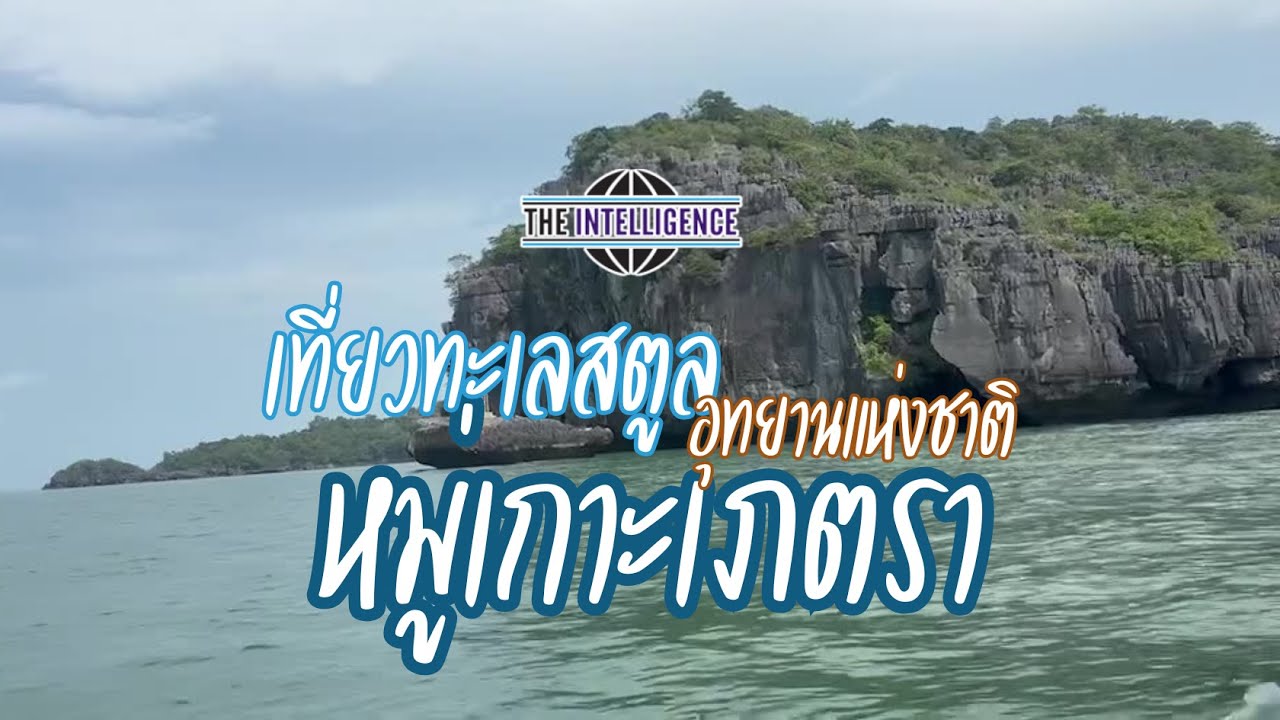
 Click to Access the Navigation Map GPS
Mu Ko Phetra National Park Map
Recommend

 Art, Culture and Heritage
 Historical Sites and Monuments(1)
 Landmarks and Memorials(1)
 Art, Craft Centres, Tradition(5)
 Museums(3)
 Places of Worship
 Temple(3)
 Mosque(27)
 Suburban Living
 Village, Community(1)
 Local Market(2)
National Parks and Marine Reserves(7)
Local Market(2)
National Parks and Marine Reserves(7)
 Mountain (Doi)(1)
 Dam, Reservoir, Lake(2)
 Waterfalls(9)
 Hot Springs(1)
 Caves(9)
 Bays and Beaches(10)
 Islands(16)
 Other natural attractions(5)
 Entertainment and Agricultural
 Zoos and Aquariums(1)
 Farms, Parks and Ecotourism(4)
 Outdoor and Adventure Activities(1)
 Travel Articles, Recipes
 Travel Review, Food Review(1)


