
lovethailand home >South Travel Attractions >Ranong Travel Attractions >Muang Ranong >Ngao > Koh Chang Ranong
TL;DR: Koh Chang Ranong is located at Moo 2, Ko Phayam Subdistrict, Mueang Ranong District, Ranong Province, open Daily, depending on boat schedules and sea conditions, hours The island area is accessible 24 hours, while arrival and departure depend on.
Koh Chang Ranong
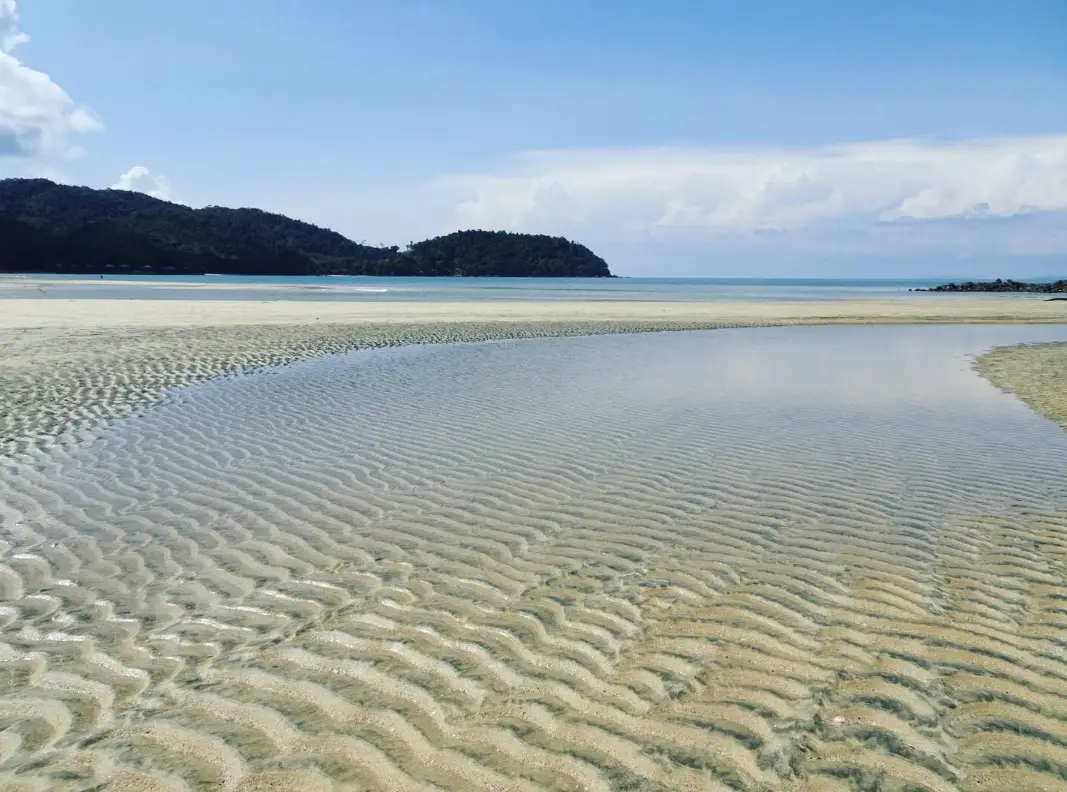
Open Days: Daily, depending on boat schedules and sea conditions
Opening Hours: The island area is accessible 24 hours, while arrival and departure depend on daily boat operations
Koh Chang Ranong is the largest island in Ranong Province, located in Ko Phayam Subdistrict, Mueang Ranong District. Covering about 18 square kilometers and lying close to Koh Phayam, the island is known for quiet nature, small local communities, cashew orchards, hornbills locally called nok kaek, Andaman beaches, viewpoints, mangroves, coastal fishing life, and a slow-travel atmosphere suited to travelers who want a peaceful island rather than a busy beach destination.
Koh Chang Ranong is completely different from the better-known Koh Chang in Trat Province. This Koh Chang is located on Thailand’s Andaman side, in Moo 2, Ko Phayam Subdistrict, Mueang Ranong District, Ranong Province. It is the largest island in Ranong, with an area of about 18 square kilometers. The island lies around 20 kilometers from Ranong town and only about 4 kilometers from Koh Phayam, making it possible to combine both islands in one trip while still experiencing two very different travel atmospheres.
The identity of Koh Chang Ranong is not built around large resorts, nightlife, or crowded beach entertainment. Its appeal comes from forested hills, cashew orchards, rubber plantations, small fishing communities, quiet beaches, mangrove areas, and a coastal lifestyle that still feels deeply local. Travelers who come here should expect a slower pace, simple accommodation, natural surroundings, and a sense of island life that remains closely connected to the people who live there.
The name Koh Chang comes from the island’s shape, which is often described as resembling a crouching elephant when viewed from the sea or from a high angle. The island is not flat. It has hills, forested slopes, small bays, beaches, rocky areas, and coastal communities spread across suitable living areas. The west-facing side of the island opens toward the Andaman Sea and is especially appealing for sunset views, quiet beach walks, and slow evenings by the water.
Koh Chang Ranong has a small resident community compared with more commercial island destinations. Local livelihoods are closely linked to cashew farming, rubber plantations, coastal fishing, small-scale services, and modest tourism. Cashew, locally called kayu in Ranong, is one of the island’s most important agricultural products. It is more than a crop; it is part of the island’s identity, local economy, and everyday way of life.
Cashew products from the island are often processed into roasted cashew nuts, salted cashews, butter-roasted cashews, and local products made from cashew fruit. This makes Koh Chang Ranong not only a beach destination but also a place to understand coastal agriculture and local food production in Ranong. Walking or cycling past the orchards gives travelers a different view of island life, where the landscape combines sea, forest, farms, and small homes in the same journey.
Another distinctive feature of Koh Chang Ranong is the presence of small hornbills known locally as nok kaek. These birds fly between Koh Chang and nearby islands, and local residents traditionally do not hunt them. As a result, the hornbills are more familiar with human presence than in many other places. Visitors may spot them around forested areas, large trees, and quieter parts of the island, especially when they move through the canopy in the morning or late afternoon.
Birdwatching on Koh Chang should be done with care. March and April are especially important because this is the nesting and chick-rearing period for the hornbills. Visitors should watch from a respectful distance, avoid loud noise, never chase the birds, avoid flash photography, and stay away from nesting holes. The value of seeing wildlife here depends on protecting the natural relationship between the island community and its environment.
The beaches of Koh Chang Ranong are quiet rather than commercial. They are places for walking, resting, reading, watching the sea, and enjoying the natural rhythm of the island. The western beaches are especially suitable for sunset, while smaller bays and coastal areas offer a more private and rustic atmosphere. Travelers looking for beach clubs and heavy nightlife will not find that style here. Travelers looking for silence, sea breeze, and simple coastal beauty will understand the island quickly.
Activities on Koh Chang are nature-based and low-key. Visitors can hike to viewpoints, cycle around the island, watch hornbills, walk through cashew orchards, explore mangrove areas, go fishing with local operators, enjoy simple snorkeling near rocky areas when the sea is calm, and visit Wat Ko Chang or Wat Pa Ko Chang. These activities are not designed for speed. They are best enjoyed slowly, with attention to the island’s landscape and community life.
Hiking to a viewpoint is one of the best ways to understand the island. Some routes require time, effort, and local guidance. From the higher points, travelers can see the Andaman Sea, nearby islands, forest cover, fishing areas, and the pattern of small communities around the island. This wider view makes it clear that Koh Chang Ranong is not only a beach destination but also a compact island ecosystem with hills, forest, farms, coastlines, and local settlements.
Cycling is another good way to experience Koh Chang. Routes may pass cashew orchards, rubber trees, shaded local paths, beaches, village areas, and mangrove edges. Visitors should cycle carefully, respect local roads, and carry drinking water because shops and services are not as frequent as in larger tourist towns. The point of cycling here is not distance or speed. It is the chance to notice small details that would be missed from a faster form of transport.
Wat Ko Chang and Wat Pa Ko Chang are important to both residents and visitors because they function as spiritual and community spaces. The island has also been associated with traditional herbal steaming, reflecting local wellness knowledge and simple forms of self-care. When visiting temple areas, travelers should dress modestly, keep their voice low, and remember that these are active community spaces rather than tourist attractions separated from everyday local life.
Fishing around Koh Chang and nearby areas is connected with local knowledge of tides, currents, fish habitats, and weather conditions. Fish found in the area include grouper, sea bass, Spanish mackerel, and other local species. Visitors who want to fish should arrange the activity through local operators or residents familiar with the waters. Safety must come first, especially during rainy weather, rough seas, or the monsoon period.
Simple snorkeling is possible around suitable rocky areas when the sea is calm and visibility is good. Visitors should avoid stepping on coral, touching marine life, collecting shells, or leaving any waste behind. A small island ecosystem is highly sensitive to careless tourism. Responsible behavior helps preserve the beaches, reefs, fish, mangroves, and coastal environment that make Koh Chang Ranong worth visiting.
Accommodation on Koh Chang Ranong is generally modest. Most places are small bungalows, simple resorts, or locally run guesthouses. Some have restaurants on site, while others provide only basic services. Visitors should expect simplicity rather than urban hotel comfort. This is part of the island’s character. The destination suits travelers who value quiet surroundings, basic comfort, natural scenery, and direct contact with local island life.
The best time to visit is when the sea is calm and rain is not heavy. Ranong is one of Thailand’s rainiest provinces, so boat travel and outdoor activities depend strongly on weather and sea conditions. Even though the island can be visited year-round, boat schedules, comfort, and activity options vary by season. Travelers should check boat times before departure and avoid planning an itinerary that is too tight.
Getting There starts in Ranong town. Travelers go to the pier area in Pak Nam Ranong, where boats serve the routes to Koh Chang and Koh Phayam. From Ranong town, visitors can reach the pier by private car, local taxi, transfer service, or transport arranged by an accommodation or local tour operator. At the pier, allow enough time to buy tickets, confirm the return boat, store or park vehicles where applicable, and prepare luggage for the sea crossing.
Boats to Koh Chang Ranong include public passenger boats, speedboats, and seasonal services depending on operator and sea conditions. Travel time varies according to the boat type and weather. Old ferry timetables and fares should not be treated as fixed current information. Travelers should confirm the latest schedule and fare with the operator before the travel date, especially during holidays and the high season when seats can be limited.
Useful items to bring include cash, personal medication, mosquito repellent, reef-safe sunscreen, a rain jacket or waterproof bag during the wet season, a flashlight, a power bank, comfortable walking shoes, and a bag for carrying personal waste back out. Services on the island are basic, so good preparation helps the trip run smoothly and reduces pressure on the local community.
A practical itinerary should allow at least 2 days and 1 night. A day trip is less ideal because the journey depends on boat times, and the island is best experienced slowly. With one night on the island, travelers can enjoy the beach in the evening, wake up to a quiet morning, walk or cycle through the community, watch for hornbills, and still have time for local food and viewpoints. With 2 nights, the trip becomes more relaxed and can be combined with Koh Phayam or nearby island routes.
In summary, Koh Chang Ranong is a valuable destination for travelers who want nature, local life, coastal agriculture, and genuine quiet. It is not a heavily commercialized resort island. Its strength lies in balance: forest, farms, beaches, birds, fishing life, small communities, and the slow rhythm of the Andaman Sea. Visitors who arrive with patience and respect will find one of Ranong’s most distinctive island experiences.
| Name | Koh Chang Ranong |
| Location | Moo 2, Ko Phayam Subdistrict, Mueang Ranong District, Ranong Province |
| Address | Koh Chang, Ko Phayam Subdistrict, Mueang Ranong District, Ranong Province 85000, Thailand |
| Coordinates | 9.834111, 98.450658 |
| Highlights | Ranong’s largest island, quiet nature, cashew orchards, hornbills, Andaman beaches, viewpoints, mangroves, fishing life, and a slow-travel atmosphere |
| History | A community island in Ranong’s Andaman Sea, shaped by cashew farming, rubber plantations, coastal fishing, and small-scale nature tourism |
| Name Origin | The name Koh Chang refers to the island’s shape, which resembles a crouching elephant when viewed from the sea or from a high point. |
| Distinctive Features | A peaceful island with small communities, forests, cashew orchards, Andaman-facing beaches, and hornbills seen in the natural landscape |
| Travel Information | Travel from Ranong town to the pier area in Pak Nam Ranong, then take a passenger boat or speedboat to Koh Chang. The sea distance is about 29 km, with travel time depending on boat type and weather. |
| Current Status | Koh Chang remains an inhabited island and marine travel destination in Ranong, with pier access and boat services operating under local safety supervision. |
| Open Days | Daily, depending on boat schedules and sea conditions |
| Opening Hours | The island area is accessible 24 hours, while arrival and departure depend on daily boat operations. |
| Fees | There is no island admission fee. Boat fares, accommodation, activities, and local tour services are charged separately by each provider. |
| Facilities | Small accommodations, some on-site restaurants, pier access, local routes, viewpoints, beach areas, and boat services arranged by local residents or operators |
| Main Areas / Zones | Ao Yai, Ao Kho, Ao Ta Daeng, Sai Kaew Beach, Wat Pa Ko Chang, Ban Ko Chang community, cashew orchards, mangrove areas, and island viewpoints |
| Caretaker / Related Authorities | Ko Phayam Subdistrict Administrative Organization and pier-related authorities in Pak Nam Ranong, Mueang Ranong District |
| Main Contact Number | Ko Phayam Subdistrict Administrative Organization Tel. 09-3582-4507 |
| Official Website / Official Page | kohphayam.go.th, ranong.mots.go.th, thai.tourismthailand.org |
| Nearby Tourist Attractions | 1. Koh Phayam, about 4 km 2. Wat Pa Ko Chang, about 1 km 3. Sai Kaew Beach, about 1 km 4. Ao Yai, about 2 km 5. Ao Ta Daeng, about 3 km 6. Ao Kho, about 4 km 7. Pak Nam Municipal Pier, about 29 km by boat |
| Nearby Restaurants | 1. Koh Chang Resort Ranong Restaurant, about 2 km, Tel. 081-8961839 2. Golden Bee, about 1 km, Tel. 085-7953955 3. Eden Bistro Cafe, about 2 km 4. Sunset Bungalows Restaurant, about 2 km 5. Mama Resort Restaurant, about 3 km 6. Thai Bar, about 1 km |
| Nearby Accommodations | 1. Koh Chang Resort Ranong, about 2 km, Tel. 081-8961839 2. Seaeagle Bungalow, about 2 km, Tel. 061-5198306 3. Golden Bee, about 1 km, Tel. 085-7953955 4. Sunset Bungalows, about 2 km 5. Eden Bistro Cafe & Bungalow, about 2 km 6. Mama Resort, about 3 km |
Frequently Asked Questions (FAQ)
Q: Where is Koh Chang Ranong located?
A: Koh Chang Ranong is located in Moo 2, Ko Phayam Subdistrict, Mueang Ranong District, Ranong Province, on Thailand’s Andaman coast near Koh Phayam.
Q: Is Koh Chang Ranong the same island as Koh Chang in Trat?
A: No. Koh Chang Ranong is on the Andaman coast in Ranong Province, while Koh Chang in Trat is on the Gulf of Thailand side in eastern Thailand.
Q: What is Koh Chang Ranong known for?
A: It is known for quiet nature, cashew orchards, hornbills, Andaman beaches, mangroves, viewpoints, and the simple lifestyle of a small coastal community.
Q: How do travelers get to Koh Chang Ranong?
A: Travelers go from Ranong town to the pier area in Pak Nam Ranong, then take a passenger boat or speedboat to Koh Chang. Boat times should be confirmed before departure.
Q: Is there an admission fee for Koh Chang Ranong?
A: There is no island admission fee. Travelers pay separately for boats, accommodation, activities, and local services.
Q: When is the best time to visit Koh Chang Ranong?
A: The best time is when the sea is calm and rain is not heavy, because boat access and most outdoor activities depend on weather and sea conditions.
Q: Are there accommodations on Koh Chang Ranong?
A: Yes. The island has small bungalows, simple resorts, and local-style accommodations suitable for travelers who prefer quiet nature and basic comfort.
Q: Can visitors see hornbills on Koh Chang Ranong?
A: Yes. Small hornbills known locally as nok kaek can be seen in natural areas on the island. Visitors should keep a respectful distance, especially during the nesting period in March and April.
 Category: ●Nature and Wildlife
 Group: ●Islands
Last Update : 2 MonthAgo
 Last Update : 2 MonthAgo
 Click to Access the Navigation Map GPS
Koh Chang Ranong Map
Recommend

 Art, Culture and Heritage
 Historical Sites and Monuments(4)
 Landmarks and Memorials(1)
 Royal Palace(1)
 Art, Craft Centres, Tradition(4)
 Educational Places
 Educational Gardens, Farm(1)
 Places of Worship
 Temple(12)
 Other Sacred Sites(2)
 Suburban Living
 Village, Community(2)
 National Parks and Marine Reserves(6)
 Mountain (Doi)(4)
 Waterfalls(15)
 Hot Springs(3)
 Caves(4)
 River, Canal(2)
 Bays and Beaches(10)
Islands(8)
Bays and Beaches(10)
Islands(8)
 Other natural attractions(3)
 Travel Articles, Recipes
 Travel Review, Food Review(1)


