
lovethailand home >North Travel Attractions >Nan Travel Attractions >Bo Kluai >Bo Kluea Tai > Bo Kluea Rock Salt Wells
TL;DR: Bo Kluea Rock Salt Wells is located at Bo Kluea District, Nan Province, Thailand, open Open during the salt-making season, except during Buddhist Lent and the rainy, hours Approximately 08:00 – 17:00.

Bo Kluea Rock Salt Wells
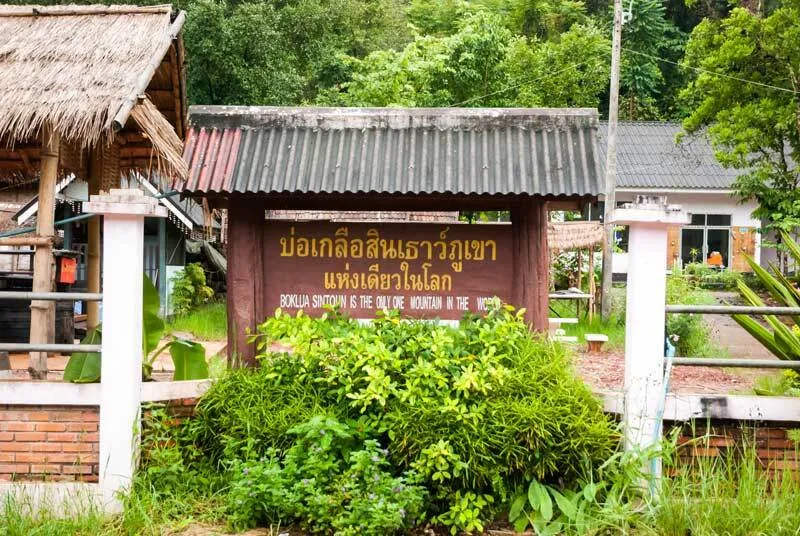
Open Days: Open during the salt-making season, except during Buddhist Lent and the rainy season
Opening Hours: Approximately 08:00 – 17:00
Bo Kluea Rock Salt Wells in Nan Province are among northern Thailand’s most remarkable cultural and historical attractions. Located in Bo Kluea District, about 110 kilometers from Nan town, this mountain community is famous for producing inland rock salt, locally known as “sin thao salt,” from natural brine wells hidden high among the mountains. The existence of salt wells in such a highland area has made Bo Kluea one of Nan’s most distinctive destinations for travelers interested in local wisdom, ancient trade routes, and traditional mountain life.
Although Bo Kluea is surrounded by high mountains, forests, and cool upland scenery, natural underground brine has existed here for centuries. Local villagers have drawn saltwater from these wells and boiled it using traditional methods passed down through generations. This heritage has turned Bo Kluea into a living cultural landscape where salt production is not only an occupation, but also an identity of the community.
In the past, salt was an extremely valuable resource because it was essential for cooking, food preservation, trade, and everyday life. Nan therefore became an important salt-producing center in the northern region. Salt from Bo Kluea was transported and exchanged along old trade routes linking Lanna, Sipsongpanna, the Shan States, and other towns in northern Thailand.
Ancient trade related to Nan salt involved Chinese Haw caravans from Yunnan, Guangxi, and other parts of southern China, as well as Tai Khoen traders from Kengtung and Tai Lue cattle traders from Tha Wang Pha. These merchants exchanged goods that local communities could not produce, making Bo Kluea a strategic economic area in the past.
The importance of Bo Kluea salt was not limited to commerce. Salt was also a strategic resource in politics and warfare. Historical accounts note that when King Tilokaraj of Chiang Mai led military campaigns toward Nan, control of the salt wells was one of the important objectives because salt was a vital resource for sustaining people, armies, and regional power.
Important salt areas in Nan were historically found in 2 main zones: the upper Wa River area, which had 2 large salt wells, and the upper Nan River area, which had 5 large wells along with many smaller ones. These salt sources helped shape local settlement, trade, and economic activity in the highland communities of Nan.
The traditional salt-making process at Bo Kluea remains one of the main highlights for visitors. Villagers draw brine from natural wells and channel it through bamboo pipes into resting tanks. The brine is then boiled in large metal pans over firewood until the water evaporates and white salt crystals remain. This slow process requires patience, skill, and knowledge of heat control.
Visiting Bo Kluea allows travelers to see working salt huts, wooden houses, old brine wells, and local shops selling handmade salt products. Some households demonstrate traditional salt boiling, while others sell local products such as rock salt, herbal salt, spa salt, bath salt, and souvenirs made from local salt.
Nan’s mountain salt has a distinctive taste and texture different from sea salt. It is valued for its mild, rounded saltiness and its connection to local food culture. Since inland rock salt does not naturally contain iodine like iodized table salt, iodine is added before the salt reaches consumers.
Bo Kluea District is also known for its beautiful mountain scenery. The road to Bo Kluea passes through forests, winding mountain routes, viewpoints, and cool highland landscapes. Many travelers choose to stay overnight in Bo Kluea or nearby Sapan Village to enjoy the quiet atmosphere, cool air, and slow rhythm of mountain life.
The best time to visit Bo Kluea is from October to February, when the weather is cool and the surrounding mountains are especially beautiful. This period is also suitable for combining a visit to the salt wells with nearby attractions such as Sapan Village, Doi Phu Kha National Park, Road 1256, and mountain viewpoints around Bo Kluea.
During Buddhist Lent and the rainy season, salt production is usually paused because the weather is not suitable for boiling and drying salt. Travelers who want to observe the salt-making process should plan their trip during the active production season.
Getting There from Nan town, take Highway 1080 toward Pua District and continue on Route 1256 toward Bo Kluea District. The total distance is about 110 kilometers. The route is mountainous and winding, but the scenery is beautiful throughout the journey.
| Name | Bo Kluea Rock Salt Wells |
| Location | Bo Kluea District, Nan Province, Thailand |
| Coordinates | 19.1467, 101.1760 |
| Highlights | Traditional mountain rock salt production from natural brine wells |
| Distinctive Features | Ancient salt wells, traditional boiling process, mountain community life, and local salt products |
| Historical Importance | An important Lanna salt source connected with ancient trade routes, caravan exchange, and regional power |
| Travel Information | Take Highway 1080 and Route 1256 from Nan town; total distance about 110 km |
| Current Status | A cultural tourism site and local wisdom learning area |
| Open Days | Open during the salt-making season, except during Buddhist Lent and the rainy season |
| Opening Hours | Approximately 08:00 – 17:00 |
| Fees | No admission fee |
| Facilities | Local product shops, cafés, parking areas, and nearby homestays |
| Caretaker | Bo Kluea community and local operators |
| Nearby Tourist Attractions | 1. Road 1256 Scenic Route, about 12 km 2. Sapan Village, about 9 km 3. Doi Phu Kha National Park, about 35 km 4. Phu Kha 1715 Viewpoint, about 28 km 5. Sapan Waterfall, about 10 km |
| Nearby Restaurants | 1. Yud Wela Cafe Sapan, about 9 km 2. View Sapan Restaurant, about 10 km 3. Bo Kluea View Restaurant, about 2 km 4. Sapan Village Cafe, about 9 km 5. Thai Lue Coffee Bo Kluea, about 1 km |
| Nearby Accommodations | 1. Sapan See View, about 9 km, Tel. 081-882-9554 2. Sapan Klang Na, about 10 km, Tel. 095-698-2924 3. Bo Kluea View Resort, about 2 km, Tel. 081-530-3433 4. Oun I Mang Homestay, about 10 km 5. Cocoa Valley Camp Sapan, about 9 km |
Frequently Asked Questions (FAQ)
Q: Where are the Bo Kluea Rock Salt Wells located?
A: They are located in Bo Kluea District, Nan Province, about 110 kilometers from Nan town.
Q: Why are the Bo Kluea salt wells famous?
A: They are famous as rare mountain rock salt wells with a long history and traditional salt-boiling methods.
Q: When is the best time to visit Bo Kluea?
A: The best period is from October to February, when the weather is cool and the mountain scenery is beautiful.
Q: When is salt production usually paused?
A: Salt production is usually paused during Buddhist Lent and the rainy season.
Q: Can visitors watch traditional salt boiling?
A: Yes. Visitors can watch the traditional salt-making process during the active production season.
Q: How is Bo Kluea salt different from sea salt?
A: It is inland mountain rock salt with a distinctive taste and does not naturally contain iodine like iodized table salt.
 Category: ●Suburban Living
 Group: ●Village, Community
Last Update : 5 MonthAgo
 Last Update : 5 MonthAgo
 Click to Access the Navigation Map GPS
Bo Kluea Rock Salt Wells Map
Recommend

 Art, Culture and Heritage
 Landmarks and Memorials(6)
 Art, Craft Centres, Tradition(6)
 Museums(4)
 Historic Homes and Cities(1)
 Art Gallery(1)
 Educational Places
 Educational Gardens, Farm(1)
 Places of Worship
 Temple(68)
 Church(1)
 Other Sacred Sites(18)
 Research and Development
 Royal Project(2)
Village, Community(13)
Royal Project(2)
Village, Community(13)
 Local Market(1)
 Nature and Wildlife
 National Parks and Marine Reserves(9)
 Mountain (Doi)(6)
 Dam, Reservoir, Lake(16)
 Waterfalls(28)
 Hot Springs(1)
 Caves(11)
 River, Canal(5)
 Other natural attractions(10)
 Entertainment and Agricultural
 Farms, Parks and Ecotourism(4)
 Outdoor and Adventure Activities(2)


