
lovethailand home >North Travel Attractions >Nan Travel Attractions >Muang Nan >Nai Wiang > Wat Phrathat Chang Kham Worawihan
TL;DR: Wat Phrathat Chang Kham Worawihan is located at Suriyapong Road, Mueang Nan District, Nan Province, open Daily, hours 6:00 AM – 6:00 PM. Highlights include Elephant-supported chedi, royal temple history.
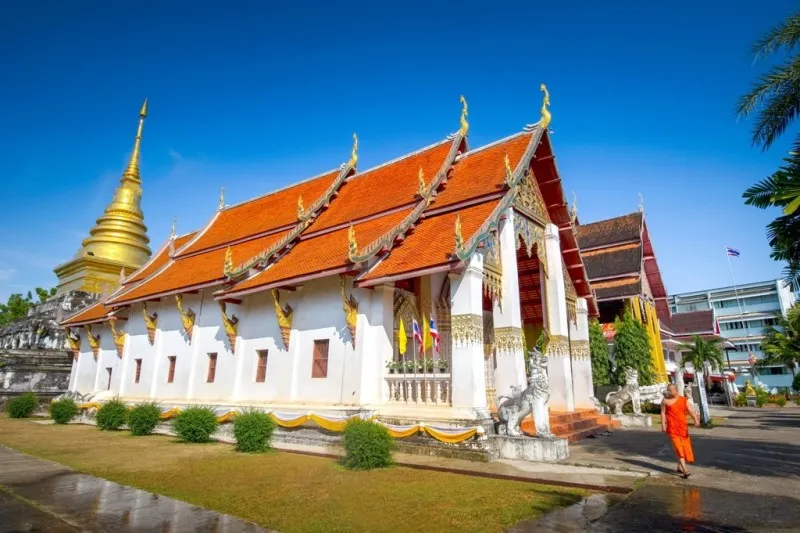
Wat Phrathat Chang Kham Worawihan
Open Days: Daily
Opening Hours: 6:00 AM – 6:00 PM
Wat Phra That Chang Kham Worawihan is one of the most historically significant temples in Nan Province, located on Suriyapong Road directly opposite Nan Municipality Office in the heart of Nan city. Formerly known as “Wat Luang” or “Wat Luang Klang Wiang,” this temple functioned as the royal monastery of the Nan kingdom, serving as the primary religious and ceremonial center for rulers and officials in the past.
The temple was founded in 1949 BE (approximately the early 15th century) during the reign of Chao Pu Khaeng, a ruler of Nan. Its establishment marked the importance of Buddhism in governance and royal tradition, as temples in that era were deeply integrated into political and social systems. Wat Phra That Chang Kham was not only a place of worship but also a venue for important royal ceremonies, including oath-taking rituals known as “Phiphat Sattaya,” which symbolized loyalty and integrity among officials.
Evidence of the temple’s importance is supported by Inscription No. 74 discovered within the temple grounds. The inscription records that Phaya Phon Thep Rueachai, a ruler of Nan, restored the main viharn in 2091 BE. This confirms that the temple has undergone continuous restoration and has remained a central institution in Nan’s religious and political life for centuries.
The most distinctive architectural feature of the temple is the Chang Kham Chedi, a bell-shaped stupa influenced by Sukhothai art. The base of the chedi is surrounded by 24 half-elephant sculptures. Each elephant appears to support the structure from below, giving the impression that they are “carrying” or “supporting” the chedi. This unique design is the origin of the name “Chang Kham,” which translates to “Elephants Supporting.”
The arrangement of the elephants includes five on each side and four positioned at the corners, creating a balanced and symmetrical structure. This design closely resembles the famous Wat Chang Lom in Sukhothai, highlighting the influence of Sukhothai artistic traditions in Nan during that period. Beyond aesthetics, the elephant motif symbolizes strength, stability, and the protection of Buddhism.
Inside the viharn, visitors will find Phra Buddha Nandaburi Si Sakyamuni, a bronze Buddha image in the gesture of granting fearlessness (Abhaya Mudra). The statue stands approximately 145 centimeters tall and dates back to the late Sukhothai period. It contains a high gold composition of about 65%, making it not only spiritually significant but also highly valuable in terms of craftsmanship and material.
In addition to the bronze Buddha image, the temple also houses a large stucco principal Buddha image in the Chiang Saen style. This statue was created by Nan artisans and reflects the local craftsmanship of the region. Its elegant proportions, serene facial expression, and intricate details demonstrate the artistic excellence of Nan’s traditional sculptors.
Wat Phra That Chang Kham Worawihan continues to play an important role in modern Nan society. It remains an active religious site where ceremonies, festivals, and community events are held. The temple serves as both a spiritual center and a cultural landmark, attracting visitors who wish to learn about the history, art, and traditions of northern Thailand.
The atmosphere of the temple is peaceful yet vibrant, blending the historical charm of ancient structures with the living culture of the local community. Visitors can explore the chedi, viharn, and surrounding areas while appreciating the intricate details of Lanna and Sukhothai architectural influences.
Getting There is extremely convenient. The temple is located in the center of Nan city on Suriyapong Road. It is within walking distance of major attractions such as Wat Phumin and Nan National Museum, making it easy to include in a one-day cultural itinerary. Visitors can reach the temple by car, bicycle, or on foot from nearby accommodations.
| Name | Wat Phra That Chang Kham Worawihan |
| Location | Suriyapong Road, Mueang Nan District, Nan Province |
| Highlights | Elephant-supported chedi, royal temple history |
| History | Founded in 1949 BE and restored in 2091 BE |
| Distinctive Features | 24 elephant sculptures supporting the chedi base |
| Travel Information | Located in Nan city center, easily accessible |
| Current Status | Active temple and tourist attraction |
| Nearby Tourist Attractions | 1. Wat Phumin – 200 m 2. Nan National Museum – 300 m 3. Wat Si Phan Ton – 500 m 4. Wat Ming Mueang – 600 m 5. Wat Phra That Khao Noi – 3 km |
| Nearby Restaurants | 1. Huen Phuka – 500 m 2. Khao Soi Ton Nam – 800 m 3. Im Suk Restaurant – 1 km 4. Krua Hang Tor – 1 km 5. Rai Thiam Than Noodles – 1 km |
| Nearby Accommodations | 1. Nan Nakara Boutique Hotel – 300 m 2. Wiang Phumin Hotel – 400 m 3. Paknap Hostel – 500 m 4. Sasidara Resort – 2 km 5. Namthong Nan Hotel – 2 km |
Frequently Asked Questions (FAQ)
Q: Why is Wat Phra That Chang Kham important?
A: It is a royal temple that played a key role in Nan’s religious and political history.
Q: What is the highlight of the temple?
A: The elephant-supported chedi with 24 sculptures around its base.
Q: Where is the temple located?
A: It is located on Suriyapong Road in the center of Nan city.
Q: Can I visit nearby attractions?
A: Yes, major attractions like Wat Phumin and Nan National Museum are within walking distance.
Q: Is it easy to get there?
A: Yes, the temple is centrally located and easily accessible by all types of transport.
Tel : 6654521118
 Tel : 6654521118
 Category: ●Places of Worship
 Group: ●Temple
Last Update : 6 MonthAgo
 Last Update : 6 MonthAgo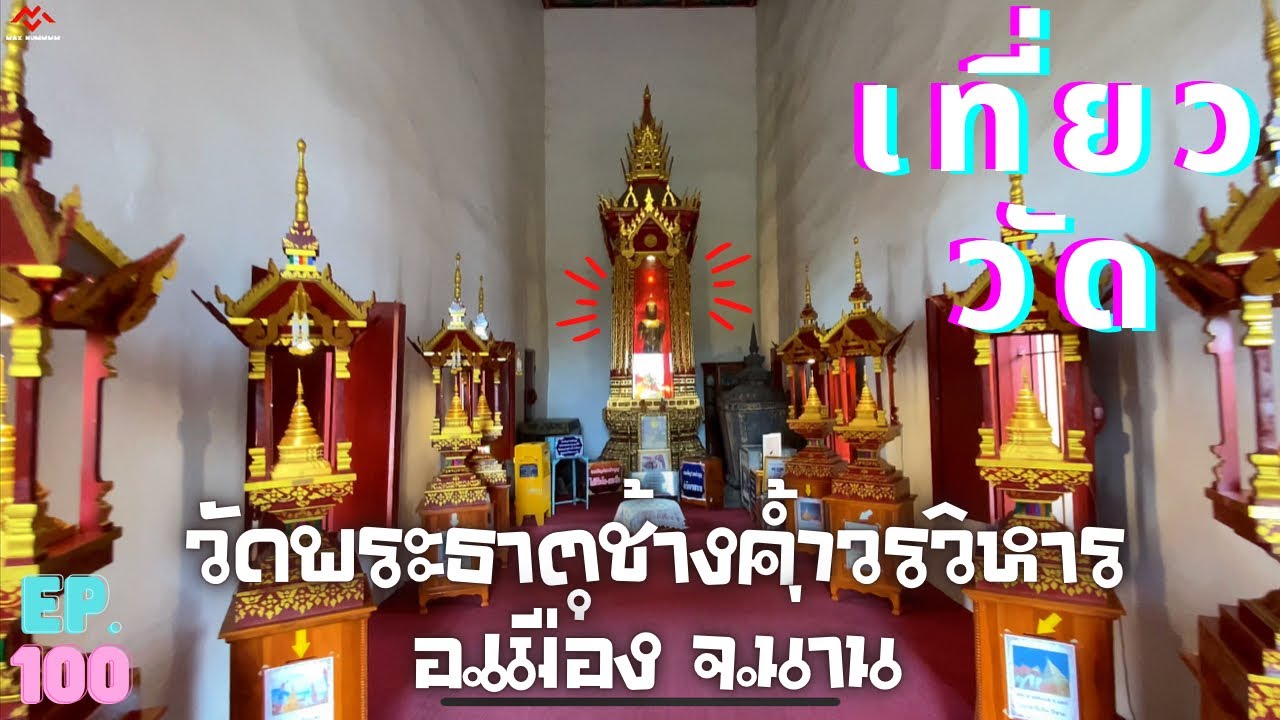
 Click to Access the Navigation Map GPS
Wat Phrathat Chang Kham Worawihan Map
Recommend

 Art, Culture and Heritage
 Landmarks and Memorials(6)
 Art, Craft Centres, Tradition(6)
 Museums(4)
 Historic Homes and Cities(1)
 Art Gallery(1)
 Educational Places
 Educational Gardens, Farm(1)
Temple(68)
Educational Gardens, Farm(1)
Temple(68)
 Church(1)
 Other Sacred Sites(19)
 Research and Development
 Royal Project(2)
 Suburban Living
 Village, Community(13)
 Local Market(1)
 Nature and Wildlife
 National Parks and Marine Reserves(9)
 Mountain (Doi)(6)
 Dam, Reservoir, Lake(16)
 Waterfalls(28)
 Hot Springs(1)
 Caves(11)
 River, Canal(5)
 Other natural attractions(10)
 Entertainment and Agricultural
 Farms, Parks and Ecotourism(4)
 Outdoor and Adventure Activities(2)
 Travel Articles, Recipes
 Travel Review, Food Review(1)


