
lovethailand home >Northeastern Travel Attractions >Sakon Nakhon Travel Attractions >Tao Ngoi >Tao Ngoi > Phu Prayon Cave
TL;DR: Phu Prayon Cave is located at Ban Na Phang, Kok Pla Sio Subdistrict, Sakon Nakhon Province, within the Phu Pha Yon National Park area, open Daily, Except The Annual Restoration Closure From 1 May To 31 May, hours 08.00 – 17.00.

Phu Prayon Cave
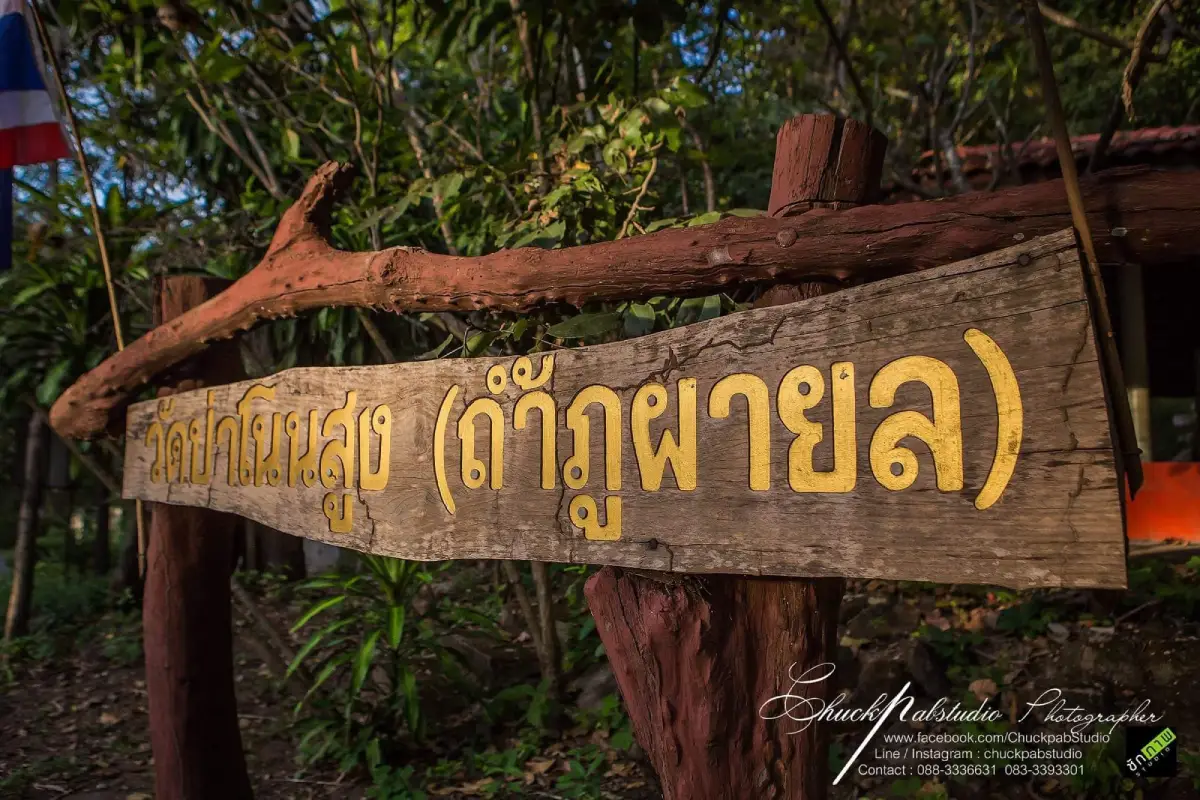
Open Days: Daily, Except The Annual Restoration Closure From 1 May To 31 May
Opening Hours: 08.00 – 17.00
Phu Pha Yon in Sakon Nakhon, also known as the 3,000-Year-Old Rock Carvings of Phu Pha Yon, is located around Ban Na Phang in Kok Pla Sio Subdistrict within the Phu Pha Yon National Park area. It is a rare destination where mountain viewpoints, Phu Phan forest scenery, Buddhist hillside spaces, and prehistoric rock carvings come together. The cliff carvings are more than 3,000 years old and include human figures, animals, a handprint, geometric patterns, tools, and house-like forms. Visitors can reach the area by following Highway 2339 on the Tao Ngoi – Si Wicha route, turning toward Ban Na Ang – Muang Kham, then passing Ban Phon Bok, Ban Phon Phaeng, and Ban Na Phang before continuing to the cliff area.
Phu Pha Yon, Sakon Nakhon, is one of the most meaningful natural and archaeological destinations in Northeastern Thailand. Located around Ban Na Phang in Kok Pla Sio Subdistrict, within the broader Phu Pha Yon National Park landscape, this site combines a mountain viewpoint, sandstone cliffs, forest scenery, a Buddhist hillside setting, and prehistoric rock carvings on a natural cliff face. It is not simply a scenic viewpoint. It is a place where ancient human expression, landscape, and local sacred space meet in one location.
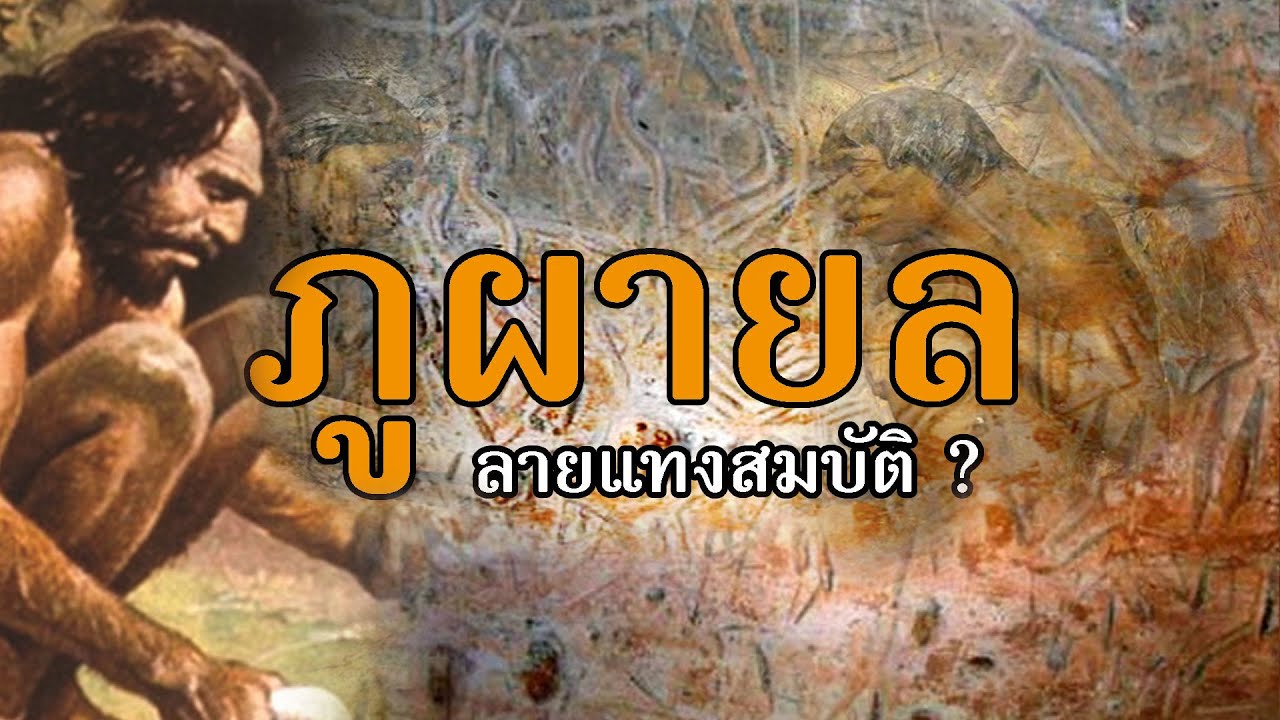
The area is widely known as the 3,000-Year-Old Rock Carvings of Phu Pha Yon. The carvings are located on a sandstone cliff and were made by incising lines directly into the rock surface. Academic information dates the site to around 3,500 years ago, placing it in the prehistoric period. Unlike painted rock art, these are carved lines, which makes the surface marks especially important. They preserve physical evidence of how early communities represented people, animals, tools, houses, symbols, and the natural world around them.
The main rock-art panel extends along a natural cliff face. The images include human figures, a hand image, animals, geometric motifs, tools, and house-like structures. Some human figures are more realistic, while others are semi-realistic or symbolic. The animal figures include fish, birds, dogs, a squirrel or tree shrew, buffalo, cattle-like animals, and frogs or toads. These images show that animals were closely connected with human life, food, environment, and belief in the prehistoric community that used this landscape.
The hand image is one of the most intimate details of the site. It shows a right hand with the palm visible. A hand image on a rock surface creates a strong human connection across time because it represents presence, action, and identity. When seen together with human figures, animal images, tools, and house-like forms, the hand makes the cliff feel like a record of lived experience rather than a simple drawing surface.
Geometric patterns at Phu Pha Yon include straight lines, curved lines, squares, triangles, crosses, arrowhead-like forms, diamond shapes, single lines, rows of lines, and intersecting line patterns. These patterns suggest a symbolic system, although not every meaning can be read with certainty today. Their presence shows that prehistoric people were not only recording what they saw but also creating signs, order, and visual patterns that carried meaning within their own world.
The tool images are especially valuable for understanding daily life. Some carvings resemble agricultural tools, including forms similar to plough parts, hoes, and winnowing tools used for separating empty rice grains from good grains. These images indicate awareness of cultivation, food production, and tools related to everyday work. This makes Phu Pha Yon more than a rock-art site of animals and people; it is also a visual archive of subsistence, settlement, and technology in ancient life.
The house-like images add another important layer. Some forms resemble buildings with triangular gable roofs. One image includes a dog-like figure inside a house, while another includes a roof form comparable to traditional highland or rural structures and a human-like figure inside. These carvings suggest that the people who made them were also representing habitation and domestic space. Through these images, visitors can see traces of community life, shelter, tools, animals, and symbolic thought carved into the same cliff.
The belief dimension of Phu Pha Yon is closely tied to nature. The rock-art site reflects a worldview in which natural forces such as the sun, mountains, rivers, thunder, lightning, storms, and other phenomena were respected. A high cliff overlooking the surrounding landscape would have been a powerful symbolic place. The cliff connected sky, mountain, forest, water, and community, which helps explain why this location became an important surface for prehistoric expression.
The modern setting of Phu Pha Yon also includes a Buddhist hillside space. Wat Tham Phu Pha Yon, also known as Wat Pa Non Sung, stands in the same broader landscape and adds a living religious layer to the ancient site. Travelers can experience the quiet atmosphere of a forest temple area, then continue to the cliff and viewpoint. This combination of Buddhism, forest, rock, and prehistoric carvings gives the site a rare depth that foreign travelers will not find in ordinary viewpoints.
The viewpoint itself is one of the reasons visitors should allow enough time here. The route upward includes stairs, natural rock features, and resting points. Some sandstone rocks along the way look like natural shelters or seats. From the higher cliff area, visitors can look across the Phu Phan mountain landscape and the surrounding forested terrain. The view helps explain why this location mattered. It is a high place with visibility, silence, stone, and natural power.
Getting There is possible by car. From Tao Ngoi District, follow Highway 2339 on the Tao Ngoi – Si Wicha route for about 5 km, then turn toward Ban Na Ang – Muang Kham. Continue through Ban Phon Bok, Ban Phon Phaeng, and Ban Na Phang. Vehicles can reach the access area near the hill, and from there visitors continue up toward the cliff and viewpoint. Travelers coming from Sakon Nakhon city can plan this as a half-day or full-day route, depending on whether nearby attractions are included.
The route from Ban Na Phang to the cliff area is paved and leads to the base area, followed by stairs and walking sections toward the upper cliff. Visitors should wear shoes with good grip, bring drinking water, and avoid walking too late in the day. Morning and early afternoon are the best times because the light is good, the weather is more comfortable, and there is enough time to view the carvings, walk carefully, and return before evening.
Phu Pha Yon is part of a wider national park landscape with several natural attractions. These include Huai Huat Reservoir, Kham Nam Sang Waterfall, Rak Sai Yoi Waterfall, Pha Phueng Waterfall, Dusita Rock Terrace, Tham Hip Phu Pha Nang, Tham Saowapha, Dong Noi Reservoir, and Tham Phra Wet. A well-planned trip can combine the rock carvings with reservoir scenery, waterfalls, wildflower rock terraces, and other viewpoints in the national park.
Dusita Rock Terrace is especially interesting during the late rainy season and early cool season. Small seasonal wildflowers such as Dusita, Kradum Ngoen, Soi Suwanna, En Aa, and sundew plants appear on the rock surface. The national park has prepared walking paths so visitors can enjoy the plants without stepping on fragile vegetation. Combining Phu Pha Yon with Dusita Rock Terrace gives travelers both archaeology and seasonal botany in one route.
Huai Huat Reservoir is another excellent nearby destination. The reservoir is surrounded by forest and mountains, and during the rainy season waterfalls can be seen flowing into the water from nearby slopes. Kham Nam Sang Waterfall and Rak Sai Yoi Waterfall are part of the same natural cluster. A route that combines Phu Pha Yon with Huai Huat Reservoir allows travelers to experience cliff carvings, mountain views, water scenery, and forest trails in a single day.
Phraya Tao Ngoi is also a meaningful stop on the same travel route. The turtle landmark is connected with local belief about abundance and the origin story of Tao Ngoi. Phu Pha Yon, by contrast, preserves prehistoric human expression on stone. Together, the two places reveal two layers of local identity: ancient rock memory and living community belief.
Visitors must treat the rock carvings with strict respect. Do not touch, rub, scratch, clean, or mark the carvings. Do not climb onto the carved surface or use any object near the rock panel. These carvings are irreplaceable. Once the rock surface is damaged, the original evidence cannot be restored. Responsible behavior is essential for preserving the site for future generations.
Practical preparation is important. Wear comfortable but respectful clothing, especially because the area includes a Buddhist hillside setting. Bring water, a hat, sun protection, and suitable walking shoes. During the rainy season, the rock surface and steps can be slippery. During the hot season, the cliff and stone areas can become very warm. Families should watch children closely around stairs, high edges, and rock surfaces.
Phu Pha Yon is suitable for students, families, archaeology enthusiasts, nature photographers, cultural travelers, and anyone who wants to understand Sakon Nakhon beyond its best-known temples and city landmarks. The site teaches visitors how ancient people used images to record people, animals, tools, buildings, and symbols. It also shows how geography shaped meaning. The cliff, forest, mountain, and viewpoint are all part of the experience.
Overall, Phu Pha Yon is a rare destination where prehistoric archaeology, forested mountain scenery, Buddhist sacred space, and viewpoint travel come together. The rock carvings are more than 3,000 years old and preserve a visual record of human life on a natural sandstone cliff. With careful planning, respectful behavior, and enough time to observe the site slowly, visitors can experience one of the most significant cultural landscapes in Sakon Nakhon Province.
| Name | Phu Pha Yon / 3,000-Year-Old Rock Carvings Of Phu Pha Yon, Sakon Nakhon |
| Location | Ban Na Phang, Kok Pla Sio Subdistrict, Sakon Nakhon Province, within the Phu Pha Yon National Park area |
| Address | Phu Pha Yon 3,000-Year-Old Rock Carvings Area, Ban Na Phang, Kok Pla Sio Subdistrict, Sakon Nakhon 47180 |
| Coordinates | Latitude 16.939175, Longitude 104.076446 |
| Highlights | Mountain viewpoint, sandstone cliff, Phu Phan forest landscape, and prehistoric rock carvings more than 3,000 years old |
| History / Period | A prehistoric rock-carving site dated to around 3,500 years ago, reflecting early human life, belief, and symbolic communication |
| Name Origin | The name Phu Pha Yon is connected with the mountain and cliff landscape, while the 3,000-year rock-carving name comes from the ancient carvings on the sandstone cliff |
| Distinctive Features | Carvings incised directly into natural rock, including human figures, a hand image, animals, geometric patterns, tools, and house-like forms |
| Travel Information | Use Highway 2339 on the Tao Ngoi – Si Wicha route, turn toward Ban Na Ang – Muang Kham, then pass Ban Phon Bok, Ban Phon Phaeng, and Ban Na Phang. Cars can reach the access area near the hill. |
| Current Status | Open as a natural and archaeological attraction in Phu Pha Yon National Park outside the annual restoration closure period |
| Open Days | Daily, except the annual restoration closure from 1 May to 31 May |
| Opening Hours | 08.00 – 17.00 |
| Fees | Phu Pha Yon National Park entrance fee: Thai adults 20 baht, Thai children 10 baht / foreign adults 100 baht, foreign children 50 baht |
| Facilities | Road access to the hill area, stairs to the cliff, viewpoint, resting points, Buddhist hillside area, nature trail, national park lodges, camping area, and park visitor services |
| Main Areas / Zones | Access road, hill stairs, viewpoint, rock-carving cliff, rock shelter area, sandstone terrace, resting viewpoints, Wat Tham Phu Pha Yon / Wat Pa Non Sung, and surrounding nature trail |
| Caretaker / Related Authorities | Phu Pha Yon National Park, Department of National Parks, Wildlife and Plant Conservation, together with Wat Tham Phu Pha Yon / Wat Pa Non Sung in the Ban Na Phang area, Tel. 042-707-214, 083-835-9096 |
| Nearby Tourist Attractions | 1. Wat Tham Phu Pha Yon / Wat Pa Non Sung, about 1 km 2. Wat Ban Na Phang, about 2 km 3. Phraya Tao Ngoi, about 35 km 4. Huai Huat Reservoir, about 40 km 5. Rak Sai Yoi Waterfall, about 40 km 6. Kham Nam Sang Waterfall, about 42 km 7. Dusita Rock Terrace, Phu Pha Yon National Park, about 42 km 8. Phra That Choeng Chum Worawihan, Sakon Nakhon City, about 38 km |
| Nearby Restaurants | 1. View Phu Phan, Sakon Nakhon – Kalasin Road, about 30 km, Tel. 086-569-8252 2. Phu Phan Camp, Mueang Sakon Nakhon District, about 35 km, Tel. 089-996-8868 3. Hug Phu Phan Cafe, Phu Phan District, about 28 km, Tel. 093-152-6792 4. Chanom Phu Phan Kaprao Zaap, Mueang Sakon Nakhon District, about 38 km, Tel. 089-573-5242 5. Phu Pha Yon National Park Welfare Restaurant, about 40 km, Tel. 042-707-214, 083-835-9096 6. Restaurants In Tao Ngoi Town, about 35 km |
| Nearby Accommodations | 1. Phu Pha Yon National Park Lodges, about 40 km, Tel. 042-707-214, 083-835-9096 2. Phu Pha Yon Camping Area, about 40 km, Tel. 042-707-214, 083-835-9096 3. Mee Tawan Resort, Tao Ngoi District, about 35 km, Tel. 098-230-9293 4. Huen Him Phu Resort, Phu Phan District, about 25 km, Tel. 098-187-6914 5. Phu Phan Hill Resort, Phu Phan District, about 28 km, Tel. 098-584-2335 6. Kesara Home And Resort, Tao Ngoi District, about 35 km, Tel. 081-369-7456 |
Frequently Asked Questions (FAQ)
Q: Where is Phu Pha Yon in Sakon Nakhon located?
A: Phu Pha Yon, also known as the 3,000-Year-Old Rock Carvings of Phu Pha Yon, is located around Ban Na Phang, Kok Pla Sio Subdistrict, Sakon Nakhon Province, within the Phu Pha Yon National Park area.
Q: What are the opening days and opening hours?
A: The site is open daily from 08.00 to 17.00, except during the annual restoration closure from 1 May to 31 May.
Q: Is there an entrance fee for Phu Pha Yon?
A: The Phu Pha Yon National Park entrance fee applies: Thai adults 20 baht, Thai children 10 baht, foreign adults 100 baht, and foreign children 50 baht.
Q: What is the main highlight of Phu Pha Yon?
A: The main highlight is the prehistoric rock carvings on a sandstone cliff, together with mountain viewpoints, Phu Phan forest scenery, and the peaceful hillside temple atmosphere.
Q: What can be seen in the rock carvings?
A: The carvings include human figures, a hand image, animals, geometric patterns, tools, and house-like forms, reflecting prehistoric life and belief.
Q: How do visitors travel to Phu Pha Yon?
A: Follow Highway 2339 on the Tao Ngoi – Si Wicha route, turn toward Ban Na Ang – Muang Kham, then pass Ban Phon Bok, Ban Phon Phaeng, and Ban Na Phang before reaching the hill access area.
Q: What should visitors prepare before going there?
A: Visitors should bring drinking water, good walking shoes, a hat, sun protection, and should avoid touching, scratching, or marking the ancient rock carvings.
Q: What nearby attractions can be combined with Phu Pha Yon?
A: Nearby attractions include Wat Tham Phu Pha Yon, Wat Ban Na Phang, Phraya Tao Ngoi, Huai Huat Reservoir, Rak Sai Yoi Waterfall, Kham Nam Sang Waterfall, Dusita Rock Terrace, and Phra That Choeng Chum Worawihan.
 Category: ●Nature and Wildlife
 Group: ●Caves
Last Update : 4 MonthAgo
 Last Update : 4 MonthAgo
 Click to Access the Navigation Map GPS
Phu Prayon Cave Map
Recommend

 Art, Culture and Heritage
 Historical Sites and Monuments(9)
 Landmarks and Memorials(2)
 Royal Palace(1)
 Art, Craft Centres, Tradition(8)
 Museums(3)
 Educational Places
 Educational Gardens, Farm(2)
 University
 Public university(1)
 Rajamangala University of Technology(1)
 Rajabhat University(1)
 Places of Worship
 Temple(18)
 Church(2)
 Other Sacred Sites(4)
 Research and Development
 Royal Project(3)
 Suburban Living
 Village, Community(7)
 National Parks and Marine Reserves(4)
 Mountain (Doi)(3)
 Dam, Reservoir, Lake(14)
 Waterfalls(4)
Caves(4)
 River, Canal(9)
 Bays and Beaches(1)
 Islands(1)
 Other natural attractions(5)
 Entertainment and Agricultural
 Zoos and Aquariums(1)
 Farms, Parks and Ecotourism(4)
 Outdoor and Adventure Activities(1)
 Shopping
 Department Store(2)
 Travel Articles, Recipes
 Travel Review, Food Review(1)


