
lovethailand home >Northeastern Travel Attractions >Sakon Nakhon Travel Attractions >Muang Sakon Nakhon >That Na Weng > Sakon Nakhon Cultural Center
TL;DR: Sakon Nakhon Cultural Center is located at Institute of Language, Art and Culture, Sakon Nakhon Rajabhat University, Mueang Sakon Nakhon District, Sakon Nakhon Province, open Monday - Friday, hours 08.30 - 16.00.
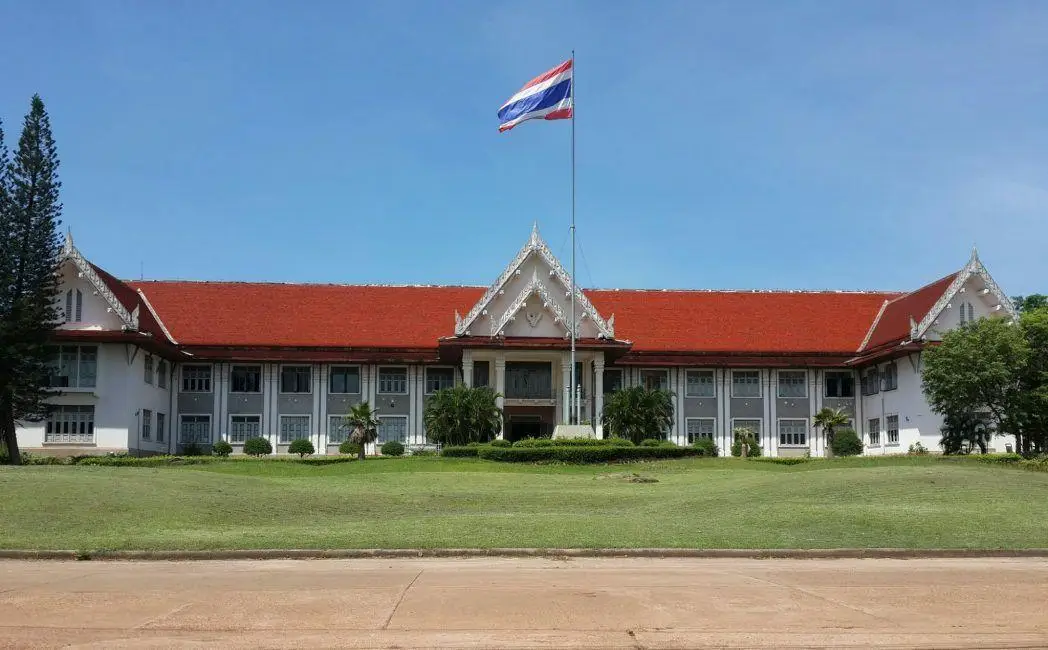
Sakon Nakhon Cultural Center
Open Days: Monday - Friday
Opening Hours: 08.30 - 16.00
Sakon Nakhon Cultural Center, now developed and operated as Sakon Nakhon Museum, is an important cultural learning center located inside the Institute of Language, Art and Culture at Sakon Nakhon Rajabhat University. The museum is situated at 680 Nittayo Road, That Choeng Chum Subdistrict, Mueang Sakon Nakhon District, Sakon Nakhon Province. It presents the history, archaeology, ethnic diversity, local ways of life, traditional objects, historical photographs, and cultural documents of Sakon Nakhon in a structured and accessible way. For foreign travelers, this is one of the best places to begin understanding Sakon Nakhon before visiting its temples, old town landmarks, lake scenery, forest temples, and local communities.
The value of this place goes far beyond a small collection of old objects. Sakon Nakhon Cultural Center preserves the memory of the province through artifacts, documents, images, and interpretive displays. Visitors can learn about the development of the city from prehistoric settlement, Dvaravati influence, Khmer cultural traces, Lan Xang connections, the Rattanakosin period, and modern Sakon Nakhon. The museum also introduces the local ethnic communities that helped shape the province’s identity through language, clothing, beliefs, rituals, crafts, household tools, and daily life. A visit here is therefore not just a museum walk; it is a concise journey through the cultural foundation of Sakon Nakhon.
The origin of Sakon Nakhon Cultural Center is closely connected with the role of Sakon Nakhon Teachers College, which later developed into Sakon Nakhon Rajabhat University. During 1977 - 1979, the institution functioned as a cultural support unit with the mission of conserving, promoting, and sharing local culture. In 1980, following a national cultural policy, Sakon Nakhon Teachers College was assigned to serve as the “Sakon Nakhon Provincial Cultural Center.” This early role established the foundation for collecting cultural knowledge, preserving local materials, and making the province’s heritage available to students, researchers, local people, and visitors.
In 1981, the center was renamed the Art and Cultural Center. Later, as the Rajabhat system and university administration developed, the cultural unit evolved into the Office of Art and Culture and eventually into the Institute of Language, Art and Culture under Sakon Nakhon Rajabhat University. Its responsibilities expanded to include academic and cultural research, conservation, promotion, religious and cultural activities, language training, international affairs, and cultural cooperation. The museum area therefore functions not only as an exhibition space but also as part of a wider cultural and educational mission within the university.
In 2016, the former cultural center exhibition space was developed into “Sakon Nakhon Museum.” This change did not erase its earlier identity; instead, it continued the same mission in a more museum-oriented form. Travelers who know the place by its older name, Sakon Nakhon Cultural Center, are still referring to the same cultural learning space that has now become Sakon Nakhon Museum. The current museum continues to collect, interpret, and present the story of Sakon Nakhon in a way that is clearer and more suitable for modern visitors.
The museum’s main exhibition is divided into 3 important sections. The first section, “People on the Land of Sakon Nakhon,” introduces the geography, geology, and early evidence of human presence in the area. This section helps visitors understand that Sakon Nakhon is not only a historical city from recent centuries, but also a landscape with very deep natural and human roots. Through references to ancient landforms, geological history, and cave art, the museum shows how people and environment formed the long background of the province before the emergence of formal towns and administrative systems.
The second section focuses on the archaeology and history of Sakon Nakhon. It presents evidence from the prehistoric period, Dvaravati, Khmer, Lan Xang, and Rattanakosin eras. This section is especially important for travelers who want to understand why Sakon Nakhon has multiple layers of historical identity. Objects such as sema stones, Khmer-style religious images, pottery, ancient weapons, and local archaeological materials show the religious beliefs, settlement patterns, artistic influences, and cultural exchanges that took place in this region over time.
The third section presents Sakon Nakhon from past to present. It explains the city’s development from 1838 to the modern period and introduces the local ethnic groups and communities that have lived in the province. This section is essential for understanding Sakon Nakhon as a living cultural landscape rather than a single historical site. Visitors can see how different groups contributed to language, dress, rituals, food, occupations, and social life. The museum makes it clear that Sakon Nakhon’s identity is built from many communities and many memories living together within the same province.
The ethnic group displays are one of the museum’s most valuable features. Sakon Nakhon is home to several cultural communities, including Phu Thai, Thai Yo, Thai So, Thai Yoi, Thai Kaloeng, Thai Lao, and communities connected with Vietnamese and Chinese heritage. The exhibition of household objects, tools, costumes, historical photographs, and documents allows visitors to see cultural diversity in a concrete way. Each object is not just an old item; it is evidence of real life, family traditions, rituals, work, belief, and community identity.
Traditional tools and household objects displayed in the museum reveal the intelligence of local communities in using available resources. Weaving tools, agricultural tools, baskets, containers, ornaments, clothing, and domestic objects all reflect practical knowledge and local creativity. Materials, patterns, shapes, and designs can tell visitors about climate, geography, belief systems, social roles, and aesthetic preferences. This makes the museum useful not only for general sightseeing but also for cultural study and local heritage research.
For visitors interested in textiles, Sakon Nakhon Museum offers an important context for understanding cloth as identity. Local textiles are not merely garments; they are connected with gender, age, status, ceremony, skill, and community memory. Colors, weaving patterns, and wearing styles carry cultural meaning. By looking at traditional clothing and textile-related materials in the museum, visitors can better understand why Sakon Nakhon is strongly associated with indigo dyeing, local weaving, and Isan craftsmanship that continues to survive today.
The archaeological objects in the museum help position Sakon Nakhon as a place shaped by many cultural currents. Sema stones point to Buddhist traditions and Dvaravati influence. Khmer-style sculptures and religious objects reveal the presence of ancient Khmer artistic and spiritual networks. Pottery and old weapons reflect settlement, technology, and daily life in earlier periods. When these objects are presented together, visitors can see Sakon Nakhon as a cultural crossroads rather than an isolated provincial town.
Historical photographs and documents add another layer to the museum experience. They connect objects with people, places, and events. Old images and written records help visitors see how Sakon Nakhon changed from an old town into a modern provincial center and then into an educational city with a growing university role. The fact that the museum is located inside Sakon Nakhon Rajabhat University is meaningful. The university functions as a center of local knowledge, while the museum acts as a memory archive for the city and province.
Visiting the museum before exploring the rest of Sakon Nakhon can make the entire trip more meaningful. After seeing the museum, visitors will better understand why Wat Phra That Choeng Chum is so important, why the Wax Castle Festival is central to local identity, why ethnic communities have distinctive clothing and traditions, and why Nong Han Lake and the Phu Phan mountains are major parts of the province’s cultural landscape. The museum provides the background knowledge that makes later visits to temples, lakes, historical monuments, and communities easier to understand.
The museum is also highly suitable for students and educational groups. Its content connects with history, social studies, art, language, culture, geography, and local studies. Learning from real objects gives students a stronger understanding than classroom reading alone. Teachers can use the museum for field trips, local identity projects, ethnic studies, and heritage interpretation. University students and researchers can also use the museum as a foundation for studying local culture, ethnic heritage, traditional knowledge, and the development of Sakon Nakhon city.
For general travelers, the museum is practical and easy to include in a city itinerary. It is located on Nittayo Road inside Sakon Nakhon Rajabhat University, not far from the airport, city roads, restaurants, hotels, and major attractions. A typical visit takes about 1 - 2 hours. Visitors who want deeper knowledge can spend more time reading labels and studying the exhibits, while those with limited time can still get a clear overview of the province by walking through the main zones.
The atmosphere of the museum is different from outdoor attractions. It is an indoor cultural learning space, making it a good option during hot weather or when travelers want a quieter stop between temples, lakes, and mountain routes. The experience is calm and knowledge-focused. It does not rely on spectacle, but on careful observation and cultural understanding. Visitors who take time to read and look closely will leave with a deeper view of Sakon Nakhon.
One section that deserves special attention is the display on the development of Sakon Nakhon city. It helps explain the city from 1838 onward, including local leadership, religion, administration, transportation, education, and social change. After learning this background, visits to Wat Phra That Choeng Chum, Wat Pa Sutthawat, Sakon Nakhon City Gate, and the Monument of Phraya Prachantaprathet Thani become more meaningful because they are no longer isolated attractions. They become connected parts of one larger story of the city.
The ethnic section is another key highlight. Sakon Nakhon’s cultural identity is diverse, and the museum helps visitors see that diversity without simplifying it. Each group has its own language, dress, ceremonies, food, social structures, and cultural memory. The displays make it clear that “Sakon Nakhon culture” is not a single fixed identity, but a living combination of many communities that have shaped the province together.
The museum’s location within Sakon Nakhon Rajabhat University also gives it a living educational role. The Institute of Language, Art and Culture continues to organize cultural events, support ethnic knowledge, and take part in cultural networks. The museum is therefore not just a static exhibition. It is part of an active cultural system that continues to promote and preserve Sakon Nakhon’s heritage through academic work, community cooperation, and public learning.
Visitors should dress respectfully because the museum is located inside a university and presents cultural heritage materials. They should avoid touching exhibits, keep their voices low, and follow staff instructions. Groups should contact the institute in advance to arrange visit times and receive appropriate information. These practices help protect the exhibits and maintain the museum as a good learning environment for future visitors.
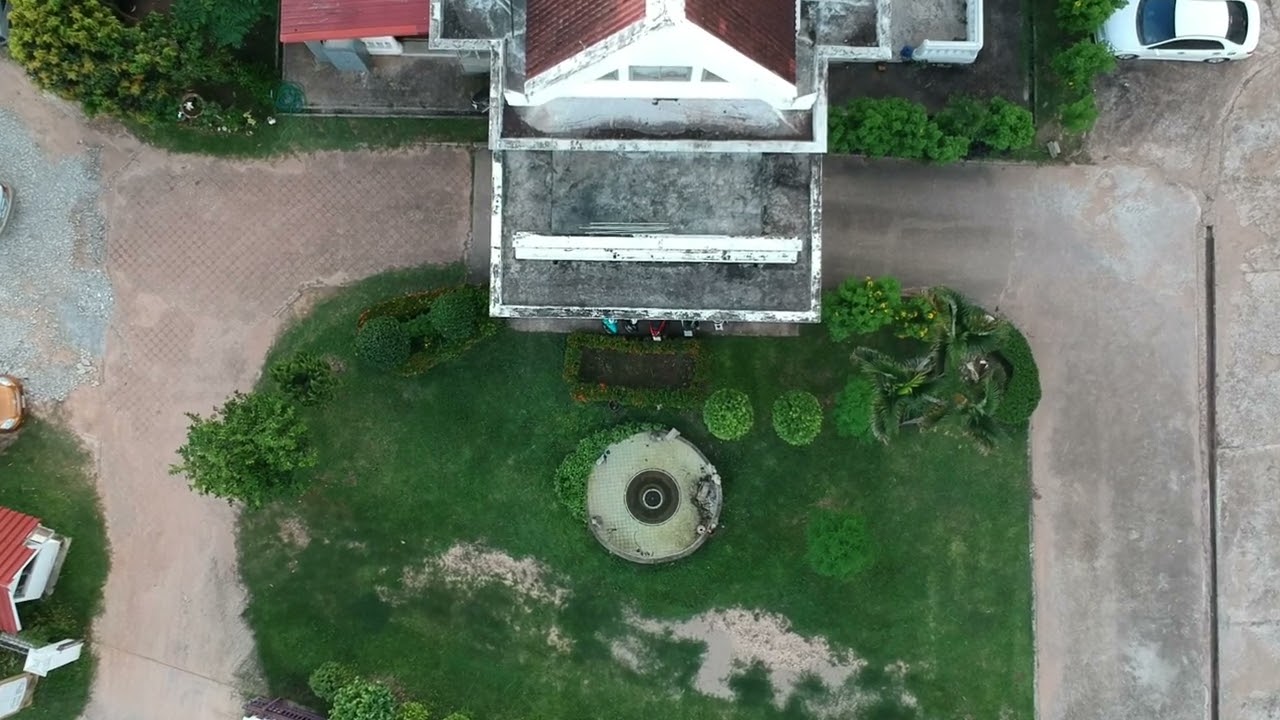
Getting There is convenient by private car, rental car, local taxi, or ride service. From central Sakon Nakhon, take Nittayo Road toward Sakon Nakhon Rajabhat University. Once inside the university, head to Building 1, the Institute of Language, Art and Culture, or ask the university information point for directions. The university is close to major roads and not far from Sakon Nakhon Airport, making the museum a practical stop at the beginning or middle of a city travel route.
From Sakon Nakhon Airport, the trip to the university is short by car or taxi. From the bus station or city center, travelers can use main roads to connect with Nittayo Road easily. Visitors staying in the city can visit the museum before continuing to Wat Phra That Choeng Chum, Nong Han Lake, Sakon Nakhon City Gate, or the Phu Phan route without making a long detour. This makes the museum a useful cultural orientation point for the city.
A good first-time itinerary is to start at Sakon Nakhon Museum to understand the province’s historical and cultural background. After that, travelers can continue to Wat Phra That Choeng Chum Worawihan, the most important sacred site in the city, then to Nong Han Lake or Suan Somdet Phra Srinagarindra for a slower landscape experience. If more time is available, Wat Pa Sutthawat, Phu Phan Ratchaniwet Palace, Wat Tham Pha Daen, and Phu Phan Royal Development Study Centre can be added to the broader route.
Food and accommodation around Sakon Nakhon Rajabhat University are easy to arrange. The surrounding area has local restaurants, coffee shops, and several hotels or small accommodations. Travelers who want convenience can stay near the university, while those who plan to explore many places in the city may choose accommodation in central Sakon Nakhon. Both options provide access to the airport, Nittayo Road, major temples, restaurants, and city attractions.
Sakon Nakhon Cultural Center, now Sakon Nakhon Museum, should be included in the travel plan of anyone who wants to understand the province in depth. Its strength is not the size of the building, but the quality of its content. It brings together people, city history, archaeological evidence, ethnic culture, household objects, textiles, images, and documents in one organized space. A visit here reveals Sakon Nakhon as a province with deep roots, cultural diversity, and a strong sense of local memory.
For cultural travelers, the museum clearly shows that Sakon Nakhon is more than a transit city between other northeastern destinations. It has its own historical depth, artistic traces, ethnic communities, religious centers, and educational institutions that preserve local knowledge. Visiting the museum opens a deeper doorway into the province and makes the rest of the journey through Sakon Nakhon more informed and meaningful.
In its present role, Sakon Nakhon Museum connects the past, present, and future of the city. The past is preserved through artifacts and records. The present appears through the continuing work of the Institute of Language, Art and Culture. The future is created through students, researchers, local communities, and travelers who learn from the museum and carry that understanding forward. This makes the museum a cultural knowledge center rather than a small sightseeing stop.
After completing the visit, travelers will see Sakon Nakhon with greater depth. The province contains ancient land, archaeological remains, historic urban development, ethnic diversity, Buddhist faith, traditional textiles, local tools, and contemporary cultural life. The museum brings these elements together in an accessible form. Sakon Nakhon Cultural Center and Sakon Nakhon Museum therefore provide one of the clearest introductions to the province and are highly recommended for travelers who want to understand the city before exploring its wider landscape.
| Name | Sakon Nakhon Cultural Center / Sakon Nakhon Museum |
| Location | Institute of Language, Art and Culture, Sakon Nakhon Rajabhat University, Mueang Sakon Nakhon District, Sakon Nakhon Province |
| Address | 680 Nittayo Road, That Choeng Chum Subdistrict, Mueang Sakon Nakhon District, Sakon Nakhon 47000, Thailand |
| Coordinates | 17.18994, 104.09153 |
| Highlights | A cultural learning center presenting Sakon Nakhon history, archaeology, ethnic groups, local tools, traditional objects, historical photographs, and cultural documents |
| History / Period | Established as Sakon Nakhon Provincial Cultural Center in 1980, later developed into the Art and Cultural Center, the Institute of Language, Art and Culture, and Sakon Nakhon Museum in 2016 |
| Name Origin | The former name reflects its role as a provincial cultural center, while the current name emphasizes its role as a museum telling the story of Sakon Nakhon city and province |
| Distinctive Features | Main exhibitions cover people on the land of Sakon Nakhon, Sakon Nakhon archaeology and history, and the city from past to present |
| Travel Information | Accessible by private car, rental car, local taxi, or ride service via Nittayo Road. The museum is located at Building 1, Institute of Language, Art and Culture, inside Sakon Nakhon Rajabhat University |
| Current Status | Open as a museum and learning center for Sakon Nakhon history, culture, archaeology, and ethnic heritage |
| Open Days | Monday - Friday |
| Opening Hours | 08.30 - 16.00 |
| Fees | No Admission Fee |
| Facilities | Indoor exhibition areas, staff contact point, educational spaces, university parking areas, restrooms, and visitor information for group visits |
| Main Areas / Zones | People On The Land Of Sakon Nakhon Sakon Nakhon Archaeology And History Sakon Nakhon From Past To Present Local Ethnic Group Zone Artifact And Art Object Zone Local Household Objects And Cultural Documents Zone |
| Caretaker | Institute of Language, Art and Culture, Sakon Nakhon Rajabhat University; Director Dr. Pasutha Komonman |
| Main Contact Number | Institute of Language, Art and Culture Tel. 042-744009 |
| Official Website / Official Page | Institute of Language, Art and Culture Website: ilac.snru.ac.th Sakon Nakhon Rajabhat University Website: www.snru.ac.th |
| Nearby Tourist Attractions | 1. Ratchaphruek Stadium, Sakon Nakhon Rajabhat University, About 1 km 2. Phra That Narai Cheng Weng, About 2 km 3. Sakon Nakhon City Gate And Ruam Jai Thai Square, About 5 km 4. Wat Phra That Choeng Chum Worawihan, About 7 km 5. Wat Pa Sutthawat, About 8 km 6. Nong Han Lake, About 8 km |
| Nearby Restaurants | 1. POOH WHAN COFFEE, Sakon Nakhon Rajabhat University, About 1 km 2. Yai Phen Crispy Pork Noodles Branch 5, Sakon Nakhon Rajabhat University Gate 5, About 1 km, Tel. 092-694-1656 3. Vegan House, About 2 km, Tel. 093-409-5249 4. Café Amazon PTT Pratu Mueang, About 5 km, Tel. 084-031-4920 5. MK Restaurants Lotus Sakon Nakhon, About 5 km, Tel. 042-722-645 6. Tummour PTT Pratu Mueang Sakon Nakhon, About 5 km, Tel. 098-979-7397 |
| Nearby Accommodations | 1. U Style Hotel Sakon Nakhon, About 1 km 2. NK Residence Sakon Nakhon, About 1 km 3. Honghub Sakon Hotel, About 3 km 4. The Room Boutique Hotel, About 3 km, Tel. 099-262-9269 5. Khum Phra Lor Resort, About 3 km, Tel. 081-942-5140, 092-902-9415 6. Hop Inn Sakon Nakhon, About 6 km, Tel. 042-716-399 |
Frequently Asked Questions (FAQ)
Q: Where is Sakon Nakhon Cultural Center located?
A: It is located inside the Institute of Language, Art and Culture at Sakon Nakhon Rajabhat University, 680 Nittayo Road, That Choeng Chum Subdistrict, Mueang Sakon Nakhon District, Sakon Nakhon Province.
Q: Is Sakon Nakhon Cultural Center still open?
A: Yes. It operates as Sakon Nakhon Museum, a learning center for the province’s history, culture, archaeology, and ethnic heritage.
Q: What are the opening days and hours?
A: The museum is open Monday to Friday from 08.30 to 16.00.
Q: Is there an admission fee?
A: No. Admission is free during the museum’s regular opening hours.
Q: What can visitors see inside the museum?
A: Visitors can see exhibitions on people of Sakon Nakhon, archaeology, city history, ethnic groups, traditional objects, art objects, historical photographs, and cultural documents.
Q: Who should visit Sakon Nakhon Museum?
A: It is suitable for tourists, students, families, researchers, and anyone interested in the history and local culture of Sakon Nakhon.
Q: What should groups do before visiting?
A: Groups should contact the Institute of Language, Art and Culture in advance to coordinate visit time and museum information support.
Q: What attractions can visitors see nearby?
A: Nearby attractions include Phra That Narai Cheng Weng, Sakon Nakhon City Gate, Wat Phra That Choeng Chum Worawihan, Wat Pa Sutthawat, and Nong Han Lake.
Website : www.sakonnakhon.go.th
 Website :
Tel : 042711274
 Tel : 042711274
 Category: ●Art, Culture and Heritage
 Group: ●Art, Craft Centres, Tradition
Last Update : 4 MonthAgo
 Last Update : 4 MonthAgo
 Click to Access the Navigation Map GPS
Sakon Nakhon Cultural Center Map
Recommend

 Historical Sites and Monuments(9)
 Landmarks and Memorials(2)
 Royal Palace(1)
Art, Craft Centres, Tradition(8)
 Museums(3)
 Educational Places
 Educational Gardens, Farm(2)
 University
 Public university(1)
 Rajamangala University of Technology(1)
 Rajabhat University(1)
 Places of Worship
 Temple(18)
 Church(2)
 Other Sacred Sites(4)
 Research and Development
 Royal Project(3)
 Suburban Living
 Village, Community(7)
 Nature and Wildlife
 National Parks and Marine Reserves(4)
 Mountain (Doi)(3)
 Dam, Reservoir, Lake(14)
 Waterfalls(4)
 Caves(4)
 River, Canal(9)
 Bays and Beaches(1)
 Islands(1)
 Other natural attractions(5)
 Entertainment and Agricultural
 Zoos and Aquariums(1)
 Farms, Parks and Ecotourism(4)
 Outdoor and Adventure Activities(1)
 Shopping
 Department Store(2)
 Travel Articles, Recipes
 Travel Review, Food Review(1)


