
lovethailand home >Northeastern Travel Attractions >Nong Bua Lamphu Travel Attractions >Muang Nong Bua Lamphu >Ban Kham > Luang Pu Lot Museum
TL;DR: Luang Pu Lot Museum is located at Wat Pa Si Sawang Ban Kham, Ban Kham Subdistrict, Mueang Nong Bua Lam Phu District, Nong Bua Lam Phu Province, open Daily, hours 09.00 – 16.00.
Luang Pu Lot Museum
Open Days: Daily
Opening Hours: 09.00 – 16.00
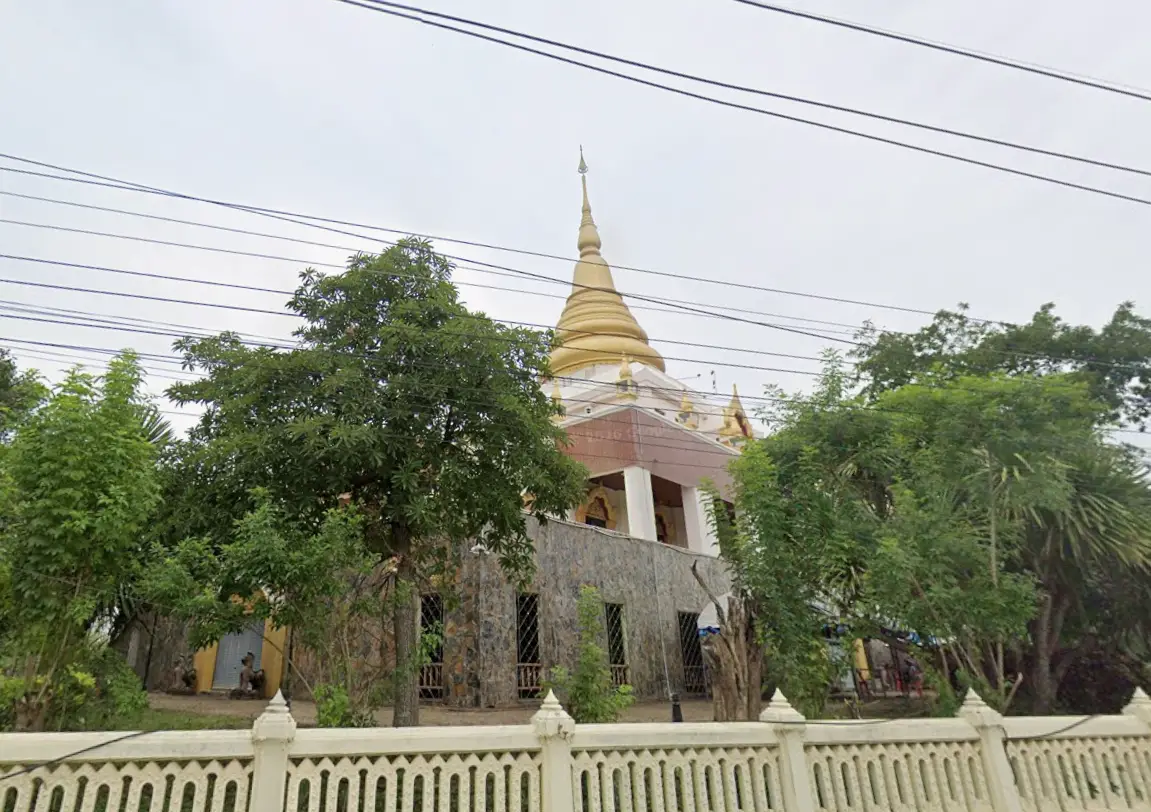
Luang Pu Lot Museum at Pamotita Chedi in Nong Bua Lam Phu is an important Buddhist museum and memorial pagoda located within Wat Pa Si Sawang Ban Kham in Ban Kham Subdistrict, Mueang Nong Bua Lam Phu District. The museum preserves the memory, monastic belongings, spiritual legacy, and forest-monk tradition associated with Luang Pu Lot Pamotito, a revered Thai monk connected with the forest meditation lineage. The main structure, Pamotita Chedi, is a three-storey pagoda building crowned with a lotus-bud-shaped spire. Inside, visitors can see displays related to Luang Pu Lot, respected forest meditation masters, monastic requisites, ecclesiastical fans, appointment documents, antique objects, Buddha relics, and relics of meditation masters in the lineage of Luang Pu Mun Bhuridatta. The site is both a museum and a sacred place of worship, making it especially meaningful for Buddhist pilgrims, cultural travelers, and visitors interested in Thai forest monastic life.
The museum is not designed as a conventional exhibition hall focused only on objects. Its deeper purpose is to preserve the values of the Thai forest tradition: simplicity, restraint, meditation, reverence for teachers, and devotion to the Triple Gem. For many Thai Buddhists, Luang Pu Lot Pamotito is remembered as a respected monk whose life reflected discipline and spiritual steadiness. The museum allows later generations to learn about him through visible evidence: images, monastic objects, relic-related displays, and the symbolic architecture of the pagoda. Visitors who come here often do not come merely to look at things; they come to pay respect, reflect, and experience the quiet atmosphere of a Buddhist memorial space.
The name Pamotita Chedi is closely connected with the monastic name of Luang Pu Lot, Pamotito, and also suggests joy or gladness in the Dhamma. The lotus-bud-shaped top of the pagoda gives the building a gentle but dignified identity. In Buddhist symbolism, the lotus represents purity, spiritual growth, and the possibility of rising above defilement. A lotus-shaped spire is therefore well suited to a pagoda dedicated to a meditation master. It visually expresses the path from ordinary life toward inner clarity, much like the forest monk’s path of practice.
Wat Pa Si Sawang Ban Kham is a local Buddhist temple in Ban Kham Subdistrict. Its atmosphere is calm, modest, and suited to a respectful visit. Because the museum is located inside a temple, visitors experience both museum learning and temple worship in the same place. A visit may begin with paying respect at the temple, calming the mind, and then slowly walking through the display areas of the chedi. This gives the museum a devotional quality that differs from secular museums. The objects on display are not merely historical items; they are connected with faith, memory, and spiritual practice.
The first floor of Pamotita Chedi is a hall enshrining the image of Luang Pu Mun Bhuridatta and preserving the Tipitaka. This arrangement is meaningful because Luang Pu Mun is one of the most important teachers of the modern Thai forest meditation tradition. Many forest monks in northeastern Thailand followed his emphasis on strict discipline, meditation, simplicity, and direct practice in natural surroundings. By beginning the museum with Luang Pu Mun and the Buddhist scriptures, the visitor is introduced to the foundation of the forest tradition before learning more directly about Luang Pu Lot on the upper floors.
The presence of the Tipitaka also reminds visitors that the forest tradition is not separate from the Buddha’s teaching and monastic discipline. The lives of revered meditation masters are rooted in the Dhamma and Vinaya. The museum therefore presents a relationship between scripture, practice, teachers, and community devotion. Visitors can see how Buddhist teachings are not only preserved in books, but also expressed through the lives of monks who practiced with determination and restraint.
The second floor presents the life and story of Luang Pu Lot Pamotito together with the broader story of forest meditation monks. It displays images and likenesses of Luang Pu Lot, Luang Pu Mun Bhuridatta, Luang Pu Sao Kantasilo, and Chao Khun Phra Ubali Kunupamachan. These teachers represent important pillars of Thai Buddhist learning and meditation practice. Seeing them together helps visitors understand that Luang Pu Lot belongs within a wider spiritual lineage, not as an isolated figure but as part of a living stream of Dhamma practice transmitted from one generation to the next.
Monastic requisites, ecclesiastical fans, appointment documents, and antique objects displayed on the second floor provide a concrete way to understand the life of a revered monk. Monastic requisites show the simplicity of Buddhist life: the alms bowl, robes, and essential items needed for daily practice. Ecclesiastical fans and appointment documents reflect recognition within the monastic institution. Antique tools and household objects help place the monk’s life within a local and historical context. Together, these items tell a story that is more than biography. They reveal the connection between personal practice, Buddhist discipline, local society, and time.
The third floor is the most sacred level of the building. It contains a mandapa where the Buddha relics and relics of meditation masters in the lineage of Luang Pu Mun are enshrined. The Buddha relics were brought from Nepal and enshrined in Pamotita Chedi in a ceremony held on 25 February 2000, with Luang Pu Lot presiding over the ceremony. This gives the chedi great spiritual significance. For Buddhist visitors, paying respect to the Buddha relics is an act of devotion to the Buddha and a way to recollect the qualities of wisdom, compassion, and liberation.
Although the museum itself is open daily from 09.00 to 16.00, the Buddha relic area is opened to the public for worship only on important Buddhist holy days. This means visitors should distinguish between general museum access and access to the relic shrine. Those who specifically wish to pay respect to the Buddha relics should plan their visit around major Buddhist days such as Makha Bucha, Visakha Bucha, Asalha Bucha, the beginning of Buddhist Lent, the end of Buddhist Lent, or special temple events. On ordinary days, visitors can still learn from the museum displays and pay respect in the accessible areas of the chedi.
This special access arrangement helps preserve the dignity of the relic shrine. The top floor is not only an exhibition area but a sacred space. Opening it on important Buddhist days allows the temple to prepare the area properly and maintain a reverent atmosphere. On those days, the pagoda becomes a center of worship, merit-making, and collective Buddhist devotion. The museum, memorial space, and relic shrine come together in a single religious experience.
Luang Pu Lot Pamotito is remembered by devotees as a monk of simplicity and firm Dhamma practice. The museum dedicated to him does not rely on entertainment or spectacle. Instead, it preserves the traces of monastic life and encourages visitors to contemplate the meaning of practice. A simple object such as a bowl or robe can speak quietly but powerfully. It shows how a monk lived with little, practiced consistently, and became respected not because of outward display but because of spiritual discipline.
Visitors should pay attention to the relationship between teacher, object, and temple space. The museum does not separate Buddhism from lived experience. It shows that the Dhamma can appear through simple daily objects, through a teacher’s conduct, through the continuity of discipleship, and through the shared memory of a community. The images of forest teachers, the monastic requisites, the relics, and the chedi all work together to create an understanding of Thai forest Buddhism as a living tradition.
Those interested in meditation culture may benefit most from walking through the museum slowly. The first floor introduces the foundation of the teaching through Luang Pu Mun and the scriptures. The second floor presents the life and context of Luang Pu Lot and other forest masters. The third floor, when open, leads the mind toward the Buddha relics. This sequence creates a meaningful movement from scripture, to practice, to reverence for the Buddha. A careful visit can therefore become a form of quiet reflection.
For travelers unfamiliar with Thai forest monks, the museum provides an accessible introduction. Visitors can begin with visible objects such as photographs, statues, monastic belongings, and ceremonial items. From there, they can gradually understand the deeper meaning: forest monks value solitude, simplicity, mindfulness, and direct practice. The museum helps foreign visitors understand why Thai Buddhists have deep respect for meditation masters and why preserving their personal objects is considered a meaningful act of devotion.
Because the museum is located within an active temple, visitors should behave respectfully. Dress modestly, speak softly, remove shoes where required, and do not touch displays unless permission is given. Avoid inappropriate photography near sacred images, relic areas, or teacher figures. Families traveling with children should explain in advance that the site is both a museum and a place of worship. A calm and respectful manner allows all visitors to experience the museum properly.
The best time to visit is in the morning or early afternoon during the opening hours from 09.00 to 16.00. Morning is usually quieter and more comfortable for reflection. Early afternoon is suitable for visitors who plan to combine the museum with other places in Mueang Nong Bua Lam Phu District. On important Buddhist days, visitors should allow extra time because more devotees may come to the temple, especially when the Buddha relic area is opened for worship.
Getting There to Luang Pu Lot Museum at Pamotita Chedi is convenient from Nong Bua Lam Phu city. The museum is located at Wat Pa Si Sawang Ban Kham in Ban Kham Subdistrict, within Mueang Nong Bua Lam Phu District. Visitors can travel by private car, motorcycle, or local transport from the city. When using online maps, search for “Wat Pa Si Sawang Ban Kham” or “Luang Pu Lot Museum Pamotita Chedi” to reach the temple correctly. A private vehicle is the most convenient option because it allows visitors to combine the museum with nearby temples, museums, and natural attractions.
Travelers coming from Udon Thani or nearby provinces can enter Nong Bua Lam Phu by Highway 210 and continue toward Ban Kham Subdistrict. The site can be combined with Wat Tham Klong Phen, the Luang Pu Khao Analayo Wax Figure Museum, the 150-Million-Year-Old Shell Fossil Museum and Dinosaur Non Than, the Shrine of King Naresuan the Great, and other attractions in the city area. This makes Pamotita Chedi a suitable part of a spiritual and cultural route in Nong Bua Lam Phu.
There is no admission fee for the museum. Visitors may make donations according to their faith. Flowers, garlands, candles, or other appropriate offerings may be prepared for worship. Organized groups, schools, or cultural study groups should contact the temple in advance, especially if they plan to visit on Buddhist holy days or wish to coordinate group movement through the museum.
The museum can be understood through several main zones: the first-floor hall enshrining Luang Pu Mun and the Tipitaka, the second-floor exhibition on Luang Pu Lot Pamotito, the forest-monk lineage display, the teacher image zone, the monastic requisites zone, the ecclesiastical fan and appointment document zone, the antique objects display, the third-floor relic mandapa, the front worship courtyard, and the surrounding area of Wat Pa Si Sawang Ban Kham. Understanding these zones helps visitors appreciate the museum in an organized and meaningful way.
The main caretaker of the museum is Wat Pa Si Sawang Ban Kham and its resident monastic community. Current temple information identifies Phra Athikan Prawet Sarathammo as the abbot. The temple maintains the chedi, museum areas, sacred objects, and public access according to temple practice. Because the site is cared for as a religious place rather than a commercial attraction, visitors should approach it with respect and patience.
Nearby attractions include Wat Tham Klong Phen and the Luang Pu Khao Analayo Wax Figure Museum for visitors interested in the forest meditation tradition, the 150-Million-Year-Old Shell Fossil Museum and Dinosaur Non Than for families and science learners, the Shrine of King Naresuan the Great and Wat Mahachai in the city center, and Thao To Waterfall Forest Park for nature-based travel. This combination allows visitors to experience faith, history, natural heritage, and local identity in one route.
Food options are mainly available in Nong Bua Lam Phu city and along the main travel routes. Publicly listed nearby restaurants and cafés include The Container Coffee, Naka Loft Cafe, C.U. Hua Pla Mor Fai, Overtime, A Sor @ 5.59, and Belief Cafe & Garden. Visitors who want a quiet temple visit should plan meals before or after the museum, because the temple area itself is not a restaurant district. Families, elderly visitors, and larger groups should choose restaurants with convenient parking and enough seating.
Accommodation is best found in Mueang Nong Bua Lam Phu District. Options with public contact information include Ruean Cho Fa Hotel, Nongbualamphu Signature, Nong Bua Garden Ville, 39000 Resort, and Phu Fa Resort. Staying in the city is practical because visitors can reach Ban Kham, the museum, restaurants, the bus terminal, and other attractions within a short driving distance. It also allows travelers to continue conveniently toward Udon Thani, Loei, or other districts of Nong Bua Lam Phu.
For foreign travelers, Luang Pu Lot Museum at Pamotita Chedi can be described as a Buddhist museum, memorial pagoda, and relic shrine dedicated to a respected Thai forest monk. Its significance lies in the Thai forest meditation tradition, the display of monastic objects, the preservation of teacher memory, and the enshrinement of Buddha relics from Nepal. Visitors interested in Buddhism, meditation, monastic culture, sacred relics, and spiritual travel will find the museum especially meaningful.
The beauty of the museum is not limited to architecture or display objects. Its true value lies in the way it connects the Buddha, the Dhamma, the Sangha, the forest-monk lineage, and local devotion. The first floor recalls the foundation of the teaching. The second floor introduces Luang Pu Lot and the forest masters. The third floor, when open, leads visitors toward reverence for the Buddha relics. Walking through the building is therefore a movement through layers of Buddhist meaning.
In summary, Luang Pu Lot Museum at Pamotita Chedi is one of the meaningful Buddhist heritage sites in Nong Bua Lam Phu. It brings together devotion to Luang Pu Lot Pamotito, the memory of Thai forest meditation masters, the Buddha relics from Nepal, monastic requisites, teacher images, sacred space, and the calm atmosphere of Wat Pa Si Sawang Ban Kham. A visit here offers more than a museum experience. It allows travelers to encounter the spiritual heritage of the Thai forest tradition and to understand why such places remain deeply respected by Thai Buddhists today.
| Name | Luang Pu Lot Museum at Pamotita Chedi |
| Location | Wat Pa Si Sawang Ban Kham, Ban Kham Subdistrict, Mueang Nong Bua Lam Phu District, Nong Bua Lam Phu Province |
| Address | Wat Pa Si Sawang Ban Kham, Ban Kham Subdistrict, Mueang Nong Bua Lam Phu District, Nong Bua Lam Phu Province 39000 |
| Coordinates | 17.12784, 102.45419 |
| Highlights | Three-storey Pamotita Chedi with a lotus-bud-shaped spire, Buddha relics from Nepal, displays on Luang Pu Lot Pamotito, forest meditation masters, monastic requisites, ecclesiastical fans, appointment documents, and antique objects |
| History | Pamotita Chedi was built in 1996. Buddha relics from Nepal were enshrined in the chedi on 25 February 2000, with Luang Pu Lot Pamotito presiding over the ceremony. |
| Name Origin | Named after Luang Pu Lot Pamotito and Pamotita Chedi, the memorial pagoda and relic shrine located within Wat Pa Si Sawang Ban Kham |
| Distinctive Features | A Buddhist museum inside a forest-style temple; the first floor enshrines Luang Pu Mun and the Tipitaka, the second floor presents Luang Pu Lot and forest monks, and the third floor contains the relic mandapa |
| Travel Information | Travel from Nong Bua Lam Phu city to Ban Kham Subdistrict by private car, motorcycle, or local transport. Search for Wat Pa Si Sawang Ban Kham or Luang Pu Lot Museum Pamotita Chedi on online maps. |
| Current Status | Open to visitors for museum viewing and worship during opening hours; the Buddha relic area is opened to the public only on important Buddhist holy days |
| Open Days | Daily |
| Opening Hours | 09.00 – 16.00 |
| Admission Fee | No Admission Fee; donations may be made according to faith |
| Facilities | Museum building, worship area, temple courtyard, parking area, restrooms, and quiet areas within the temple grounds |
| Main Areas / Zones | 1. First-floor hall enshrining Luang Pu Mun Bhuridatta and the Tipitaka 2. Second-floor exhibition on Luang Pu Lot Pamotito 3. Forest meditation master image display 4. Monastic requisites, ecclesiastical fans, appointment documents, and antique objects zone 5. Third-floor mandapa of Buddha relics and relics of forest meditation masters 6. Front worship courtyard of Pamotita Chedi 7. Surrounding area of Wat Pa Si Sawang Ban Kham |
| Caretaker | Wat Pa Si Sawang Ban Kham and the resident monastic community |
| Abbot | Phra Athikan Prawet Sarathammo |
| Main Contact Number | Contact Wat Pa Si Sawang Ban Kham or local authorities in Ban Kham Subdistrict |
| Official Website / Official Page | Museum Database in Thailand and Nong Bua Lam Phu tourism information sources |
| Nearby Tourist Attractions | 1. Wat Tham Klong Phen, about 13 km, Tel. 042-312-377 2. Luang Pu Khao Analayo Wax Figure Museum, about 13 km, Tel. 042-312-377 3. 150-Million-Year-Old Shell Fossil Museum and Dinosaur Non Than, about 12 km, Tel. 087-852-5159 4. Shrine of King Naresuan the Great, Nong Bua Lam Phu, about 9 km 5. Wat Mahachai, Nong Bua Lam Phu, about 9 km 6. Thao To Waterfall Forest Park, about 17 km |
| Nearby Restaurants | 1. The Container Coffee, about 10 km, Tel. 081-009-5441 2. Naka Loft Cafe, about 9 km, Tel. 091-405-9888 3. C.U. Hua Pla Mor Fai, about 9 km, Tel. 083-328-1180 4. Overtime, about 9 km, Tel. 088-281-5295 5. A Sor @ 5.59, about 10 km, Tel. 098-434-2645 6. Belief Cafe & Garden, about 12 km, Tel. 062-545-1955, 088-057-9827 |
| Nearby Accommodations | 1. Ruean Cho Fa Hotel, about 8 km, Tel. 095-658-5544, 042-311-139 2. Nongbualamphu Signature, about 8 km, Tel. 094-565-0565 3. Nong Bua Garden Ville, about 9 km, Tel. 089-499-5657 4. 39000 Resort, about 10 km, Tel. 042-313-109 5. Phu Fa Resort, about 11 km, Tel. 042-311-866 |
Frequently Asked Questions (FAQ)
Q: Where is Luang Pu Lot Museum at Pamotita Chedi located?
A: It is located inside Wat Pa Si Sawang Ban Kham in Ban Kham Subdistrict, Mueang Nong Bua Lam Phu District, Nong Bua Lam Phu Province.
Q: What are the opening days and hours?
A: The museum is open daily from 09.00 to 16.00.
Q: Is there an admission fee?
A: No admission fee is charged. Visitors may make donations according to their faith.
Q: Is the Buddha relic area open every day?
A: The museum is open daily, but the Buddha relic area is opened to the public only on important Buddhist holy days.
Q: What can visitors see inside Pamotita Chedi?
A: Visitors can see the image of Luang Pu Mun, the Tipitaka, displays on Luang Pu Lot Pamotito, forest meditation masters, monastic requisites, ecclesiastical fans, appointment documents, antique objects, Buddha relics, and relics of meditation masters in the lineage of Luang Pu Mun.
Q: When was Pamotita Chedi built?
A: Pamotita Chedi was built in 1996, and Buddha relics from Nepal were enshrined there on 25 February 2000.
Q: Who is the abbot of Wat Pa Si Sawang Ban Kham?
A: The abbot is Phra Athikan Prawet Sarathammo.
Q: What nearby places can be visited together with the museum?
A: Nearby places include Wat Tham Klong Phen, the Luang Pu Khao Analayo Wax Figure Museum, the 150-Million-Year-Old Shell Fossil Museum and Dinosaur Non Than, the Shrine of King Naresuan the Great, Wat Mahachai, and Thao To Waterfall Forest Park.
 Category: ●Art, Culture and Heritage
 Group: ●Museums
Last Update : 4 MonthAgo
 Last Update : 4 MonthAgo
 Click to Access the Navigation Map GPS

 Historical Sites and Monuments(4)
 Landmarks and Memorials(1)
 Art, Craft Centres, Tradition(1)
Museums(3)
 University
 Public university(1)
 Places of Worship
 Temple(10)
 Other Sacred Sites(6)
 Suburban Living
 Village, Community(3)
 Nature and Wildlife
 National Parks and Marine Reserves(3)
 Mountain (Doi)(5)
 Dam, Reservoir, Lake(5)
 Waterfalls(1)
 Caves(6)
 River, Canal(2)
 Bays and Beaches(1)
 Other natural attractions(3)
 Travel Articles, Recipes
 Travel Review, Food Review(1)


