
lovethailand home >Northeastern Travel Attractions >Nakhon Ratchasima Travel Attractions >Muang Nakhon Ratchasima >Chai Mong Khon > Thao Suranari Victory Celebration
TL;DR: Thao Suranari Victory Celebration, Nakhon Ratchasima attractions : Art, Culture and Heritage, Art, Craft Centres, Tradition.
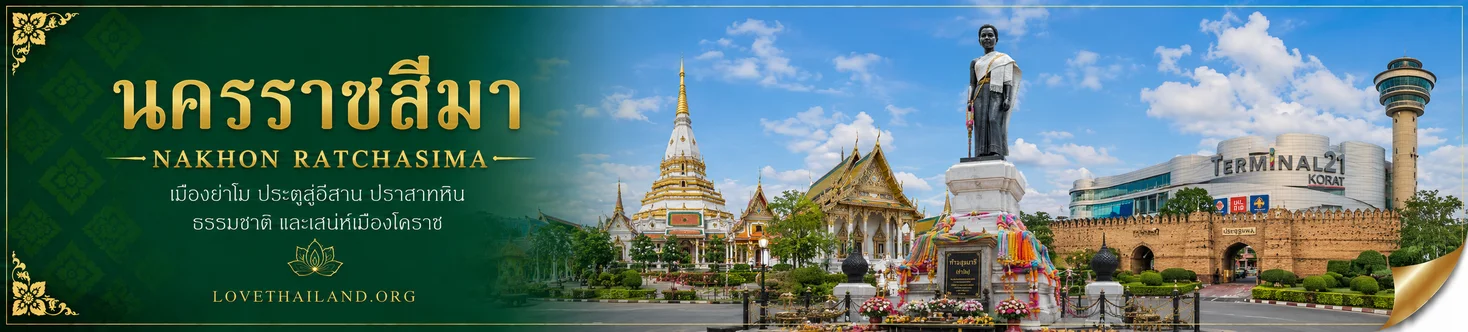
Thao Suranari Victory Celebration
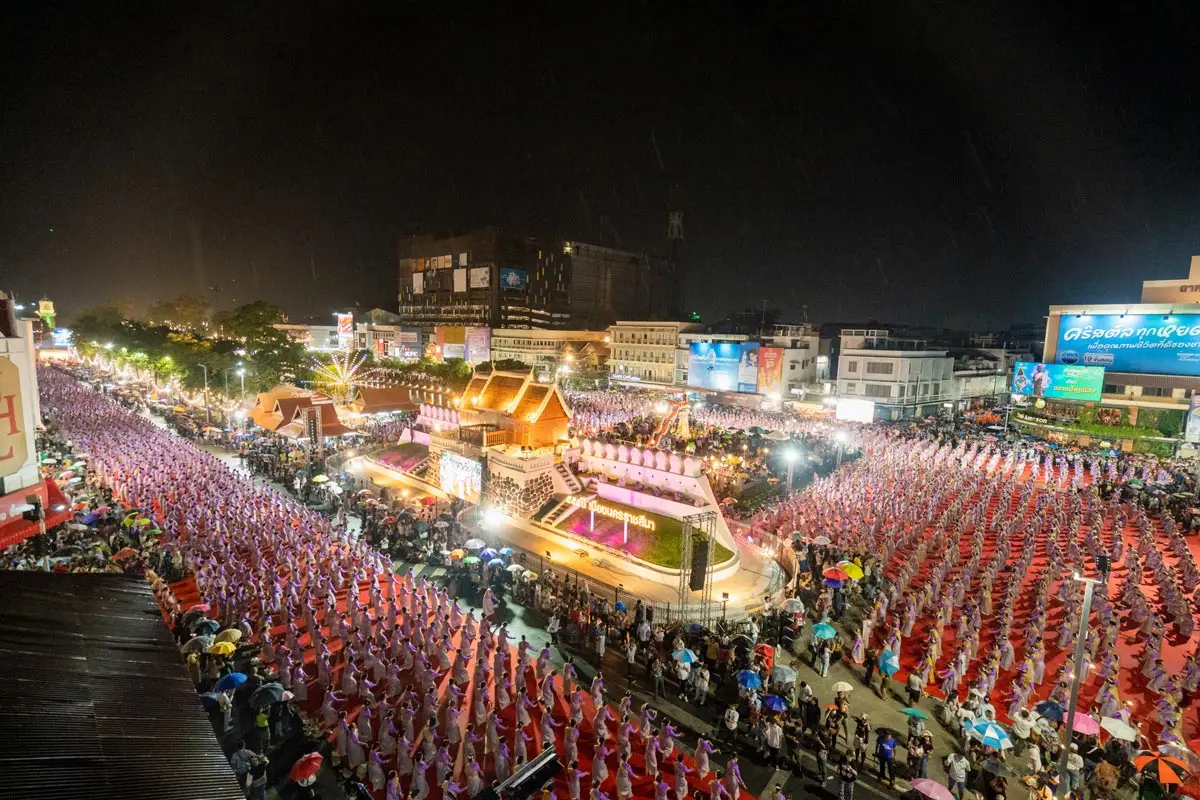
Open Days: Held Annually From March 23 – April 3
Opening Hours: Main Activities Run From Morning Until Night, According To The Annual Program
The Thao Suranari Victory Celebration, widely known as the Ya Mo Festival, is one of the most important annual traditions in Nakhon Ratchasima, or Korat. Held every year from March 23 to April 3, the festival commemorates the heroic deeds of Thao Suranari, formerly known as Khunying Mo, and the people of Korat who defended their city during the conflict with Chao Anouvong in 1826. The celebration is not merely a provincial fair. It is a living cultural event where history, local faith, public ritual, performance, food, community economy, and the old city atmosphere come together in the heart of Nakhon Ratchasima.
The importance of the festival begins with March 23, the date that Korat people associate with the victory of Thao Suranari and the turning point of the 1826 event. In local memory, this was the moment when Chao Anouvong’s forces moved out of Nakhon Ratchasima, opening the way for the people of Korat, under the leadership and courage of Khunying Mo, to resist and recover their city. After the event, King Rama III honored Khunying Mo with the noble title “Thao Suranari,” meaning a brave and noble woman. The annual celebration preserves this memory as one of the core identities of the province.
To the people of Nakhon Ratchasima, Thao Suranari is not remembered only as a historical figure. She is affectionately called Ya Mo, or Grandmother Mo, a name that expresses intimacy, respect, and emotional connection. The Ya Mo Festival is therefore a time when local people return to a shared space of gratitude. They come to pay respect, join worship ceremonies, take part in dance offerings, watch performances, support local vendors, and pass the story of their heroine to younger generations.
The organized form of the celebration began in 1934, after the construction of the Thao Suranari Monument in front of Chumphon Gate. Early forms of the festival included worship ceremonies at the monument, fireworks at the four corners of the city, and theatrical performances telling the story of Thao Suranari’s heroic deeds. Over time, the event developed from a commemorative ceremony into a large cultural festival that now represents the history, pride, and public life of Korat.
The central purpose of the festival is to honor Thao Suranari and to inspire people with the values of courage, unity, sacrifice, and civic responsibility. It reminds the younger generation that local history is not only about past battles, but also about the moral example of people who acted for the safety of their community. For this reason, the festival continues to function as both a historical memorial and a source of public spirit.
The main event areas include the Thao Suranari Monument square, the former provincial hall area, Ratchadamnoen Road, Kamhaeng Songkhram Road, Suan Suranari, and nearby streets in the old city center. This location gives the festival strong historical character. Chumphon Gate, the Thao Suranari Heroic Deeds Exhibition Building, Wat Phayap, Maha Weerawong National Museum, the City Pillar Shrine, restaurants, cafes, hotels, and old commercial streets are all within short distance. Visitors can experience worship, history, local food, urban culture, and public festivities in one compact area.
The most important rituals include the worship ceremony at the Thao Suranari Monument, the offering of ceremonial food, wreath laying, the draping of a ceremonial sash over the monument, and the large dance offering to Ya Mo. These rituals express the deep respect that the people of Korat have for their heroine. The dance offering is especially memorable because it brings together women, students, community groups, government representatives, and participants from many districts of the province. The coordinated movement of thousands of dancers creates one of the most powerful images of the festival.
The dance offering is not simply a performance. It is a ritual act of devotion. Participants train carefully so that their gestures, music, costume, timing, and formation honor Ya Mo with dignity. The songs and choreography often praise her courage, express gratitude, and connect present-day Korat people with the historical memory of their ancestors. Through dance, the past becomes visible in the bodies, movements, and unity of the community.
In 2026, the festival was especially significant because it marked the 200th anniversary of Thao Suranari’s heroic deeds. The celebration was held under the theme “200 Years of Heroism, Unfading Faith” from March 23 to April 3, 2026, for 12 days and 12 nights around the Thao Suranari Monument and the former provincial hall area. The anniversary emphasized that Ya Mo’s story remains an active source of pride for the people of Nakhon Ratchasima, even two centuries after the event.
The festival program includes a wide range of activities: traditional worship ceremonies, cultural performances, light-and-sound shows, drone displays, fireworks at the four corners of the city, Red Cross booths, OTOP products, local food stalls, souvenir shops, Thai traditional entertainment, retro dance stages, likay performances, Muay Thai, concerts, exhibitions, and tourism activities. This variety makes the Ya Mo Festival both a sacred event and a lively public celebration.
The light-and-sound performance is one of the most powerful ways to understand the history behind the festival. It uses performance, lighting, music, narration, and stage effects to retell the story of Thao Suranari and the people of Korat. In 2026, the performance titled “Ya Chan Than Chue Mo: Sanya Kao 200 Pi,” or “My Grandmother’s Name Is Mo: A 200-Year-Old Promise,” connected historical memory with the devotion of modern Korat. It made the story accessible not only through words, but through sight, sound, and emotion.
Fireworks at the four corners of the city are another symbolic part of the celebration. They represent public joy and the announcement of victory. When fireworks light up the sky above the Ya Mo Monument and the old city, they create a festive atmosphere that links the modern celebration with older forms of civic commemoration. For visitors, this is one of the most visually memorable moments of the opening night.
The cultural street area is another highlight of the festival. It allows visitors to walk, eat, shop, and experience the atmosphere of old Korat through food, crafts, local products, and creative community activities. Visitors can find Korat-style fried noodles, Isan food, traditional sweets, drinks, textiles, souvenirs, handicrafts, and products from different districts of Nakhon Ratchasima. This area connects the festival with local livelihoods and gives travelers a broader sense of Korat beyond the monument itself.
OTOP products and community goods are important because they introduce visitors to the cultural economy of the province. Pak Thong Chai silk, Dan Kwian pottery, local snacks, handmade goods, community food products, textiles, ornaments, and souvenirs all show the diversity of Korat’s local wisdom. Walking through this zone is not only shopping; it is a way of seeing how craft, agriculture, food, and community identity continue to support the province today.
The Red Cross booths and government exhibitions also give the festival a strong civic character. Provincial agencies, public organizations, and private partners participate through booths, exhibitions, charity activities, public services, and community-oriented programs. This makes the Ya Mo Festival a true provincial event, not just a tourism fair. It is a place where public memory, local administration, charity, entertainment, and everyday social life meet.
The festival also plays an important role in the local economy. During the 12-day event, central Nakhon Ratchasima becomes especially lively. Hotels, restaurants, cafes, local vendors, transport providers, souvenir shops, and small businesses benefit from the arrival of visitors. At the same time, the event strengthens Korat’s image as a cultural destination with a powerful annual tradition and a strong sense of identity.
Travelers who want to experience the festival fully should spend at least one night in the city. During the daytime, visitors can pay respect to Ya Mo, explore Chumphon Gate, visit the Thao Suranari Heroic Deeds Exhibition Building, see local markets, and walk through the old city. In the evening, the atmosphere becomes more energetic with light-and-sound performances, cultural shows, concerts, food zones, and large crowds gathering around the festival area.
Getting to the festival is convenient because it is held in the center of Nakhon Ratchasima. From Bangkok, visitors can drive along Mittraphap Road into Korat city and head toward the Thao Suranari Monument. By train, get off at Nakhon Ratchasima Railway Station and continue by local transport, taxi, or ride-hailing service. By bus, arrive at Nakhon Ratchasima Bus Terminal and continue into the old city area. The festival venue is well known locally, and the Ya Mo Monument is one of the easiest landmarks to identify.
Visitors using private cars should check traffic announcements before traveling. During the festival, especially on opening night, dance-offering days, and major performance nights, roads such as Ratchadamnoen Road, Kamhaeng Songkhram Road, Chumphon Road, and streets around the monument may be closed or temporarily adjusted. Staying at a hotel within walking distance or using local transport can make the visit easier than trying to park near the monument.
Important zones to explore include the Thao Suranari Monument square, Suan Suranari, the former provincial hall area, Ratchadamnoen Road, Kamhaeng Songkhram Road, the cultural street, and Chumphon Gate. The monument area is the ritual heart of the festival. Suan Suranari is associated with light-and-sound performances and evening activities. The streets around the old city contain food, vendors, community products, and public entertainment. Chumphon Gate adds historical depth to the experience.
Food is a major part of the festival experience. Visitors should try local Korat dishes such as pad mee Korat, chicken rice, Isan food, som tam, grilled chicken, oyster omelet, vegetarian dishes, Thai sweets, local drinks, and snacks from community vendors. The area around the Ya Mo Monument also has long-established restaurants, cafes, and small eateries. Eating local food while walking through the festival helps visitors experience the city through both culture and taste.
For foreign visitors, the Ya Mo Festival is one of the clearest introductions to Korat identity. It combines Thai history, local devotion, women’s roles in historical memory, worship ceremonies, mass dance, outdoor performance, food culture, and the atmosphere of an old provincial city. Foreign travelers can understand the festival more deeply by recognizing that Ya Mo is respected not only as a historic heroine, but also as a symbolic grandmother of the city.
Visitors should behave respectfully because the festival is connected with a revered local heroine and a sacred public monument. Dress politely when approaching the monument, avoid climbing on restricted areas, do not block people who are worshipping, keep noise low during ceremonies, dispose of rubbish properly, and follow staff instructions. When photographing dancers or ceremony participants at close range, maintain a respectful distance and avoid interrupting the performance.
Night visits require practical preparation because the festival can become crowded. Travelers should agree on a meeting point with companions, keep valuables secure, charge mobile phones, and use official walking routes. Families with children or elderly travelers should avoid the densest crowds and choose viewing areas with easier entry and exit. These simple preparations help make the visit safer and more enjoyable.
The festival’s special power lies in the way it makes history visible in everyday life. Visitors do not only read about Thao Suranari; they see thousands of people dancing for her, ceremonies honoring her, fireworks celebrating the city, stages telling her story, and families bringing younger generations to pay respect. These scenes show that the memory of Ya Mo is not frozen in the past. It continues to live through public ritual, movement, music, food, and community participation.
The Ya Mo Festival also reflects Nakhon Ratchasima’s role as a major city of northeastern Thailand. It demonstrates the province’s ability to organize a large cultural event involving provincial government, municipality, provincial administrative organization, public agencies, private sector, temples, communities, schools, performers, vendors, and citizens. The result is a festival that supports tourism, strengthens cultural identity, and keeps local history active in public space.
A recommended old-town route begins with paying respect at the Thao Suranari Monument, then visiting Chumphon Gate and the Thao Suranari Heroic Deeds Exhibition Building to understand the historical background. After that, visitors can walk through the festival market, stop at Wat Phayap or Maha Weerawong National Museum in the afternoon, and return to the festival area in the evening for performances and food. This route gives a complete experience of faith, history, food, old-town atmosphere, and festival energy.
In summary, the Thao Suranari Victory Celebration is one of the most important annual traditions in Nakhon Ratchasima. It honors the bravery of Thao Suranari and the people of Korat in 1826 while bringing history into modern public life through rituals, dance, performance, exhibitions, food, local products, and community participation. Visiting the Ya Mo Festival is not simply attending a provincial fair. It is entering the cultural heart of Korat and experiencing how a city continues to remember, honor, and live with the story of its heroine every year.
| Festival Name | Thao Suranari Victory Celebration / Ya Mo Festival |
| Main Venue | Thao Suranari Monument Square, Former Provincial Hall Area, Ratchadamnoen Road, Kamhaeng Songkhram Road, Suan Suranari, And Surrounding Old City Areas Of Nakhon Ratchasima |
| Address | Thao Suranari Monument Area, Nai Mueang Subdistrict, Mueang Nakhon Ratchasima District, Nakhon Ratchasima 30000, Thailand |
| Annual Period | March 23 – April 3 Every Year, For 12 Days And 12 Nights |
| 2026 Schedule | March 23 – April 3, 2026, Under The Theme “200 Years Of Heroism, Unfading Faith” |
| Opening Hours | Main Activities Run From Morning Until Night According To The Annual Program, With The Opening Ceremony Held In The Evening Of March 23 |
| Fees | No Admission Fee |
| Significance | An annual provincial festival honoring Thao Suranari and the people of Korat who defended Nakhon Ratchasima during the 1826 conflict with Chao Anouvong |
| History / Origin | The organized celebration began in 1934 after the construction of the Thao Suranari Monument, with worship ceremonies, fireworks at the four corners of the city, and dramatic performances about Thao Suranari’s heroic deeds |
| Organizer / Caretaker | Nakhon Ratchasima Province, Nakhon Ratchasima Municipality, Nakhon Ratchasima Provincial Administrative Organization, Provincial Red Cross, Government Agencies, Private Sector, Temples, Communities, And Local Citizens |
| Main Contact Number | Nakhon Ratchasima Municipality Tel. 044-234600 |
| Main Areas / Zones | Thao Suranari Monument Square Former Provincial Hall Area Suan Suranari / Suan Rak Ratchadamnoen Road Kamhaeng Songkhram Road Cultural Street Of The City Of Ya Mo Light-And-Sound Performance Zone Retro Dance Zone Likay And Entertainment Zone Muay Thai Zone OTOP And Community Product Zone Red Cross Booth Zone Food And Souvenir Zone Four-Corner Fireworks Viewing Areas |
| Main Rituals | Worship Ceremony At The Thao Suranari Monument Offering Of Ceremonial Food Wreath-Laying Ceremony Draping Of The Ceremonial Sash Over The Monument Dance Offering To Ya Mo Four-Corner Fireworks During The Opening Night |
| Main Activities | Light-And-Sound Performances Drone Display Mass Dance Offering By Korat Women Cultural Street OTOP Product Sales Red Cross Booths Likay, Retro Dance, Muay Thai, And Music Performances Government And Private-Sector Exhibitions |
| Travel Information | From Bangkok, take Mittraphap Road into Nakhon Ratchasima city and head to the Thao Suranari Monument. By train, get off at Nakhon Ratchasima Railway Station and continue by local transport, taxi, or ride-hailing service to the Ya Mo Monument area. |
| Visitor Tips | Check road-closure and traffic announcements before traveling, especially on March 23, ceremony days, dance-offering days, and major performance nights. Arrive early to find a viewing point and allow extra time for parking. |
| Nearby Tourist Attractions | 1. Thao Suranari Monument, about 0.1 km 2. Chumphon Gate, about 0.1 km 3. Thao Suranari Heroic Deeds Exhibition Building, about 0.2 km 4. Wat Phayap, about 0.6 km 5. Maha Weerawong National Museum, about 0.7 km 6. Nakhon Ratchasima City Pillar Shrine, about 0.8 km 7. Wat Phra Narai Maharat, about 1 km 8. Terminal 21 Korat, about 1.5 km |
| Nearby Restaurants | 1. Chumphon Chicken Rice, about 0.1 km, Tel. 085-860-7778 2. Jompol Boutique Cafe, about 0.1 km, Tel. 064-462-8787 3. CLASS Cafe' Chalermwattana Ya Mo, about 0.2 km, Tel. 065-240-1811 4. Yim Yim Traditional Oyster Omelet, about 0.2 km, Tel. 064-061-1640 5. Ming Tao Vegetarian Restaurant, about 0.2 km, Tel. 044-241718 |
| Nearby Accommodations | 1. Romyen Garden Place, about 0.8 km, Tel. 098-105-7978 2. Korat Hotel, about 0.8 km, Tel. 044-341-345 3. Urban-Bamboo, about 1 km, Tel. 044-268800, 081-444-4213 4. Sansabai House Hotel, about 1.2 km, Tel. 044-255144, 081-547-3066 5. Fortune Hotel Korat, about 1.5 km, Tel. 044-079-900 |
Frequently Asked Questions (FAQ)
Q: When is the Thao Suranari Victory Celebration held?
A: It is held every year from March 23 to April 3 for 12 days and 12 nights. March 23 is the key date associated with the victory of Thao Suranari and the people of Korat.
Q: Where is the Ya Mo Festival held?
A: The festival is held around the Thao Suranari Monument, the former provincial hall area, Ratchadamnoen Road, Kamhaeng Songkhram Road, Suan Suranari, and nearby old-city areas of Nakhon Ratchasima.
Q: Why is the festival important?
A: The festival honors Thao Suranari, formerly Khunying Mo, and the people of Korat who defended Nakhon Ratchasima during the 1826 conflict with Chao Anouvong.
Q: Is there an admission fee?
A: No. Visitors can attend the public festival areas, ceremonies, performances, cultural street, and activities without an admission fee.
Q: What activities can visitors see at the festival?
A: Major activities include worship ceremonies, the draping of the ceremonial sash, mass dance offerings, light-and-sound performances, fireworks at the four corners of the city, cultural street, OTOP products, Red Cross booths, likay, retro dance, Muay Thai, and concerts.
Q: What is the best time to visit?
A: Morning to afternoon is suitable for paying respect and exploring the old city, while evening to night is best for performances, cultural street activities, food, and the lively festival atmosphere.
Q: How can travelers get to the festival?
A: From Bangkok, take Mittraphap Road into Nakhon Ratchasima city and head to the Thao Suranari Monument. By train, get off at Nakhon Ratchasima Railway Station and continue by local transport, taxi, or ride-hailing service.
Q: What nearby attractions can be visited with the festival?
A: Nearby attractions include the Thao Suranari Monument, Chumphon Gate, Thao Suranari Heroic Deeds Exhibition Building, Wat Phayap, Maha Weerawong National Museum, Nakhon Ratchasima City Pillar Shrine, Wat Phra Narai Maharat, and Terminal 21 Korat.
 Category: ●Art, Culture and Heritage
 Group: ●Art, Craft Centres, Tradition
Last Update : 2 MonthAgo
 Last Update : 2 MonthAgo
 Click to Access the Navigation Map GPS
Thao Suranari Victory Celebration Map
Recommend

 Historical Sites and Monuments(20)
 Landmarks and Memorials(5)
Art, Craft Centres, Tradition(7)
Landmarks and Memorials(5)
Art, Craft Centres, Tradition(7)
 Museums(6)
 Art Gallery(1)
 Educational Places
 Educational Gardens, Farm(4)
 Places of Worship
 Temple(29)
 Mosque(1)
 Other Sacred Sites(6)
 Research and Development
 Royal Project(3)
 Suburban Living
 Village, Community(6)
 Local Market(4)
 Floating Market(1)
 Nature and Wildlife
 National Parks and Marine Reserves(3)
 Mountain (Doi)(5)
 Dam, Reservoir, Lake(8)
 Waterfalls(9)
 Hot Springs(1)
 Caves(2)
 Flower Field(1)
 River, Canal(8)
 Bays and Beaches(2)
 Other natural attractions(3)
 Entertainment and Agricultural
 Zoos and Aquariums(1)
 Animal camps and shows(1)
 Farms, Parks and Ecotourism(21)
 Waterpark(2)
 Outdoor and Adventure Activities(6)
 Shopping
 Shopping and Night Market(2)
 Travel Articles, Recipes
 Travel Review, Food Review(6)


