
lovethailand home >Northeastern Travel Attractions >Nakhon Ratchasima Travel Attractions >Wang Nam Khieo >Thai Samakkhi > Wang Nam Khiao Farm
TL;DR: Wang Nam Khiao Farm is located at Ban Suk Somboon, Thai Samakkhi Subdistrict, Wang Nam Khiao District, Nakhon Ratchasima Province, open Daily, hours 08.00 – 17.00.
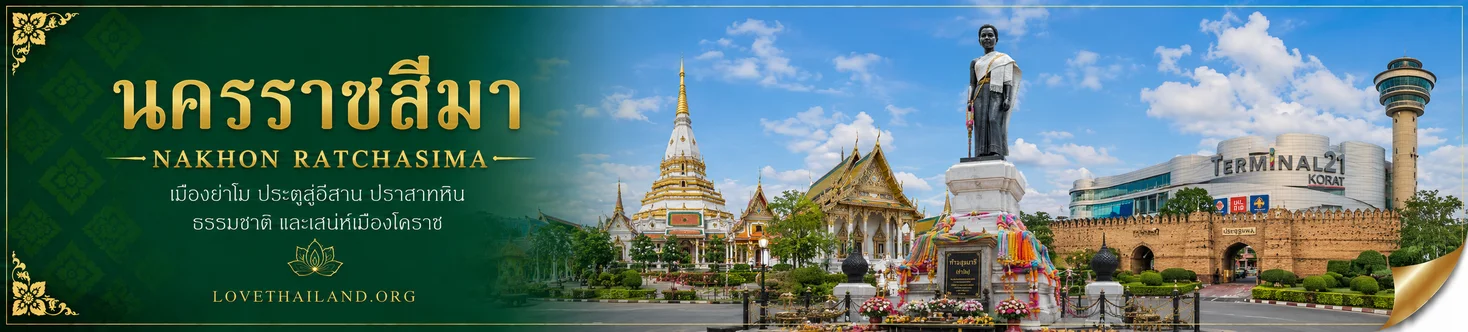
Wang Nam Khiao Farm
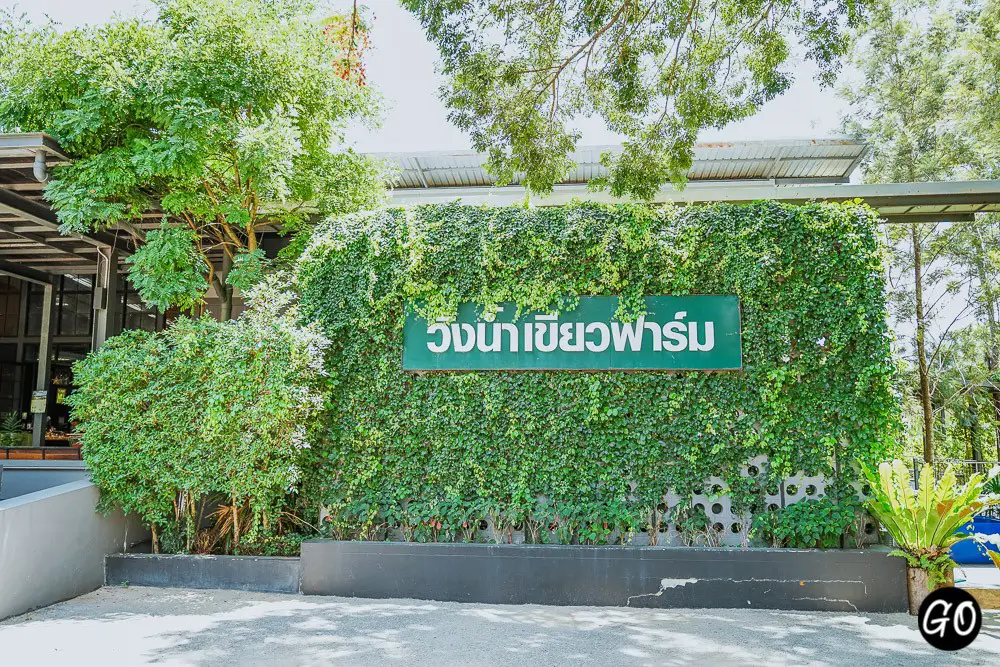
Open Days: Daily
Opening Hours: 08.00 – 17.00
Wang Nam Khiao Farm in Nakhon Ratchasima, widely known as Mr.Mushroom, is an agritourism mushroom farm in Wang Nam Khiao District. Located at 155 Moo 2, Ban Suk Somboon, Thai Samakkhi Subdistrict, the farm sits on one of Wang Nam Khiao’s most active community-based agricultural routes. This route connects chemical-free vegetable gardens, mushroom farms, chrysanthemum fields, community homestays, Huai Khamin Reservoir, Pha Kep Tawan, Village Farm & Winery, and other highland attractions. The farm is best known for cultivating many types of mushrooms in controlled growing rooms, including shiitake, reishi or lingzhi, lion’s mane, king oyster, champignon, Japanese shimeji-style mushrooms, oyster mushrooms, and other varieties grown under cool, humid, and clean conditions.
The appeal of Wang Nam Khiao Farm is not limited to buying mushrooms or souvenirs. It is a place where visitors can see how mushrooms are grown from the source to the final product. Inside the farm, visitors can walk through mushroom-growing areas, observe mushroom blocks, see fruiting rooms, and understand why mushroom cultivation requires careful control of temperature, humidity, cleanliness, airflow, and growing materials. Each mushroom variety has its own growing requirements, so the visit gives travelers a clearer understanding of mushrooms than they would gain from seeing them only in a market or on a plate.
Wang Nam Khiao Farm functions as an integrated agritourism and learning site. It welcomes general travelers, families, students, government groups, private organizations, and agricultural study groups. Visitors can join guided explanations by staff or lecturers who describe mushroom cultivation step by step. The experience includes learning about mushroom culture preparation, growing-room management, fruiting, harvesting, processing, and the conversion of fresh mushrooms into market-ready products. This makes the farm valuable not only as a tourist stop, but also as a practical learning center for agriculture, food production, and value-added processing.
Mushrooms are special because they do not grow like ordinary vegetables that depend on sunlight. They require growing media, mushroom culture, moisture, temperature control, and carefully managed environments. Entering a mushroom house feels different from walking through a vegetable garden or fruit orchard. Visitors see shelves of mushroom blocks arranged in rows, humid air, cooling systems, and a controlled atmosphere designed for mushroom growth. This setting makes Wang Nam Khiao Farm an easy and memorable place for visitors of all ages to understand the science and discipline behind mushroom farming.
Shiitake mushroom is one of the most recognizable varieties associated with the farm. It has a distinct aroma, firm texture, and is widely used in Thai, Chinese, Japanese, and health-focused cooking. Fresh shiitake has a softer fragrance and gentler texture, while dried shiitake gives deeper flavor and is often used in soups and slow-cooked dishes. Seeing shiitake inside a growing facility helps visitors understand that a familiar ingredient on the table begins with a carefully controlled cultivation process. Shiitake is also used in several processed products, such as pickled mushrooms, mushroom chili paste, and health-oriented mushroom products.
Reishi or lingzhi mushroom is another important part of the farm’s health-focused identity. In Asian traditions, reishi is remembered as a medicinal mushroom with strong cultural value. Its dark, glossy surface and unusual form make it visually different from common edible mushrooms. Reishi cultivation connects the mushroom farm with herbal products, teas, beverages, and wellness items. Visitors interested in health food often pay close attention to this area because it shows how mushrooms can be linked with traditional knowledge and modern product development.
Lion’s mane mushroom is visually memorable because its fruiting body looks like soft white or cream-colored hair. It differs clearly from mushrooms with ordinary caps and stems. Seeing lion’s mane in the growing room makes the visit more engaging because it shows how diverse mushrooms can be. Some mushrooms grow in clusters, some have thick stems, some look like shelves, and others appear like soft white clouds. Each type requires different care, making the farm a useful introduction to mushroom diversity.
King oyster mushroom, often known in Thailand as eryngii or orinji, is popular because of its firm texture, large stem, mild flavor, and versatility in cooking. It can be grilled, stir-fried, fried, sliced like steak, or used as a meat substitute in health-focused dishes. This mushroom helps make healthy food more approachable because it has a satisfying texture and can be used in many kinds of cuisine. Visitors often enjoy seeing it as both a fresh product and as part of ready-to-eat mushroom dishes or snacks.
Champignon and Japanese-style mushrooms add more culinary variety to the farm. Champignon mushrooms are familiar in Western cooking, soups, sauces, and salads, while Japanese-style mushrooms are suitable for pickling, stir-frying, and health-oriented menus. Having many mushroom varieties in one farm makes Wang Nam Khiao Farm more than a single-crop production site. It becomes a place where visitors can compare flavor, texture, appearance, processing methods, and food uses across different mushroom species.
Processing is one of the strongest parts of Wang Nam Khiao Farm’s identity. Fresh mushrooms have a limited shelf life, but proper processing can extend usability, increase value, and create many product categories. Processed products include three-flavor pickled Japanese mushrooms, soy-sauce pickled lion’s mane mushrooms, pickled champignons, three-flavor pickled shiitake, shiitake shrimp-paste chili dip, shiitake red chili paste, mushroom salad dressing, mushroom health drinks, mushroom crackers, mushroom fries, fermented mushroom products, dried mushrooms, and other mushroom-based items. These products show how a single farm crop can become food, snacks, drinks, souvenirs, and health products.
The farm shop is a major part of the visitor experience. It brings together fresh mushrooms, processed mushroom products, herbal products, local souvenirs, bottled products, packaged snacks, mushroom drinks, and farm-branded goods. This area shows clearly how agritourism can create more value than simply selling fresh produce. Visitors can taste, compare, shop, and take home products that carry the story of the farm. The shop also helps visitors understand the business side of agriculture, where processing and branding turn raw produce into memorable travel products.
For travelers, Wang Nam Khiao Farm is convenient because the main activity is clear, educational, and not physically demanding. A typical learning activity takes about 60 minutes, making it easy to include in a half-day or full-day Wang Nam Khiao itinerary. Families can bring children to learn about mushrooms. Students can connect the visit with science and agriculture. Adults can buy health-oriented products. People interested in mushroom businesses can observe the wider system of cultivation, processing, packaging, and sales in a real setting.
The farm is closely connected with Ban Suk Somboon and Thai Samakkhi Subdistrict. Ban Suk Somboon is known for chemical-free vegetables, mushroom products, community homestays, local goods, and community-based tourism. The presence of a large mushroom farm strengthens the area’s identity as a safe-food and agricultural learning route. Visitors can learn about vegetables, mushrooms, chrysanthemums, local processing, homestays, and natural sites within the same district. This makes Thai Samakkhi one of the most meaningful agritourism areas in Wang Nam Khiao.
For families, Wang Nam Khiao Farm is a useful outdoor learning experience. Children can see that mushrooms do not simply appear in markets. They grow from mushroom culture and growing materials under carefully controlled humidity, temperature, and cleanliness. Seeing rows of mushroom blocks helps children understand that farming can be systematic and scientific. The many mushroom products also show how farm produce can become food, snacks, drinks, and souvenirs.
For health-focused travelers, the farm connects mushrooms with healthy food. Mushrooms provide satisfying texture, rich umami flavor, and flexible use in many dishes. They can be grilled, stir-fried, cooked in soups, used in chili paste, made into mushroom drinks, or developed into snacks and health products. Visitors who want more plant-based or lighter meals can find many ideas from mushroom-based foods. The farm shows that healthy food can be flavorful, creative, and connected with local agricultural knowledge.
For agricultural learners, Wang Nam Khiao Farm demonstrates how farming can move from production into education, processing, and tourism. Mushroom cultivation requires investment in structures, knowledge, staff, cleanliness, and environmental control. When managed well, it can become a tourist site, study-visit center, farm shop, food stop, and product brand. This makes the farm a practical example of modern agritourism, where visitors do not only buy agricultural products but also buy experience, knowledge, and trust.
For international travelers, the farm presents Thailand from a perspective beyond temples, beaches, night markets, and historic towns. It shows a controlled-environment mushroom farm in a mountain community of Nakhon Ratchasima. Foreign visitors can see how mushrooms used in Asian cooking are cultivated, how they are processed into local products, and how Thai agritourism connects food, health, farming, and community life. The farm is also easy to combine with Khao Yai, Pha Kep Tawan, Village Farm & Winery, and other Wang Nam Khiao destinations.
Getting There is most convenient by private car, rental car, or arranged local transport. From Highway 304 on the Kabin Buri – Pak Thong Chai route, make the turn near Ban Bu Phai School into Ban Thai Samakkhi, then continue along the main road. A sign for Wang Nam Khiao Farm and Wang Dokmai appears on the left. From Nakhon Ratchasima city, take Highway 304 toward Wang Nam Khiao. From Bangkok, one practical route is Ongkharak – Nakhon Nayok – Prachin Buri – Kabin Buri, then Highway 304 toward Wang Nam Khiao.
The road into the farm passes through a real agricultural community. Visitors may see schools, local houses, vegetable gardens, mushroom farms, flower plots, homestays, and green spaces before arriving at the farm. Having private transport makes it easy to combine Wang Nam Khiao Farm with Suan Lung Krai, Huai Khamin Reservoir, the Ban Bu Sai chrysanthemum fields, Village Farm & Winery, Montana Farm, and Pha Kep Tawan. A half-day route can include the farm, a vegetable garden, and a nearby café. A full-day route can add flower gardens and viewpoints.
The best time to visit is from morning to early afternoon because visitors have enough time to walk through the growing rooms, listen to explanations, shop for products, and enjoy mushroom-based food. The learning activity takes about 60 minutes, but travelers who want to shop, taste, photograph, or dine may spend longer. Morning is good for families and study groups, while afternoon works well for visitors continuing from vegetable gardens or nearby viewpoints.
Good mushroom-farm etiquette is important because growing rooms require cleanliness and stable conditions. Visitors should follow the farm route, avoid opening doors or equipment without permission, avoid touching mushroom blocks or mushrooms too strongly, avoid bringing pets into growing rooms, avoid smoking inside farm areas, and keep the site clean. Respecting these rules helps prevent contamination, protect the mushrooms, and keep the farm ready for future visitors.
Mushroom dishes and food experiences make the visit more complete. Travelers can connect the growing rooms with real food immediately through grilled mushrooms, fried mushrooms, mushroom salad, mushroom curry, mushroom rice noodles, mushroom health drinks, or mushroom snacks. This moves the learning experience from seeing to tasting. Visitors can understand cultivation, flavor, product development, and business possibilities in one visit.
Photo spots at Wang Nam Khiao Farm have a distinctive Mr.Mushroom character. The entrance, mushroom mascots, product displays, demonstration greenhouse, mushroom shelves, and farm shop all create a different atmosphere from flower gardens or vineyards. Visitors who enjoy story-based photography can capture the full journey from entrance to growing room, from mushroom blocks to finished products, and from farm learning to local souvenirs.
Nearby dining options support a flexible Wang Nam Khiao trip. Wang Nam Khiao Farm itself is best for mushroom dishes and mushroom products. Wang Nam Khiao Coffee Roasting is suitable for coffee and local products. Patta Wang Nam Khiao and Na Siri Wang Nam Khiao offer Thai and Western dishes. The Old Barn at Village Farm & Winery provides a vineyard dining atmosphere, while Suan Mae Mon Farm & Cafe offers a relaxed farm-café setting. These options connect the mushroom-farm experience with broader local food tourism.
Accommodation is available in Ban Suk Somboon, Thai Samakkhi, and central Wang Nam Khiao. Travelers who want to stay close to the community can choose Ban Suk Somboon Homestay or accommodations around Suan Lung Krai. Those who prefer a resort style can choose Kiangmok Chalet, Village Farm & Winery, or Veravian Resort. Since Wang Nam Khiao includes local roads and hilly routes, travelers should consider actual driving conditions rather than judging only by map distance.
Economically, Wang Nam Khiao Farm shows how agriculture can create several layers of value. It begins with fresh mushrooms, then continues into processed products, health goods, food menus, learning activities, farm tours, and study visits. When travelers come to the area, local restaurants, homestays, cafés, nearby attractions, and community product makers also benefit. Agritourism therefore helps Ban Suk Somboon and Thai Samakkhi become more than production communities. They become learning and travel destinations.
Overall, Wang Nam Khiao Farm represents several strengths of Wang Nam Khiao: cool climate, chemical-free agriculture, controlled mushroom cultivation, product processing, educational tours, farm products, and a strong community-based travel route. Its main appeal is that it makes mushroom farming easy to understand. Visitors can walk, learn, taste, shop, photograph, and bring home products from the same place.
Wang Nam Khiao Farm is suitable for families, students, health-focused travelers, people interested in mushroom businesses, agricultural tourists, community-based travelers, and international visitors who want to see food production from its source. When combined with Suan Lung Krai, Huai Khamin Reservoir, the Ban Bu Sai chrysanthemum fields, Village Farm & Winery, Montana Farm, and Pha Kep Tawan, it becomes part of a complete Wang Nam Khiao route covering mushrooms, vegetables, flowers, vineyards, viewpoints, and local community life in Nakhon Ratchasima.
| Name | Wang Nam Khiao Farm / Mr.Mushroom |
| Location | Ban Suk Somboon, Thai Samakkhi Subdistrict, Wang Nam Khiao District, Nakhon Ratchasima Province |
| Address | 155 Moo 2, Thai Samakkhi Subdistrict, Wang Nam Khiao District, Nakhon Ratchasima 30370, Thailand |
| Highlights | A controlled-environment chemical-free mushroom farm with multiple mushroom varieties, guided explanations, mushroom-growing rooms, processed mushroom products, mushroom dishes, health products, souvenirs, and Mr.Mushroom photo spots |
| History / Importance | An agritourism and study-visit site for mushroom cultivation in Ban Suk Somboon, important for transferring knowledge about chemical-free mushroom production, product processing, and agricultural value creation in Wang Nam Khiao |
| Name Origin | The name Wang Nam Khiao Farm reflects its location in Wang Nam Khiao, while Mr.Mushroom represents the farm’s main identity as a mushroom-learning and mushroom-product destination |
| Distinctive Features | Cultivates several mushroom varieties including shiitake, reishi or lingzhi, lion’s mane, king oyster, champignon, Japanese-style mushrooms, oyster mushrooms, golden oyster mushrooms, and other mushroom types, with many processed mushroom products available |
| Travel Information | From Highway 304 on the Kabin Buri – Pak Thong Chai route, make the turn near Ban Bu Phai School into Ban Thai Samakkhi and continue along the main road. A sign for Wang Nam Khiao Farm and Wang Dokmai appears on the left. Private car, rental car, or arranged local transport is recommended. |
| Current Status | Open daily for mushroom farm visits, fresh mushrooms, processed mushroom products, health products, mushroom dishes, souvenirs, and agricultural learning activities |
| Open Days | Daily |
| Opening Hours | 08.00 – 17.00 |
| General Entry Fee | Free For Self-Guided Viewing In Open Visitor Areas |
| Activity Fee | 20 Baht Per Person For Agricultural Learning Activities |
| Approximate Activity Duration | About 60 Minutes |
| Facilities | Parking Area, Reception Area, Mushroom Growing Rooms, Farm Walking Route, Guided Explanation, Fresh Mushroom Shop, Processed Mushroom Products, Herbal Products, Souvenirs, Mushroom Dishes, Photo Spots, And Study-Visit Facilities |
| Main Areas / Zones | Mr.Mushroom Welcome Zone, Mushroom Growing Room Zone, Mushroom Block And Fruiting Shelf Zone, Reishi Zone, Lion’s Mane Zone, King Oyster Zone, Shiitake Zone, Processed Mushroom Product Zone, Tasting And Shopping Zone, Herbal Product Zone, Mushroom Food Zone, And Photo Zone |
| Caretaker / Coordinator | Wang Nam Khiao Farm / Mr.Mushroom |
| Main Contact Number | 044-228991, 044-228992, 081-001-1555 |
| Local Community Contact | Ban Suk Somboon Community-Based Tourism Club, Tel. 093-372-3122 |
| Nearby Tourist Attractions | 1. Huai Khamin Reservoir And Ban Suk Somboon Community Market, about 1 km 2. Suan Lung Krai Chomnoi / Ban Suk Somboon Chemical-Free Winter Salad Farm, about 2 km, Tel. 081-274-6961 3. Chrysanthemums In The Mist Area And Ban Bu Sai Chrysanthemum Growers Group, about 5 km, Tel. 085-302-2785, 084-431-2745 4. Village Farm & Winery, about 9 km, Tel. 081-877-3711 5. Montana Farm Wang Nam Khiao, about 12 km, Tel. 044-228376, 098-345-1900 6. Pha Kep Tawan, Thap Lan National Park, about 18 km, Tel. 037-210340 7. Flora Park Wang Nam Khiao, about 18 km, Tel. 089-812-8851 |
| Nearby Restaurants | 1. Wang Nam Khiao Farm / Mr.Mushroom, about 0 km, Tel. 044-228991, 044-228992, 081-001-1555 2. Wang Nam Khiao Coffee Roasting, about 2 km, Tel. 089-054-6619 3. Patta Wang Nam Khiao, about 8 km, Tel. 065-945-5168 4. Old Barn Restaurant At Village Farm & Winery, about 9 km, Tel. 081-877-3711 5. Na Siri Wang Nam Khiao, about 10 km, Tel. 088-354-0980 6. Krua Ton Sai Wang Nam Khiao, about 12 km, Tel. 099-426-2359 7. Suan Mae Mon Farm And Cafe, about 15 km, Tel. 080-024-8434 |
| Nearby Accommodations | 1. Ban Suk Somboon Homestay, about 1 km, Tel. 093-372-3122 2. Suan Lung Krai Chomnoi Accommodation, about 2 km, Tel. 081-305-4335 3. Kiangmok Chalet, about 7 km, Tel. 081-611-5515, 080-210-8033 4. Baan Mai Rim Than Homestay, Ban Bu Sai, about 8 km, Tel. 080-731-7439 5. Village Farm & Winery, about 9 km, Tel. 081-877-3711 6. Veravian Resort Wang Nam Khiao, about 18 km, Tel. 083-111-5678, 083-111-6789 |
Frequently Asked Questions (FAQ)
Q: Where Is Wang Nam Khiao Farm Located?
A: Wang Nam Khiao Farm is located at 155 Moo 2, Ban Suk Somboon, Thai Samakkhi Subdistrict, Wang Nam Khiao District, Nakhon Ratchasima 30370, Thailand.
Q: What Are The Opening Days And Hours?
A: The farm is open daily from 08.00 to 17.00 for mushroom farm visits, fresh mushrooms, processed mushroom products, health products, mushroom dishes, souvenirs, and agricultural learning activities.
Q: How Much Is The Entry Fee Or Activity Fee?
A: General self-guided viewing in open visitor areas is free. Agricultural learning activities cost 20 Baht per person and take about 60 minutes.
Q: What Mushrooms Can Visitors See At Wang Nam Khiao Farm?
A: Key mushrooms include shiitake, reishi or lingzhi, lion’s mane, king oyster, champignon, Japanese-style mushrooms, oyster mushrooms, golden oyster mushrooms, and other varieties grown in controlled rooms.
Q: What Products Are Available At The Farm?
A: Products include fresh mushrooms, pickled mushrooms, shiitake chili pastes, mushroom salad dressing, mushroom health drinks, mushroom crackers, mushroom fries, fermented mushroom products, dried mushrooms, herbal products, and souvenirs.
Q: How Do Travelers Get To Wang Nam Khiao Farm?
A: From Highway 304 on the Kabin Buri – Pak Thong Chai route, make the turn near Ban Bu Phai School into Ban Thai Samakkhi and continue along the main road. A sign for Wang Nam Khiao Farm and Wang Dokmai appears on the left.
Q: What Nearby Attractions Can Be Visited With Wang Nam Khiao Farm?
A: Nearby places include Huai Khamin Reservoir, Suan Lung Krai, the Ban Bu Sai chrysanthemum fields, Village Farm & Winery, Montana Farm, Pha Kep Tawan, and Flora Park Wang Nam Khiao.
Q: Who Is Wang Nam Khiao Farm Suitable For?
A: It is suitable for families, students, health-focused travelers, people interested in mushroom businesses, agricultural tourists, community-based travelers, and international visitors who want to see food production from its source.
 Category: ●Entertainment and Agricultural
 Group: ●Farms, Parks and Ecotourism
Last Update : 3 WeekAgo
 Last Update : 3 WeekAgo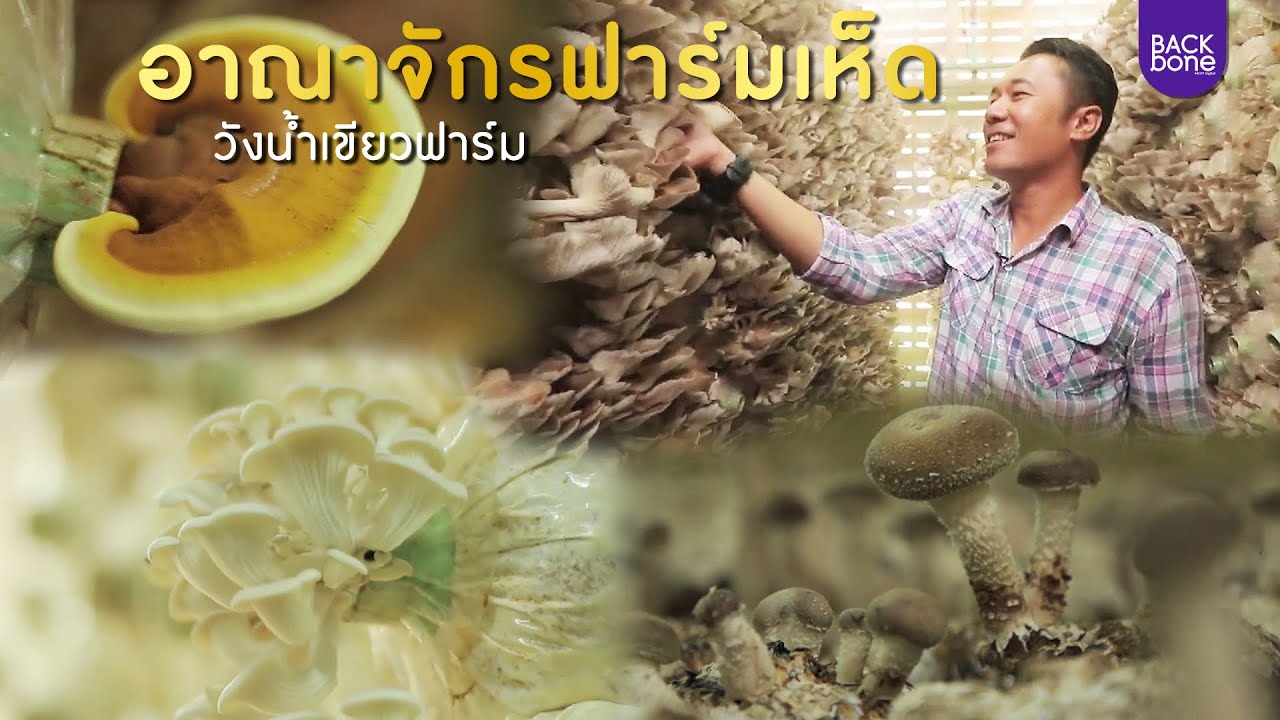
 Click to Access the Navigation Map GPS
Wang Nam Khiao Farm Map
Recommend

 Art, Culture and Heritage
 Historical Sites and Monuments(20)
 Landmarks and Memorials(5)
 Art, Craft Centres, Tradition(7)
 Museums(6)
 Art Gallery(1)
 Educational Places
 Educational Gardens, Farm(4)
 Places of Worship
 Temple(29)
 Mosque(1)
 Other Sacred Sites(6)
 Research and Development
 Royal Project(3)
 Suburban Living
 Village, Community(6)
 Local Market(4)
 Floating Market(1)
 Nature and Wildlife
 National Parks and Marine Reserves(3)
 Mountain (Doi)(5)
 Dam, Reservoir, Lake(8)
 Waterfalls(9)
 Hot Springs(1)
 Caves(2)
 Flower Field(1)
 River, Canal(8)
 Bays and Beaches(2)
 Other natural attractions(3)
 Zoos and Aquariums(1)
 Animal camps and shows(1)
Farms, Parks and Ecotourism(21)
Animal camps and shows(1)
Farms, Parks and Ecotourism(21)
 Waterpark(2)
 Outdoor and Adventure Activities(6)
 Shopping
 Shopping and Night Market(2)
 Travel Articles, Recipes
 Travel Review, Food Review(5)


