
lovethailand home >Northeastern Travel Attractions >Nakhon Ratchasima Travel Attractions >Si Khui >Mittraphap > Wat Non Kum (Wa Sora Pong)
TL;DR: Wat Non Kum (Wa Sora Pong) is located at Along Mittraphap Road, Mittraphap Subdistrict, Sikhio District, Nakhon Ratchasima Province, open Daily, hours 08.00 – 17.00.
Wat Non Kum (Wa Sora Pong)
Open Days: Daily
Opening Hours: 08.00 – 17.00
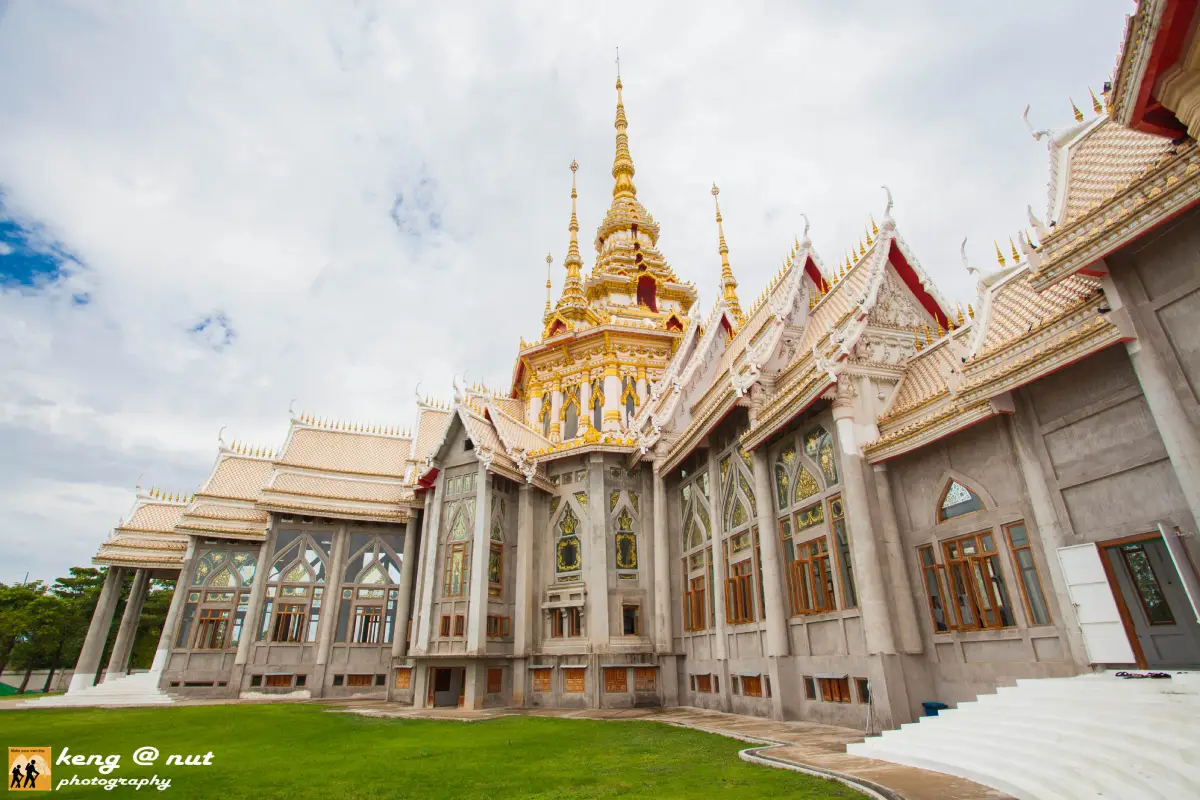
Wat Non Kum, widely known as Wat Luang Pho To and often called Wat Sorapong, is located along Mittraphap Road in Sikhio District, Nakhon Ratchasima Province. It is one of the most recognizable Buddhist landmarks on the main route between Bangkok and Nakhon Ratchasima. The temple is about 42–45 kilometers from Nakhon Ratchasima city and stands on the inbound side of Mittraphap Road toward Korat. Its large grand vihara, landscaped gardens, ponds, and the enormous image of Luang Pho To make it highly visible from the highway. For many travelers, Wat Non Kum is more than a roadside temple. It is a place to stop, pay respect, make merit, rest during a long journey, and learn about a powerful modern story of faith connected with the late Thai actor and National Artist Sorapong Chatree.
The temple has 2 closely connected identities. The first is the older local temple of Ban Non Kum, a community temple with a long history, old religious structures, an ancient ubosot known as Ubosot Maha-Ut, the memorial chedi of Upatcha Chin, the first abbot and founder, the Urangkathat Chedi, and auspicious wooden Buddha images for the days of birth. The second identity is the Metta Barami Foundation area, officially connected with Somdet Phra Phutthachan To Phromrangsi. This foundation area is popularly known as Wat Sorapong because Sorapong Chatree initiated and dedicated himself to building the grand Luang Pho To vihara. These 2 identities make the site more layered than an ordinary landmark. It is at once an old community temple, a modern Buddhist foundation, a memorial of personal devotion, a landscaped religious park, and a major spiritual stop for travelers on Mittraphap Road.
As a formal Buddhist temple, Wat Non Kum is a local temple under the Mahanikaya order. It was established in the early 20th century and received its consecrated boundary in 1922. This means the temple has a recognized religious status for important Sangha ceremonies. Long before the grand vihara became widely known, the temple served the local community of Non Kum and Sikhio. Local villagers came here to make merit, join Buddhist ceremonies, listen to sermons, and maintain the religious life of the community. The current large-scale foundation and vihara therefore stand on a much older base of local Buddhist faith.
The old Ubosot Maha-Ut is one of the important historical structures within the temple area. It is associated with the earlier life of Wat Non Kum before the development of the Luang Pho To foundation zone. In Thai Buddhist tradition, an ubosot is the most sacred building in a temple because it is used for ordination and formal monastic acts. The presence of an old ubosot reminds visitors that Wat Non Kum is not merely a newly built attraction, but a real temple with a long religious history and a living connection with the local community.
The memorial chedi of Upatcha Chin, also recorded by local sources as Upatcha Sin, is another meaningful point. He is remembered as the founder and first abbot of Wat Non Kum. Such memorials are important in Thai temple culture because they preserve gratitude toward the monks and community leaders who first established the temple. They also remind visitors that temples are built through people: monks who lead, villagers who support, and generations of devotees who continue the work. Paying attention to this older part of the temple gives the visit more depth.
The Urangkathat Chedi is another sacred area within the temple. It is associated with the enshrinement of Buddha relics connected with the chest area of the Buddha, according to Buddhist devotional tradition. For Buddhist visitors, relics are among the highest objects of veneration because they symbolize a direct connection with the Buddha. Paying respect at this chedi allows visitors to move beyond simple wish-making and enter a more contemplative form of devotion centered on the Buddha, the Dhamma, and the Sangha.
The most famous feature of Wat Non Kum today is the large image of Luang Pho To, representing Somdet Phra Phutthachan To Phromrangsi. The image was originally cast in darkened brass and has since been gilded. It is about 13 meters high, has a lap width of about 4 meters and 1 inch, and weighs about 61 tons. It is one of the largest Luang Pho To images in Thailand and is the main focus of worship inside the grand vihara. Visitors come to pay respect, pray for blessings, seek encouragement, and make merit for good fortune, safety, work, travel, and inner peace.
Somdet Phra Phutthachan To Phromrangsi is one of the most revered monks in Thai Buddhist memory. He is remembered for wisdom, compassion, spiritual power, and teachings that remain meaningful to Thai Buddhists. Sorapong Chatree had deep faith in Somdet To and dedicated great effort to creating a place where people could come to pay respect. The Luang Pho To image at Wat Non Kum is therefore not only a large religious sculpture. It represents an act of devotion by a well-known Thai artist who wanted to create a public place of faith and merit.
Sorapong Chatree is central to the modern identity of the place. Although the site belongs to Wat Non Kum and the Metta Barami Foundation, many people call it Wat Sorapong because of his role in initiating, developing, and caring for the grand vihara. For many years, he was closely associated with the place, welcoming devotees, supporting the foundation, and encouraging merit-making. After his passing, the foundation and those who continue his work have kept the site active according to the intention he left behind. This makes Wat Non Kum both a Buddhist site and a cultural memory space connected with one of Thailand’s best-known actors.
The grand vihara is surrounded by landscaped gardens, ponds, pathways, and open spaces designed for visitors. The temple is known for its clean and orderly atmosphere, its decorative gardens, and its large buildings that create a strong visual impression from the highway. Visitors can walk around the grounds, take respectful photographs, rest near the garden areas, and spend time in quiet reflection. The design makes the place suitable for both serious worship and family travel.
The garden areas are an important part of the visitor experience. Trimmed trees, decorative ponds, fountains, and carefully arranged walkways make the surroundings peaceful and photogenic. These areas help soften the scale of the large vihara and make the temple feel welcoming. For travelers driving a long distance along Mittraphap Road, the garden setting turns the temple into a place where the body can rest while the mind turns toward merit and calmness.
The temple is also known for its almshouse or free food hall. Many visitors remember that the site offers food to travelers and devotees, with donations accepted according to faith. This reflects the Buddhist value of generosity. People who come here may not only worship and donate, but also receive hospitality. The almshouse makes Wat Non Kum a place of both spiritual and physical rest, especially for long-distance travelers moving between central Thailand and northeastern Thailand.
Another important worship point is the vihara containing a replica of Phra Buddha Chinnarat. Phra Buddha Chinnarat is one of Thailand’s most revered Buddha images, and replicas are commonly installed in temples across the country for worship. At Wat Non Kum, this adds another layer to the merit route. Visitors can pay respect to Luang Pho To, the Buddha relic-related chedi, the older temple structures, and the Phra Buddha Chinnarat replica in one visit.
The auspicious wooden Buddha images associated with the days of birth are also meaningful for Thai visitors. In Thai Buddhist popular devotion, each day of birth is linked with a specific Buddha posture. Visitors often pay respect to the Buddha image corresponding to their birth day as an act of personal blessing and mindfulness. This practice makes the temple visit more personal and accessible, especially for families and first-time visitors.
Wat Non Kum is suitable for many types of travelers. Devotees can pay respect to Luang Pho To and make merit. Cultural travelers can learn about the story of Sorapong Chatree and the foundation. Those interested in older temple heritage can seek out the Ubosot Maha-Ut, the founder’s chedi, and the Urangkathat Chedi. Families can walk through the gardens and introduce children to Buddhist manners. Highway travelers can stop to rest, worship, and use the temple as a peaceful pause before continuing their journey.
Travel access is one of the temple’s strongest advantages. Wat Non Kum stands directly on Mittraphap Road on the inbound side toward Nakhon Ratchasima. Travelers coming from Bangkok, Saraburi, or Pak Chong toward Korat will pass Sikhio and then see the large vihara on the left side after passing Sikhio town. Travelers coming from Nakhon Ratchasima city toward Bangkok need to drive past the area and make a U-turn in Sikhio to return onto the inbound side toward Korat, where the temple entrance is on the left.
Getting There from Nakhon Ratchasima city is straightforward. Take Mittraphap Road toward Sikhio, a distance of about 42–45 kilometers. Because the temple is located on the opposite side for travelers heading from Korat to Bangkok, drivers should plan to use a safe U-turn near Sikhio town and then enter the temple from the inbound side toward Korat. Travelers coming from Bangkok should stay aware of the frontage road and prepare to enter the left-side lane after passing Sikhio. The grand vihara is large and visible from a distance.
The best time to visit is during the normal opening hours from 08.00 to 17.00. Morning is suitable for quiet worship and cooler weather. Afternoon visits are convenient for travelers arriving from Bangkok, Pak Chong, or other nearby attractions. On weekends and long holidays, the temple may become busy because it is a popular stop along a major highway. Visiting on weekdays or early in the morning allows for a calmer experience.
Visitors should dress modestly and behave respectfully. Although the grounds are beautiful and suitable for photography, the purpose of the site remains religious. Speak softly inside the vihara, avoid inappropriate poses near sacred images, do not climb on religious structures, and keep the area clean. If children are visiting, adults should help them understand the difference between a temple garden and an ordinary public park.
For families, Wat Non Kum is a useful place to teach Buddhist values. Children can learn about respect for monks and sacred spaces, the meaning of making merit, the tradition of giving through the almshouse, and the story of a public figure who dedicated his faith to building a religious place. A visit can therefore become more than a rest stop. It can become a short lesson in Thai Buddhist culture, generosity, and memory.
Wat Non Kum can be combined easily with nearby attractions in Sikhio and Sung Noen. Travelers may continue to Lam Takhong Dam, Khao Yai Thiang, Baan Suan Noi Wonderland, Wat Dhammachak Semaram, Ancient Sema City, Wat Khao Chan Ngam, Prasat Mueang Khaek, or other cultural sites along the Mittraphap corridor. This makes the temple a convenient starting point for both faith-based travel and broader cultural exploration in western Nakhon Ratchasima.
The importance of Wat Non Kum today is not measured only by the size of the Luang Pho To image. It also lies in the way the site combines an old community temple, modern public devotion, landscaped sacred architecture, charitable food service, and the legacy of Sorapong Chatree. The temple shows how contemporary Thai Buddhism can be expressed through art, architecture, foundation work, generosity, and personal faith. This is why many travelers remember the place not simply as a large temple, but as a site shaped by intention and devotion.
A meaningful visit should take at least 1 to 2 hours. Begin with worship at the Luang Pho To vihara, then walk through the surrounding gardens. Continue to the older temple areas such as the Ubosot Maha-Ut, the founder’s chedi, the Urangkathat Chedi, and the auspicious wooden Buddha images if accessible. Visitors who take time to see both the grand modern vihara and the older temple roots will understand the site more fully than those who only stop for a quick photograph.
For foreign travelers, Wat Non Kum offers a clear example of how Thai temples can be both religious and social spaces. It is a place of worship, a memorial of faith, a roadside rest point, a charity space, a landscaped cultural attraction, and a living temple community. Its story also connects Thai cinema, national artistic memory, and Buddhist devotion through the life of Sorapong Chatree. This makes the temple accessible and meaningful even for visitors who may not know much about Thai Buddhism before arriving.
Overall, Wat Non Kum, Wat Luang Pho To, or Wat Sorapong is one of the most important spiritual landmarks on Mittraphap Road in Nakhon Ratchasima. Its grand image of Luang Pho To attracts the eye, but its deeper value lies in the layers of faith behind it: the old community temple, the relic-related chedi, the founder’s memory, the modern foundation, the landscaped gardens, the almshouse, and the continuing devotion of visitors. For anyone traveling through Sikhio, this temple is a meaningful place to stop, pay respect, rest the mind, and experience a distinctive part of contemporary Thai Buddhist culture.
| Name | Wat Non Kum / Wat Luang Pho To / Wat Sorapong |
| Location | Along Mittraphap Road, Mittraphap Subdistrict, Sikhio District, Nakhon Ratchasima Province |
| Address | 20 Mu 6, Ban Non Kum, Mittraphap Subdistrict, Sikhio District, Nakhon Ratchasima 30140, Thailand |
| Highlights | Grand vihara of Somdet Phra Phutthachan To Phromrangsi Metta Barami, large Luang Pho To image, landscaped gardens, ponds, almshouse, old Ubosot Maha-Ut, Upatcha Chin Chedi, Urangkathat Chedi, and auspicious wooden Buddha images for the days of birth |
| History | A local Buddhist temple under the Mahanikaya order, established around 1913–1916 and granted its consecrated boundary in 1922. The later foundation and grand vihara were developed according to the faith and intention of Sorapong Chatree |
| Name Origin | Wat Non Kum refers to the local community name. Wat Luang Pho To refers to the large image of Somdet To inside the grand vihara. Wat Sorapong is the popular name used because of Sorapong Chatree’s role in developing the foundation and vihara |
| Distinctive Features | A roadside Buddhist landmark combining an old community temple, a large modern Luang Pho To vihara, the Metta Barami Foundation, landscaped sacred grounds, and an almshouse for travelers and devotees |
| Luang Pho To Details | A large image of Somdet Phra Phutthachan To Phromrangsi, originally cast in darkened brass and now gilded, with a lap width of about 4 meters and 1 inch, a height of about 13 meters, and a weight of about 61 tons |
| Travel Information | From Bangkok, take Mittraphap Road toward Nakhon Ratchasima. After passing Sikhio town by about 1 km, the temple is on the left side. From Nakhon Ratchasima city, drive toward Sikhio and use a U-turn in Sikhio to enter the inbound side toward Korat |
| Current Status | Open for worship, merit-making, visits to the Luang Pho To vihara, garden walks, and use of the almshouse according to its operating arrangements |
| Open Days | Daily |
| Opening Hours | 08.00 – 17.00 |
| Fees | No admission fee |
| Facilities | Parking area, grand vihara, worship points, almshouse, toilets, landscaped gardens, pond area, rest areas, donation points, and walking areas around the vihara |
| Main Areas / Zones | Luang Pho To grand vihara zone, Phra Buddha Chinnarat replica vihara zone, old Ubosot Maha-Ut zone, Upatcha Chin Chedi zone, Urangkathat Chedi zone, auspicious wooden Buddha images zone, garden and pond zone, almshouse zone, foundation office zone, and parking zone |
| Abbot / Caretaker | Phra Khru Sophon Charuwat Thanadhammo |
| Related Foundation | Somdet Phra Phutthachan To Phromrangsi Metta Barami Foundation, also known as the Metta Barami Foundation |
| Contact Number | 081-640-1281, 081-911-0622 |
| Nearby Tourist Attractions | 1. Big C Market Sikhio, about 2 km 2. Lam Takhong Dam, about 14 km 3. Baan Suan Noi Wonderland, about 16 km 4. Khao Yai Thiang and Lam Takhong Upper Reservoir, about 24 km 5. Wat Dhammachak Semaram, about 25 km 6. Wat Khao Chan Ngam, about 28 km |
| Nearby Restaurants | 1. Nuch Suki Sikhio, about 2 km, Tel. 092-884-9993, 081-389-4300 2. Duean Yi Restaurant Sikhio, about 4 km, Tel. 087-991-6919 3. Laab Ban Lao, about 17 km, Tel. 044-286-892 4. Isaan Country Roadhouse, about 24 km, Tel. 093-530-7009 5. Kang Plu Eatery, about 26 km, Tel. 088-050-9093 |
| Nearby Accommodations | 1. Baan Suan Praewalai Resort, about 4 km, Tel. 084-825-1400 2. Baan Yai Resort Sikhio, about 4 km, Tel. 093-324-2922 3. Changam House, about 5 km 4. Chawalee Place, about 24 km, Tel. 065-394-2453 5. Green Ville Laguna Hotel, about 38 km, Tel. 044-000-222, 061-021-4222 |
Frequently Asked Questions (FAQ)
Q: Where is Wat Non Kum or Wat Luang Pho To located?
A: Wat Non Kum is located along Mittraphap Road in Mittraphap Subdistrict, Sikhio District, Nakhon Ratchasima Province, about 42–45 km from Nakhon Ratchasima city.
Q: What are the opening hours of Wat Non Kum?
A: The temple is open daily from 08.00 to 17.00.
Q: Is there an admission fee?
A: No. Wat Non Kum does not charge an admission fee. Visitors may pay respect to Luang Pho To, walk around the grand vihara, and make merit according to their faith.
Q: What is the main highlight of Wat Non Kum?
A: The main highlight is the large image of Luang Pho To, representing Somdet Phra Phutthachan To Phromrangsi, enshrined inside the grand vihara of Somdet Phra Phutthachan To Phromrangsi Metta Barami.
Q: Why is Wat Non Kum often called Wat Sorapong?
A: It is popularly called Wat Sorapong because Sorapong Chatree, a Thai National Artist and famous actor, initiated and developed the grand Luang Pho To vihara and the related foundation area.
Q: Who is the abbot of Wat Non Kum?
A: The abbot is Phra Khru Sophon Charuwat Thanadhammo.
Q: How can travelers get to Wat Non Kum?
A: From Bangkok, take Mittraphap Road toward Nakhon Ratchasima. After passing Sikhio town by about 1 km, the temple is on the left side. From Nakhon Ratchasima city, travelers need to use a U-turn in Sikhio to enter the inbound side toward Korat.
Q: What nearby places can be visited on the same trip?
A: Nearby places include Lam Takhong Dam, Baan Suan Noi Wonderland, Khao Yai Thiang, Wat Dhammachak Semaram, and Wat Khao Chan Ngam.
Mobile : 0816401281, 0819110622
 Mobile : 0816401281, 0819110622
 Category: ●Places of Worship
 Group: ●Temple
Last Update : 2 MonthAgo
 Last Update : 2 MonthAgo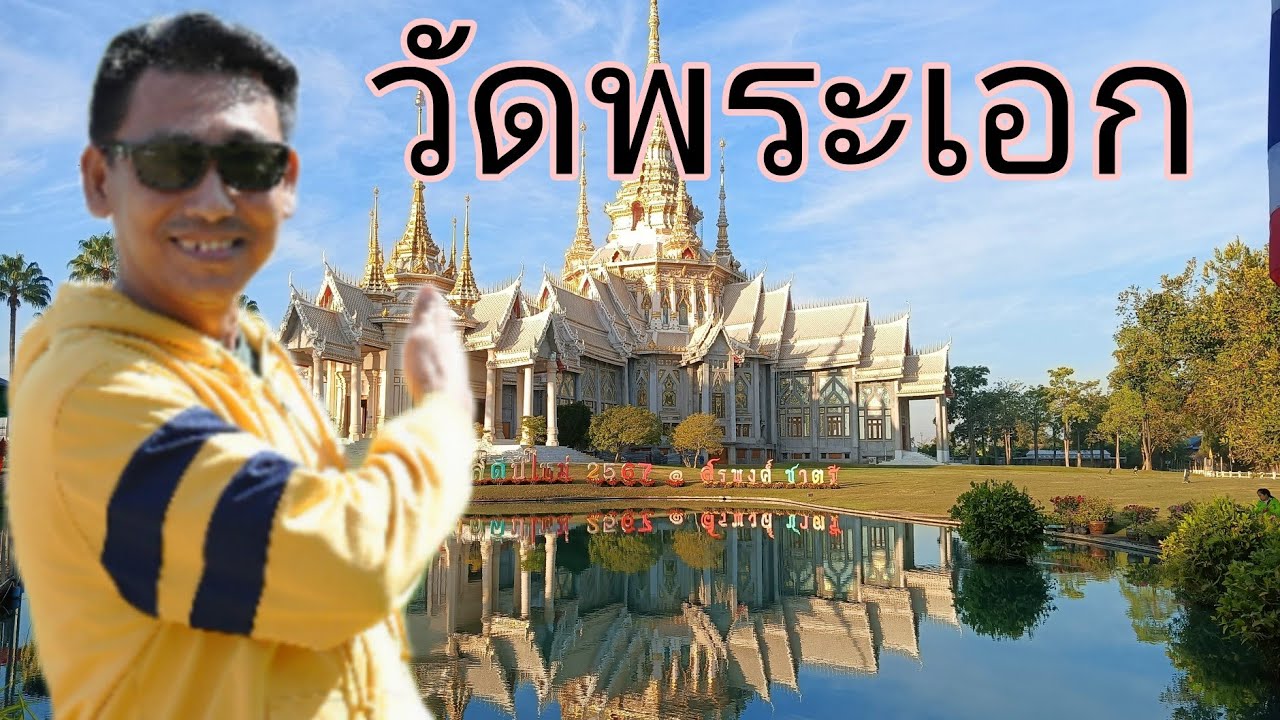
 Click to Access the Navigation Map GPS
Wat Non Kum (Wa Sora Pong) Map
Gellery
Recommend

 Art, Culture and Heritage
 Historical Sites and Monuments(20)
 Landmarks and Memorials(5)
 Art, Craft Centres, Tradition(7)
 Museums(6)
 Art Gallery(1)
 Educational Places
 Educational Gardens, Farm(4)
Temple(29)
Educational Gardens, Farm(4)
Temple(29)
 Mosque(1)
 Other Sacred Sites(6)
 Research and Development
 Royal Project(3)
 Suburban Living
 Village, Community(6)
 Local Market(4)
 Floating Market(1)
 Nature and Wildlife
 National Parks and Marine Reserves(3)
 Mountain (Doi)(5)
 Dam, Reservoir, Lake(8)
 Waterfalls(9)
 Hot Springs(1)
 Caves(2)
 Flower Field(1)
 River, Canal(8)
 Bays and Beaches(2)
 Other natural attractions(3)
 Entertainment and Agricultural
 Zoos and Aquariums(1)
 Animal camps and shows(1)
 Farms, Parks and Ecotourism(21)
 Waterpark(2)
 Outdoor and Adventure Activities(6)
 Shopping
 Shopping and Night Market(2)
 Travel Articles, Recipes
 Travel Review, Food Review(5)


