
lovethailand home >Northeastern Travel Attractions >Nakhon Ratchasima Travel Attractions >Phi Mai >Nikhom Sang Ton Eng > Phet Phimai Vineyard
TL;DR: Phet Phimai Vineyard is located at Ban Nikhom Sang Ton Eng, Sai 4, Soi 2, Nikhom Sang Ton Eng Subdistrict, Phimai District, Nakhon Ratchasima Province, open Daily, hours 08.30 – 16.30.
Phet Phimai Vineyard
Open Days: Daily
Opening Hours: 08.30 – 16.30
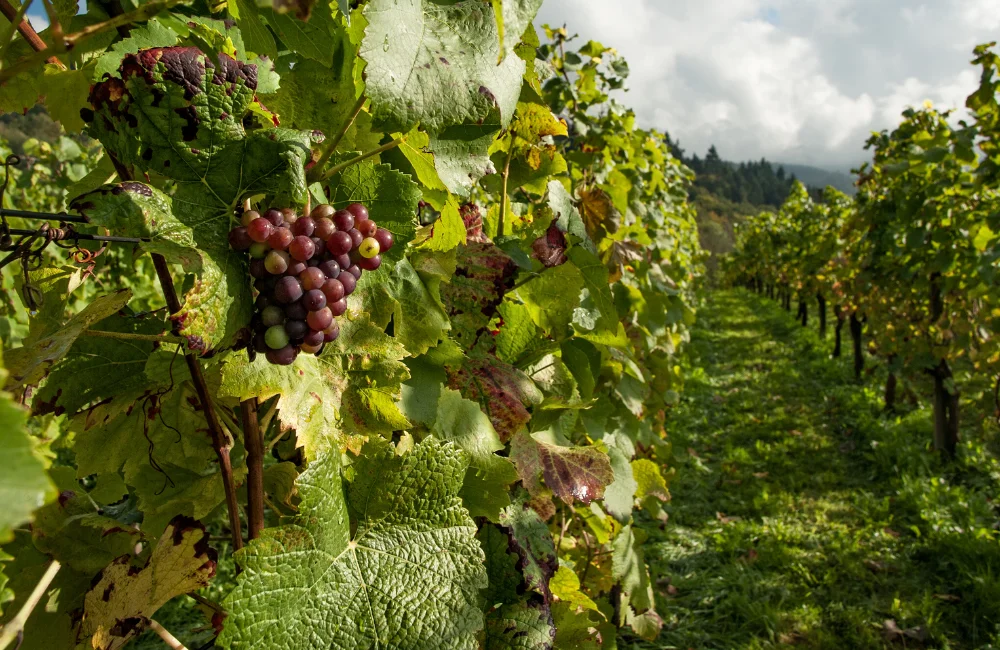
Phet Phimai Vineyard in Nakhon Ratchasima is an agricultural travel destination in Phimai District, located at Ban Nikhom Sang Ton Eng, Sai 4, Soi 2, about 13 km from Phimai town along Highway 2163, the Phimai – Hin Dat route. The vineyard is known as a place where visitors can see grape-growing plots, buy fresh non-toxic grapes, and experience a simple rural farm atmosphere in one of Nakhon Ratchasima’s most historically important districts. Both seeded and seedless grapes are available, and during suitable production periods visitors can enjoy the experience of cutting fresh grapes directly from the vine.
Phet Phimai Vineyard is particularly interesting because it is located in Phimai, a district best known for ancient Khmer heritage and Phimai Historical Park. Most visitors associate Phimai with stone sanctuaries, museums, old temples, and archaeological sites. The vineyard adds another dimension to the district by showing the agricultural life of modern Phimai. A visit here allows travelers to experience both the ancient and present-day identities of the area. In a single trip, visitors can explore one of Thailand’s major historical sites and then continue to a working fruit farm that reflects the everyday productivity of the local community.
The atmosphere of the vineyard is simple, rural, and close to nature. Visitors can see grapevines, growing plots, clusters of fruit, and the layout of a real agricultural site. Grapes require careful management, including soil preparation, watering, pruning, canopy control, disease prevention, and harvesting at the right time. Walking through the vineyard helps visitors understand that a fresh bunch of grapes is the result of continuous care, not simply a product displayed in a market. This makes the vineyard valuable as both a travel stop and a practical agricultural learning site.
One of the most memorable experiences at Phet Phimai Vineyard is the chance to select grapes from the farm during the production season. Freshly cut grapes have a different feeling from grapes that have already passed through long-distance distribution. The freshness, skin texture, aroma, and flavor of fruit enjoyed close to its source create a direct connection between visitors and the farm. Choosing grapes from the vine also makes the experience more personal and memorable, especially for families, children, and travelers who enjoy local food experiences.
The vineyard grows both seeded and seedless grapes, appealing to different preferences. Seeded grapes often offer a fuller traditional fruit experience, while seedless grapes are easy to eat and popular among children, elderly visitors, and travelers who prefer convenience. Seeing different grape types in one farm helps visitors notice differences in fruit size, color, texture, sweetness, and use. This makes the visit more meaningful than simply buying fruit from a shop.
From an agricultural perspective, Phet Phimai Vineyard demonstrates the potential of Phimai as a fruit-growing and learning area. Nakhon Ratchasima has diverse agricultural landscapes, and grape cultivation in this area requires appropriate variety selection, careful farm management, and seasonal planning. The vineyard reflects both farming knowledge and the ability of local growers to develop agricultural tourism from real production areas. It is a good example of how a farm can become a destination without losing its agricultural identity.
The vineyard is suitable for students because it connects with many learning topics: plant science, fruit cultivation, local economy, value-added agriculture, food production, and agricultural tourism. Children and young learners can see grapevines, leaves, flowers, fruit clusters, and harvesting activity in a real setting. This type of field learning helps them understand where food comes from and how much human effort stands behind everyday fruit.
For families, Phet Phimai Vineyard is an easy and relaxed stop. Children can walk through the farm area, adults can buy fresh produce, and the whole family can spend time together in a rural environment. The attraction does not require complicated activities. Its value comes from observing the vines, taking photos, choosing fruit, and enjoying the slow pace of the countryside. This makes it a suitable addition to a Phimai itinerary, especially for visitors who want a softer nature-based experience after exploring historical sites.
In addition to grapes, the agricultural area is associated with other fruits and plants such as dragon fruit, seedless lime, and papaya. This shows that the place is not limited to grapes alone, but functions as a broader agricultural learning area. A variety of crops helps visitors understand how farmers use land productively and how agricultural tourism can be created from more than one type of produce. Fresh fruit, seasonal products, and local farm experiences all contribute to the identity of the vineyard.
Phet Phimai Vineyard can be combined easily with Phimai’s main attractions. Visitors can start with Phimai Historical Park, one of Thailand’s most important Khmer-style stone sanctuaries, continue to Phimai National Museum for archaeological and cultural context, and then travel to the vineyard for a farm experience. This route creates a balanced day trip that includes history, culture, food, and agriculture.
Phimai Historical Park is the most important attraction to pair with the vineyard. It contains Phimai Sanctuary, Naga Bridge, gateways, walls, and Khmer architectural elements that reflect the district’s ancient significance. Visiting the historical park before the vineyard allows travelers to see two identities of Phimai: an ancient city and a living agricultural community. This combination makes the trip richer than visiting only one type of attraction.
Phimai National Museum is another highly recommended stop on the same route. The museum helps explain the civilization of the lower Northeast, Khmer art, ancient artifacts, and archaeological evidence from the Mun River basin. Starting with the museum and historical park, then ending with the vineyard, creates a well-paced itinerary that moves from indoor learning to outdoor heritage and finally to agricultural relaxation.
Sai Ngam is also a suitable nearby attraction to combine with the vineyard. It is known for its large old banyan trees, shaded atmosphere, and relaxing riverside environment. Travelers who want a slower pace after visiting historical sites can stop at Sai Ngam for rest, local food, and photographs before continuing to the vineyard or returning to Phimai town. This route is suitable for families and elderly travelers because it includes both walking areas and rest areas.
Getting There from Phimai town is straightforward. Take Highway 2163, the Phimai – Hin Dat route, for about 13 km toward Ban Nikhom Sang Ton Eng, Sai 4, Soi 2. There are directional signs leading into the vineyard. Private car is the most convenient option because the vineyard is located in an agricultural area outside the main town center. Travelers coming from Nakhon Ratchasima city can first drive to Phimai District and then continue along the Phimai – Hin Dat route. Groups may find it easier to use a van or arranged transport when combining several attractions in one day.
The best vineyard experience depends on the production season. The farm atmosphere changes according to the grape-growing cycle. During fruiting periods, visitors can see grape clusters clearly and enjoy fruit selection. During pruning, maintenance, or preparation periods, the vineyard may look different but still provides agricultural learning value. Visitors who specifically want to cut grapes from the vine should check the fruiting condition before traveling.
Visitors should prepare for outdoor walking. A hat, umbrella, comfortable shoes, drinking water, and containers for purchased fruit can make the visit easier. Since this is a real agricultural space, visitors should walk only in permitted areas, avoid picking fruit without permission, avoid touching grape clusters too roughly, avoid stepping into planting plots, and keep the farm clean. Responsible behavior helps protect the crops and allows the vineyard to continue welcoming visitors.
For those who want to buy fresh grapes, the appeal lies in knowing the source of the fruit. Buying directly from the vineyard allows visitors to see where the grapes are grown and select produce close to its origin. During suitable periods, visitors may choose grapes from the vine or buy fruit prepared by the farm. This supports local growers directly and strengthens the connection between agricultural production and tourism.
For international travelers, Phet Phimai Vineyard offers a different view of Thailand. Instead of beaches, temples, or major cities, visitors see rural agriculture in the Northeast and the way a historical district also maintains productive community life. Phimai is not only an ancient town. It is also a living district with farms, food, local people, and travel routes that connect heritage with present-day culture. The vineyard gives foreign visitors an accessible way to understand this broader identity.
Food is another important part of a Phimai trip. After visiting the vineyard, travelers can return to Phimai town for local restaurants, Thai food, Isan food, cafés, and places near the historical park. Phimai-style stir-fried noodles, often associated with the wider Korat food culture, are a useful local dish to include in the trip. Combining the vineyard with a local meal makes the journey feel more complete and supports businesses in the district.
Accommodation is available in Phimai town for travelers who want a relaxed itinerary. Staying in Phimai is convenient for visiting the historical park, museum, local restaurants, Sai Ngam, and the vineyard without rushing. Travelers who prefer more urban services can stay in Nakhon Ratchasima city and visit Phimai as a day trip. The best choice depends on the travel plan. Those who want to focus deeply on Phimai should stay in the district, while those visiting multiple districts of Korat may prefer the city.
Phet Phimai Vineyard is best experienced slowly. Its value is not in a quick photo stop, but in walking, observing, tasting, and understanding a farm environment. Visitors should take time to look at the planting plots, notice the grape clusters, speak with staff when available, and choose produce with care. This slower approach makes even a modest agricultural site feel meaningful and helps travelers understand Phimai beyond its ancient stone sanctuary.
A practical one-day route can begin with Phimai Historical Park in the morning, followed by Phimai National Museum or Wat Doem, lunch in Phimai town, and an afternoon visit to Phet Phimai Vineyard. Before returning, visitors can stop at Sai Ngam or a local restaurant. This itinerary gives a balanced experience of history, culture, food, nature, and agriculture in one day.
For an overnight route, travelers can spend the first day exploring Phimai town, the historical park, museum, Wat Doem, and Sai Ngam, then stay overnight in Phimai. The next morning can be dedicated to Phet Phimai Vineyard and nearby agricultural areas. This approach is suitable for travelers who do not want to rush and who want to see both morning and evening atmospheres around the ancient town.
From a local economic perspective, Phet Phimai Vineyard is an example of how agricultural produce can become a travel experience. The vineyard does not create value only from selling fruit. It also creates value through farm visits, fruit selection, seasonal products, and the movement of visitors into nearby communities. Restaurants, accommodation, local shops, and nearby attractions can all benefit when travelers include the vineyard in their route.
The vineyard is easy to appreciate even for visitors without agricultural knowledge. Walking among grapevines, seeing fruit clusters, enjoying the farm atmosphere, and buying fresh grapes are simple experiences that most travelers can enjoy. At the same time, those who are more interested in farming can use the vineyard as a starting point to understand grape cultivation, fruit-farm management, and agricultural tourism in northeastern Thailand.
Overall, Phet Phimai Vineyard is a meaningful agricultural attraction that adds variety to travel in Phimai. In one trip, visitors can explore ancient Khmer heritage, learn from museum collections, relax under the shade of Sai Ngam, enjoy local food, and visit a vineyard to buy fresh grapes from the farm. The strength of the vineyard is not only the fruit itself, but the way it connects agriculture with a living historical town.
Phet Phimai Vineyard is therefore suitable for travelers who want to see a different side of Phimai beyond stone sanctuaries and museums. It is simple, educational, and rooted in local production. Families, fruit lovers, students, agricultural travelers, community-based tourists, and international visitors can all enjoy the experience. When included with Phimai’s major attractions, the vineyard helps create a fuller Korat travel route that brings together history, food, farming, and local life.
| Name | Phet Phimai Vineyard |
| Location | Ban Nikhom Sang Ton Eng, Sai 4, Soi 2, Nikhom Sang Ton Eng Subdistrict, Phimai District, Nakhon Ratchasima Province |
| Address | Ban Nikhom Sang Ton Eng, Sai 4, Soi 2, Nikhom Sang Ton Eng Subdistrict, Phimai District, Nakhon Ratchasima 30110, Thailand |
| Highlights | Fresh non-toxic grapes, seeded and seedless varieties, grape viewing, and grape cutting from the vine during production periods |
| History / Importance | An agricultural attraction in Phimai District that connects fruit farming with the travel route of one of Nakhon Ratchasima’s major historical towns |
| Name Origin | The name Phet Phimai reflects the vineyard’s connection with Phimai District in Nakhon Ratchasima Province |
| Distinctive Features | A vineyard in Phimai offering fresh grapes, a farm atmosphere, and an agricultural learning experience linked to the historic Phimai travel route |
| Travel Information | From Phimai town, take Highway 2163 on the Phimai – Hin Dat route for about 13 km to Ban Nikhom Sang Ton Eng, Sai 4, Soi 2. Directional signs lead into the vineyard. |
| Current Status | Open to visitors daily |
| Open Days | Daily |
| Opening Hours | 08.30 – 16.30 |
| Facilities | Vineyard viewing area, grape planting plots, fresh grape sales area, seasonal agricultural produce, and fruit-farm learning area |
| Main Areas / Zones | Seeded grape plots, seedless grape plots, vine-cutting area, fresh grape sales area, and additional agricultural areas with fruits such as dragon fruit, seedless lime, and papaya |
| Caretaker | Phet Phimai Vineyard |
| Nearby Tourist Attractions | 1. Phimai Historical Park, about 13 km, Tel. 044-471568 2. Phimai National Museum, about 13 km, Tel. 044-471167 3. Wat Doem, Phimai, about 13 km 4. Meru Brahmathat Historical Site, about 13 km 5. Sai Ngam, about 15 km 6. Thung Samrit Memorial, about 16 km 7. Nakhon Ratchasima City, about 65 km |
| Nearby Restaurants | 1. Pornsin Thai-Isan Restaurant, about 13 km, Tel. 081-879-4179, 081-976-4252 2. Phimai Ahan Pa & German Steak, about 13 km, Tel. 092-373-7385 3. Or Kung Phao Phimai Branch, about 13 km, Tel. 082-135-9345 4. Krua Pa Aew Phimai, about 13 km, Tel. 086-252-0959 5. Termsuk Na Phimai, about 13 km, Tel. 083-732-1144 6. Krut Kai Yang Phimai, about 13 km, Tel. 081-186-7908 |
| Nearby Accommodations | 1. Phimai Paradise Hotel, about 13 km, Tel. 044-287-565, 044-471-575 2. Phimai Inn Hotel, about 14 km, Tel. 044-471-175 3. Pornsin Guesthouse, about 13 km, Tel. 081-879-4179 4. Moon River Resort Phimai, about 15 km, Tel. 061-423-6939 5. Accommodations in Phimai town, about 13 km 6. Accommodations in Nakhon Ratchasima city, about 65 km |
Frequently Asked Questions (FAQ)
Q: Where is Phet Phimai Vineyard located?
A: Phet Phimai Vineyard is located at Ban Nikhom Sang Ton Eng, Sai 4, Soi 2, Nikhom Sang Ton Eng Subdistrict, Phimai District, Nakhon Ratchasima Province, about 13 km from Phimai town.
Q: What are the opening days and hours of Phet Phimai Vineyard?
A: The vineyard is open daily from 08.30 to 16.30.
Q: What can visitors do at Phet Phimai Vineyard?
A: Visitors can see grape-growing plots, buy fresh non-toxic grapes, and cut grapes from the vine during suitable production periods.
Q: How do travelers get to Phet Phimai Vineyard?
A: From Phimai town, take Highway 2163 on the Phimai – Hin Dat route for about 13 km to Ban Nikhom Sang Ton Eng, Sai 4, Soi 2. Directional signs lead into the vineyard.
Q: Who is Phet Phimai Vineyard suitable for?
A: It is suitable for families, children, students, agricultural travelers, fruit lovers, and visitors who want to experience a nature-based side of Phimai.
Q: What nearby attractions can be visited with Phet Phimai Vineyard?
A: Nearby attractions include Phimai Historical Park, Phimai National Museum, Wat Doem, Meru Brahmathat Historical Site, Sai Ngam, and Thung Samrit Memorial.
Q: When is the best time to visit Phet Phimai Vineyard?
A: The best time is during the grape production period and during cooler parts of the day, such as morning or late afternoon, for comfortable walking, fruit buying, and photography.
 Category: ●Entertainment and Agricultural
 Group: ●Farms, Parks and Ecotourism
Last Update : 2 MonthAgo
 Last Update : 2 MonthAgo
 Click to Access the Navigation Map GPS
Phet Phimai Vineyard Map
Recommend

 Art, Culture and Heritage
 Historical Sites and Monuments(20)
 Landmarks and Memorials(5)
 Art, Craft Centres, Tradition(7)
 Museums(6)
 Art Gallery(1)
 Educational Places
 Educational Gardens, Farm(4)
 Places of Worship
 Temple(29)
 Mosque(1)
 Other Sacred Sites(6)
 Research and Development
 Royal Project(3)
 Suburban Living
 Village, Community(6)
 Local Market(4)
 Floating Market(1)
 Nature and Wildlife
 National Parks and Marine Reserves(3)
 Mountain (Doi)(5)
 Dam, Reservoir, Lake(8)
 Waterfalls(9)
 Hot Springs(1)
 Caves(2)
 Flower Field(1)
 River, Canal(8)
 Bays and Beaches(2)
 Other natural attractions(3)
 Zoos and Aquariums(1)
 Animal camps and shows(1)
Farms, Parks and Ecotourism(21)
Animal camps and shows(1)
Farms, Parks and Ecotourism(21)
 Waterpark(2)
 Outdoor and Adventure Activities(6)
 Shopping
 Shopping and Night Market(2)
 Travel Articles, Recipes
 Travel Review, Food Review(5)


