
lovethailand home >Northeastern Travel Attractions >Nakhon Ratchasima Travel Attractions >Wang Nam Khieo >Wang Nam Khieo > Khun Suchada Anthurium Garden
TL;DR: Khun Suchada Anthurium Garden is located at Ban Khao Phaeng Ma, Wang Nam Khiao District, Nakhon Ratchasima Province, open Daily, hours 08.30 – 16.30.
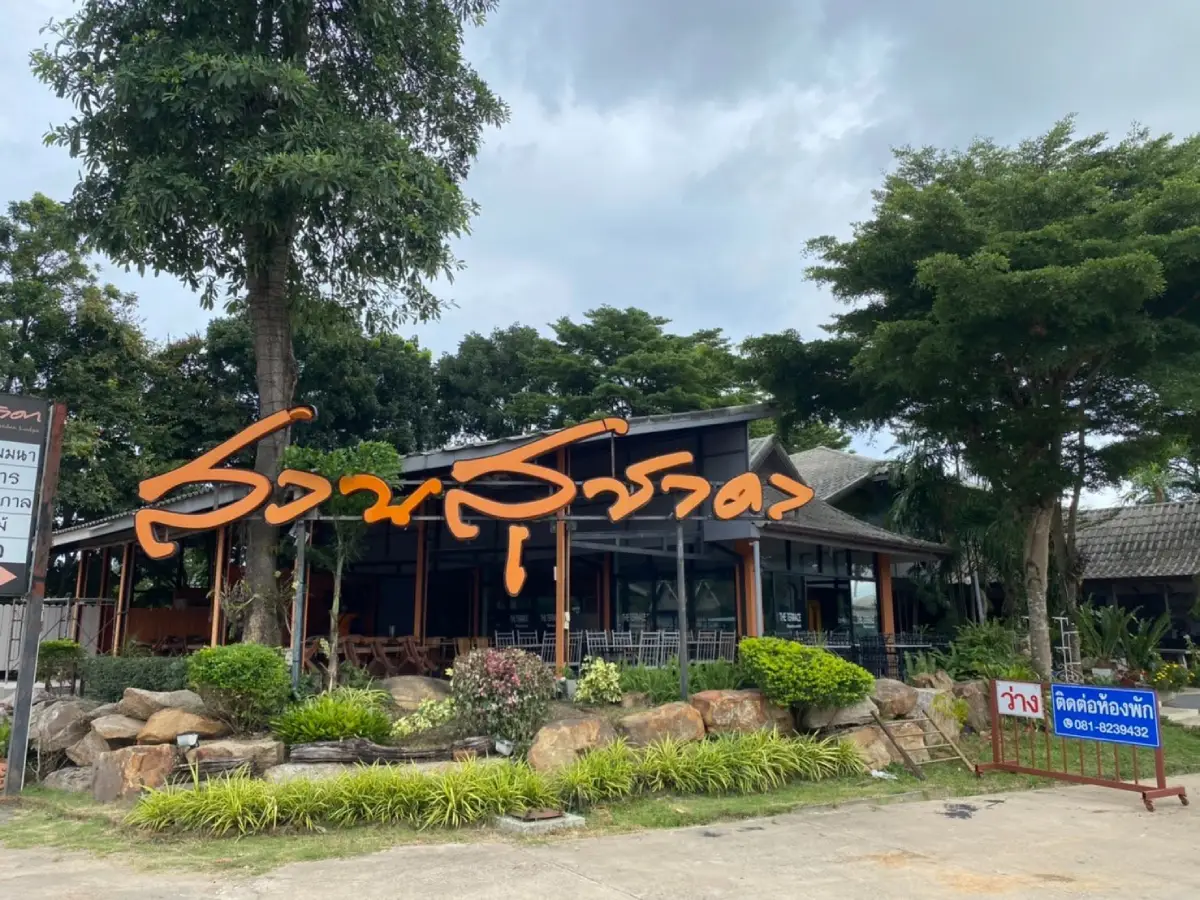
Khun Suchada Anthurium Garden
Open Days: Daily
Opening Hours: 08.30 – 16.30
Khun Suchada Anthurium Garden in Nakhon Ratchasima is a specialized flower garden in Wang Nam Khiao District, located at 116 Moo 4, Ban Khao Phaeng Ma. The garden sits along the local route connected with Chao Pho Luang Rat Shrine, Wat Khao Phaeng Ma, and the natural landscape of Khao Phaeng Ma. Its main identity is the cultivation of many anthurium varieties from the Netherlands, with flowers in red, white, green, purple, light green, and emerald green. The garden gives visitors a close look at ornamental flower farming in a highland community of Wang Nam Khiao, making it suitable for flower lovers, photographers, agricultural travelers, and international visitors who want to experience a quieter and more specialized side of Nakhon Ratchasima.
The charm of Khun Suchada Anthurium Garden lies in its clear identity as a specialized ornamental flower garden. Anthurium is different from many common flowers because the part most people notice is a glossy, colorful spathe that often looks heart-shaped or oval, with a central spadix rising from it. The flower has a long-lasting, elegant appearance and is widely used in flower arrangements, hotel decoration, restaurants, resorts, reception areas, and home interiors. Seeing anthuriums in a growing garden gives a deeper experience than seeing them only as cut flowers in a vase, because visitors can observe the leaves, stems, growing system, and care environment behind each finished bloom.
Ban Khao Phaeng Ma is part of Wang Nam Khiao’s distinctive highland landscape. The area is associated with mountains, cool air, forest routes, local agriculture, and wildlife-viewing points. Many travelers know Khao Phaeng Ma for nature and gaur watching, but the surrounding communities also contain small farms, ornamental gardens, vegetable plots, mushroom farms, and local agricultural businesses. Khun Suchada Anthurium Garden adds another dimension to this setting by showing that Wang Nam Khiao is not only a mountain and viewpoint destination, but also a place where specialized flower farming can develop within a rural community.
Growing anthuriums requires more than simply planting attractive flowers. The plant responds strongly to light, moisture, air circulation, growing material, root health, and watering balance. Anthuriums generally prefer filtered light, appropriate humidity, and well-drained growing conditions. Strong sunlight can damage leaves and spathes, while excessive moisture can create root problems. In Wang Nam Khiao, growers must balance the advantages of cooler highland air with careful control of shade, moisture, and ventilation inside the garden. This makes the garden useful as a learning space for people interested in ornamental plant cultivation.
The Dutch anthurium varieties grown here are interesting because the Netherlands is internationally known for flower breeding, ornamental plant technology, and high-quality horticulture. Bringing these varieties into a Thai highland setting creates a connection between international flower knowledge and local Thai farming practice. Red anthuriums feel bold and elegant, white flowers appear clean and refined, green flowers look modern and unusual, purple flowers create a deeper tone, while light green and emerald green varieties give the garden a distinctive personality. These colors make the garden visually appealing without needing a large-scale flower field.
Visiting an anthurium garden feels different from walking through a wide outdoor flower field. The beauty of anthurium is best appreciated up close. Visitors can observe the shine of the spathe, the curve of the flower shape, the richness of the leaves, the differences between colors, and the neat arrangement of plants. The garden does not rely on a dramatic mass-bloom effect. Instead, it offers quiet detail, refined color, and the elegance of ornamental plants. This makes it especially suitable for visitors who enjoy close observation and photography of flowers.
From an agricultural point of view, anthurium has value because of its long-lasting cut flower quality and flexible use in decoration. A single anthurium stem can be used in a minimalist vase arrangement, combined with dark green leaves, or mixed with other flowers for a more dramatic display. Its strong shape makes it popular in hotels, restaurants, spas, event spaces, and modern interiors. Growing anthuriums is therefore not only about garden beauty; it is connected with the cut-flower market, interior design, hospitality, and floral business.
Khun Suchada Anthurium Garden is also meaningful as an example of local farmers developing a specialized flower crop into a small agritourism destination. Producing quality ornamental flowers requires repeated observation, experimentation, and care. Growers must adjust light, water, growing materials, disease control, spacing, and harvesting methods. When a garden produces healthy plants and attractive flowers consistently, it can become a place for production, learning, and tourism at the same time. This is one of the strengths of agricultural tourism in Wang Nam Khiao.
Travel sources describe the garden as having received a first prize award at an agricultural promotion fair. This helps show that the garden’s anthurium cultivation has been recognized for quality and distinctiveness. Such recognition gives the place more weight as a serious ornamental flower garden rather than a casual local stop. Visitors interested in plants can view the garden as a place shaped by the grower’s skill, experience, and knowledge of flower production.
Some travel sources also mention that the garden has grown selected grape varieties, both seeded and seedless, as well as orchids such as cattleya and phalaenopsis in some areas. This broadens the garden’s character beyond anthuriums alone. Orchids and anthuriums share a need for careful environmental control, shade, moisture, and growing media. Seeing more than one type of ornamental plant in the same setting helps visitors understand that flower farming is a detailed field of agriculture requiring both practical skill and visual sensitivity.
For families, the garden can serve as a simple outdoor learning space. Children can see that flowers used in hotels, homes, and flower shops come from real plants that need roots, leaves, water, filtered light, and human care. Parents can explain flower colors, plant parts, and respectful behavior in a garden. A visit like this helps children understand that beauty in nature is connected with farming, patience, and careful maintenance.
For photographers, anthuriums provide a different visual experience from large flower fields. Good photographs often come from close-up details: the glossy surface of a red spathe, the contrast between white flowers and dark green leaves, the unusual tone of green anthuriums, or a portrait framed by ornamental plants. The garden is suitable for close-up flower photography, travel portraits, and story-based images of a specialized flower-growing space.
The route to the garden is distinctive. From the right-hand junction at Chao Pho Luang Rat Shrine, travelers continue toward Ban Khao Phaeng Ma for about 4 km, then turn right toward Wat Khao Phaeng Ma and continue along a dirt road for about 1 km. This route places the garden naturally within the Khao Phaeng Ma travel area. Visitors heading to Khao Phaeng Ma, Wat Khao Phaeng Ma, or nearby nature areas can include the garden in the same route.
Getting There is most convenient by private car, rental car, or arranged local transport. From Nakhon Ratchasima city, take Highway 304 toward Wang Nam Khiao. Continue into Wang Nam Khiao Subdistrict and use Chao Pho Luang Rat Shrine as the main landmark. Turn toward Ban Khao Phaeng Ma for about 4 km, then turn right toward Wat Khao Phaeng Ma and continue for about 1 km on a dirt-road section to reach the garden. From Bangkok, travelers can use the Ongkharak – Nakhon Nayok – Prachin Buri – Kabin Buri route and continue on Highway 304 toward Wang Nam Khiao.
The access route includes local roads and a dirt section, giving the journey a stronger sense of entering a rural farming area rather than a large commercial attraction. The surrounding mountains, small roads, and community landscape are part of the experience. Travelers gradually leave the main road and move into the quieter environment of Ban Khao Phaeng Ma, where agriculture, homes, shrines, temples, and natural scenery form the local identity.
Khao Phaeng Ma is the most closely connected nearby attraction. The garden is located in Ban Khao Phaeng Ma and uses the route near Wat Khao Phaeng Ma. Khao Phaeng Ma is known for nature, forest scenery, and gaur-viewing opportunities during suitable periods. Combining the anthurium garden with Khao Phaeng Ma gives visitors both the softer side of Wang Nam Khiao through flowers and the wilder side through mountains and wildlife landscapes.
Chao Pho Luang Rat Shrine is also important because it serves as the main landmark for the garden route. The shrine and the Khao Phaeng Ma road reflect the relationship between local belief, community routes, and daily life in Wang Nam Khiao. Starting the route from the shrine gives the journey a community context rather than making it feel like a simple map-based drive.
A half-day route can begin with the garden in the morning, followed by Khao Phaeng Ma or Wat Khao Phaeng Ma, and then lunch in Wang Nam Khiao. A full-day route can add Wang Nam Khiao Farm, Montana Farm, Pha Kep Tawan, Flora Park, or Village Farm & Winery. This creates a varied itinerary with ornamental flowers, mushroom farms, animal farms, viewpoints, seasonal flower gardens, and vineyards within the Wang Nam Khiao area.
The most pleasant time to visit a flower garden is usually morning or late afternoon. Anthurium has a glossy surface, so very harsh sunlight can create strong reflections in photographs. Morning light brings softer colors and a fresher garden atmosphere, while late afternoon light gives a warmer tone. Visiting during the published opening hours allows time to walk, take photos, and learn about the flowers from the caretaker.
Good garden etiquette is important because anthurium spathes and leaves can bruise or mark easily. Visitors should walk only in areas open for viewing, avoid picking flowers, avoid touching the spathes too strongly, avoid moving pots, avoid stepping into growing areas, and keep the garden clean. Families with children should supervise them closely. Respectful behavior helps preserve the plants and keeps the garden pleasant for future visitors.
For visitors interested in buying flowers or learning about anthurium cultivation, seeing a real growing garden is more useful than reading general information. A grower can explain growing media, shade, humidity, watering, leaf care, flower cutting, and plant arrangement under Thai conditions. This is valuable for hobby growers, home gardeners, ornamental plant lovers, and people interested in developing flower cultivation as a small business.
From a local economic perspective, Khun Suchada Anthurium Garden shows how a specialized flower crop can become a small tourism asset. Quality ornamental flowers can generate income through cut flowers, plants, growing knowledge, and garden visits. When visitors come to the area, nearby restaurants, accommodation, cafés, and attractions also benefit. Agricultural tourism therefore helps create more diverse income opportunities for local communities.
For international travelers, the garden offers a more detailed view of Thailand than the standard image of beaches, temples, cities, or national parks. It shows ornamental flower farming in a mountain community of northeastern Thailand. Foreign visitors can see how imported flower varieties from the Netherlands are adapted to a Thai highland setting and how a small local garden can become a cultural and agricultural point of interest.
Anthurium is familiar in many countries because it is used in hotels, resorts, restaurants, offices, and modern floral arrangements. In Ban Khao Phaeng Ma, this familiar flower gains a local Thai context through mountain air, rural roads, community farming, and the care of a local grower. The result is a destination that feels both recognizable and distinctive, especially for travelers who enjoy plants and meaningful small-scale attractions.
Nearby dining options support a flexible Wang Nam Khiao trip. Wang Nam Khiao Coffee Roasting is suitable for coffee and a community atmosphere. Wang Nam Khiao Farm connects with mushroom products and farm-based food. Krua Ton Sai serves Thai dishes in the Wang Nam Khiao area. Patta Wang Nam Khiao offers a wider restaurant-style menu on the main road, while Na Siri Wang Nam Khiao and Suan Mae Mon Farm & Cafe provide additional choices for visitors continuing through the district.
Accommodation is available in several nearby zones. Travelers who want to stay near Khao Phaeng Ma and central Wang Nam Khiao can choose lodging in Wang Nam Khiao Subdistrict. Those who want a community or farm atmosphere can stay around Thai Samakkhi and Ban Suk Somboon. Mountain-view resorts and countryside properties such as Baan Lom Nao, Phupraewprow Resort, Veravian Resort, Kiangmok Chalet, and Village Farm & Winery can fit different travel styles depending on the route.
Overall, Khun Suchada Anthurium Garden is a small but meaningful agritourism destination in Wang Nam Khiao. Its value comes from Dutch anthurium varieties, distinctive flower colors, the grower’s skill, the Khao Phaeng Ma route, and the garden’s identity as a specialized ornamental flower site. It is suitable for flower lovers, photographers, families, ornamental plant growers, agricultural travelers, and international visitors who want to see a quiet, detailed, and locally rooted side of Nakhon Ratchasima.
When combined with Khao Phaeng Ma, Chao Pho Luang Rat Shrine, Wang Nam Khiao Farm, Pha Kep Tawan, Montana Farm, and Flora Park, the garden adds a softer and more refined layer to a Wang Nam Khiao itinerary. The route can include flowers, mountains, wildlife landscapes, farms, food, and local communities in one journey. Khun Suchada Anthurium Garden therefore helps show that Nakhon Ratchasima is not only about viewpoints and large attractions, but also about small gardens where agricultural knowledge, beauty, and local dedication are clearly visible.
| Name | Khun Suchada Anthurium Garden |
| Location | Ban Khao Phaeng Ma, Wang Nam Khiao District, Nakhon Ratchasima Province |
| Address | 116 Moo 4, Ban Khao Phaeng Ma, Wang Nam Khiao District, Nakhon Ratchasima, Thailand |
| Highlights | A specialized anthurium garden growing Dutch varieties in red, white, green, purple, light green, and emerald green, suitable for flower viewing, photography, and learning about ornamental flower cultivation in Wang Nam Khiao |
| History / Importance | A specialized ornamental flower garden in Ban Khao Phaeng Ma, previously recognized with a first prize at an agricultural promotion fair, and an example of quality anthurium cultivation in Wang Nam Khiao |
| Name Origin | Named after Khun Suchada Losakulsin, the garden caretaker and visit coordinator |
| Distinctive Features | Dutch anthurium varieties in several colors, a local flower-growing atmosphere in Ban Khao Phaeng Ma, and additional information about selected grapes and some orchid cultivation within the garden area |
| Travel Information | From Chao Pho Luang Rat Shrine, turn toward Ban Khao Phaeng Ma for about 4 km, then turn right toward Wat Khao Phaeng Ma and continue on a dirt-road section for about 1 km. Private car, rental car, or arranged local transport is recommended. |
| Current Status | Open daily according to currently published travel information, with advance contact used for garden visits |
| Open Days | Daily |
| Opening Hours | 08.30 – 16.30 |
| Facilities | Anthurium viewing area, ornamental flower plots, photo areas, anthurium cultivation learning area, seasonal flower or garden product sales area, and parking space within the garden setting |
| Main Areas / Zones | Red Anthurium Zone, White Anthurium Zone, Green Anthurium Zone, Purple Anthurium Zone, Light Green And Emerald Green Anthurium Zone, Anthurium Growing Learning Zone, Flower And Orchid Area, Selected Grape Area, and Garden Photo Area |
| Caretaker / Coordinator | Khun Suchada Losakulsin |
| Main Contact Number | 081-652-5404, 081-823-9432 |
| Nearby Tourist Attractions | 1. Chao Pho Luang Rat Shrine, about 5 km 2. Khao Phaeng Ma Non-Hunting Area, about 6 km, Tel. 081-911-2945 3. Wang Nam Khiao Farm (Mr. Mushroom), about 10 km, Tel. 044-228991, 044-228992, 081-001-1555 4. Montana Farm Wang Nam Khiao, about 15 km, Tel. 044-228376, 098-345-1900 5. Pha Kep Tawan, Thap Lan National Park, about 22 km, Tel. 037-210340 6. Flora Park Wang Nam Khiao, about 24 km, Tel. 089-812-8851 7. Village Farm & Winery, about 25 km, Tel. 081-877-3711 |
| Nearby Restaurants | 1. Wang Nam Khiao Coffee Roasting, about 8 km, Tel. 089-054-6619 2. Wang Nam Khiao Farm (Mr. Mushroom), about 10 km, Tel. 044-228991, 044-228992, 081-001-1555 3. Krua Ton Sai Wang Nam Khiao, about 13 km, Tel. 099-426-2359 4. Patta Wang Nam Khiao, about 15 km, Tel. 065-945-5168 5. Na Siri Wang Nam Khiao, about 17 km, Tel. 088-354-0980 6. Suan Mae Mon Farm And Cafe, about 20 km, Tel. 080-024-8434 |
| Nearby Accommodations | 1. Baan Lom Nao Wang Nam Khiao, about 8 km, Tel. 064-553-5691, 064-554-6591 2. Phupraewprow Resort, about 13 km, Tel. 089-844-8895 3. Veravian Resort Wang Nam Khiao, about 16 km, Tel. 083-111-5678, 083-111-6789 4. Kiangmok Chalet, about 18 km, Tel. 081-611-5515, 080-210-8033 5. Village Farm & Winery, about 25 km, Tel. 081-877-3711 6. Accommodations In Central Wang Nam Khiao And Thai Samakkhi Area, about 10 km |
Frequently Asked Questions (FAQ)
Q: Where Is Khun Suchada Anthurium Garden Located?
A: Khun Suchada Anthurium Garden is located at 116 Moo 4, Ban Khao Phaeng Ma, Wang Nam Khiao District, Nakhon Ratchasima Province, near Chao Pho Luang Rat Shrine, Wat Khao Phaeng Ma, and Khao Phaeng Ma.
Q: What Are The Opening Days And Hours?
A: The garden is open daily from 08.30 to 16.30, with advance contact used for garden visits.
Q: What Makes Khun Suchada Anthurium Garden Interesting?
A: The garden grows several Dutch anthurium varieties in red, white, green, purple, light green, and emerald green, creating a specialized ornamental flower experience in Wang Nam Khiao.
Q: What Colors Of Anthurium Can Visitors See?
A: Visitors can see anthuriums in red, white, green, purple, light green, and emerald green, depending on the plants available during the visit.
Q: How Do Travelers Get To The Garden?
A: From Chao Pho Luang Rat Shrine, turn toward Ban Khao Phaeng Ma for about 4 km, then turn right toward Wat Khao Phaeng Ma and continue on a dirt-road section for about 1 km to reach the garden.
Q: What Nearby Attractions Can Be Visited With The Garden?
A: Nearby places include Chao Pho Luang Rat Shrine, Khao Phaeng Ma Non-Hunting Area, Wang Nam Khiao Farm, Montana Farm, Pha Kep Tawan, Flora Park Wang Nam Khiao, and Village Farm & Winery.
Q: Who Is This Garden Suitable For?
A: It is suitable for flower lovers, families, photographers, ornamental plant growers, agricultural travelers, and international visitors who want to see specialized flower farming in Wang Nam Khiao.
 Category: ●Entertainment and Agricultural
 Group: ●Farms, Parks and Ecotourism
Last Update : 2 MonthAgo
 Last Update : 2 MonthAgo
 Click to Access the Navigation Map GPS
Khun Suchada Anthurium Garden Map
Recommend

 Art, Culture and Heritage
 Historical Sites and Monuments(20)
 Landmarks and Memorials(5)
 Art, Craft Centres, Tradition(7)
 Museums(6)
 Art Gallery(1)
 Educational Places
 Educational Gardens, Farm(4)
 Places of Worship
 Temple(29)
 Mosque(1)
 Other Sacred Sites(6)
 Research and Development
 Royal Project(3)
 Suburban Living
 Village, Community(6)
 Local Market(4)
 Floating Market(1)
 Nature and Wildlife
 National Parks and Marine Reserves(3)
 Mountain (Doi)(5)
 Dam, Reservoir, Lake(8)
 Waterfalls(9)
 Hot Springs(1)
 Caves(2)
 Flower Field(1)
 River, Canal(8)
 Bays and Beaches(2)
 Other natural attractions(3)
 Zoos and Aquariums(1)
 Animal camps and shows(1)
Farms, Parks and Ecotourism(21)
Animal camps and shows(1)
Farms, Parks and Ecotourism(21)
 Waterpark(2)
 Outdoor and Adventure Activities(6)
 Shopping
 Shopping and Night Market(2)
 Travel Articles, Recipes
 Travel Review, Food Review(5)


