
lovethailand home >Northeastern Travel Attractions >Kalasin Travel Attractions >Na Ku >Na Ku > Tham Seri Thai
TL;DR: Tham Seri Thai is located at Ban Chat, Na Khu District, Kalasin Province, open Daily, hours 08.30 – 16.30.
Tham Seri Thai
Open Days: Daily
Opening Hours: 08.30 – 16.30
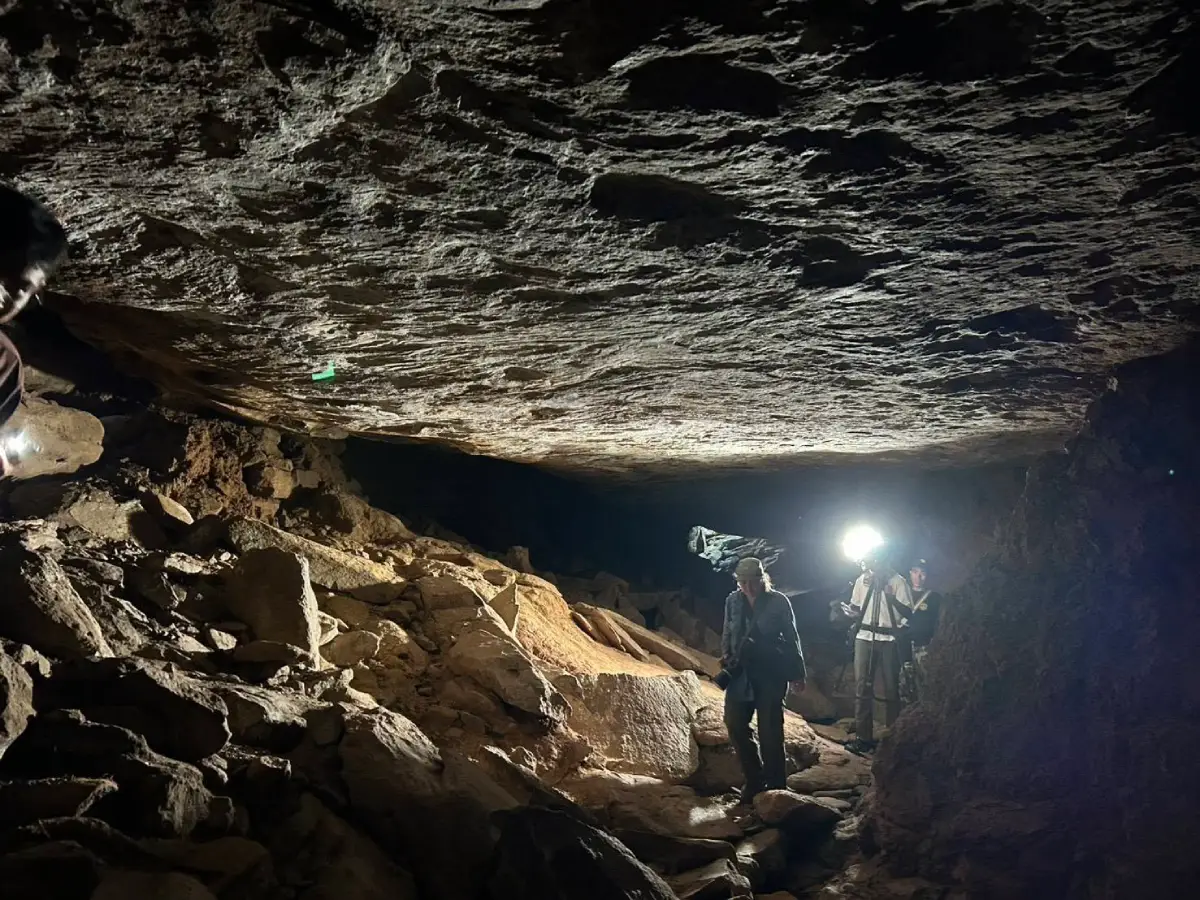
Tham Seri Thai in Kalasin Province is a natural cave and historical travel site located near Ban Chat, Na Khu District, on the Phu Phan mountain range. The cave is associated with local stories about the Free Thai Movement during World War II. According to community memory, the cave and surrounding forest may have been used as a hidden place for supplies, weapons, or wartime materials sent by the Allied forces to support Free Thai operations in northeastern Thailand. Although the cave is modest in physical size, its significance comes from the way it connects local geography, wartime history, oral tradition, and the forest landscape of Phu Phan.
Tham Seri Thai is suitable for travelers who are interested in World War II history, hidden wartime routes, community legends, and nature-based exploration. Older tourism information describes the cave as being about 3 meters deep and believed to have been used as a hiding place by soldiers in the past. Later local exploration around Ban Chat identified a cave in the Phu Phan forest that villagers associate with the storage of weapons and provisions during World War II. Because of this layered background, visitors should understand the site as both a small natural cave and a historical memory site connected with the Free Thai Movement.
The cave lies in the forested area of Ban Chat, Na Khu District, Kalasin Province, near the border zone between Kalasin and Sakon Nakhon. Access begins from the rural road route known as Kalasin Road 4001, branching from Highway 2291 toward Ban Chat and Ban Khok Klang. From the roadside access point, visitors walk for about 20 to 30 minutes through natural terrain before reaching the cave area. This is not a fully commercialized attraction with paved walkways and complete tourist facilities. A visit requires preparation, local guidance, and an understanding that the cave is part of a forest landscape.
The charm of Tham Seri Thai comes from the combination of a simple natural cave and a serious historical story. The cave is not famous for a huge chamber or dramatic limestone formations. Instead, it is valued because of its secluded position in the forest, a location that matches stories of concealment during wartime. The natural setting helps visitors imagine why this kind of place could have been useful in the past. Dense forest, rocks, narrow access, and hidden terrain would have helped keep movements and supplies out of sight during a time of conflict.
The historical background of the cave is linked to the Free Thai Movement, which played an important role during World War II. The movement included Thai people who resisted Japanese military influence and worked with the Allied forces to help preserve Thailand’s sovereignty. In northeastern Thailand, the Phu Phan mountain range was strategically useful because of its forests, rugged terrain, and remote routes. Community stories in Ban Chat connect the cave and nearby secret airfield with the receiving and hiding of supplies, weapons, and training support from Allied forces. This makes the area one of the most interesting local memory landscapes in Kalasin.
The nearby Seri Thai secret airfield is another important part of the story. Local accounts describe it as a hidden wartime airstrip used by the Free Thai network for Allied supply drops and operations. The cave is said to be about 7 km from this airfield area. When considered together, the cave, the airfield, the forest trails, and Ban Chat community form a broader wartime landscape. A visit to Tham Seri Thai is therefore not only about entering a cave, but about understanding how the landscape itself may have supported clandestine activity during World War II.
The name “Tham Seri Thai” carries strong meaning. “Seri Thai” refers to the Free Thai Movement, a network associated with resistance, secrecy, and national survival during wartime. The cave’s location in the forest reinforces this meaning. The Phu Phan mountains helped conceal movement, rocks and caves provided cover, and remote paths made access difficult for outsiders. For modern travelers, this helps explain how natural terrain can become part of history. The cave is not only a geological feature; it is a place where landscape and memory meet.
The terrain around the cave is typical of the Phu Phan range, with forest, sandstone formations, rocky ground, and short uphill sections. Visitors should treat the trip as a light forest walk rather than a casual roadside stop. Inside and around the cave, some areas may be narrow, uneven, or unsafe, especially where rocks, stalactites, or natural obstructions block the way. It is not recommended to enter deep sections without local guidance. The safest way to visit is to observe the accessible area, learn the story, and avoid unnecessary risk.
The walking route to the cave is part of the experience. Leaving the road and entering the forest gradually changes the atmosphere from village access to a quieter natural setting. Trees, rocks, undergrowth, and the sound of the forest create a sense of entering a hidden place. Even though the walk is not extremely long, the feeling of searching for a cave connected with wartime secrecy makes the visit different from an ordinary cave trip. Morning is the best time to start because the air is cooler and there is enough daylight for the return walk.
Pha Ra Ngaeng is the closest major natural attraction that can be combined with Tham Seri Thai. Located on the Phu Phan ridge near Ban Chat, it offers sandstone landscapes, natural rock formations, a stone bridge-like feature, seasonal water, and views over Na Khu District. The route to Pha Ra Ngaeng passes through areas known locally for unusual rock shapes and forest scenery. During August and September, the waterfall area tends to have more water, making the route especially attractive for nature travelers.
The contrast between Tham Seri Thai and Pha Ra Ngaeng makes the route especially interesting. The cave represents secrecy, hiding, and wartime memory, while Pha Ra Ngaeng represents open views, exposed rock, and natural scenery. Visiting both places in one route gives travelers a fuller understanding of Ban Chat’s landscape. It shows how the same mountain area can contain both hidden spaces and panoramic viewpoints, both history and nature, both local memory and outdoor adventure.
Tham Seri Thai is also important as a community memory site. Local elders in Ban Chat have passed down stories about the cave as a place where supplies and weapons may have been hidden during World War II. These oral histories are valuable because they keep local perspectives alive. Even when physical evidence changes over time, the stories help preserve the connection between place and memory. Travelers should approach the site with respect for this community knowledge rather than treating it only as a mysterious cave.
The broader Phu Phan mountain range has played an important role in modern Thai history. It is not only a natural boundary and forested mountain system, but also a landscape that has supported hidden routes, political movements, and wartime operations at different periods. This makes Tham Seri Thai more meaningful. The site helps visitors understand that mountains, forests, and caves are not passive scenery. They can become active parts of human history by offering cover, routes, shelter, and strategic positions.
Several types of travelers can appreciate Tham Seri Thai. History enthusiasts can connect the site with World War II and the Free Thai Movement. Nature travelers can enjoy the forest route and nearby Pha Ra Ngaeng. Photographers can capture the cave entrance, sandstone formations, trees, and mountain atmosphere. Teachers and students can use the site as an outdoor learning destination where local history is connected with real geography. However, this is not a place for visitors who expect full convenience or easy access without preparation.
The best time to visit is from morning to midday. Visitors should avoid late-afternoon starts because the forest becomes dim quickly and the walking route may be less safe in low light. The rainy season and early cool season provide greener forest scenery, while the dry season offers easier walking conditions. Those who want to continue to Pha Ra Ngaeng Waterfall should consider the late rainy season, especially around August and September, when water levels are more attractive. Weather should always be checked in advance.
Preparation is important. Visitors should wear shoes with good grip and bring drinking water, a hat, mosquito repellent, a small flashlight, a waterproof bag, a trash bag, and personal medicine. During the rainy season, a raincoat or bag cover is useful. Sandals or slippery shoes are not suitable because the route may include soil, stone, roots, and wet surfaces. Proper preparation reduces risk and makes the experience more comfortable.
Responsible behavior is essential at Tham Seri Thai. Visitors should not litter, write on rocks, move stones, light fires, damage plants, or enter unsafe sections of the cave. The site should be treated as both a natural cave and a historical place. If the passage is narrow, blocked, unstable, or dark, visitors should not push deeper into the cave. The goal is to learn from the place, not to take unnecessary risks.
For families with children, Tham Seri Thai can be a meaningful outdoor classroom if adults provide close supervision. Children can learn about World War II, the Free Thai Movement, the use of forests during wartime, and the importance of local oral history. Before entering the trail, adults should explain simple safety rules: do not run, do not climb rocks, do not leave the path, do not touch wildlife, and stay near the group. The visit should focus on learning and safety rather than adventure for its own sake.
Older visitors or travelers with mobility concerns should ask about the route before traveling. Although the walk takes only around 20 to 30 minutes, it is still a natural path with possible slopes, stones, and slippery areas. Walking sticks, good footwear, and assistance from companions are useful. If the ground is wet after rain, postponing the walk may be the safer decision.
Photography at Tham Seri Thai should be done with care. The cave entrance, forest cover, sandstone surfaces, and natural trail all provide strong visual storytelling. The best photos show the relationship between the cave and the surrounding landscape. Visitors should avoid climbing risky rocks for a better angle and should not disturb the site for photography. Safety and respect should come before images.
A half-day itinerary can begin in Na Khu District or Ban Chat in the morning. Visitors should contact the local authority or community guide, walk to the cave, spend time learning about the wartime story, and then return for a meal in Na Khu. A full-day itinerary can continue to Pha Ra Ngaeng, the natural stone bridge area, Pha Ra Ngaeng Waterfall, and viewpoints on the Phu Phan ridge, depending on route conditions and local advice.
Food options are not located directly at the cave. Most restaurants are in Na Khu District, Khao Wong District, or along main roads. Visitors should plan meals before entering the forest route. Practical options include Chill Bar @ Na Khu, Khrua Him Na Ban Na Khu, Hug Hom Cafe, and other community restaurants near Na Khu. Planning meals in advance helps prevent unnecessary food waste and reduces the need to carry too much into the forest.
Accommodation choices depend on the next route. Travelers continuing toward Sakon Nakhon or Phu Phan can stay in the Phu Phan or Sakon Nakhon area, such as Huenhimphu Resort, The Room Boutique Hotel, @Sakon Hotel, or Hop Inn Sakon Nakhon. Travelers staying on the Kalasin side can choose accommodation in Somdet District or Kalasin city. Since the cave lies near the Kalasin-Sakon Nakhon border area, choosing accommodation based on the next day’s travel direction is the most practical approach.
Safety should guide every visit. Tham Seri Thai remains a natural and community-level attraction rather than a large commercial site. Visitors should not go alone, should inform local people before entering the trail, and should avoid visiting after heavy rain or near dusk. If continuing to Pha Ra Ngaeng or other natural areas, visitors should allow enough time for the return walk. The forest and mountain environment should always be treated with caution.
Tham Seri Thai should be developed and understood as a learning destination rather than a crowded tourism site. Its main value lies in the connection between wartime memory, local oral history, forest geography, and the Free Thai Movement. Clear interpretation of the cave, Ban Chat, the secret airfield, Pha Ra Ngaeng, and the surrounding forest would help visitors understand why this small cave matters. A modest cave can hold national-level meaning when connected to the wider history of resistance and survival.
Compared with major attractions in Kalasin such as Sirindhorn Museum, Lam Pao Dam, or well-known temples, Tham Seri Thai offers a different experience. It is not built around large structures or formal exhibitions. Instead, it invites travelers into the actual landscape where local memory is preserved. Visitors experience quiet forest, hidden rocks, rough paths, and a cave that helps make history feel physical. This simplicity is the source of the site’s distinctive character.
Tham Seri Thai also expands the way travelers understand Kalasin Province. Kalasin is widely known for dinosaurs, Phu Thai culture, reservoirs, temples, and rural life, but it also contains World War II memory sites hidden in the Phu Phan mountains. This small cave reminds visitors that history can survive in forests, local stories, old paths, and landscapes that are not yet fully developed for tourism. For travelers who appreciate quiet places with meaning, Tham Seri Thai is one of the most interesting historical nature sites in Na Khu District.
In summary, Tham Seri Thai in Kalasin Province is a historical and natural attraction near Ban Chat, Na Khu District, on the Phu Phan mountain range. It is associated with stories of hiding supplies and weapons for the Free Thai Movement during World War II. Older tourism information describes the cave as about 3 meters deep, while later exploration around Ban Chat identifies a cave in the forest that should be visited carefully and with local guidance. Travelers should prepare for a short forest walk, contact the local authority before visiting, respect the site, and combine the trip with nearby Pha Ra Ngaeng for a deeper understanding of both history and nature in this part of Kalasin.
| Name | Tham Seri Thai |
| Location | Ban Chat, Na Khu District, Kalasin Province |
| Address | Ban Chat, Na Khu Subdistrict, Na Khu District, Kalasin Province 46250, along Kalasin Road 4001 branching from Highway 2291 toward Ban Chat – Ban Khok Klang |
| Highlights | A natural cave in the Phu Phan forest associated with local stories about the Free Thai Movement, hidden supplies, weapons, and World War II history |
| History | Connected with Ban Chat community stories about the use of the cave and Phu Phan forest as a hidden area for supplies and weapons of the Free Thai Movement during World War II |
| Name Origin | Named for its association with the Free Thai Movement and local stories of the cave being used as a hiding or storage place during wartime |
| Distinctive Features | A natural cave on the Phu Phan mountain range. Older tourism information describes it as about 3 meters deep, while the Ban Chat forest site requires a short trek and should be visited only in safe accessible areas |
| Travel Information | From Na Khu District, travel toward Ban Chat and Kalasin Road 4001, branching from Highway 2291 on the Ban Chat – Ban Khok Klang route. From the access point, walk about 20 – 30 minutes to the cave. Contact Na Khu SAO or local residents before visiting |
| Current Status | A local historical and natural attraction in Ban Chat, Na Khu District, Kalasin Province |
| Open Days | Daily |
| Opening Hours | 08.30 – 16.30 |
| Facilities | Natural forest site with a light trekking route. Visitors should bring drinking water, walking shoes, a flashlight, rain protection, and a trash bag |
| Main Areas / Zones | 1. Access point on Kalasin Road 4001 branching from Highway 2291 2. Ban Chat forest walking trail to the cave 3. Cave entrance and Tham Seri Thai chamber 4. Stalactite, stalagmite, and accessible safe viewing area 5. Pha Ra Ngaeng and Saphan Thawiphop zone 6. Pha Ra Ngaeng Waterfall and Ban Chat viewpoint zone 7. Seri Thai secret airfield area according to local accounts |
| Caretaker / Local Authority | Na Khu Subdistrict Administrative Organization, Na Khu District, Kalasin Province, and relevant forestry authorities responsible for Pa Dong Mu National Reserved Forest |
| Main Contact Number | Na Khu Subdistrict Administrative Organization Tel. 043-602-004, 043-602-005 |
| Official Website / Official Page | Na Khu Subdistrict Administrative Organization |
| Visitor Guidelines | Contact the local authority before visiting, do not enter deep sections without a guide, do not write on rocks, do not move stones, do not litter, and return before evening |
| Nearby Tourist Attractions | 1. Pha Ra Ngaeng, about 2 km 2. Saphan Thawiphop / Ban Chat Natural Stone Bridge, about 2 km 3. Pha Ra Ngaeng Waterfall, about 3 km 4. Seri Thai Secret Airfield, Ban Chat, about 7 km 5. Tham Phra Na Khu, about 15 km 6. Wat Pa Na Khu, about 16 km 7. Pha Nang Khoi Waterfall, about 22 km 8. Wat Pha Charoen Tham, about 23 km 9. Phu Faek Forest Park / Phu Faek Dinosaur Footprint Site, about 35 km |
| Nearby Restaurants | 1. Chill Bar @ Na Khu, about 12 km, Tel. 084-652-5033 2. Khrua Him Na, Ban Na Khu, about 13 km, Tel. 098-020-9117, 065-909-2806 3. Hug Hom Cafe, about 13 km, Tel. 088-695-6697 4. Salad Roll & Yum Zaap Jit Jad Nu Kloi Jai, about 16 km, Tel. 093-437-6442 5. Baem Kai Mun Restaurant, about 20 km 6. PunThai Coffee Road 2291 Khao Wong, about 30 km, Tel. 098-282-1575 |
| Nearby Accommodations | 1. Rom Phu Fa Resort, about 35 km 2. Huenhimphu Resort, about 43 km, Tel. 098-187-6914, 064-149-2500 3. Idin Place, Somdet District, about 45 km, Tel. 043-010-411 4. The Room Boutique Hotel Sakon Nakhon, about 50 km, Tel. 099-262-9269, 099-262-9265 5. @Sakon Hotel, about 52 km, Tel. 042-713-234, 080-422-5929 6. Hop Inn Sakon Nakhon, about 53 km, Tel. 042-716-399, 063-203-2376 |
Frequently Asked Questions (FAQ)
Q: Where is Tham Seri Thai in Kalasin located?
A: Tham Seri Thai is located near Ban Chat, Na Khu District, Kalasin Province, on the Phu Phan mountain range within the Pa Dong Mu forest area.
Q: Why is Tham Seri Thai important?
A: The cave is important because local stories connect it with the Free Thai Movement and the hiding of supplies or weapons during World War II.
Q: How deep is Tham Seri Thai?
A: Older tourism information describes the cave as about 3 meters deep, while the Ban Chat forest site should be visited only in safe accessible areas and not explored deeply without a local guide.
Q: How do visitors get to Tham Seri Thai?
A: Travel to Ban Chat in Na Khu District and use Kalasin Road 4001 branching from Highway 2291. From the access point, visitors walk about 20 to 30 minutes to the cave.
Q: What are the opening hours of Tham Seri Thai?
A: Local information lists the site as open daily from 08.30 to 16.30, but visitors should contact Na Khu Subdistrict Administrative Organization or local residents before traveling.
Q: Is Tham Seri Thai suitable for families?
A: It is suitable for families prepared for a short nature walk, with close adult supervision for children. Visitors should avoid climbing rocks, entering unsafe cave sections, or leaving the trail.
Q: What should visitors bring to Tham Seri Thai?
A: Recommended items include walking shoes, drinking water, a hat, mosquito repellent, a flashlight, a waterproof bag, a trash bag, and rain protection during the wet season.
Q: What nearby attractions can be combined with Tham Seri Thai?
A: Nearby attractions include Pha Ra Ngaeng, Saphan Thawiphop, Pha Ra Ngaeng Waterfall, Seri Thai Secret Airfield, Tham Phra Na Khu, Pha Nang Khoi Waterfall, and Wat Pha Charoen Tham.
 Category: ●Nature and Wildlife
 Group: ●Caves
Last Update : 2 MonthAgo
 Last Update : 2 MonthAgo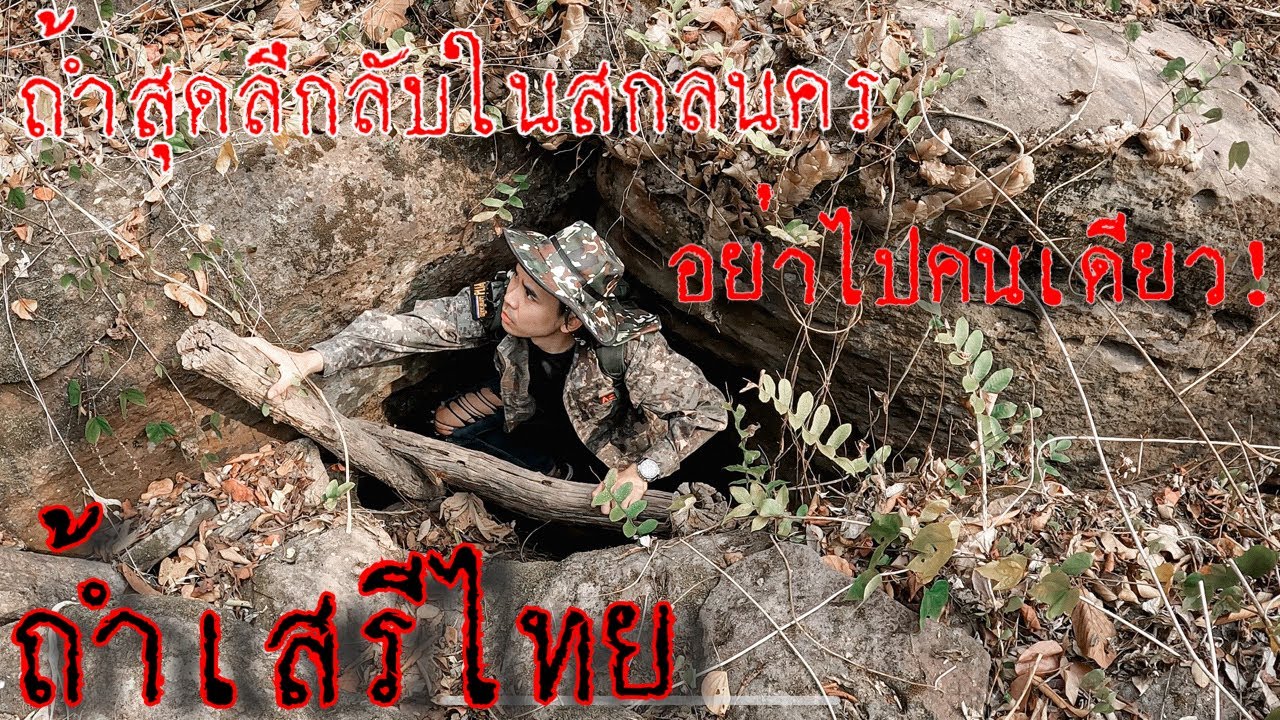
 Click to Access the Navigation Map GPS
 Art, Culture and Heritage
 Historical Sites and Monuments(2)
 Landmarks and Memorials(3)
 Art, Craft Centres, Tradition(4)
 Museums(3)
 Art Gallery(1)
 Educational Places
 Educational Gardens, Farm(1)
 Places of Worship
 Temple(21)
 Other Sacred Sites(6)
 Suburban Living
 Village, Community(3)
 National Parks and Marine Reserves(3)
 Mountain (Doi)(2)
 Dam, Reservoir, Lake(5)
 Waterfalls(4)
Caves(2)
Waterfalls(4)
Caves(2)
 River, Canal(3)
 Bays and Beaches(1)
 Other natural attractions(2)
 Entertainment and Agricultural
 Animal camps and shows(1)
 Farms, Parks and Ecotourism(2)


